Kuala Lumpur
Kuala Lumpur 2026: What to Know Before You Go
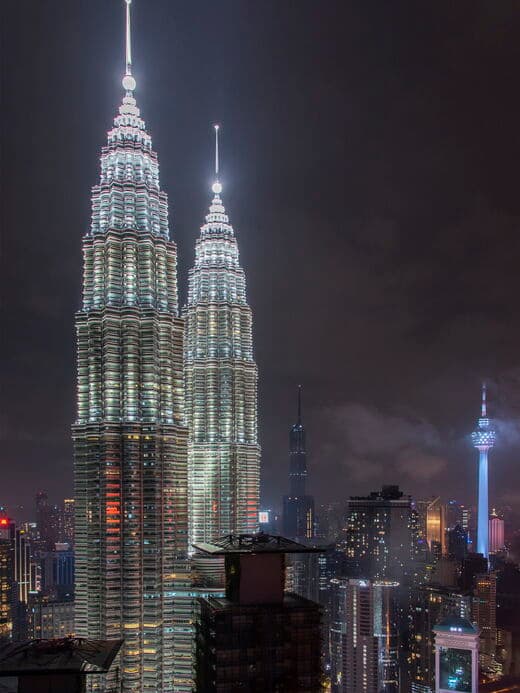
Kuala Lumpur hits you with sensory overload the moment you step outside the airport. The humidity wraps around you, the smell of satay wafts from roadside stalls, and the gleaming Petronas Twin Towers pierce the skyline. This is a city where centuries-old temples sit in the shadow of glass skyscrapers, where you can eat world-class street food for $2 and sip cocktails in rooftop bars overlooking the metropolis.
What makes KL special is its accessibility for English speakers. Malaysia was a British colony until 1957, and English remains widely spoken. Signs are bilingual, menus come in English, and you can navigate confidently without knowing Malay. The city has emerged as a digital nomad hotspot, with excellent internet, affordable living costs, and cafe culture rivaling Melbourne.
Budget-wise, Kuala Lumpur delivers exceptional value. Street food meals cost RM8-15 ($1.70-3.20 USD), Grab taxis across town rarely exceed RM25 ($5.30 USD), and decent accommodation starts at $30/night. Five-star hotels run $150-250/night, a fraction of Singapore prices. The weak Malaysian Ringgit makes 2026 an excellent time to visit.
Understand immediately: KL is not a walking city. The heat, inconsistent sidewalks, and sprawling layout mean you will rely on Grab, the metro system, or air-conditioned malls connected by covered walkways. Accept this reality and enjoy the city far more than tourists who arrive at attractions drenched in sweat.
Neighborhoods: Where to Stay
KLCC - The Iconic Heart
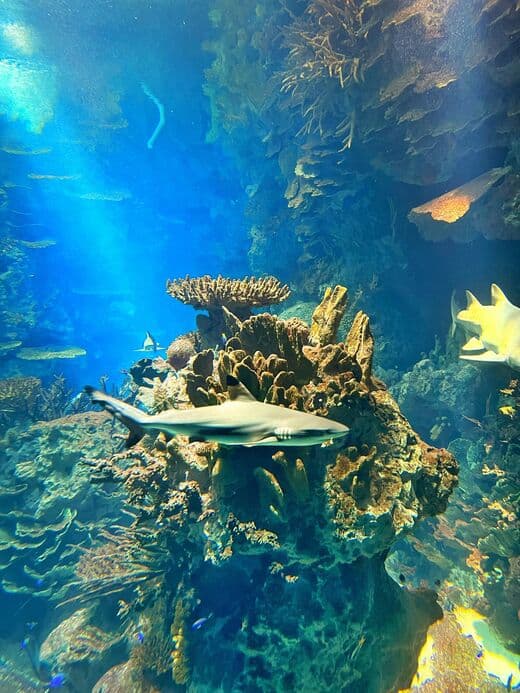
The Kuala Lumpur City Centre clusters around the Petronas Twin Towers. KLCC Park offers morning jogging paths with tower views, Suria KLCC mall handles shopping, and Aquaria KLCC provides rainy-day entertainment. Hotels range from business chains to ultra-luxury properties. Expect $80-300/night. The downside: KLCC feels sterile with limited street food and nightlife confined to hotel bars. Best for: first-timers, business travelers, families.
Bukit Bintang - Where the Action Is
KL's entertainment district explodes with malls (Pavilion KL, Lot 10), rooftop bars, nightclubs, and Jalan Alor food street that comes alive after sunset. Budget hotels cluster alongside boutique properties. The monorail connects you to the rest of the city. Downsides include aggressive touts, occasional pickpocketing, and noise. Best for: nightlife seekers, solo travelers, food enthusiasts.
Chinatown - Budget Heritage
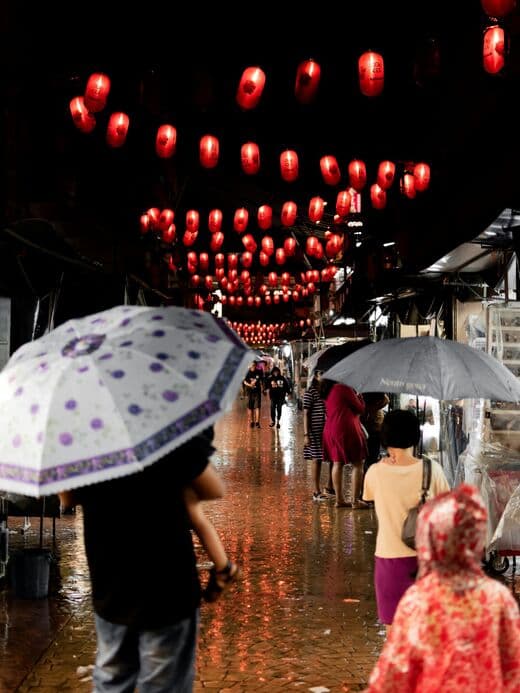
Centered on Petaling Street, Chinatown offers atmospheric budget accommodation. Heritage shophouses host boutique hostels, colonial buildings house quirky cafes. Walking distance to Masjid Jamek, Merdeka Square, and the Sultan Abdul Samad Building. Accommodation runs $15-60/night. Be aware: the night market sells counterfeit goods, and the area gets sketchy after midnight. Best for: budget travelers, backpackers, history buffs.
Bangsar - Expat Sophistication
This upscale residential neighborhood hosts brunch cafes, wine bars, and independent boutiques frequented by expats. Bangsar Village malls offer refined shopping. Accommodation typically $70-150/night, mostly serviced apartments. The LRT connects to central KL in 15 minutes. Downsides: limited attractions, higher prices, less authentic feel. Best for: longer stays, families, quiet evenings.
KL Sentral - Transit Hub
The main transportation hub connects airport express, metro lines, and buses. Makes sense for early flights or day trips. International hotels (Hilton, Le Meridien) cluster here, $80-180/night. The area lacks character - purely functional. Best for: transit-focused itineraries, early departures.
Kampung Baru - Authentic Malay
This traditional Malay village survives amid skyscrapers, maintaining wooden houses and kampung atmosphere. The Saturday night market offers the best Malay street food. Few tourists stay here, but homestays exist for adventurous travelers at $20-50/night. English less common, alcohol unavailable. Best for: cultural immersion, food adventurers.
Chow Kit - Emerging and Edgy
Once KL's red-light district, Chow Kit has transformed with boutique hotels like The Chow Kit. The wet market is the city's largest, street food exceptional and cheap. Gentrification continues but grit remains. Best for: adventurous travelers, photographers, street food obsessives.
Best Time to Visit Kuala Lumpur
Kuala Lumpur sits near the equator with consistently hot, humid weather year-round. Temperatures hover between 27-33 degrees Celsius (81-91 degrees Fahrenheit), humidity rarely below 80%. The question is not when it will be hot, but when it will rain.
The southwest monsoon (May-September) brings drier conditions with afternoon thunderstorms. The northeast monsoon (November-March) dumps heavier rainfall. KL storms typically arrive in late afternoon, lasting 30-90 minutes before clearing. Morning sightseeing remains viable even during wet season.
December-February sees heaviest rainfall but major festivals - Chinese New Year transforms Chinatown, while Thaipusam at Batu Caves offers spectacular cultural experiences. Hotel prices rise 20-30%.
March-May brings decreasing rain and increasing heat, sometimes exceeding 35 degrees Celsius. Ramadan affects restaurant availability during daylight but creates magical iftar atmospheres at sunset.
June-August delivers driest conditions but regional haze from Indonesian fires can severely impact air quality. Check indexes before booking.
September-November sees increasing rain, but prices drop and crowds thin. Independence celebrations parade at Merdeka Square in September. Deepavali lights up Indian neighborhoods.
My recommendation: visit March, April, September, or October for fewer crowds, lower prices, and manageable weather.
Itinerary: 3 to 7 Days in Kuala Lumpur
Day 1: Iconic KL
8:00 AM - 12:00 PM: Start at Petronas Twin Towers. Book Skybridge tickets online 3+ days ahead. Wander KLCC Park afterward. Visit Aquaria KLCC if traveling with children.
12:00 PM - 1:30 PM: Suria KLCC food court for nasi lemak or char kway teow. Budget RM15-25 ($3-5).
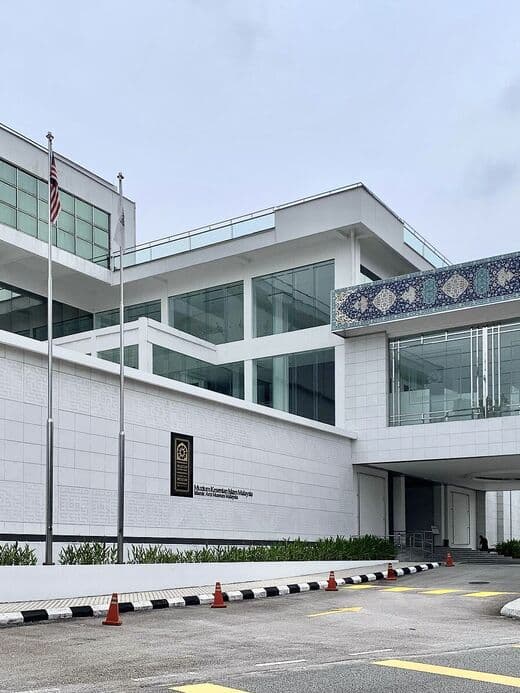
2:00 PM - 6:00 PM: Monorail to Bukit Bintang, explore Pavilion KL and Lot 10 basement food hall. Alternatively, Grab to the Islamic Arts Museum Malaysia - one of Southeast Asia's finest, rarely crowded.
7:00 PM onwards: Jalan Alor food street. Must-tries: grilled chicken wings (RM2 each), claypot lou shu fun, coconut drinks. Budget RM40-60 ($8-13) for a feast.
Day 2: Heritage and History
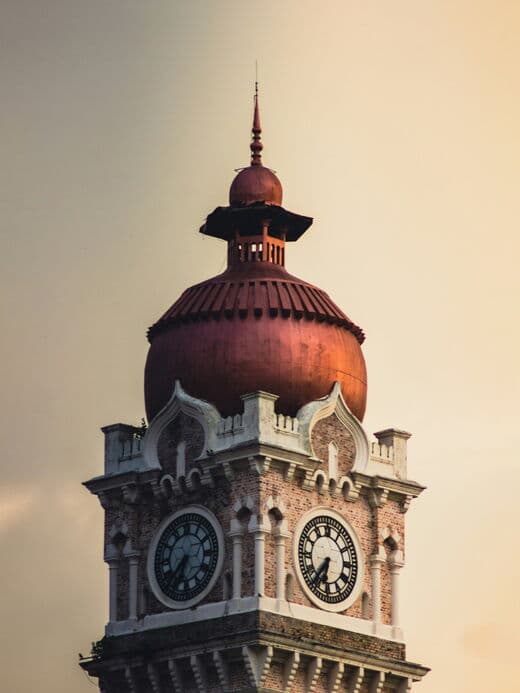
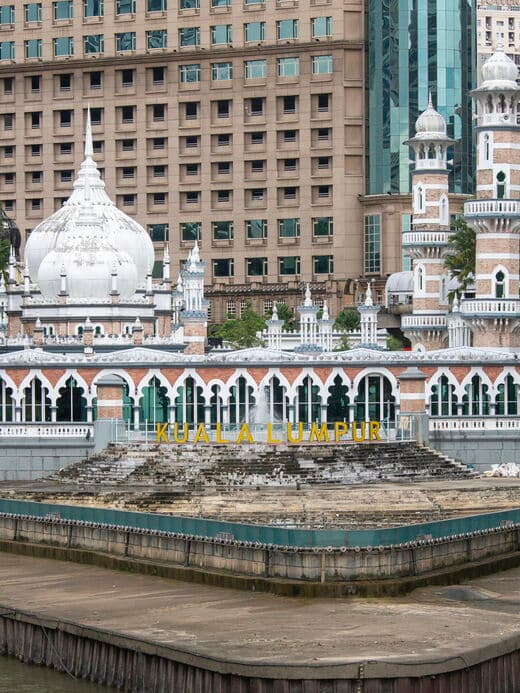
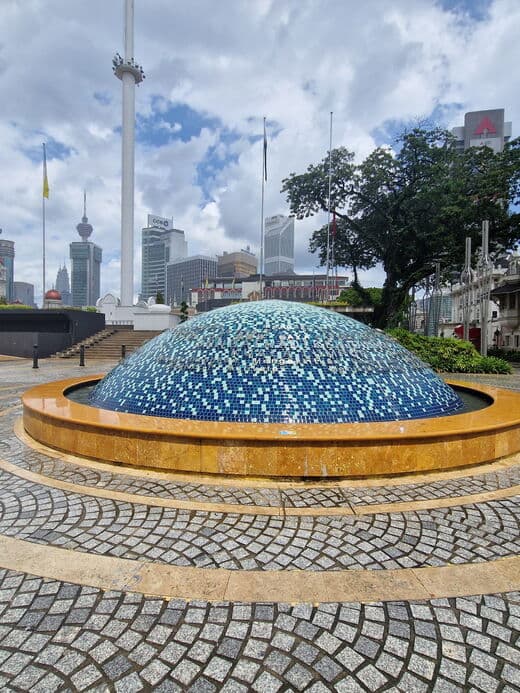
8:30 AM - 12:00 PM: Begin at Masjid Jamek, the city's oldest mosque. Walk to Merdeka Square where independence was declared in 1957. The Sultan Abdul Samad Building provides stunning Moorish architecture. Cross to KL City Gallery.
12:00 PM - 1:30 PM: Petaling Street in Chinatown. Skip counterfeit stalls, focus on food: Hokkien mee, wonton noodles, roast duck. RM15-25.
2:00 PM - 5:30 PM: Explore Chinatown temples - Sri Mahamariamman (Hindu), Guan Di (Chinese). Coffee at Merchant's Lane or Chocha Foodstore.
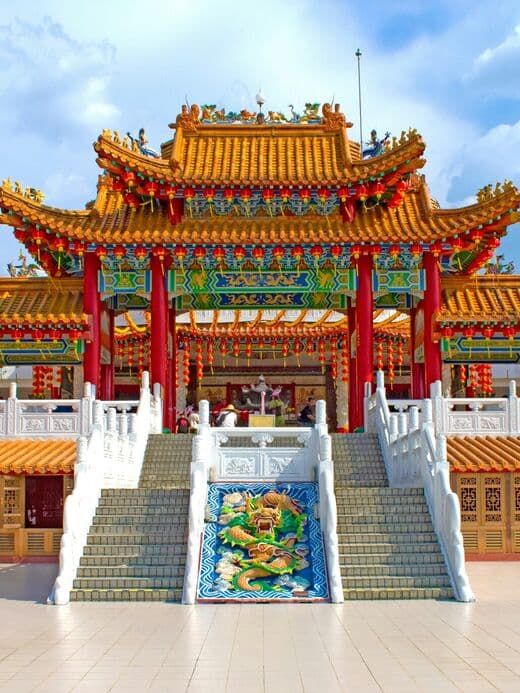
6:00 PM onwards: Thean Hou Temple for sunset views. Dinner at nearby Robson Heights hawker center.
Day 3: Batu Caves and Culture
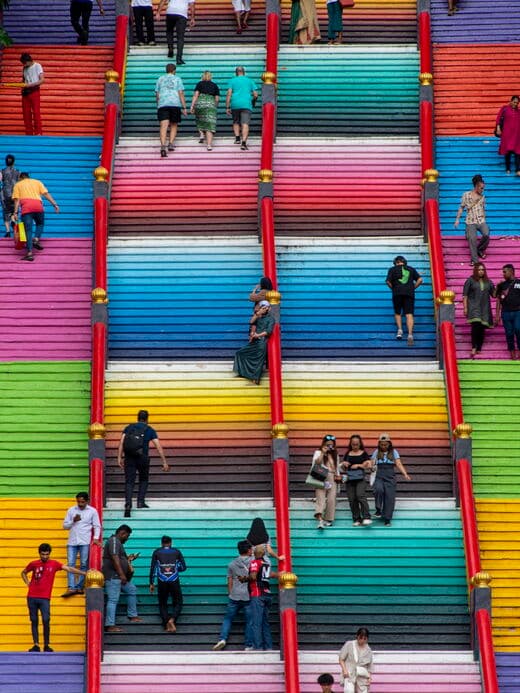
7:30 AM - 12:00 PM: Early start to Batu Caves. Take KTM Komuter from KL Sentral (RM2.60, 30 min) or Grab (RM25-30). The 272 steps require 2 hours. Wear clothing covering knees and shoulders. Watch for thieving monkeys.
12:30 PM - 2:00 PM: Kampung Baru for authentic Malay nasi campur, or Masjid India area for nasi kandar.
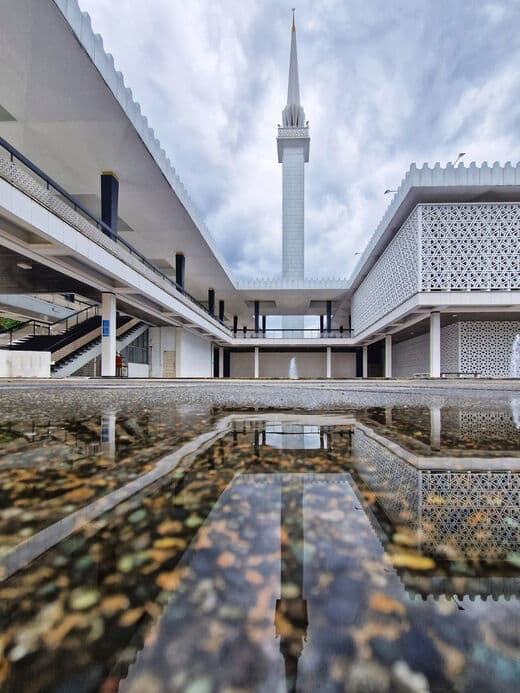
2:30 PM - 6:00 PM: Masjid Negara, the National Mosque - stunning modern Islamic architecture. Non-Muslims can enter outside prayer times.
7:00 PM onwards: Kampung Baru night food scene or Changkat Bukit Bintang bars.
Day 4: Towers and Views
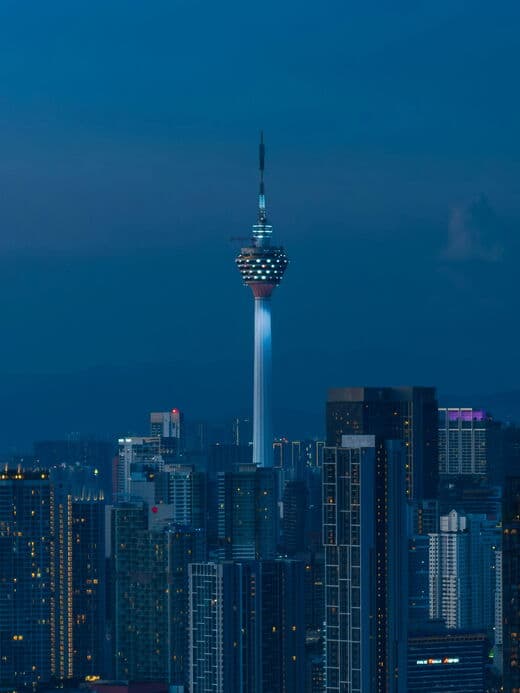
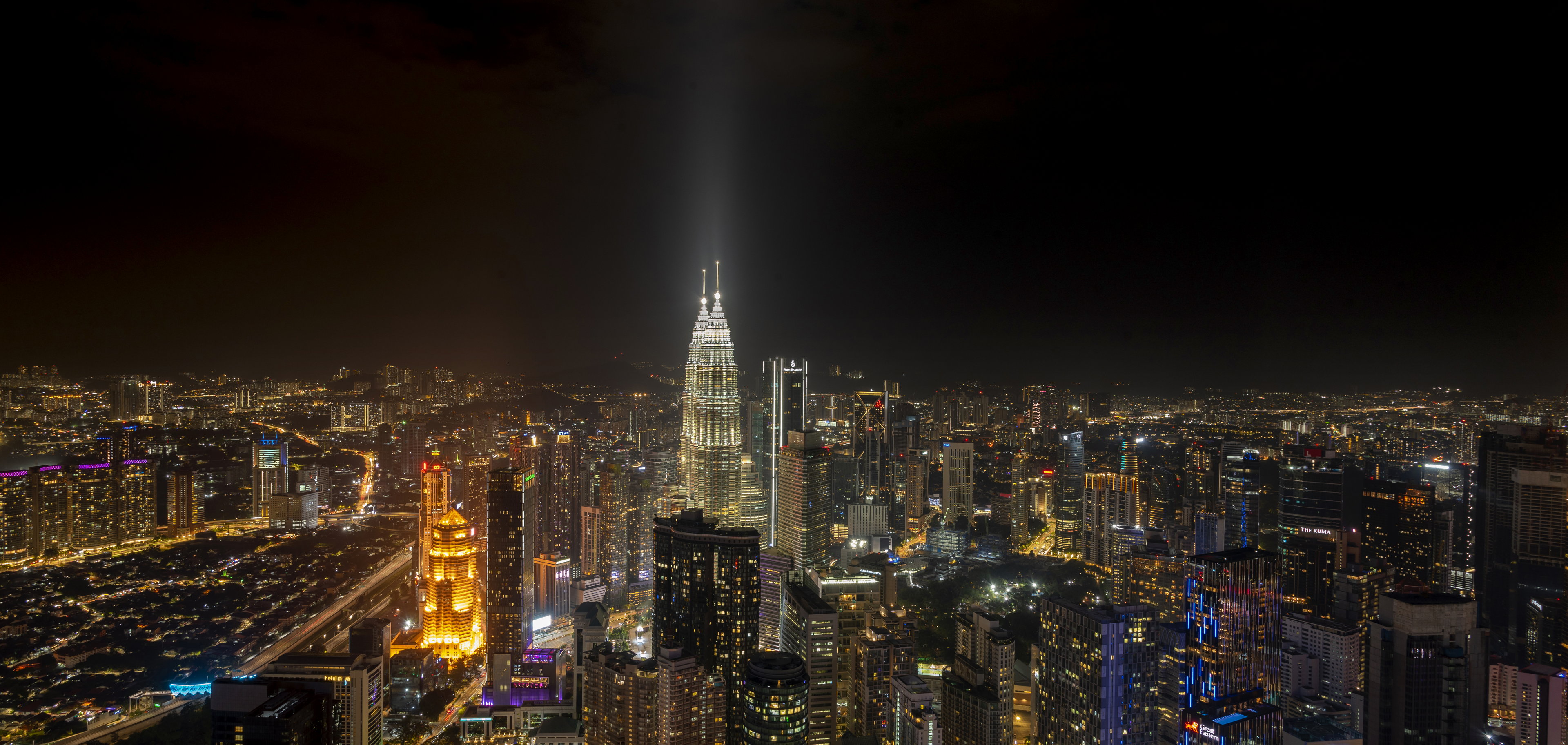
9:00 AM - 12:00 PM: KL Tower for 360-degree views and Sky Box glass floor. Less crowded than Petronas with arguably better views since you can see the Twin Towers.
12:00 PM - 1:30 PM: Grab to Bangsar. Pulp by Papa Palheta for coffee, Devi's Corner for banana leaf rice.
2:00 PM - 6:00 PM: Bangsar Village malls or Perdana Botanical Gardens and Bird Park.
7:00 PM onwards: Rooftop sunset drinks at Heli Lounge Bar or Marini's on 57. Smart casual dress required.
Days 5-7: Day Trips
Putrajaya: Malaysia's administrative capital offers stunning modern Islamic architecture. The pink Putra Mosque is spectacular. KLIA Transit 30 minutes from KL Sentral. Half-day sufficient.
Genting Highlands: Mountaintop casino and theme park at 20 degrees Celsius. Stunning cable car ride. Full day including 1-hour travel each way.
Malacca: UNESCO World Heritage city with colonial architecture, Jonker Street, Portuguese-Dutch-British history. Bus from TBS Terminal (RM10-15, 2 hours). Leave early.
Where to Eat: Restaurants and Cafes
KL's dining spans RM5 hawker stalls to RM500 fine dining experiences. The city consistently ranks among Asia's best food destinations, with Malaysian, Chinese, Indian, and international cuisines all represented at high levels.
Hawker Centers
Lot 10 Hutong: Air-conditioned basement of Lot 10 mall in Bukit Bintang featuring famous stalls relocated from across Malaysia. Try the Penang Hokkien mee, Kim Lian Kee signature noodles, and Hon Kee porridge. Prices slightly higher than street stalls (RM12-25) but quality is exceptional and the environment comfortable for tourists.
ICC Pudu: Massive hawker center serving some of the city's best Chinese-style food. The roast duck, char siu, and wonton noodles draw locals from across KL. Arrive before 12:30 PM for lunch or items sell out. Not tourist-oriented with limited English, but pointing works fine. RM8-15 per dish.
Bangsar Baru Hawker Stalls: The area around Jalan Telawi hosts excellent evening street food including satay, rojak, and cendol. More upscale hawker experience with higher prices (RM15-30) but good quality and pleasant atmosphere for evening dining.
Restaurants
Nadodi: Progressive South Indian cuisine earning rave reviews and international awards. The tasting menu (RM450-600) presents familiar Indian flavors through modern techniques. One of Asia's most innovative restaurants - book weeks ahead for weekend reservations.
Dewakan: Malaysia's most celebrated contemporary restaurant, holding a Michelin star. Chef Darren Teoh showcases indigenous Malaysian ingredients in creative presentations. The tasting menu (RM550-750) requires reservation at least 2 weeks in advance. Located outside central KL in Shah Alam.
Bijan: Upscale Malay cuisine in elegant setting near KLCC. The rendang and sambal dishes represent refined versions of hawker favorites. Budget RM100-150 per person. Excellent introduction to Malaysian flavors in comfortable environment.
Songket: Located in the Petronas Towers complex, offering traditional Malay cuisine with tower views. Tourist-oriented but food quality remains high. Set lunches around RM80-100 offer good value paired with the iconic setting.
Cafes
VCR (Velocity Coffee Roasters): The Bangsar location serves excellent specialty coffee alongside brunch dishes. Melbourne-influenced aesthetic and quality. RM15-25 for coffee, RM30-45 for food items.
Merchant's Lane: Atmospheric cafe in Chinatown heritage building with excellent coffee and fusion dishes. Gets crowded on weekends - arrive before 10 AM or after 3 PM for tables.
Feeka Coffee Roasters: Bukit Bintang area cafe with excellent espresso drinks and all-day breakfast menu. One of the city's specialty coffee pioneers.
Must-Try Food in Kuala Lumpur
Malaysian cuisine blends Malay, Chinese, Indian, and indigenous influences into something uniquely delicious.
Nasi Lemak: The national dish - coconut rice with sambal, anchovies, peanuts, cucumber, egg. RM3 roadside to RM25 restaurant versions. Village Park in Damansara Uptown serves the most famous version.
Char Kway Teow: Smoky stir-fried flat noodles with prawns, cockles, Chinese sausage. The wok hei flavor distinguishes great versions. Find at Lot 10 Hutong.
Satay: Grilled meat skewers with peanut sauce. Head to Satay Kajang Haji Samuri or Jalan Alor stalls.
Roti Canai: Flaky flatbread with dhal curry. Best at Indian-Muslim restaurants for breakfast or late-night. RM1.50-5.
Laksa: Curry laksa features coconut broth with prawns and tofu puffs. Try Madam Kwan's or specialist hawkers.
Bak Kut Teh: Pork rib herbal soup, popular for breakfast. Klang Valley is the heartland. Not available at halal establishments.
Nasi Kandar: Rice with mixed curries from Penang's Indian-Muslim community. 24-hour spots near Masjid India.
Cendol: Shaved ice with green jelly, coconut milk, palm sugar. Perfect afternoon refreshment. RM3-8.
Teh Tarik: Pulled tea poured between vessels creating frothy texture. Any mamak restaurant. Pair with roti canai.
Durian: The controversial king of fruits. Musang King RM80-150/kg, peak season June-August. SS2 stalls in Petaling Jaya. Hotels ban it due to aroma.
Local Secrets and Insider Tips
1. Covered walkway network: Walk Bukit Bintang to KLCC through air-conditioned malls via Pavilion, Fahrenheit 88, and the pedestrian walkway. 20-25 minutes, saves taxi fare and sweat.
2. Always use Grab: Regular taxis refuse meters and quote inflated prices. Grab provides fixed upfront pricing. Download before arriving.
3. Touch n Go card: Stored-value card for all public transport. Buy at any station for RM10 including RM5 credit.
4. Petronas tickets: Book 3-4 days ahead for morning weekend slots. Tuesday mornings least crowded. Standby queue at 8 AM releases limited same-day tickets.
5. Batu Caves timing: Arrive before 9 AM to beat tour buses. Thursday and Friday see fewer visitors.
6. Mamak restaurants: 24-hour Indian-Muslim eateries perfect for late-night roti canai. They screen Premier League matches with passionate crowds.
7. Mall closing: Most close 10 PM, food courts stay until 10:30-11 PM. Jalan Alor runs until midnight.
8. Dress codes: Mosques require covered knees and shoulders. Rooftop bars enforce smart casual - no shorts or flip-flops for men.
9. Free walking tours: Tip-based tours of Chinatown and Merdeka Square. Book through Klook, most start 9 AM.
10. Best free view: SkyBar at Traders Hotel offers direct Petronas views. One drink (RM45) beats RM100+ observation decks. Arrive 5:30 PM for seats.
11. Currency exchange: Airport rates are terrible. Get better rates at Mid Valley money changers or Jalan Bukit Bintang.
12. Afternoon storms: Expect rain 3-6 PM most days. Plan indoor activities. Storms clear within 60-90 minutes.
Transport and Connectivity
From Airport
KLIA sits 55 km south. KLIA Ekspres reaches KL Sentral in 28 minutes (RM55 one-way). Airport taxis charge RM75-120 fixed. Grab costs RM65-85 but surges during peak hours. Budget 45-90 minutes driving. KLIA2 handles AirAsia; same transport options apply.
Metro System
The network includes LRT, MRT, KTM Komuter, and Monorail interconnecting at KL Sentral, Masjid Jamek, and Bukit Bintang. Fares RM1.20-6.00. Hours roughly 6 AM to midnight. Download MyRapid app or use Google Maps for routing.
Grab and Taxis
Grab dominates ride-hailing. Enter destination, get price, confirm booking. Pay by card or cash. Surge pricing applies peak hours (8-9 AM, 5-8 PM) and rain. Cross-city journeys typically RM15-25. Avoid regular taxis - meters are always broken.
Internet and Apps
Buy tourist SIM at airport: Hotlink, Celcom, or Digi offer 15-30GB for RM30-50. Essential apps: Grab (transport and food), Google Maps (works offline), Klook (bookings), Touch n Go eWallet (payments).
Conclusion
Kuala Lumpur rewards travelers who embrace its contradictions - traditional kampung villages amid futuristic skylines, ancient temples beside modern malls, world-class street food for spare change. Unlike Singapore's manicured experiences or Bangkok's chaos, KL occupies a middle ground that feels authentically lived-in.
Three days give you highlights: towers, temples, food streets. A week reveals the city's rhythm and neighborhood secrets. Longer stays feel like living rather than traveling, with low costs making extended visits practical for digital nomads.
The heat is relentless, traffic maddening, sprawl overwhelming. But these fade against the pleasures: perfect char kway teow on a plastic stool, call to prayer echoing between skyscrapers at sunset, genuine Malaysian hospitality. Come hungry, stay curious, prepare to have your assumptions challenged.