About
United Kingdom: The Complete Travel Guide
Why Visit the United Kingdom
The United Kingdom is a land where history whispers from every corner and innovation charges boldly into the future. This compact island nation has shaped the modern world in ways too numerous to count: parliamentary democracy, the Industrial Revolution, the English language itself. From Shakespeare to the Beatles, from Newton to Turing, from tea ceremonies to punk rock, Britain has exported culture, ideas, and influence to every continent.
Four nations under one crown offer strikingly different experiences. England brings you the cosmopolitan energy of London, the dreaming spires of Oxford and Cambridge, the pastoral perfection of the Cotswolds. Scotland offers rugged Highlands, proud castles, and whisky that tastes of peat and sea. Wales hides more castles per square mile than anywhere on Earth, plus mountains, beaches, and a living Celtic language. Northern Ireland blends Irish charm with British heritage, dramatic coastlines, and a capital transformed from conflict into cool.
What makes the UK special for travelers is density of experience. Within two hours of London, you can stand inside a 5,000-year-old stone circle, punt down a medieval college river, walk through filming locations of Harry Potter, or hike across moors that inspired the Brontes. The compact geography means you can see Georgian architecture in the morning, Roman ruins at lunch, and Norman castles by dinner.
Yes, it rains. Yes, it is expensive. Yes, the food was historically questionable (though now excellent). But the museums are free, the pubs are welcoming, the countryside is green beyond imagination, and the British talent for dry humor makes every interaction memorable. This is a country that takes its traditions seriously enough to have a ceremony for everything, yet mocks itself constantly. That combination of pageantry and self-deprecation is uniquely delightful.
Regions: What to Choose
London and Surroundings
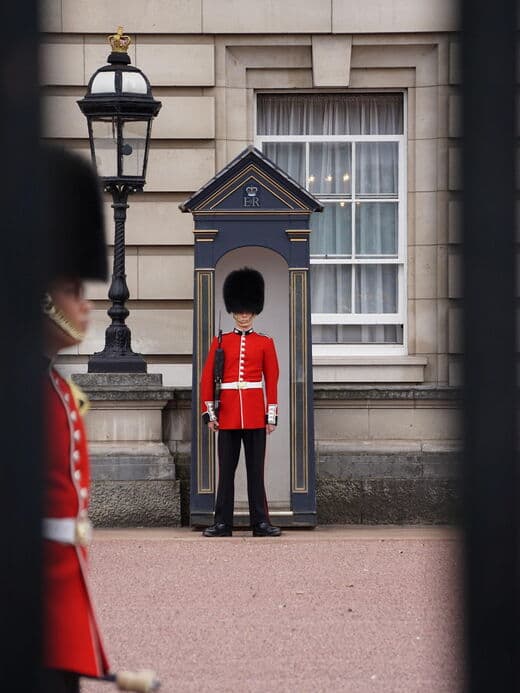
London is not just England's capital but one of the world's great cities. Give it at least four or five days; you could spend a month and not see everything. This is where the Tower of London guards the Crown Jewels, where Westminster Abbey has crowned monarchs for a millennium, where Buckingham Palace hosts the changing of the guard in crimson and gold.
But London's magic lies in its neighborhoods. Notting Hill with its pastel houses and antique shops. Camden with its punk heritage and weekend markets. The South Bank with Tate Modern in a converted power station and Tower Bridge framing the skyline. Borough Market for food lovers. Covent Garden for street performers and shopping.
The world's greatest museums are here and mostly free: the British Museum with treasures from every civilization, the Natural History Museum with its dinosaur skeletons, the V&A with decorative arts spanning centuries. National Gallery on Trafalgar Square. Science Museum for interactive wonder. Even the architecture is museum-worthy.
Harry Potter fans find Platform 9 3/4 at King's Cross. Heights seekers ascend The Shard, London Eye, or the free Sky Garden. History buffs explore the Churchill War Rooms and Parliament. St Paul's Cathedral rewards those who climb 528 steps to the dome. Theater lovers have the West End. Everyone has the parks: Hyde Park, Regent's Park, Kew Gardens.
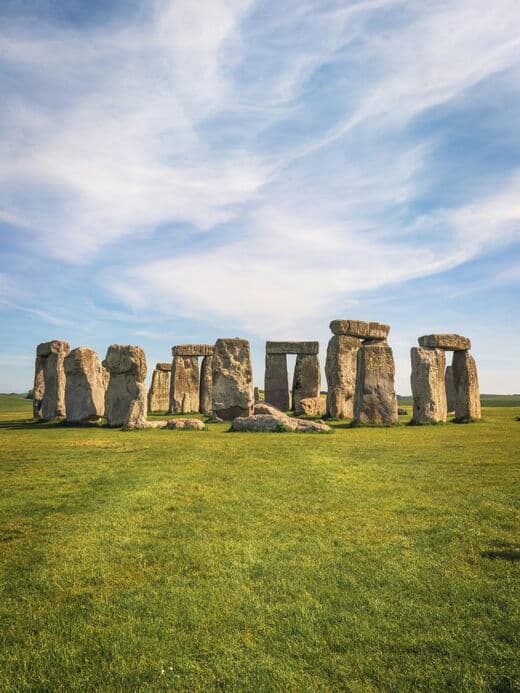
Within easy reach: Hampton Court Palace, Henry VIII's magnificent riverside residence. Greenwich with the Prime Meridian and Royal Observatory. And the mysterious circle of Stonehenge, still baffling archaeologists after 5,000 years. The visitor centre explains the theories; the stones remain magnificently silent.
The Southeast: Kent and Sussex
The 'Garden of England' unfolds within an hour of London. Canterbury Cathedral has drawn pilgrims since Thomas Becket's murder in 1170; the medieval town around it still charms. The White Cliffs of Dover remain the iconic first sight of Britain for travelers from the continent.
Brighton is the UK's unofficial LGBTQ+ capital, a bohemian seaside city with a pebble beach, eccentric Royal Pavilion in Indian style, and quirky Lanes full of vintage shops. Rye is a perfectly preserved medieval town with cobbled streets and ancient inns. Hastings still remembers 1066. And the rolling South Downs National Park offers gentle walking country with views to the sea.
Wine lovers take note: English sparkling wine has beaten Champagne in blind tastings. The chalk soils of Kent and Sussex produce exceptional fizz. Chapel Down, Nyetimber, Ridgeview offer tours and tastings. The climate may be changing, but the quality is already here.
The Southwest: Cotswolds, Bath, and Cornwall
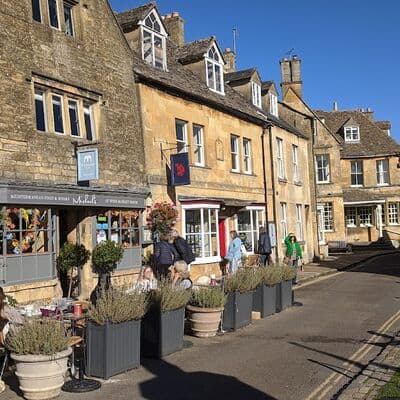
The Cotswolds define English rural fantasy. Villages of honey-colored stone, thatched cottages, dry stone walls, sheep-dotted hills. Bibury with Arlington Row is often called England's most beautiful village. Bourton-on-the-Water earns its nickname 'Venice of the Cotswolds' for the river running through its center.
Each village has its own charm: Castle Combe frozen in time, Broadway with its antique shops, Stow-on-the-Wold with a door that looks like an entrance to Middle-earth, Chipping Campden starting point of the Cotswolds Way. Broadway Tower offers views across sixteen counties. Hidcote Manor Garden and Sudeley Castle are essential for garden lovers.
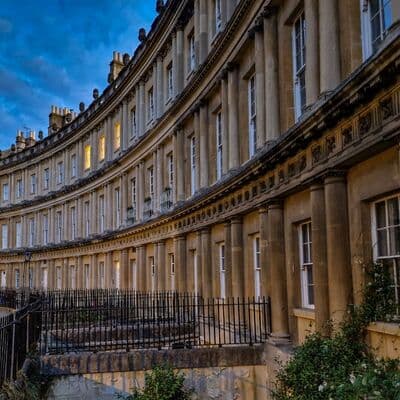
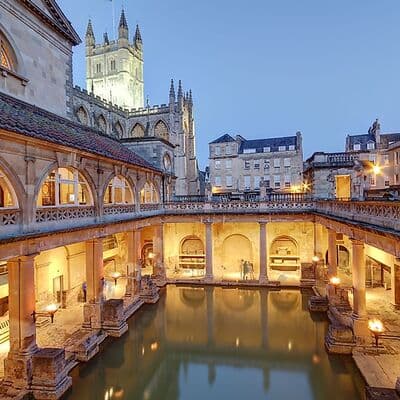
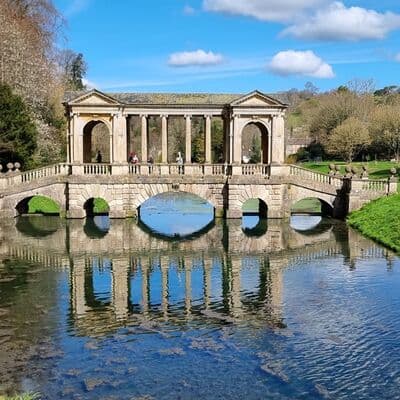
Bath is the only entire city in Britain designated a UNESCO World Heritage Site. The Roman Baths are 2,000 years old and still steaming. The Royal Crescent defines Georgian elegance. Bath Abbey soars with fan vaulting. Pulteney Bridge echoes Florence's Ponte Vecchio. The Circus is a circular Georgian masterpiece. And Thermae Bath Spa lets you soak in hot springs while gazing at the city skyline.
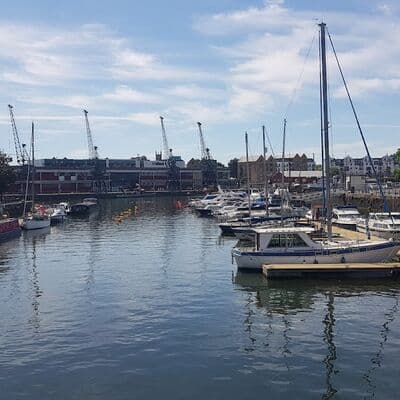
Bristol is creative, maritime, and home to Banksy. Clifton Suspension Bridge was Brunel's engineering masterpiece. SS Great Britain was the first iron-hulled ocean liner. The harbourside now hosts restaurants and galleries. Banksy's street art is scattered throughout. Stokes Croft is the bohemian heart. We The Curious delights families.
Cornwall is England's southwestern tip with a microclimate, Celtic heritage, and dramatic coastline. St Ives is a fishing village turned artists' colony with a branch of Tate gallery. St Michael's Mount is a fairytale castle on an island accessible by causeway at low tide. Eden Project houses tropical biomes in a former quarry. Minack Theatre stages plays on clifftops above the sea.
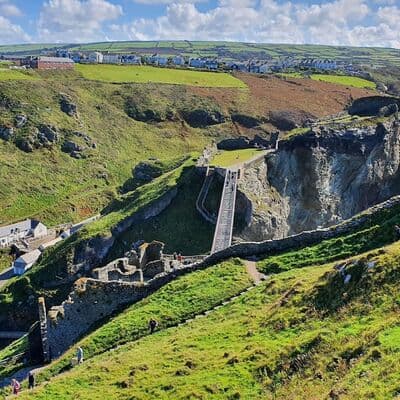
Tintagel Castle claims connection to King Arthur. Land's End marks the westernmost point with dramatic cliffs. Padstow is the foodie capital thanks to Rick Stein's restaurants. Penzance combines pirates, artists, and sea views.
Central England: Oxford, Cambridge, and Birmingham
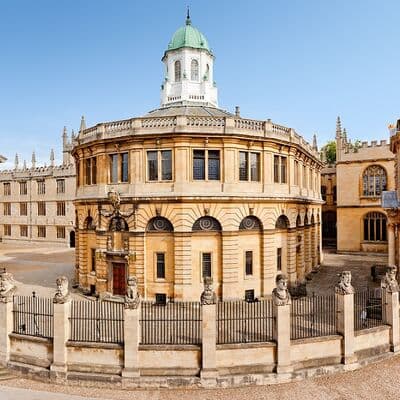
Oxford is the 'city of dreaming spires' where 38 colleges create a unique atmosphere of ancient scholarship. Christ Church is the largest and most famous, doubling as Hogwarts in the films. Bodleian Library is one of Europe's oldest. Radcliffe Camera is an iconic circular reading room. Bridge of Sighs connects Hertford College's buildings. Ashmolean is the world's oldest public museum. Punting on the Cherwell is the quintessential Oxford experience.
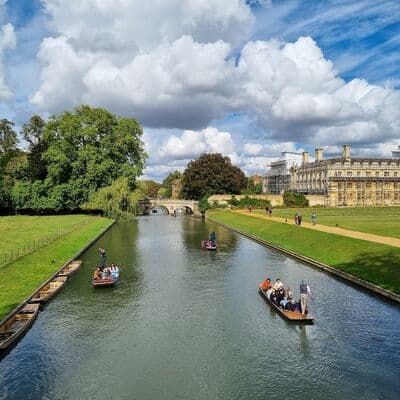
Cambridge is Oxford's eternal rival. King's College Chapel has the world's finest fan vaulting. Trinity College has produced more Nobel laureates than many countries. The Mathematical Bridge puzzles engineers. The Backs offer pastoral views behind the colleges. Punting on the Cam is the Cambridge equivalent. Fitzwilliam Museum holds world-class art. The Eagle pub is where Watson and Crick announced the discovery of DNA.
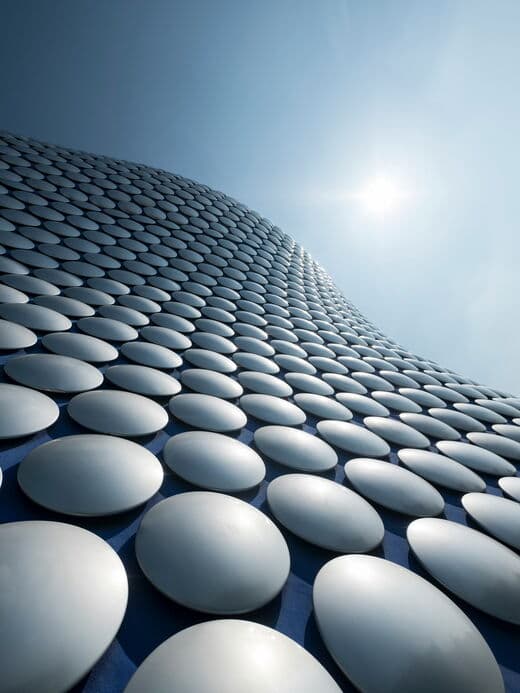
Birmingham is Britain's second city, long underrated but now thriving. Library of Birmingham is an architectural wonder. The Art Gallery holds the world's best Pre-Raphaelite collection. Brindleyplace reinvented the canals. Cadbury World is chocolate paradise. Digbeth is the creative quarter. The Jewellery Quarter has 200 years of craft. Black Country Living Museum brings the industrial age to life.
Northern England: York, Manchester, and Liverpool
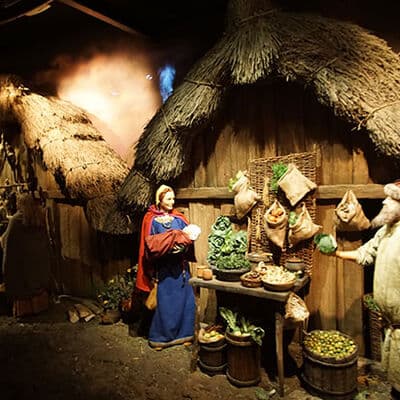
York is England's best-preserved medieval city. York Minster is Northern Europe's largest Gothic cathedral. The city walls let you walk the perimeter. The Shambles is a 14th-century street that inspired Diagon Alley. Jorvik recreates Viking York with smells and sounds. Clifford's Tower offers panoramic views. National Railway Museum is the world's largest. Betty's has served afternoon tea since 1919.
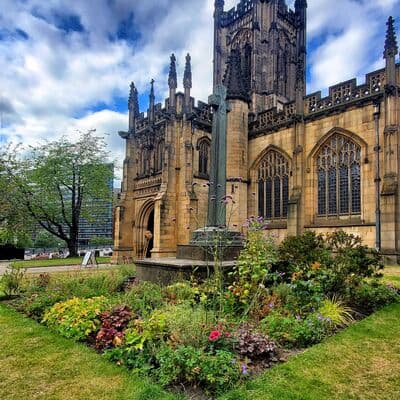
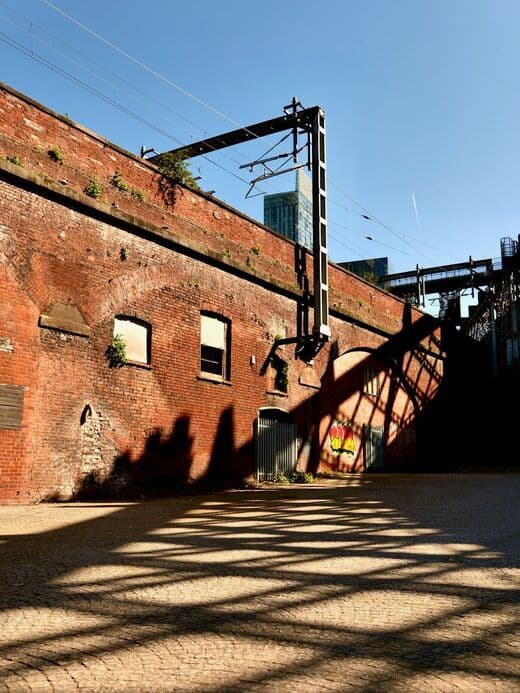
Manchester birthed the Industrial Revolution and modern football. Old Trafford and Etihad Stadium are pilgrimage sites. Northern Quarter has vintage shops and craft coffee. John Rylands Library is neo-Gothic splendor. Science and Industry Museum tells the industrial story. Art Gallery spans Pre-Raphaelites to contemporary. Castlefield mixes Roman fort with Victorian canals.
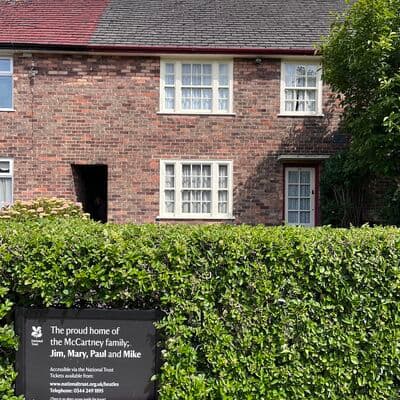
Liverpool is Beatles and football, waterfront and culture. Albert Dock is the UK's largest collection of Grade I listed buildings. The Beatles Story tells the Fab Four's tale. Cavern Club still hosts live music where it all began. John and Paul's childhood homes are National Trust properties. Strawberry Field inspired the song. Liverpool Cathedral is Britain's largest. Tate Liverpool and Walker Art Gallery offer serious art.
The Lake District
The Lake District is a UNESCO World Heritage Site that inspired the Romantic poets. Windermere is England's largest lake with cruises and ferries. Bowness on its shore is the tourist hub. Grasmere was Wordsworth's home with his Dove Cottage and famous gingerbread. Keswick is a hiking base near the Castlerigg Stone Circle.
Ambleside offers outdoor shops and fell access. Helvellyn is England's third-highest peak with the dramatic Striding Edge route. Beatrix Potter Gallery delights Peter Rabbit fans. This is hiking country par excellence: over 200 fells (mountains), countless paths, and a cozy pub with a fireplace waiting after every walk.
Scotland
Edinburgh may be the world's most beautiful capital. Edinburgh Castle dominates from its volcanic crag. The Royal Mile connects it to Holyroodhouse Palace, the monarch's Scottish residence. Arthur's Seat is an ancient volcano you can climb. Calton Hill offers sunset panoramas.
Victoria Street inspired Diagon Alley with its colorful shopfronts. Grassmarket buzzes with pubs and history. Dean Village is a quiet riverside haven. Mary King's Close is an underground 17th-century city. Greyfriars Kirkyard has graves that inspired Rowling. National Museum of Scotland spans dinosaurs to Dolly the sheep.
Whisky lovers find Scotch Whisky Experience and Johnnie Walker Princes Street. Royal Yacht Britannia reveals royal life at sea. August brings the Fringe and Military Tattoo, the world's largest arts festivals.
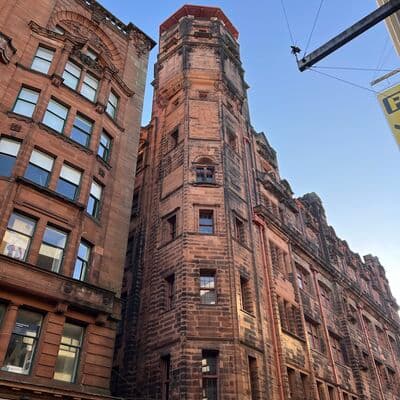
Glasgow is Scotland's largest city with different energy. Kelvingrove is one of Britain's best free museums. Riverside Museum is a Zaha Hadid transport museum. University of Glasgow has a neo-Gothic campus resembling Hogwarts. The Necropolis is a Victorian hilltop cemetery. Glasgow's murals make street art unavoidable. Ashton Lane concentrates bohemian bars.
Glasgow is Scotland's music capital, birthplace of bands from Franz Ferdinand to Chvrches. The Lighthouse is a Mackintosh design centre. Merchant City has restaurants in converted warehouses. Beyond the cities: the Highlands, Loch Ness, Isle of Skye, castles on every hill. Scotland deserves a week minimum.
Northern Ireland
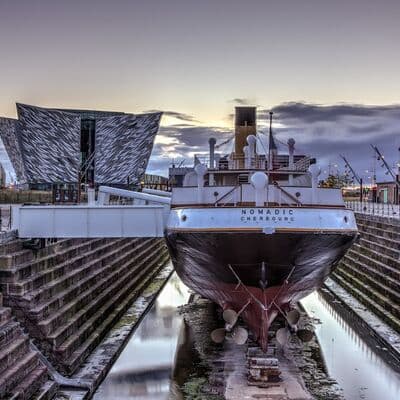
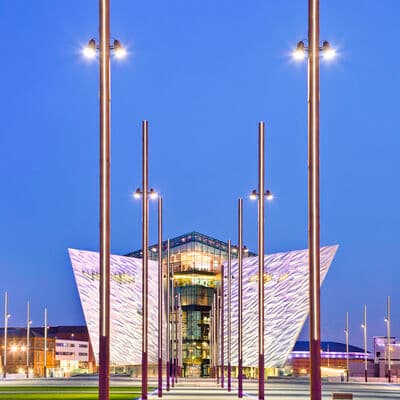
Belfast has transformed from conflict to cool. Titanic Belfast is a world-class museum at the shipyard where the liner was built. Titanic Slipways and SS Nomadic complete the experience. Peace Walls and murals tell the Troubles' story and reconciliation.
Cathedral Quarter has bars and galleries. St George's Market is one of Ireland's best. Crumlin Road Gaol offers dark history tours. Ulster Museum and Botanic Gardens provide cultural oasis.
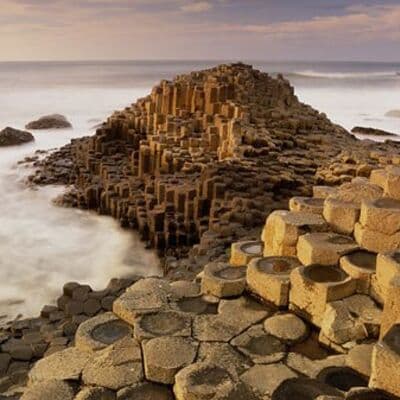
The Giant's Causeway has 40,000 basalt columns on the Atlantic coast, a UNESCO site. Legend says giant Finn McCool built it. The visitor centre explains geology and myth. Nearby: Carrick-a-Rede rope bridge over the chasm, romantic ruins of Dunluce Castle, and Bushmills Distillery, the world's oldest.
Wales
Wales is Britain's most underrated region. More castles per square mile than anywhere on Earth. Snowdonia National Park with the highest mountain in England and Wales. Cardiff, a dynamic capital with a castle in its heart and a regenerated bay district. The Pembrokeshire Coast is Britain's only coastal national park with wild beaches and clifftop walks.
Welsh is not a dead language but a living part of culture. The atmosphere differs: less touristy, more authentic. Conwy and Caernarfon are Edward I's medieval fortresses, built to subjugate the Welsh but now celebrating Welsh heritage. Hay-on-Wye is the world's book capital with over twenty secondhand bookshops. Portmeirion is an Italianate village where 'The Prisoner' was filmed, a surreal fantasy on the Welsh coast.
The Gower Peninsula was Britain's first Area of Outstanding Natural Beauty, with beaches that rival anywhere in the world on a sunny day. The Brecon Beacons offer mountain walks and an International Dark Sky Reserve. Anglesey is an island of Druids, royal connections, and the village with the longest place name in Europe. Wales rewards those who venture beyond the English border with quieter trails, genuine hospitality, and landscapes that astonish.
National Parks and Nature
Britain packs remarkable landscape diversity into a small area. Fifteen national parks range from Scottish peaks to English chalk downs, offering everything from gentle strolls to serious mountaineering.
The Lake District is England's most popular, the landscape that inspired Wordsworth and the Romantics. Windermere is the largest English lake, circumnavigated by a 75km trail or crossed by heritage steamers. Helvellyn with its Striding Edge ridge is a serious hike. Over 200 fells offer every difficulty level.
The Yorkshire Dales feature limestone karst, dramatic cliffs, and ruined abbeys. The North York Moors are heather moorlands with a steam railway that doubled as the Hogwarts Express. The Peak District between Manchester and Sheffield was Britain's first national park, with contrasting Dark Peak moorlands and White Peak limestone valleys.
Scotland has Cairngorms, Britain's largest park with subarctic plateau and the only UK reindeer herd. Loch Lomond and the Trossachs offer lakes and mountains an hour from Glasgow. The Highlands beyond are not formally a park but remain Britain's wildest landscape: Glencoe, Skye, the Northwest coast.
Pembrokeshire Coast in Wales is Britain's only coastal national park: 300km of clifftop paths, coves, and beaches. Snowdonia has mountains and lakes plus the world's steepest railway to Snowdon's summit. Brecon Beacons is an International Dark Sky Reserve where the Milky Way shines bright.
National Trails total over 4,000km of well-marked long-distance paths. Most famous: the Pennine Way (Britain's first, 429km along England's spine), the South West Coast Path (1,014km around Cornwall and Devon), Hadrian's Wall Path (135km along the Roman frontier). All have infrastructure for walkers and are completely free to use.
When to Go
British weather is famously unpredictable but rarely extreme. The Gulf Stream keeps winters mild (rarely below freezing even in Scotland) and summers cool (25C/77F counts as hot). The key characteristic is variability: sun, rain, fog, and sun again in a single day. Pack layers and always carry a waterproof.
High season runs May to September, peaking in July and August. Days are long (sunset after 9pm), gardens bloom, all attractions operate. But prices peak too, and crowds at popular sites test patience. School holidays (late July through August) are especially busy.
The sweet spots are May-June and September. May brings spring flowers: Cotswolds gardens, Cornish rhododendrons, London's cherry blossoms. June averages the most sunshine. September offers Indian summer, autumn colors, fewer tourists. Edinburgh's August festivals require booking months ahead.
Shoulder seasons (April and October) balance weather and prices. April is unpredictable ('April showers') but daffodils and magnolias compensate. October brings autumn foliage in the Lake District and Scotland, Halloween in castles. Some attractions shift to winter schedules.
Winter (November-March) means short days (dark by 4pm) but low prices. Christmas markets in Birmingham, Manchester, Edinburgh create festive atmosphere. Hogmanay (New Year) in Edinburgh is one of the world's largest street parties. January-February offer the cheapest flights and hotels. Snow in London is rare; Scotland has ski resorts.
Regional notes: Cornwall is warmest year-round (8-10C/46-50F even in winter). Scottish Highlands are colder and wetter. The west coast gets more rain; the east is drier. Midges (biting gnats) plague Scotland June through August, especially near water in calm conditions.
Key events for planning: Six Nations rugby (February-March), Chelsea Flower Show (May), Wimbledon (June-July), Notting Hill Carnival (August), Edinburgh Fringe (August), Bonfire Night (November 5). Bank holiday weekends mean crowds and traffic; avoid travel on those days.
How to Get There
The United Kingdom is Europe's largest aviation hub. Six London airports handle flights from everywhere. Heathrow is the world's third-busiest, the main hub for intercontinental travel. Gatwick is second, strong on European routes and charters. Stansted and Luton serve budget carriers. London City suits business travelers, close to the financial district. Southend is smallest.
Visitors from ESTA countries (US, Canada, Australia, most of Western Europe) need no visa for stays under six months. Check the latest requirements, but travel is generally straightforward. The Electronic Travel Authorisation (ETA) is being phased in for visa-exempt nationalities from 2025.
Alternative airports: Manchester is the northern hub with many transatlantic routes. Edinburgh and Glasgow serve Scotland directly. Birmingham covers the Midlands. Bristol serves the Southwest. Flying into these often costs less and avoids London chaos.
Train from Europe: the Channel Tunnel carries Eurostar from Paris (2h15), Brussels (2h), Amsterdam (4h) directly to St Pancras in central London. No luggage limits, comfortable, scenic. Book ahead for best prices.
Ferry is romantic if you're driving. Calais to Dover takes 90 minutes. Routes also run from Amsterdam, Rotterdam, and various French ports. Overnight ferries save a hotel night. P&O Ferries, DFDS, and Brittany Ferries are major operators.
What to choose? For a first visit, fly into Heathrow for convenient connections. Budget carriers use Stansted (Ryanair) or Gatwick (EasyJet), but allow 1-1.5 hours to reach central London. For Northern England or Scotland, consider flying directly into Manchester or Edinburgh to avoid internal transfers.
Getting Around
Driving on the left surprises visitors. If renting a car, allow adjustment time. The steering wheel is on the right, manual transmission is standard (automatic costs extra), turn signals and wipers are reversed. Roundabouts flow clockwise. You will accidentally activate the wipers when signaling for several days.
A car gives freedom, especially in rural areas: the Cotswolds, Lake District, and Scottish Highlands are hard to access otherwise. Roads are excellent but often narrow; in the Cotswolds and Cornwall, passing places allow oncoming traffic to squeeze by. City parking is difficult and expensive (up to 30 pounds/day in London). Central London charges congestion fees (15 pounds/day) plus ULEZ emissions charges for older vehicles.
Rental: international companies (Hertz, Avis, Europcar) and local ones (Enterprise). Book ahead; walk-up prices are higher. Expect 30-40 pounds/day for a compact, but zero-excess insurance can double the cost. Requirements: age 21-25+, 1-2+ years license, international permit alongside your domestic license.
Trains are Britain's pride and frustration. The network is extensive, high-speed trains are comfortable, but the privatized system is complex. Different companies, different rules. Buy Advance tickets early for 3-5x savings versus walk-up Anytime fares. Off-Peak offers discounts with time restrictions.
Where to book: trainline.com, nationalrail.co.uk, or directly with operators. The Trainline app is most convenient, combining all companies with e-tickets. BritRail Pass offers unlimited travel for tourists and can be worthwhile for intensive travel. London-Edinburgh takes 4.5 hours (LNER), London-Manchester 2 hours (Avanti).
Buses are budget alternatives. National Express is the main intercity operator. Megabus is the low-cost option with fares from 1 pound when booked early. Slower than trains but cheaper and sometimes more direct (overnight services). FlixBus also operates in the UK.
Internal flights: British Airways, EasyJet, Ryanair connect London with Edinburgh, Glasgow, Manchester, Belfast. Flight time is an hour, but airport time often makes trains competitive. Environmental impact favors ground transport for short distances.
London transport is its own universe. The Tube (Underground) is the world's oldest subway, with 11 lines running 5am-midnight (24-hour on some lines Friday-Saturday). Oyster Card or contactless payment is essential; cash is not accepted. Daily caps prevent overpaying. Buses are cheaper and you see the city. River boats combine transport and sightseeing on the Thames.
Taxis: black cabs are iconic but expensive. Uber, Bolt, and FreeNow are cheaper and easier. Minicabs are local firms requiring advance booking. In smaller towns, call local taxi numbers.
Cultural Code
British communication is famously indirect. 'Quite good' often means 'not great'. 'Interesting' can signal polite disagreement. 'With respect' precedes criticism. 'I'm sure it's my fault' implies it's actually yours. This isn't hypocrisy; it's cultural preference for avoiding confrontation.
The queue is sacred. Don't push ahead, don't jump lines, don't save spots aggressively. At a pub bar there's no formal queue, but the bartender knows who arrived first. Stand at the counter, have payment ready, and wait for eye contact.
'Sorry' is universal. Brits apologize for everything: if you step on their foot, if they inconvenience you, if the weather is bad, if the world is imperfect. 'Sorry' equals 'excuse me' equals 'pardon' equals conversational filler. Respond with 'no worries', 'that's alright', or 'sorry' back.
Small talk is an art form. Weather is the safe topic. 'Lovely day, isn't it?' works in any conditions. Even in pouring rain (with irony). Don't launch straight into business; allow a few minutes for pleasantries.
Tipping: not American levels, but expected. Restaurants: 10-15%, often included as 'service charge'. If included, no need to add more. Pubs at the bar: not expected. Pubs with table service: 10%. Taxis: round up or 10%. Hotels: 1-2 pounds for porters.
Pubs are social institutions. They serve beer, but they're not just about alcohol. They're living rooms, offices, community centers. Traditional hours: after work (5-7pm), Sunday lunch (noon-3pm). Ale is served at cellar temperature; don't complain about 'warm beer'. Lager is cold. Rounds: when drinking in a group, take turns buying for everyone. Don't wait for table service; go to the bar.
Personal space is larger than in many cultures. Don't stand too close, don't touch casually. Handshakes on first meeting, but not necessarily after. Hugs are for friends. Cheek kisses are rare and awkward.
Conversational taboos: salary, house prices, voting preferences (Brexit especially). Religion and politics require caution. The Royal Family is acceptable but read the room.
Humor: self-deprecation is the national sport. Understatement, sarcasm, and irony are default modes. Don't take things literally, don't take offense easily. If you're being teased, it's a sign of acceptance. Above all, don't brag; modesty is valued, self-promotion grates.
Safety
The United Kingdom is among the world's safest countries. Violent crime rates are low. Police are largely unarmed, which speaks to the security level. But petty theft, especially pickpocketing in tourist areas, is common.
London: Westminster, West End, Oxford Street attract pickpockets working crowds. Keep bags closed, phones secure. The Tube at rush hour requires vigilance. At night, avoid dark alleys, but central areas are generally safe even late.
Areas to be cautious: every city has less affluent zones. In London, parts of Tottenham, Peckham, Hackney (though the latter has gentrified significantly). In Manchester, Moss Side. In Birmingham, certain inner areas. Even these are usually fine during daytime.
Terrorism: the threat level is typically 'substantial' or 'severe'. In practice, expect increased security at stations, stadiums, major events. Be aware, not paranoid. Follow official guidance during any incident.
Scams: classic schemes include fake police, 'lost wallet' tourists, requests to hold valuables. In London, shell games near tourist sites are rigged; don't play. Fake tickets for events are common; buy only from official sellers.
Alcohol and nightlife: British drinking culture is distinctive. Friday and Saturday nights in any city center bring crowds. Usually good-natured, but conflicts occur. Clubs close late (2-6am); their vicinities can be rowdy. Don't intervene in others' disputes.
Driving: roads are safe, but left-side driving demands concentration. Don't drink and drive: limits are low (0.08% in England, 0.05% in Scotland), penalties severe. Speed cameras are everywhere, fines substantial.
Emergency numbers: 999 for police, ambulance, fire (serious emergencies). 101 is police non-emergency (thefts, incidents already happened). 111 is NHS health advice for non-urgent matters. British police are approachable; don't hesitate to ask for help.
Natural hazards: minimal. Ticks in long grass, especially Scotland; check after hikes. Midges are maddening but not dangerous. Tides can trap unwary beach walkers and causeway crossers. Hypothermia is a real risk for unprepared hikers even in summer.
Health and Medical Care
The NHS (National Health Service) is Britain's pride, but not free for tourists. Access depends on your country of origin and reciprocal healthcare agreements. EU and some other nationals can use the GHIC/EHIC card for necessary treatment. US citizens and most others need travel insurance.
What's typically covered: A&E (emergency room) treatment is provided to everyone regardless of status. Further care may be charged. A private GP consultation costs 50-150 pounds. Private hospitals include Bupa, Nuffield Health, BMI Healthcare.
Travel insurance is essential. Cover at least 50,000 euros/pounds in medical expenses plus repatriation. Check adventure sports coverage if you're hiking. Even with reciprocal agreements, insurance covers gaps.
Pharmacies: Boots and Superdrug are major chains. Pharmacists can advise on minor ailments and sell some medications without prescription. Paracetamol and ibuprofen are available without prescription but in limited quantities (32 tablets maximum per purchase). Antibiotics require prescriptions.
Vaccinations: none required. Standard tetanus should be current. COVID restrictions have ended, but situations can change; check before traveling.
Tap water is safe to drink everywhere. Excellent quality, no risks. In restaurants, you can ask for 'tap water' for free.
Sun: yes, even in Britain you can burn. Reflected light through clouds is deceptive. SPF 30+ on sunny days, especially at the coast or in mountains.
Money and Budget
The currency is the pound sterling (GBP). One of the world's strongest currencies: 1 GBP equals roughly 1.25-1.30 USD (check current rates). Scotland and Northern Ireland print their own notes; they're legal everywhere in the UK, but English shops sometimes balk. Exchange before leaving Scotland or ask for English notes.
Cashless payment dominates. Britain has largely abandoned cash. Contactless up to 100 pounds works everywhere, even pubs and market stalls. Apple Pay, Google Pay are standard. Cash is needed only for tips or tiny shops. Many places are 'card only'.
Currency exchange: airport rates are terrible, avoid them. Thomas Exchange, ICE, and similar bureaux in cities offer better rates. Tourist areas charge more. Check commission and rate before exchanging. Better still: withdraw from ATMs with a fee-free international card.
Budget: Britain is expensive. Approximate daily costs:
Budget (80-100 pounds): hostels or budget B&Bs (25-40 pounds), street food and supermarkets (15-25 pounds), public transport (10-15 pounds), free museums plus 1-2 paid attractions (20-30 pounds).
Mid-range (150-200 pounds): 3-star hotels or good Airbnb (80-120 pounds), mid-range restaurants (40-50 pounds), mixed transport (15-25 pounds), attractions and entertainment (30-50 pounds).
Comfortable (300+ pounds): 4-5-star hotels (150-300+ pounds), quality restaurants (80-100 pounds), taxis and convenience (30-50 pounds), theater and premium experiences (50-100 pounds).
London is pricier: add 20-30% to any category. Edinburgh in August rivals London prices. Rural areas cost less, but transport eats savings.
How to save: major museums are free (British Museum, National Gallery, Tate Modern, V&A, Science Museum, Natural History Museum). Parks are free. Pubs are cheaper than restaurants. Supermarkets (Tesco, Sainsbury's, Aldi, Lidl) cost a fraction of cafes. Meal deals (sandwich + chips + drink for 3-5 pounds) are budget savers. Oyster caps prevent transport overpaying. Advance train tickets booked 12 weeks out cost a third of walk-up fares.
What to avoid: tourist restaurants near attractions, taxis for short distances, souvenirs in central shops, tickets at ticket offices instead of online.
Top Itineraries
7 Days: London and the Classics
Day 1: Arrive in London. Walk South Bank: Tate Modern, Tower Bridge views, The Shard skyline. Evening at Borough Market (weekdays) or South Bank restaurants.
Day 2: Royal London. Westminster Abbey (book morning slot), Parliament and Big Ben. Changing of the Guard at Buckingham Palace (11am, check schedule). Walk through Hyde Park to museums. V&A or Natural History Museum. Evening: West End theater.
Day 3: Historic London. Tower of London (arrive at 9am opening, start with Crown Jewels). St Paul's Cathedral and dome climb. Lunch in the City. Evening: Sky Garden (book ahead, free) or London Eye at sunset.
Day 4: Day trip to Stonehenge and Bath. Organized tour or train to Salisbury plus bus. Stonehenge in the morning (fewer crowds). Transfer to Bath: Roman Baths, Royal Crescent, Abbey. Return to London or stay overnight.
Day 5: British Museum (3-4 hours minimum: Rosetta Stone, Egyptian mummies, Parthenon Marbles). Lunch in Bloomsbury. Afternoon: Covent Garden, Trafalgar Square, National Gallery. Evening: Soho and Chinatown.
Day 6: Oxford or Cambridge day trip (choose one). Oxford: Christ Church, Bodleian, Radcliffe Camera, Eagle and Child pub (Inklings gathering place). Cambridge: King's College, punting, Fitzwilliam. Trains take about an hour each way.
Day 7: Notting Hill (Saturday Portobello Market), Kensington Palace. Or: Camden plus Regent's Park. Final shopping on Regent Street and Piccadilly. Departure.
10 Days: England South to North
Days 1-3: London as above.
Day 4: Drive or tour to the Cotswolds. Bibury, Bourton-on-the-Water. Overnight in Stow-on-the-Wold or Chipping Campden.
Day 5: Morning Cotswolds: Broadway, Broadway Tower. Drive to Bath: Roman Baths, Thermae Spa at sunset (book ahead). Overnight Bath.
Day 6: Stonehenge morning. Train to York (4-5 hours, change at Bristol or Birmingham). Evening: walk the walls, dinner in a historic pub.
Day 7: Full day in York. York Minster (morning, tower climb). Shambles, Jorvik, Clifford's Tower. Betty's for tea. Railway Museum if time allows.
Day 8: Lake District. Train to Windermere (via Oxenholme). Lake cruise, Bowness. If active: hike Orrest Head (easy, 1 hour, great views). Overnight Ambleside or Keswick.
Day 9: Lake District continued. Grasmere: Dove Cottage, famous gingerbread. Walk around Grasmere lake. Or serious hike up Helvellyn (7-8 hours). Evening: pub with fireplace.
Day 10: Return to London. Train from the Lake District takes about 3.5 hours. Or via Manchester (1.5 hours to Manchester, 2 hours to London) with a stop at John Rylands Library.
14 Days: England and Scotland
Days 1-4: London and surroundings (Stonehenge, Bath, or Oxford).
Day 5: Train to York (2 hours). Explore the city.
Day 6: York morning, then train to Edinburgh (2.5 hours). Evening walk on Royal Mile, dinner in Grassmarket.
Day 7: Edinburgh. Edinburgh Castle early (book slot). Royal Mile, St Giles' Cathedral, Mary King's Close. Sunset on Calton Hill.
Day 8: Edinburgh continued. Holyrood and Arthur's Seat (2-3 hour hike). National Museum. Whisky tasting at Scotch Whisky Experience or Johnnie Walker.
Day 9: Day trip from Edinburgh: Highlands and Loch Ness (organized tour) or St Andrews (train plus bus) for golf history and picturesque university town.
Day 10: Train to Glasgow (50 minutes). Kelvingrove, University, Ashton Lane. Overnight Glasgow.
Day 11: Glasgow morning: Cathedral, Necropolis, Riverside. Afternoon: train or drive to Lake District (via Carlisle). Overnight in the Lakes.
Days 12-13: Lake District: Windermere, Grasmere, hiking. Two days allow more: Keswick, Castlerigg, Helvellyn for experienced hikers.
Day 14: Return to London or fly from Manchester.
21 Days: The Great British Journey
Days 1-4: London in depth. Add Greenwich, Hampton Court, Kew Gardens.
Day 5: Cambridge full day. King's College, Trinity, punting, Fitzwilliam. Return to London.
Days 6-7: Cotswolds two nights. All villages: Bibury, Bourton, Castle Combe, Broadway, Lacock. Hidcote gardens.
Day 8: Bath and Stonehenge. Overnight Bath or Bristol.
Day 9: Bristol: Clifton Bridge, SS Great Britain, Banksy art. Drive to Cornwall (4-5 hours). Overnight St Ives or Penzance.
Days 10-11: Cornwall. St Ives, Tate, St Michael's Mount, Land's End, Minack Theatre, Eden Project. Beaches and fresh seafood.
Day 12: Tintagel. Long drive north: overnight somewhere in central England (Birmingham convenient).
Day 13: Birmingham: Library, museum, canals. Drive to Liverpool.
Day 14: Liverpool: Beatles trail with The Beatles Story, Cavern Club, childhood homes. Albert Dock, Cathedral.
Day 15: Manchester: Old Trafford or Etihad stadium tour, Northern Quarter, Rylands Library. Overnight Manchester.
Days 16-17: Lake District. Full two days: Windermere, Grasmere, Keswick, hiking the fells.
Day 18: York: Minster, Shambles, Jorvik, walls.
Days 19-20: Edinburgh: castle, Royal Mile, Arthur's Seat, museum, whisky. Day trip to Highlands or Glasgow.
Day 21: Fly from Edinburgh or return to London (4.5-hour train).
Connectivity and Apps
Mobile coverage in the UK is excellent. Major carriers: EE (best coverage), Vodafone, Three, O2. Virtual operators (MVNOs): giffgaff, Voxi, Lebara offer cheaper tourist-friendly options.
For visitors, giffgaff is excellent. Order a free SIM to a UK address or some other countries before arrival. Activate on landing. Plans start at 10 pounds/month: unlimited calls and texts, 15-25GB data. No contract; just top up.
Three has 'Go Roam' allowing use in certain countries without extra charges, convenient if continuing to Europe. Coverage slightly behind EE but acceptable.
eSIM: if your phone supports it, Airalo, Holafly, or Ubigi work. Activate before arrival, connect immediately on landing. More expensive than physical SIMs but more convenient. Holafly offers unlimited data but no calls.
WiFi is everywhere: cafes, restaurants, pubs, museums, stations, buses. Quality varies but sufficient for messaging and maps. Hotels typically include WiFi.
Useful apps: Citymapper (essential for London transport), Trainline (UK trains), Google Maps (navigation, though Citymapper is better for transit), Uber/Bolt (taxis), Just Eat/Deliveroo (food delivery), Time Out (events and restaurants).
What to Eat
British food suffers from an undeserved reputation. Yes, 1950s school dinners were grim, but modern Britain is a culinary destination. London has 75 Michelin stars. Traditional food done well is hearty, honest, and satisfying.
Full English Breakfast: fried eggs, bacon, sausages, baked beans, mushrooms, tomatoes, toast, sometimes black pudding (blood sausage) or haggis in Scotland. Not everyday fare but a weekend indulgence or hangover cure. Find a 'greasy spoon' cafe for authenticity.
Sunday Roast: the great ritual. Roast beef (or lamb, chicken, pork) with Yorkshire pudding (a savory batter puff), vegetables, and rich gravy. Served in pubs from noon to 4pm Sundays. Book ahead; good places fill up.
Fish and Chips: cod or haddock in batter with thick-cut chips. Served with mushy peas, tartar sauce, or just malt vinegar. Best by the sea: Whitby, Brighton, Scarborough. In London: Poppies, The Golden Hind. Avoid tourist traps.
Pie and Mash: meat pie with mashed potatoes and green parsley sauce (liquor). Working-class Victorian London fare, still served in traditional East End shops (M. Manze, F. Cooke). An authentic experience.
Afternoon Tea: not just tea but a ceremony. Three-tiered stand: sandwiches (cucumber, salmon, egg), scones with clotted cream and jam, pastries. Unlimited tea. Classic venues: The Ritz, Claridge's (70-100+ pounds). Alternatives: Fortnum & Mason, Sketch, or provincial tearooms (Betty's in York).
Cornish Pasty: a pie from Cornwall filled with meat and vegetables. Historically miners' lunch; the thick crimped edge served as a handle (discarded because hands were dirty). Genuine ones come only from Cornwall (protected origin). Ginsters doesn't count.
Scottish cuisine: haggis (sheep's offal with oatmeal in a stomach lining; sounds scary, tastes great), Cullen skink (smoked fish soup), Scotch pie (meat pastry), porridge (oatmeal). And whisky: try different regions' styles: peaty Islay, honeyed Speyside, fruity Highland.
Welsh cuisine: Welsh rarebit (cheese toast with mustard and beer), bara brith (fruit bread made with tea), Welsh cakes (flat raisin scones). Welsh lamb is among the world's best.
Indian cuisine: paradoxically, the best Indian food outside India is in Britain. Chicken Tikka Masala was invented in Glasgow. Balti originated in Birmingham. Brick Lane in London is curry row. Curry Mile in Manchester. Don't miss it.
Beer: ale is not lager; it's served at cellar temperature. Styles: bitter (classic), IPA (hoppy), stout (dark, like Guinness), porter. Real ale is live, from casks, without forced carbonation. CAMRA pubs guarantee quality. Try local breweries everywhere.
Cider: especially in the Southwest. Somerset and Herefordshire are production centers. Scrumpy is strong farmhouse cider; approach carefully. Perry is made from pears.
Shopping
Britain offers everything from luxury boutiques to vintage markets. What to bring home that's authentically British?
Tea: Fortnum & Mason, Whittard, Twinings are classics. Loose leaf beats teabags. Yorkshire Tea is the beloved everyday brand. Look for rare varieties: smoky Lapsang Souchong, citrusy Earl Grey, robust English Breakfast.
Tweed and Wool: Harris Tweed from the Isle of Lewis is the only tweed protected by an act of Parliament. Jackets, caps, accessories. Shetland wool sweaters last decades. Scottish cashmere is expensive but exceptional.
Burberry: iconic trench coats and the famous check pattern. Outlets like Bicester Village near Oxford offer discounts.
Doc Martens: the legendary boots. Selection is wider in Britain, prices sometimes lower. The factory in Northampton offers custom orders.
Whisky: from Scotland, obviously. Single malts make perfect gifts for enthusiasts. Airport duty-free has limited editions. Better: buy at distilleries like Scotch Whisky Experience or Bushmills.
China: Wedgwood, Royal Doulton, Emma Bridgewater are iconic brands. Outlets in Stoke-on-Trent, the pottery capital.
Books: Foyles, Waterstones, Daunt Books are bookshops with character. Charing Cross Road in London is secondhand heaven. Hay-on-Wye is an entire town of bookshops.
Antiques: Portobello Road (Saturdays), Camden Passage (Wednesdays and Saturdays), Spitalfields, Greenwich. Provincial towns are cheaper: Cotswolds, Bath, York.
Chocolate: Hotel Chocolat is Britain's luxury brand. Cadbury is nostalgic (though Mondelez changed the recipe). Prestat supplies the Royal Household.
Tax Free: Since 2021, the VAT Retail Export Scheme ended for tourists due to Brexit. VAT refunds are no longer available (except in Northern Ireland). Factor this into major purchase budgets.
Where to shop: Oxford Street is mass-market with crowds. Regent Street is prettier and more pleasant. Bond Street is luxury. Carnaby Street has trendy vintage. King's Road has designer boutiques. Bicester Village outlet is near Oxford.
Useful Apps
Transport: Citymapper (essential for London), Trainline (UK-wide trains), Uber/Bolt (taxis), National Express (coaches), Omio (compare all transport modes).
Navigation: Google Maps, Maps.me (offline), What3Words (British invention for precise locations).
Food: OpenTable/TheFork (restaurant booking), TripAdvisor, Time Out, Deliveroo/UberEats/JustEat (delivery).
Attractions: individual museum apps (British Museum, V&A, National Gallery have audio guides), English Heritage, National Trust (if buying membership), VisitBritain.
Weather: Met Office (official UK forecast, most accurate), BBC Weather.
Practical: Wise (money transfers and card), Revolut (if you have an account), XE Currency (converter).
Film and TV Locations
Britain is a living film set. Harry Potter fans can visit dozens of locations: Christ Church in Oxford (the Great Hall), Gloucester Cathedral (Hogwarts corridors), Alnwick Castle (Quidditch lessons), the Glenfinnan Viaduct in Scotland (the Hogwarts Express crossing), and countless London spots. The Warner Bros. Studio Tour near Watford reveals how the magic was made.
Downton Abbey brought Highclere Castle to fame; you can visit the real thing. The Crown filmed across London: Buckingham Palace exteriors, Lancaster House interiors, Ely Cathedral standing in for Westminster Abbey. Game of Thrones used Northern Ireland extensively; the Dark Hedges became the Kingsroad, while Dunluce Castle inspired Pyke.
James Bond has used London constantly: MI6 headquarters at Vauxhall Cross, the Scottish Highlands in Skyfall, various London landmarks. Peaky Blinders brought Birmingham's industrial heritage to screens worldwide. Bridgerton showcases Bath's Georgian splendor. Doctor Who has filmed across Cardiff and London for decades. And every Jane Austen adaptation seems to use Bath, the Cotswolds, or some stately home.
Literary pilgrimages abound. Stratford-upon-Avon is Shakespeare's birthplace. Haworth in Yorkshire was home to the Brontes; the parsonage is now a museum, and the moors they walked still inspire. The Lake District has Wordsworth's Dove Cottage and Beatrix Potter's Hill Top. Edinburgh claims Robert Louis Stevenson, Sir Walter Scott, and more recently J.K. Rowling, who wrote in cafes still operating today.
Music Heritage
Britain's musical legacy is unmatched for a country its size. The Beatles trail in Liverpool includes Cavern Club, The Beatles Story, and childhood homes. But Liverpool also gave us Echo and the Bunnymen, Frankie Goes to Hollywood, and countless others.
London's music history is everywhere: Abbey Road Studios and its zebra crossing, the 100 Club that hosted the Sex Pistols, the Marquee Club's various incarnations, Ronnie Scott's jazz club since 1959. Manchester's Hacienda club defined the Madchester scene; the city continues producing bands today. Sheffield had the Human League and Pulp. Glasgow is Scotland's music capital with King Tut's Wah Wah Hut where Oasis was discovered.
Festival culture thrives: Glastonbury is the world's most famous music festival, held most years in Somerset since 1970. WOMAD celebrates world music. Reading and Leeds host rock and alternative acts. Latitude, Green Man, Bestival, and countless others fill the summer calendar. Edinburgh's festivals in August combine the official International Festival with the anarchic Fringe, the largest arts festival on Earth.
Sporting Events
Sport is religion in Britain, and attending a live event is unforgettable. Football (soccer) dominates: the Premier League is the world's most-watched, and stadiums like Old Trafford and Etihad in Manchester, Anfield in Liverpool, and numerous London venues offer tours and matches. Tickets for top games sell fast; try smaller clubs for easier access.
Wimbledon is tennis's most prestigious tournament, held for two weeks each June-July. The ballot for tickets opens months ahead; queuing on the day is also possible but requires dedication. The All England Club's traditions (white clothing, strawberries and cream, grass courts) make it unique.
Cricket at Lord's (the 'Home of Cricket') or The Oval offers a distinctly British sporting experience: matches lasting up to five days, tea breaks, and a genteel atmosphere quite unlike any other sport. Rugby at Twickenham during the Six Nations (February-March) brings passionate crowds for England matches against France, Ireland, Scotland, Wales, and Italy.
Horse racing at Royal Ascot (June) combines sport with fashion: the Royal Enclosure requires formal dress codes including hats for women. The Grand National at Aintree (April) and the Derby at Epsom (June) are other highlights. Golf's Open Championship rotates between historic Scottish and English courses. Rowing's Henley Royal Regatta (July) turns the Thames into a garden party.
Final Thoughts
The United Kingdom cannot be exhausted in one trip. It offers everything: world-class museums and wild nature, royal palaces and underground clubs, ancient stones and futuristic architecture. Each region is its own world with distinct character, accent, and pride.
For a first visit, London and a couple of excursions suffice: Stonehenge, Oxford or the Cotswolds. But you will want to return: for Scotland, for Cornwall, for the Lake District. For pubs with real ale, for Christmas markets, for music festivals.
Yes, it's not the cheapest destination. Yes, the weather is unpredictable. Yes, visas can be complex depending on where you're from. But the British compensate with humor, hospitality, and a talent for turning any situation into an adventure. And the density of experiences per square mile is unmatched anywhere.
The United Kingdom has reinvented itself constantly while honoring its traditions. Roman ruins sit beneath Norman castles beneath Georgian townhouses beneath Victorian train stations beneath gleaming modern towers. Each layer tells a story. Each region has its own version. The whole is greater than the sum of parts, and even a lifetime of visits would not reveal everything.
Passport, comfortable shoes, rain jacket, and go. Britain awaits. And yes, it really is as fascinating as everyone says. Even more so.
Information current as of 2026. Verify visa requirements and prices before traveling.