Liverpool
Liverpool 2026: What to Know Before You Go
Liverpool isn't just another English city - it's a place with an outsized personality that punches well above its weight. This former industrial powerhouse on the River Mersey has reinvented itself as one of the UK's most vibrant cultural destinations.
The Beatles connection draws millions, and yes, you should explore that heritage. But Liverpool today is much more than a nostalgia trip. The city boasts more museums than any UK city outside London, passionate football culture, a UNESCO World Heritage waterfront, and nightlife rivaling Manchester. The locals - Scousers - are famously friendly, with a distinctive accent and quick wit that becomes endearing fast.
What strikes visitors is how compact and walkable Liverpool feels. Main attractions cluster around the city center and waterfront, perfect for a weekend or longer stay. Prices are 30-40% lower than London - a pint runs £4.50-5.50, dinner for two with wine £60-80, quality hotels £90-120 per night.
The weather? Classic British - meaning unpredictable. Pack layers and a waterproof jacket regardless of season. But Scousers don't let a bit of rain stop them, and neither should you. This is a city that knows how to have a good time whatever the forecast.
Liverpool Neighborhoods: Where to Stay
Choosing where to base yourself in Liverpool significantly shapes your experience. Each area has its own character, and the right choice depends on what you're after.
City Centre and Cavern Quarter
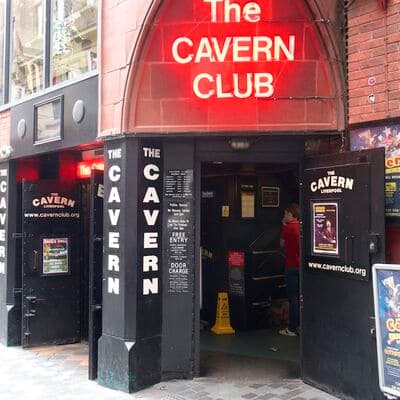
Ground zero for Beatles pilgrimage and the most convenient base for first-timers. The The Cavern Club sits on Mathew Street, surrounded by Beatles-themed bars and memorabilia shops. It's touristy but authentically so - the energy is infectious on weekend evenings. Hotels range from Premier Inn (£70-100) to the Hard Days Night Hotel (£150-200), which leans into the Beatles theme without being tacky. Walking distance to everything: Bold Street, Liverpool ONE, restaurants, transport.
The Waterfront
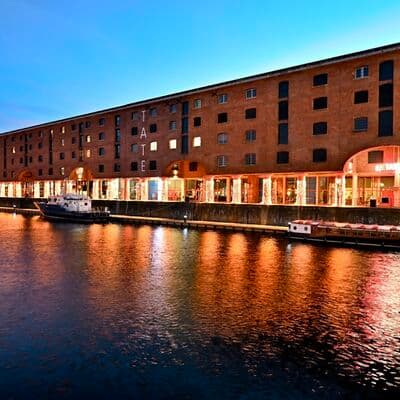
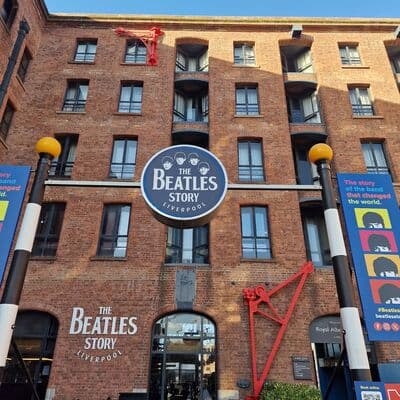
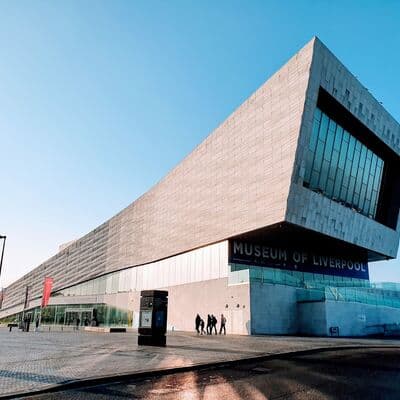
The Royal Albert Dock area is Liverpool's most photogenic neighborhood. These restored Victorian warehouses now house the The Beatles Story museum, Tate Liverpool, the Museum of Liverpool, and numerous restaurants and bars with water views. Staying here puts you steps from major attractions and offers stunning sunrise views across the Mersey. The Pullman Liverpool (£130-180) and Malmaison (£120-160) are excellent choices. Downsides: it's quieter at night than the city center, and you'll pay a premium for that waterfront location.
Ropewalks
If nightlife matters, Ropewalks is your neighborhood. This former rope-making district between Bold Street and the waterfront has become Liverpool's main going-out area. Seel Street and Concert Square pack in bars, clubs, and late-night venues. The crowd skews younger - expect university students and hen/stag parties on weekends. It's loud and messy after midnight, which is either a selling point or a warning depending on your preferences. Budget hotels and hostels concentrate here, with beds starting around £20-30 at places like Hatters Hostel. For something nicer, the Nadler Liverpool (£90-130) offers boutique comfort with kitchenettes.
Baltic Triangle
Liverpool's creative district occupies former industrial buildings south of the city center. Street art covers warehouse walls, independent coffee roasters fuel the creative class, and weekends bring crowds to the Baltic Market food hall. This is where you'll find Liverpool's coolest crowd - designers, artists, tech workers. The vibe is Brooklyn or Shoreditch but less pretentious and more affordable. Accommodation options are limited but growing; Titanic Hotel (£100-150) sits on the neighborhood's edge and channels industrial chic perfectly. It's a 15-minute walk to the center, but that walk is interesting.
Georgian Quarter
For something more refined, head to the Georgian Quarter around Hope Street. This elegant neighborhood connects the two cathedrals and features beautifully preserved Georgian townhouses, the Philharmonic Hall, and some of Liverpool's best restaurants. It's quieter and more residential - ideal for couples or anyone seeking charm over convenience. Hope Street Hotel (£120-180) occupies a converted carriage works and remains one of Liverpool's most stylish properties. You're slightly removed from the main tourist action but within easy walking distance.
Best Time to Visit Liverpool
Liverpool works year-round, but certain times definitely have advantages.
May through September brings the best weather - temperatures reach 18-22°C (65-72°F), days stretch long, and outdoor events fill the calendar. The Grand National horse race at nearby Aintree in April marks the social season's start. Summer sees music festivals, waterfront events, and ideal conditions for exploring on foot. This is peak tourist season, so book accommodation early and expect crowds at major attractions.
October and November turn grey and drizzly, but the city doesn't slow down. Liverpool's indoor attractions - museums, galleries, the two cathedrals - make weather irrelevant. Hotel prices drop noticeably, and you'll have an easier time getting into popular restaurants without reservations. The International Beatles Week in late August sometimes extends into early September, drawing fans worldwide.
December transforms Liverpool into a festive wonderland. Christmas markets appear around St George's Hall and Liverpool ONE, lights brighten the darkening afternoons, and the city's excellent pub scene comes into its own. It's atmospheric and enjoyable if you're prepared for cold (3-7°C/37-45°F) and early darkness.
January through March is low season - cold, often rainy, but prices are at their lowest. Football matches provide weekend entertainment, and you'll experience Liverpool more like locals do. Some outdoor attractions reduce hours, but museums maintain full schedules.
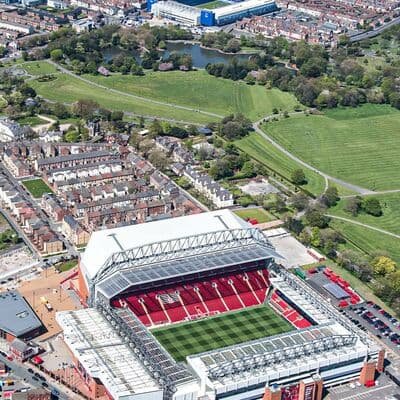
For football fans, the Premier League season runs August through May. Liverpool FC home games at Anfield Stadium are notoriously difficult to ticket (club members get priority), but hospitality packages are available for £200-400 if you're determined. Everton games at Goodison Park (soon moving to a new waterfront stadium) are easier to access.
Liverpool Itinerary: 3 to 7 Days
Liverpool rewards both quick visits and extended stays. Here's how to structure your time depending on your schedule.
Day 1: Beatles and City Center
Start at The Beatles Story on the Albert Dock - arrive when it opens at 9am to avoid crowds. The audio guide (included in the £18 admission) walks you through the band's history with genuine artifacts and immersive recreations. Allow 2-3 hours. Afterward, walk along the waterfront to the Three Graces - the Royal Liver Building, Cunard Building, and Port of Liverpool Building - Liverpool's iconic skyline.
Lunch at one of the Albert Dock restaurants - Gusto or What's Cooking offer reliable options - before heading to Mathew Street. Yes, the The Cavern Club is touristy, but it's also genuinely atmospheric. Even if you don't stay for a show, step inside to see where it all began (entry is free during the day, £5-15 for evening performances). Explore the surrounding area: Lennon and McCartney statues, Beatles-themed pubs, vintage record shops.
Evening: book dinner at The Art School or Manifest for upscale dining, or keep it casual at Mowgli for Indian street food on Bold Street. The Philharmonic Dining Rooms pub deserves a drink - the Victorian interior is stunning, and the men's toilets are famously ornate.
Day 2: Culture and Cathedrals
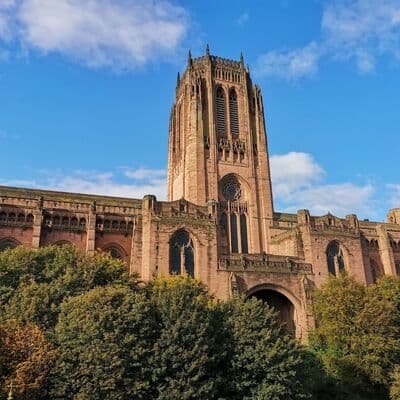
Two cathedrals, two radically different styles, one memorable walk. Start at Liverpool Cathedral - the largest cathedral in Britain and fifth-largest in the world. The Anglican Gothic revival building took 74 years to complete. Climb the tower (£6) for panoramic city views. Walk up Hope Street, stopping for coffee at Bold Street Coffee, to reach Metropolitan Cathedral of Christ the King. This modernist Catholic cathedral, with its striking conical design, couldn't be more different. Both are free to enter; donations appreciated.
Afternoon: the Walker Art Gallery houses one of Europe's finest art collections - Rembrandt, Monet, Hockney - and it's completely free. Allow 2 hours. Alternatively, the Museum of Liverpool covers the city's history from Vikings to the present, with excellent exhibits on immigration, the slave trade, and football culture.
Evening: explore Ropewalks for dinner and drinks. Maray serves excellent Middle Eastern small plates, or try Salt House Bacaro for Venetian-inspired sharing dishes. The cocktail scene has exploded - Berry & Rye (speakeasy style, no sign outside) and Santa Chupitos (Mexican-themed) offer different vibes.
Day 3: Football and Local Life
If you've secured match tickets, today revolves around football. Anfield Stadium tour (£25) is worthwhile even without a game - walking through the tunnel and sitting in the dugout gives genuine chills. The museum covers Liverpool FC's remarkable history. On match days, arrive early to soak up the atmosphere around the stadium; The Albert pub and The Sandon are traditional pre-match gathering spots.
Without football, explore south Liverpool. Sefton Park is genuinely beautiful - the Palm House, Victorian lake, and cafe terraces make for a pleasant morning. Lark Lane nearby offers independent shops, brunch spots (The Quarter is excellent), and local character.
Afternoon: head to the Baltic Triangle for street art exploration and the Baltic Market food hall (weekends only, but Duke Street Market operates similarly on weekdays). The independent coffee scene here - Bean There, 92 Degrees - rivals any UK city.
Days 4-5: Deep Dives and Hidden Gems
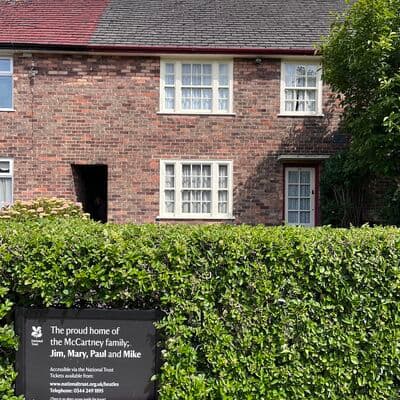
With more time, explore what most tourists miss. The Mendips & 20 Forthlin Road - John Lennon and Paul McCartney's childhood homes - can only be visited via National Trust tour (£28, book well ahead). The experience feels intimate and moving, a stark contrast to the commercialized Beatles attractions.
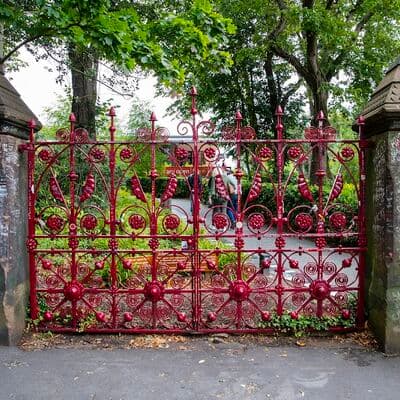
Strawberry Field, once a Salvation Army children's home that inspired Lennon's song, now operates as a visitor attraction with exhibition and cafe. The famous red gates remain Instagram favorites.
The Williamson Tunnels beneath the city remain Liverpool's strangest attraction. Joseph Williamson, an eccentric Victorian merchant, employed locals to dig elaborate underground passages for reasons nobody fully understands. Tours run weekends (£8) and genuinely feel like stepping into mystery.
St Luke's Church - the "Bombed Out Church" - remains as a roofless shell after WWII bombing, now used for outdoor events and reflection. The Bluecoat, Liverpool's oldest arts center, hosts exhibitions and performances in a beautiful Queen Anne building.
Days 6-7: Day Trips
Chester (35 minutes by train, £8-12 return) is England's most complete walled city. Walk the Roman walls, explore the medieval Rows shopping galleries, and see the remarkable cathedral. Easy half-day or full-day trip.
Port Sunlight (15 minutes by train) is a model village built by soap manufacturer William Lever for his workers. The Lady Lever Art Gallery houses an impressive Pre-Raphaelite collection, and the village architecture merits wandering.
Formby Beach (30 minutes by train) offers red squirrel reserves and ancient footprints preserved in the sand. The dunes feel surprisingly wild for somewhere so accessible.
Where to Eat in Liverpool: Restaurants and Cafes
Liverpool's food scene has transformed over the past decade. The city now offers genuine variety and quality, from street food markets to fine dining.
Fine Dining and Special Occasions
The Art School in the former Langhorne tower delivers modern British tasting menus (£85-95) in one of Liverpool's most elegant settings. Chef Paul Askew champions local suppliers and seasonal ingredients. Book weeks ahead for weekend tables.
Manifest near the Philharmonic Hall offers creative contemporary cooking with excellent wine pairings. The industrial-chic space hosts a younger, creative crowd. Expect £50-70 per person.
Casual Dining
Mowgli on Bold Street pioneered Indian street food in Liverpool and remains packed nightly. The tiffin boxes offer great value; expect £15-25 per person. No reservations for small groups, so prepare to queue.
Maray brings Middle Eastern and North African flavors to Ropewalks. The small plates encourage sharing. Budget £25-35 per person.
Salt House Bacaro does Venetian cicchetti - small plates meant for wine accompaniment. Perfect for early evening grazing.
Wreckfish near the Georgian Quarter focuses on sustainable seafood and locally sourced meat in a relaxed bistro setting. Sunday lunch here is exceptional (£20-25 for two courses).
Budget and Casual
Baltic Market (weekends) gathers street food vendors under one roof - everything from Nigerian jollof rice to Korean fried chicken. Budget £8-15 for a substantial meal. Duke Street Market operates similarly on weekdays.
Bakchich serves generous Lebanese plates at student-friendly prices. Under £12 for filling meals.
Free State Kitchen does fantastic American-style brunch and burgers. Weekend mornings get crowded, so arrive early.
Coffee and Cafes
Bold Street Coffee occupies a converted bank and roasts its own beans. 92 Degrees in the Baltic Triangle attracts coffee obsessives. The Quarter on Lark Lane is worth the trip south for brunch.
What to Try: Liverpool Food
Liverpool has its own food traditions worth seeking out, plus some regional specialties shared with the wider northwest.
Scouse
The dish that gave Liverpudlians their nickname deserves respect. Scouse is a hearty lamb or beef stew with potatoes, carrots, and onions - working-class comfort food that fueled dock workers for generations. You won't find it at fancy restaurants, but traditional pubs serve it proudly. Maggie May's on Bold Street and The Baltic Fleet near the Albert Dock offer reliable versions. Served with crusty bread and pickled red cabbage, it's exactly what you want on a cold, rainy afternoon. Expect to pay £8-12 for a generous bowl.
Fish and Chips with Curry Sauce
The northwest tradition of drowning chips in curry sauce mystifies southern English visitors but makes perfect sense here. The curry sauce isn't authentic Indian - it's a thick, mildly spiced gravy unique to British chippies. Almost every fish and chip shop offers it; try it at least once. The Baltic Chippy near the Albert Dock and The Lobster Pot in south Liverpool serve decent versions.
Liverpool Tart
Similar to Manchester's famous tart but with subtle differences - Liverpool's version typically has more lemon curd and a firmer pastry base. Available at traditional bakeries around the city; Sayers remains a local chain beloved for pastries and cakes.
Sunday Roast
Not uniquely Liverpudlian but done exceptionally well here. Sunday lunch is a proper tradition - roast beef or lamb with Yorkshire pudding, roast potatoes, and vegetables drowning in gravy. Pubs compete fiercely for Sunday roast supremacy. Wreckfish, The Bridewell, and The Belvedere all excel. Book ahead; Sunday lunch runs from noon until about 4pm and popular spots fill quickly. Expect £15-22 per person.
Liverpool Secrets: Local Tips
Every city has its insider knowledge. Here's what locals know that tourists often miss.
The Philharmonic Dining Rooms
This Victorian pub near the Philharmonic Hall isn't exactly secret - it's Grade I listed and famous - but many visitors just pop in briefly without appreciating the detail. Spend time examining the intricate plasterwork, stained glass, and mosaic floors. The men's toilets feature genuine marble urinals and copper pipework; they're so elaborate that women are routinely given tours. A pint here costs the same as anywhere else; the surroundings are priceless.
The View from Matou
This Pan-Asian restaurant on the top floor of a Bold Street building has an open terrace with arguably Liverpool's best city center views. Even if you don't eat here, come for sunset drinks. The scene stretches from the cathedrals to the waterfront.
Record Shopping on Bold Street
Liverpool's musical heritage extends to its record shops. Jacaranda Records (connected to the early Beatles story), Dig Vinyl, and several other shops on and around Bold Street stock everything from rare pressings to budget bins. Prices are lower than London equivalents; selection is excellent for rock, soul, and electronic.
Crosby Beach and the Iron Men
Antony Gormley's "Another Place" installation places 100 iron figures across Crosby Beach, north of Liverpool. At sunset or in moody weather, the figures standing in the sand and surf create unforgettable images. Easily reached by train (Crosby station, 25 minutes from city center), it's free and powerful.
Transport and Connectivity
Getting to Liverpool
Liverpool John Lennon Airport (LPL) sits 8 miles south of the city center. It's a budget airline hub with connections throughout Europe - Ryanair, easyJet, and Wizz Air operate from here. The 500 bus runs every 20 minutes to Liverpool ONE bus station (35-45 minutes, £4 single). Taxis cost £20-25 to the city center. Note: there's no train connection directly to the airport.
Manchester Airport (MAN), 35 miles away, offers far more international routes including direct flights from US cities (Atlanta, New York, Orlando, Boston, Chicago). Trains run directly from Manchester Airport to Liverpool Lime Street station (80-90 minutes, £20-30). This is often the better choice for long-haul travelers despite the additional ground transport.
Train from London: Liverpool Lime Street connects to London Euston via Avanti West Coast trains. The journey takes 2 hours 15 minutes; advance tickets start around £30 each way, but walk-up fares can exceed £150. Always book ahead online at trainline.com or nationalrail.co.uk.
Train from other UK cities: Manchester is 45-50 minutes (frequent services, £10-20), Leeds about 90 minutes, Birmingham around 90 minutes. The north of England rail network makes Liverpool easily combined with other destinations.
Getting Around Liverpool
Walking handles most needs within the city center. The main attractions - waterfront, cathedrals, Cavern Quarter, Bold Street - sit within a 20-minute walking radius. Liverpool is flat, well-signposted, and pleasant to explore on foot.
Merseyrail provides excellent coverage of greater Liverpool and the Wirral peninsula. The underground loop through the city center connects Lime Street (mainline trains), Central (shopping), and James Street (waterfront). Day passes cost £5.70 and give unlimited travel. Individual journeys start at £2.30.
Buses fill gaps in train coverage. The main hubs are Queen Square and Liverpool ONE bus station. Services to the airport, suburbs, and regional destinations run frequently.
Taxis: Uber operates in Liverpool alongside traditional black cabs. A taxi across the city center costs £6-10; to the airport, £20-25.
Practicalities
Payment: Contactless card payment is ubiquitous - many places no longer accept cash. Credit cards (Visa, Mastercard, Amex) work everywhere. Tipping is appreciated but not obligatory: 10-12.5% at restaurants with table service, round up for taxis, nothing expected at bars or cafes.
Apps to download: Trainline (train tickets), Citymapper or Google Maps (navigation), Uber (taxis), VisitLiverpool app (attractions and events).
Who Liverpool Is For: Summary
Liverpool works brilliantly for music lovers (pilgrimage sites and live venues), football fans (passionate sporting culture), culture seekers (free museums rivaling London), and budget travelers (pounds stretch further than down south). Architecture enthusiasts find Georgian terraces, Victorian grandeur, and striking modern buildings.
Who might struggle? Those seeking rural quiet - Liverpool is proudly urban. Beach lovers - the Irish Sea isn't the Mediterranean. Those uncomfortable with working-class directness - Scouse culture is warm but blunt.
For most visitors, Liverpool surprises and delights. It's confident without arrogance, historic without being stuck in the past, and authentically itself in ways that feel refreshing after more polished destinations. Give it a proper chance - not just a quick Beatles tour - and you'll likely join the converts who wonder why this city doesn't get more international attention.