Manchester
Manchester 2026: What You Need to Know Before You Go
Manchester is not London, and that is precisely the point. This is a city that invented the modern world - literally. The industrial revolution started here, the first programmable computer was built here, and the music that defined generations (from The Smiths to Oasis to The Chemical Brothers) was born in its rain-soaked streets. Yet Manchester remains criminally underrated by international visitors who fly into the UK and never leave the M25.
Here is the reality: Manchester is the most important city in northern England, with a metro population of nearly 2.9 million. It has two world-class football clubs, a dining scene that rivals anything outside central London, and a cultural density that will keep you busy for a week without repeating yourself. The city center is compact - you can walk from Piccadilly station to Deansgate in 15 minutes - but the greater Manchester area sprawls with suburbs, satellite towns, and green spaces that reward exploration.
The weather deserves its own paragraph because everyone asks. Yes, it rains. Manchester averages around 140 rain days per year, which is actually fewer than parts of the Lake District or western Scotland, but the drizzle is persistent. Pack layers and a decent waterproof jacket - not an umbrella, the wind will destroy it. Temperatures are mild year-round: winter rarely drops below -2C (28F), summer peaks around 20-22C (68-72F). You will not sweat, you will not freeze, but you will get damp.
Costs sit comfortably below London. A pint runs 4.50-6.50 GBP ($5.70-$8.20), a decent dinner for two with drinks is 60-90 GBP ($75-$115), and an Uber across the city center rarely exceeds 8 GBP ($10). Hotels range from 45 GBP budget rooms to 250+ GBP luxury suites. Compared to London, expect to save 25-35% on almost everything except train tickets.
Manchester Neighborhoods: Where to Stay
Northern Quarter
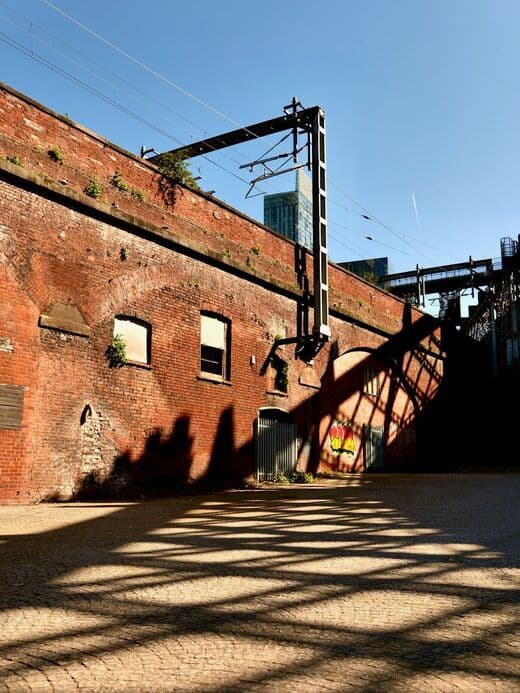
The Northern Quarter is Manchester's creative heart - red-brick streets packed with independent record shops, vintage clothing, street art, craft beer bars, and some of the best coffee in England. Think Brooklyn's Williamsburg circa 2012, but more compact and cheaper. Afflecks is the anchor - a four-story indoor market selling everything from punk patches to handmade jewelry. At night, the NQ transforms into a bar-hopping paradise with Port Street Beer House, Common, and Soup Kitchen offering live music most evenings. Expect 80-140 GBP per night. The downside: noise on weekends and some gritty streets after dark - not dangerous, just rough around the edges.
Deansgate and Spinningfields
Manchester's polished side. Deansgate runs north-south through the city with high-street shops and restaurants. Spinningfields to the west is the business and fine-dining district - cocktail bars and restaurants where mains cost 22-30 GBP. Upscale shopping at Harvey Nichols and Selfridges nearby. Hotels are the big chains - Hilton, Kimpton, Hotel Gotham - ranging 120-250 GBP per night. Great central location with easy access to the John Rylands Library, one of the most beautiful buildings in England.
Castlefield
Castlefield is where Manchester began - Roman ruins, industrial canals, and converted Victorian warehouses now housing bars and restaurants. Quieter than the Northern Quarter but walkable to everything. The Science and Industry Museum sits right here. More couples and professionals than backpackers. Apartments and apart-hotels range 70-130 GBP per night. Can feel dead on weekday evenings.
Ancoats
Five years ago, a post-industrial wasteland. Now one of the hottest neighborhoods in the UK. Former cotton mills converted into trendy restaurants (Rudy's, Mana), coffee roasters (Ancoats Coffee Co.), and creative spaces - massive brick buildings with iron columns now stuffed with minimalist interiors. Rental apartments in converted mills run 65-120 GBP per night, a 10-minute walk east of the Northern Quarter.
Gay Village
Centered on Canal Street, the Gay Village is Manchester's LGBTQ+ neighborhood - one of the most established in Europe, but a nightlife destination for everyone. Bars spill onto canal-side terraces, and the atmosphere is welcoming and energetic. Adjacent to Chinatown (good for late-night dumplings). Hotels 60-130 GBP. Stay here if nightlife is a priority.
Didsbury
Leafy south Manchester suburb, 20 minutes by Metrolink. West Didsbury has an excellent restaurant scene along Burton Road - brunch spots, wine bars, indie bookshops, Victorian terraces. Where many Mancunians actually want to live. Serviced apartments run 55-100 GBP per night. The trade-off: 30-40 minutes each way to central attractions.
Salford Quays and MediaCityUK
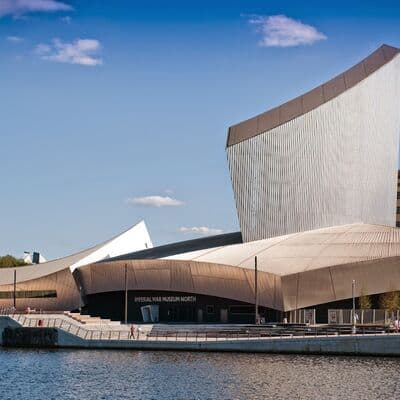
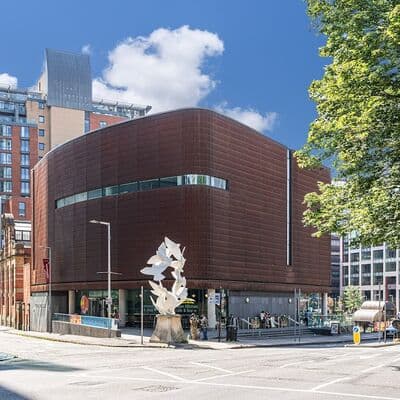
Regenerated docklands west of center, home to the BBC, ITV, and the striking Imperial War Museum North by Daniel Libeskind. The Lowry theatre anchors the cultural scene. Modern and clean - almost too clean. Hotels 70-140 GBP per night, Metrolink to city center in 15 minutes. Good for families. Lacks the organic character of the Northern Quarter or Ancoats.
Best Time to Visit Manchester
The short answer: May through September, with June and July being the sweet spot. Days are long (sunrise before 5am, sunset after 9pm in midsummer), temperatures hover around 17-22C (63-72F), and the city comes alive with outdoor events, rooftop bars, and festivals. Manchester International Festival runs every two years (odd years), and there are regular music festivals, food events, and cultural happenings throughout summer.
September is underrated - the students return, giving the city extra energy, and early autumn can produce beautiful golden light over the red-brick cityscape. The weather is still reasonable, and hotel prices dip after August.
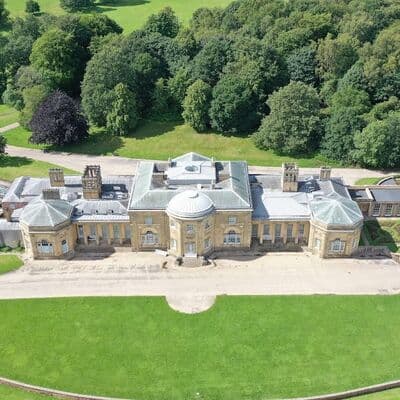
April is a gamble but can reward the lucky. Spring flowers appear in Heaton Park and the university campuses, and Easter weekend often brings special events and markets. Expect temperatures around 10-14C (50-57F) and occasional sunny spells between showers.
October through March is the wet, grey season. November and January are particularly bleak - short days, persistent drizzle, and temperatures around 3-8C (37-46F). However, this is when you get the cheapest hotels and zero queues at museums. December has the Christmas markets, which transform Albert Square and surrounding streets into a massive festive village running from mid-November to late December. They are genuinely excellent - better organized than most European Christmas markets, with local food vendors, craft stalls, and endless mulled wine. Hotel prices spike during Christmas market season though, so book early.
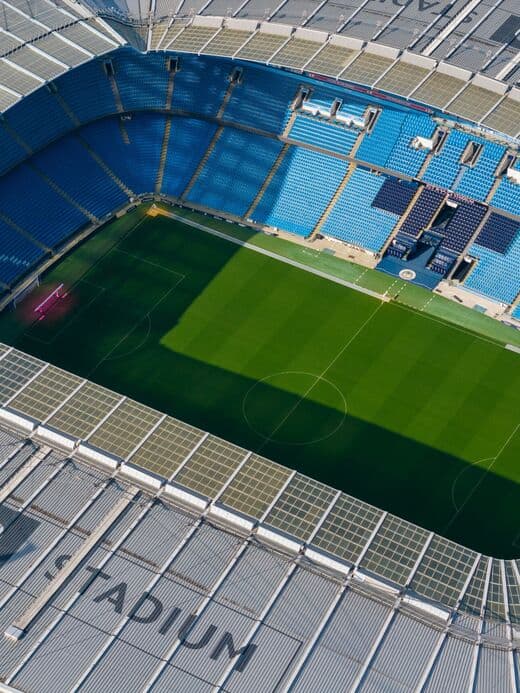
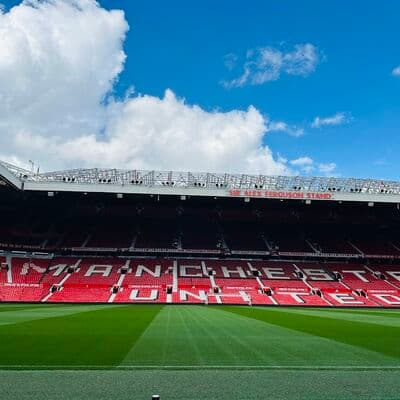
Football season runs August through May, and match days (particularly Manchester United at Old Trafford or Manchester City at the Etihad Stadium) transform the city. If you want to attend a Premier League match, book tickets months in advance - they sell out fast and resale prices can be steep (80-200+ GBP depending on the fixture). Even if you do not attend, the pre-match atmosphere in pubs around the stadiums is an experience in itself.
One thing that catches visitors off guard: bank holidays. The UK has eight per year, and on these weekends Manchester gets absolutely packed. Hotels fill up, restaurants have long waits, and the train system groans under the load. If your dates are flexible, avoid bank holiday weekends unless you specifically want the buzz.
Manchester Itinerary: 3 to 7 Days
3 Days: The Essential Manchester
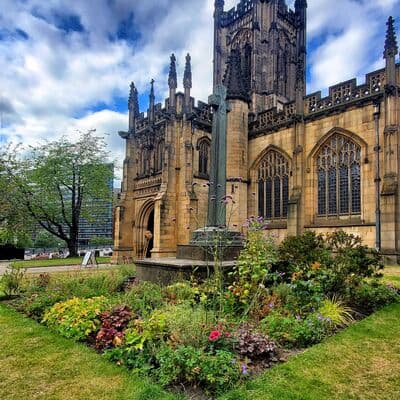
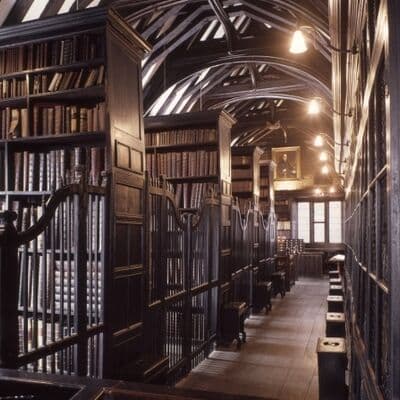
Day 1: City Center and History. Start at Manchester Cathedral in the morning - it is free, beautiful, and rarely crowded. The medieval interior contrasts sharply with the modern buildings visible through the windows. From there, walk five minutes to Chetham's Library, the oldest public library in the English-speaking world (founded 1653). Karl Marx and Friedrich Engels studied here - you can see the actual desk where they sat. Tours are free but must be booked in advance. After lunch in the Northern Quarter (try Mackie Mayor food hall in a restored Victorian market hall), spend the afternoon at the John Rylands Library on Deansgate. This neo-Gothic masterpiece looks like something from Harry Potter and houses fragments of the oldest known New Testament manuscript. Free entry. End the day with drinks in Castlefield by the canal - Dukes 92 has a great terrace.
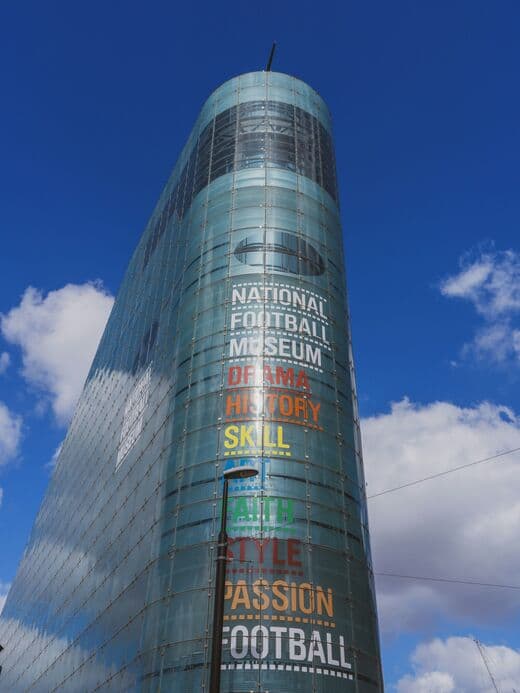
Day 2: Museums and Football. Morning at the Science and Industry Museum (free, allow 2-3 hours). This is where the industrial revolution comes to life - working steam engines, textile machinery, and the story of how Manchester changed the world. After lunch, choose your allegiance: the National Football Museum at Urbis (free, excellent even for non-fans) or a stadium tour at Old Trafford (25 GBP/$32) or the Etihad Stadium (27 GBP/$34). Both stadium tours last about 90 minutes and are surprisingly interesting even if you do not follow football - the scale is staggering. Evening: dinner in Ancoats (book Rudy's for Neapolitan pizza or Erst for natural wine and small plates), then drinks in the Northern Quarter.
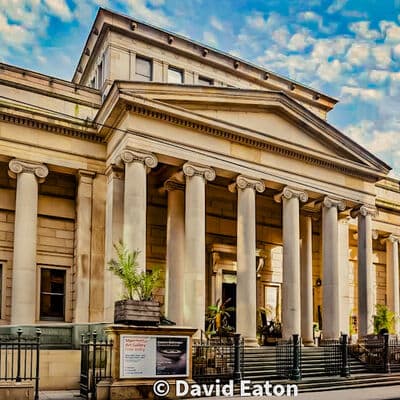
Day 3: Art, Culture, and Shopping. Begin at the Whitworth Art Gallery in the university area - free, beautifully redesigned, with a gallery that opens directly into the surrounding park. Then walk through the university campus to Manchester Museum (free, recently renovated, world-class natural history and archaeology collections). Afternoon: explore the Northern Quarter properly - Afflecks for quirky shopping, Oklahoma for vinyl, Magma for design books. Late afternoon, visit Manchester Art Gallery on Mosley Street (free, excellent pre-Raphaelite collection). Final evening: treat yourself to dinner at one of Manchester's better restaurants - Hawksmoor for steak, El Gato Negro for Spanish tapas, or The Refuge for cocktails and sharing plates in a stunning former insurance building.
5 Days: Go Deeper
Day 4: Salford and Media. Take the Metrolink to Salford Quays for the Imperial War Museum North (free, profoundly moving, allow 2-3 hours). The building itself is an artwork - Libeskind designed it as a globe shattered by conflict. After, visit The Lowry for art and theatre. In the afternoon, explore MediaCityUK - you can sometimes catch BBC tours, and the waterfront is pleasant for a walk. Return to the city for dinner.
Day 5: Day Trip to the Peak District. Rent a car or take the train to Edale (45 minutes, around 12 GBP return). The Peak District National Park begins right at Manchester's doorstep - rolling hills, stone villages, and some of the best walking in England. The Kinder Scout circular from Edale is a classic day hike (about 5-6 hours, moderate difficulty). Alternatively, take the train to Buxton (50 minutes) for a gentler day - Georgian spa town architecture, the Crescent, Poole's Cavern, and excellent pubs. Return to Manchester for a final evening out.
7 Days: The Full Experience
Day 6: Liverpool Day Trip. Just 45 minutes by train (15-25 GBP return with advance booking), Liverpool is Manchester's sibling rival and absolutely worth a day. The Albert Dock, Tate Liverpool, the Beatles Story, and the two cathedrals are all walkable. The banter between Manchester and Liverpool is real but friendly - do not wear a Manchester United shirt in a Liverpool pub.
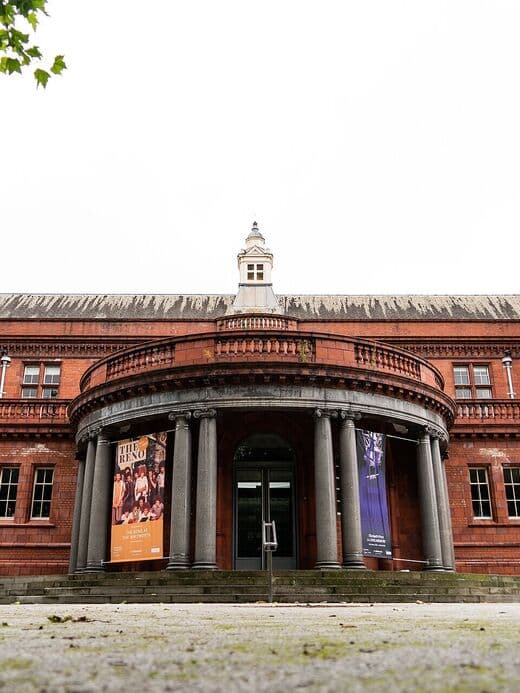
Day 7: People's History Museum and Farewell. Start with this criminally underrated museum (free) - it tells the story of British democracy, workers' rights, and social movements with genuine passion. The suffragette collection alone is worth the visit. Then spend your final hours revisiting favorite spots, picking up last-minute gifts from the Northern Quarter, and having a proper farewell lunch. The Manchester Art Gallery cafe is a calm, civilized spot if you need a quiet moment before heading to the airport.
Where to Eat in Manchester
Street Food and Markets
Mackie Mayor is the crown jewel - a restored Victorian fish market in the Northern Quarter with curated food vendors under a soaring iron-and-glass roof. Expect 10-15 GBP per dish; arrive before noon or after 2pm on weekends. Arndale Market is more traditional - excellent for cheap Caribbean food and the legendary Sauce Bar (Jamaican patties under 4 GBP). Altrincham Market (20 minutes on the Metrolink) is worth a Saturday trip - one of the best food markets in the UK.
Local Joints and Casual Dining
Rudy's Neapolitan Pizza (Ancoats and Peter Street) - there is usually a queue, and it is worth every minute. No reservations, cash or card, pizzas 8-12 GBP, arguably the best pizza outside London (some say better). Bundobust - Indian street food meets craft beer. The vada pav and okra fries are incredible, most dishes 5-8 GBP. Ply in the Northern Quarter for sourdough pizza with creative toppings. This and That on Soap Street - a legendary no-frills curry cafe where you point at pots of curry and pay about 6-7 GBP for rice and three curries. It has been here for decades and regulars include everyone from students to barristers. Sam's Chop House - traditional English pub food done well since 1872. The corned beef hash is a Manchester institution.
Mid-Range Restaurants
El Gato Negro - Spanish tapas on King Street, best croquetas in Manchester. Book ahead, 30-45 GBP per person. Erst in Ancoats - natural wine and weekly-changing small plates, 35-50 GBP. The Refuge in the Palace Hotel - stunning room, eclectic Southeast Asian and Middle Eastern menu, superb cocktails, 35-55 GBP. Dishoom - yes, a chain, but the bacon naan roll at brunch is transcendent. Queue at peak times.
Fine Dining
Mana in Ancoats - Manchester's Michelin-starred restaurant (ex-Noma chef). Tasting menu only, around 145 GBP before drinks. Book well in advance. The French at The Midland Hotel - grand dining room, modern British cuisine, tasting menus from 85 GBP. Hawksmoor - housed in a beautiful old courthouse, exceptional beef. Steaks 30-60 GBP; the pre-theatre set menu at 28 GBP for two courses is excellent value.
Cafes and Coffee
Manchester's coffee scene punches above its weight. Ancoats Coffee Co. roasts on-site - some of the best filter coffee in northern England. Takk (Northern Quarter) is a perfect morning spot with excellent espresso. Pot Kettle Black in the stunning Barton Arcade for flat whites and brunch. Foundation Coffee House on Lever Street - the original NQ specialty spot. Expect 3.50-5 GBP per coffee.
What to Try: Manchester Food
Manchester has its own food traditions that deserve attention beyond the curry mile (which, incidentally, is on Wilmslow Road in Rusholme and remains a chaotic, delicious experience despite gentrification thinning the ranks). Here is what to seek out:
Manchester Tart. A pastry case filled with raspberry jam, custard, topped with coconut flakes and a cherry. It sounds like school dinner nostalgia because it is - this was a staple of school canteens across the North West from the 1950s onward. The good versions (try the bakeries in the Arndale Market or Trove in Levenshulme) balance sweetness with the tang of proper jam. The bad versions are cloyingly sweet. Worth trying once.
Bury Black Pudding. Not technically Manchester, but Bury is just 20 minutes north on the Metrolink, and the black pudding from Chadwick's Original Bury Black Pudding stall in Bury Market is world-famous among those who appreciate this sort of thing. Black pudding is blood sausage - rich, earthy, spiced with pennyroyal. It sounds alarming but tastes incredible, especially fried crispy as part of a full English breakfast. Bury Market (open Wednesday, Friday, Saturday) is itself worth a half-day trip for the food stalls alone.
Eccles Cake. A small, round pastry filled with currants, butter, and spices - flaky, sweet, and perfect with a cup of tea or a wedge of Lancashire cheese. Invented in Eccles (now part of greater Manchester) in the 1700s, still sold widely. Real Eccles cakes have a generous, almost sticky filling; mass-produced ones are dry and disappointing. Seek out bakeries that make them fresh.
Pie and Peas. A meat pie (usually steak and kidney, or meat and potato) served with mushy peas and gravy. This is not fancy food - it is deeply satisfying cold-weather fuel. Football stadiums serve them, as do traditional cafes and chippies. The meat and potato pie is the most distinctly Mancunian version.
Parched Peas. Black peas slowly cooked with vinegar, salt, and pepper - traditionally sold from carts on Bonfire Night (November 5th) but available at some traditional market stalls year-round. An acquired taste - earthy, tangy, and very old-fashioned.
Rice and Three. This is Manchester's contribution to the global canon of cheap, satisfying lunches. You get a plate of rice and your choice of three curry-house sides - dal, mixed vegetables, chickpea curry, whatever is on offer. It costs 5-7 GBP and fills you for the entire afternoon. This and That on Soap Street is the definitive version, but there are dozens of places across the city doing it.
The Full English Breakfast. Not unique to Manchester, but done well here. A proper Manchester full English includes back bacon, sausage, eggs (fried or scrambled), toast, baked beans, mushrooms, tomato, hash browns, and ideally Bury black pudding. Teacup Kitchen in the Northern Quarter does an excellent version. Expect to pay 10-14 GBP for the full works.
Sunday Roast. Another British staple elevated in Manchester. The Marble Arch Inn (a beautiful Victorian pub with its own brewery) does one of the best roasts in the city - slow-cooked beef with Yorkshire pudding, roast potatoes, and proper gravy. Book ahead; Sunday lunch is a competitive sport here. Most pubs serve roasts from noon to about 4pm.
Chip Barm. A bread roll (called a barm cake in Manchester - do not call it a bap, cob, or roll unless you want a lecture on regional bread terminology) filled with chips (thick-cut fries) and optionally doused in gravy. It is carbs on carbs and utterly glorious. Chippy tea - fish and chips from a proper chip shop - remains a weekly ritual for many Mancunians. Salt, vinegar, and a side of mushy peas.
Manchester Secrets: Local Tips
- Free museum city. Almost every major museum and gallery in Manchester is free, including the Science and Industry Museum, Manchester Museum, Manchester Art Gallery, Whitworth Art Gallery, Imperial War Museum North, People's History Museum, and the National Football Museum. You could spend an entire week doing nothing but free cultural institutions.
- The Metrolink is your best friend. Manchester's tram system connects the city center to the airport, Salford Quays, Bury, Altrincham, Didsbury, and beyond. A day pass costs 5.50 GBP and covers unlimited travel across the network. Buy at the machines on the platform - they take contactless payment. Do not forget to tap in; inspectors are frequent and fines are 100 GBP.
- The Curry Mile is overrated, but Rusholme is not. Skip the tourist-trap restaurants on the main strip of Wilmslow Road (the ones with aggressive touts outside). Instead, try the side streets - Yadgar and Mughli are the locals' choices. Or better yet, head to Longsight for more authentic Pakistani and Bangladeshi food at half the price.
- Sunday in the Northern Quarter. Visit on Sunday morning for a completely different experience - the streets are quiet, the vintage shops are just opening, and you can get a coffee at Takk or Foundation without queuing. By 2pm it fills up again.
- Secret rooftop at the John Rylands Library. Most visitors explore the main reading room and leave. Ask at the front desk about the upper galleries - they are often empty and offer stunning views down into the nave-like interior.
- Canal walks. The Rochdale Canal towpath from Castlefield through to the Gay Village and beyond is one of the best walks in the city - quiet, atmospheric, and lined with converted warehouses. Continue east and you reach Ancoats. The whole walk takes about 40 minutes and you will barely see a car.
- Cheap tickets to the Bridgewater Hall. Manchester's concert venue (home of the Halle Orchestra) releases standby tickets for 8-12 GBP on the day of performance. World-class classical music for the price of two pints.
- Avoid Piccadilly Gardens. Despite the name, this is not a garden - it is a concrete plaza that serves as the city center's transport hub and is frankly not pleasant to linger in, especially after dark. Walk through it quickly on your way somewhere better.
- The tap water is excellent. Manchester's water comes from Thirlmere and Haweswater in the Lake District, and it is genuinely some of the best tap water in the UK. No need to buy bottled water ever. Restaurants will happily give you tap water, and there are refill stations around the city.
- Pre-match pub culture. Even without a match ticket, experiencing a Manchester United or City match day from the surrounding pubs is incredible. For United, try the Bishop Blaize or Sam Platts around Old Trafford. For City, Mary D's near the Etihad. Arrive at least two hours before kick-off for the full atmosphere. After the match, the pubs empty quickly as fans head home, so the window is narrow.
- Download the Bee Network app. From 2025, Manchester's public transport has been brought under unified public control as the Bee Network. The app covers buses, trams, and some rail, with integrated ticketing. A daily bus-and-tram cap of 5.50 GBP means you never overpay. Contactless bank cards also work on the system with automatic daily capping.
Transport and Connectivity
Getting From the Airport to the City
Manchester Airport (MAN) is the third busiest in the UK with direct flights from the US (New York JFK, Atlanta, Boston, Chicago, Los Angeles, San Francisco, and more via Virgin Atlantic, United, and American Airlines), Canada (Toronto, Calgary), and hundreds of European routes. It sits 15km (9 miles) south of the city center.
Train: The best option. Trains to Manchester Piccadilly run every 10-15 minutes, taking 20 minutes. Cost: 4.70-5.50 GBP one way. Metrolink (tram): Runs from the airport to the city center in 45-50 minutes for about 4 GBP - slower but fine for Metrolink destinations. Taxi/Uber: 25-35 GBP by taxi, 18-28 GBP by Uber, 25-40 minutes depending on traffic. Your only option after 11pm when trains and trams stop. Bus: The 43 runs for 3.50 GBP but takes 50-70 minutes. Only useful if staying in Didsbury.
Getting Around Manchester
Walking: The city center is compact - you can cross it in 20-25 minutes. Google Maps and Citymapper both work well.
Metrolink (Tram): 99 stops, running 6am to midnight. Day travelcard is 5.50 GBP for unlimited rides. Clean, reliable, and the easiest way to reach Salford Quays, Didsbury, Altrincham, and Bury. Buses: Integrated into the Bee Network with flat fares - most journeys 2 GBP. Best for Rusholme, Chorlton, Levenshulme. All accept contactless payment.
Cycling: Beryl Bikes bike-share - 1 GBP unlock plus 5p per minute. Manchester is flat, but bike lanes are patchy. Canal towpaths offer car-free routes. Taxis: Uber and Bolt both work well. A cross-city ride runs 6-10 GBP, cheaper than black cabs.
Internet and SIM Cards
Free WiFi in most cafes, museums, and shopping centers. For mobile data, Three offers unlimited prepaid plans from 10 GBP/30 days - walk into any store with your passport. giffgaff is popular for flexibility (order online, delivered to your hotel). Vodafone and EE have options from 10-15 GBP for 10-20GB. US visitors: check if your carrier includes UK roaming - T-Mobile and Google Fi both do at no extra charge.
Who Manchester Is For
Manchester is for people who love cities with substance - places that built things, broke things, and rebuilt again. It is for football obsessives who want to walk the same streets as Busby, Best, Guardiola, and Haaland. It is for music lovers who want to stand in the venues where Joy Division played their early gigs. It is for food lovers who have tired of London prices and want to discover a dining scene that delivers equal quality at 30% less. It is for history enthusiasts who want to understand the industrial revolution not from a textbook but from the buildings it left behind. It is for travelers who want to experience a major global city without the tourist crush of London, Paris, or Barcelona. Manchester does not perform for visitors - it just gets on with being itself, and if you are paying attention, that is more than enough.