London
London 2026: What to Know Before You Go
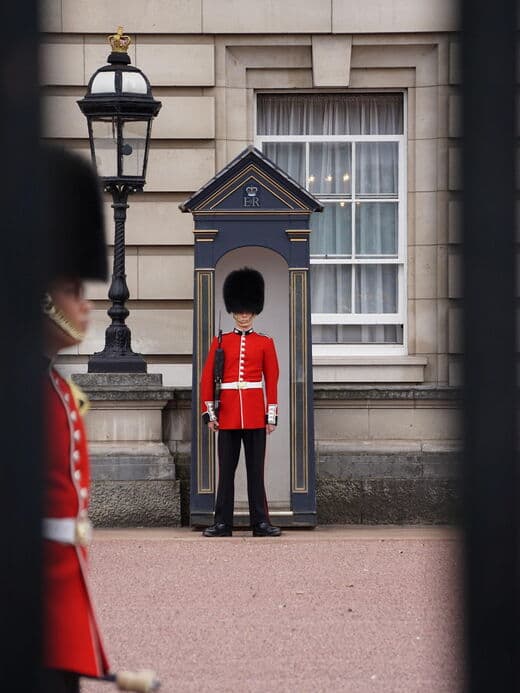
London is one of those cities that manages to be exactly what you expect and completely surprising at the same time. Yes, you will see red phone boxes, black cabs, and guards in fuzzy hats. But you will also discover a city of 270 nationalities, where you can eat Ethiopian food for breakfast, browse Japanese vinyl at lunch, and watch experimental theater in a converted warehouse by evening.
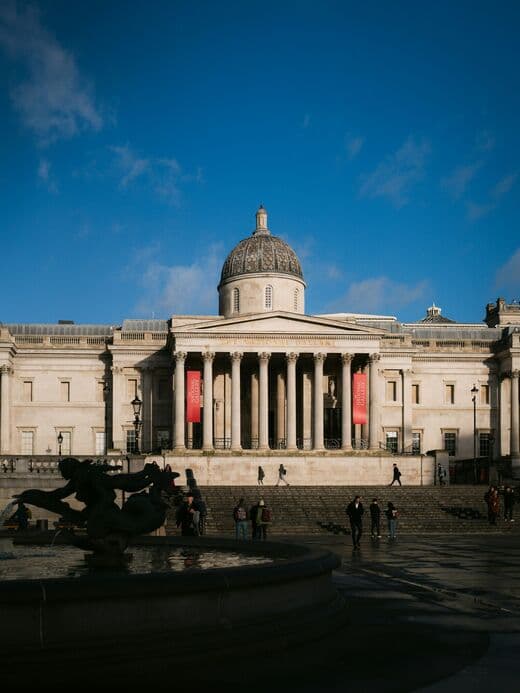
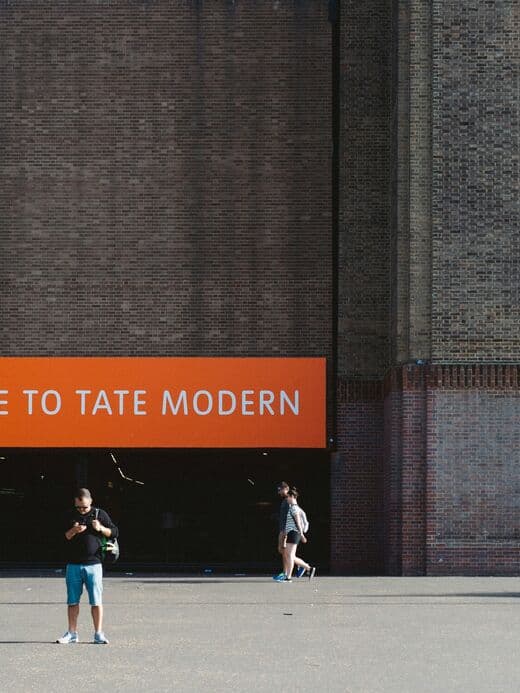
The quick answer for anyone wondering if London is worth the trip: absolutely, but come prepared. This is an expensive city - expect to spend $150-200 (GBP 120-160) per day minimum for a comfortable visit including accommodation, food, transport, and one or two attractions. A week here can easily cost $1,500-2,000 per person. But here is the thing: many of London's greatest experiences are free. The British Museum, National Gallery, Tate Modern, Natural History Museum, and Victoria and Albert Museum charge nothing for entry. Walking along the South Bank, exploring markets, wandering through parks - all free.
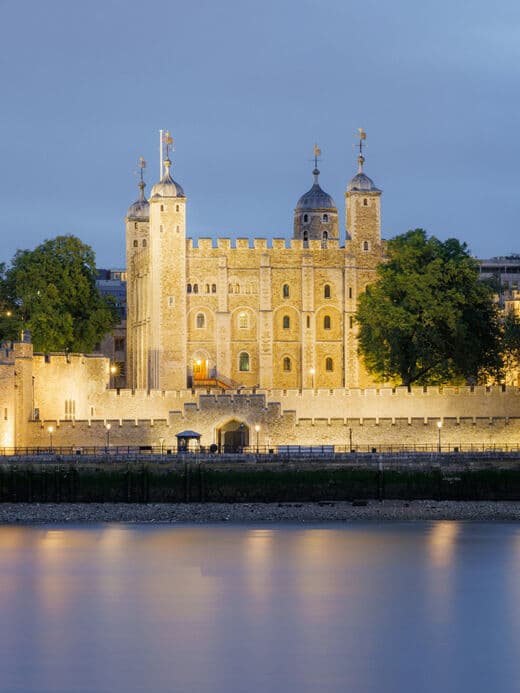
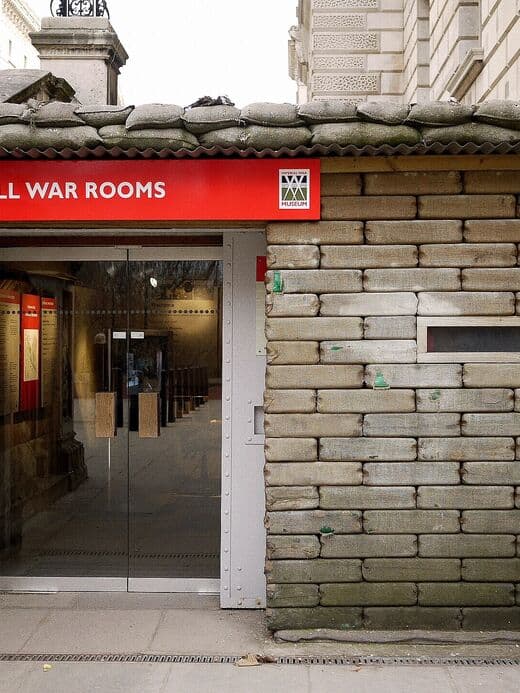
The city works on a simple rhythm once you understand it. Avoid rush hour on the Tube (8-9:30am and 5-7pm). Book popular attractions online - sometimes weeks ahead for places like the Tower of London or Churchill War Rooms. Eat where locals eat, not where tourists queue. And accept that you cannot see everything - London has been accumulating history, culture, and oddities for two thousand years.
London Neighborhoods: Where to Stay
Your choice of neighborhood will shape your entire London experience. Each area has its own personality, price point, and proximity to different attractions. Here is an honest breakdown of seven areas worth considering.
Westminster and Victoria
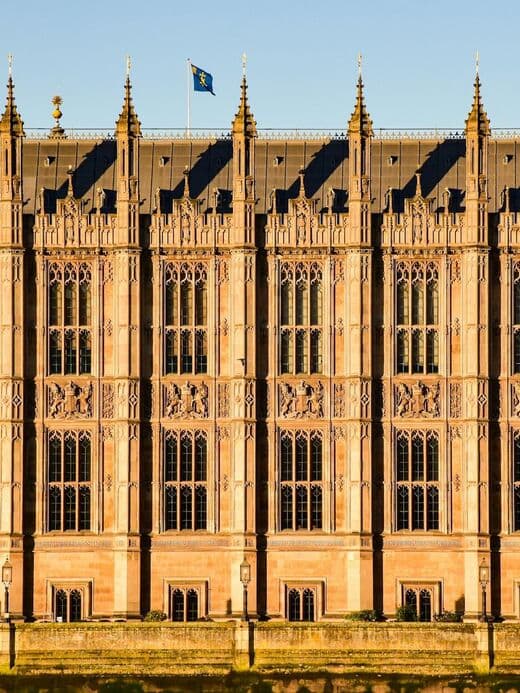
This is classic tourist London - Buckingham Palace, Big Ben, Westminster Abbey, and the Houses of Parliament are all walkable. Victoria station provides excellent transport links including the Gatwick Express. Hotels here range from budget chains (GBP 100-150/night) to luxury properties (GBP 400+). The downside: this area feels more like a business district after dark. Restaurant options skew toward tourist traps and chain pubs. Good for first-time visitors who want to be near iconic sights, less ideal for those seeking authentic neighborhood vibes.
South Bank and Southwark
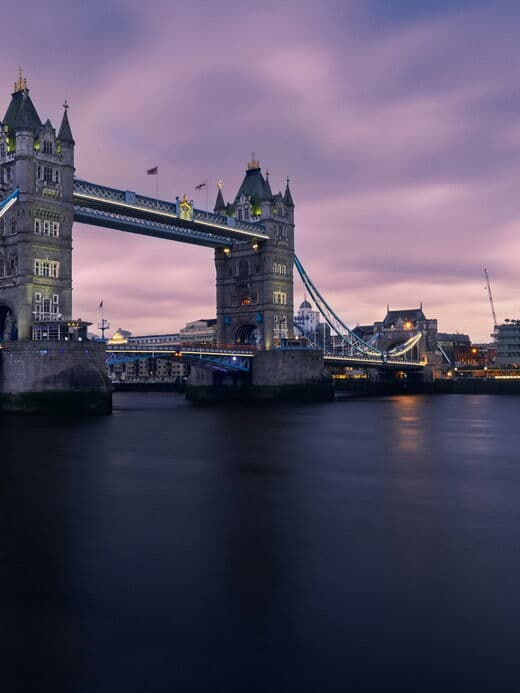
The stretch along the Thames from London Eye to Tower Bridge offers one of the best walking routes in the city. You have Tate Modern, Borough Market, Southbank Centre, and Shakespeare's Globe all within easy reach. Hotels here cost GBP 120-200/night for mid-range options. The area feels vibrant day and night, with street performers, riverside restaurants, and constant activity. Downside: it can feel crowded, especially on weekends. Not the quietest base if you prefer peace.
Covent Garden and Soho
Covent Garden puts you in the heart of London's theater district, surrounded by restaurants, pubs, and shopping. Walk to the West End shows, the British Museum, and Trafalgar Square. Soho adds nightlife, international food, and a creative energy that runs until the early hours. Hotels start around GBP 150/night and climb steeply. This is central as central gets - perfect for night owls and culture enthusiasts. Downsides: noise (especially Friday and Saturday nights), expensive restaurants, and crowds that never really thin out.
Kensington and Chelsea
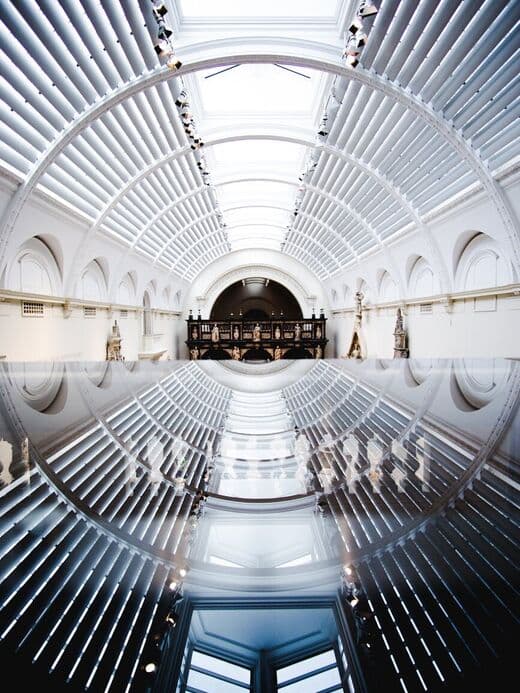
Elegant townhouses, leafy streets, and some of London's best museums define this wealthy area. Natural History Museum, Science Museum, and V&A are all free and all excellent. Hyde Park and Kensington Palace provide green space. Hotels range from GBP 150-300/night. This area suits families and those who prefer a quieter, more residential feel. Downsides: it is further from central attractions, fewer budget food options, and can feel a bit stuffy compared to edgier neighborhoods.
Camden and Kings Cross
Camden Market brings alternative culture, street food, live music, and a rebellious spirit that has survived decades of gentrification. Kings Cross, once rough around the edges, now features a revitalized canal area, restaurants, and of course Platform 9 3/4 for Harry Potter fans. Budget hotels and hostels start around GBP 60-80/night. The Eurostar terminal puts Paris just over two hours away. Downsides: Camden gets extremely crowded on weekends, and the area north of the station can still feel gritty at night.
Shoreditch and East London
This is where young creative London lives - street art, independent coffee shops, vintage stores, and some of the city's best nightlife. The new V&A East has added a major cultural anchor. Hotels run GBP 100-180/night. Sunday morning at Columbia Road flower market is worth waking early for. Downsides: it is 20-30 minutes from central attractions, the area is self-consciously trendy, and some of the hipster vibe can feel forced.
Greenwich
Greenwich offers a village atmosphere with the Royal Observatory, maritime history, beautiful parkland, and views across to central London. Hotels cost GBP 80-150/night - notably cheaper than central options. The DLR and Thames Clippers provide easy connections. This suits travelers who want to escape the intensity of central London while still having good access. Downsides: you will spend 30-40 minutes traveling to most attractions, evening options are limited, and it can feel isolated if you want spontaneous city exploration.
Best Time to Visit London
London does not really have a bad season - it has trade-offs. The trick is matching your priorities to the calendar.
Late April to early June offers the best balance. Days stretch long (sunset after 9pm by late May), parks explode with flowers, and outdoor terraces open across the city. The Chelsea Flower Show in May draws garden enthusiasts worldwide. Temperatures sit around 15-20C (59-68F) - pleasant for walking. Prices start climbing but have not hit summer peaks. Book accommodation 6-8 weeks ahead for decent options.
July and August bring peak tourist season. Expect crowds at every major attraction, higher prices (hotels can cost 40-50% more than shoulder season), and occasional heat waves that make the Tube unbearable - air conditioning remains rare on older lines. The upside: outdoor festivals, rooftop bars, and long evenings perfect for riverside walks. Book 2-3 months ahead for popular hotels and must-see attractions.
September and early October mark an underrated sweet spot. Summer crowds thin, cultural seasons launch (theater, exhibitions, concerts), and the weather often holds. Late September can deliver perfect crisp days ideal for exploring. Prices drop noticeably after school holidays end.
November through February brings grey skies, early darkness (sunset at 4pm in December), and cold drizzle. But this is when you find London at its most affordable. Hotel rates can drop 30-40% below summer peaks. Winter also brings Christmas markets, festive lights on Regent Street and Oxford Street, and fewer tourists at major museums. Pack layers and an umbrella - you will need both.
March and early April remain unpredictable. You might get spring sunshine or late winter greyness. Easter holidays mean higher prices and family crowds. If you can be flexible, book late and wait for a good weather forecast.
Key events to plan around: Six Nations rugby (February-March) fills pubs. London Marathon (April) closes roads across central London. Wimbledon (late June-early July) makes southwest London busy. Notting Hill Carnival (August bank holiday) transforms Notting Hill into Europe's largest street party. New Year's Eve fireworks around London Eye require tickets purchased months ahead.
London Itinerary: 3 to 7 Days
This itinerary balances major sights with local discoveries. Adjust based on your interests - museum lovers could spend entire days at single institutions, while those seeking atmosphere might prefer longer wandering time.
Day 1: Westminster and Royal London
Morning (9:00-12:30): Start at Westminster Abbey when it opens at 9:30am (book online, GBP 27). Give yourself 90 minutes to explore properly - the Poets' Corner and Chapter House deserve attention. Walk past the Houses of Parliament and Big Ben. Cross Westminster Bridge for the classic postcard view back at Parliament.
Lunch (12:30-13:30): Head to Borough Market (15 minutes walk along the South Bank). Grab food from vendors - try the steak sandwich at Roast's takeaway window (GBP 12-15) or the wild mushroom risotto at Arabica (GBP 10). Eat standing at high tables or find a spot along the riverside.
Afternoon (14:00-17:30): Walk west along the South Bank. Stop at Tate Modern (free entry) for an hour or two - the Turbine Hall installations are always worth seeing. Continue to Southbank Centre for its brutalist architecture and people-watching. End at London Eye for sunset views (book in advance, GBP 32-37 depending on slot).
Evening: Walk across Hungerford Bridge to Trafalgar Square and explore Covent Garden for dinner. Dozens of restaurants line the surrounding streets - Dishoom for Indian, Flat Iron for steak, Rules for traditional British.
Day 2: Museums and Hyde Park
Morning (9:30-13:00): The British Museum opens at 10am. Arrive early to beat crowds. Focus on highlights: Rosetta Stone, Parthenon Marbles, Egyptian mummies, Assyrian lion hunt reliefs. Three hours barely scratches the surface but covers essentials. Download the free audio guide app before arriving.
Lunch (13:00-14:00): Walk 10 minutes to Bloomsbury's cafes. The Lamb on Lamb's Conduit Street serves excellent pub food in Victorian surroundings (mains GBP 14-18).
Afternoon (14:30-18:00): Take the Tube to South Kensington. Choose between Natural History Museum (dinosaurs, minerals, wildlife dioramas), Science Museum (interactive exhibits, space exploration), or V&A (decorative arts, fashion, photography). All are free and could consume entire days. Pick one and give it proper attention.
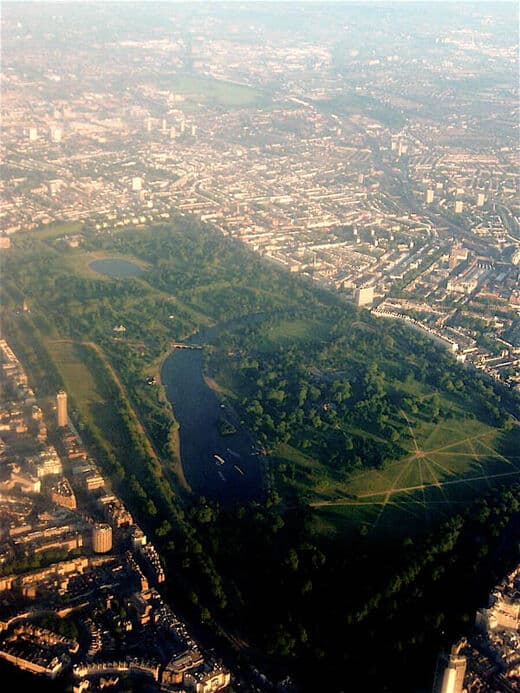
Late afternoon: Walk through Hyde Park as the light softens. Cross to Kensington Palace if time allows (closes 6pm summer, 4pm winter, GBP 21). The Serpentine lake and Italian Gardens make for peaceful wandering.
Day 3: Tower, City, and Markets
Morning (9:00-12:00): Tower of London deserves an early start - arrive when doors open at 9am to see Crown Jewels before queues build. Book tickets online (GBP 33.60). Join a free Yeoman Warder tour for entertaining stories. Allow 2.5-3 hours minimum.
Midday (12:00-13:00): Walk across Tower Bridge. The glass floor walkway costs GBP 12.30 but the bridge itself is free to cross. Grab lunch at St Katharine Docks - The Dickens Inn has riverside seating.
Afternoon (14:00-17:00): Take the Tube to Liverpool Street and explore the City of London. See St Paul's Cathedral (GBP 23, or free for evensong services at 5pm). Walk through the modern financial district's striking architecture. Book afternoon tea at Sky Garden (free entry but reservation required, teas from GBP 40) for panoramic views.
Evening: Head to Shoreditch for dinner and drinks. Brick Lane offers curry houses (from GBP 15), while surrounding streets feature Vietnamese, Thai, and modern British options. End at a rooftop bar or live music venue.
Day 4: Greenwich and River Thames
Morning (9:30-13:00): Take the Thames Clipper from central London to Greenwich (about 40 minutes from Westminster Pier, GBP 9-12 with Oyster). The river journey passes Tower Bridge, Canary Wharf, and the O2 Arena. At Greenwich, explore the Cutty Sark (GBP 18), the beautiful grounds of the Old Royal Naval College (free), and walk through the covered market.
Lunch (13:00-14:00): Greenwich Market has excellent street food - try the Spanish churros, Ethiopian wraps, or proper fish and chips. Alternatively, the Trafalgar Tavern serves Sunday roasts with river views (GBP 18-22).
Afternoon (14:00-17:00): Climb the hill to Royal Observatory (GBP 18). Stand on the Prime Meridian line, see historic telescopes, and enjoy sweeping views across to central London. The surrounding Greenwich Park makes for peaceful walking.
Day 5: Local London and Hidden Gems
Morning (10:00-13:00): Visit Notting Hill. Start at Portobello Road Market (best on Saturdays). Browse antiques, vintage clothing, and street food stalls. Walk the pastel-colored streets and famous film locations. Stop for coffee at one of the independent cafes lining the side streets.
Lunch (13:00-14:30): The Churchill Arms (nearby in Kensington Church Street) serves Thai food in an extraordinary flower-covered pub interior (mains GBP 12-16).
Afternoon (15:00-18:00): Head to Camden Market. The market sprawls through several interconnected areas - explore Stables Market for alternative fashion, Canal Market for crafts, and Lock Market for street food. Walk along Regent's Canal toward Kings Cross for a quieter perspective.
Evening: Jazz at Ronnie Scott's in Soho (book ahead, from GBP 50), comedy in Leicester Square, or catch a West End show. Half-price tickets available at TKTS booth in Leicester Square for same-day performances.
Days 6-7: Day Trips and Deeper Exploration
Options for extended stays:
- Hampton Court Palace - Tudor history and maze gardens (1 hour by train, GBP 28 entry)
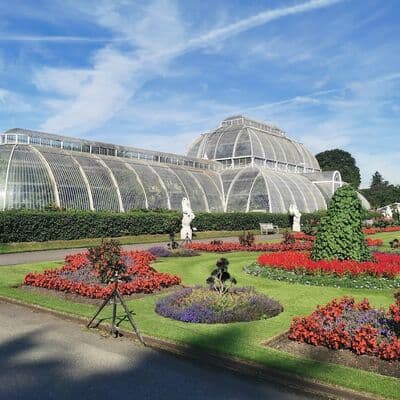
- Royal Botanic Gardens, Kew - world-class botanical gardens (30 minutes by Tube, GBP 19)
- Churchill War Rooms - underground WWII bunkers in Westminster (GBP 28, book ahead)
- Oxford or Cambridge - historic university towns (1 hour by train each)
- Stonehenge and Bath - combine ancient monument with Georgian architecture (full day tour or train)
Alternatively, spend extra time exploring areas you rushed through. Return to the British Museum for deeper dives. Wander through Hampstead Heath for countryside within the city. Explore the East End's street art scene. Let yourself get lost.
Where to Eat in London
London's food scene has transformed over the past two decades. The old jokes about terrible British cooking no longer apply - this is now one of the world's great food cities. But you need to know where to look.
Markets: Best Value for Variety
Borough Market remains the flagship destination. Come hungry and graze through dozens of vendors. Highlights: Kappacasein's raclette (GBP 9), Neal's Yard Dairy cheeses, Brindisa's chorizo rolls (GBP 6.50). Weekday lunches are less crowded than weekend mornings. Budget GBP 15-25 for a satisfying lunch.
Camden Market offers cheaper eats - Caribbean jerk chicken, Chinese dumplings, loaded fries - most dishes GBP 8-12. Quality varies, so follow the queues. Maltby Street Market (Saturdays only) near Tower Bridge attracts serious food lovers with fewer tourists.
Pubs: Traditional and Modern
Traditional pubs serve hearty portions at reasonable prices. Expect to pay GBP 14-20 for mains like fish and chips, pies, or Sunday roasts. The Lamb and Flag in Covent Garden, The George Inn near Borough Market (London's last galleried coaching inn), and The Spaniards Inn in Hampstead all offer atmosphere alongside decent food.
Gastropubs take things further - The Harwood Arms in Fulham holds a Michelin star while remaining a proper pub (mains GBP 25-35, book weeks ahead). The Anchor and Hope in Waterloo pioneered the movement and still delivers (no reservations, arrive early).
Budget Options: Chains Worth Knowing
Dishoom (Indian, mains GBP 12-18) always has queues for good reason - the bacon naan roll at breakfast is legendary. Flat Iron (steak, GBP 14 for 200g bavette with sides) offers extraordinary value. Padella (fresh pasta, GBP 8-14 dishes) near Borough Market makes handmade pasta daily - arrive at opening or expect 90-minute waits.
For quick cheap eats: Pret A Manger and Leon provide healthy grab-and-go (GBP 6-10). Greggs offers proper British bakery culture (sausage rolls, steak bakes) for under GBP 5. Supermarket meal deals (sandwich, drink, snack for GBP 3.50-5) are a budget traveler's friend.
Mid-Range Dining
Expect to pay GBP 40-60 per person for a good meal with drinks. Bao (Taiwanese steamed buns) has multiple locations - the original in Soho remains the best. Barrafina's Spanish tapas justifies its perpetual queues. Hoppers serves Sri Lankan food that converts skeptics. Book these 2-3 weeks ahead for dinner.
Cafes and Coffee
London takes coffee seriously now. Independent roasters like Workshop, Ozone, and Monmouth Coffee Company serve properly prepared specialty coffee (GBP 3-4.50 per cup). For atmosphere with your caffeine, The Attendant (a converted Victorian toilet), The Watch House (an old guardhouse overlooking Tower Bridge), and Cafe in the Crypt beneath St Martin-in-the-Fields near Trafalgar Square all offer memorable settings.
What to Try: London Food
Beyond restaurant recommendations, certain dishes define London eating. Track these down:
Full English Breakfast: Bacon, sausages, eggs, beans, toast, tomatoes, mushrooms, black pudding - the traditional start to any proper day. Regency Cafe near Westminster serves a legendary version (GBP 12-14). The Wolseley does an upscale interpretation (GBP 24). Most cafes and hotels offer variations.
Fish and Chips: Proper fish and chips means thick battered cod or haddock, chunky chips, mushy peas, and curry sauce on the side. Poppies in Spitalfields captures the vintage chippy experience (GBP 15-18). The Golden Hind in Marylebone has served since 1914 (GBP 14-17). Avoid tourist trap versions around Leicester Square.
Sunday Roast: The British institution of slow-roasted meat (beef, lamb, chicken, or pork) with Yorkshire pudding, roast potatoes, vegetables, and gravy. Nearly every pub serves Sunday lunch - book ahead for the good ones. Expect GBP 18-25. The Drapers Arms in Islington does it exceptionally well.
Pie and Mash: Working-class comfort food dating back centuries. M. Manze near Tower Bridge has served since 1902 - traditional meat pies with mash and liquor (parsley sauce), not the drinking kind. Around GBP 8-10. An authentic piece of old London.
Afternoon Tea: Finger sandwiches, scones with clotted cream and jam, and delicate pastries served on tiered stands. The Ritz and Claridge's offer the classic experience (GBP 75-85, dress code applies, book months ahead). More accessible options include The Lanesborough (GBP 65) or Sketch (GBP 59 weekdays). Many hotels and department stores like Fortnum and Mason (GBP 67) serve excellent versions.
Curry: London's curry houses, many concentrated on Brick Lane, reflect the city's South Asian heritage. Standards vary wildly - Tayyabs in Whitechapel (cash only, queue guaranteed, GBP 15-20 per person) serves Punjabi dishes that justify the chaos. Dishoom brings Bombay cafe culture with more polish. Gymkhana offers high-end Indian fine dining (GBP 70+).
Salt Beef Bagels: Beigel Bake on Brick Lane has served salt beef bagels 24 hours a day since 1977. Hand-sliced meat piled high with mustard, GBP 5.50. The queue at 2am tells you everything. Its rival, Beigel Shop next door, sparks fierce loyalty debates.
Chelsea Bun: Sweet spiral pastries studded with currants, originating from the Bun House in Chelsea over 300 years ago. Fitzbillies has excellent versions (GBP 4). Look for fresh-baked examples at markets and bakeries.
Eel, Pie, and Mash: For the truly adventurous - jellied eels remain served at traditional shops like M. Manze. This is heritage eating, not haute cuisine. Most visitors try one bite for the experience.
London Secrets: Local Tips
After the guidebook highlights, these local insights can save money, avoid crowds, and reveal hidden London.
1. Free museum late openings: Several major museums extend hours on specific evenings. The National Gallery stays open until 9pm Fridays. The V&A until 10pm on the last Friday of each month (with special events). Smaller crowds, often with live music or special programming.
2. Evensong at cathedrals: Skip the admission fee at St Paul's Cathedral and Westminster Abbey by attending free Evensong services (usually 5pm). You experience the architecture and hear world-class choral music. Sit quietly and respectfully - this is a religious service.
3. Hidden parks: Beyond Hyde Park, seek out Kyoto Garden in Holland Park (Japanese garden transplanted to London), Postman's Park (Victorian memorial to everyday heroes), and Hill Garden and Pergola in Hampstead (elevated Edwardian walkway through climbing plants). All free, all quiet.
4. Thames path walking: You can walk almost continuously along the Thames from Hampton Court to the Thames Barrier - some 40 miles through shifting landscapes. The section from Westminster to Greenwich takes about 3 hours and passes constantly changing views.
5. Best cheap views: Skip paid observation decks - Sky Garden offers free 360-degree views (book online ahead), One New Change shopping center has a free rooftop terrace next to St Paul's, and the Tate Modern viewing level costs nothing. Parliament Hill on Hampstead Heath delivers the classic London skyline.
6. Monday museums: While some attractions close Mondays, the major museums do not - and crowds thin noticeably. Visit the British Museum or Natural History Museum on Monday mornings for space to breathe.
7. Crossrail for airports: The Elizabeth Line (opened 2022) connects Heathrow to central London in about 25 minutes for standard Tube fare (around GBP 12.80 peak from Heathrow to Paddington). No need for expensive express trains.
8. Theater lottery and rush tickets: Most West End shows offer day-of lotteries or rush tickets for GBP 20-30. The TodayTix app consolidates many offers. Standing room at the Globe costs just GBP 5. National Theatre and other subsidized venues have cheaper tickets than commercial West End.
9. Water refills: The Refill app shows businesses where you can refill water bottles free - most cafes and many shops participate. Tap water in London is excellent quality.
10. Quieter alternatives: Instead of Camden Market crowds, try Broadway Market (Saturdays) in Hackney. Instead of Notting Hill on Saturdays, go Sunday morning. Instead of Borough Market at noon, arrive at 8am or go Thursday/Friday.
11. Royal Parks deckchairs: Those green-and-white striped deckchairs scattered through Hyde Park and other royal parks cost a few pounds to rent - worth it for an afternoon of people-watching.
12. Best local bookshops: Daunt Books on Marylebone High Street (beautiful Edwardian interior), Hatchards on Piccadilly (royal warrant holders since 1797), and Persephone Books near the British Museum (rediscovered mid-century women writers) offer experiences beyond Amazon browsing.
Transport and Communication
Getting to London
London has six airports, but most visitors use three:
Heathrow (LHR): The main international hub, 15 miles west of central London. Direct flights from most major US cities (New York 7-8 hours, Los Angeles 10-11 hours). Elizabeth Line/Tube takes 25-45 minutes to central London (GBP 5.50-12.80 depending on time and zone). The Heathrow Express reaches Paddington in 15 minutes but costs GBP 25-37. Taxis/Uber run GBP 60-90.
Gatwick (LGW): South of London, popular for European budget airlines and some US routes. Gatwick Express to Victoria takes 30 minutes (GBP 21.50). Southern/Thameslink trains are cheaper (GBP 10-17) but slower. Many late-night arrivals require expensive taxis (GBP 100+) when trains stop.
Stansted and Luton: Budget airline hubs, further from central London (45-60 minutes by express coaches or trains). Factor in longer journey times when booking cheap flights.
Getting Around London
Oyster Card or Contactless: Never buy paper tickets - they cost nearly double. Get an Oyster card (GBP 7 refundable deposit) at any station or simply tap your contactless credit/debit card. Apple Pay and Google Pay work too. Daily caps mean you never pay more than a set maximum (around GBP 8.10 for zones 1-2). Download the TfL Go app for journey planning.
The Tube: Runs roughly 5am-midnight daily, with Night Tube service on some lines Friday/Saturday nights. Central London is mostly zones 1-2. Avoid rush hours (8-9:30am, 5-7pm) when trains pack uncomfortably. The Elizabeth Line and Jubilee Line have air conditioning - valuable in summer.
Buses: Slower but scenic upper deck views. Flat fare of GBP 1.75, maximum daily spend GBP 5.25. Cash not accepted - Oyster or contactless only. Night buses run 24 hours (N-prefix routes).
Thames Clippers: River bus service from Putney to Woolwich, calling at key piers including Westminster, Embankment, Bankside (Tate Modern), and Greenwich. Offers unique views but costs more than Tube (GBP 9-12 with Oyster). Worth it for the Greenwich journey.
Walking: Central London is surprisingly compact. Westminster to Covent Garden takes 20 minutes. Tower Bridge to St Paul's is 15 minutes. Use Citymapper app for walking routes that account for terrain and current conditions.
Taxis and Rideshare: Black cabs charge GBP 3-5 minimum then by meter - expect GBP 15-30 for typical central London journeys. Uber operates normally and usually costs 20-40% less than black cabs. Both get stuck in traffic, so often slower than Tube for cross-town trips.
Phones and Connectivity
US phones work on UK networks but check roaming charges first - they can be brutal. Better options:
eSIM: Providers like Airalo, Holafly, or Nomad offer data-only eSIMs starting around $10-15 for 5-10GB. Activate before you arrive. Works with iPhone XS/newer and most recent Android phones.
Physical SIM: Buy at arrival airports or any phone shop. Giffgaff, Lebara, and Three all offer pay-as-you-go SIMs with cheap data. Around GBP 10-20 for a week of generous data.
WiFi: Widely available at cafes, hotels, and many restaurants. The Tube has WiFi in stations (not tunnels) through Virgin Media - free with ads or login, or included with many UK mobile plans.
Essential Apps
Citymapper (transport navigation - better than Google Maps for London), TfL Go (official transport app), Uber or Bolt (rideshare), Time Out London (events and listings), TodayTix (theater tickets), OpenTable or TheFork (restaurant reservations), Refill (free water locations).
Who London is For: Summary
London rewards almost any kind of traveler, but different visitors will find different cities within the city. History enthusiasts could spend weeks in museums alone. Art lovers have free access to world-class collections. Foodies will discover flavors from every corner of the globe. Theater fans face too many excellent options to see them all. Architecture buffs can walk from Roman walls to Norman castles to Georgian squares to Victorian stations to contemporary skyscrapers in a single afternoon.
That said, London demands acceptance of certain realities. This is an expensive city - budget travelers need discipline and planning. Weather is unpredictable year-round - pack layers and something waterproof regardless of when you visit. Crowds at major attractions require patience or strategic timing. And the scale of the city means you cannot see everything, no matter how long you stay.
Come to London if you want a city that offers endless variety, constantly surprises even longtime residents, and rewards both planned itineraries and spontaneous wandering. Come prepared to spend money but know that the best experiences - walking along the Thames at sunset, discovering a quiet square you never knew existed, sitting in a proper pub as rain patters against windows - cost nothing at all.