Glasgow
Glasgow 2026: What You Need to Know Before You Go
Glasgow hits you from the moment you step off the train. Victorian sandstone facades tower over streets covered in bold, world-class murals. Every pub seems to have live music on a Tuesday night. And the locals - the Glaswegians - are so genuinely warm that after 48 hours you will feel like you have known them for years. This is not the postcard Scotland of kilted bagpipers and shortbread tins. This is real, working, living Scotland with grit, humor, and a heart the size of the Clyde.
In brief: Glasgow deserves your time for its world-class museums that are entirely free (Kelvingrove Art Gallery and Museum, Riverside Museum, The Burrell Collection), a live music scene that rivals any city on the planet, food that ranges from legendary street curry to Michelin-starred tasting menus, the architectural legacy of Charles Rennie Mackintosh, and the irresistible atmosphere of the West End. Plan for 3-4 days in the city itself, plus an extra day if you want to escape to Loch Lomond and the Trossachs.
Who is this city for? Anyone tired of following the same tourist trail through Edinburgh and ready to see Scotland without the filter. Glasgow is for music obsessives, food lovers, street art hunters, architecture nerds, and anyone who appreciates an honest conversation over a pint. If you want manicured beauty, Edinburgh is 50 minutes east. If you want character, stay right here.
Honest downsides: It rains roughly 170 days per year - a waterproof jacket is not optional, it is survival gear. The Glaswegian accent is famously thick; expect to ask people to repeat themselves for the first day or two. And some areas outside the center can look rough around the edges, though the city is generally safe for visitors.
Glasgow Neighborhoods: Where to Stay
City Centre - Best for First-Timers and Shoppers
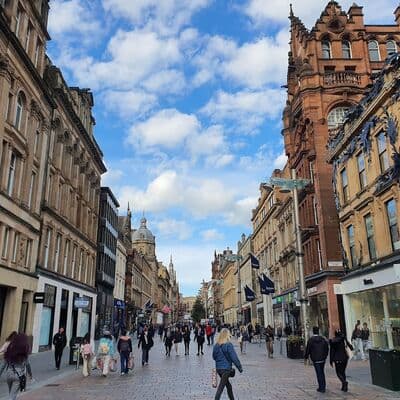
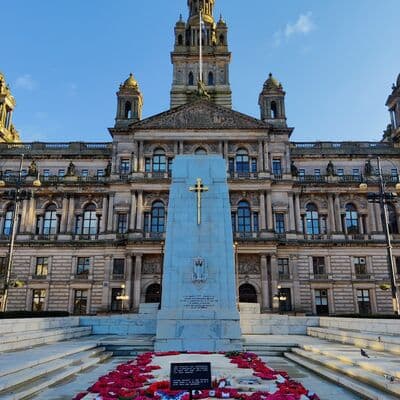
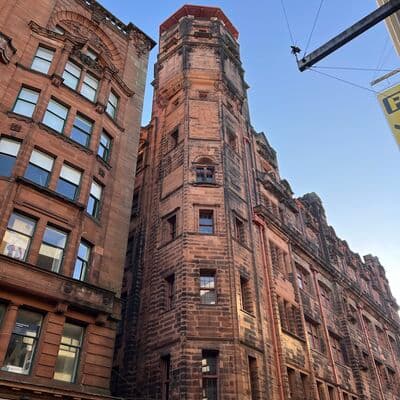
Glasgow's city centre is laid out on a grid system, much like Manhattan, making navigation refreshingly simple. The main pedestrian spine is Buchanan Street, a buzzing shopping mile. George Square anchors everything - the civic heart of the city, flanked by the imposing City Chambers. The Lighthouse, Scotland's centre for design and architecture, is tucked just off Buchanan Street with a rooftop panorama most tourists miss.
Pros: Everything walkable, excellent transport links. Cons: Noisy on weekend evenings. Budget: Hostels from 15-20 GBP, budget hotels from 60 GBP/night.
Merchant City - Style, Dining, and Nightlife
Merchant City was Glasgow's trading quarter in the 18th century, now blending heritage with upscale restaurants, cocktail bars, and designer boutiques. The Gallery of Modern Art (GoMA) sits at its western edge, fronted by the Duke of Wellington statue perpetually wearing a traffic cone - an unofficial symbol of Glasgow's irreverent spirit.
Pros: Beautiful architecture, best nightlife. Cons: Pricier, loud on weekends. Budget: Hotels from 90-150 GBP/night.
West End - University Vibes, Cafes, and Parks
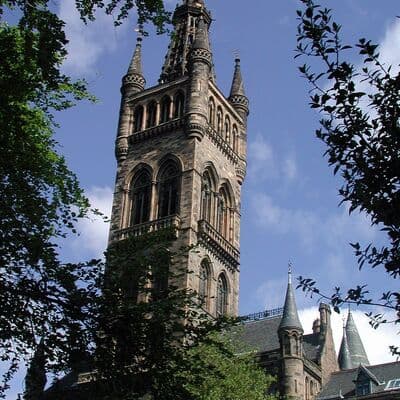
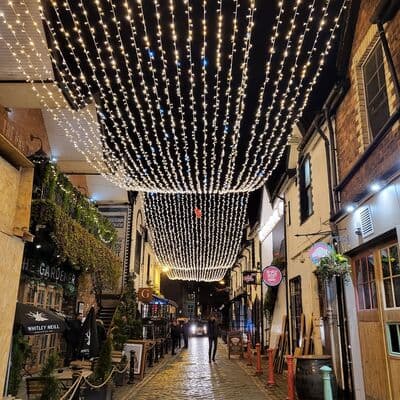
The West End is where most visitors fall in love with Glasgow. The University of Glasgow looks like it was ripped from a Harry Potter film (it actually inspired parts of Hogwarts), surrounded by independent cafes, vintage shops, and bookstores. Kelvingrove Art Gallery and Museum anchors the south, Glasgow Botanic Gardens sits to the north. Ashton Lane is the jewel - a cobbled lane strung with fairy lights and lined with pubs.
Pros: Best atmosphere, leafy, excellent food scene, close to museums. Cons: 15-20 min walk or subway from centre. Budget: Hostels from 18 GBP, B&Bs from 70 GBP/night.
Finnieston - The Hipster Quarter and Foodie Capital
A neglected industrial strip a decade ago, Finnieston is now one of the trendiest neighborhoods in Europe. Craft breweries, natural wine bars, and Glasgow's best restaurants line Argyle Street. Steps from The Clydeside Distillery and the Riverside Museum. The Hydro arena is here too.
Pros: Best food scene, walkable to West End and centre. Cons: Limited budget options. Budget: Hotels from 80 GBP/night.
East End - History, the Cathedral, and Authenticity
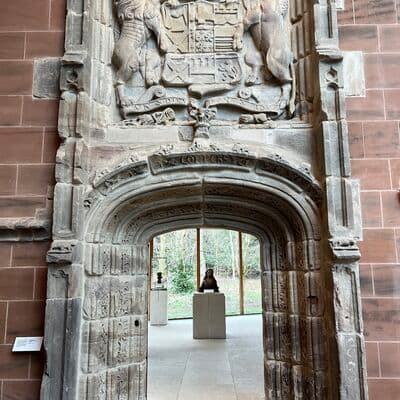
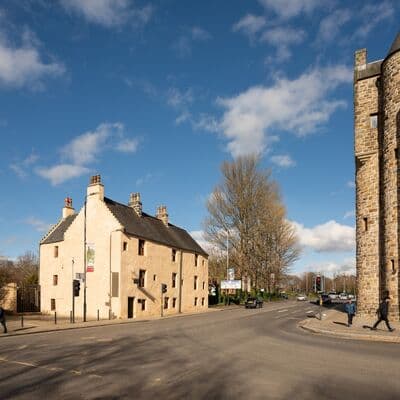
The East End is where Glasgow began. Glasgow Cathedral has stood here since the 12th century, and the atmospheric Glasgow Necropolis rises on the hill behind it like a Victorian city of the dead. Provand's Lordship, dating to 1471, is the oldest house in Glasgow. Glasgow Green, the city's oldest park, stretches along the river. The Dennistoun neighborhood nearby is rapidly gentrifying, with new cafes and delis appearing every month, but prices remain far lower than the West End.
Pros: Cheapest accommodation, rich history, authentic local atmosphere, Barras Market on weekends. Cons: Fewer restaurants and bars, some areas feel run-down after dark. Budget: Hostels from 12 GBP, hotels from 45 GBP/night.
Southside - Multicultural, Peaceful, and Underrated
Pollok Country Park houses The Burrell Collection, one of Europe's finest private art collections. Pollokshields serves the best curry in Scotland - this is where Glasgow's claim as Curry Capital of Britain is most convincingly made. Queens Park and Shawlands offer a relaxed vibe with excellent brunch spots.
Pros: Great value, fantastic parks, best curry. Cons: Further from centre, needs bus or train. Budget: Airbnb from 35 GBP/night.
Best Time to Visit Glasgow
Let us be honest about the weather: Glasgow averages around 170 rainy days per year. If you are waiting for guaranteed sunshine, you will never book the flight. The trick is to embrace the climate, dress in layers, and discover that Glasgow's indoor attractions - its museums, pubs, restaurants, and music venues - are so good that a rainy day barely registers as an inconvenience.
Summer (June to August) is the best window. Temperatures sit at 15-20C (59-68F), daylight stretches past 10pm in June, and festivals fill the calendar. Book accommodation 6-8 weeks ahead. Always have a light jacket - Glasgow weather can shift three times in one afternoon.
Spring (April to May) is an excellent compromise: parks blooming, thinner crowds, lower prices. Temperatures around 10-15C (50-59F). May can deliver stunning days.
Autumn (September to October) brings gorgeous golden light and fall colors through the parks. The cultural season kicks off with new exhibitions. Temperatures 8-14C (46-57F), rainfall increases, but there is a cozy beauty to Glasgow in autumn.
Winter (November to March) is for the hardy and budget-conscious. Temperatures 1-7C (34-45F), darkness falls by 4pm in December. But hotel prices plummet, Christmas markets around George Square are festive, and there is nothing quite like ducking into a warm pub on a dark Scottish evening.
Key festivals worth planning around: Celtic Connections (January) - one of the world's premier folk and roots music festivals. West End Festival (June) - the biggest community festival in Scotland, centered on the Byres Road area. TRNSMT (July) - a major rock and indie music festival on Glasgow Green. Piping Live (August) - the world's biggest celebration of Highland bagpipe music, coinciding with the World Pipe Band Championships.
Glasgow Itinerary: From 3 Days to a Full Week
Day 1: City Centre and Merchant City
Start at George Square after breakfast - free tours of the City Chambers run on weekday mornings. Walk south along Buchanan Street and detour into The Lighthouse on Mitchell Lane. Climb the Mackintosh Tower for a free panoramic view over the city rooftops. Continue into Merchant City, stopping at the Gallery of Modern Art (GoMA) and the cone-topped Duke of Wellington statue. Spend the afternoon on the Glasgow Mural Trail - download the free app and follow photorealistic portraits and surreal fantasies splashed across buildings citywide. End with dinner at Cafe Gandolfi or Dakhin, then cocktails at The Spiritualist.
Day 2: The West End
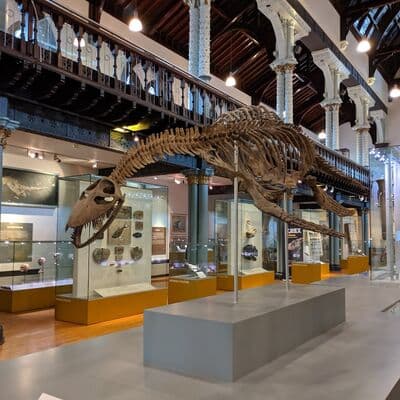
Take the subway (the Clockwork Orange - one circular line, tiny orange trains) to Hillhead station. Spend the morning at Kelvingrove Art Gallery and Museum - world-class and completely free. Highlights: Salvador Dali's Christ of St John of the Cross, a Spitfire hanging from the ceiling, and the daily 1pm organ recital. Walk uphill to the University of Glasgow and its cloisters (genuine Hogwarts vibes), then pop into The Hunterian Museum - Scotland's oldest public museum. Continue to Glasgow Botanic Gardens and the stunning Kibble Palace glasshouse. Finish on Ashton Lane - fairy-lit cobbled lane with Brel, Ubiquitous Chip (a Glasgow institution since 1971), and a string of excellent bars.
Day 3: East End and the Riverside
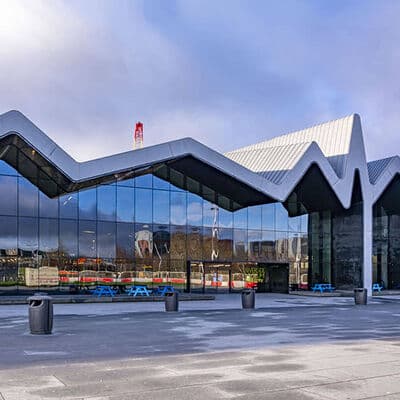
Start at Glasgow Cathedral, one of the few medieval Scottish churches to survive the Reformation intact. The lower church with its forest of stone columns is atmospheric and eerie. Climb the hill behind to Glasgow Necropolis, a Victorian cemetery modeled on Pere Lachaise with spectacular city views from the top. Visit Provand's Lordship (1471, Glasgow's oldest house) and St Mungo Museum of Religious Life and Art across the road, with its tranquil Zen garden. Walk south to Glasgow Green for the People's Palace (free) and the Doulton Fountain. After lunch, head west to the Riverside Museum - Zaha Hadid's striking building houses vintage cars, locomotives, and a recreated 1930s street. The Tall Ship Glenlee outside is included free. End at The Clydeside Distillery (tours 18-25 GBP with tasting).
Day 4: The Southside
Head to Pollok Country Park, a 360-acre estate where Highland cattle roam. The Burrell Collection inside houses 9,000+ objects from ancient civilizations to Impressionist paintings - free and worth half a day. Lunch in Shawlands (Cafe Strange Brew or Tapa Bakehouse), then explore Queens Park or Pollokshields for the best curry houses in Glasgow.
Day 5: Loch Lomond Day Trip
Loch Lomond is 40 minutes by train (ScotRail to Balloch, ~7 GBP return) - Britain's largest freshwater loch marking where the Lowlands meet the Highlands. Boat cruises, kayak rentals, and woodland trails from Balloch. For hikers: bus to Balmaha and climb Conic Hill (2 hours round trip) for panoramic loch views. Pack lunch - village options are limited and overpriced.
Day 6: Edinburgh Day Trip
Edinburgh is 50 minutes by train (ScotRail from Queen Street, ~15-20 GBP return). Already been? Consider Stirling and its castle (30 min by train), the Falkirk Wheel, or Ayrshire and Robert Burns birthplace. First time in Scotland? Edinburgh's Old Town, Castle, and Royal Mile are worth the half-day trip.
Day 7: Hidden Gems and Markets
Start at Glasgow Science Centre on the south bank - the planetarium and viewing tower are worthwhile for all ages. Cross the river to the Hidden Lane in Finnieston (artist studios, vintage shops, tearoom). On weekends, hit Barras Market in the East End - Glasgow's legendary flea market since the 1920s. Finish at Dockyard Social (street food in a converted shipyard) or Platform at Argyle Street Arches (craft beer and food trucks under the railway).
Where to Eat: Glasgow's Restaurant Scene
Glasgow's food scene has transformed in the past decade. What was once a city of fish and chips and deep-fried Mars bars (yes, those exist, yes, you should try one) is now a serious dining destination with inventive tasting menus and some of the best street food in the UK.
Street Food and Markets
Dockyard Social in Finnieston is the standout - a rotating lineup of street food vendors in an industrial space. Platform at Argyle Street runs a similar concept under the railway arches. The Barras Market at weekends has food stalls mixed in with the vintage clothing and second-hand records. Big Feed at the SWG3 arts complex serves weekend street food with live DJs.
Budget and Casual
Paesano Pizza on Miller Street serves Neapolitan-style pizza from a wood-fired oven - it is cash-only, there are always queues, and it is worth every minute of waiting. A pizza costs around 7-9 GBP. Ranjit's Kitchen near Glasgow University does outstanding Punjabi home cooking for under 8 GBP a plate. Sugo on St Andrews Square serves fresh pasta in a no-frills setting for around 8-10 GBP. Saramago Cafe Bar in the Centre for Contemporary Arts is excellent for vegetarian and vegan food in an airy, art-filled space.
Mid-Range Dining
Ox and Finch on Sauchiehall Street pioneered Glasgow's small plates movement - creative, seasonal, and well-priced at around 30-45 GBP per person with drinks. The Gannet on Argyle Street in Finnieston serves modern Scottish cuisine with exceptional local ingredients, around 40-55 GBP. Julie's Kopitiam brings brilliant Malaysian flavors to the West End. Cafe Gandolfi in Merchant City has been a Glasgow institution for decades - Scottish-meets-Continental comfort food in a gorgeous Arts and Crafts interior. Stravaigin on Gibson Street is a West End classic known for its eclectic, globally-inspired Scottish menu.
Special Occasions
Cail Bruich on Great Western Road holds a Michelin star and serves a tasting menu that showcases the best of Scottish produce (expect around 85-120 GBP per person for the full experience). Ubiquitous Chip on Ashton Lane has been the West End's fine dining anchor since 1971 - the courtyard dining room, draped in trailing plants, is one of the most atmospheric spaces in the city. Margo in the Southside is a newer arrival earning serious acclaim for its inventive approach to Scottish ingredients.
Coffee and Cafes
Glasgow's specialty coffee scene is thriving. 1841 Coffee on Pollokshaws Road, OUTLIER on Great Western Road, Kaf Coffee in Shawlands, and Riverhill Cafe on Gordon Street are all excellent. Most charge around 3-4 GBP for a flat white.
What to Try: Glasgow's Essential Foods and Drinks
Haggis, neeps, and tatties. Scotland's national dish - spiced offal pudding with mashed turnip and potato. It sounds intimidating but tastes like a rich, peppery sausage. You will find it everywhere from high-end restaurants to chip shops. Try it at any traditional pub or for a modern twist, look for haggis bon bons (deep-fried haggis balls) on bar menus across the city.
Cullen Skink. A thick, creamy soup made from smoked haddock, potatoes, and onions. It is comfort food of the highest order, especially on a rainy Glasgow day (so, most days). Cafe Gandolfi does a particularly good version.
Scotch Pie. A small, double-crusted meat pie filled with spiced minced mutton. Available at bakeries citywide for around 1.50-2.50 GBP. Grab one from a traditional bakery and eat it walking - this is legitimate Glasgow street food.
Curry. Glasgow lays serious claim to being the Curry Capital of Britain, and there is a widely repeated (though debated) story that chicken tikka masala was invented here in the 1970s. Whether or not you believe the origin story, the curry scene is exceptional. Head to Pollokshields on the Southside for the most authentic options, or try Mother India's Cafe in the West End for their famous small-plate approach to Indian dining.
Scottish Salmon. Whether smoked or fresh, Scottish salmon is world-renowned. You will find it everywhere from upscale restaurants to simple cafe plates with scrambled eggs.
Cranachan. Scotland's answer to a dessert parfait - layers of whipped cream, toasted oatmeal, fresh raspberries, and a generous splash of whisky. Light, textured, and surprisingly sophisticated.
The Munchy Box. A Glasgow invention and a post-pub institution: a pizza box filled with kebab meat, pakora, naan bread, chips, onion rings, and assorted sauces. It is gloriously excessive and costs around 8-12 GBP. Not fine dining, but an authentic Glasgow experience. Order one after midnight and you are officially a local.
Irn-Bru. Scotland's other national drink - a bright orange, sweet, slightly citrusy soft drink that outsells Coca-Cola in Scotland. It is an acquired taste, but you have to try it. Also widely credited as the best hangover cure known to humanity.
Scotch Whisky. Visit The Clydeside Distillery for a proper introduction. Order a 'dram' in any pub (never a 'shot' - that marks you as a tourist). Bartenders will happily guide you through regions - smoky Islay, fruity Speyside, coastal Highland. A dram costs 4-8 GBP for standard malts.
Local Secrets: Tips From People Who Live Here
Nearly every major museum is free. This is not obvious to visitors from countries where museum admission routinely costs 20-30 USD. Kelvingrove, Riverside Museum, The Burrell Collection, GoMA, The Hunterian, St Mungo Museum, The People's Palace - all free. You could spend four days doing nothing but museums and not pay a penny in admission.
The accent takes calibration. Glaswegian English can be dense. 'Aye' means yes. 'Wee' means small. 'Braw' means great. 'How?' means 'why?' not 'in what manner?' If someone says 'you alright?' they are greeting you, not questioning your mental state. Do not be embarrassed to ask people to repeat themselves - they will, cheerfully.
Scottish banknotes are legal but sometimes refused in England. Scotland prints its own pound sterling notes. They are worth exactly the same as Bank of England notes but some English shops look at them suspiciously. Spend them in Scotland or exchange at any bank if heading south.
Pub closing times are later than England. Most Glasgow pubs stay open until midnight or 1am, some later. Last orders are usually called 15-20 minutes before closing. Friday and Saturday nights, many bars run until 2-3am.
Do not bring up the Old Firm. Glasgow is divided between Celtic and Rangers football fans. The rivalry runs deep, tied to religious and cultural identity. If you attend a match the atmosphere is electric, but be aware of which pub you are in and which colors you wear.
Waterproof jacket, not an umbrella. Glasgow wind will destroy any umbrella within 48 hours. A decent rain jacket with a hood is the single most important item in your packing list.
The subway is tiny and wonderful. The third oldest underground railway in the world (after London and Budapest). One circular line, 15 stations, full loop in 24 minutes. Day pass 4.20 GBP. Locals call it the Clockwork Orange.
Sunday opening hours are shorter. Many shops open at 11am or noon on Sundays and close by 5pm. Supermarkets have restricted hours. Plan your shopping accordingly. Restaurants and pubs keep more normal hours.
Tipping is 10%, not 20%. A 10% tip at restaurants is standard. Round up taxi fares. Tipping at bars is not expected, though leaving change is nice when ordering rounds.
Getting Around: Transport and Connectivity
From Glasgow Airport (GLA). 10 miles west of centre. Airport Express bus (service 500) runs every 10-15 minutes, 25-35 min to Buchanan Bus Station, 8.50 GBP return (~11 USD). Taxis 20-30 GBP (25-38 USD). Uber operates and is usually slightly cheaper. No direct rail link exists.
From Glasgow Prestwick Airport (PIK). Used mainly by Ryanair. A dedicated train runs from the airport terminal to Glasgow Central station in about 50 minutes, costing around 9 GBP. It is further out but the rail link is straightforward.
Glasgow Subway. One circular line, 15 stations, running inner and outer circles. Covers the city centre and West End. A single journey is 1.75 GBP, a day pass is 4.20 GBP. Runs from about 6:30am to 11:40pm (10am start on Sundays). Simple, reliable, and hard to get lost on since there is literally one line.
Trains (ScotRail). Two main stations: Central (south, suburbs) and Queen Street (Edinburgh, Stirling, Highlands). Glasgow-Edinburgh runs every 15 minutes. Buy via the ScotRail app - advance fares are significantly cheaper than walk-up prices.
Buses (First Bus). Single fare ~2 GBP, day pass 5 GBP. First Bus app for mobile tickets. Google Maps handles bus routing well in Glasgow.
Walking. The centre is compact - most attractions within a 20-30 minute walk of each other. The West End is 25 minutes on foot or a quick subway hop. Waterproof shoes are essential.
Cycling. OVO Bikes (bike-share) across centre and West End, ~3 GBP/day plus usage. The Clyde Walkway is a pleasant traffic-free route along the river.
SIM cards and connectivity. Three, Vodafone, and EE offer pay-as-you-go SIMs from 10-15 GBP with data, available at airport shops and supermarkets. Free WiFi in all museums and most cafes. Reliable 4G/5G coverage citywide.
Who Glasgow Is For: The Verdict
Glasgow is ideal for: music lovers (UNESCO City of Music with more live venues per capita than almost anywhere), food enthusiasts, museum addicts, budget travelers, architecture fans, and street art hunters.
Glasgow may not suit: castle seekers (head to the Highlands), beach lovers, or sun worshippers. If you only have two days in Scotland, Edinburgh is the safer bet. But with more time, Glasgow rewards you with something deeper and more lasting.
How long to stay: Two days minimum. Three to four days to explore properly. A full week with day trips to Loch Lomond and Edinburgh is the sweet spot.