Edinburgh
Edinburgh 2026: What to Know Before You Go
Edinburgh exists in two worlds simultaneously. The medieval Old Town rises dramatically from volcanic rock, its narrow closes unchanged for centuries. Meanwhile, the Georgian New Town spreads elegantly to the north, all symmetrical crescents and classical facades. This duality defines the Edinburgh experience: ancient and refined, wild and civilized.
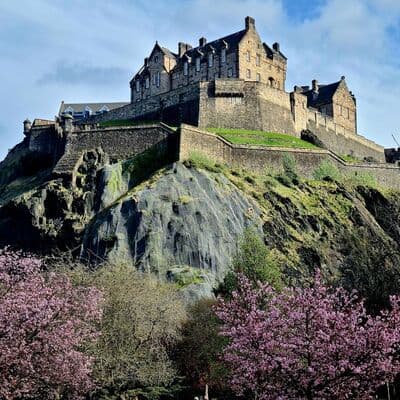
What strikes most visitors first is the verticality. Unlike flat cities, Edinburgh forces you to climb. The reward is constant: unexpected viewpoints, hidden gardens perched on cliffsides, and the ever-present drama of Edinburgh Castle looming above. Bring comfortable shoes with good grip - cobblestones and steep inclines are unavoidable.
The city feels smaller than its 500,000 population suggests because the historic center is remarkably compact. You can walk from the castle to Holyrood Palace in thirty minutes. August transforms Edinburgh into the world's largest arts festival, tripling the population and prices. The rest of the year offers a more intimate experience - misty mornings, warm pubs, and locals with strong opinions about everything from whisky to politics.
Edinburgh Neighborhoods: Where to Stay
Choosing where to base yourself significantly shapes your experience. Each neighborhood has distinct character, price points, and trade-offs.
Old Town: Historic Heart
The Royal Mile and surrounding Old Town put you at the center of everything historic. Wake up to castle views, stumble home from pubs through atmospheric closes, and never need transportation. Hotels range from GBP 150-400 per night (USD 190-510), with premium prices for castle views. The trade-off is tourist density - bagpipe buskers start early, and crowds are constant during peak season. Grassmarket offers a slightly more local feel while remaining central, with excellent pubs and a vibrant weekend market.
New Town: Georgian Elegance
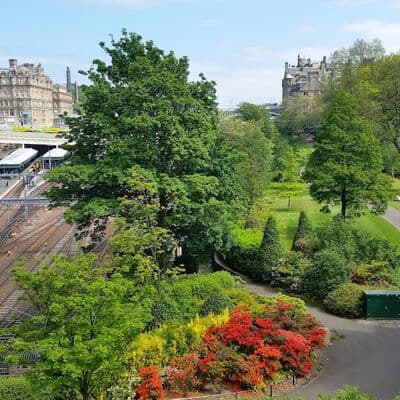
Broad streets, elegant architecture, and a refined atmosphere define the New Town. Staying near Princes Street Gardens gives easy access to shopping and the excellent Scottish National Gallery. Hotels average GBP 120-300 (USD 150-380). The area is quieter at night. Walking to Old Town attractions takes ten to fifteen minutes.
Stockbridge: Village Vibes
North of the New Town, Stockbridge feels like a village absorbed by the city. Independent shops, excellent cafes, and the Sunday farmers market make this neighborhood beloved by locals. It is a fifteen-minute walk downhill to Princes Street - but downhill means uphill returning. Hotels are scarcer here, but excellent Airbnb options exist in the GBP 80-150 range (USD 100-190). Easy access to Dean Village, one of Edinburgh's most photogenic corners.
Leith: Waterfront and Foodie Haven
Edinburgh's port district has transformed from rough docklands to the city's most exciting food neighborhood. Michelin-starred restaurants share streets with fish and chip shops, and the Royal Yacht Britannia draws history enthusiasts. Leith sits about three miles from the center - too far to walk regularly, but well-connected by bus and tram. Accommodation runs GBP 70-150 (USD 90-190), offering better value than central options.
Southside and Budget Options
The university district south of the Royal Mile offers excellent value without sacrificing walkability. Guest houses typically charge GBP 80-140 (USD 100-180) with Scottish breakfast included. Fifteen minutes on foot from the Royal Mile. Hostels cluster around Cowgate, with dorm beds from GBP 25-45 (USD 30-55). During August Festival, expect all prices to double or triple - book months ahead or consider staying in Glasgow and commuting (forty-five minutes by train).
Best Time to Visit Edinburgh
Edinburgh's weather is unpredictable, but timing your visit matters enormously. The difference between August and February is not just temperature - it is an entirely different city.
Peak Season: August
The Edinburgh Festival Fringe transforms the city into the world's largest arts celebration. Every venue hosts performances. Street performers fill every corner. Expect accommodation prices three times normal rates, advance booking essential, and crowds everywhere. If festivals excite you, August is unmissable. If you prefer exploring peacefully, avoid it entirely.
Shoulder Season: May-June and September
These months offer the best balance. May brings longer days (sunset around 9:30 PM) and spring flowers in Princes Street Gardens. June offers twilight lasting until nearly 11 PM - magical for evening walks. September sees smaller crowds and autumn colors beginning. Weather remains unpredictable, but sunshine mixed with rain showers is typical. Layers are essential.
Winter and Spring
Edinburgh winters are dark - December sunrise at 8:45 AM, sunset at 3:30 PM. However, Christmas and Hogmanay celebrations are legendary. The Christmas market fills Princes Street Gardens, and Hogmanay street parties attract 100,000 revelers. January and February are genuinely quiet with lower prices. Spring sees Easter tourists but manageable crowds. Weather is highly variable - I have experienced snow in April and warmth in March on consecutive days.
Weather Reality
Edinburgh averages 170 rainy days annually, but rain often comes as brief showers rather than all-day downpours. Wind is the more persistent challenge - the city sits on coastal hills that funnel gusts through streets. A windproof jacket matters more than an umbrella, which will likely turn inside-out within hours.
Edinburgh Itinerary: 3 to 7 Days
Edinburgh rewards longer stays, but even three days allow meaningful exploration.
Day 1: Royal Mile and Castle
Start at Edinburgh Castle, arriving when it opens at 9:30 AM to avoid crowds. Allow two to three hours - the Scottish Crown Jewels, Stone of Destiny, and military prison are highlights. Book tickets online (GBP 19.50, approximately USD 25). Walk down the Royal Mile, stopping at Camera Obscura or The Scotch Whisky Experience (GBP 19-45 depending on tasting level).
Lunch in Grassmarket, then explore the closes branching off the Royal Mile. The Real Mary King's Close offers fascinating underground tours of preserved 17th-century streets (GBP 19.50). End at St Giles' Cathedral (free entry). Evening ghost tours depart from various points along the Mile.
Day 2: Arthur's Seat and Holyrood
Begin with the climb up Arthur's Seat, the ancient volcano dominating Edinburgh's skyline. The main path from Holyrood takes forty-five minutes to the 251-meter summit. Start early for solitude and better light. Views encompass the entire city and, on clear days, the Highland peaks.
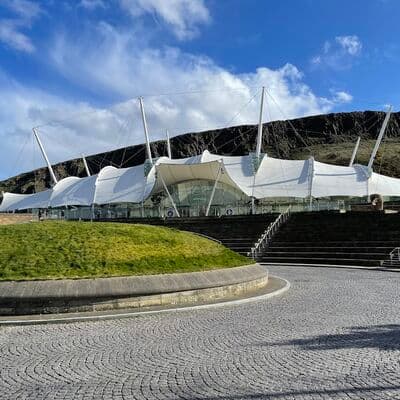
Descend to Palace of Holyroodhouse, the King's official Scottish residence (GBP 18.50). The apartments where Mary Queen of Scots lived bring Scottish history viscerally alive. Afternoon: Dynamic Earth (excellent for families, GBP 17.50). Evening: climb Calton Hill for sunset views - the ascent takes ten minutes via stairs from Regent Road.
Day 3: New Town and Museums
Spend the morning in the National Museum of Scotland (free entry). Scottish history galleries, natural history, and world cultures could occupy a full day. The rooftop terrace offers free panoramic views. Lunch in the New Town, then visit the Scottish National Portrait Gallery (free). Late afternoon, descend to Dean Village via the Water of Leith walkway - a hidden valley of converted mills that feels impossibly rural.
Days 4-5: Deeper Edinburgh
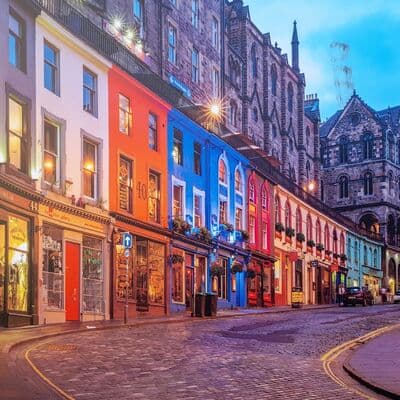
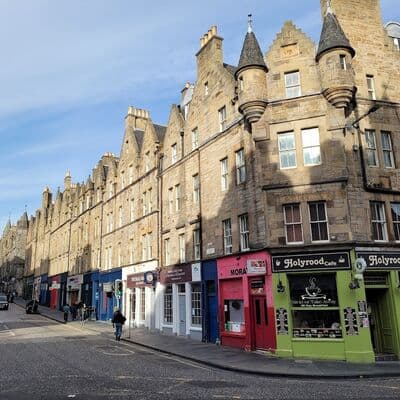
Greyfriars Kirkyard is Edinburgh's most atmospheric cemetery - supposedly the inspiration for Harry Potter character names. Victoria Street, the curving colorful street descending to Grassmarket, houses excellent independent shops. The Johnnie Walker Experience offers premium whisky exploration (GBP 25-150).
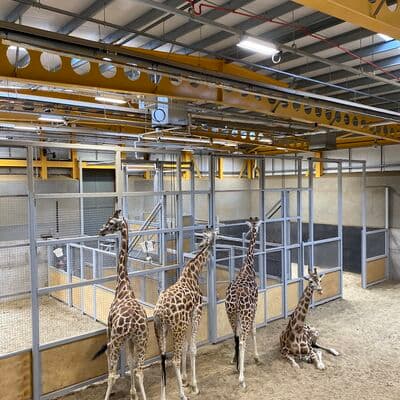
Take a morning trip to Leith for brunch, then tour the Royal Yacht Britannia (GBP 19). Afternoon: Edinburgh Zoo (GBP 24.95) for families or conservation enthusiasts - giant pandas and the daily penguin parade are highlights.
Days 6-7: Day Trips
The Scottish Highlands can be reached on organized tours (GBP 45-80) visiting Loch Ness, Glencoe, or the Trossachs. St Andrews is ninety minutes by bus. Stirling Castle takes an hour by train. If time is limited, prioritize a Highlands tour - the landscape is spectacular and difficult to access independently without a car.
Where to Eat in Edinburgh
Edinburgh's food scene has matured dramatically. Beyond haggis and fish and chips, the city hosts multiple Michelin-starred restaurants alongside excellent casual dining.
Budget Eating (Under GBP 15)
Mosque Kitchen near the university serves enormous plates of Pakistani curry for GBP 6-8. Oink on Victoria Street serves haggis in a roll (GBP 4-6). The Piemaker on South Bridge offers Scottish meat pies for GBP 3-5. For fish and chips, avoid Royal Mile tourist traps - head to L'Alba D'Oro in Henderson Row (GBP 10-14). Street food clusters at the Pitt market in Leith on Saturdays (GBP 8-12 per dish).
Mid-Range Dining (GBP 20-40)
The Grain Store on Victoria Street serves modern Scottish cuisine in medieval surroundings (mains GBP 18-28). Ondine near the Royal Mile is excellent for sustainably sourced Scottish seafood (mains GBP 22-35). In Leith, The Shore and Fishers serve outstanding seafood at reasonable prices. Stockbridge offers Cafe St Honore for French bistro classics and The Scran and Scallie for elevated Scottish comfort food (mains GBP 16-25).
Special Occasions (GBP 60+)
The Kitchin in Leith holds a Michelin star and represents pinnacle Scottish fine dining (tasting menu GBP 115). Restaurant Martin Wishart, also Michelin-starred, offers refined French-Scottish cuisine (tasting menu GBP 105). Book at least two weeks ahead, more during Festival season.
Vegetarian and Vegan
David Bann on St Mary's Street has served creative vegetarian cuisine for decades (mains GBP 14-18). Henderson's on Hanover Street is an Edinburgh institution. Harmonium and Considerit represent excellent dedicated vegan options.
Must-Try Food in Edinburgh
Scottish cuisine showcases exceptional local ingredients with increasing sophistication.
Haggis
You cannot visit Scotland without trying haggis - sheep's offal mixed with oatmeal, onion, and spices. It sounds challenging but tastes remarkably earthy and satisfying. The Haggis Box on the Royal Mile offers haggis, neeps, and tatties for around GBP 10. Vegetarian haggis exists and is surprisingly good.
Scottish Breakfast
Everything in an English breakfast plus uniquely Scottish additions: square sausage, tattie scones (potato flatbreads fried until crispy), black pudding, and sometimes haggis. A vast meal that fuels you until dinner. Most hotels include breakfast; otherwise expect GBP 12-18 at cafes.
Seafood
Scotland's cold waters produce exceptional seafood. Scottish salmon, langoustines, mussels, and hand-dived scallops feature prominently on menus. Cullen skink - creamy smoked haddock soup - is the quintessential Scottish seafood dish, warming on cold days.
Whisky
The Scotch Whisky Experience provides excellent education for beginners. The Johnnie Walker Experience focuses on blended whisky with impressive displays. For independent exploration, the Bow Bar has exceptional selections. Expect GBP 5-15 for a dram of quality single malt.
Sweet Treats and Drinks
Shortbread and tablet (crumbly fudge-like confection) are classic Scottish sweets. Cranachan - raspberries, cream, oatmeal, and whisky - appears on summer menus. Irn-Bru, Scotland's orange soft drink, outsells Coca-Cola here and supposedly cures hangovers. Scottish craft beer has exploded; Innis and Gunn and Stewart Brewing are widely available.
Edinburgh Secrets: Local Tips
Beyond guidebook attractions, Edinburgh rewards curiosity and willingness to wander.
Free Viewpoints
Everyone knows Calton Hill and Arthur's Seat, but locals prefer alternatives. The National Museum of Scotland rooftop terrace (free) offers castle views without climbing. For sunset, consider Blackford Hill south of center - a twenty-minute bus ride rewards with panoramic views and fewer tourists.
Timing Attractions
Edinburgh Castle is significantly less crowded in the last two hours before closing. The National Museum empties after 3 PM. Holyroodhouse is quieter on weekday mornings. Book Mary King's Close for first or last tours to avoid school groups.
Hidden Spaces
Dunbar's Close Garden, tucked off the Canongate, is a peaceful 17th-century garden most tourists walk past. Dr. Neil's Garden on Duddingston Loch is one of Edinburgh's most beautiful hidden spots. The Vennel steps provide the most photographed castle view - time for late afternoon light.
Money-Saving Tips
The Edinburgh Pass is rarely worth it. Prioritize free attractions: National Museum, Scottish National Gallery, Greyfriars Kirkyard, St Giles' Cathedral. Book paid attractions online for small discounts. Student discounts are widely available.
Weather and Etiquette
Layers matter more than any single garment. A waterproof jacket beats an umbrella in Edinburgh's wind. Do not cancel plans for morning grey skies - conditions change rapidly. In pubs, buying rounds is traditional. Tipping: 10-15% in restaurants, rounding up in taxis. Queue properly - queue-jumping is a serious transgression.
Getting Around Edinburgh
Edinburgh's compact historic center makes walking the primary transportation mode. Understanding other options helps when weather turns hostile or attractions lie beyond walking range.
Walking
Most attractions lie within thirty minutes of each other. The challenge is terrain - steep hills and cobblestones require appropriate footwear. Walking from Old Town to Leith takes forty-five minutes along mostly flat routes. The Water of Leith walkway provides a car-free path through surprising greenery.
Buses and Trams
Lothian Buses operate an extensive network. Single fares cost GBP 2.00 (exact change or contactless). Day tickets (GBP 5.00) make sense for three or more journeys. The Transport for Edinburgh app provides real-time tracking. Key routes: 35 to Leith, 23 to Edinburgh Zoo. The tram runs from Edinburgh Airport through the city center - GBP 7.50 from the airport, thirty minutes to Princes Street.
Taxis and Airport
Black cabs are plentiful and metered (starting fare GBP 3.50, roughly GBP 2 per mile). Uber operates and is typically 15-20% cheaper. Edinburgh Airport sits eight miles west. The tram provides reliable connection (thirty minutes, GBP 7.50). Airlink bus is cheaper (GBP 5.50). Taxis cost GBP 25-35 depending on traffic.
Day Trips
Trains from Waverley Station reach Glasgow in forty-five minutes (GBP 15-25), Stirling in fifty minutes (GBP 10-15), St Andrews in ninety minutes with a change (GBP 15-20). Book advance fares on ScotRail or Trainline for savings. For the Highlands, organized bus tours are more practical than public transport without a car.
Who Edinburgh Is For: Summary
Edinburgh rewards nearly every type of traveler. History enthusiasts spend days exploring medieval streets and castles. Architecture admirers trace centuries of building styles within a single square mile. Whisky lovers find endless opportunities. Hikers summit an ancient volcano before lunch and dine in Michelin restaurants by evening.
Families find excellent options in Dynamic Earth and Edinburgh Zoo. Couples discover romance in candlelit pubs and dramatic viewpoints. Solo travelers feel safe and welcome. Budget travelers explore extensively using free attractions.
Edinburgh demands comfortable shoes, layered clothing, and acceptance of weather unpredictability. But for those willing to embrace its challenges, Edinburgh offers one of Europe's most rewarding city experiences - a capital that feels like a village, where ancient history and modern sophistication coexist in atmospheric harmony.