About
Uzbekistan Travel Guide 2026: The Heart of the Silk Road Awaits
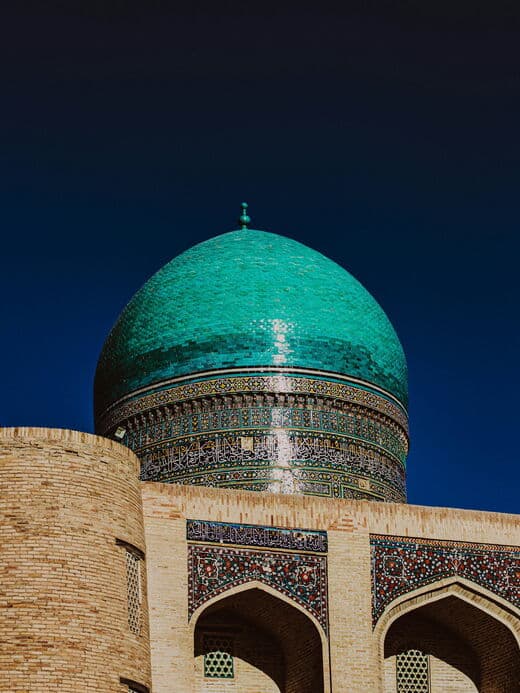
There is a place where turquoise domes pierce impossibly blue skies, where ancient caravanserais whisper tales of merchants who once carried silk and spices across continents, and where hospitality runs so deep that strangers become family over steaming bowls of plov. That place is Uzbekistan, and it has been quietly transforming itself into one of the most compelling travel destinations on Earth.
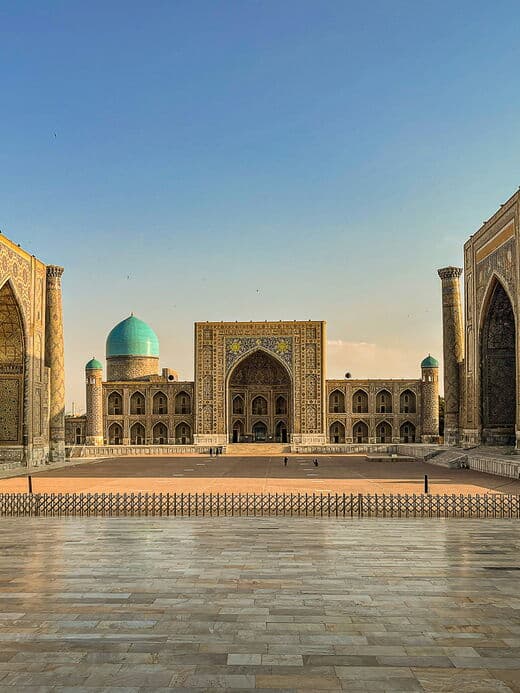
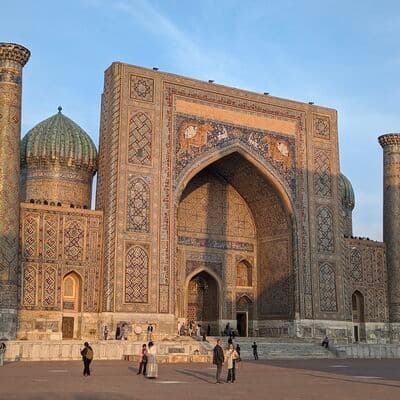
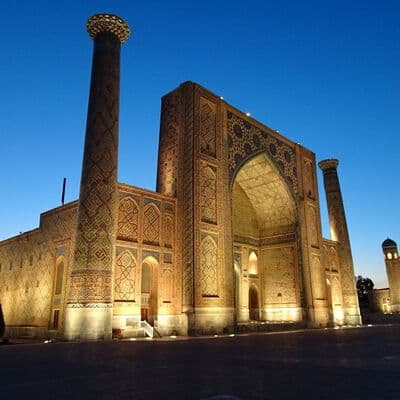
I remember standing in Registan Square at sunset, watching the golden light play across the intricate tilework of three magnificent madrasahs, and thinking: how is it possible that more people do not know about this? The scale of beauty here rivals anything I have seen in my decades of travel, yet Uzbekistan remains blissfully uncrowded compared to the tourist magnets of Western Europe or Southeast Asia.
This guide is your companion to discovering Uzbekistan in 2026, a year that marks significant developments in the country's tourism infrastructure. Whether you are a history enthusiast eager to walk in the footsteps of Tamerlane, an architecture lover hungry for some of the most spectacular Islamic monuments on the planet, or simply a curious traveler seeking something genuinely different, Uzbekistan delivers in ways that will surprise and delight you.
Why Visit Uzbekistan: A Destination Unlike Any Other
Let me be direct with you: Uzbekistan is not a beach destination, and it is not the place for all-inclusive resort lounging. What it offers is something increasingly rare in our homogenized world: genuine cultural immersion, architectural wonders that take your breath away, and encounters with people whose warmth and curiosity will restore your faith in humanity.
The first and most obvious reason to visit is the architecture. I have traveled extensively through Morocco, Iran, Turkey, and the various Stans of Central Asia, and I can tell you without hesitation that Uzbekistan possesses the single greatest concentration of Islamic architectural masterpieces anywhere on Earth. The three cities of Samarkand, Bukhara, and Khiva form a triumvirate of historical significance and visual splendor that is simply unmatched. These are not reconstructions or Disney-fied versions of the past. These are living monuments, many of which have stood for over six hundred years, bearing witness to empires that rose and fell while their turquoise tiles continued to gleam under the Central Asian sun.
But architecture alone does not make a destination. What sets Uzbekistan apart is the cultural context that surrounds these monuments. This was the crossroads of the ancient Silk Road, the place where East truly met West. Chinese silk merchants haggled with Roman traders. Buddhist pilgrims passed through on their way to India. Arab scholars debated philosophy with Persian poets. The great mathematician Al-Khwarizmi, whose name gave us the word algorithm, worked here. The astronomer Ulugh Beg built an observatory that calculated the length of a year to within seconds of modern measurements, using only naked-eye observations. This is not just history; this is the history of human civilization itself.
The practical reasons for visiting have also improved dramatically in recent years. Uzbekistan has invested heavily in tourism infrastructure while maintaining remarkably affordable prices. A comfortable hotel room in a historic city center costs between 40 and 80 USD per night. A feast of traditional food for two rarely exceeds 15 USD. Domestic flights and the expanding high-speed train network make travel between major destinations both quick and comfortable. The country has simplified its visa requirements, with citizens of over 90 countries now able to visit visa-free for stays of up to 30 days. This includes visitors from the United States, United Kingdom, Canada, Australia, and most of the European Union.
Safety is another compelling factor. Uzbekistan is remarkably safe for travelers. Violent crime against tourists is virtually unheard of. The police presence is visible but not oppressive. Women traveling solo report feeling comfortable and respected, though modest dress is appreciated in this predominantly Muslim country. The political situation has been stable, with the government actively courting international visitors and investing in their experience.
Perhaps most importantly, Uzbekistan offers that increasingly elusive quality: authenticity. Tourism here has not yet reached the levels that transform destinations into theme park versions of themselves. The craftsmen making ceramics in Rishtan are not performing for tourists; they are continuing traditions passed down through generations. The bread being baked in traditional tandoor ovens is the same bread that locals eat every day. The hospitality you receive is genuine, rooted in cultural values that place guests in a position of honor.
I should also mention what I call the discovery factor. There is something uniquely satisfying about visiting a place before it becomes overrun with visitors. Uzbekistan is at a tipping point. The government is targeting 12 million visitors by 2026, up from around 7 million in 2023. Infrastructure is expanding rapidly. New hotels are opening. Flight connections are multiplying. The secret is getting out. Visiting now means experiencing Uzbekistan in a sweet spot: developed enough to be comfortable, but not yet so crowded that the magic is diluted.
The country also serves as an excellent gateway to wider Central Asia exploration. From Uzbekistan, you can easily add excursions to neighboring Tajikistan, Kyrgyzstan, or Kazakhstan. Many travelers use Tashkent as a hub for regional exploration, taking advantage of the capital's improving air connections and the country's central location.
Finally, there is the value proposition. In an era when travel costs continue to climb, Uzbekistan offers remarkable bang for your buck. Your dollars stretch further here than in almost any comparable destination. You can travel in genuine comfort, eat exceptionally well, and experience world-class historical sites for a fraction of what similar experiences would cost in Western Europe or even elsewhere in Asia.
Regional Overview: Understanding Uzbekistan's Geography and Character
Uzbekistan is a landlocked country roughly the size of California or Sweden, nestled in the heart of Central Asia. It shares borders with five countries: Kazakhstan to the north, Kyrgyzstan and Tajikistan to the east, Afghanistan to the south, and Turkmenistan to the southwest. Understanding its regional geography will help you plan your journey more effectively and appreciate the distinct character of each area you visit.
Tashkent Region: The Modern Gateway
Tashkent, the capital city and largest metropolitan area in Central Asia with approximately 3 million residents, serves as most visitors' introduction to Uzbekistan. Located in the northeastern part of the country, in a fertile valley watered by the Chirchik River, Tashkent occupies an interesting position between old and new.
The city was largely rebuilt after a devastating earthquake in 1966, which means its historic fabric is less intact than the ancient Silk Road cities to the south. However, this should not discourage you from spending time here. Tashkent has its own distinct appeal: wide, tree-lined boulevards, expansive Soviet-era architecture, and a cosmopolitan atmosphere that reflects Uzbekistan's modern aspirations.
The Hazrati Imam Complex houses one of the world's oldest Qurans, the Uthman Quran, dating to the 7th century. The Tashkent Metro, built during the Soviet era, features stations that are essentially underground palaces, each with unique artistic themes and architectural flourishes. The Chorsu Bazaar, housed under a massive turquoise dome, offers an authentic market experience where locals shop for everything from fresh produce to traditional crafts.
The Tashkent region also provides access to the Chimgan Mountains, a popular escape for both locals and visitors seeking hiking, skiing, and fresh mountain air. The Amirsoy ski resort, which welcomed over 800,000 visitors in 2025, has become a significant winter destination with modern facilities and reliable snow conditions from December through March.
Practical considerations: Tashkent has the country's main international airport with connections to major hubs worldwide. It also serves as the origin point for the high-speed Afrosiyob trains that connect to Samarkand and Bukhara. Plan to spend 2-3 days here, either at the beginning or end of your trip.
Samarkand Region: The Crown Jewel
Samarkand is, for many travelers, the primary reason to visit Uzbekistan. This ancient city, whose history stretches back over 2,700 years, was the capital of Tamerlane's vast empire and home to some of the most spectacular architecture ever created.
The city sits in the Zerafshan River valley, surrounded by fertile agricultural land that produces some of Uzbekistan's finest fruits and vegetables. The climate here is continental, with hot summers and cold winters, but spring and autumn bring near-perfect conditions for sightseeing.
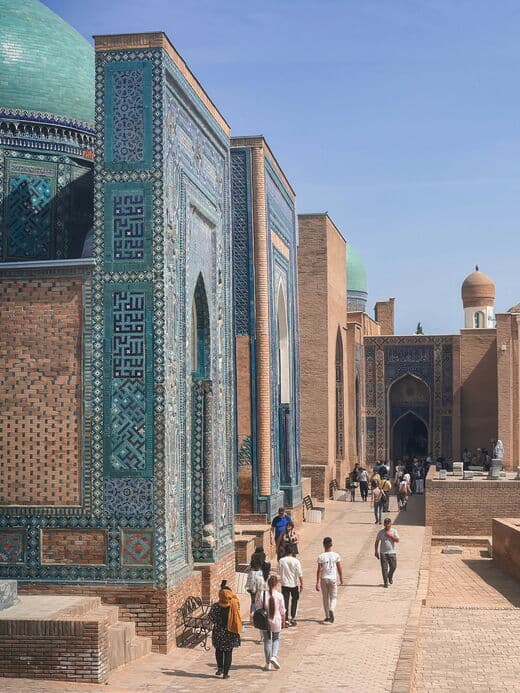
Registan Square is the iconic image of Uzbekistan, three massive madrasahs arranged around a central plaza in a display of architectural ambition that still astonishes today. The Shah-i-Zinda necropolis, a corridor of mausoleums climbing a hillside, contains perhaps the finest tilework anywhere in the Islamic world, an explosion of blues, greens, and golds that must be seen to be believed. The Gur-e-Amir Mausoleum, resting place of Tamerlane himself, features a ribbed dome that influenced architectural design from Delhi to Moscow.
Beyond the famous monuments, Samarkand offers the Siab Bazaar, a more local experience than the tourist-oriented shops near Registan, and the Ulugh Beg Observatory, where the grandson of Tamerlane made astronomical observations that remained unsurpassed for centuries.
The city has seen significant development in recent years, including the 2025 opening of a Marriott hotel and ongoing improvements to tourist infrastructure. A new cultural center and expanded pedestrian zones have made the historic areas more accessible and enjoyable.
Practical considerations: Samarkand is approximately 300 kilometers southwest of Tashkent, reachable in about 2 hours by high-speed train or 4-5 hours by car. Plan to spend at least 2-3 full days here, more if you want to explore the surrounding region.
Bukhara Region: The Living Museum
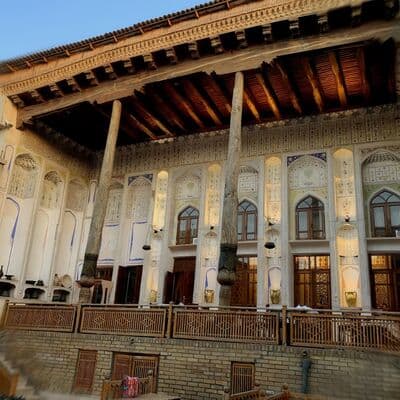
If Samarkand is the crown jewel, Bukhara is the soul of Uzbekistan. This city of 280,000 people possesses an old town that UNESCO has recognized as one of the best-preserved examples of a medieval Central Asian city. Where Samarkand impresses with individual monuments of overwhelming scale, Bukhara enchants with its intact urban fabric, a labyrinth of narrow streets, covered bazaars, and centuries-old buildings that transport you to another era.
The city sits in an oasis in the Kyzylkum Desert, which has shaped its character throughout history. As a vital stop on the Silk Road, Bukhara became fabulously wealthy and developed into one of the great centers of Islamic learning and culture. At its peak, the city boasted hundreds of mosques and dozens of madrasahs, earning it the title Noble Bukhara.
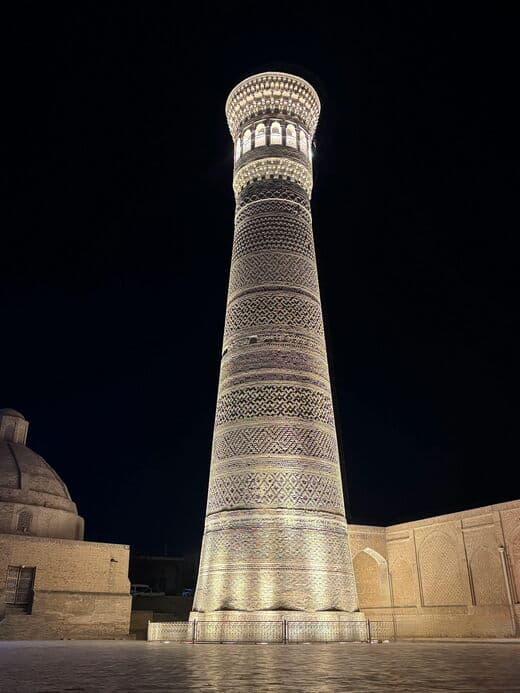
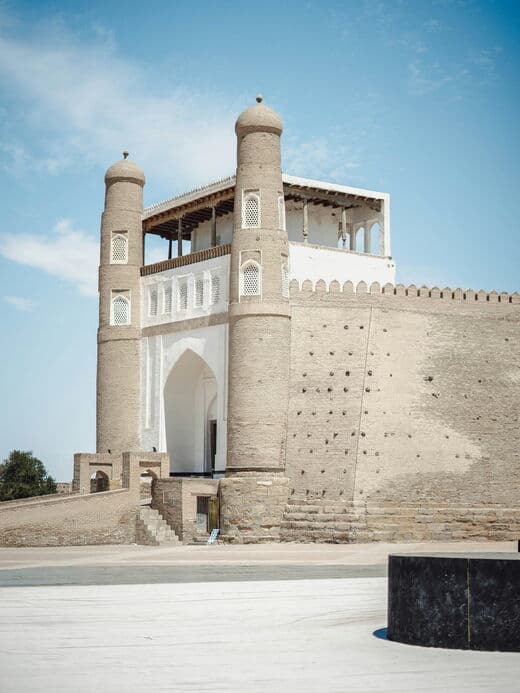
The Po-i-Kalyan Complex, centered on the massive Kalyan Minaret, forms the religious heart of the old city. Legend has it that Genghis Khan, upon conquering Bukhara, was so impressed by the minaret that he ordered it spared when he razed the rest of the city. The Ark Fortress, residence of Bukhara's emirs for over a thousand years, dominates the western edge of the old town. The Lyabi-Hauz, a plaza surrounding a pool and shaded by ancient mulberry trees, has been the social center of Bukhara for over 400 years and remains so today.
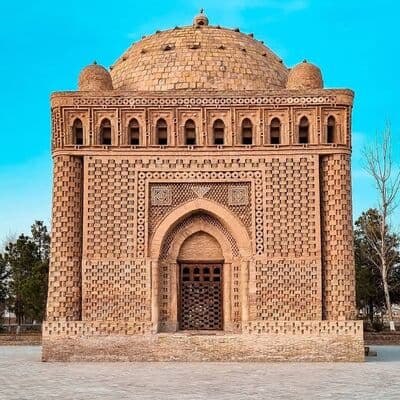
The Ismail Samani Mausoleum, dating to the 10th century, is one of the oldest and most perfectly preserved monuments in Central Asia. Its intricate brickwork, which creates different patterns depending on the angle of light, represents a technical and artistic achievement that influenced architecture throughout the Islamic world.
The quirky Chor Minor, a 19th-century gatehouse with four small minarets, has become one of Bukhara's most photographed structures despite its relatively recent construction and modest size.
Practical considerations: Bukhara is about 270 kilometers west of Samarkand, connected by high-speed train in approximately 1.5 hours or by road in 4-5 hours. The old town is compact and walkable, making it easy to explore on foot. Plan for 2-3 days minimum.
Khiva and the Khorezm Region: The Desert Fortress
Khiva is the most remote of Uzbekistan's major historic cities, located in the Khorezm oasis near the border with Turkmenistan. This isolation has been both a challenge and a blessing. Getting here requires more effort than reaching Samarkand or Bukhara, but the reward is an extraordinarily intact walled city that feels like stepping into a fairy tale.
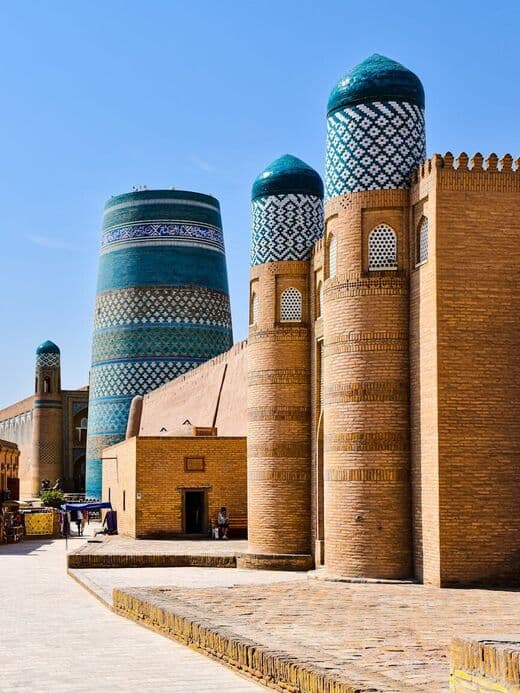
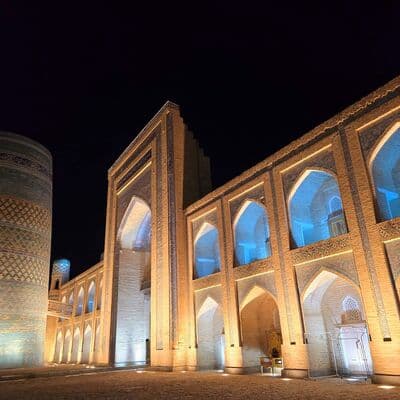
The inner city, known as Itchan Kala, is a UNESCO World Heritage Site encompassing dozens of mosques, madrasahs, minarets, and palaces within its crenellated mud-brick walls. Unlike Samarkand and Bukhara, which are living cities with monuments scattered among modern development, Itchan Kala preserves nearly its entire historic urban fabric intact.
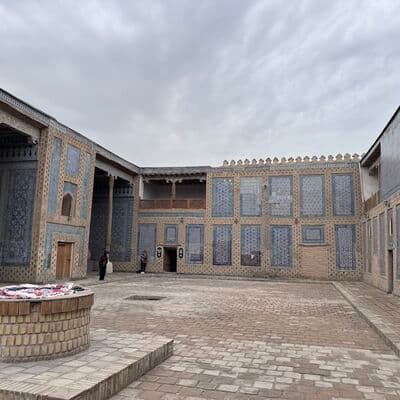
The Kalta Minor Minaret, a squat, brilliantly tiled tower that was never completed, has become the symbol of Khiva. The Tash Hauli Palace, with its stunning harem courtyard, offers insight into the lives of Khiva's rulers. The Juma Mosque, supported by 218 carved wooden columns, many of which date back a thousand years, creates an atmosphere unlike any other religious building I have encountered.
The Khorezm region is also the gateway to the Aral Sea and the ecological disaster that has unfolded there. While this is a sobering side trip, visiting the former fishing villages now stranded dozens of kilometers from the retreating shoreline provides important context for understanding environmental challenges in Central Asia.
Major developments are coming to the Khiva region in 2026. The new high-speed train connection from Tashkent will reduce travel time from approximately 14 hours to just 7.5 hours. The Urgench airport is expanding to handle 3 million passengers annually. The Arda Khiva complex, featuring an aquapark, gondola rides, and entertainment facilities, is scheduled to open, adding modern amenities to the historic destination.
Practical considerations: Khiva is accessed via the city of Urgench, about 30 kilometers away. Currently, reaching Khiva requires either a flight to Urgench (about 1 hour from Tashkent) or a long train or car journey. The 2026 high-speed train will significantly improve accessibility. Plan for 1.5-2 days in Khiva itself, with additional time if visiting the Aral Sea region.
Fergana Valley: The Hidden Heartland
The Fergana Valley, a fertile basin in eastern Uzbekistan shared with Kyrgyzstan and Tajikistan, remains off the main tourist circuit but offers rewards for those willing to venture there. This is the heartland of Uzbek culture, where traditional crafts have been practiced for centuries and where you can experience daily life largely unaffected by tourism.
The city of Rishtan is famous for its blue ceramics, a tradition dating back over a thousand years. Margilan produces some of the finest silk in Central Asia, and you can visit workshops where the entire production process, from silkworm to finished fabric, unfolds before your eyes. Kokand, the valley's main city, has a fascinating khan's palace and several notable mosques.
The Fergana Valley also provides access to mountain trekking routes into Kyrgyzstan, offering opportunities for more adventurous travelers to combine cultural exploration with outdoor activities.
Practical considerations: The Fergana Valley is separated from Tashkent by mountain passes, making access somewhat complicated. Flights from Tashkent take about 45 minutes. The drive through the Kamchik Pass takes 4-5 hours but offers spectacular mountain scenery. Plan 2-3 days if including the Fergana Valley in your itinerary.
Nurata and the Desert Camps: The Wilderness Option
Between Samarkand and Bukhara lies the Nuratau Mountains and the edge of the Kyzylkum Desert, offering opportunities for a different kind of Uzbekistan experience. Traditional yurt camps provide authentic stays with nomadic families. The ancient fortress of Nurata and its sacred spring draw pilgrims and curious travelers alike. Lake Aydarkul, created accidentally by Soviet irrigation projects, now supports a nascent ecotourism industry.
This region is best experienced as a detour between the major cities rather than a destination in itself. An overnight stay in a yurt camp, with traditional food, camel riding, and stargazing under some of the darkest skies in Central Asia, provides a memorable contrast to the urban historic sites.
Practical considerations: The desert camps are typically arranged through tour operators, who provide transportation and full-board accommodation. Budget 1-2 nights if including this experience in your itinerary.
Unique Attractions: Walking the Silk Road
The Silk Road was not actually a single road, nor was it primarily about silk. It was a network of trade routes connecting the Mediterranean world with China, along which ideas, religions, technologies, and goods flowed in both directions for nearly two millennia. Uzbekistan sat at the very heart of this network, and understanding this context enriches every site you visit.
The Caravanserais: Hotels of the Ancient World
Caravanserais were the roadside inns of the Silk Road, fortified compounds where merchant caravans could find shelter, food, water for their animals, and security for their goods. Uzbekistan preserves numerous examples, from ruined foundations to fully restored complexes now serving as hotels or craft centers.
The Nugai caravanserai in Bukhara, one of the best preserved, illustrates the typical design: a central courtyard surrounded by two levels of rooms, with stables for animals on the ground floor and accommodation for merchants above. The massive walls and single entrance provided security in an era when banditry was a constant threat.
In Samarkand, several caravanserais have been converted into craft workshops and shopping areas, allowing you to experience these spaces while also purchasing traditional goods. The arrangement is not accidental; craftsmen have always clustered around these commercial centers.
The Madrasahs: Centers of Learning
Madrasahs, Islamic schools, proliferated throughout the Silk Road cities, funded by wealthy merchants and rulers seeking to demonstrate piety and cultural sophistication. These institutions taught not only religious subjects but also mathematics, astronomy, medicine, and philosophy. The scholars they produced made contributions to human knowledge that still resonate today.
The three madrasahs of Registan Square represent the apogee of this tradition. Built over a span of two centuries, they competed with each other in size and decorative magnificence, creating the ensemble that remains Uzbekistan's most iconic image. The Ulugh Beg Madrasah, oldest of the three, was founded by the astronomer-king himself and featured an innovative curriculum that emphasized scientific subjects alongside religious studies.
In Bukhara, the Mir-i-Arab Madrasah, still functioning as a religious school, allows glimpses of students going about their studies much as their predecessors did centuries ago. The Chor-Bakr complex outside the city center includes a madrasah set within a vast necropolis, illustrating how education and commemoration intertwined in Central Asian culture.
The Mausoleums: Architecture of Eternity
Uzbekistan's mausoleums range from the intimate to the overwhelming, but all share a common purpose: commemorating the dead while glorifying the living patrons who commissioned them. The tradition of elaborate tomb architecture reached its peak under Tamerlane and his successors, who created monuments intended to last until Judgment Day.
Gur-e-Amir, the tomb of Tamerlane in Samarkand, established a template that influenced mausoleum design from India to Russia. Its ribbed dome, covered in turquoise tiles, rises above an octagonal base in a composition of perfect proportions. Inside, the atmosphere is one of hushed reverence, the light filtered through carved marble screens, the walls covered in gold leaf and intricate painting.
Shah-i-Zinda, also in Samarkand, offers a different experience: a corridor of mausoleums ascending a hillside, each one decorated with tilework of astonishing complexity. The range of techniques on display here, from carved terracotta to mosaic to painted tiles, represents a virtual textbook of Central Asian decorative arts.
The Ismail Samani Mausoleum in Bukhara, dating to the 10th century, predates the tile tradition and achieves its effects entirely through the arrangement of baked bricks. The patterns shift and shimmer as the light changes, creating an ever-changing play of shadows that seems almost magical.
The Bazaars: Commerce Across Centuries
The bazaars of Uzbekistan are not tourist markets artificially preserved for visitors. They are living commercial centers where locals shop for daily necessities alongside travelers seeking souvenirs. Walking through them connects you to a tradition of commerce that has flourished here for millennia.
Chorsu Bazaar in Tashkent, housed under a massive Soviet-era dome, pulses with energy. Vendors sell everything from fresh produce to electronics, from traditional medicines to modern clothing. The smells, sounds, and colors create an overwhelming sensory experience. Come here not just to buy but to observe daily Uzbek life in all its vitality.
Siab Bazaar in Samarkand specializes in the region's famous bread, enormous rounds of non baked in traditional tandoor ovens. The bread from Samarkand has a special reputation throughout Central Asia; locals claim something in the local water gives it its distinctive taste. Travelers have been carrying Samarkand bread home as gifts for centuries, a tradition you can continue.
Bukhara's covered bazaars, a network of domed trading galleries, have operated continuously since the 16th century. Each dome specialized in particular goods: one for silk, another for jewelry, another for caps. Today, many have been repurposed for tourist-oriented crafts, but the architecture remains, and the experience of shopping under ancient domes retains its magic.
The Observatories and Scientific Heritage
Central Asia was a center of scientific achievement during the medieval period, when European learning was in decline and the Islamic world was advancing human knowledge in mathematics, astronomy, and medicine. Uzbekistan preserves important sites connected to this heritage.
Ulugh Beg Observatory in Samarkand, built in the 1420s, housed an enormous sextant carved into a hillside. Using this instrument and others, Ulugh Beg and his team of astronomers compiled star catalogs of unprecedented accuracy, calculated the length of the year to within 58 seconds of modern values, and made observations that remained unsurpassed for two centuries. The observatory was destroyed shortly after Ulugh Beg's death, but excavations have revealed the sextant's curved track, an impressive sight that conveys the scale of medieval scientific ambition.
The legacy of figures like Al-Khwarizmi, whose name gave us the word algorithm, and Al-Biruni, the polymath who wrote on subjects from astronomy to anthropology, pervades Uzbekistan's cultural identity. Understanding this heritage helps explain the region's historical importance beyond the trade routes.
Living Crafts: Traditions in Practice
Perhaps most remarkably, many Silk Road crafts continue to be practiced in Uzbekistan using traditional methods. This is not tourism-driven preservation but genuine continuation of living traditions.
Rishtan ceramics, recognizable by their distinctive blue glazes, are produced in workshops where techniques have been passed from master to apprentice for a thousand years. The clay comes from local sources, the glazes from traditional recipes, the designs from patterns perfected over centuries. Visiting a Rishtan workshop and watching a master potter at work is both a window into history and a reminder of human continuity.
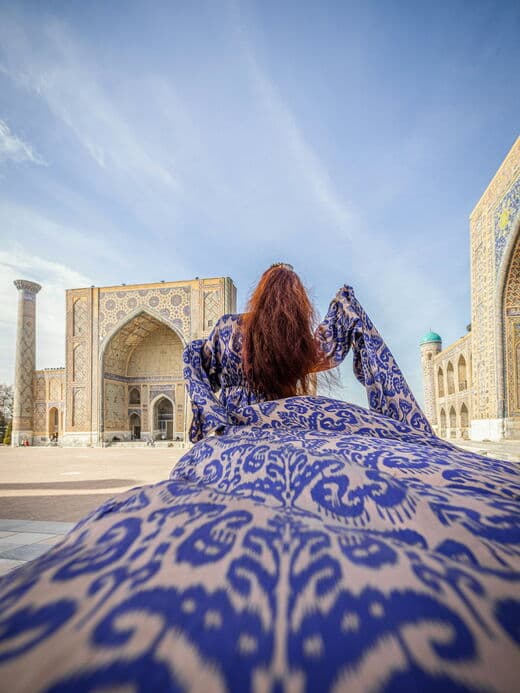
Margilan silk production continues the tradition that made the Silk Road possible. You can witness every stage: silkworms feeding on mulberry leaves, cocoons being unreeled, thread being dyed with natural colors, fabric being woven on traditional looms. The ikat patterns produced here, created through a resist-dyeing technique of remarkable complexity, are prized worldwide.
Bukhara's suzani embroidery, gold thread work, and traditional metalwork continue in workshops throughout the old city. The skill required for this work takes years to develop, and the results are genuine works of art rather than mass-produced souvenirs.
Best Time to Visit: Seasons and Considerations
Uzbekistan's continental climate produces distinct seasons, each with advantages and drawbacks for travelers. Understanding what to expect will help you plan the most enjoyable trip.
Spring: March through May
Spring is arguably the best time to visit Uzbekistan. Temperatures are comfortable, ranging from 15 to 25 degrees Celsius (60 to 77 Fahrenheit) in most areas. The landscape greens up after winter, with wildflowers blooming in the mountains and countryside. The famous Navruz holiday in late March brings festivals, traditional foods, and a general atmosphere of celebration.
April and May are particularly pleasant, with warm but not hot days, minimal rain, and the full range of tourist services operating. The high-altitude areas, including the Chimgan Mountains, are accessible by late spring, offering hiking opportunities.
The downside of spring is that it represents peak tourist season, meaning slightly higher prices and more crowded sites. However, Uzbekistan has not yet reached the overcrowding levels of major European destinations, so even peak season is manageable.
Summer: June through August
Summer brings heat, sometimes intense heat. Temperatures in the lowlands regularly exceed 35 degrees Celsius (95 Fahrenheit) and can climb above 40 (104 Fahrenheit) during heat waves. The ancient cities become uncomfortable for midday sightseeing, though early mornings and evenings remain pleasant.
If you must visit in summer, adopt the local rhythm: rise early, sightsee in the morning, rest during the hottest hours, then resume activities in the late afternoon and evening. The mountain regions, including Chimgan and the Fergana Valley highlands, offer relief from the heat and are popular with both locals and visitors during this season.
Summer does have advantages: fewer tourists, lower prices, and longer daylight hours for photography. The legendary melons and other fruits are at their peak during this season.
Autumn: September through November
Autumn rivals spring as the ideal season. September and October bring comfortable temperatures, clear skies, and the harvest season with its bounty of fresh produce. The grape and cotton harvests transform the countryside into a hive of activity. Tourist crowds thin out after the summer school holidays end.
November begins the transition to winter, with cooler temperatures and occasional rain. The mountains may see early snow, limiting access to some areas. However, the lower elevations remain comfortable through much of the month.
Winter: December through February
Winter is cold but rarely extreme in the lowlands, with temperatures typically between minus 5 and plus 10 Celsius (23 to 50 Fahrenheit). Snow is possible but not constant. The historic sites are virtually empty of tourists, offering intimate experiences impossible during peak season.
The Amirsoy ski resort, which had a breakthrough season in 2025 with over 800,000 visitors, has established Uzbekistan as a viable winter sports destination. The resort offers modern facilities, reliable snow, and prices far below European or American ski areas.
Winter travel does require preparation: warm clothing, flexible scheduling in case of weather delays, and awareness that some tourist facilities may operate on reduced hours or close entirely.
Festivals and Events
Timing your visit to coincide with local festivals adds another dimension to the experience. Navruz, the Persian New Year celebrated around March 21, is the biggest holiday, featuring traditional foods (especially sumalak, a sweet wheat pudding), music, dancing, and general festivity. Independence Day on September 1 brings parades and celebrations. The Silk and Spices Festival in Bukhara in late May showcases traditional crafts and cuisine.
Getting to Uzbekistan: International Access
Reaching Uzbekistan has become increasingly convenient as the country has expanded its air connections and simplified entry requirements. Here is what you need to know about getting there.
Visa Requirements
Uzbekistan has dramatically liberalized its visa policy in recent years. Citizens of over 90 countries, including the United States, United Kingdom, Canada, Australia, New Zealand, and all European Union member states, can now enter visa-free for stays of up to 30 days. You simply arrive, present your passport (valid for at least 3 months beyond your planned departure), and receive an entry stamp.
For longer stays or citizens of countries not on the visa-free list, electronic visas are available through the government's e-visa portal. The process is straightforward: complete an online application, pay the fee (approximately 20-40 USD depending on duration), and receive your e-visa by email within 2-3 business days. Print it out and present it upon arrival.
There is no requirement for an invitation letter or hotel bookings to obtain a visa. The process genuinely is as simple as described.
International Flights
Tashkent's Islam Karimov International Airport (TAS) serves as the main gateway, with connections to major hubs worldwide. The national carrier, Uzbekistan Airways, operates direct flights from New York (JFK), London (Heathrow), Paris (CDG), Frankfurt, Istanbul, Dubai, Delhi, Seoul, Beijing, and numerous other cities.
Turkish Airlines provides excellent connections through Istanbul, often at competitive prices. Emirates and flydubai offer routing through Dubai. Aeroflot continues to operate via Moscow, though this routing may be less attractive for Western travelers given current geopolitical situations.
From the United States, the direct Uzbekistan Airways flight from New York takes approximately 12 hours. Connections via Istanbul add 3-4 hours but may offer better schedules or prices. Expect to pay between 800 and 1,500 USD for economy class round-trip from major US cities, depending on season and how far in advance you book.
From the United Kingdom, direct flights from London take about 7 hours. Budget airlines occasionally offer cheaper options via indirect routings, though the time savings of the direct flight usually justify the price premium.
Samarkand's airport has expanded in recent years and now receives some international flights, particularly from regional destinations. If your primary interest is the Silk Road cities, flying directly into Samarkand can save time.
Overland Entry
Uzbekistan shares borders with five countries, though overland entry practicality varies considerably by crossing.
The border with Kazakhstan is the most commonly used, particularly the crossing near Tashkent. Regular train and bus services connect the two countries. Many travelers combine Kazakhstan (especially Almaty) with Uzbekistan in a single itinerary.
The borders with Kyrgyzstan and Tajikistan are open but can involve more bureaucratic formalities. The stunning mountain scenery makes these crossings appealing despite the hassle. The border between the Fergana Valley and Kyrgyzstan's southern regions is particularly convenient for those exploring both countries.
The Turkmenistan border is nominally open but complicated by Turkmenistan's restrictive visa policies. The Afghanistan border is closed to tourist crossings.
COVID-19 and Health Requirements
As of 2026, Uzbekistan has lifted all COVID-19 related entry requirements. No vaccination proof, negative tests, or quarantine are required. Of course, this situation can change, so check current requirements before travel.
Standard travel health precautions apply. No vaccinations are legally required for entry from most countries, though health authorities recommend being current on routine vaccinations and considering hepatitis A, hepatitis B, and typhoid for travel in the region.
Getting Around: Transportation Within Uzbekistan
Moving between and within Uzbekistan's cities is increasingly convenient, with multiple options for different budgets and travel styles.
High-Speed Trains: The Afrosiyob
The Afrosiyob high-speed trains, Spanish-built Talgo units operating since 2011, represent the comfortable and efficient way to travel between major cities. The route connects Tashkent, Samarkand, and Bukhara, with trains covering the Tashkent-Samarkand segment in about 2 hours and continuing to Bukhara in another 1.5 hours.
The trains are modern, air-conditioned, and punctual. Economy class offers comfortable seating and includes a snack service. Business class adds more spacious seats and meal service. Prices are remarkably reasonable: expect to pay around 15-25 USD for economy between any two cities on the route, with business class approximately double.
A major development for 2026 is the extension of high-speed service to Khiva. The new route will reduce travel time from Tashkent from approximately 14 hours on the old train to just 7.5 hours, making Khiva far more accessible than previously.
Book tickets through the Uzbekistan Railways website or at station ticket offices. Trains can sell out during peak season and around holidays, so booking a few days in advance is wise. You will need your passport to purchase tickets and should carry it when traveling.
Regular Trains
In addition to the high-speed services, regular trains connect various cities, including routes not served by Afrosiyob. These are slower but cheaper and sometimes the only option for certain destinations. Overnight trains to Khiva (before the 2026 high-speed extension) include sleeper compartments that save a night's accommodation cost.
Domestic Flights
Uzbekistan Airways operates domestic flights connecting Tashkent with Urgench (for Khiva), Nukus (for the Aral Sea region), Termez (near the Afghan border), and the Fergana Valley cities. Flights are short (typically 1-2 hours) and reasonably priced (50-100 USD one-way).
The Urgench airport expansion to 3 million passengers annually reflects the growing demand for access to Khiva and the Khorezm region. By 2026, multiple daily flights should be available on this route.
Shared Taxis
Shared taxis remain a common way for locals to travel between cities and are available to visitors willing to embrace a less formal experience. You simply show up at a designated departure point (usually near the bus station), find a car going to your destination, and negotiate a seat price. The car departs when full, typically with four passengers plus the driver.
This is cheaper than trains or private transport but slower and less comfortable. The experience does offer cultural immersion: you will share the journey with locals and see parts of the country that formal tourist transport bypasses. The degree of English spoken varies enormously, so basic Russian or Uzbek phrases help, though you can usually communicate destinations and prices through gestures.
Private Drivers
Hiring a private driver, either through your hotel or a tour operator, offers convenience and flexibility. Prices are reasonable by Western standards: expect to pay 80-150 USD for a full day including fuel. This option makes sense for groups, for visiting places off the main routes, or for travelers who value control over their schedule.
Many drivers double as informal guides, pointing out sites along the way and sharing local knowledge. English-speaking drivers cost more but can significantly enhance the experience.
Taxis Within Cities
Ride-hailing apps have transformed urban transportation in Uzbekistan. Yandex Go dominates the market with approximately 86 percent share. Download the app, link a payment method (international cards work), and you can summon a car anywhere in the major cities. Prices are very low: a cross-town trip in Tashkent rarely exceeds 3-4 USD.
Traditional taxis remain available, recognizable by their checkered markings or taxi lights. Agree on the price before departing to avoid misunderstandings. For short trips in tourist areas, prices are usually fixed and fair; for longer distances, comparison with app prices helps gauge appropriate fares.
City Transportation
Tashkent has an extensive public transit system including the Tashkent Metro, which is itself a tourist attraction with its elaborately decorated Soviet-era stations. The metro is cheap (less than 0.20 USD per trip), efficient, and safe. Marshrutkas (minibuses) and regular buses supplement the metro, reaching areas without rail service.
The other historic cities are compact enough that most sightseeing is done on foot. In Khiva, the entire Itchan Kala walled city is pedestrian-only. In Bukhara and Samarkand, the main historic areas are walkable, with taxis needed only for outlying sites or hotel transfers.
Cultural Code: Understanding Uzbek Society
Traveling respectfully requires understanding the cultural context you are entering. Uzbekistan is a predominantly Muslim country with strong traditional values, yet it has also been shaped by decades of Soviet rule and is now navigating modernization and globalization. Here is what you need to know to engage appropriately.
Religion and Secularism
Uzbekistan is nominally secular, a legacy of the Soviet period, but Islam deeply shapes cultural values and social norms. About 90 percent of the population identifies as Muslim, predominantly Sunni of the Hanafi school. However, practice varies widely: some Uzbeks are devoutly observant while others are essentially secular but maintain cultural traditions.
Mosques welcome visitors outside of prayer times. Remove your shoes before entering, dress modestly, and be quiet and respectful. Photography is usually permitted of the architecture but not of people praying.
During Ramadan (dates vary by Islamic calendar; check before traveling), many restaurants remain open for tourists but be sensitive about eating and drinking conspicuously in public areas during daylight hours. The end of Ramadan, Eid al-Fitr, is a major holiday with special foods and celebrations.
Dress Code
Uzbekistan is more relaxed about dress than some Muslim-majority countries, but modesty is appreciated, especially at religious sites and in traditional neighborhoods.
For women: shoulders and knees should be covered when visiting mosques, madrasahs, and mausoleums. Headscarves are not required outside of some active religious sites but may be appreciated at places like the Hazrati Imam Complex. In major tourist areas and modern parts of Tashkent, Western-style dress is common, but revealing clothing may attract unwanted attention.
For men: shorts are increasingly acceptable in tourist areas and during hot weather, but long pants show more respect when visiting religious sites. Removing hats when entering religious buildings is expected.
Both genders should pack comfortable walking shoes, as the historic cities involve considerable walking on uneven surfaces.
Social Customs
Uzbek hospitality is legendary and genuine. If invited to someone's home, accept if at all possible; refusing is considered rude. Bring a gift: sweets, fruit, or tea are appropriate. When offered food or drink, accepting at least a small amount is expected.
Remove shoes before entering homes and some guesthouses. The host will usually provide slippers.
Tea is central to social interaction. When tea is poured, the cup is often only partially filled; keeping the cup full would signal that the host wants you to drink and leave. Accepting multiple cups is normal and expected.
Physical contact between genders in public is limited. Couples holding hands are becoming more common in urban areas, but more overt displays of affection are inappropriate. Greeting customs depend on context: handshakes are common between men and increasingly between men and women in business settings, but some traditional women may place their hand on their heart instead of extending it for a handshake.
Respect for elders is deeply embedded. On public transport, younger people are expected to offer seats to elderly passengers. At meals, elders are served first and begin eating before others.
Photography Etiquette
The historic monuments are extremely photogenic and photography is generally permitted, though some sites charge a fee for cameras. Drone use requires permits that are difficult for tourists to obtain; flying without permits risks confiscation and fines.
Always ask permission before photographing people, especially women and children. Most Uzbeks are happy to pose once asked; assuming permission is rude. In markets and craft workshops, buying something often creates goodwill for photography.
Government buildings, military installations, and some infrastructure are sensitive. If in doubt, do not photograph.
Language
Uzbek is the official language, a Turkic language written in Latin script since independence (though older generations learned Cyrillic). Russian remains widely understood, especially by older people and in urban areas. English is increasing among young people and in the tourism industry but cannot be assumed outside of major tourist areas.
Learning a few phrases in Uzbek generates enormous goodwill. Salom (hello), rahmat (thank you), and ha/yoq (yes/no) are a good start. In tourist areas, guides and hotel staff typically speak reasonable English. For off-the-beaten-path travel, a translation app is invaluable.
Attitudes Toward Americans and Other Westerners
Uzbeks are generally curious and friendly toward Americans, British, Australians, and other Western visitors. Questions about where you are from and what you think of Uzbekistan are common conversation starters. Political topics are best avoided; most Uzbeks are cautious about discussing government matters with strangers.
The country has no history of significant tensions with Western nations, and the current government actively courts Western investment and tourism. You are unlikely to encounter any hostility based on nationality.
Safety: A Remarkably Secure Destination
Uzbekistan is one of the safest countries in Central Asia and indeed in the broader region. Understanding the security environment will help you travel confidently.
Crime
Violent crime against tourists is extremely rare. Uzbekistan maintains a strong police presence and takes security seriously. The most likely crime risk is petty theft: pickpocketing in crowded markets, occasional bag snatching, and scams targeting obvious tourists. Standard precautions suffice: keep valuables secure, be aware of your surroundings in crowded places, and do not flash expensive items unnecessarily.
Scams do occur but are not sophisticated. Be cautious of strangers offering too-good-to-be-true deals, unofficial money changers promising exceptional rates, and anyone pressuring you to make quick decisions. If a situation feels wrong, trust your instincts and walk away.
Solo female travelers report generally positive experiences, with unwanted attention typically limited to occasional staring or awkward conversation attempts. Dressing modestly reduces unwanted attention. Walking alone at night in tourist areas is generally safe, though common sense precautions apply.
Political Stability
Since independence from the Soviet Union in 1991, Uzbekistan has maintained political stability under a strong central government. While the political system is authoritarian by Western standards, this does not affect tourists in practical terms. Protests and civil unrest are rare and typically quickly controlled.
Avoid photographing government buildings, military installations, or police officers. Do not participate in any form of political activity. These precautions are largely theoretical; the likelihood of encountering politically sensitive situations as a tourist is minimal.
Border Regions
The Afghan border area is sensitive and should be avoided by tourists. There is no reason for typical travelers to approach this region, and doing so invites scrutiny from security services.
The Fergana Valley, shared between Uzbekistan, Kyrgyzstan, and Tajikistan, has complex border arrangements that occasionally cause friction. Check current conditions before crossing borders in this region, but the situation has been stable for several years.
Natural Hazards
Uzbekistan sits in a seismically active zone, and earthquakes do occur. The 1966 Tashkent earthquake killed many and destroyed much of the city. Modern buildings are constructed to earthquake standards, but some older structures may be vulnerable. Familiarize yourself with earthquake safety procedures.
Summer heat can be dangerous. Heat exhaustion and dehydration are real risks when sightseeing in 40-degree temperatures. Carry water, take breaks in air-conditioned spaces, and recognize the signs of heat illness.
Emergency Contacts
The general emergency number is 101 for fire, 102 for police, and 103 for medical emergencies. English-speaking dispatchers are not guaranteed, so having a local contact (hotel staff, tour guide) who can communicate on your behalf is helpful.
Your country's embassy in Tashkent can assist in serious emergencies. The US Embassy, British Embassy, and other major diplomatic missions maintain active consular services.
Health: Staying Well While Traveling
Uzbekistan presents no unusual health risks for travelers who take standard precautions. Here is what you need to know.
Medical Facilities
Medical facilities in Tashkent are adequate for routine care and some emergencies. Several private clinics cater to expatriates and visitors, with English-speaking staff. Outside the capital, medical facilities are more basic. For serious illness or injury, medical evacuation to a Western medical center may be necessary. Travel insurance that includes medical evacuation coverage is strongly recommended.
Pharmacies are common and can supply many medications without prescription. However, specialized medications may be unavailable. Bring a sufficient supply of any prescription medications you require, along with documentation of your prescriptions.
Food and Water Safety
Tap water is not safe to drink. Bottled water is inexpensive and widely available; stick to sealed bottles from reputable brands. Ice in tourist-oriented establishments is usually made from purified water, but when in doubt, decline.
Food safety is generally good in proper restaurants. The traditional cuisine relies heavily on thoroughly cooked dishes like plov (rice pilaf with meat), shashlik (grilled meat), and soups. These high-heat cooking methods reduce contamination risks. Street food requires more caution; stick to items that are cooked fresh and served hot.
Traveler's diarrhea affects some visitors despite precautions. Bring medications (loperamide for symptoms, and consult your doctor about antibiotics for serious cases). Oral rehydration salts help recover from dehydration.
Vaccinations
No vaccinations are legally required for entry from most countries. Health authorities recommend being current on routine vaccinations and suggest hepatitis A, hepatitis B, and typhoid for travelers spending significant time outside major cities or eating adventurously. Rabies vaccine is recommended for extended rural stays or those who will be around animals.
Altitude
The main tourist destinations are at relatively low elevations and present no altitude concerns. However, travelers to the mountain regions, particularly those combining Uzbekistan with hiking in Kyrgyzstan or Tajikistan, should be aware of altitude sickness symptoms and ascend gradually.
Sun and Heat
The Central Asian sun is intense, particularly at altitude and during summer. Sunscreen, sunglasses, and a hat are essential. The dry climate means sweat evaporates quickly, which can mask how much fluid you are losing. Drink water consistently throughout the day, even if you do not feel thirsty.
Money and Budget: Traveling Affordably
Uzbekistan offers exceptional value for travelers. Your dollars stretch remarkably far, allowing genuine comfort at budget prices.
Currency
The Uzbek sum (UZS) is the local currency. Exchange rates fluctuate but as of early 2026, expect approximately 12,500 UZS to 1 USD. The sum comes in large denominations (50,000 and 100,000 notes are common), which takes some adjustment.
USD are widely accepted for tourist services, and many hotels, tour operators, and higher-end establishments quote prices in dollars. Euros and other major currencies can be exchanged at banks and licensed exchange offices.
ATMs are widely available in cities and dispense both sum and sometimes USD. Visa and Mastercard are accepted at major hotels, some restaurants, and tourist shops, but cash remains essential for markets, smaller establishments, and rural areas. Bring a mix of payment options.
Tipping
Tipping is not traditionally part of Uzbek culture, but it is increasingly expected in tourist contexts. At restaurants, rounding up or adding 5-10 percent for good service is appreciated. Tour guides and drivers expect tips of 5-10 USD per day, more for exceptional service. Porters and hotel staff appreciate 1-2 USD for their services.
Budget Breakdown
Budget travelers can manage on 30-50 USD per day, staying in guesthouses or budget hotels (10-25 USD/night), eating at local restaurants (5-10 USD/day), and using public transport. This budget allows comfortable travel but requires some cost consciousness.
Mid-range travelers spending 75-150 USD per day enjoy comfortable hotels (50-80 USD/night), good restaurants (15-25 USD/day), occasional taxis or private transport, and guided tours of major sites. This is the sweet spot where value and comfort intersect most favorably.
Luxury is available for those who want it. The new Marriott in Samarkand, boutique hotels in restored historic buildings, and high-end guided tours serve the premium market. Expect to spend 200-400 USD per day at this level, still considerably less than equivalent quality in Western Europe.
Bargaining
Bargaining is expected in markets and for services like taxis (when not using apps). Start by offering half to two-thirds of the asking price and negotiate from there. Keep the interaction friendly and be prepared to walk away if the price is not right. In established shops with fixed prices, bargaining is less common but discounts for larger purchases can sometimes be negotiated.
Hidden Costs
Entry fees to major monuments, which typically range from 3-10 USD per site, add up over a trip focused on historic sites. Photography permits, where required, add a few dollars per site. Consider whether a guided tour, which bundles these fees and adds context, represents better value than independent visits.
Note that tour guides hired through hotels or agencies typically cost 30-50 USD for a half-day or 50-80 USD for a full day. This is worthwhile investment at major sites where context enhances the experience.
Itineraries: Planning Your Journey
Uzbekistan rewards careful planning. Here are suggested itineraries for trips of varying lengths, all assuming arrival and departure from Tashkent.
Seven Days: The Essential Triangle
A week provides enough time for the three great Silk Road cities with a glimpse of the capital.
Day 1: Arrival in Tashkent
Arrive at Tashkent airport. Check into your hotel and rest if needed. In the afternoon, explore the Hazrati Imam Complex, home to the world's oldest Quran manuscript. Stroll through the old town's atmospheric streets. Dinner at a traditional restaurant to begin your culinary exploration.
Day 2: Tashkent to Samarkand
Morning visit to the Chorsu Bazaar for an authentic market experience. Marvel at the Tashkent Metro stations, particularly Kosmonavtlar and Alisher Navoi. Catch the afternoon Afrosiyob train to Samarkand (2 hours). Evening arrival and first glimpse of Registan Square illuminated at night.
Day 3: Samarkand
Full day exploring Samarkand. Morning at Registan Square before the crowds. Visit the Bibi-Khanym Mosque and adjacent Siab Bazaar. Lunch in the old town. Afternoon at Shah-i-Zinda necropolis when the light is most magical. Early evening at Gur-e-Amir Mausoleum.
Day 4: Samarkand and Travel to Bukhara
Morning visit to Ulugh Beg Observatory and the Afrosiab Museum. Midday train to Bukhara (1.5 hours). Check in and explore the Lyabi-Hauz area at sunset. Dinner by the pool watching the evening social scene.
Day 5: Bukhara
Full day in Bukhara. Start at the Ark Fortress when it opens. Walk to the Po-i-Kalyan Complex and admire the Kalyan Minaret. Explore the covered bazaars. Visit the Ismail Samani Mausoleum. Late afternoon at the quirky Chor Minor. Evening return to Lyabi-Hauz for dinner and tea.
Day 6: Bukhara to Tashkent
Morning for any missed sites or souvenir shopping. Afternoon train back to Tashkent. Evening exploration of modern Tashkent: Amir Timur Square, the Broadway pedestrian street, perhaps dinner at a contemporary restaurant.
Day 7: Departure
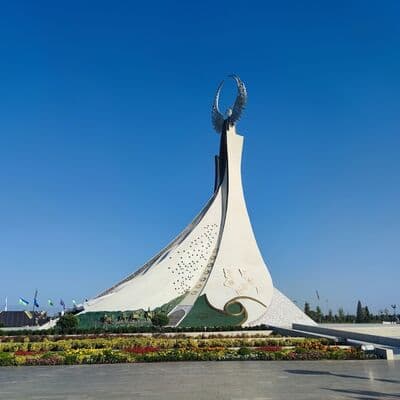
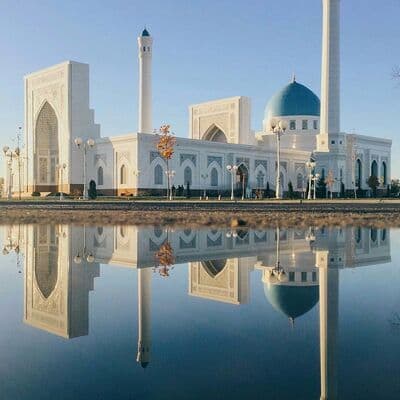
Depending on flight time, morning visit to Minor Mosque or New Uzbekistan Park. Transfer to airport for departure.
Ten Days: Adding Khiva
Ten days allows you to add the magical walled city of Khiva to the essential triangle.
Days 1-3: As above for seven-day itinerary
Day 4: Samarkand to Bukhara
Morning at Ulugh Beg Observatory and museum. Train to Bukhara. Afternoon exploring the old town.
Day 5: Bukhara
Full day as described in seven-day itinerary.
Day 6: Travel to Khiva
With the new 2026 high-speed train, travel directly from Bukhara area to Khiva region (approximately 4 hours). Alternatively, take morning flight from Bukhara to Urgench (check schedules). Afternoon arrival in Khiva. First exploration of Itchan Kala walled city. Sunset from the walls.
Day 7: Khiva
Full day in Khiva. Morning visit to Kalta Minor Minaret, the Muhammad Amin Khan Madrasah, and the Islam Khodja complex. Climb the Islam Khodja Minaret for panoramic views. Explore the Juma Mosque with its 218 ancient wooden columns. Afternoon at Tash Hauli Palace. Evening wandering the atmospheric streets as the day-trippers depart.
Day 8: Khiva to Tashkent
Morning for final Khiva exploration or optional excursion to Ayaz Kala desert fortresses. Afternoon train or flight to Tashkent. Evening at leisure.
Day 9: Tashkent
Full day in the capital. Morning at Hazrati Imam Complex and old town. Lunch at Chorsu Bazaar. Afternoon exploring the metro stations, visiting the Applied Arts Museum, and strolling in New Uzbekistan Park. Farewell dinner.
Day 10: Departure
Fourteen Days: The Complete Experience
Two weeks allows a more relaxed pace and the addition of off-the-beaten-path destinations.
Days 1-2: Tashkent
Spend more time in the capital. Add visits to the State History Museum, the Romanov Palace, and the Tashkent TV Tower viewpoint. Take a day trip to the Chimgan Mountains or Charvak Lake for nature and fresh air.
Days 3-4: Samarkand
Two full days allow a more leisurely exploration. Add visits to the Ulugh Beg Madrasah astronomical museum, the Afrosiab archaeological site, the paper-making workshop in Konigil village, and the less-visited Imam al-Bukhari complex outside the city.
Day 5: Samarkand to Nurata or Yurt Camp
Instead of going directly to Bukhara, detour through the Nuratau Mountains. Visit the Nurata fortress and sacred spring. Continue to a yurt camp in the Kyzylkum Desert for an overnight stay with a traditional family, camel riding, and stargazing.
Day 6: Yurt Camp to Bukhara
Morning in the desert. Drive to Bukhara, arriving in the afternoon. Begin exploring the old town.
Days 7-8: Bukhara
Two full days in Bukhara allows deeper exploration. Add visits to the summer palace of the last emir (Sitorai Mokhi-Khosa), the Chor-Bakr memorial complex, and the pottery center of Gijduvan. Spend time in workshops learning about gold embroidery and metalwork.
Days 9-10: Khiva
Two days in Khiva, as described above, with time to truly soak in the atmosphere. Add optional excursions to the Ayaz Kala desert fortresses or the Aral Sea region (requires an additional day).
Day 11: Travel Day
Return to Tashkent by train or flight.
Days 12-13: Fergana Valley
Day trip or overnight excursion to the Fergana Valley. Visit Rishtan for ceramics, Margilan for silk, and Kokand for its khan's palace. Experience a part of Uzbekistan that sees few Western tourists.
Day 14: Departure from Tashkent
Twenty-One Days: The Grand Tour
Three weeks allows the complete Uzbekistan experience plus extensions into neighboring regions or deeper exploration of specific interests.
Days 1-3: Tashkent and Environs
Comprehensive exploration of the capital. Day trips to Chimgan Mountains and Charvak Lake. Visit Amirsoy ski resort (winter) or hiking trails (summer).
Days 4-6: Samarkand Region
Three days for thorough exploration of Samarkand and surrounding sites. Visit the wine regions near Samarkand, developing a reputation for quality production.
Days 7-8: Desert and Yurt Experience
Two nights in the desert allow deeper immersion. Visit Lake Aydarkul and multiple yurt camps.
Days 9-11: Bukhara Region
Three days for comprehensive Bukhara exploration including all surrounding sites and deep dive into craft workshops.
Days 12-14: Khiva and Khorezm
Three days allow thorough Khiva exploration plus excursions. Visit the Ayaz Kala desert fortresses. For the truly adventurous, take a two-day excursion to the Aral Sea ship graveyard (requires careful planning and proper transport).
Days 15-17: Fergana Valley
Three days to properly explore this undervisited region. Visit multiple craft centers, stay in local guesthouses, experience daily life far from the tourist trail.
Days 18-19: Termez and the South
For those interested in Buddhist history, the southern city of Termez offers unique archaeological sites including the Fayaz Tepe Buddhist monastery and the Zurmala Tower. This region sees very few tourists and offers a different perspective on Central Asian history.
Days 20-21: Return to Tashkent and Departure
Final shopping, museum visits, and departure.
Alternative three-week itineraries might include extensions into Kyrgyzstan (beautiful mountain scenery, nomadic culture) or Tajikistan (Pamir Highway, high-altitude landscapes). These combinations require additional visa planning but offer remarkable diversity.
Connectivity: Staying in Touch
Staying connected while traveling through Uzbekistan has become increasingly straightforward as the country has improved its telecommunications infrastructure.
Mobile Networks and SIM Cards
The major mobile providers are Beeline, Ucell, and UMS. Coverage is excellent in cities and along major transport routes but can be spotty in remote areas and desert regions. 4G LTE is available in all major cities; 5G deployment has begun in Tashkent.
Buying a local SIM card is straightforward and highly recommended. Cards are available at airport kiosks, phone shops throughout the cities, and some hotels. You will need your passport for registration (a government requirement). Prices are extremely reasonable: expect to pay 3-5 USD for a SIM with enough data for a typical tourist visit. Top-ups are available at shops and through mobile apps.
With a local SIM, you can use Yandex Go for taxis, access maps offline, and stay in touch without incurring roaming charges. This small investment pays for itself quickly.
Wi-Fi
Wi-Fi is available at essentially all hotels, from budget guesthouses to luxury properties. Quality varies; budget places may have slow or unreliable connections, while better hotels offer solid speeds. Cafes and restaurants in tourist areas usually offer free Wi-Fi, though speeds and reliability vary.
If you depend on reliable internet for work or staying connected, consider hotels that specifically advertise strong connectivity, or rely on your local SIM card's data connection.
Internet Restrictions
Uzbekistan does impose some internet restrictions. Access to certain websites is blocked, though the list changes over time. VPN services work and are not specifically illegal for personal use, allowing access to restricted sites. Social media platforms are generally accessible, though some users report occasional slowdowns or temporary blocks.
For most tourists, these restrictions are invisible. If you need reliable VPN access, install and test your preferred service before arriving.
Postal Services
Uzbekistan's postal service is functional but slow. Postcards typically take 2-4 weeks to reach North America or Europe. For reliable delivery, international courier services (DHL, FedEx) maintain offices in Tashkent.
Food and Cuisine: A Culinary Journey
Uzbek cuisine is a highlight of any visit, a hearty tradition shaped by the region's nomadic past, agricultural abundance, and position on trade routes that brought spices and ingredients from across Asia.
Essential Dishes
Plov (Pilaf)
The national dish and undisputed king of Uzbek cuisine. Rice is cooked with meat (usually lamb or beef), carrots, onions, and a blend of spices including cumin, coriander, and barberries. Each region claims its version is superior: Samarkand plov is darker and more richly spiced, Tashkent plov is lighter and features chickpeas and raisins, Bukhara plov uses quince and dried fruits.
Watching plov being prepared is an experience in itself. The dish is traditionally cooked in enormous cast-iron kazans over open flames by male cooks called oshpaz. The best plov is made for celebrations (weddings, holidays) where the oshpaz might prepare enough for hundreds of guests. Even in restaurants, the preparation is dramatic and the results satisfying.
Shashlik
Grilled meat skewers, simple in concept but elevated through quality ingredients and technique. Lamb is most common, though beef, chicken, and even liver versions exist. The meat is marinated, skewered, and grilled over charcoal. Shashlik is street food, restaurant food, and celebration food all at once. A plate of shashlik with fresh bread, sliced onions, and vinegar creates one of the most satisfying meals imaginable.
Manti
Large steamed dumplings filled with spiced meat (usually lamb or beef) and onions. The dough is thin but substantial, the filling generous, and the traditional serving includes a ladling of sour cream or yogurt-based sauce. This is comfort food at its finest, particularly warming on cold days.
Lagman
Hand-pulled noodles in a hearty soup or stir-fried with vegetables and meat. The noodles themselves are a skill: watching a lagman master stretch and fold the dough into increasingly thin strands is mesmerizing. The Dungan and Uyghur communities brought this dish along the Silk Road from China, and it has become thoroughly integrated into Uzbek cuisine.
Samsa
Baked pastries filled with meat, onions, and fat, cooked in tandoor ovens until the exterior is crispy and the interior juicy. These are perfect portable food, available from bakeries throughout the day. The best samsa are made fresh and eaten hot from the oven.
Non (Bread)
Uzbek bread deserves special mention. These round, flat loaves, baked in tandoor ovens, are fundamental to every meal. The bread from Samarkand has a special reputation, with a distinctive stamped pattern and alleged magical properties related to the local water. Bread has deep cultural significance: it should never be placed upside down, should be broken rather than cut, and should never be thrown away.
Regional Specialties
Sumalak: A sweet wheat pudding traditionally prepared during Navruz celebrations. The preparation takes 24 hours of continuous stirring, traditionally done by women while singing folk songs. The result is sweet without added sugar, achieving its flavor through slow cooking that converts wheat starches to sugars.
Halva: Dense, sweet confections made from nuts, seeds, or flour, available in dozens of varieties. Samarkand is particularly famous for its halva. These make excellent gifts to bring home.
Norin: A Tashkent specialty of cold, finely cut noodles mixed with horse meat, served with raw onion. The dish is light despite its protein content and particularly refreshing in summer.
Mastava: A rice and vegetable soup that represents the lighter side of Uzbek cuisine, often eaten for breakfast or as a restorative after heavy meals.
Beverages
Tea: Green tea is the default in most of Uzbekistan, though black tea is also available. Tea is served throughout the day, with meals, during social visits, and as a matter of hospitality. The ritual of preparing and serving tea has deep cultural meaning. When offered tea, accepting is almost obligatory.
Ayran: A salted yogurt drink, refreshing in hot weather and a good accompaniment to rich, heavy foods. This is essentially the same as Turkish ayran or Indian lassi (without the fruit).
Compot: A fruit drink made by boiling seasonal fruits with sugar. Served cold, it is a refreshing alternative to bottled beverages.
Alcohol: Despite being a Muslim-majority country, Uzbekistan has a relatively relaxed attitude toward alcohol. Local beer (Sarbast is a common brand) is widely available. Uzbek wines, particularly from the Samarkand region, have improved significantly in recent years and are worth sampling. Vodka, a Soviet legacy, remains popular. Alcohol is sold freely in shops and restaurants, though you will not find it in traditional tea houses or conservative neighborhoods.
Dining Customs
Uzbek meals are social occasions meant to be shared. Ordering multiple dishes for the table is the norm. Meals often begin with tea and snacks, progress through multiple courses, and conclude with more tea. Rushing through a meal is considered rude; plan for leisurely dining experiences.
In traditional settings, you may sit on tapchan (raised platforms covered with cushions) around a low table. Removing shoes before sitting is expected. Food is often eaten with hands or minimal utensils; non (bread) serves as an edible utensil for scooping and wrapping.
In tourist-oriented restaurants, tables and chairs are standard, menus often have English translations, and the pace can be adjusted to your preference. However, even in these settings, the communal, leisurely spirit of Uzbek dining persists.
Where to Eat
The range of dining options has expanded dramatically. Traditional chaikhanas (tea houses) serve basic local food in atmospheric settings. Modern restaurants offer refined versions of traditional cuisine and increasingly international options. Street food vendors provide cheap, delicious snacks. Hotel restaurants are reliable if uninspiring. For the best food, look where locals gather rather than following tourist crowds.
Vegetarians face challenges in this meat-centric cuisine but are not without options. Salads, soups without meat, non, and vegetable dishes exist if you ask specifically. Strict vegetarians should communicate clearly and repeatedly, as the concept is not widely understood. Vegans will need to be extremely vigilant, as animal products appear in unexpected places.
Shopping: What to Bring Home
Uzbekistan offers exceptional shopping opportunities for those interested in traditional crafts. The quality and authenticity of goods available here far exceeds what you would find in most tourist destinations.
Ceramics
Rishtan ceramics, distinguished by their distinctive blue and green glazes and intricate patterns, represent perhaps the most beloved Uzbek craft. The tradition dates back over a millennium, and production methods have remained essentially unchanged. Workshop visits in Rishtan allow you to see the entire process from clay preparation to finished product. Prices range from a few dollars for small pieces to hundreds for large platters or sets.
Other ceramic traditions exist in Khiva and Bukhara, each with distinctive styles and color palettes. Comparison shopping across cities helps you appreciate the regional variations.
Silk and Textiles
The Margilan silk industry continues the tradition that made the Silk Road possible. Atlas and adras fabrics, featuring distinctive ikat patterns, are produced in workshops you can visit. Watching the complex process of dyeing threads before weaving to create those characteristic blurred patterns is fascinating. Prices for quality silk are substantial but represent fair compensation for the labor involved.
Suzani embroideries, traditionally made as dowry pieces for brides, feature floral and geometric designs hand-stitched onto cotton or silk backgrounds. Antique suzanis command high prices and require expertise to evaluate. Modern reproductions range from mass-produced (and obvious) versions to handmade pieces that maintain traditional quality. Budget for the quality level you want and buy from reputable dealers.
Carpets
While Uzbekistan is not as famous for carpets as neighboring Turkmenistan or Afghanistan, quality rugs are available, particularly in Bukhara. Look for hand-knotted pieces rather than machine-made imitations. Reputable dealers can explain construction methods and help you understand what constitutes quality. Shipping can be arranged for larger purchases.
Metalwork
Bukhara is particularly known for decorative metalwork: ornate plates, vessels, and jewelry crafted from copper, brass, and silver. The chased and engraved designs draw on centuries of tradition. Quality varies widely, from mass-produced souvenirs to museum-quality pieces. Workshop visits help you understand the craft and identify quality.
Wood Carving
Khiva is famous for its carved wooden columns, doors, and decorative panels. While you cannot easily transport a carved door, smaller pieces including music stands, boxes, and decorative panels make portable souvenirs. The craft is ancient: some columns in the Juma Mosque date back a thousand years.
Paper
Samarkand paper, made from mulberry bark using traditional methods, was famous throughout the medieval world for its durability and smooth surface. The craft nearly died out but has been revived; you can visit workshops in Konigil village outside Samarkand to see the production process. The paper makes unusual gifts and is light enough to carry easily.
Practical Considerations
Bargaining is expected in bazaars and craft workshops. Start at about half the asking price and negotiate from there. Keep the interaction friendly; aggressive bargaining is counterproductive. In established shops with fixed prices, less negotiation is possible, though discounts for larger purchases can sometimes be arranged.
For items you plan to carry on, be aware of airline restrictions on liquids, sharp objects, and weight limits. For larger purchases, most reputable dealers can arrange shipping, though this adds cost and requires trust in the dealer's reliability.
Export of genuine antiques (generally defined as items over 100 years old) requires government permits. Dealers selling such items should handle the paperwork, but verify before purchasing. Items claiming to be antique but sold without paperwork may be either fakes or genuinely old items being sold illegally; either way, problems at customs are possible.
Useful Apps: Digital Essentials
A few smartphone applications will significantly enhance your Uzbekistan experience:
Yandex Go: The dominant ride-hailing app with approximately 86 percent market share. Essential for taxi travel in cities. Works with international credit cards. Available for iOS and Android.
Maps.me or Google Maps: Download offline maps before traveling. Coverage of Uzbekistan is good for major sites and cities. Maps.me includes walking routes through historic areas that are particularly useful.
Google Translate: Download the Uzbek and Russian language packs for offline use. The camera translation feature helps with signs and menus. While not perfect, it bridges many communication gaps.
XE Currency: Real-time exchange rates help you understand prices and avoid being overcharged. The sum's large numbers can be confusing; having a converter handy helps.
Uzbekistan Railways: The official app allows checking schedules and occasionally booking tickets, though reliability varies. Sometimes the website works better.
Your airline's app: For managing bookings, check-in, and boarding passes.
VPN of your choice: If you need reliable access to restricted content, install and test before arriving.
Conclusion: The Silk Road Awaits
I began this guide by asking how it was possible that more people do not know about Uzbekistan. Having spent considerable time exploring its cities, meeting its people, and immersing myself in its culture, I think I understand the answer: for decades, this region was difficult to visit, expensive to reach, and shrouded in Cold War mystery. Those barriers have fallen, but the mental maps many travelers carry have not yet caught up with reality.
That gap between perception and reality is your opportunity. Uzbekistan in 2026 offers a rare combination: world-class historical sites, genuine cultural depth, modern comfort, and reasonable prices, without the overwhelming crowds that have diminished the experience at many comparable destinations. The country is actively improving its tourism infrastructure, with new transport links like the high-speed train to Khiva, expanding hotel options including international brands, and a government genuinely committed to welcoming visitors.
This will not last forever. The 12 million tourist target for 2026 represents a significant increase from recent years. The secret is getting out. Visiting now means experiencing Uzbekistan at an optimal moment, developed enough to be comfortable but not yet so popular that authenticity has been eroded.
What will you take away from your Uzbekistan journey? Perhaps it will be the visual memory of Registan Square at sunset, the turquoise tiles glowing in golden light. Perhaps it will be the taste of perfect plov, eaten in a crowded restaurant alongside celebrating locals. Perhaps it will be a conversation with a ceramicist in Rishtan, explaining techniques his family has practiced for twenty generations. Perhaps it will be the moment you stepped through the gates of Itchan Kala and felt transported to another century.
Most likely, it will be something you cannot predict, an unexpected encounter, an unplanned discovery, a moment when the barriers between traveler and destination dissolve and you find yourself genuinely present in a place unlike anywhere you have been before.
The Silk Road was never really about silk. It was about connection, the movement of ideas and goods and people across vast distances, creating understanding where there had been only mystery. When you travel to Uzbekistan, you become part of that tradition, following in the footsteps of countless merchants, pilgrims, scholars, and adventurers who came before you.
The road awaits. Pack your bags, book your tickets, and prepare for one of the most rewarding journeys you will ever take. Uzbekistan, with its turquoise domes and ancient walls, its steaming plates of plov and endless cups of tea, its warm people and incomparable history, is ready to welcome you.
Salom. Uzbekistonga xush kelibsiz. Welcome to Uzbekistan.
Quick Reference: Essential Information
Visa: Visa-free for 30 days for citizens of 90+ countries including US, UK, Canada, Australia, and EU
Currency: Uzbek sum (UZS), approximately 12,500 to 1 USD
Language: Uzbek (official), Russian widely understood, English increasing in tourism sector
Time Zone: UTC+5 (no daylight saving time)
Electricity: 220V, European-style two-pin plugs (Type C/F)
Emergency: Police 102, Ambulance 103, Fire 101
Best Months: April-May, September-October
Minimum Trip Length: 7 days for essential triangle (Tashkent, Samarkand, Bukhara)
Budget Estimate: 30-50 USD/day budget, 75-150 USD/day comfortable, 200+ USD/day luxury
Must-See Sites: Registan Square, Shah-i-Zinda, Po-i-Kalyan Complex, Itchan Kala
Must-Try Foods: Plov, shashlik, manti, lagman, samsa, Samarkand non
Essential App: Yandex Go for taxis
Top Tips: Buy a local SIM card, carry cash in small denominations, learn a few Uzbek phrases, dress modestly at religious sites, accept hospitality graciously, and take your time to truly absorb this remarkable destination.
This guide was prepared with information current as of early 2026. Conditions change; always verify critical details like visa requirements, transportation schedules, and prices before traveling. The Uzbekistan tourism landscape is evolving rapidly, generally for the better, so some pleasant surprises may await you alongside any necessary adjustments to these recommendations.
Safe travels, and may your journey along the Silk Road be everything you hope for and more.