Samarkand
Samarkand 2026: What to Know Before You Go
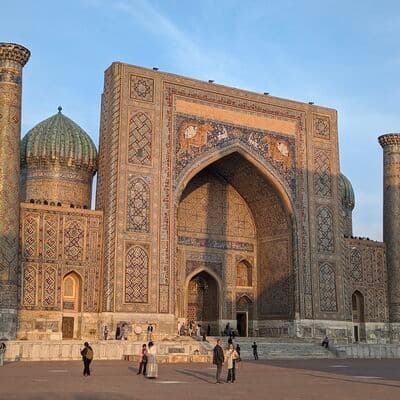
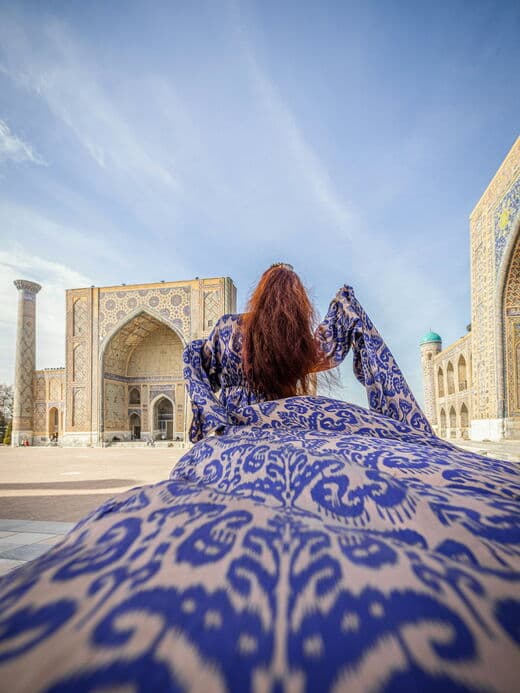
Samarkand is not just another stop on the Silk Road tourist circuit. This is a city that genuinely stopped me in my tracks. When I first walked into Registan Square at sunset, I understood why medieval travelers called it the most beautiful place on Earth. The scale, the intricate tilework, the way the light hits those turquoise domes - it is simply one of the most impressive architectural ensembles ever created by human hands.
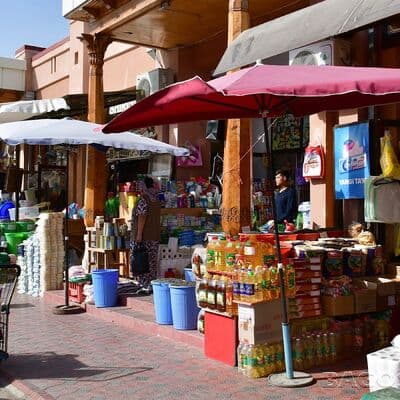
But here is what guidebooks often miss: Samarkand is a living city, not a museum. Yes, you will see the monuments that made Tamerlane's capital legendary, but you will also discover a place where locals haggle over melons at Siab Bazaar, where the smell of fresh bread wafts from tandoor ovens at dawn, and where the famous Samarkand plov sells out by early afternoon every single day.
Uzbekistan has transformed dramatically in recent years. Visa-free access for most Western nationalities, improved infrastructure, English-speaking guides, and a genuine warmth toward visitors make this the perfect moment to explore. The country is open for tourism but not yet overrun with crowds. Samarkand receives a fraction of the visitors that similar sites in Europe or Southeast Asia attract. You can still have moments of genuine solitude at world-class monuments.
A few practical points upfront: bring cash in US dollars (crisp, new bills preferred), download offline maps, and prepare for a city where the pace of life moves slower than you might expect. This is not a place to rush. The Uzbek approach to hospitality means long meals, endless cups of tea, and conversations that stretch into the evening. Embrace it.
Neighborhoods: Where to Stay
Samarkand spreads out more than you might expect, and your choice of neighborhood will significantly shape your experience. The city essentially divides into the historic Timurid core, the Russian-era new town, and the sprawling residential areas beyond. Each offers something different for visitors.
Old Town (Historic Center)
This is where most travelers want to be, and for good reason. Staying within walking distance of Registan Square means you can catch the monuments at different times of day without dealing with transport. The narrow streets around the main sites have transformed over the past decade, with traditional houses converted into boutique guesthouses and small hotels.
The advantages are obvious: step outside your door and you are immediately in the historic fabric of the city. Early morning walks to Shah-i-Zinda before the tour groups arrive, evening strolls past illuminated madrasas, late-night walks home after dinner - all become effortless. Many guesthouses here occupy restored courtyard houses with traditional architecture, carved wooden columns, and peaceful inner gardens.
The downsides? Streets can be uneven and poorly lit at night. Some properties look charming in photos but have thin walls and basic plumbing. Prices run higher than elsewhere in the city, typically $40-80 per night for a decent double room with breakfast. During peak season (April-May, September-October), the best places book up weeks in advance.
Around Siab Bazaar
Just north of the main monuments, the area surrounding Siab Bazaar offers a more authentic slice of daily Samarkand life. This is where locals actually shop, where the famous bread comes from nearby ovens, and where you will hear more Uzbek and Tajik than English or Russian.
Accommodation here tends toward simpler family-run guesthouses and budget hotels. Expect to pay $25-45 per night for clean, basic rooms. The trade-off is being slightly removed from the main tourist flow while remaining within a 10-15 minute walk of everything important. Mornings here are magical - the bazaar comes alive around 7am, and watching the city wake up over fresh non bread and tea feels far more memorable than any hotel buffet.
University Area and New Town
The Russian-built sections of Samarkand feel completely different - wide boulevards, Soviet apartment blocks, parks, and a grid street pattern that makes navigation simple. This is where you will find chain hotels, modern restaurants, and amenities like pharmacies and banks with international card acceptance.
For first-time visitors, I generally do not recommend staying here unless you prioritize modern comforts over atmosphere. The 20-30 minute walks to historic sites become tedious in summer heat, and you miss the evening ambiance of the old town. However, if you have mobility concerns or traveling with small children, the flatter terrain and wider sidewalks offer practical advantages. Budget hotels here start around $30 per night, with international-standard options at $60-100.
Outside the Center
A handful of upscale properties have opened in converted estates and countryside locations outside the city proper. These work well for travelers with their own transport or those who prioritize a resort-like experience over walkability. Some offer genuinely beautiful settings with mountain views and traditional architecture. Expect $100-200 per night and factor in taxi costs for every outing.
My recommendation for most visitors: book a well-reviewed guesthouse in the old town, ideally one that has been operating for at least a few years and has consistent recent reviews. The family-run places often provide better breakfast, more personal service, and genuine local knowledge compared to larger hotels.
Best Time to Visit
Timing matters enormously in Samarkand. Get it right, and you will experience comfortable temperatures, manageable crowds, and the city at its most photogenic. Get it wrong, and you might find yourself wilting in extreme heat or shivering through a surprisingly cold winter.
Spring: April to May
This is arguably the best window for visiting Samarkand. Temperatures hover between 20-28 degrees Celsius (68-82F), the surrounding hills turn green, and the orchards throughout the region burst into bloom. April can still see occasional rain, but by May the weather settles into reliably pleasant days.
The downside: this is peak season. Expect higher prices, fuller hotels, and more tour groups at major sites. Registan Square around midday can feel genuinely crowded. Book accommodation at least 2-3 weeks ahead, earlier if traveling during Nowruz (Persian New Year, around March 21) when domestic tourism spikes.
Autumn: September to October
My personal favorite time. The brutal summer heat breaks, temperatures return to the 22-30C range (72-86F), and the bazaars overflow with fresh produce - grapes, melons, pomegranates, and the famous Samarkand quinces. The quality of light for photography is exceptional, with that golden autumn glow that makes the turquoise tiles practically glow.
Late September and October see slightly fewer visitors than spring, making this an excellent choice for those who want the best weather without peak-season crowds. The grape harvest brings special energy to the markets, and you might encounter local wine-making traditions still practiced in some households.
Summer: June to August
I will be honest: summer in Samarkand is brutal. Temperatures routinely hit 35-40 degrees Celsius (95-104F), and I have experienced days above 45C (113F). The dry heat means it is technically more bearable than humid climates, but sightseeing becomes genuinely difficult. By noon, the stones at Shah-i-Zinda are hot enough to feel through your shoes.
If summer is your only option, adopt local patterns: start sightseeing at dawn, retreat to air-conditioned spaces from 11am to 5pm, then resume in the cooler evening. Hydration becomes critical - carry water constantly. The upside? This is low season, so prices drop and sites are genuinely empty. You might have entire monument complexes nearly to yourself.
Winter: November to March
Samarkand winters surprise many visitors. Temperatures regularly drop below freezing, occasional snow falls, and the city takes on a completely different character. Most tourists vanish, and you will likely be one of very few foreigners at any given site.
Winter visiting requires preparation - warm layers, good walking shoes for potentially icy surfaces, and acceptance that some outdoor activities become uncomfortable. But there is something magical about seeing the monuments dusted with snow, empty of crowds, with steam rising from tea houses and the smell of cooking fires in the cold air. Budget travelers will find the lowest prices of the year.
Itinerary: 2 to 5 Days in Samarkand
How much time do you need in Samarkand? The honest answer is that you could spend a week here and still discover new corners, but most travelers allocate 2-4 days. Here is how to structure your time effectively.
Day One: The Essential Monuments
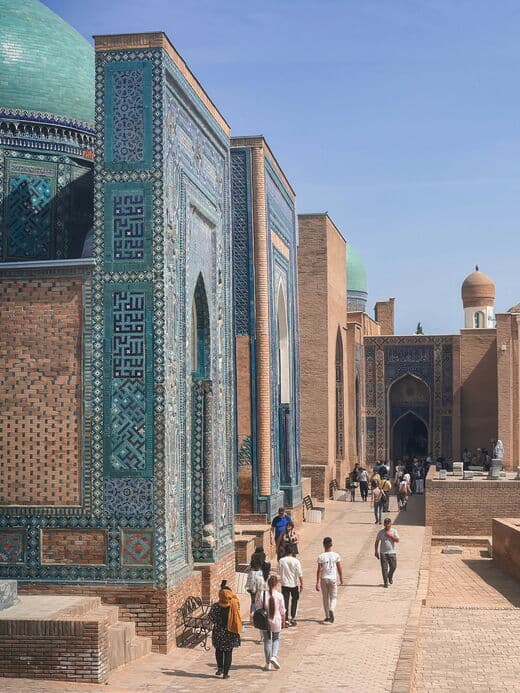
Start early - I mean genuinely early, arriving at Shah-i-Zinda by 8am before the tour buses. This necropolis of mausoleums contains the finest tilework in Central Asia, possibly in the world. The morning light streaming through the entrance creates an almost mystical atmosphere. Take your time climbing the steps (local legend says if you count the same number going up and down, your wish will be granted - but do not tell anyone your count).
From Shah-i-Zinda, walk downhill to Bibi-Khanym Mosque. This massive structure, once one of the largest mosques in the Islamic world, has been extensively restored but still impresses with its sheer scale. The legend of its construction - involving Tamerlane's wife and an architect who demanded a kiss as payment - adds romantic tragedy to the architectural grandeur.
Cross the street to Siab Bazaar for lunch. Find a plov stall (they are usually in the back section) and order before 1pm - the famous Samarkand plov genuinely does sell out daily. Grab a stack of fresh non bread and some seasonal fruit. This is not just a meal; it is an introduction to the flavors that will define your visit.
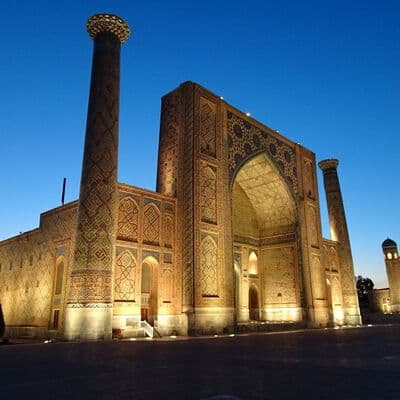
Spend the afternoon at Registan Square. Yes, it will be crowded midday, but take your time. Each of the three madrasas deserves attention - climb to the upper levels where allowed, examine the tile details, and consider returning at sunset when the light transforms the entire complex. Evening illumination after dark offers yet another perspective.
End day one at Gur-e-Amir Mausoleum, Tamerlane's final resting place. The ribbed dome and intricate interior make this one of the most beautiful buildings in the city. Try to time your visit for late afternoon light.
Day Two: Beyond the Headlines
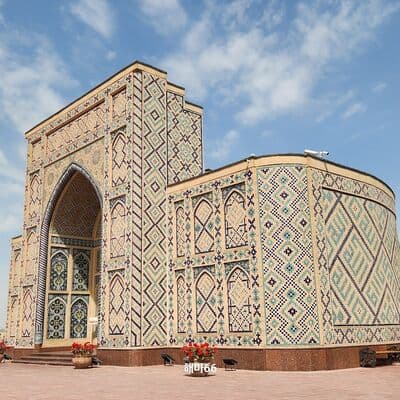
With the major monuments covered, day two allows for deeper exploration. Start at Ulugh Beg Observatory, a short taxi ride from the center. Tamerlane's grandson was one of the great astronomers of the medieval world, and the remains of his massive sextant built into the hillside demonstrate the scientific sophistication of 15th-century Samarkand. The associated museum provides excellent context.
Return to the center and spend time wandering the old Jewish quarter, visiting the carpet workshops that still operate in the old town, or simply getting lost in the residential streets behind the main monuments. This is when you start to see Samarkand as a living city rather than an outdoor museum.
Consider revisiting Shah-i-Zinda in late afternoon - the light is completely different, and you will notice details you missed in the morning. The site closes around 7pm in summer, earlier in winter.
Evening: find a restaurant with outdoor seating and settle in for a long dinner. Uzbek hospitality means meals are not rushed. Order several dishes to share, try the local wine or vodka if you are inclined, and let the evening unfold naturally.
Day Three: Markets, Crafts, and Local Life
Dedicate this day to the aspects of Samarkand that do not appear on monument lists. Spend the morning at Siab Bazaar, this time not rushing through but actually engaging with vendors. The bread section alone deserves an hour - watch the bakers work, try different varieties, understand why Samarkand non is famous throughout Central Asia.
Visit a silk workshop. Samarkand has produced silk for centuries, and several family operations welcome visitors. You can watch the entire process from cocoons to finished fabric. Prices for quality silk are remarkably reasonable compared to what similar pieces would cost in Europe or North America.
If you have not yet visited the Afrasiab Museum, the archaeological site of ancient Samarkand, this is a good day for it. The famous Afrasiab murals, discovered in the 1960s, provide a window into pre-Islamic Sogdian culture. The site itself is essentially a series of mounds, but the museum contextualization makes it worthwhile.
Days Four and Five: Day Trips and Deeper Dives
With more time, consider excursions beyond the city. Shahrisabz, Tamerlane's birthplace, lies about 90 minutes south through a spectacular mountain pass. The Ak-Saray Palace ruins hint at what must have been an extraordinary structure. This works as a full-day trip with a hired driver ($40-60 round trip).
Alternatively, use extra days to revisit favorite sites at different times. I have been to Registan Square at dawn, midday, sunset, and under night illumination - each visit reveals something new. The same applies to Shah-i-Zinda, where different light conditions completely transform the experience.
Consider taking a cooking class to learn plov preparation, booking a hammam visit for traditional bathing culture, or simply spending hours in tea houses watching local life unfold. Samarkand rewards those who slow down.
Where to Eat: Restaurants and Cafes
Dining in Samarkand requires adjusting expectations if you are coming from major world cities. This is not a destination for cutting-edge gastronomy or Instagram-worthy plating. Instead, you will find deeply traditional cooking, generous portions, and an emphasis on hospitality that makes every meal feel like visiting someone's home.
Traditional Restaurants
Platan remains one of the most reliable choices for visitors, located in a pleasant garden setting with outdoor seating in warm months. The menu covers all the Uzbek classics - plov, shashlik, lagman noodles, manti dumplings - executed consistently well. Expect to pay $8-15 per person for a full meal with drinks. English menus available, and staff are accustomed to tourists.
Samarkand Restaurant near Registan offers convenience and decent quality, though the tourist location means slightly higher prices and less authentic atmosphere than neighborhood places. Still, the rooftop terrace views of the illuminated madrasas at night partially justify the premium.
Bibikhanum Teahouse, directly facing the mosque of the same name, serves simple but satisfying Uzbek food in a traditional setting. The location cannot be beaten, and watching the sunset over Bibi-Khanym while eating somsa pastries creates lasting memories. Budget around $5-10 per person.
Plov Specialists
Samarkand plov is legendary throughout Central Asia, and eating it here is essential. The classic preparation involves rice cooked with meat (usually lamb), carrots, chickpeas, and a complex spice mixture, all prepared in massive cast-iron cauldrons called kazans.
The most famous plov center operates near Siab Bazaar. Multiple stalls serve essentially the same dish - look for the ones with the biggest crowds and the largest kazans. Crucially, arrive before 1pm. This is not a guidebook exaggeration: the plov genuinely sells out daily, usually by early afternoon. A plate costs around $2-3 and will likely be one of the best rice dishes you have ever eaten.
Some guesthouses can arrange home-cooked plov experiences with local families, which offer insight into the hours of preparation involved. Prices vary but typically run $15-25 per person including other dishes and the cultural experience.
International Options
Travelers suffering from Central Asian cuisine fatigue can find alternatives, though options are limited. A handful of restaurants serve Russian-style dishes (borscht, pelmeni), and a few newer establishments attempt European or fusion cooking with varying success. Italian restaurants exist but manage Italian food about as well as Italian restaurants in Uzbekistan might suggest.
The better international-leaning options cluster in the new town near the university, where a younger, more cosmopolitan clientele supports slightly more varied menus. Do not expect miracles, but you can find decent coffee, fresh salads, and cooking that departs from traditional Uzbek patterns.
Tea Houses
Chaikhanas (tea houses) serve as social institutions more than restaurants, but most offer simple food alongside endless pots of green tea. Find a traditional one with tapchan platforms where you sit cross-legged on cushions, order tea and non bread, and settle in for an hour or two of people-watching. This is where Samarkand's older men gather to discuss everything and nothing, and being welcomed into that atmosphere - even as an obvious outsider - offers genuine cultural immersion.
What to Try: Local Food and Specialties
Uzbek cuisine deserves serious attention. This is not generic Central Asian food but a distinct culinary tradition shaped by Silk Road influences, Soviet-era standardization, and recent rediscovery of regional specialties. Samarkand in particular has dishes found nowhere else.
Plov (Osh)
The undisputed king of Uzbek cuisine, and Samarkand's version is considered the finest in the country. Unlike Tashkent plov (which adds raisins and quince) or Fergana varieties, Samarkand plov emphasizes the rice itself - each grain separate, glistening with fat, infused with the flavors of meat and spices. The yellow color comes from carrots and sometimes saffron or turmeric.
Traditional preparation starts before dawn. The cook layers meat, onions, and carrots in a massive kazan, adds water and spices, then buries the rice on top. Hours of slow cooking allow flavors to develop and rice to steam to perfection. The dish is served communally, with the meat distributed on top.
Non Bread
Samarkand non is famous throughout Central Asia. These round, stamped flatbreads come from tandoor ovens and range from soft and pillowy to crispy and crackerlike. The distinctive patterns pressed into each loaf identify the baker and sometimes indicate the occasion - wedding bread looks different from everyday bread.
Fresh non, still warm from the oven, needs no accompaniment. At the bazaar, you will see locals buying stacks of ten or twenty loaves at a time. The bread keeps remarkably well and traditionally was carried by travelers as provisions for long journeys.
Shashlik
Grilled meat skewers appear throughout the former Soviet sphere, but Uzbek shashlik has particular characteristics. Lamb is preferred, often alternating with pieces of fat that melt during cooking and baste the meat. Beef and chicken versions exist for those who avoid lamb. The marinade typically includes onion juice, cumin, and black pepper.
Shashlik is street food par excellence. Look for stalls with active grills and high turnover. Three or four skewers, fresh bread, sliced onions, and tomatoes make a satisfying meal for under $5.
Somsa
These baked pastries appear in various forms - triangular, round, or crescent-shaped. The classic filling combines lamb and onion, but pumpkin versions appear in autumn and cheese-filled somsa satisfy vegetarians. The best somsa have flaky, layered pastry and arrive hot from the tandoor.
Siab Bazaar has numerous somsa vendors. Prices run about $0.30-0.50 per pastry, making them ideal for snacking while exploring.
Lagman
Hand-pulled noodles in a tomato-based broth with vegetables and meat reflect Samarkand's position on trade routes connecting China to the Mediterranean. Watching skilled cooks stretch the dough into long strands is entertaining in itself. The dish exists in soup form or "dry" (stir-fried) versions.
Manti
Large steamed dumplings filled with spiced meat represent the heavy artillery of Uzbek cuisine. A serving of four or five manti constitutes a full meal. The traditional accompaniment is kaymak (sour cream) or a tomato-based sauce. Quality varies enormously - the best manti have thin, almost translucent wrappers and juicy fillings.
Sweets and Fruits
Samarkand's markets overflow with dried fruits and nuts - apricots, raisins, almonds, walnuts, pistachios. The quality is exceptional, and prices are remarkably low compared to Western countries. Halva in various forms, crystallized sugar, and traditional cookies round out the sweet offerings. Fresh seasonal fruit reaches extraordinary quality here, particularly melons, grapes, and pomegranates in autumn.
Insider Tips: What Guidebooks Miss
After multiple visits and conversations with locals and long-term expats, here are the details that transform a good Samarkand trip into a great one.
Timing and Crowds
Registan Square gets busy, but the crowds follow predictable patterns. Tour buses typically arrive between 10am and 4pm. Before 9am and after 5pm, you will find dramatically fewer people. Friday brings larger crowds due to Muslim visitors, while Monday mornings tend to be quieter.
At Shah-i-Zinda, the step-counting legend creates bottlenecks on the entrance stairway when tour groups arrive simultaneously. Beat this by arriving at opening time or coming in the late afternoon when morning tours have departed.
Photography
Entrance tickets include photography rights at most sites, but tripods sometimes require additional payment or permission. The guards are generally reasonable if you ask politely. For the best light at Registan Square, shoot from the center of the plaza at sunset when the western madrasa facade turns golden. For Shah-i-Zinda, morning light entering from the east illuminates the tilework beautifully.
Bargaining
At Siab Bazaar, bargaining is expected for non-food items. Start at 50-60% of the asking price and work toward a middle ground. For food items, prices are generally fixed and fair - just ask the price before selecting and you will be fine. Tourist shops near monuments charge significantly more than the bazaar for identical items.
Cash and Payments
Uzbekistan runs primarily on cash. ATMs exist but sometimes run empty or reject foreign cards. Bring US dollars in good condition (no marks, tears, or pre-2006 bills) and exchange at official exchange offices. Rates are consistent across the city. Budget around $40-60 per day for comfortable mid-range travel including accommodation, food, transport, and entrance fees.
Language
English proficiency is growing among younger Samarkandis working in tourism, but outside hotels and major restaurants, communication can be challenging. Download Google Translate or Yandex Translate with the Uzbek and Russian language packs for offline use. Basic Russian phrases help enormously - many older residents speak Russian as their first or second language.
Dress Code
Samarkand is relatively relaxed for Central Asia, but modest dress shows respect. Women should bring a scarf for mosque visits, though it is not strictly required at most tourist-oriented monuments. Shorts on men draw looks outside tourist areas. Comfortable, modest clothing in natural fabrics works best for the climate.
Electrical and Connectivity
Uzbekistan uses European-style Type C and F outlets (220V). Most hotels have reliable wifi, but speeds vary. Local SIM cards from Ucell or Beeline cost around $5-10 and provide better connectivity than roaming. Purchase at official stores with your passport.
Tipping
Tipping is not traditionally expected but has become common in tourist-facing establishments. Rounding up restaurant bills by 10% or leaving small amounts for exceptional service is appreciated but not obligatory. Tour guides typically expect tips of $5-10 per day.
Getting Around: Transport and Connectivity
Reaching Samarkand has become significantly easier in recent years, and getting around the city itself is straightforward once you understand the options.
Arriving in Samarkand
By Air: Samarkand International Airport receives direct flights from several international destinations, though most Western travelers connect through Tashkent. The national carrier, Uzbekistan Airways, operates a reasonable service. From the airport, taxis to the center cost $5-8 - agree on the price before getting in.
By Train: The high-speed Afrosiyob train connects Tashkent to Samarkand in about 2 hours, running several times daily. This is genuinely excellent - comfortable seats, air conditioning, cafe car, and scenic views. Book tickets through the Uzbekistan Railways website or at station windows. Prices run $10-20 depending on class. The slower standard trains take 3-4 hours but cost less.
The Afrosiyob continues to Bukhara, making a Tashkent-Samarkand-Bukhara itinerary very feasible by train alone. This is how I recommend most travelers structure their Uzbekistan trip.
By Road: Shared taxis and buses connect Samarkand to other cities. This is cheaper than trains but less comfortable and slower. Useful for reaching destinations not on rail lines, like Shahrisabz.
Getting Around the City
Walking: The historic core is entirely walkable. From the Registan to Shah-i-Zinda is about 20 minutes on foot, with Bibi-Khanym and Siab Bazaar in between. Gur-e-Amir lies a similar distance southwest of the Registan. Comfortable shoes with good grip are essential - some streets are uneven cobblestone.
Taxis: The easiest option for longer distances. Yandex Go app works in Samarkand and provides fair, metered pricing. Download it before arrival and link a payment method. Rides within the city rarely exceed $2-3. Without the app, negotiate fares in advance - drivers sometimes quote inflated prices to obvious tourists.
Public Transport: Buses and marshrutkas (minibuses) run fixed routes, but without Cyrillic reading skills and local knowledge, they are challenging for visitors. Unless you enjoy the adventure of figuring out public transit systems, taxis are cheap enough to be the default choice.
Day Trips
For destinations beyond the city like Ulugh Beg Observatory or Shahrisabz, hiring a car with driver is the most practical approach. Your hotel or guesthouse can arrange this, or negotiate with taxi drivers directly. Full-day hire typically costs $40-70 depending on distance and whether you want air conditioning (you do, in summer).
Accessibility
Samarkand presents significant challenges for travelers with mobility limitations. Historic sites involve stairs, uneven surfaces, and limited or no wheelchair access. Shah-i-Zinda in particular requires climbing dozens of steep steps. Registan Square itself is flat and accessible, but entering the madrasas involves steps. Modern hotels generally have elevators and accessible rooms; traditional guesthouses typically do not.
Safety
Samarkand is remarkably safe by international standards. Violent crime against tourists is essentially unheard of, and petty crime is uncommon. Normal precautions apply - do not flash large amounts of cash, be aware of your surroundings in crowded markets - but you can walk the streets at night without concern. The biggest actual risks are traffic (drivers can be aggressive and pedestrian infrastructure is limited) and uneven pavements causing falls.
Final Thoughts
Samarkand delivers on its legendary reputation. The monuments are genuinely world-class, the food is memorable, and the pace of life encourages the kind of slow, immersive travel that becomes increasingly rare. This is not a sanitized tourist experience but a living city that happens to contain some of humanity's greatest architectural achievements.
The practical challenges - language barriers, cash-based economy, limited dining variety - are real but manageable. What you get in return is access to a place that rivals anything in Europe or Asia for historical significance but receives a fraction of the visitors. You can stand in Registan Square at sunrise, essentially alone, and contemplate what Tamerlane built here six centuries ago.
Come with patience, come with curiosity, and come hungry. Samarkand has been welcoming travelers for two thousand years, and it knows exactly how to make them feel that the journey was worthwhile. The Silk Road may be history, but the hospitality that sustained it continues undiminished.
Start planning your trip with 2-3 days minimum, time your visit for spring or autumn if possible, and prepare to be genuinely amazed. Some places live up to their reputations. Samarkand exceeds them.