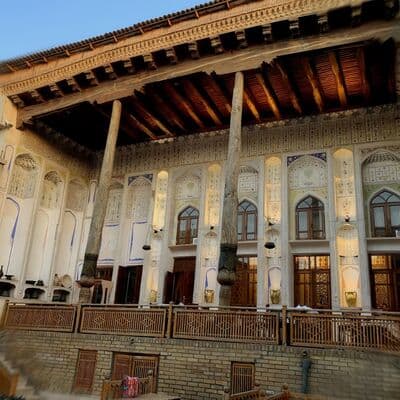
Ismail Samani Mausoleum
Ismail Samani Mausoleum is the oldest surviving building in Central Asia and an architectural marvel built in the 9th century (circa 892-907). It is considered the oldest Islamic monument in the region. The walls are entirely made of fired bricks arranged in 18 different patterns, creating stunning light and shadow effects throughout the day. The square building with a hemispherical dome represents the transition from Zoroastrian to Islamic architecture. The building survived the Mongol invasion because it was buried under sand and not discovered until 1934.