About
India Travel Guide: Your Complete Journey Through the Subcontinent
India is not a destination you simply visit. It is a place that happens to you. Over the course of my many trips across this vast nation, I have laughed, cried, been frustrated beyond belief, and experienced moments of such profound beauty that they fundamentally changed how I see the world. This guide is my attempt to prepare you for what lies ahead while being completely honest about both the challenges and the transformative rewards that await.
Let me be direct with you from the start: India will test you. The crowds, the noise, the heat, the persistent touts, the occasional stomach troubles, and the sensory overload can be overwhelming, especially in your first few days. But if you can push through that initial culture shock, you will discover a country of such incredible depth, diversity, and humanity that you will understand why millions of travelers return again and again, drawn by something they cannot quite explain.
This guide is written specifically for English-speaking travelers from the United States, United Kingdom, Australia, and Canada. I will give you practical information about visas, flights, costs in USD, and the particular advantages you have as an English speaker in a country where English is widely understood. But more than that, I want to share the insights that only come from years of traveling through India, the lessons learned from mistakes made, and the hidden gems discovered through serendipity and local friendships.
Why Visit India: A Case for the Journey of a Lifetime
Before we dive into the practicalities, let me make the case for why India deserves a place at the top of your travel bucket list. This is not about the typical tourism marketing you have read elsewhere. This is about what India offers that you simply cannot find anywhere else on Earth.
The Sheer Scale of Diversity
India is essentially a continent masquerading as a country. Within its borders, you will find deserts that rival the Sahara, Himalayan peaks that dwarf the Alps, tropical beaches that compete with the Caribbean, dense jungles teeming with wildlife, and ancient cities that make European capitals look positively modern. The country spans nearly 3.3 million square kilometers and encompasses 28 states and 8 union territories, each with its own distinct culture, cuisine, language, and traditions.
Consider this: India has 22 officially recognized languages and over 19,500 documented dialects. The food in Jaipur is completely different from what you will eat in Kochi, which bears no resemblance to the cuisine of Darjeeling. The architecture of Goa reflects centuries of Portuguese influence, while the temples of Hampi showcase the grandeur of the Vijayanagara Empire. You could spend months in India and feel like you have visited a dozen different countries.
Living History at Every Turn
India has been continuously inhabited for over 5,000 years, and unlike many ancient civilizations that exist only in museums, Indian history is still alive. The rituals performed at the Varanasi Ghats have remained essentially unchanged for millennia. The Taj Mahal is not just a monument but an enduring testament to love that continues to move visitors to tears. The Golden Temple in Amritsar feeds over 100,000 people daily in the world's largest free kitchen, a tradition that has continued unbroken for centuries.
Walking through the streets of Varanasi, you are walking through one of the oldest continuously inhabited cities in the world. The sacred geography of India connects mythological events to real locations that pilgrims have visited for thousands of years. This is not history preserved under glass; it is history that breathes, evolves, and remains central to the daily lives of over 1.4 billion people.
Spirituality Beyond Religion
India is the birthplace of Hinduism, Buddhism, Jainism, and Sikhism. It has welcomed and integrated Islam, Christianity, Judaism, and Zoroastrianism into its cultural fabric. But beyond organized religion, India offers something that many Western travelers find profoundly meaningful: an entire society oriented around spiritual questions.
In India, discussions about the nature of consciousness, the purpose of life, and the path to inner peace are not confined to philosophy classrooms or therapy sessions. They are part of everyday conversation. The ashrams of Rishikesh attract seekers from around the world, but spiritual practice in India extends far beyond formal meditation centers. It is in the morning prayers of a shopkeeper, the evening aarti at a riverside temple, the conversations with strangers who share wisdom with unexpected generosity.
You do not need to be religious or even spiritually inclined to appreciate this dimension of Indian life. Simply being in a society that prioritizes inner development alongside material success offers a different perspective on what matters in life.
The Value Proposition
Let me speak frankly about money. India offers extraordinary value for travelers from wealthy nations. A comfortable mid-range trip to India costs roughly one-third to one-half of what you would spend in Western Europe for a similar experience. Luxury experiences that would be prohibitively expensive elsewhere become accessible in India.
You can stay in heritage properties converted from former maharaja palaces for $150-300 per night, a fraction of what comparable historic hotels cost in Europe. A two-hour Ayurvedic massage that would run $200 or more in New York costs $30-50 at excellent facilities in Kerala. A private car with driver for a full day of sightseeing costs $30-50, making it possible to explore comfortably even on a moderate budget.
This is not about cheap travel for its own sake. It is about access to experiences and levels of service that would be impossible to afford elsewhere. Many travelers find that their money goes so much further in India that they can travel longer, more comfortably, and with more unique experiences than they originally planned.
The Human Connection
Indians are, as a general rule, extraordinarily hospitable and curious about foreign visitors. You will be invited into homes for tea, drawn into conversations on trains, and offered help when you look lost. This warmth is genuine and comes from a cultural tradition that treats guests as forms of the divine.
The flip side of this openness is that you will rarely be anonymous in India. People will ask personal questions that would seem intrusive in Western contexts. They will want to know your name, your country, your job, whether you are married, how many children you have, and what you think of India. These interactions can be exhausting when you want privacy, but they also create opportunities for connection that rarely happen in more reserved cultures.
Many travelers report that their most meaningful experiences in India came not from famous monuments but from unexpected human encounters: the family that invited them to a wedding, the rickshaw driver who became a friend, the conversation with a sadhu that offered unexpected insight. India has a way of breaking down the barriers we normally maintain between ourselves and strangers.
The Challenge That Changes You
I will be honest: India is challenging. The poverty is visible and sometimes heartbreaking. The touts can be relentless. The traffic is genuinely dangerous. The bureaucracy can be maddening. The gap between the India of your imagination and the India you encounter can be disorienting.
But here is what I have observed in myself and countless other travelers: navigating these challenges changes you. After India, you are more adaptable, more patient, more comfortable with uncertainty, and more appreciative of both the privileges you enjoy and the resilience of the human spirit. India is a masterclass in letting go of control, accepting imperfection, and finding beauty in chaos.
If you want a comfortable, predictable vacation where everything works smoothly, India is probably not your destination. But if you are ready for an adventure that will expand your capacity for experience, challenge your assumptions, and leave you with stories you will tell for the rest of your life, then India is calling.
Regions of India: Understanding the Geographic Diversity
India divides naturally into distinct regions, each offering completely different experiences. Understanding this geography is essential for planning your trip, as the distances are vast and the character of each region is unique. Let me walk you through the major areas you might consider.
North India: The Classic Introduction
For first-time visitors, North India typically forms the core of the journey. This region contains many of India's most iconic destinations and provides the most intense introduction to Indian culture. The so-called Golden Triangle connecting Delhi, Agra, and Jaipur remains the most popular tourist circuit in the country for good reason.
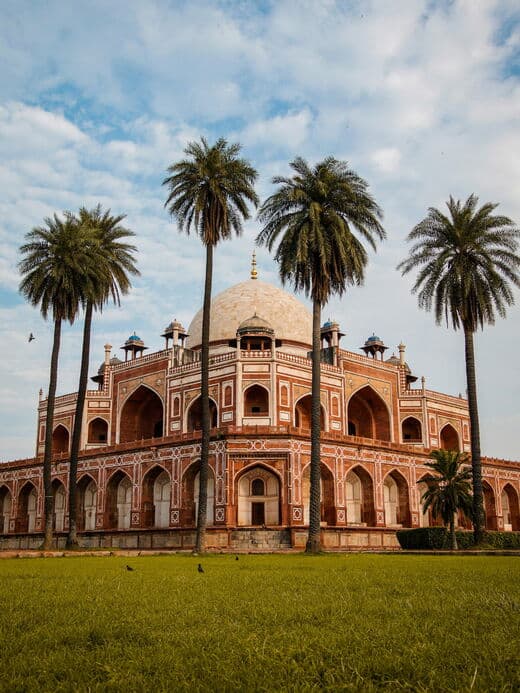
Delhi serves as most international visitors' entry point. This sprawling metropolis of over 30 million people layers 1,000 years of history, from the medieval lanes of Chandni Chowk to the Mughal grandeur of the Red Fort to the British colonial architecture of New Delhi to the gleaming malls of modern Gurgaon. Delhi can be overwhelming, but it rewards those who take time to understand its complexity. The Qutub Minar complex, Humayun's Tomb, and the Lotus Temple are just the beginning of what this city offers.
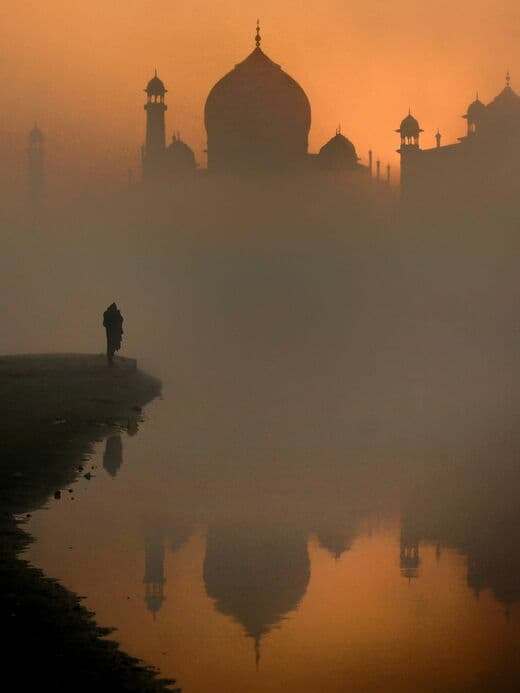
Agra draws millions for one building: the Taj Mahal. And yes, it lives up to the hype. But Agra offers more than just this single monument. The Agra Fort is a masterpiece in its own right, and nearby Fatehpur Sikri preserves an entire abandoned Mughal city. The Tomb of Itimad-ud-Daulah, often called the Baby Taj, offers similar beauty without the crowds.
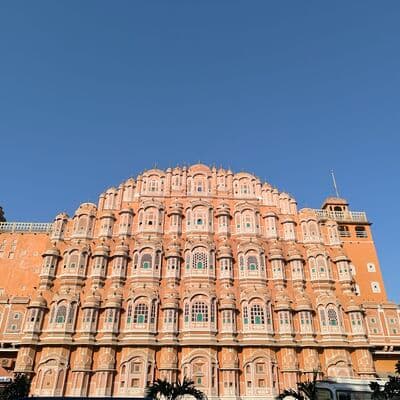
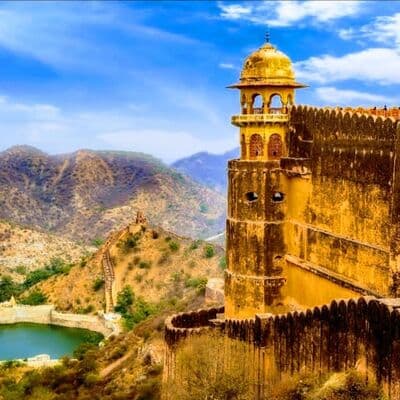
Jaipur, the Pink City, brings you into the world of Rajput warrior kings. The Amber Fort with its mirror-encrusted halls, the iconic Hawa Mahal, and the astronomical instruments of Jantar Mantar showcase centuries of royal patronage. Jaipur also offers excellent shopping, vibrant markets, and a more manageable size than Delhi.
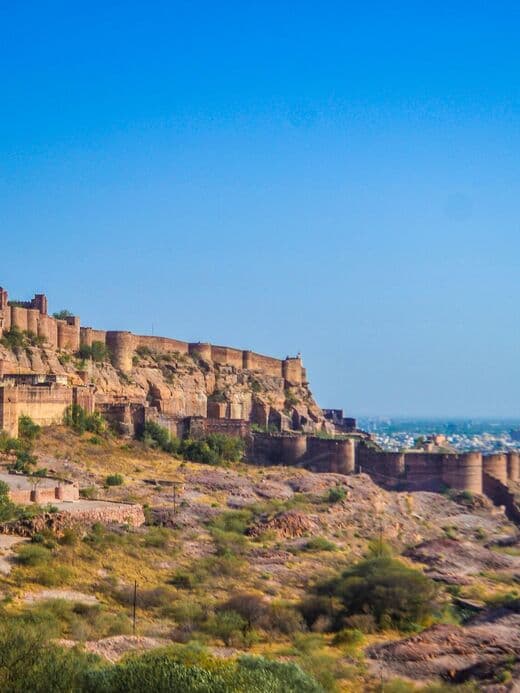
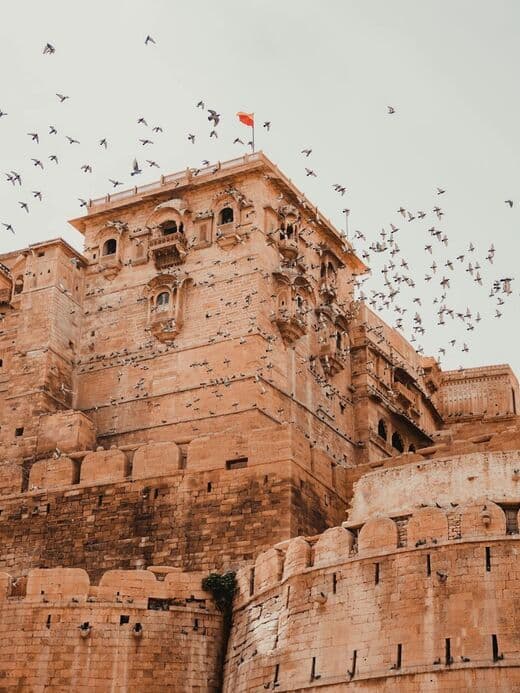
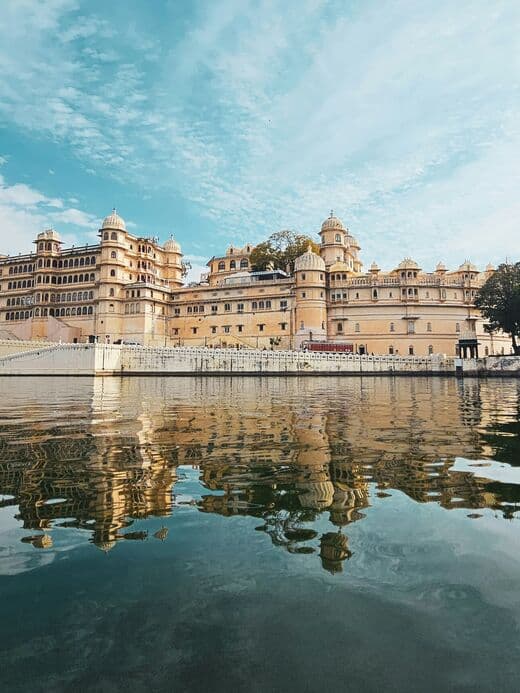
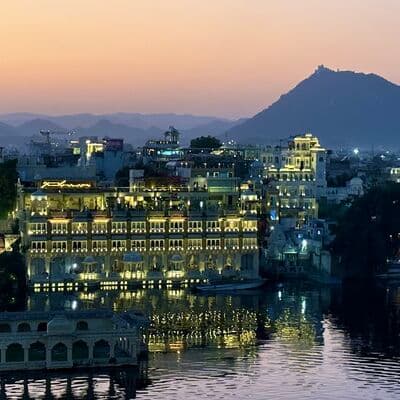
Beyond the Golden Triangle, North India extends into Rajasthan's desert cities. Jodhpur, the Blue City, centers around the imposing Mehrangarh Fort, one of India's largest and most impressive. Udaipur, the City of Lakes, offers romantic waterside palaces and a more relaxed atmosphere. City Palace Udaipur and Lake Pichola create scenes that seem lifted from fairy tales. Jaisalmer rises from the Thar Desert like a golden mirage, with its living fort (Jaisalmer Fort) and the spectacular Sam Sand Dunes nearby.
The small town of Pushkar offers a completely different experience: one of Hinduism's most sacred pilgrimage sites, centered around Pushkar Lake and the rare Brahma Temple. The annual Pushkar Camel Fair transforms this quiet town into a carnival of camels, traders, and tourists.
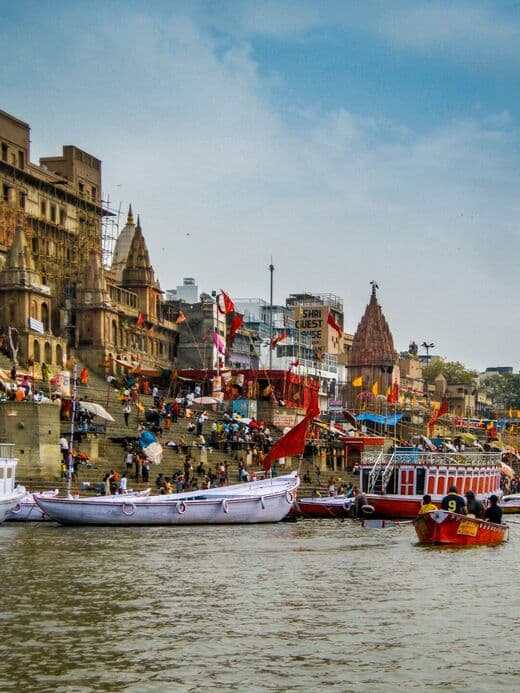
Further east, Varanasi stands as India's spiritual heart. This is where Hindus come to die, believing that death here brings liberation from the cycle of rebirth. The Varanasi Ghats along the Ganges River host cremations, prayers, yoga, cricket games, and the mesmerizing evening Ganga Aarti ceremony. Sarnath, just outside the city, marks where Buddha delivered his first sermon.
Khajuraho preserves stunning temples famous for their erotic sculptures, demonstrating a more open attitude toward sexuality in medieval India than many modern visitors expect. The Western Group of Temples and Eastern Group of Temples are UNESCO World Heritage sites of extraordinary artistic achievement.
The Himalayan North: Mountains and Monasteries
The northern reaches of India rise into the Himalayas, offering dramatically different landscapes and cultures. This region divides into several distinct areas.
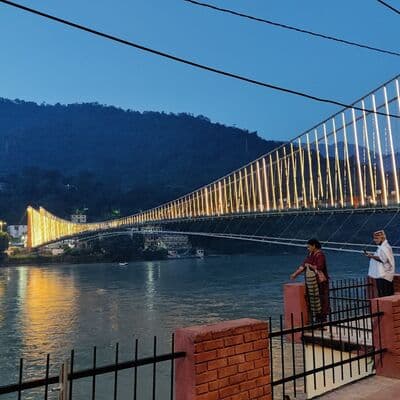
Rishikesh, in the foothills of the Himalayas, has been drawing spiritual seekers since the Beatles famously visited in 1968. Today, the Beatles Ashram stands as a graffiti-covered monument to that era. But Rishikesh is much more than Beatles history: it is the self-proclaimed Yoga Capital of the World, with hundreds of ashrams offering everything from weekend workshops to month-long teacher trainings. The iconic Laxman Jhula and Ram Jhula suspension bridges span the Ganges, and adventure sports like white-water rafting and bungee jumping attract a younger crowd alongside the yogis.
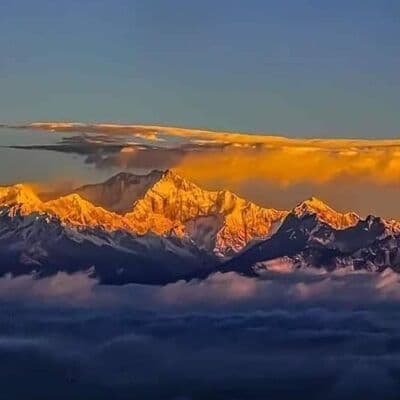
Darjeeling, the former British hill station, rises amid tea plantations that produce some of the world's finest tea. The Darjeeling Himalayan Railway, a UNESCO World Heritage site, climbs through misty forests on a narrow-gauge track. Tiger Hill offers views of Kanchenjunga, the world's third-highest peak, at sunrise. The Happy Valley Tea Estate allows you to see how Darjeeling tea is produced and processed.
Leh in Ladakh represents the most dramatic Himalayan destination accessible without serious trekking. This high-altitude desert region, culturally closer to Tibet than to the Indian plains, offers stark lunar landscapes, ancient Buddhist monasteries like Thiksey Monastery, and the surreal blue of Pangong Lake. The Nubra Valley features Bactrian camels against snow-capped peaks, while the Hanle Dark Sky Reserve offers some of Asia's best stargazing. Note that Ladakh requires permits for some areas and has limited accessibility during winter months.
Western India: Beaches, Commerce, and Heritage
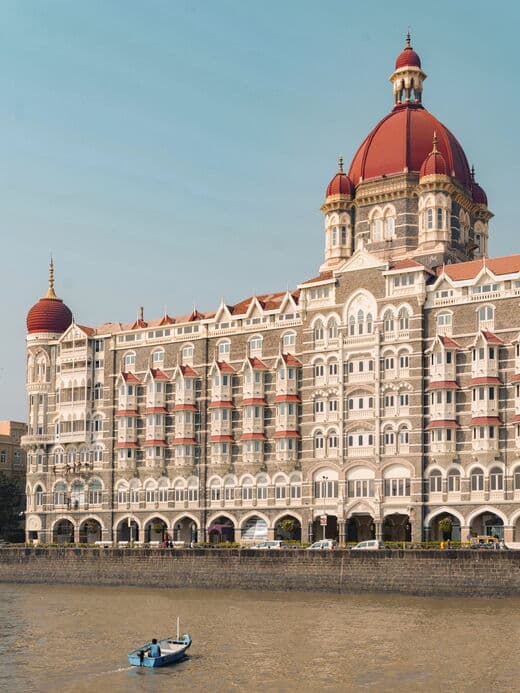
Mumbai is India's commercial capital, a city of extreme contrasts where billion-dollar homes overlook sprawling slums, where Bollywood glamour meets grinding poverty, where Victorian Gothic architecture stands beside Art Deco masterpieces. The Gateway of India and the grand Taj Mahal Palace Hotel define the tourist waterfront, while Marine Drive curves along the Arabian Sea in a spectacular arc. Chhatrapati Shivaji Terminus (formerly Victoria Terminus) is the most photogenic railway station you will ever see. Elephanta Caves, reached by ferry, contain remarkable Hindu rock-cut sculptures.
Mumbai offers some of India's best eating and nightlife, from street food at Juhu Beach to fine dining in Bandra. The Dhobi Ghat open-air laundry and Crawford Market provide glimpses of the city's working life, while Siddhivinayak Temple and Haji Ali Dargah draw devoted crowds of worshippers.
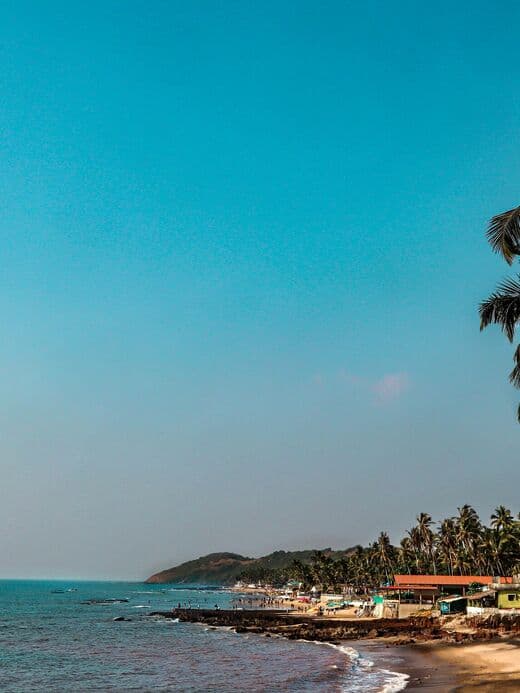
Goa offers India's most developed beach tourism. The former Portuguese colony retains a distinct character visible in its churches (the Basilica of Bom Jesus, Se Cathedral, Church of St. Francis of Assisi), cuisine, and architecture of neighborhoods like Fontainhas Latin Quarter. Beach options range from the party scene at Baga Beach and Calangute Beach to the laid-back vibes of Anjuna Beach (home to the famous Anjuna Flea Market) to the relative tranquility of southern beaches like Palolem Beach and Agonda Beach. Beyond the beaches, Dudhsagar Falls and Cotigao Wildlife Sanctuary offer nature experiences, while Sahakari Spice Farm provides tours of Goan spice cultivation.
South India: Temples, Backwaters, and Tropical Coasts
South India offers a completely different experience from the North, with distinct languages, cuisines, architectures, and traditions. The pace tends to be slower, the landscapes greener, and many travelers find the South more relaxed and less overwhelming than the North.
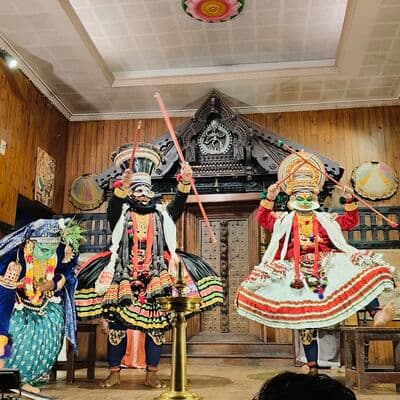
Kochi (formerly Cochin) in Kerala showcases centuries of international trade connections. The Chinese Fishing Nets at Fort Kochi symbolize this cosmopolitan history, while the Paradesi Synagogue in the Jewish quarter and the Mattancherry Palace (Dutch Palace) reflect Portuguese and Dutch colonial periods. The Kerala Kathakali Centre offers performances of traditional Kathakali dance-drama.
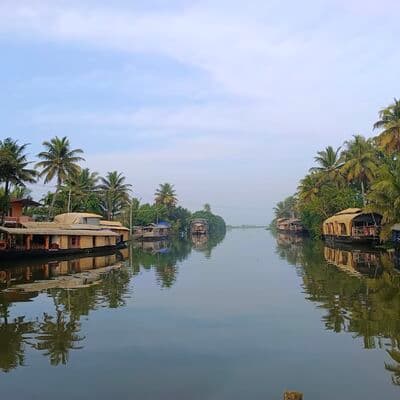
Alleppey (Alappuzha) serves as the gateway to the famous Kerala Backwaters, a network of canals, lagoons, and lakes that you can explore on traditional houseboats. Vembanad Lake, India's longest lake, forms the heart of this unique ecosystem. Alleppey Beach offers sea swimming as an alternative to the backwaters.
Munnar rises into the Western Ghats mountains, covered in Munnar Tea Plantations that carpet hillsides in brilliant green. Eravikulam National Park protects the endangered Nilgiri tahr mountain goat, while Mattupetty Dam offers scenic boat rides. The cool climate provides relief from tropical heat.
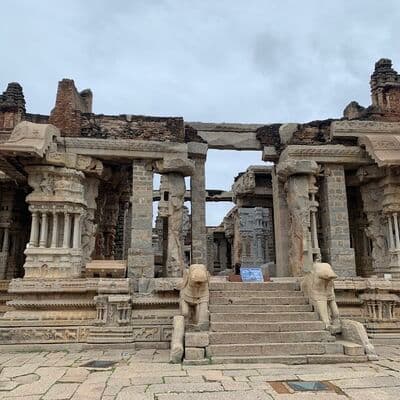
Hampi in Karnataka preserves the spectacular ruins of the Vijayanagara Empire, one of the largest Hindu kingdoms in history. The Virupaksha Temple remains an active place of worship amid the ruins, while the Vittala Temple houses the famous Stone Chariot and musical pillars. Hampi's boulder-strewn landscape creates an otherworldly atmosphere that attracts backpackers and history enthusiasts alike.
Northeast India: The Forgotten Frontier
India's northeastern states remain relatively unexplored by foreign tourists despite offering some of the country's most stunning landscapes and unique cultures. This region requires more planning and permits in some areas, but rewards adventurous travelers with experiences unavailable elsewhere.
Shillong in Meghalaya serves as a gateway to the region's natural wonders. The Living Root Bridges near Cherrapunji represent a unique form of bioengineering, with bridges grown over centuries from the roots of rubber fig trees. Nohkalikai Falls, India's tallest plunge waterfall, and the Mawsmai Caves add to Meghalaya's natural attractions. The Khasi culture here is matrilineal, a rarity in India.
Choosing Your Region
For first-time visitors with limited time, I typically recommend focusing on North India, particularly the Golden Triangle plus Varanasi. This combination provides the most concentrated introduction to Indian history, spirituality, and culture.
For those seeking relaxation alongside culture, combining North India with Goa or Kerala creates a balanced itinerary. Beach time in Goa or houseboat cruising in Kerala provides recovery from the intensity of the northern cities.
Travelers prioritizing nature and adventure should consider Ladakh (summer only), Rajasthan's desert experiences, or the Northeast. These regions offer landscapes and outdoor activities that the major cultural destinations cannot match.
Repeat visitors often explore South India more deeply, finding that Tamil Nadu's temples, Karnataka's heritage sites, and Kerala's backwaters offer complexity and beauty equal to the more famous northern destinations, but with fewer crowds and a different cultural flavor.
The bottom line: you cannot see all of India in one trip. Choose a region or theme, explore it properly, and plan to return. India rewards depth over breadth.
What Makes India Unique: Experiences You Cannot Find Elsewhere
Every country claims uniqueness, but India genuinely offers experiences that exist nowhere else on Earth. Let me highlight what sets this destination apart.
The Living Heritage
In most ancient civilizations, the past exists primarily in museums and archaeological sites. In India, traditions thousands of years old continue as living practice. The rituals performed at Varanasi Ghats follow patterns established before the Roman Empire. The Ganga Aarti ceremony performed every evening on the Ganges represents a direct connection to Vedic fire rituals dating back millennia.
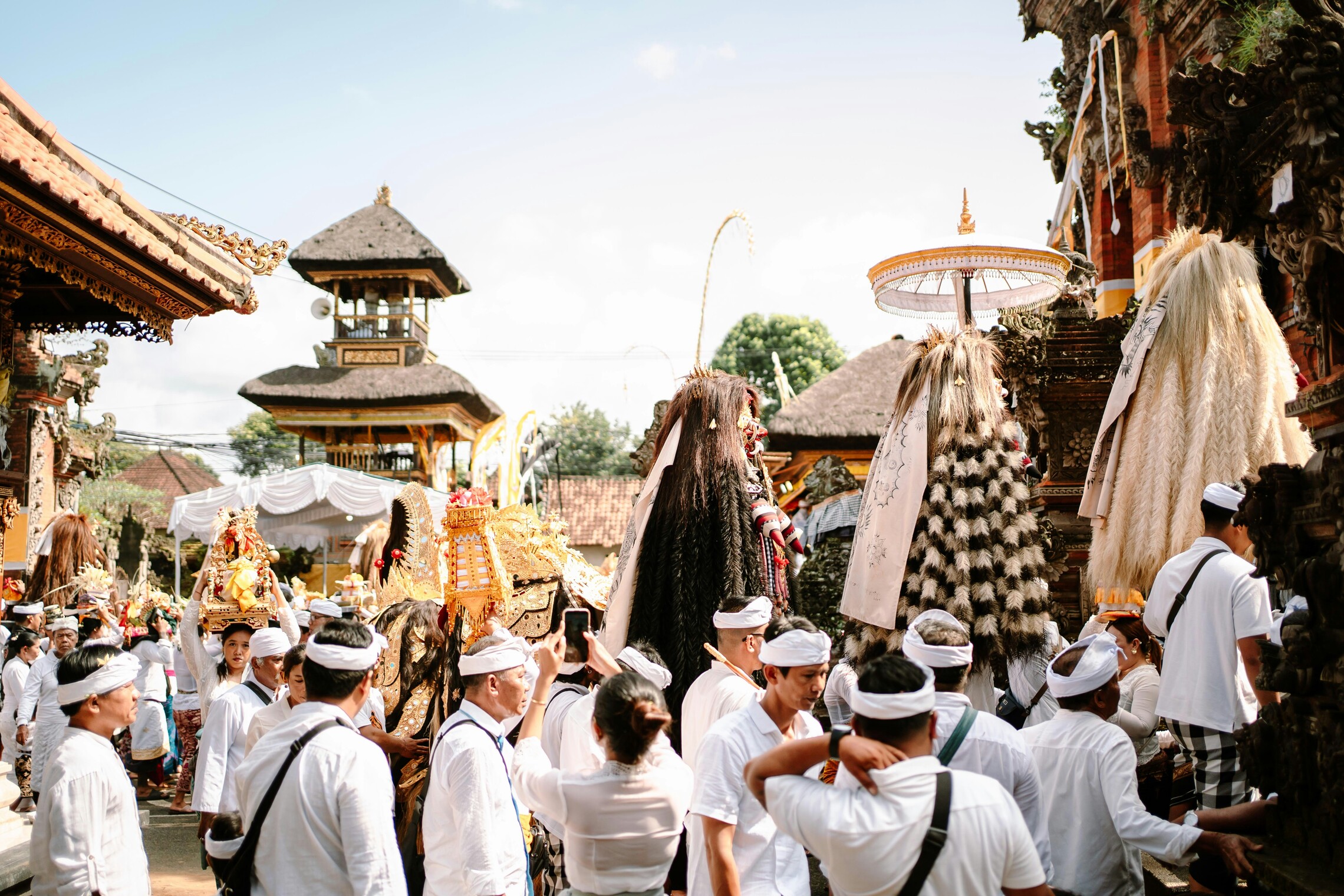
Festivals like Diwali, Holi, Durga Puja, and Ganesh Chaturthi are not museum pieces or tourist recreations. They are genuine community celebrations involving millions of participants. If you time your visit to coincide with a major festival, you will witness expressions of culture and devotion that simply have no Western equivalent.
The system of classical music and dance in India maintains unbroken traditions of master-student transmission spanning generations. Attending a Kathakali performance in Kochi or a classical music concert in any major city connects you to artistic lineages centuries old.
The Scale of Human Activity
With over 1.4 billion people, India operates at a scale that creates unique phenomena. The Kumbh Mela religious gathering attracts up to 150 million people over its duration, making it the largest human gathering on Earth. The Indian Railways carries 23 million passengers daily, equivalent to the entire population of Australia. The Golden Temple in Amritsar feeds 100,000 people free meals every single day, prepared by volunteer labor.
This scale creates logistical challenges, certainly, but it also enables experiences impossible elsewhere. The energy of being amid thousands of devotees at a major temple, the chaos and color of a massive market, the sheer quantity of human activity visible from any busy street corner, these experiences are distinctly Indian.
The Coexistence of Extremes
India contains contradictions that would seem impossible to reconcile. Space-age technology companies operate alongside medieval-style craftsmanship. Billionaires build towers overlooking slums. Ancient temples stand beside modern shopping malls. Progressive metropolitan values coexist with traditional village conservatism.
Rather than resolving these contradictions, India accommodates them. This creates a society that defies simple categorization and constantly surprises. Just when you think you understand India, it shows you something that upends your assumptions.
The Spiritual Infrastructure
India contains more sacred sites than any other country. Beyond the famous temples and mosques, you will find shrines at every corner, trees and rocks venerated for their spiritual significance, rivers and mountains worshipped as divine. The entire landscape is mapped with religious meaning.
This spiritual infrastructure supports practices that have attracted seekers for centuries. Yoga, meditation, Ayurvedic medicine, and various contemplative traditions developed here and continue to be practiced in their original settings. Whether you come to Rishikesh for serious spiritual practice or simply to dip your toes in, you are accessing traditions in their authentic context rather than their transplanted Western forms.
The Artisan Traditions
Mass production has not eliminated traditional craftsmanship in India. Weavers still create textiles by hand using techniques unchanged for centuries. Block printers stamp fabric with wooden blocks carved by generations of the same family. Jewelers craft pieces using methods predating machinery. Potters, metalworkers, woodcarvers, and countless other artisans maintain traditions that have vanished elsewhere.
This is not nostalgic preservation for tourists. These crafts remain economically viable because millions of Indians still value handmade goods. Shopping in India means access to artisan products of extraordinary quality at prices that reflect developing-world economics rather than luxury branding.
The Culinary Diversity
Indian food in the West typically represents one regional cuisine, usually North Indian, adapted for foreign palates. In India, you discover that the country contains dozens of distinct culinary traditions, each with its own ingredients, techniques, and flavor profiles.
The food of Kerala features coconut, seafood, and Syrian Christian influences. Rajasthani cuisine developed around the scarcity of vegetables in desert regions. Bengali food emphasizes fish and sweets. Goan food reflects Portuguese colonization. Hyderabadi biryani differs entirely from Lucknowi biryani, which differs from Kolkata biryani. Street food varies not just by region but by city and even by neighborhood.
For food enthusiasts, India offers a lifetime of exploration. Even a short trip reveals how limited your previous understanding of Indian cuisine was.
The English-Language Advantage
For English-speaking travelers, India offers something remarkable: a country of 1.4 billion people where you can communicate effectively almost everywhere. English is an official language of India and the common tongue between speakers of different regional languages. Education, business, government, and media all operate substantially in English.
This does not mean everyone speaks English fluently, but it means that in any situation you can find someone who understands you. Signs, menus, transportation announcements, and official documents appear in English. The ability to have real conversations with locals, rather than relying on phrasebook basics or translation apps, transforms the travel experience.
The Democratic Chaos
India is the world's largest democracy, and this matters for travelers in ways both obvious and subtle. You can photograph freely, criticize the government without fear, and move around the country without surveillance concerns that apply in some Asian destinations. The press is free and vibrant. Civil society is active. People will share political opinions readily, and you will encounter the full spectrum of views.
The democratic chaos also contributes to India's lack of the sanitized, controlled tourist experiences you find in more authoritarian states. India does not present a curated version of itself for foreign consumption. What you see is the real thing, messy and authentic.
When to Visit India: Timing Your Trip
India's climate varies dramatically by region, and choosing the right time to visit can make or break your trip. Here is what you need to know.
The Main Tourist Season (October-March)
For most of India, particularly the popular northern destinations, October through March represents the ideal visiting window. After the monsoon ends in September, the country cools down and dries out. November through February offers the most comfortable temperatures for sightseeing in Delhi, Agra, Rajasthan, and other northern destinations.
Within this window, December and January are peak season. Expect higher prices (still cheap by Western standards), larger crowds at major sites, and the need to book popular hotels and trains well in advance. November and February-March offer slightly better deals and fewer tourists while maintaining good weather.
The downside of winter travel: Northern India gets genuinely cold at night in December and January. Bring warm layers for early morning activities and overnight train travel. Fog can delay flights and trains in the Indo-Gangetic plain during these months.
The Shoulder Seasons (April-May and September-October)
April and May are hot across most of India, often brutally so. Temperatures in Rajasthan and central India regularly exceed 40 degrees Celsius (104 Fahrenheit). However, hill stations like Darjeeling, Shillong, and Munnar become more appealing during this period. If you can handle heat, you will find better deals and smaller crowds.
September and October, immediately after the monsoon, offer lush green landscapes and a gradual return of pleasant temperatures. This shoulder season provides good value and manageable weather, though some flooding may persist in certain areas early in this period.
The Monsoon (June-September)
The monsoon transforms India's landscape but makes travel challenging. Heavy rain, flooding, transportation disruptions, and high humidity affect most of the country. Some regions become largely inaccessible.
However, monsoon travel has devotees. The countryside is spectacularly green, temples and forts take on a romantic atmosphere, tourist sites are nearly empty, and prices drop significantly. Kerala's Ayurvedic centers consider monsoon the ideal season for treatment. If you do not mind getting wet and accept that plans may change, monsoon India offers a unique experience.
Regional Variations
Goa follows the main pattern but extends its season slightly. October through April works well, with the party scene peaking around Christmas and New Year.
Leh and Ladakh are only accessible from approximately June through September, when the mountain passes open. Even then, weather remains unpredictable. This is the one major destination where you must visit during what is off-season elsewhere.
Kerala and South India have a slightly different monsoon pattern, receiving rain from two monsoons rather than one. Generally, October through March remains ideal, but the region handles heat better than the north, extending the comfortable visiting season.
Festival Timing
Major Indian festivals are worth timing your trip around, but be aware they also bring crowds and price increases. Diwali (October-November) sees spectacular lighting throughout the country. Holi (March) is the famous festival of colors. Durga Puja (October) transforms Kolkata. The Pushkar Camel Fair (November) creates a carnival atmosphere in Pushkar.
Conversely, you might want to avoid certain destinations during major holidays when domestic tourism peaks. The Taj Mahal on Indian national holidays resembles a human anthill. Long weekends see beach destinations like Goa crowded with domestic visitors.
Practical Recommendation
For a first visit covering the main northern destinations, target mid-November through mid-February. You will have pleasant weather, clear skies for photography, and comfortable sightseeing conditions. Be prepared to book popular accommodation and trains 60-90 days in advance during this peak window.
Getting to India: Flights and Entry Requirements
Visa Requirements for English-Speaking Countries
Visitors from the United States, United Kingdom, Canada, and Australia all require visas to enter India. The good news: India now offers an e-Visa system that has simplified the process considerably.
The e-Tourist Visa allows stays of up to 30 days, 1 year, or 5 years depending on the option you choose. The 30-day visa allows double entry; the longer visas allow multiple entries. Apply online at the official Indian government visa website at least 4-7 days before travel. Do not use third-party visa services that charge inflated fees. The official e-Visa costs approximately $25-80 depending on nationality and visa type.
The e-Visa process requires uploading a photo and passport scan, filling out an online form, and paying the fee. You will receive the visa approval via email and must print it to show at immigration. Processing typically takes 72 hours but can take longer during peak periods.
For longer stays or specific purposes (business, study, research), you may need a regular visa from an Indian embassy or consulate. Standard tourist visas can be obtained for 6-month or 1-year periods with multiple entries.
Important: Your passport must be valid for at least 6 months beyond your entry date and have at least two blank pages. Make sure your passport meets these requirements before booking flights.
Major Gateway Cities
Most international visitors arrive through one of three major airports:
Delhi Indira Gandhi International Airport (DEL) serves as the primary gateway for visitors focusing on North India. It offers the most international connections and direct flights from major US, UK, and European hubs. From Delhi, you can easily reach the Golden Triangle, Rajasthan, Varanasi, and northern destinations.
Mumbai Chhatrapati Shivaji Maharaj International Airport (BOM) provides an alternative entry point with good international connections. Mumbai makes sense as an entry point for travelers heading to Goa, South India, or planning to explore Western India.
Bangalore Kempegowda International Airport (BLR) serves South India and offers growing international connections. Consider this entry point if focusing on Karnataka, Kerala, or Tamil Nadu.
Other airports with international flights include Chennai, Hyderabad, Kolkata, and Kochi, but connections are more limited.
Flight Options and Pricing
From the United States, expect flights of 15-20 hours depending on routing. Direct flights operate from major hubs (New York-JFK, Chicago-ORD, San Francisco-SFO, Newark-EWR) to Delhi and Mumbai on carriers including Air India, United, and American. These direct flights typically cost $800-1,500 economy roundtrip depending on season and booking timing.
One-stop flights through the Middle East (Emirates via Dubai, Qatar via Doha, Etihad via Abu Dhabi) often offer competitive prices and comfortable connections. European carriers (British Airways, Lufthansa, Air France) route through their respective hubs. These connecting flights frequently cost $600-1,000 roundtrip and sometimes offer better service than US carriers.
From the United Kingdom, flights to India take 8-10 hours. Direct flights from London Heathrow operate to multiple Indian cities. British Airways, Air India, and Virgin Atlantic provide direct service, while Gulf carriers offer competitive one-stop options. Budget carriers like IndiGo have begun operating some UK-India routes. Expect prices of 400-800 GBP roundtrip.
From Australia, flights take 10-14 hours. Sydney and Melbourne have some direct connections to Delhi and Mumbai on Qantas and Air India. More frequently, you will connect through Southeast Asian hubs (Singapore, Bangkok, Kuala Lumpur) or the Middle East. Prices range from 800-1,500 AUD roundtrip.
From Canada, routing typically goes through Europe, the Middle East, or Asian hubs. Expect 16-22 hours of travel time. Air Canada has some direct service from Toronto to Delhi. Prices range from 1,000-1,800 CAD roundtrip.
Booking Strategy
Book international flights 2-4 months in advance for the best combination of price and availability. The sweet spot is usually 8-10 weeks before departure. Use flight comparison sites to monitor prices, and consider setting alerts for your route.
If your schedule is flexible, flying midweek (Tuesday-Thursday) typically costs less than weekend flights. Red-eye flights and flights with less convenient connection times often offer savings.
One strategy worth considering: booking a round-trip into one city and out of another. For example, fly into Delhi, travel through North India, and fly out of Mumbai. This avoids backtracking and often costs little more than a simple round-trip to one city.
TSA Considerations for American Travelers
Return flights from India undergo enhanced security screening for US-bound passengers. Allow extra time at Indian airports for this additional layer. Expect separate questioning, possible additional bag searches, and longer check-in processes. Arrive at least 3 hours before international departures.
Items that may seem ordinary in India might raise TSA concerns on return. Souvenirs containing seeds, plant material, or animal products may be confiscated. Spices are generally fine but should be in original packaging. Large amounts of currency must be declared. When in doubt, pack questionable items in checked luggage.
Getting Around India: Transportation Options
Navigating India's transportation system is part of the adventure. The network is vast and varied, offering experiences ranging from luxurious to challenging.
Domestic Flights
India has an extensive domestic flight network that has expanded dramatically in recent years. Budget carriers including IndiGo, SpiceJet, Go First, and AirAsia India offer cheap flights between major cities. Prices can be remarkably low, sometimes under $30 for a one-hour flight if booked in advance.
For covering long distances, flying saves enormous time. Delhi to Goa by train takes 24-30 hours; by air, it is 2 hours. Delhi to Kochi takes 40+ hours by train versus 3 hours by air. If your time is limited, flying between regions makes sense despite missing the ground-level experience.
Book domestic flights 2-4 weeks in advance for best prices. Last-minute bookings can be expensive during peak season. All major booking platforms (Google Flights, Skyscanner, MakeMyTrip, Cleartrip) work for Indian domestic flights.
Be aware that domestic flights are occasionally delayed or cancelled, particularly during monsoon season. Build buffer time into connections and important transfers.
Trains: The Definitive Indian Experience
Indian Railways is one of the largest rail networks in the world and the preferred transport for budget and mid-range travelers. Train travel in India is an experience in itself, offering window views of diverse landscapes, encounters with fellow passengers, and a sense of the country's scale and diversity.
Train classes vary widely. Air-conditioned first class (1A) provides private cabins with bedding. AC 2-tier (2A) and AC 3-tier (3A) offer sleeper berths in open carriages with air conditioning. Sleeper class provides berths without AC at very low prices. Chair car classes range from AC executive chair (CC/EC) to basic second class seating.
For overnight journeys, I recommend AC 2-tier (2A) or AC 3-tier (3A) as the best value. These classes are comfortable enough for good sleep, clean, and secure, while providing more interaction with fellow travelers than the isolated first-class cabins.
Booking train tickets requires planning. Popular routes like Delhi-Jaipur, Delhi-Agra, and Mumbai-Goa sell out quickly. Reservations open 120 days before departure. For peak season travel, book as soon as tickets become available. The official booking website is IRCTC (irctc.co.in), though foreign tourists can also book through official travel agencies.
Foreign tourists have access to a special Tourist Quota on many trains, and can sometimes book tickets that show as sold out for domestic travelers. Rail tourism offices in major cities can help access these quotas.
Must-do train experiences include: the toy trains of Darjeeling and Shimla (UNESCO World Heritage railways), luxury trains like the Palace on Wheels and Maharajas' Express, and the ordinary sleeper experience on any long-distance train.
Private Car with Driver
For many tourists, hiring a car with driver represents the sweet spot between independence and convenience. Costs range from $30-60 per day depending on vehicle type, including the driver's accommodation and meals. This sounds extravagant but is standard practice in India and provides excellent value for the convenience offered.
Having a driver means freedom to stop whenever you want, change plans spontaneously, cover multiple sites efficiently, and avoid the stress of navigating Indian traffic yourself. Driving in India is genuinely dangerous for uninitiated foreigners, and self-drive rentals are not recommended unless you have significant Asian driving experience.
You can arrange drivers through hotels, tour agencies, or apps like Savaari. For multi-day trips, negotiate the full itinerary and price in advance, including fuel, tolls, and driver expenses. A good driver becomes a fixer, translator, and guide, so finding someone compatible makes a real difference.
Local Transportation
Within cities, options multiply. Auto-rickshaws (three-wheeled vehicles) provide cheap, nimble transportation perfect for short distances and narrow lanes. Always negotiate the price before getting in, or insist on using the meter (though this battle is often lost). Expect to pay $1-3 for typical urban journeys.
Ride-sharing apps (Ola and Uber) have transformed urban transportation in India's major cities. The apps provide transparent pricing, GPS navigation, digital receipts, and avoid negotiation hassles. Ola is the dominant local player and often has better coverage than Uber outside the biggest metros.
Cycle-rickshaws remain common in smaller cities and old city centers. They are human-powered, affordable, and perfect for navigating crowded bazaars. Negotiate prices in advance.
Metro systems in Delhi, Mumbai, Bangalore, Kolkata, and several other cities provide fast, cheap, air-conditioned transport. The Delhi Metro is particularly extensive and useful for tourists. City buses exist everywhere but can be confusing for visitors unfamiliar with routes.
Intercity Buses
State-run and private bus companies connect cities throughout India. Volvo AC buses provide comfort approaching train travel at similar prices. Non-AC buses cost much less but can be grueling for long distances.
For certain routes, buses make more sense than trains. The Rajasthan tourist circuit (Jaipur-Jodhpur-Udaipur-Jaisalmer) works well by bus, with scenic routes and flexible schedules. Hampi is more accessible by bus from Goa than by train.
Private sleeper buses operate on popular routes, offering beds for overnight journeys. Quality varies wildly, from comfortable to nightmarish. Read reviews before booking and opt for reputable operators.
RedBus and similar platforms allow online booking for most bus routes, showing schedules, prices, and reviews.
Practical Transportation Tips
Build buffer time into all transportation plans. Delays happen frequently due to traffic, mechanical issues, weather, or simply Indian Standard Time running on its own schedule. Never book tight connections between different transport modes.
Carry copies of all tickets and reservations in both print and digital form. Phone battery can die; paper survives.
For overnight trains and buses, keep valuables on your person and use locks on your bags. Chain your luggage to fixtures when sleeping.
Learn the basic Hindi numbers and station names for your routes. Announcement systems do not always work, and fellow passengers may not speak English on some routes.
Cultural Code: Navigating Indian Society
Understanding Indian cultural norms will smooth your journey and deepen your experience. Here are the essential codes to know.
Religious Sites and Practices
India is deeply religious, and respecting this dimension of life is crucial. At Hindu temples, remove your shoes before entering. Leather items may also need to be left outside. Dress modestly, covering knees and shoulders. Some temples restrict non-Hindus from certain areas; respect these boundaries. Walking around a temple clockwise (pradakshina) shows respect.
At mosques, similar modesty rules apply. Women should cover their heads. Non-Muslims cannot enter some mosques, particularly during prayer times. Fridays require extra sensitivity as this is the holy day of prayer.
At Sikh gurdwaras like the Golden Temple, cover your head (scarves are usually provided), remove your shoes, and accept the prasad (blessed food) offered. Gurdwaras welcome all visitors regardless of religion and offer free meals and sometimes accommodation.
Jain temples often prohibit any leather items, including belts and watch straps. You may also need to avoid temples during menstruation, though enforcement varies.
Buddhist sites and monasteries expect respectful silence, covered legs and shoulders, and removed shoes. Avoid pointing your feet at Buddha images or monks.
Photography is prohibited in many temple inner sanctums. Look for signs and ask permission when uncertain. Never photograph cremation ceremonies without explicit permission.
Social Interactions
The traditional Indian greeting is namaste, performed with palms pressed together and a slight bow. This works universally and avoids physical contact questions. Handshakes are common in business contexts, particularly between men. Physical contact between unrelated men and women remains conservative in most of India; do not initiate handshakes with the opposite sex unless they extend their hand first.
The left hand is considered unclean (traditionally used for bathroom functions). Avoid offering or receiving items, touching people, or eating with your left hand. This is particularly important when eating with hands, common in South India.
The Indian head wobble confuses many foreigners. A sideways tilting movement generally indicates agreement or acknowledgment, not negation. Context usually clarifies meaning, but when in doubt, ask.
Excessive punctuality is not expected. Arriving 15-30 minutes late to social engagements is normal. However, for appointments with officials or services, be on time.
Personal questions are not considered intrusive in India. Be prepared for strangers to ask about your family, marital status, salary, and opinions on India. These come from genuine curiosity rather than rudeness. You can decline to answer personal questions politely without offense.
Dress Codes
Conservative dress is appreciated throughout India, with some regional variation. For women, covering shoulders and knees is advisable in most contexts. Tight or revealing clothing draws unwanted attention and may create uncomfortable situations. Long loose trousers or skirts, and loose tops, work best. Buying a salwar kameez (traditional tunic and trousers) locally provides culturally appropriate comfortable clothing.
Men have more flexibility but should avoid going shirtless except at beaches. Long trousers are preferable to shorts in temples and formal situations. Tank tops can look out of place in conservative areas.
Beachwear (swimsuits, bikinis) is appropriate only at resort beaches in Goa, Kerala, and similar destinations. Indian beaches are often crowded with families where such attire would stand out uncomfortably.
Laundry is cheap and widely available, so you can pack light and wash frequently rather than bringing excessive clothing.
Food Etiquette
Many Indians are vegetarian for religious reasons, and even meat-eaters often avoid beef (sacred to Hindus) or pork (forbidden to Muslims). Asking about dietary restrictions before ordering meat or serving food shows consideration.
Eating with your right hand is traditional, especially in South India. Wash hands before and after eating. If utensils are provided, use them; if not, follow the lead of locals.
Sharing food is fundamental to Indian hospitality. Refusing offered food can cause offense, though you can accept small portions politely. If you have genuine dietary restrictions, explain them clearly; Indians are generally accommodating once they understand.
Drinking alcohol remains somewhat stigmatized in traditional contexts. Do not assume alcohol is welcome at all gatherings. Several states have prohibition or strict licensing; alcohol is not available everywhere.
Tipping and Bargaining
Tipping is expected in tourist contexts. For restaurants, 10% is standard (check if service charge is already included). For hotel staff, small tips (20-50 rupees, about $0.25-0.60) for porters, housekeeping, and other services are appropriate. Tour guides and drivers expect tips; 200-500 rupees per day depending on service quality is reasonable.
Bargaining is expected in markets, shops without fixed prices, and for services like auto-rickshaws. Starting at half the asked price and settling around 60-70% is typical. Bargaining should be good-natured, not aggressive. Fixed-price shops (usually indicated with a sign) do not negotiate.
Photography Etiquette
Indians generally love being photographed and will often ask for photos with foreign tourists. However, always ask before photographing people, especially women and holy men. Never photograph people bathing in rivers, and be extremely sensitive around cremation sites.
Government buildings, military installations, airports, and some bridges prohibit photography. Look for signs. Some museums and monuments charge camera fees.
Safety in India: Realistic Assessment and Practical Advice
India makes global headlines for safety concerns, and I want to address these honestly while providing perspective.
Overall Crime Risk
India is generally safe for travelers. Most visits are completely trouble-free. Violent crime against tourists is rare. The most common issues are petty theft, scams, and harassment rather than serious crime.
That said, risks vary significantly by location, time of day, and gender. Urban India, particularly Delhi, has higher reported crime rates than rural areas. Late-night travel, isolated locations, and excessive alcohol consumption increase risk, as anywhere.
Women Travelers
Sexual harassment and assault receive significant media attention regarding India. The reality for women travelers is nuanced. Many women travel solo through India without serious incident. However, the persistent attention, staring, and occasional groping on crowded public transport that women report is real and exhausting.
Practical strategies help: dress conservatively by local standards. Avoid isolated areas, particularly after dark. Use women-only compartments on trains and metros. Stay at reputable accommodations. Keep your phone charged and share your location with contacts. Trust your instincts about situations and people.
Having a male travel companion significantly reduces harassment. Solo women travelers should connect with other travelers and not be afraid to be direct and loud if boundaries are violated. Indian women nearby will often intervene if you clearly need help.
Scams
Scams are more common than serious crime. Common schemes include:
Taxi/rickshaw scams: Drivers claiming your hotel is closed, full, or burned down, then taking you to a commission-paying alternative. Always insist on your original destination. Use meter taxis or ride-sharing apps when possible.
Gem and carpet scams: Elaborate schemes involving overpriced goods with promises of resale profits. Never buy gems or carpets with expectations of export profit.
Fake tourism officials: People claiming to be government tourism representatives offering special deals. Legitimate officials do not approach tourists randomly.
Train station helpers: Unofficial guides who try to direct you away from official ticket counters to booking offices that charge commissions. Go only to official railway counters or the International Tourist Bureau.
Photography fees: People offering to take your photo at monuments, then demanding excessive payment. Take your own photos or negotiate any fee in advance.
Money exchange: Short-changing, fake notes, or rigged calculators. Count money carefully, use official exchange counters or ATMs, and learn to recognize Indian currency.
Traffic Safety
Traffic is genuinely dangerous in India. Roads are chaotic, rules are loosely followed, and accident rates are among the world's highest. As a pedestrian, never assume vehicles will stop for you. Cross roads at designated crossings when possible, move with groups of locals, and be extremely alert.
If you hire a car with driver, choose reputable services with safety records. Avoid overnight road travel when possible. Do not drive yourself unless you have extensive Asian driving experience.
Food and Water Safety
Stomach illness affects a high percentage of visitors. Never drink tap water or use it for brushing teeth. Use only bottled water (check seals are intact) or properly purified water. Avoid ice unless you know it is made from purified water (upmarket establishments usually are safe).
Street food is delicious but higher risk. Choose busy stalls where food turns over quickly. Eat food that is cooked fresh and served hot. Avoid raw vegetables and salads unless you trust the establishment. Peel fruits yourself.
These precautions reduce but do not eliminate risk. Bring appropriate medications (see Health section) and accept that minor stomach issues are part of the Indian experience for many travelers.
Emergency Contacts
Police: 100. Ambulance: 102 or 108. Fire: 101. Tourist helpline: 1363. Women's helpline: 1091 (Delhi), or 181 in many states.
Keep your embassy contact information accessible. US citizens can enroll in the Smart Traveler Enrollment Program (STEP) for alerts and emergency assistance.
Health Considerations: Staying Well in India
Pre-Trip Preparations
Consult a travel health clinic 4-6 weeks before departure. Standard recommended vaccinations include hepatitis A, typhoid, and tetanus (if not current). Depending on your itinerary, your doctor may recommend hepatitis B, Japanese encephalitis, and rabies vaccines. Malaria prophylaxis may be advised for certain regions and seasons.
Stock a travel health kit including: diarrhea medication (Imodium and oral rehydration salts), broad-spectrum antibiotics (your doctor can prescribe for self-treatment of travelers' diarrhea), antihistamines, pain relievers, antiseptic cream, bandages, sunscreen, insect repellent with DEET, and any personal medications you require.
Common Health Issues
Travelers' diarrhea affects 30-70% of visitors. Most cases resolve within a few days with rest and hydration. Oral rehydration solution prevents dehydration. Antibiotics may be needed for severe cases with fever or blood.
Respiratory infections are common in polluted cities, particularly Delhi during winter. If you have asthma or respiratory conditions, bring appropriate medications and consider wearing an N95 mask during bad air days.
Heat-related illness is a real risk during hot months. Drink constantly, use sun protection, and recognize symptoms of heat exhaustion (headache, nausea, weakness).
Mosquito-borne diseases including dengue and malaria exist in some areas. Use repellent, sleep under mosquito nets when AC is not available, and cover exposed skin during dawn and dusk when mosquitoes are active.
Medical Care
Major Indian cities have excellent private hospitals with Western-trained doctors. Apollo, Fortis, and Max are reputable hospital chains. However, quality varies dramatically, and rural areas have limited facilities.
Ensure you have comprehensive travel insurance that includes medical evacuation coverage. Medical costs are affordable by Western standards, but serious illness or injury may require evacuation to your home country or a regional medical hub like Singapore or Thailand.
Pharmacies are widely available and many medications are sold without prescription. Quality is generally good from established pharmacy chains.
Money Matters: Budgeting and Payments
Currency Basics
The Indian Rupee (INR) is the local currency. As of recent exchange rates, 1 USD equals approximately 83-85 INR. 1 GBP equals approximately 105-110 INR. 1 AUD equals approximately 55-58 INR. These rates fluctuate; check current rates before travel.
Indian currency cannot be purchased outside India, and you cannot bring rupees into the country. Plan to exchange money or withdraw from ATMs upon arrival. You can exchange rupees back to your currency when departing, though you may need to show exchange receipts.
Budget Ranges
Budget travel ($20-40 per day): Dormitory beds or basic guesthouses, street food and local restaurants, public transportation, free or cheap attractions. This is backpacker budget, requiring flexibility and tolerance for basic conditions.
Mid-range travel ($50-100 per day): Comfortable hotels with AC and private bathrooms, good local restaurants with some upmarket dining, mix of public transport and taxis, all standard attractions. This is comfortable travel without luxury.
Upmarket travel ($150-300 per day): Heritage hotels and boutique properties, excellent restaurants, private car with driver, guided experiences. This provides considerable comfort and convenience.
Luxury travel ($400+ per day): Palace hotels, fine dining, personalized guides, internal flights, exclusive experiences. India offers exceptional luxury at prices well below equivalent Western experiences.
Access to Money
ATMs are widely available in cities and tourist areas. International cards (Visa and Mastercard) work at most ATMs. Maximum withdrawals are typically 10,000-20,000 rupees ($120-240) per transaction, with fees of $2-5 per withdrawal. Notify your bank of travel dates to avoid card blocks.
Credit cards are accepted at hotels, upmarket restaurants, and tourist shops, but many establishments remain cash-only. Always carry sufficient cash, especially outside major cities.
Foreign exchange counters exist at airports and in tourist areas. Airport rates are reasonable. Hotels offer poor rates. Thomas Cook and other exchange bureaus are reliable. Avoid street money changers.
Digital payment apps (Google Pay, PhonePe, Paytm) are ubiquitous in India, but linking international cards is complicated. Cash and credit cards will serve most tourist needs.
Tipping Guidelines
Restaurant servers: 10% of bill if service charge not included, or small amount (50-100 rupees) on top of service charge for exceptional service.
Hotel staff: 50-100 rupees for porters, 100-200 rupees per night for housekeeping (leave in room at end of stay), 100-200 rupees for concierge assistance.
Drivers: 200-500 rupees per day for hired drivers, 50-100 rupees for one-time taxi or rickshaw beyond the fare if they helped beyond basic transport.
Guides: 300-500 rupees for half-day guides, 500-1000 rupees for full-day guides, more for exceptional service.
Spa and wellness: 10-15% of treatment cost.
Bargaining Culture
Fixed prices are the exception in India. Markets, street vendors, auto-rickshaws, and many shops expect negotiation. Only fixed-price stores (often marked), supermarkets, and restaurants have set prices.
Start at 40-50% of the asking price and work toward 60-75% of the original ask. Remain friendly throughout; bargaining is a social interaction, not combat. Be willing to walk away; sellers often call you back with better offers. Know the rough value of items to avoid both overpaying and insulting with too-low offers.
For expensive items (carpets, jewelry, antiques), research extensively before purchasing. The same item may vary by 300% between vendors. Get certificates of authenticity when relevant.
Suggested Itineraries: Structuring Your Indian Journey
India's vastness makes itinerary planning essential. Here are tested routes for different time frames.
7 Days: Golden Triangle Classic
One week allows a focused exploration of North India's essential destinations. This itinerary works year-round but is best from October through March.
Days 1-2: Delhi
Arrive at Delhi international airport. After recovering from the flight, begin exploring. Day one might include Old Delhi: the Red Fort, Jama Masjid (one of India's largest mosques), and the sensory overload of Chandni Chowk bazaar. Sample street food at Paranthe Wali Gali (the famous fried bread alley) and take a cycle-rickshaw through the narrow lanes.
Day two covers New Delhi and beyond: Humayun's Tomb (a precursor to the Taj Mahal), the Qutub Minar complex, India Gate, and perhaps the modern Akshardham Temple or the tranquil Lodhi Garden. The Lotus Temple offers striking architecture and peaceful atmosphere. End with a visit to the Gurudwara Bangla Sahib Sikh temple, especially atmospheric in the evening.
Day 3: Agra
Travel to Agra by train (2 hours by Gatimaan Express or Shatabdi) or car (3-4 hours). Visit the Taj Mahal at either sunrise or sunset for best lighting and smaller crowds. The monument deserves at least 2-3 hours of unhurried exploration. Afternoon, explore Agra Fort, the imposing red sandstone fortress where Shah Jahan was imprisoned by his son with a view of the Taj he had built for his beloved wife.
Optional additions include Tomb of Itimad-ud-Daulah (called Baby Taj for its similar marble craftsmanship) or Mehtab Bagh across the river for sunset views of the Taj.
Day 4: Fatehpur Sikri and onward to Jaipur
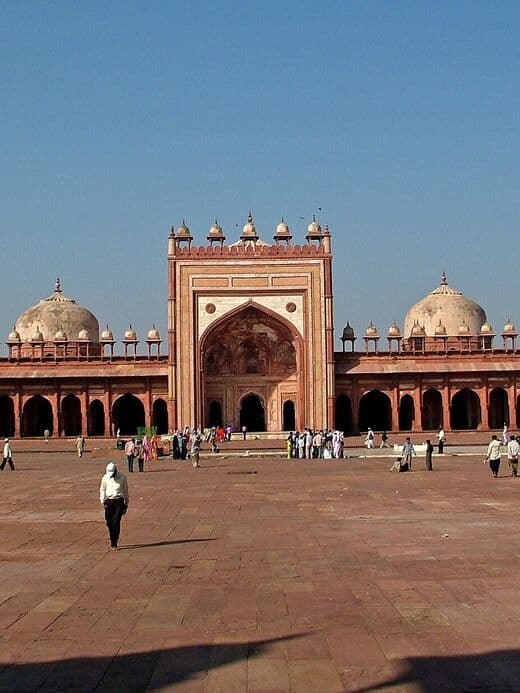
Morning, visit Fatehpur Sikri, the abandoned Mughal city 40 km from Agra. Built by Emperor Akbar in the 16th century, it was inexplicably abandoned after only 14 years. The red sandstone complex includes palaces, courtyards, and a stunning mosque. This is one of India's most evocative historical sites.
Continue to Jaipur (4-5 hours by car). Evening free to explore the Pink City's markets and perhaps see Hawa Mahal (Palace of Winds) illuminated at night.
Days 5-6: Jaipur
Day five begins at Amber Fort, the magnificent hilltop palace-fortress that showcases Rajput architecture at its finest. The Hall of Mirrors (Sheesh Mahal) dazzles, and elephant or jeep rides up the hill add to the experience. Continue to Jaigarh Fort above Amber for panoramic views and the world's largest cannon on wheels.
Return to the city for the City Palace, still partially occupied by the royal family, and Jantar Mantar, the astronomical observation site built by a scientific maharaja. Hawa Mahal deserves closer daytime inspection for its iconic facade of 953 small windows. Evening, explore the bazaars of Johari Bazaar (jewelry) and Bapu Bazaar (textiles).
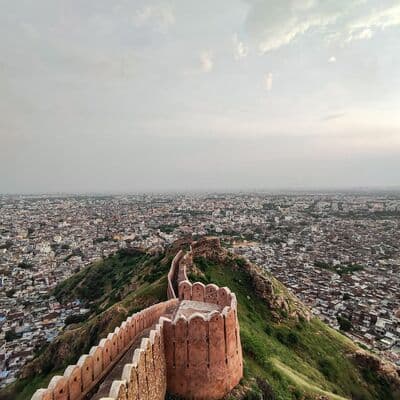
Day six could include Nahargarh Fort overlooking the city, the Jal Mahal (Water Palace) floating in Man Sagar Lake, or deeper exploration of the old city markets. Those interested in textiles might visit a block-printing workshop in Sanganer.
Day 7: Return to Delhi
Return to Delhi by train (4.5 hours) or car (5-6 hours). Depending on flight timing, squeeze in remaining Delhi sights: the mysterious Agrasen Ki Baoli stepwell, the atmospheric Hazrat Nizamuddin Dargah shrine, or shopping at the Dilli Haat handicraft market.
10 Days: Golden Triangle Plus Varanasi
Add India's spiritual heartland to the classic route.
Days 1-6: Golden Triangle (as above)
Follow the 7-day itinerary but compress slightly or extend to include more depth. Consider adding Purana Qila (Old Fort) and the National Museum in Delhi, or the Jama Masjid in Agra.
Days 7-9: Varanasi
Fly from Jaipur to Varanasi (or Delhi to Varanasi if the connection is easier). The holy city deserves at least two full days.
Take a sunrise boat ride on the Ganges along the ghats, watching the city wake up with morning prayers, yoga, cremations, and daily life unfolding simultaneously. Walk along the ghats during the day, absorbing the intensity of life and death coexisting openly. Attend the evening Ganga Aarti ceremony at Dashashwamedh Ghat, a spectacular ritual of fire, bells, and prayer.
Visit the old city's narrow alleys, dodging cows, motorcycles, and funeral processions. The Bengali Tola area offers excellent street food. The famous Kashi Vishwanath Temple requires navigating security and crowds but remains the heart of Hindu Varanasi.
Day trip to Sarnath (30 minutes away), where Buddha first taught after enlightenment. The Dhamek Stupa, archaeological museum, and Thai, Japanese, and Chinese temples built by various Buddhist communities make this a peaceful contrast to Varanasi's intensity.
Day 10: Return via Delhi
Fly Varanasi to Delhi for international departure, or extend in Delhi if timing allows.
14 Days: North India in Depth
Two weeks allows adding either Rajasthan depth or other northern destinations.
Option A: Rajasthan Extended
Days 1-6: Golden Triangle as above
Days 7-9: Jodhpur
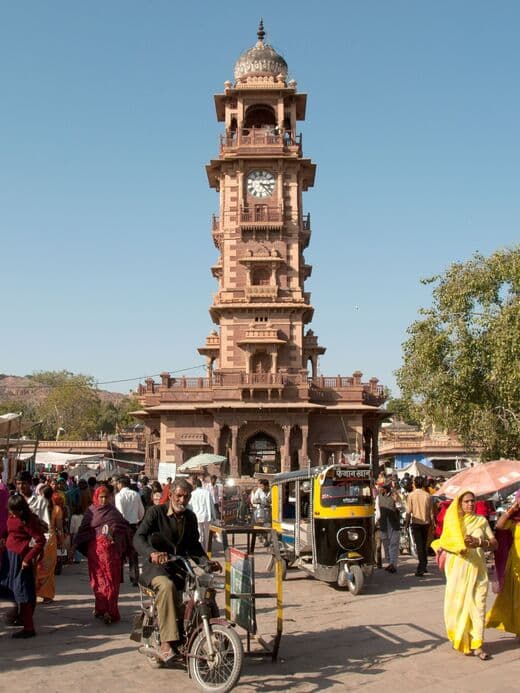
The Blue City revolves around Mehrangarh Fort, one of India's most impressive fortresses. The blue-painted houses of the Brahmin neighborhood create stunning photographs from the fort ramparts. Explore the Clock Tower and Sardar Market for spices, textiles, and local life. Jaswant Thada, a white marble memorial, offers peaceful contrast. The heritage hotel Umaid Bhawan Palace (part palace, part museum, part hotel) showcases 20th-century royal grandeur.
Days 10-12: Udaipur
The City of Lakes offers romance and relaxation. City Palace sprawls along Lake Pichola, with boat rides to the island palaces (Jag Mandir) creating memorable moments. Fateh Sagar Lake and the Monsoon Palace (Sajjangarh) provide additional explorations. Udaipur's rooftop restaurants with lake views make for magical dining. The craft traditions here (miniature painting, textiles) reward shopping enthusiasts.
Days 13-14: Return via Jaisalmer or direct to Delhi
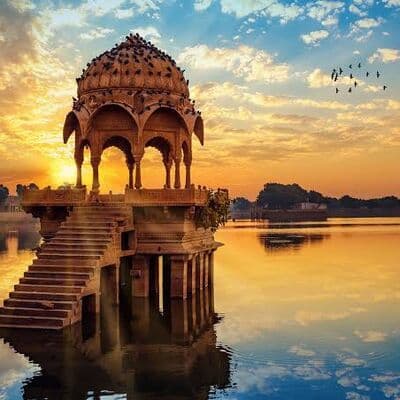
If time allows, add Jaisalmer for desert experiences. The Jaisalmer Fort is unique as a living fort still inhabited by thousands. The Patwon Ki Haveli showcases elaborate merchant architecture. Gadisar Lake provides sunset tranquility. The highlight is a night in the Sam Sand Dunes, with camel rides and desert camping under stars.
Option B: Adding Rishikesh and Amritsar
Days 1-6: Golden Triangle
Days 7-8: Rishikesh
Train or drive to Rishikesh (5-6 hours from Delhi). Walk across Laxman Jhula and Ram Jhula, join yoga classes or attend evening aarti at Triveni Ghat. Visit the Beatles Ashram for history and photography. Optional activities include white-water rafting, bungee jumping, or simply absorbing the ashram atmosphere.
Days 9-10: Amritsar
Fly or train to Amritsar (or long drive via Delhi). The Golden Temple is the Sikh faith's holiest shrine and India's most visited religious site. Spend hours here, circling the sacred pool, sitting in the main hall listening to continuous hymns, and eating in the massive community kitchen (langar) that feeds 100,000 daily. Visit early morning, late night, and during the day to see different atmospheres.
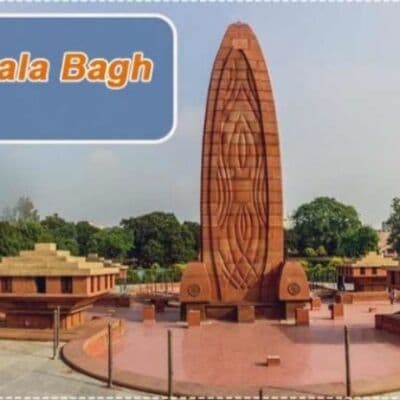
Jallianwala Bagh commemorates the 1919 British massacre, a pivotal event in India's independence struggle. The evening flag-lowering ceremony at Wagah Border with Pakistan features theatrical patriotism from both sides.
Days 11-14: Varanasi and return (as in 10-day itinerary)
21 Days: The Ultimate North-South Combination
Three weeks allows combining northern cultural sites with southern India's different character.
Days 1-10: North India
Follow the 10-day Golden Triangle plus Varanasi itinerary, or substitute Option B with Rishikesh and Amritsar.
Fly to Mumbai for a day or two. See the Gateway of India, Chhatrapati Shivaji Terminus, and Elephanta Caves. Walk Marine Drive at sunset and explore Colaba's cafes and shops. Alternatively, skip Mumbai and fly directly to Goa.
In Goa, choose beaches according to your style: lively Baga and Anjuna in the north, or quieter Palolem and Agonda in the south. Visit Old Goa's churches (Basilica of Bom Jesus, Se Cathedral), explore Fontainhas Portuguese quarter, hit the Anjuna Flea Market (Wednesday) or Mapusa Friday Market.
Days 15-17: Hampi
Bus from Goa to Hampi (7-8 hours) or fly via Hubli or Bangalore. The ruined capital of the Vijayanagara Empire sprawls across a surreal boulder-strewn landscape. Rent a bicycle to explore the Virupaksha Temple, Vittala Temple with its Stone Chariot, and countless other monuments. Cross the river to Hippie Island for a more relaxed atmosphere and rice paddy views.
Days 18-21: Kerala
Fly from Hubli to Kochi. Explore Fort Kochi's colonial architecture, Chinese Fishing Nets, Mattancherry Palace, and Paradesi Synagogue. Attend a Kathakali performance.
Travel to Alleppey for a night on a houseboat through the backwaters, one of India's most iconic experiences. Float through Vembanad Lake and its canal networks, watching village life unfold along the banks.
If time allows, head to Munnar hill station for tea plantations and the Eravikulam National Park.
Fly out from Kochi, or connect through Delhi or Mumbai.
Staying Connected: Internet, Phones, and Communication
SIM Cards and Mobile Data
Getting an Indian SIM card with data is straightforward and inexpensive. Major carriers include Jio (best coverage), Airtel, and Vi (Vodafone-Idea). Prepaid SIM cards with substantial data packages cost $5-15 for a month.
The catch: foreign tourists need to purchase SIM cards at official stores with passport documentation. The process involves paperwork and verification that can take several hours to a day to activate. Airport kiosks offer tourist SIM cards with faster activation at slightly higher prices.
Once activated, 4G coverage is excellent in cities and decent along major routes. Rural and remote areas (including parts of Ladakh) may have limited coverage. Data speeds are generally good enough for video calls, maps, and all standard travel uses.
For short trips, international roaming or eSIMs (Airalo, Holafly) provide alternatives without SIM card hassles, though at higher cost.
Wi-Fi Availability
Hotels at all levels typically offer Wi-Fi, though quality varies from excellent to frustrating. Upmarket hotels generally provide reliable connections. Budget accommodations may have spotty Wi-Fi, and common area connections can be weak in rooms.
Cafes in tourist areas often have Wi-Fi, though speeds are inconsistent. Starbucks, Costa, and similar chains offer reliable connections. Co-working spaces are available in major cities for those needing professional-grade internet.
Government Wi-Fi hotspots exist at some railway stations and public spaces, requiring phone verification to access.
Communication with Home
WhatsApp is universal in India and the best way to communicate with local contacts. Download before arrival if you do not already have it. Calling and messaging over WhatsApp works well on Indian data connections.
Video calling (Zoom, FaceTime, WhatsApp video) works reliably on most connections. Major platform apps (Facebook, Instagram, Gmail) function normally.
VPNs: Some government Wi-Fi and institutional networks block VPNs. Commercial VPNs generally work on private connections and mobile data, useful for accessing content restricted in India or securing connections on public Wi-Fi.
Indian Cuisine: A Comprehensive Guide to Eating
Food is one of India's greatest attractions. The diversity, intensity, and sophistication of Indian cuisine surpasses what most foreigners imagine based on their home-country Indian restaurants.
Regional Cuisines
North Indian: This is what most Westerners know as Indian food. Creamy curries (butter chicken, dal makhani), tandoori-grilled meats, naan and roti breads, biryani rice dishes. The Mughal influence shows in rich preparations with nuts, cream, and dried fruits. Delhi and Lucknow offer the most refined versions of this cuisine.
Rajasthani: Desert cooking developed around scarcity. Dishes like dal bati churma (lentils with baked bread balls and sweet crumble), gatte ki sabzi (gram flour dumplings in curry), and ker sangri (desert beans and berries) showcase creative use of limited ingredients. Game meats and robust spicing characterize the royal hunting cuisine. Try this in Jaipur, Jodhpur, and Udaipur.
Punjabi: Hearty, rich cooking featuring extensive dairy (paneer, cream, butter), grilled meats, and robust flavors. The cuisine of dhabas (roadside eateries) that has become comfort food across India. Amritsar is the capital of Punjabi cuisine.
South Indian: Completely different from northern cooking. Rice-based rather than wheat-based, featuring dosas (fermented rice crepes), idlis (steamed rice cakes), sambar (vegetable lentil stew), and coconut chutneys. Lighter, more vegetal, with coconut and curry leaves featuring prominently. Kerala, Tamil Nadu, and Karnataka each have distinct variations.
Goan: Portuguese influence created a unique fusion. Fish curries, pork vindaloo (originally a Portuguese wine and garlic dish), xacuti and cafreal preparations reflect colonial heritage. Goan sausages (chorizo) and seafood dominate. Try feni, the local cashew or coconut spirit.
Bengali: Fish and sweets define this cuisine. Hilsa fish cooked in mustard sauce, machher jhol (fish curry), and an astonishing variety of sweets (rosogolla, sandesh, mishti doi) showcase Bengali culinary prowess. Kolkata is the center.
Hyderabadi: The fusion of Mughal and local Telugu cuisines created Hyderabadi biryani (distinct from all other biryanis), haleem (slow-cooked meat with wheat), and elaborate royal preparations.
Street Food Essentials
Indian street food is legendary, delicious, and yes, sometimes risky. Here are must-tries:
Chaat: The king of Indian snacks. Pani puri (crisp shells filled with spiced water), bhel puri (puffed rice mix), dahi puri, sev puri, aloo tikki, papdi chaat. These tangy, spicy, sweet combinations are addictive. Find them everywhere; Delhi's Chandni Chowk and Mumbai's Chowpatty Beach are famous spots.
Paratha: Stuffed flatbreads, often breakfast fare. Aloo (potato) paratha is most common; Delhi's Paranthe Wali Gali offers dozens of variations.
Dosa: South Indian crepes now available throughout India. Masala dosa (stuffed with spiced potato) is the classic; restaurants compete with ever-larger and more elaborate versions.
Vada pav: Mumbai's signature street food. A spiced potato fritter in a bread roll with chutneys. Simple, cheap, satisfying.
Momos: Tibetan dumplings ubiquitous in North India. Steamed or fried, filled with vegetables, chicken, or pork. Popular in Delhi, Darjeeling, and anywhere with Tibetan influence.
Kebabs: Lucknow and Old Delhi excel in kebabs. Galouti kebabs (so tender they melt), seekh kebabs, kakori kebabs. Often served in Mughlai restaurants or from evening street vendors.
Pav bhaji: Mumbai street food of mashed vegetable curry with buttered bread rolls. Look for stalls with large flat griddles keeping the bhaji hot.
Sweet Endings
Indian sweets (mithai) are intense, sweet, and often unfamiliar to Western palates. Must-tries include:
Gulab jamun: Deep-fried milk balls in sugar syrup. The benchmark Indian sweet, available everywhere.
Jalebi: Bright orange spirals of fried batter soaked in syrup. Best served hot and crispy.
Kulfi: Indian ice cream, denser and more intense than Western versions. Malai (cream) and pista (pistachio) are classic flavors.
Rasmalai: Spongy cheese balls in sweetened thickened milk. Bengali origin but popular nationally.
Kheer: Rice pudding. Simpler than it sounds but delicious when well made.
Regional specialties: Mysore pak (Karnataka), Dharwad peda (Karnataka), Kalakand (Rajasthan), Petha (Agra), Sandesh (Bengal).
Drinking Culture
Chai: Masala chai (spiced tea with milk) is the national drink, available at every corner from chaiwallas for a few rupees. Chai varies by region: ginger-heavy in the north, cardamom in the south. Darjeeling and Assam produce world-famous teas worth seeking in their origins.
Coffee: South India has a serious coffee culture. Filter coffee (decoction with milk, served in steel tumblers) differs entirely from Western espresso culture. Chicory-blend coffee is traditional in the south.
Lassi: Yogurt drinks, either sweet, salty, or fruited. Punjabi lassi (thick, rich, sometimes with makkhan/butter) differs from southern buttermilk (thinner, spiced). Bhang lassi in Varanasi contains cannabis and is legally sold at government shops.
Fresh juice: Sugarcane juice, fresh lime soda (nimbu pani), coconut water, and seasonal fruit juices are refreshing street options. Stick to freshly prepared rather than pre-made for safety.
Alcohol: Indian beer (Kingfisher is the ubiquitous brand) is decent lager. Old Monk rum has a devoted following. Indian wine has improved dramatically, with Sula leading the industry. Feni in Goa and toddy (palm wine) in Kerala are regional specialties.
Practical Eating Tips
Wash hands before eating. Many Indians eat with their right hand, and handwashing facilities are usually available.
Start mild and increase spice gradually. Dishes marked "medium" at tourist restaurants might be genuinely spicy. When in doubt, ask for less chili.
Vegetarian food is easy to find; India is the most vegetarian-friendly country in the world. Pure vegetarian restaurants are marked and extremely common.
Thali meals offer samplers of multiple dishes and are excellent for trying regional cuisines. These set meals (typically rice, bread, several curries, dal, pickle, sweet) offer tremendous value and variety.
Street food is most safely consumed from busy stalls (high turnover means fresh food), when cooked to order (you watch it being made), and served on disposable plates or banana leaves rather than reusable dishes.
Shopping in India: What to Buy and Where
Textiles and Fabrics
India's textile traditions are unparalleled. Major purchases include:
Pashmina shawls: Genuine pashmina comes from the fine undercoat of Himalayan goats. The best come from Kashmir, though sold throughout tourist India. Expect to pay $50-200 for quality pieces; extremely cheap pashminas are likely synthetic blends. Test by pulling threads (pashmina tears easily) or checking for the characteristic warmth when wrapped.
Block-printed fabrics: Rajasthan excels in traditional block printing. Jaipur's Sanganer and Bagru villages are centers of production. Tablecloths, bedspreads, clothing, and yardage for custom tailoring are popular purchases. Prices vary based on complexity of printing and fabric quality.
Silk: Varanasi (Benaresi silk brocades), Kanchipuram (heavy silk sarees), and Mysore (pure silk) each produce distinct styles. For serious purchases, visit showrooms in the production cities. A quality Benaresi silk saree ranges from $100-2,000 depending on gold content in the weaving.
Embroidered textiles: Gujarat's mirror-work (shisha) embroidery, Kashmir's crewel embroidery, and Lucknow's chikankari white-on-white embroidery represent distinct traditions. Kutch (Gujarat) is the best destination for traditional embroidery.
Jewelry
Gold: India is the world's second-largest consumer of gold, and jewelry is serious business. Jaipur specializes in kundan (glass set in gold) and meenakari (enamel work). Hyderabad offers distinctive pearl jewelry. Quality and gold purity vary; stick to established jewelers for significant purchases.
Silver: More accessible than gold, silver jewelry is produced throughout India. Rajasthan's tribal-style silver, Tamil Nadu's temple jewelry reproductions, and contemporary designs in Delhi boutiques cover the range.
Gemstones: Jaipur is India's gem capital, famous for emeralds, rubies, and sapphires. Serious buyers should work with reputable dealers and consider getting gems certified. Avoid tourist-area shops that promise export profits or exceptional deals.
Handicrafts
Carpets: Kashmir produces the finest Indian carpets, though significant production also occurs in Agra and Rajasthan. Silk carpets are most valuable; wool carpets are more durable. Hand-knotted carpets are identified by irregular back patterns. Major purchases benefit from home shipping arrangements.
Woodwork: Kashmiri walnut woodcarving, Rajasthani furniture, South Indian rosewood items, and Mysore sandalwood carvings represent regional traditions.
Metalwork: Bidriware (silver inlay on black alloy) from Bidar, brass work from Moradabad, bronze castings from Tamil Nadu, and Rajasthani enamelwork offer distinctive options.
Paintings: Miniature paintings continue in Rajasthan (Rajput and Mughal styles), while Madhubani paintings from Bihar, Warli art from Maharashtra, and Kerala murals represent folk traditions. Quality ranges from mass-produced tourist work to genuine artistry; learn to distinguish them.
Spices and Food Items
Whole spices from Indian markets are fresher and cheaper than home-country imports. Cardamom, peppercorns, cinnamon, cloves, cumin, coriander, and spice blends (garam masala, chai masala) make excellent gifts. Dilli Haat in Delhi and Crawford Market in Mumbai offer one-stop spice shopping.
Tea from Darjeeling and Assam, coffee from Karnataka, dried fruits and nuts from Kashmir, and specialty items like Kerala black pepper are other food items worth carrying home.
Shopping Tips
Government emporiums (like Cottage Industries Exposition in Delhi or Rajasthan's Rajasthali) offer fixed prices and quality guarantees, useful for baseline pricing even if you ultimately buy elsewhere.
Markets offer better prices but require bargaining skills. Start at 40-50% of asking price; settle around 60-70%. Compare prices across multiple shops before major purchases.
Export restrictions apply to antiques (over 100 years old). Obtain certificates for valuable purchases and declare items at customs. Some items (certain wildlife products, antiquities) cannot be exported legally.
Many shops offer shipping services for large purchases. Get detailed shipping agreements in writing, pay with credit cards for dispute protection, and keep all documentation.
Essential Apps for India Travel
Download these before arrival:
Maps.me or Google Maps offline: Download offline maps for all regions you will visit. Mobile data coverage can be spotty, and navigation is essential. Google Maps has excellent coverage of Indian cities and towns.
Ola/Uber: Ride-sharing apps eliminate rickshaw negotiations and provide safety through GPS tracking. Ola has better coverage in some cities.
IRCTC Rail Connect: Official Indian Railways booking app. Requires registration but allows you to check schedules, book tickets, and manage reservations.
MakeMyTrip/Cleartrip: Multi-function travel booking apps for flights, hotels, trains, and buses. Easier interfaces than official sites in some cases.
WhatsApp: Essential for communication in India. Everyone uses it, including hotels, drivers, and local businesses.
Google Translate: Download Hindi and any regional languages (Tamil, Malayalam, Bengali) for offline use. Camera translation helps with signs and menus.
Currency converter: Any app for quick rupee conversions. XE Currency works well offline.
Zomato/Swiggy: Restaurant discovery and food delivery apps. Useful for finding highly-rated local restaurants and reading reviews in English.
Delhi Metro Rail: Route planning for Delhi's excellent metro system.
mParivahan: Government app useful for verifying vehicle registration (helpful when taking shared vehicles).
Conclusion: Preparing for the Journey
India will change you. This is not travel hyperbole but an observation made by virtually everyone who spends significant time in the country. The intensity of the experience, the depth of the culture, the chaos and the beauty, the frustrations and the revelations, these leave marks that do not fade.
I have given you practical information throughout this guide, but let me leave you with some final thoughts on preparation.
Come with patience. Things will not go according to plan. Trains will be late. Hotels will disappoint. Scams will succeed despite your precautions. Your stomach will rebel. These are not failures of your trip but inherent aspects of traveling in India. How you respond to these challenges determines your experience.
Come with openness. India confounds expectations. The poverty is real, but so is the joy. The chaos is overwhelming, but patterns emerge. The differences seem insurmountable, but human connection transcends them. Let India surprise you instead of fighting to confirm what you think you already know.
Come with humility. You are visiting a civilization that was ancient when Rome was young, a democracy that functions (messily) for 1.4 billion people, a society that has absorbed countless invasions and influences while maintaining its essential character. Your two or three weeks of tourism will barely scratch the surface. Accept this limitation and appreciate what little glimpses you do receive.
Come with curiosity. Ask questions. Accept invitations. Wander without purpose. Some of the best experiences in India are unplanned: the festival you stumble upon, the family that invites you to a wedding, the conversation that shifts your perspective. Leave room in your itinerary for serendipity.
Come prepared to return. Almost no one feels satisfied with a single trip to India. The country is too vast, too diverse, too complex for one visit to suffice. Think of your first trip as an introduction, a sampling of what might become a lifelong relationship with this endlessly fascinating place.
The Taj Mahal will be magnificent. The Ganga Aarti will be moving. The food will be delicious. But the moments you will remember longest are probably ones I cannot predict, ones that arise from the unique chemistry between who you are and what India chooses to show you.
Travel safely, stay healthy, keep your sense of humor, and prepare to be transformed. India awaits.
Practical Checklist Before Departure:
- Apply for e-Visa at least 7 days before travel
- Ensure passport is valid for 6+ months with 2 blank pages
- Consult travel health clinic 4-6 weeks before departure
- Download offline maps and essential apps
- Book first nights accommodation and any must-do trains in advance
- Notify bank of travel dates
- Arrange comprehensive travel insurance including medical evacuation
- Copy important documents (passport, visa, insurance, itinerary) digitally and in print
- Pack adapter plugs (India uses Type C, D, and M outlets)
- Pack basic medical kit and any prescription medications
- Register with your embassy smart traveler program
- Share itinerary with emergency contacts at home
Welcome to India. Your adventure begins.