Mumbai
Mumbai 2026: What to Know Before Your Trip
Mumbai is not just India's financial capital - it's a living, breathing organism that operates on its own rhythm. A city of 22 million people crammed onto a narrow peninsula, where billionaires live blocks away from slums, where Bollywood dreams are manufactured alongside Asia's most innovative startups, and where the best meal you'll ever have might cost 50 cents from a street cart.
Here's what you need to know upfront: Mumbai will overwhelm you. The humidity hits the moment you step off the plane. The traffic will test your patience. But push through that initial shock, and you'll discover a city with energy unlike anywhere else - where colonial-era architecture stands next to art deco masterpieces, where ancient temples share streets with trendy cocktail bars.
The quick answer: Plan for at least 4 days (3 is rushed), stay in Colaba or Bandra West for first-timers, visit between November and February for the best weather, budget $50-150 per day depending on your comfort level, and download Ola or Uber before you land. Come with an open mind and an empty stomach - both will be filled beyond capacity.
Mumbai Neighborhoods: Where to Stay
Mumbai's geography is simple: it's a long peninsula stretching north to south. South Mumbai (the tip) has the historic sites and colonial charm. As you head north, you move through different eras of the city's development. Where you stay dramatically affects your experience.
Colaba: The Classic Choice
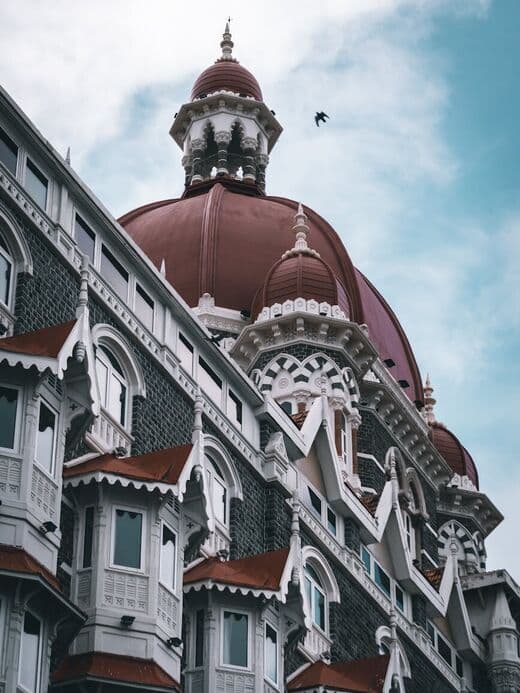
If this is your first time in Mumbai, Colaba is your neighborhood. The Gateway of India is here, along with the iconic Taj Mahal Palace Hotel. You're walking distance to the main tourist sights, museums, and the atmospheric Colaba Causeway market. Hotels range from budget guesthouses ($30-50/night) to the Taj itself ($300+). The downside? It's the most touristy area. But for convenience and that quintessential Mumbai experience, it's hard to beat.
Fort and Kala Ghoda: Art and Architecture
Just north of Colaba, this area is Mumbai's cultural heart. The Chhatrapati Shivaji Maharaj Vastu Sangrahalaya anchors the neighborhood. You'll find art galleries, indie bookshops, upscale boutiques, and excellent restaurants within a compact, walkable area. Hotels here tend toward mid-range and boutique ($80-180/night). The Kala Ghoda Arts Festival in February transforms the streets into an open-air gallery.
Bandra West: The Trendy Suburb
Bandra is where young Mumbai lives. This western suburb has transformed into the city's coolest neighborhood, packed with cafes, rooftop bars, street art, and independent boutiques. Bandra Bandstand offers a scenic promenade where locals jog at sunset. Bandra is 45-60 minutes from South Mumbai by taxi, so you'll spend time in transit, but if you want modern Indian urban life rather than colonial monuments, this is your spot. Hotels and Airbnbs run $60-150/night.
Juhu: Beach Vibes and Bollywood
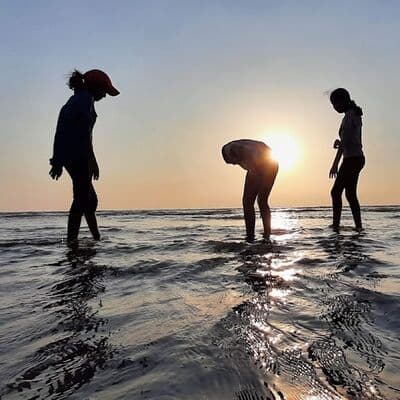
Juhu Beach is where Mumbaikars unwind. The beach is more atmospheric than pristine - come for sunset chai and street food, not swimming. This neighborhood is home to many Bollywood celebrities. It's convenient to the domestic airport, making it practical for short trips. Hotels range from JW Marriott ($200+) to budget options ($50-80). The trade-off is distance from tourist sights - plan on 60-90 minutes to reach South Mumbai.
Worli and Lower Parel: Business and Nightlife
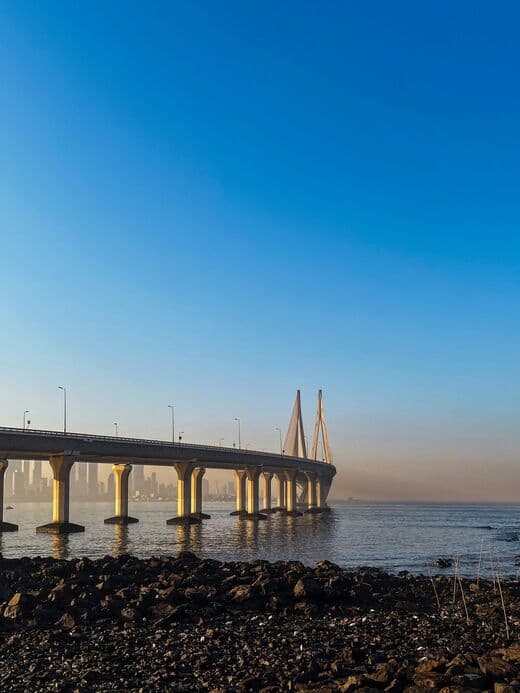
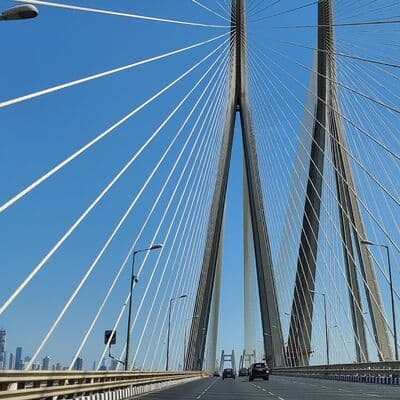
Central Mumbai has transformed from industrial mills to gleaming towers, trendy restaurants, and the city's best nightlife. The Bandra-Worli Sea Link provides stunning views. This area suits business travelers or those who prioritize dining and nightlife over sightseeing. Luxury hotels dominate ($150-350/night). The location gives reasonable access to both South Mumbai and the suburbs.
Malabar Hill: Quiet Luxury
Perched above Marine Drive, Malabar Hill is Mumbai's most exclusive residential area. Hanging gardens and spectacular city views make this a peaceful retreat. Hotel options are limited, but heritage properties and luxury apartments are available. You'll need taxis to get anywhere, but the tranquility is worth it. Expect $100-250/night.
Best Time to Visit Mumbai
Mumbai's weather is simple: hot and humid, hotter and more humid, or drowning. The city has three distinct seasons, and choosing the right one makes an enormous difference.
Winter (November to February): Peak Season
This is when you want to visit. Temperatures hover around 25-32C (77-90F), humidity drops to bearable levels, and the city comes alive with festivals. December and January are particularly pleasant - you can walk around during the day without melting. Expect higher hotel prices (20-40% above average) and crowds at popular sites. Book accommodation 2-3 weeks in advance.
Summer (March to May): The Furnace
Unless you have business here, avoid these months. Temperatures exceed 35C (95F) with brutal humidity. Hotels are cheaper (30-50% less), but you'll spend savings on air-conditioned transport. If you must visit, early mornings are the only comfortable time for sightseeing.
Monsoon (June to September): The Drama
Mumbai's monsoon is legendary. The city floods regularly, trains stop running, traffic becomes apocalyptic. That said, if you're adventurous, the monsoon has charms. The city is green, waterfalls appear in Sanjay Gandhi National Park. Pack waterproof everything and know your shoes will not survive. Hotel prices drop 40-60%.
Key Festivals
Ganesh Chaturthi (August/September): Mumbai's biggest festival with massive processions. Amazing to experience, challenging for sightseeing. Diwali (October/November): The festival of lights transforms the city. Book early.
Mumbai Itinerary: 3 to 7 Days
Here's a flexible day-by-day guide. Adjust based on your interests, but this structure ensures you hit the highlights while leaving room for spontaneous discoveries.
Day 1: South Mumbai Essentials
8:00 AM: Start at the Gateway of India before the crowds arrive. Morning light is perfect for photos. Spend 30-45 minutes soaking in the waterfront atmosphere.
9:00 AM: Walk to the Taj Mahal Palace Hotel for breakfast. The Sea Lounge offers stunning harbor views. Budget $25-40.
10:30 AM: Head to the Chhatrapati Shivaji Maharaj Vastu Sangrahalaya. This museum deserves 2-3 hours - the sculpture collection is world-class. Entry approximately $7 for foreigners.
1:30 PM: Lunch in Kala Ghoda. Britannia & Co. for Parsi cuisine or Pantry for modern cafe fare.
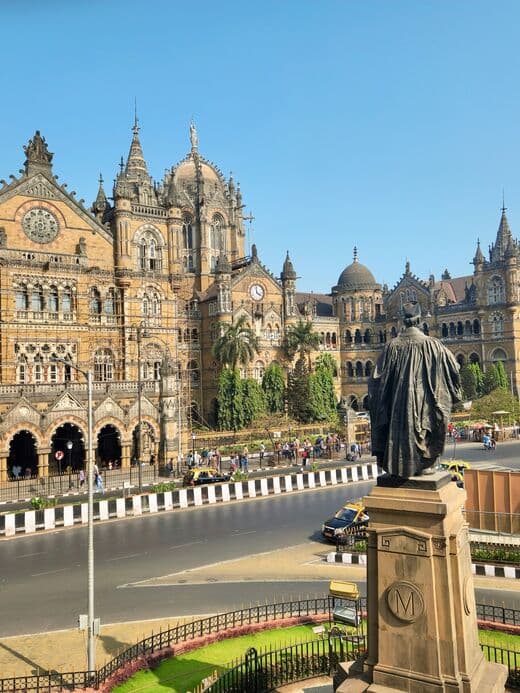
3:00 PM: Walk through the Fort area, admiring Victorian Gothic architecture around Flora Fountain and Chhatrapati Shivaji Terminus. The train station is UNESCO World Heritage - go inside even if not taking a train.
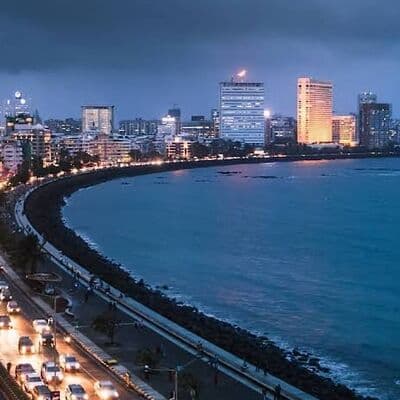
5:30 PM: Head to Marine Drive for sunset. Find a spot on the seawall and watch the sky turn orange over the Arabian Sea.
8:00 PM: Dinner in Colaba. Leopold Cafe for traveler atmosphere, or Bademiya for legendary kebabs.
Day 2: Spirituality and Street Life
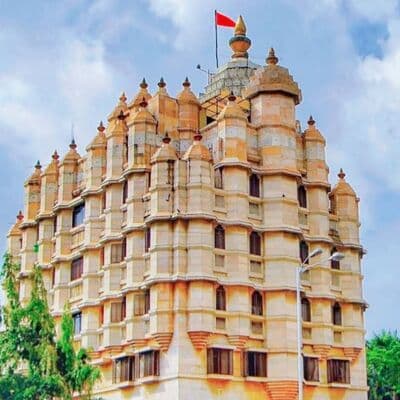
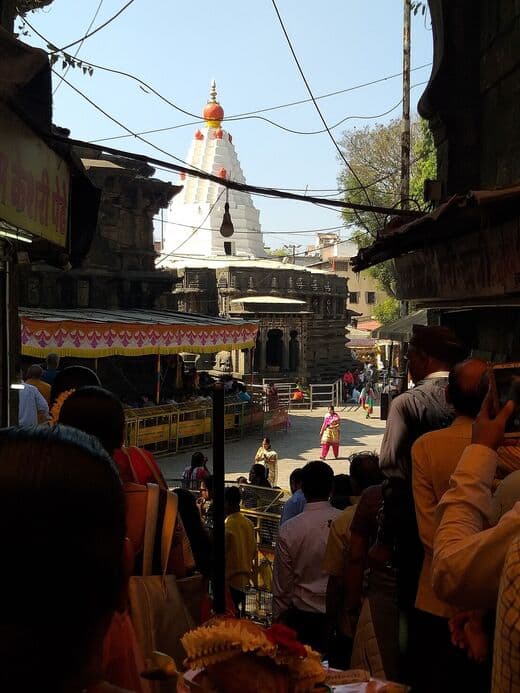
7:00 AM: Beat the crowds to Siddhivinayak Temple, Mumbai's most important Hindu temple. Weekday mornings mean shorter queues (30-45 minutes vs. 2-3 hours on weekends).
9:30 AM: Taxi to Mahalaxmi Temple, then walk to Haji Ali Dargah. This mosque sits on an islet connected by a narrow causeway - one of Mumbai's most iconic images. Visit at low tide.
12:00 PM: Head to Dhobi Ghat, the world's largest outdoor laundry. Best views are from the bridge near Mahalaxmi station.
1:30 PM: Lunch at local joints near Lower Parel. Ram Ashraya or Cafe Madras for South Indian vegetarian.
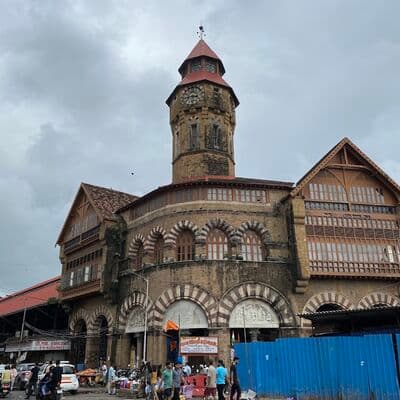
3:30 PM: Explore Crawford Market, a Victorian-era building with stunning architecture.
6:00 PM: Evening at Juhu Beach. Street food paradise - pav bhaji, pani puri, chaat. Stay for sunset with families, cricket games, and food vendors.
Day 3: Islands and Caves
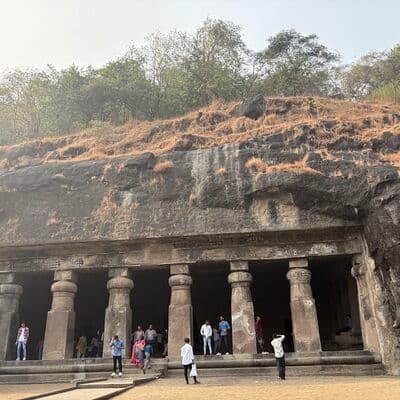
9:00 AM: Ferry from Gateway of India to Elephanta Caves. The one-hour boat ride is an experience itself. The UNESCO caves contain remarkable 5th-century Shiva sculptures. Budget the entire morning - you'll need it for the boat, the 100+ step climb, and exploration. Cost: approximately $8-10 for ferry plus $8 cave entry.
2:00 PM: Late lunch back in Colaba.
6:30 PM: Sunset cocktails at Aer (Four Seasons, Worli) with views of Bandra-Worli Sea Link. Expect $15-20 per cocktail.
9:00 PM: Dinner at Lower Parel. Masala Library for high-end Indian, or The Bombay Canteen for modern regional cuisine ($40-80 per person).
Days 4-5: Deeper Exploration
Option A - Bandra Day: Spend a full day in Bandra West. Breakfast at Pali Village Cafe, explore street art, browse Linking Road markets, visit Bandra Fort for sunset, end with dinner.
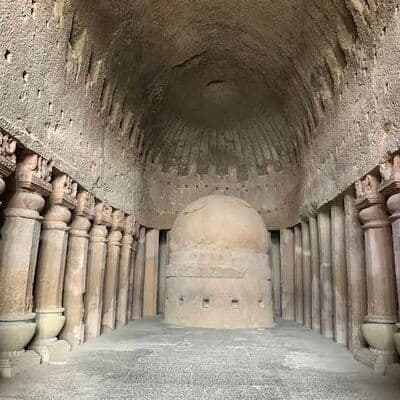
Option B - National Park: Sanjay Gandhi National Park offers escape from urban chaos. Hike to Kanheri Caves (109 Buddhist caves from 1st century BCE). Start early to avoid heat. Plan a full day.
Option C - Heritage Walk: Book a walking tour of the Art Deco district along Marine Drive. Mumbai has the world's second-largest Art Deco collection after Miami. Tours run $20-40.
Option D - Food Tour: Dedicate a day to eating through Mumbai. Start at an Irani cafe, hit street food at lunch, try regional specialties, end with fine dining. Guided tours run $50-80.
Days 6-7: Extended Stay
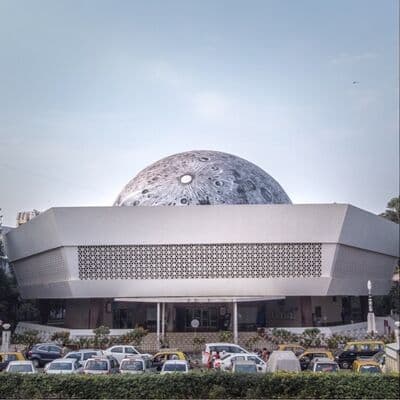
With a full week, venture further: day trip to Lonavala hill station (3 hours), explore Dharavi with a responsible tour operator, or slow down and live like a local. Visit Nehru Planetarium with kids, or catch a Bollywood film at Regal or Eros cinema.
Where to Eat in Mumbai
Mumbai is arguably India's greatest food city. The diversity is staggering - Parsi, Maharashtrian, South Indian, Punjabi, coastal seafood, and global cuisines all thrive here.
Street Food: The Essential Experience
Mumbai's street food is legendary and generally safe at busy stalls with high turnover. Chowpatty Beach is the classic spot for chaat. Mohammed Ali Road comes alive during Ramadan with spectacular kebabs. Juhu Beach has an entire ecosystem of food vendors. Budget $2-5 for a filling meal.
Local Joints: Authentic Flavor
Britannia & Co (Fort): 100-year-old Parsi restaurant. The berry pulao with salli chicken is unmissable. Lunch only, closed Sundays. $8-15.
Ram Ashraya (Matunga): South Indian breakfast perfection. Dosas and idlis set the standard. Cash only, $3-6.
Cafe Mondegar (Colaba): Atmospheric cafe with colorful murals and cold beer. $10-20.
Swati Snacks (multiple locations): Upscale Gujarati street food in air-conditioned comfort. $10-15.
Mid-Range: Quality Without Splurging
The Bombay Canteen (Lower Parel): Modern Indian using regional ingredients. Creative cocktails, excellent brunch. $25-50.
Trishna (Fort): Coastal seafood, particularly the butter pepper garlic crab. Book ahead. $30-50.
Kyani & Co (Marine Lines): Historic Irani cafe serving bun maska and chai since 1904. $3-8.
Fine Dining: Special Occasions
Masala Library (BKC): Molecular gastronomy meets Indian cuisine. Tasting menus offer a subcontinent journey. $80-120.
Indian Accent (BKC): Manish Mehrotra's inventive modern Indian, rated among Asia's best. $100-150.
What to Try: Mumbai's Essential Foods
You haven't experienced Mumbai until you've eaten these dishes. This is your edible checklist.
Vada Pav: The City's Soul Food
Mumbai's answer to the burger - a spiced potato fritter in a soft bread roll, served with chutneys. It costs 15-30 rupees ($0.20-0.40) and fuels the entire working class. The best come from nondescript stalls outside train stations. This is the one dish you must eat, preferably standing on a crowded sidewalk.
Pav Bhaji: Street Food Perfection
A thick, buttery vegetable curry served with soft bread rolls, topped with raw onion and lemon. Watch the vendor work the massive griddle, adding unconscionable amounts of butter. Cannon Pav Bhaji on Chowpatty is the original. $1-3.
Bhel Puri and Chaat
Puffed rice mixed with vegetables, chutneys, and crunchy bits - a textural explosion. Chowpatty Beach vendors have perfected this. Order sev puri and pani puri too. $1-2 per serving.
Parsi Cuisine
The Parsi community has contributed unique dishes. Try akuri (spiced scrambled eggs), salli boti (meat with crispy potato straw), and berry pulao. Britannia and Ideal Corner are classic spots.
Coastal Seafood
Mumbai sits on the Arabian Sea. Bombil fry (Bombay duck, actually a fish), pomfret tawa fry, and prawn koliwada are local specialties. Gajalee and Mahesh Lunch Home are reliable choices.
Irani Cafe Classics
Order bun maska (buttered bread), chai, and mawa cake at historic spots like Kyani & Co or Yazdani Bakery. The experience matters as much as the food - cracked Formica tables, ancient fans, no-nonsense service.
Mumbai Secrets: 12 Local Tips
Here's what I wish someone had told me from day one.
1. Local trains are not as scary as they seem. The train network is Mumbai's circulatory system. Experience it during non-peak hours (11 AM - 4 PM). Start with the Western Line between Churchgate and Bandra.
2. Bargain at Colaba Causeway, not Crawford Market. Colaba prices for tourists are inflated 3-5x. Start at 20-30% of asking price. Crawford has locals too, so prices are fairer.
3. Sunday morning is the only time to see South Mumbai without crowds. Streets are peaceful until about 10 AM. Use this window for photography.
4. The best chai costs 10 rupees ($0.12) from street stalls. Fancy cafes charge 10x more for inferior product. Find a busy chai wallah.
5. Marine Drive is magical at 5:30 AM. Arrive before sunrise to see joggers, yoga practitioners, and the city waking up. Photography light is unmatched.
6. Carry small bills and coins. Breaking large notes frustrates vendors and taxi drivers. Get change from your hotel daily. Keep 100-500 rupee notes accessible.
7. Monsoon flooding is serious. If visiting June-September, check weather forecasts daily. When it floods, even short distances become impossible.
8. AC trains and metro are worth the premium. For extra rupees, you get air conditioning and fewer crowds. The new metro lines are modern and efficient.
9. Dress modestly at temples. Long pants or skirts and covered shoulders are sufficient. Wear slip-ons for easy shoe removal.
10. See a Bollywood film at an old cinema. Try Regal (Colaba) or Eros (Churchgate). Crowd reactions during action scenes and musical numbers are entertainment themselves. Tickets $3-8.
11. Gateway of India touts are relentless but harmless. Firmly decline boat rides and balloon sellers. A polite but absolute "no" repeated 2-3 times works.
12. Late-night Mumbai is surprisingly safe. Bandra, Lower Parel, and Colaba remain active past midnight. Use common sense, but don't retreat to your hotel at sunset.
Transport and Getting Around Mumbai
Mumbai's transport infrastructure mixes colonial-era railways, modern metro lines, and app-based convenience.
Getting to Mumbai
Chhatrapati Shivaji Maharaj International Airport (BOM) handles both international and domestic flights. Terminal 2 (international) is architecturally stunning. Direct flights connect to major US hubs (New York, San Francisco) and European cities. Flight time from New York is approximately 16 hours; from London, 9 hours direct.
From airport to South Mumbai: pre-paid taxi ($20-25), Uber/Ola ($15-20), or new metro (approximately $1). Journey takes 60-90 minutes depending on traffic.
Ride-Hailing Apps
Download Ola and Uber before you land. Both work throughout Mumbai and accept international credit cards. A 30-minute ride typically costs $5-12. Apps show fare estimates upfront, eliminating negotiation stress. Auto-rickshaws are also available on apps for shorter, cheaper trips (no AC). Note: rickshaws are banned in South Mumbai.
Local Trains
Mumbai's suburban railway carries 7.5 million passengers daily. First-class tickets cost about 15x general class but provide significantly more space. Avoid rush hours (8-10 AM, 5-8 PM). Off-peak, trains are manageable and efficient. Single tickets cost $0.10-0.50 from station counters.
Metro
Mumbai's expanding metro network is modern, air-conditioned, and efficient. Tickets are $0.20-0.60. The metro is significantly less crowded than trains and easier for tourists. More lines are opening throughout 2026.
Taxis and Ferries
Mumbai's black-and-yellow taxis are iconic. Insist on the meter running. Minimum fare is about $0.30 with reasonable per-km charges. Air-conditioned "cool cabs" (blue) available at higher rates.
The Gateway of India is the hub for ferries to Elephanta Caves and Alibaug beach town. Elephanta tickets run $8-10 return. The new catamaran to Alibaug takes 45 minutes versus 3+ hours by road.
Credit Cards and Cash
Credit cards are widely accepted at hotels, restaurants, and modern establishments. However, street food, smaller shops, and local transport require cash. ATMs are everywhere and accept international cards (withdrawals limited to 10,000-20,000 rupees, fees $2-4). Carry 2,000-5,000 rupees daily ($25-60).
Who is Mumbai For: Final Thoughts
Mumbai demands something from its visitors. It asks you to tolerate heat, embrace chaos, and surrender control. In return, it offers experiences that sanitized destinations cannot provide - the thrill of a city where 22 million people somehow make it work, where ancient traditions coexist with cutting-edge innovation.
Mumbai is for travelers who want to feel something, not just see things. It's for food lovers willing to trust unfamiliar dishes. It's for anyone who understands that the best travel experiences often come with discomfort attached.
If you want predictable, polished, and easy, Mumbai will frustrate you. If you want authentic and transformative, this city will exceed every expectation. Come prepared to be challenged. Leave having fallen in love with a place that defies simple description.