Jaipur
Jaipur 2026: What to Know Before You Go
Jaipur is a city where pink sandstone walls guard centuries-old secrets, and every corner reveals either a majestic fort or a chaotic spice bazaar. The capital of Rajasthan does not try to charm you - it simply exists in regal splendor, demanding you meet it on its own terms.
In brief: Jaipur deserves your time for Amber Fort, the architectural marvel of Hawa Mahal, the 18th-century Jantar Mantar observatory, and complete immersion in Rajasthani culture. Best time to visit is October through March. Plan for 3-4 days minimum to see the highlights properly.
Jaipur is perfect for history enthusiasts and travelers seeking authentic India beyond the tourist veneer. The downsides? Brutal heat from April to September and persistent street vendors who have perfected the art of the hard sell. But if you arrive prepared, the Pink City will reward you tenfold with experiences you simply cannot find elsewhere.
This is not a sanitized theme park version of India. Jaipur hits you with sensory overload from the moment you step outside your hotel - honking rickshaws, fragrant street food, vibrant textiles, and that particular golden light that makes every photograph look like a painting. Some travelers find it overwhelming. Others, myself included, find it intoxicating. Know which type you are before booking your flight.
Jaipur Neighborhoods: Where to Stay
Bani Park - Tranquility Near the Action
The best choice for first-time visitors to Jaipur. This quiet residential neighborhood sits 10-15 minutes by rickshaw from the Old City, packed with charming guesthouses and boutique hotels housed in traditional Rajasthani havelis. Here you wake to birdsong rather than honking horns and shouting vendors. The area is safe, relatively clean, with good restaurants and easy access to Jaipur Junction railway station.
What makes Bani Park special is the peace without isolation. You are close enough to walk to the station, yet far enough from the chaos to actually sleep at night. Many heritage properties here offer rooftop restaurants where you can watch the sunset over the city while sipping masala chai. The neighborhood has been hosting tourists for decades, so the infrastructure - from money changers to laundry services - is well established.
Pros: Peaceful atmosphere, safe streets, excellent range of accommodation from budget to mid-range, easy to find rickshaws, good breakfast options.
Cons: No nightlife to speak of, restaurants close early (by 10pm), too far to walk to major attractions.
Prices: $$ (guesthouses from $15-25, boutique hotels from $40-80)
Nearby: Jaipur Junction station (15 min walk), Old City (10 min by rickshaw)
Old City (Pink City) - Living Inside History
The Old City comprises nine blocks behind pink-painted walls, built according to a unified plan in 1727 by Maharaja Sawai Jai Singh II. Staying here means waking up with views of Hawa Mahal, stepping out for morning chai at a shop that has been operating for 200 years, and falling asleep to the sounds of the evening bazaar. This is total immersion in old India - with all its rewards and challenges.
The heritage hotels here occupy former merchant mansions and minor palaces. The architecture alone is worth the premium - carved wooden balconies, interior courtyards with fountains, rooms decorated with traditional mirror work. You trade modern conveniences for atmosphere. Air conditioning may struggle in summer, Wi-Fi can be spotty, and the noise never really stops. But nowhere else will you feel so completely transported to another era.
Pros: Unmatched atmosphere, walking distance to City Palace, Jantar Mantar, and all bazaars, authentic heritage properties in historic buildings, best food options.
Cons: Noisy (especially on main streets), old buildings are not always comfortable, narrow lanes make navigation difficult, parking is a nightmare.
Prices: $-$$ (hostels from $8-12, heritage hotels from $30-100)
Nearby: All central attractions within walking distance
C-Scheme - Modern Comfort
Need reliable air conditioning, fast Wi-Fi, and proper coffee? C-Scheme is Jaipur's modern business district with shopping malls, chain hotels, and international restaurants. This is where locals come to escape the old city chaos, and where business travelers base themselves. The neighborhood feels like it could be anywhere in urban India - clean, efficient, and utterly lacking in historic charm.
Stay here if you prioritize comfort over atmosphere, or if you are in Jaipur for work. The trade-off is clear: you will need to rickshaw or Uber everywhere interesting, and the evening options are malls rather than moonlit bazaars.
Pros: Modern infrastructure, reliable amenities, good restaurants and cafes, easy Uber access.
Cons: No historic atmosphere, feels generic, requires transport to all sights.
Prices: $$-$$$ (business hotels from $50-120)
Raja Park - For the Young and Restless
Jaipur's answer to a nightlife district. Raja Park has the city's concentration of bars, clubs, and trendy restaurants. This is where young professionals come to unwind and where you will find craft beer, rooftop lounges, and international cuisine. Not the Jaipur of postcards, but a glimpse into how modern Indians live and socialize.
Pros: Best nightlife options, trendy restaurants, younger crowd.
Cons: Far from tourist sights, limited heritage options.
Prices: $$ (hostels from $10-15, hotels from $35-70)
Amer Road - Views and Serenity
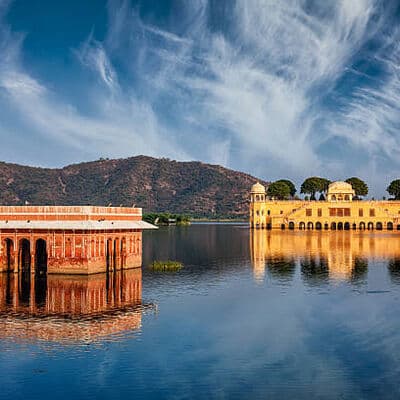
The road leading to Amber Fort passes Man Sagar Lake with the floating Jal Mahal palace. Resort hotels here offer mountain views, swimming pools, and proximity to the northern forts. This is Jaipur for those who want a retreat rather than an urban adventure - you will need transport for everything, but you will return to peace and stunning vistas each evening.
Pros: Scenic views, peaceful setting, resort amenities, close to Amber Fort.
Cons: Isolated from city center, requires car or rickshaw for everything.
Prices: $$-$$$$ (resort hotels from $60-300+)
Best Time to Visit Jaipur
Peak Season: October through March
This is the golden window for Jaipur. Daytime temperatures range from 68-82F (20-28C), with nights dropping to 46-50F (8-10C) in December and January. Clear skies, comfortable humidity, and perfect conditions for exploring open-air forts and wandering through bazaars without melting.
November is arguably the best month. Still warm (77-82F / 25-28C) but not hot. The Diwali festival (dates shift annually) transforms the entire city into a sea of lights and fireworks - an unforgettable experience if you time it right.
December-January brings peak tourist season. Expect larger crowds and hotel prices 30-50% higher than off-season. Morning fog can obscure views. Pack warm layers for evenings - temperatures can drop to 41-46F (5-8C) after sunset, which surprises many visitors expecting tropical heat.
February-March features Holi (festival of colors) - an incredible experience if you are willing to be drenched in colored powder and water by strangers. Temperature starts climbing by late March, signaling the approaching summer.
Avoid If Possible: April through June
Hellish heat. Temperatures routinely hit 104-113F (40-45C), occasionally reaching 118F (48C) in May and June. Walking through forts becomes physically dangerous - scorching stone, relentless sun, real risk of heat stroke. Even locals hide in air-conditioned spaces from 11am to 5pm. The only upside: minimal tourists and hotel prices drop 40-50%.
Monsoon Season: July through September
The monsoon brings welcome relief from heat (86-95F / 30-35C), but rain can disrupt plans. Fort steps become slippery, some roads wash out. However, the surrounding landscape transforms into lush green - excellent for photography. Rains typically fall in evening or overnight, leaving days workable for sightseeing. Budget travelers find good deals and fewer crowds during this shoulder season.
Key Festivals and Events
- Jaipur Literature Festival (January) - Asia's largest literary festival, attracting global authors and thinkers. Book hotels 2-3 months ahead; prices spike dramatically.
- Elephant Festival (March, on Holi day) - Decorated elephants parade through the city, traditional dances, cultural performances.
- Teej (July-August) - Women's festival honoring goddess Parvati. Colorful processions, women in traditional dress, swings decorated with flowers.
- Diwali (October-November) - Festival of lights. The entire city glows with candles, garlands, and fireworks. Sweets everywhere.
- Holi (February-March) - Festival of colors. Prepare to be doused in colored powder by complete strangers. Wear clothes you can throw away.
Jaipur Itinerary: From 3 to 7 Days
Jaipur in 3 Days: The Essentials
Day 1: Old City Immersion
8:00am - Start with breakfast at Rawat Mishtan Bhandar. Order the pyaaz kachori - crispy fried pastries stuffed with spiced onion. Hot, fresh, and the perfect fuel for the day ahead. Around $2-3 for a filling breakfast with chai.
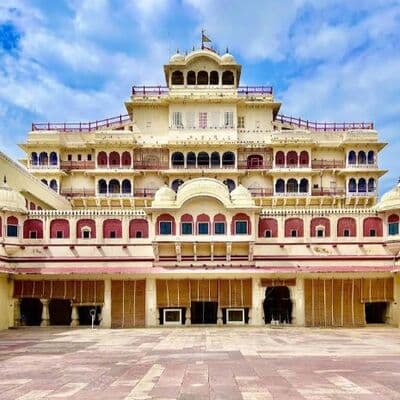
9:00-11:30am - City Palace. Arrive at opening to beat the crowds. The palace complex contains museums, courtyards, and pavilions spanning centuries of Rajput history. Do not miss Pitam Niwas Chowk with its four ornate gates representing the seasons. Allow 2-2.5 hours. Entry around $7-10 for foreigners.
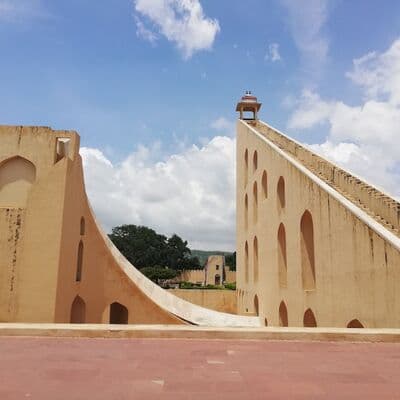
11:30am-12:30pm - Jantar Mantar. This 18th-century astronomical observatory contains the world's largest stone sundial. Rent the audio guide - without explanation, these massive instruments look like abstract sculptures. With context, they become mind-blowing examples of pre-telescope precision astronomy. Entry around $3-5.
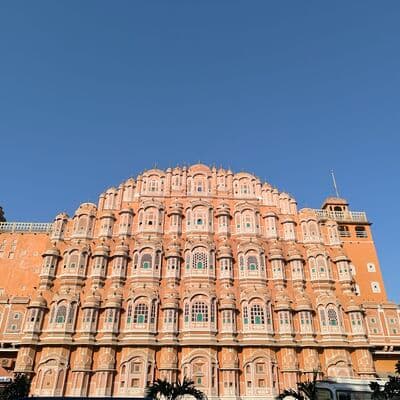
12:30-1:00pm - Hawa Mahal. The iconic Palace of Winds with its 953 small windows was designed so royal women could observe street life without being seen. The best view is actually from the cafes across the street - grab a rooftop seat, order a cold drink, and photograph the facade in peace.
1:00-2:30pm - Lunch at LMB (Laxmi Mishthan Bhandar). This legendary vegetarian restaurant has been serving Rajasthani thalis since 1954. The set meal includes multiple curries, rice, bread, and sweets. Around $8-12 per person.
3:00-6:00pm - Bazaar exploration. Johari Bazaar for jewelry and gemstones. Bapu Bazaar for textiles, leather goods, and souvenirs. Bargain hard - opening prices are typically inflated 3-5x. Start at 30% of asking price and work from there.
Day 2: Fort Day
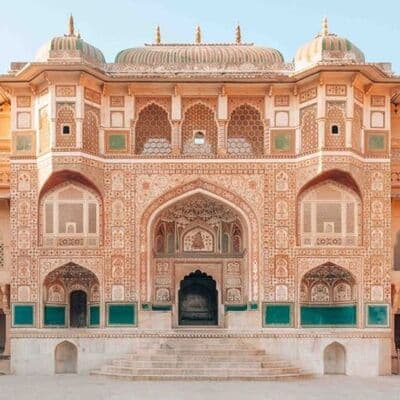
8:00-11:00am - Amber Fort. Arrive at opening to explore before tour buses arrive. This 16th-century fortress-palace is Jaipur's crown jewel. The Sheesh Mahal (Hall of Mirrors) alone justifies the trip - thousands of tiny mirrors transform candlelight into a starry sky. Allow 2.5-3 hours for thorough exploration. Entry around $7-10 for foreigners.
11:00-11:30am - Panna Meena ka Kund. This stunning stepwell sits just minutes from Amber Fort. The geometric patterns of steps descending to the water make for incredible photographs. Free entry, minimal crowds.
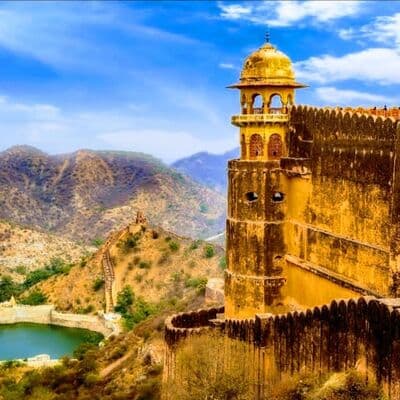
11:30am-1:00pm - Jaigarh Fort. Connected to Amber by underground passage, this military fort houses Jaivana - once the world's largest cannon on wheels. The views over Jaipur from the watchtower are spectacular. Entry around $3-5.
2:30pm - Photo stop at Jal Mahal. The Water Palace appears to float on Man Sagar Lake. You cannot enter (closed to visitors), but the view from shore, especially at sunset, is magical. Free.
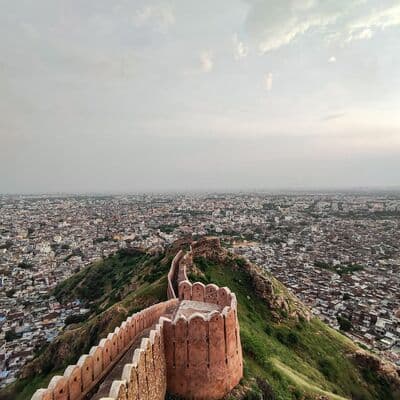
6:00-8:30pm - Nahargarh Fort for sunset. Locals come here for romantic evenings and the best panoramic views of Jaipur. The Padao cafe on the ramparts serves decent food with unbeatable vistas. Watch the Pink City light up as darkness falls. Entry around $3-5, cafe prices moderate.
Day 3: Culture and Shopping
9:00-11:00am - Albert Hall Museum. The building itself is worth the visit - a stunning Indo-Saracenic palace housing an eclectic collection of Rajasthani art, textiles, and artifacts. The Egyptian mummy is unexpectedly fascinating. Entry around $5-7.
12:30-2:00pm - Masala Chowk for lunch. This food court near Albert Hall gathers 20+ vendors serving street food in a clean, tourist-friendly environment. Try dal-bati-churma (the Rajasthani trinity), gol-gappa (crispy spheres with spiced water), and kulfi for dessert. Budget $5-10 for a feast.
2:30-5:00pm - Focused shopping. Anokhi for high-quality block-printed textiles (fixed prices, no bargaining). Rajasthali (government emporium) for handicrafts at fixed prices - useful to gauge fair market rates before hitting the bazaars.
Jaipur in 5 Days: Going Deeper
Day 4: Day Trip to Abhaneri
Drive 55 miles (85km) to Abhaneri village to see Chand Baori - one of India's deepest and most photogenic stepwells. 3,500 narrow steps descend 13 stories in perfect geometric patterns. The adjacent temple ruins add to the atmosphere. Hire a car with driver ($40-60 round trip) and leave early to arrive before midday heat.
Evening: Chokhi Dhani ethnic village resort. Yes, it is touristy. Yes, you should still go. Traditional Rajasthani dinner, folk dances, puppet shows, camel rides, and craft demonstrations. Around $15-25 including dinner. Perfect for families.
Day 5: Local Life
Morning: Cooking class. Several guesthouses and specialized schools offer half-day classes in Rajasthani cuisine. Learn to make dal-bati-churma, paneer dishes, and proper masala chai. Around $25-40 per person.
Evening: Raj Mandir Cinema. Watch a Bollywood film in one of India's most ornate movie theaters. The meringue-like pink interior is worth seeing even if you skip the film. Tickets $3-5. The intermission snacks and crowd reactions are half the entertainment.
Jaipur in 7 Days: Complete Experience
Day 6: Beyond the City
Bhangarh Fort - officially labeled India's most haunted place (entry forbidden after sunset by government order). The abandoned 17th-century town is genuinely atmospheric. Combine with Sariska Tiger Reserve for wildlife spotting. Full-day excursion with car around $70-100.
Day 7: Slow Down
Return to your favorite spots. Get lost in the bazaars without agenda. Sit in a chai stall and watch the world pass. Jaipur rewards those who stop trying to see everything and simply exist within its rhythm. Some of my best memories are from unplanned hours spent talking to shopkeepers or following narrow lanes to unexpected temples.
Where to Eat in Jaipur
Street Food
Masala Chowk - The tourist-friendly answer to hygiene concerns about street food. Over 20 stalls near Albert Hall serve the greatest hits of Rajasthani cuisine in a clean, organized setting. Perfect introduction for nervous stomachs. Budget $5-10 for multiple tastings.
Rawat Mishtan Bhandar - Legendary kachori shop operating since the 1950s. The pyaaz kachori (onion-stuffed fried pastry) draws lines of locals every morning. Around $1-2 per portion. Cash only.
Johari Bazaar after dark - The evening food scene transforms this jewelry market into a street food paradise. Gol-gappa vendors, chaat stalls, fresh jalebi dripping with syrup. Point at what looks good and dive in. Most items under $1.
Local Institutions
Lassiwala (MI Road) - One of several shops claiming the Lassiwala name, but the one opposite Niro's restaurant is the original, operating since 1944. They serve exactly one thing: thick, creamy lassi in disposable clay cups. Sweet or salted. Around $1-2. No seating - drink standing at the counter like a local.
LMB (Laxmi Mishthan Bhandar) - This vegetarian institution has served Rajasthani thalis since 1954. The lunch set includes 8-10 dishes, unlimited refills, and is the definitive local dining experience. Around $8-15 per person. Also famous for sweets and snacks to take away.
Santosh Bhojnalaya - No-frills local canteen near City Palace. Workers, students, and savvy tourists crowd the benches for honest Rajasthani home cooking at rock-bottom prices. Thali around $3-4. Hindi only, but pointing works fine.
Restaurants
Spice Court - Excellent North Indian and Rajasthani cuisine in a heritage courtyard setting. The laal maas (fiery red mutton curry) and ker sangri (desert beans) are outstanding. Romantic evening atmosphere without pretension. Around $15-25 per person for full meal with drinks.
Bar Palladio - Italian cuisine in one of India's most photographed restaurant interiors. Peacock-blue walls, intricate murals, courtyard seating. The food is genuinely good, but the setting is the star. Reserve ahead for dinner. Around $30-50 per person. Dress smart casual.
1135 AD at Amber - Fine dining in a converted palace section with views over Amber Fort. The royal Rajasthani tasting menu is extravagant. Save this for a special occasion. Around $50-80 per person. Reservations essential.
Suvarna Mahal at Rambagh Palace - If you want one truly luxurious meal, this former maharaja's banquet hall delivers. Gold-leaf ceilings, crystal chandeliers, impeccable service. Mainly North Indian and Continental. Around $60-100+ per person. Jackets suggested for men.
Cafes
Anokhi Cafe - Attached to the famous textile shop. Organic salads, wood-fired pizzas, excellent coffee. Popular with expats and tourists seeking familiar flavors. Air-conditioned refuge on hot days. Around $8-15 per person.
Tapri Central - Over 50 varieties of tea and chai served in a modern setting. The rooftop terrace fills up at sunset. Good light meals too. Around $3-6 per person.
Curious Life Coffee Roasters - For when you need proper espresso. Third-wave coffee culture has reached Jaipur. Small but serious. Around $3-5 for specialty drinks.
What to Try: Jaipur Food Guide
Dal-Bati-Churma - The holy trinity of Rajasthani cuisine. Bati are hard wheat balls baked in coals, broken open and doused in ghee. Dal is a hearty lentil stew. Churma is sweetened crumbled wheat with cardamom. Sounds simple; tastes transcendent. Found everywhere from street stalls to fine dining. $3-8 depending on venue.
Pyaaz Kachori - Crispy deep-fried pastry shells stuffed with spiced onions. Breakfast food of champions. Rawat does the definitive version. Around $1-2 per portion.
Laal Maas - Fiery red mutton curry that defines Rajasthani non-vegetarian cooking. The heat comes from local mathania chilies - not subtle. Approach with respect. Around $10-15 at restaurants. Not for delicate palates.
Lassi - Thick yogurt drink served in disposable clay cups that keep it cold. Sweet is standard; salted is traditional. Lassiwala on MI Road is the pilgrimage site, but good lassi is everywhere. Around $1-2.
Gol-Gappa (Pani Puri) - Crispy hollow spheres filled with potato, chickpeas, and tangy mint water. Eat in one bite before it collapses. Highly addictive. Around $1 for 6-8 pieces.
Ghewar - Honeycomb-textured sweet disc soaked in syrup and topped with rabri (thickened milk). Especially popular during Teej festival but available year-round. Around $2-5 per portion depending on toppings.
Kulfi-Falooda - Dense Indian ice cream with vermicelli noodles and rose syrup. Richer than Western ice cream. Perfect afternoon cooldown. Around $2-3.
Mirchi Bada - Large green chilies stuffed with spiced potato, battered and fried. Sounds painful; actually manageable if you eat around the seeds. Dangerously addictive. Under $1 each.
Masala Chai - Not a food, but a ritual. Milky tea spiced with ginger, cardamom, and cinnamon. Consumed constantly - morning, afternoon, evening, with meals, between meals. Street chai ($0.25-0.50) versus cafe chai ($1-3) is an ongoing local debate.
For Vegetarians: Jaipur is paradise. Most restaurants are Pure Veg (entirely vegetarian). The variety and quality are outstanding - this is where Indian vegetarian cuisine reaches its peak. Look for the Pure Veg signs.
Safety Note: Street food is generally safe if cooked fresh in front of you and popular with locals. Avoid pre-cut fruit and salads from street vendors. Drink only sealed bottled water - check the seal is intact before opening.
Jaipur Secrets: Tips From Locals
Bargaining is mandatory. First quoted prices are inflated 3-5x, sometimes more for obvious tourists. Start at 30% of asking and negotiate from there. Walk away if needed - they will often call you back. Exception: Rajasthali government emporium has fixed prices. Use it to calibrate fair rates.
The gem scam is universal. If anyone approaches saying my uncle has a jewelry shop or special government sale today, decline immediately. This is the oldest scam in Jaipur. If you want jewelry, go to established stores like Amrapali or Johari Bazaar shops that provide certificates. Never buy from someone who approached you on the street.
Rickshaw economics. Negotiate before sitting down. Across the city center: $1-3. To Amber Fort: $5-8 round trip with waiting. Full day hire: $15-25. Agree on air conditioning (for enclosed rickshaws) and whether price includes waiting time. Some drivers get commissions from shops and will take you on detours - decline firmly if not interested.
Arrive at fort opening. Major sites open at 8:00am. By 10:00am, tour buses arrive. By noon, it is crowded and hot. Early birds get the best photos and the coolest temperatures.
Nahargarh sunsets are a local tradition. Young couples, families, and friends gather at the hilltop fort to watch the sun set over Jaipur. Padao cafe serves food and drinks on the ramparts. Romantic and thoroughly Indian.
Water discipline is essential. Drink only sealed bottled water - verify the seal before buying. Carry a refillable bottle and buy large bottles at shops to refill. Avoid ice in drinks at smaller establishments.
Temple dress code. Cover shoulders and knees when visiting temples. Some provide wraps at the entrance; better to dress appropriately. Remove shoes at the entrance - socks are fine.
UPI payments work everywhere. India's digital payment system is universal - even street vendors have QR codes. Google Pay works if linked to an Indian account. Otherwise, carry cash for rickshaws, tips, and small vendors. ATMs are plentiful.
Heat is serious. From April to June: wear a hat, carry 3-4 liters of water, rest during midday hours. Heat stroke is a real risk. Even October through March, sun protection and hydration matter.
Monday closures. Many museums and some attractions close Mondays. Plan shopping or day trips outside the city for this day.
Tourist Police exist. Officers in pink shirts patrol tourist areas. If you are scammed, harassed, or lost, approach them. They speak English and are specifically trained to help visitors.
Photographers for hire. Near Hawa Mahal and forts, photographers offer professional shoots. Quality varies wildly, prices are high. Better to ask a fellow tourist or use a tripod.
Transport and Connectivity in Jaipur
From the Airport
Jaipur International Airport sits 8 miles (13km) from the city center. Direct flights connect to Delhi, Mumbai, and most major Indian cities. International connections primarily route through Delhi.
Prepaid Taxi: Book at the booth inside the terminal. Fixed prices to different zones. City center around $8-12. Receipt provides accountability.
Uber/Ola: Both work at Jaipur airport. Typically $5-8 to city center. App-based pricing means no negotiation needed.
Metro: The airport metro station connects to the city line. Cheapest option at around $1, but involves transfers and is slow. Only worthwhile if you enjoy metro systems or are extremely budget-conscious.
Getting Around the City
Auto-rickshaw - The quintessential Jaipur transport. Three-wheeled vehicles that weave through traffic with alarming confidence. Always negotiate before boarding. Short trips within central areas: $1-3. To Amber Fort: $6-10 round trip with waiting. Full day hire: $15-30. Most drivers know basic English and major landmarks.
Uber/Ola - Both apps function well in Jaipur. Prices are fixed by the app, so no negotiation anxiety. Often similar or slightly cheaper than negotiated rickshaw rates. Air-conditioned cars available. The apps sometimes struggle finding drivers in remote areas or during peak times.
Metro - Two lines operate, covering some useful tourist routes. Clean, air-conditioned, cheap ($0.25-0.75 per trip). Useful for longer distances if stations align with your route. Not comprehensive enough to replace rickshaws for most tourists.
Bicycle/Motorbike rental - Available but not recommended for first-timers. Jaipur traffic is chaotic and driving patterns take time to understand. If experienced with Indian roads, motorbikes offer freedom and cost around $8-15 per day.
Internet and Connectivity
Physical SIM cards: Jio, Airtel, and Vodafone-Idea all offer tourist SIMs. Requirements include passport, visa, passport photo, and hotel address. Process can take a few hours to a day for activation. Costs around $5-12 for 1-2 months of data and calling. Purchase at official stores, not street vendors.
eSIM: Services like Airalo, Holafly, and Nomad offer India eSIMs that activate instantly. More expensive per gigabyte but zero hassle. Recommended for short visits. Around $10-25 for 5-10GB depending on provider.
Hotel Wi-Fi: Available at most hotels, quality varies dramatically. Mid-range and above generally have usable speeds. Budget places often have weak signals.
Essential Apps
- Uber/Ola - Taxi and rickshaw booking with fixed prices
- Google Maps - Navigation works well in Jaipur; download offline maps before arriving
- Zomato/Swiggy - Food delivery apps; useful for tired evenings
- Google Translate - Download Hindi offline pack; camera translation helps with signs
- MakeMyTrip/Goibibo - Train and domestic flight bookings
Day Trips and Beyond
Jaipur sits perfectly for the Golden Triangle route: Delhi (160 miles/260km, 5-6 hours by road, 4.5 hours by train), Agra (150 miles/240km, 4-5 hours by road). Both make feasible day trips or logical next destinations.
Hire cars with drivers for day trips rather than self-driving. Costs around $50-80 for a full day depending on distance. Drivers know the roads, handle parking, and often provide useful commentary.
Who Should Visit Jaipur: Final Thoughts
Jaipur is for travelers who want to experience India without filters - the chaos, the beauty, the sensory overload, and the extraordinary food. In 3-4 days you will see the highlights. Give it a week and you might fall in love with a city that never pretends to be anything other than what it is: loud, proud, and magnificently alive.
Perfect for: History enthusiasts, photographers, shopping addicts, food lovers, first-time India visitors who want immersion rather than insulation.
Not ideal for: Those who cannot tolerate heat and chaos, travelers seeking beach relaxation, visitors who need everything sanitized and predictable.
How long: Minimum 2 days to scratch the surface. Optimal 4-5 days to explore properly. Maximum 7 days including surrounding attractions and day trips.
Information current as of 2026.