About
Croatia: The Complete Travel Guide for 2026
Why Visit Croatia
Croatia is one of those destinations that genuinely delivers on every promise. This small country wedged between Central Europe and the Mediterranean manages to pack in everything a traveler could want: crystal-clear Adriatic waters, UNESCO-listed medieval cities, dramatic national parks, outstanding food and wine, and a relaxed Mediterranean lifestyle that makes you want to extend your trip before you have even unpacked.
The Adriatic coastline stretches for over 1,100 miles (1,778 kilometers), dotted with more than 1,000 islands, of which only 47 are permanently inhabited. The water clarity here is legendary - you can often see the seafloor at depths of 130 feet (40 meters) or more. This is not marketing hyperbole; the Adriatic consistently ranks among the cleanest seas in Europe. Croatian beaches regularly receive Blue Flag certifications, and divers from around the world come here specifically for the underwater caves, ancient shipwrecks, and vibrant marine life.
But Croatia offers far more than beaches. This is a country practically designed for travelers who crave variety. You could spend your morning wandering the medieval streets of Dubrovnik, a UNESCO World Heritage Site whose limestone walls and terracotta rooftops look exactly as they did 500 years ago. By afternoon, you might find yourself at Plitvice Lakes National Park, where 16 terraced lakes connected by cascading waterfalls create a landscape that seems almost impossibly beautiful. Come evening, you could be sitting in a centuries-old konoba (traditional Croatian tavern) with a glass of local wine, listening to waves lap against ancient stone walls.
The cultural layer runs deep here. Romans left amphitheaters and palaces. Venetians contributed elegant architecture and culinary traditions. The Austro-Hungarian Empire added grand coffeehouses and a passion for pastry. And yet Croatia never feels like a museum - it is a living, breathing country where these historical layers blend seamlessly with modern European life. In Split, people literally live inside a Roman emperor's palace. In Zagreb, you will find world-class museums and a cafe culture that rivals Vienna or Paris.
For American, British, Australian, and Canadian travelers, Croatia offers particular advantages. The country joined the Schengen Area in January 2023, which means visa-free entry for up to 90 days within any 180-day period. English is widely spoken, especially along the coast and in tourist areas - most Croatians under 40 speak it fluently. The country uses the euro (since January 2023), eliminating the need to deal with an unfamiliar currency. And while Croatia is not as cheap as it was a decade ago, it still offers better value than Italy or France, particularly outside the peak summer months.
Safety is another strong point. Croatia consistently ranks among the safest countries in Europe, with violent crime rates well below those of Western European capitals. Petty theft exists in tourist areas, as it does everywhere, but common-sense precautions are usually sufficient. The healthcare system is solid, with most pharmacies well-stocked and many doctors and nurses speaking English.
What makes Croatia particularly compelling in 2026 is its evolution beyond the Game of Thrones tourism boom. Yes, you can still visit the filming locations in Dubrovnik, but the country has matured as a destination. Sustainable tourism initiatives are expanding. The food scene has evolved dramatically, with young chefs reinterpreting traditional recipes using local ingredients. Wine tourism is booming, with Croatian producers gaining international recognition for indigenous grape varieties that you simply cannot find anywhere else.
The infrastructure has improved significantly too. Regional airports have expanded, bus and ferry networks are reliable and reasonably priced, and driving remains a pleasure on well-maintained roads that wind through some of Europe's most spectacular scenery. Croatia has also invested heavily in cycling infrastructure, with dedicated bike paths now connecting many coastal towns and islands.
Perhaps most importantly, Croatia has not lost its soul. Despite the tourist crowds in peak season, you can still find authentic experiences without much effort. Venture a few streets away from the main attractions, visit during shoulder season, or explore the lesser-known islands, and you will discover a country that moves to its own rhythm. Locals take their coffee slowly, dinner is an event rather than a necessity, and the concept of rushing anywhere seems almost offensive. After a few days, you will probably find yourself adopting the same pace.
Whether you are looking for a romantic getaway, a family beach vacation, an adventure trip packed with hiking and water sports, or a cultural immersion in European history, Croatia can deliver. The only real challenge is deciding which Croatia you want to experience - because this small country contains multitudes.
Regions of Croatia: Understanding the Geography
Croatia's geography might look straightforward on a map, but understanding the distinct regions can make or break your trip planning. The country essentially forms a crescent shape around Bosnia and Herzegovina, with dramatically different landscapes, climates, and atmospheres depending on where you go. Let me break down each region so you can choose where to focus your time.
Dalmatia: The Mediterranean Heart
When most people picture Croatia, they are thinking of Dalmatia - the long, narrow coastal strip that runs from Zadar in the north to Dubrovnik in the south, including hundreds of offshore islands. This is Mediterranean Croatia: sun-bleached stone towns, azure waters, Roman ruins, and a lifestyle centered around the sea.
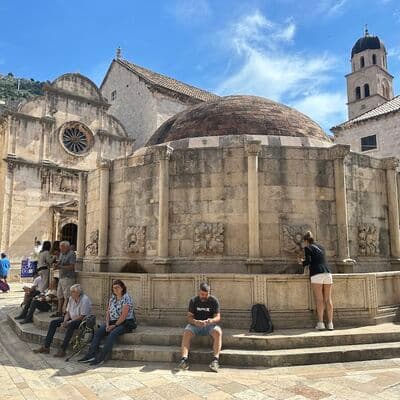
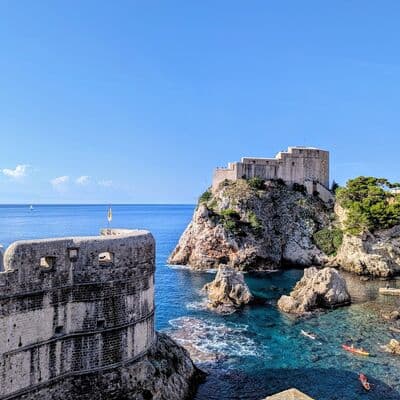
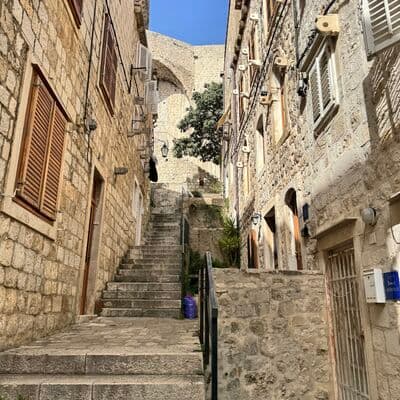
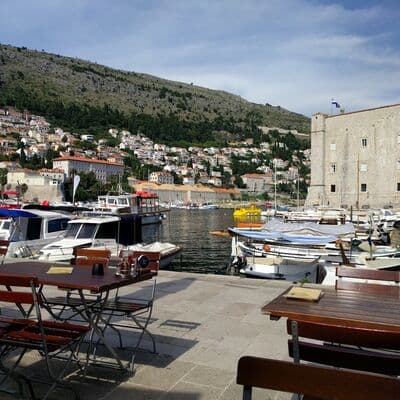
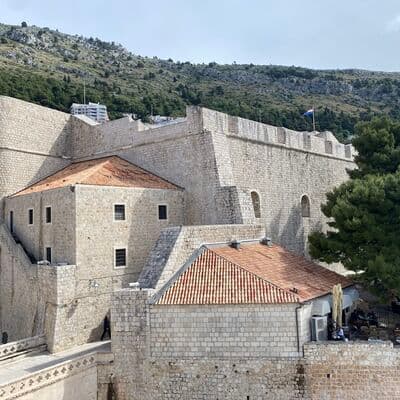
Dubrovnik anchors the southern end, and there is a reason it is called the Pearl of the Adriatic. The Old Town, entirely enclosed by medieval walls, is one of the best-preserved fortified cities in Europe. Walking the city walls offers views that have not fundamentally changed since the 14th century - red rooftops, church spires, and the endless blue Adriatic. Yes, it gets crowded with cruise ship passengers during peak hours, but arrive early morning or late afternoon and you will understand why poets and painters have been obsessed with this place for centuries.
Beyond the obvious attractions like Stradun (the main street), Rector's Palace, and Fort Lovrijenac, Dubrovnik rewards exploration. The Dominican and Franciscan monasteries house remarkable art collections. War Photo Limited offers a sobering reminder that this beautiful city was under siege as recently as 1991-92. And escaping to nearby Lokrum Island takes just a 15-minute ferry ride but transports you to botanical gardens, peacocks, and swimming spots far from the crowds.
Split, Croatia's second-largest city, offers a different energy entirely. This is a working city with real neighborhoods, university students, and a local life that continues regardless of tourists. The heart of Split is Diocletian's Palace - not a palace in the traditional sense but a Roman emperor's retirement complex that the city literally grew inside of. People live, work, and shop within walls built in the 4th century. It is bizarre and wonderful, and unlike anything else in Europe.
Split also works as a perfect base for island-hopping. Ferries depart regularly for Hvar, Korcula, Brac, and Vis. The city has excellent restaurants ranging from simple konobas serving fresh fish to innovative fine dining spots. And the Riva - the waterfront promenade - is one of the best people-watching spots in the Mediterranean, particularly at sunset when locals emerge for their evening stroll.
The Dalmatian islands deserve special attention. Hvar has earned its reputation as a party destination, with yacht crowds and late-night clubs, but it is also genuinely beautiful - lavender fields, medieval fortresses, and hidden coves accessible only by boat. Korcula claims to be the birthplace of Marco Polo (Venice disagrees) and offers a smaller, more intimate version of the Dubrovnik experience without the crowds. Vis, the furthest inhabited island from the mainland, spent decades as a Yugoslav military base, which kept development away and preserved an authenticity that is increasingly rare.
Zadar, at the northern edge of Dalmatia, often gets overlooked but deserves better. The Old Town occupies a peninsula that has been inhabited for 3,000 years. The Roman forum is still visible, churches span every architectural period from the 9th century onward, and two modern installations - the Sea Organ, which makes music from wave action, and the Sun Salutation, which stores solar energy by day and puts on a light show at night - prove that Croatian cities are not just backward-looking.
Istria: Where Italy Meets Croatia
The heart-shaped peninsula in Croatia's northwest feels distinctly different from Dalmatia. Istria spent centuries under Venetian and then Austro-Hungarian rule, and the Italian influence is unmistakable. Many locals speak Italian as a first language, bilingual signs are common, and the cuisine leans heavily on Italian traditions - though with distinctive Istrian twists.
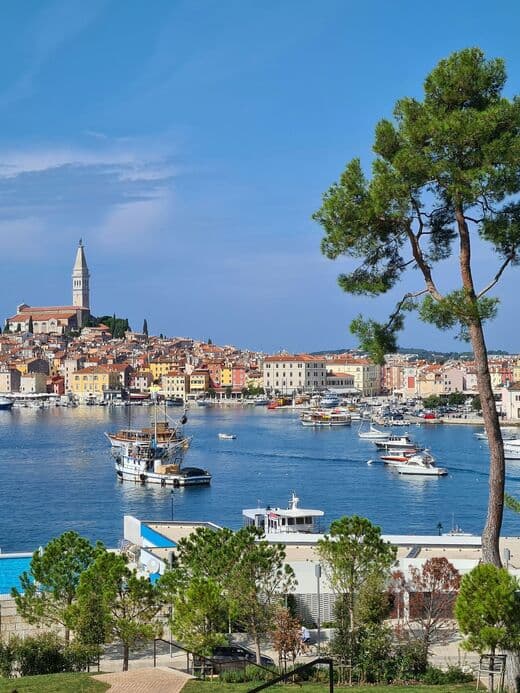
Rovinj is Istria's jewel: a fishing village that climbed up a hillside and somehow achieved perfection. Narrow streets twist between colorful buildings, fishermen mend nets in the harbor, and the Church of St. Euphemia watches over it all from the highest point. Unlike many Croatian coastal towns that feel distinctly Croatian, Rovinj could almost pass for an Italian village - but with Croatian hospitality and prices somewhat lower than you would find across the border.
Pula, at the peninsula's southern tip, has one of the best-preserved Roman amphitheaters in the world - still used for summer concerts and film festivals. The town itself is more industrial and less immediately charming than Rovinj, but it offers good transportation links and beaches that are less crowded than those at more famous resorts.
Inland Istria is where things get really interesting. This is truffle territory - white truffles harvested in autumn, black truffles year-round, all incorporated into local dishes with abandon. Hill towns like Motovun, Groznjan, and Oprtalj feel like Tuscan villages transported to Croatia. The Mirna Valley produces excellent olive oil and wines, and farm-tourism (agroturizam) lets you stay on working farms, eat what they grow, and experience a pace of life that has not changed much in generations.
Istria is also Croatia's emerging wine region, with indigenous varieties like Malvazija (white) and Teran (red) gaining international recognition. Wine roads connect dozens of small producers, and most welcome visitors for tastings without the formality or expense of more famous wine regions.
Kvarner: The Elegant Alternative
Between Istria and Dalmatia lies Kvarner, a bay region that includes the major port city of Rijeka and several islands. This area has a different vibe - less party-focused than Hvar, less touristy than Dubrovnik, more reminiscent of the grand resort culture of the 19th century.
Opatija was the favorite vacation spot of Austro-Hungarian emperors and still retains that Belle Epoque elegance. Grand hotels line the waterfront, parks are immaculately maintained, and there is a slightly formal atmosphere that stands in contrast to the casual Dalmatian coast. The climate is notably milder here, making Opatija a popular destination even in winter.
The islands of Krk, Cres, and Losinj offer beach experiences without the Dalmatian crowds. Krk is connected to the mainland by bridge, making it easily accessible. Cres and Losinj are wilder, less developed, and home to a resident dolphin population that draws marine biologists and wildlife enthusiasts.
Rijeka itself, Croatia's third-largest city, is not a typical tourist destination - it is a working port city with an industrial heritage. But it was the European Capital of Culture in 2020, which spurred development of its cultural infrastructure. The result is a city with interesting museums, a growing food scene, and none of the over-tourism problems that affect coastal resort towns.
Zagreb and the Interior: Continental Croatia
Zagreb is the capital city, home to nearly a quarter of Croatia's population, and feels nothing like the coast. This is Central European Croatia: Habsburg architecture, cafe culture, museums, and a cooler climate that makes it more comfortable in summer than the sweltering Adriatic coast.
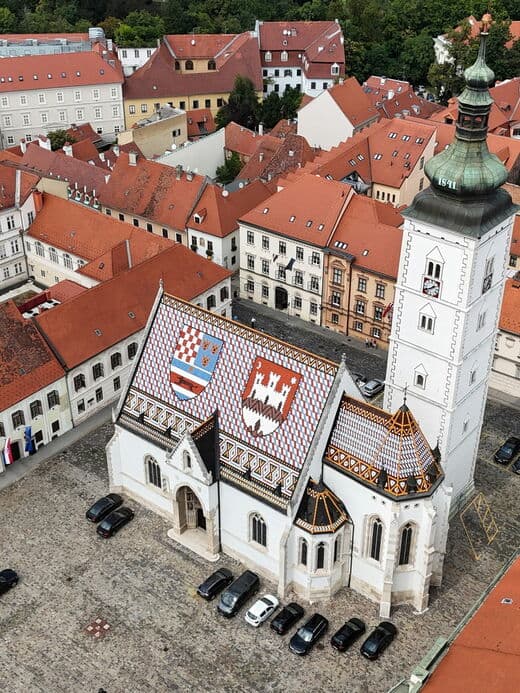
The city divides into Upper Town (Gornji Grad) and Lower Town (Donji Grad). Upper Town has medieval origins - cobblestone streets, the Gothic cathedral, the Stone Gate with its miraculous icon, and the parliament building. Lower Town is 19th-century urbanism at its best: wide boulevards, green spaces, grand museums, and the Art Nouveau architecture that the Austro-Hungarian Empire exported throughout Central Europe.
Zagreb rewards a slower pace. The cafe culture is serious - sitting with a single coffee for hours is expected, not frowned upon. The food scene has evolved dramatically, with young chefs combining Croatian ingredients with modern techniques. And while it lacks beaches, Zagreb offers excellent day-trip options: castles, thermal spas, wine regions, and the rural landscapes of the Zagorje region to the north.
Beyond Zagreb, continental Croatia includes the Slavonian plains to the east - flat agricultural land famous for Kulen sausage, paprika-spiced dishes, and a completely different culinary tradition from the coast. This region is rarely visited by international tourists but offers authentic experiences for those willing to venture off the beaten path.
Plitvice Lakes and the Mountain Region
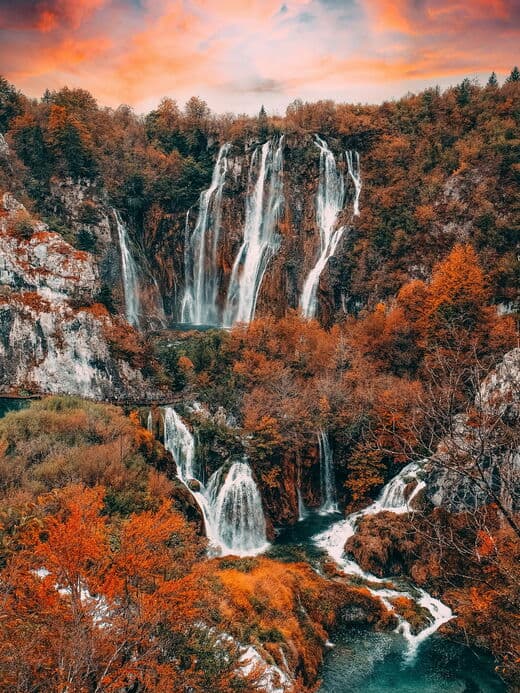
Plitvice Lakes National Park is Croatia's most visited natural attraction, and it deserves every bit of the attention it receives. Sixteen terraced lakes, connected by waterfalls, sit in a mountainous region between Zagreb and the coast. The water color - an almost artificial-looking turquoise - comes from minerals in the limestone, and the effect is genuinely otherworldly.
But Plitvice is just the most famous example of what this mountainous interior offers. The Velebit mountain range runs parallel to the coast, creating dramatic scenery visible from the coastal highway. Northern Velebit and Paklenica national parks offer serious hiking and climbing. The Gorski Kotar region, between Zagreb and the coast, is heavily forested and popular for outdoor activities.
This region also has a different history than the coast. It was heavily affected by the 1990s war, and you will still see abandoned houses and occasional war damage. This is not meant to discourage visits - the area is completely safe - but it adds a layer of recent history that the coastal tourist areas often gloss over.
National Parks and Natural Wonders
Croatia punches well above its weight when it comes to protected natural areas. Eight national parks and eleven nature parks cover a remarkable variety of landscapes, from alpine peaks to subterranean rivers to marine reserves. Here is what you need to know about visiting the most significant ones.
Plitvice Lakes National Park
Plitvice Lakes is the crown jewel, attracting over a million visitors annually. The park protects 16 interconnected lakes that descend in terraces, connected by waterfalls that range from gentle cascades to dramatic plunges. The water's color shifts throughout the day and across seasons, ranging from deep green to brilliant turquoise, depending on mineral content and light conditions.
The park offers several marked trails of varying lengths. The most popular routes take 2-4 hours, using a combination of wooden boardwalks built directly over the water, panoramic buses, and boat rides across the larger lakes. The Upper Lakes are generally less crowded and offer more dramatic scenery; the Lower Lakes have the most impressive waterfalls, including Veliki Slap (Big Waterfall), the largest in Croatia at 78 meters (256 feet).
Practical advice: arrive as early as possible - the park opens at 7 AM in summer, and by 10 AM the main paths are already crowded with tour groups. Better yet, stay overnight near the park and enter first thing in the morning. Autumn offers the bonus of foliage colors reflecting in the water, while winter (if the park is open - it sometimes closes after heavy snow) brings frozen waterfalls and a mystical atmosphere.
Prices in 2026: expect to pay around 40 euros in summer high season, less in shoulder seasons. The Croatian government has implemented timed entry tickets to manage crowds, so booking online in advance is essentially mandatory during July and August.
Krka National Park
Krka offers a more accessible waterfall experience, located just an hour from Split. The main attraction is Skradinski Buk, a series of travertine cascades that you can view from wooden walkways and swimming platforms. Unlike Plitvice, where swimming has been banned since 2023, Krka still allows swimming in designated areas during summer - though check current regulations, as rules change.
Beyond the waterfalls, Krka includes the Visovac monastery on an island in the river, and Roski Slap, another impressive waterfall further upstream. The park can be visited as a day trip from Split, Zadar, or Sibenik, though the latter is closest.
Note that Krka is extremely crowded in summer, sometimes uncomfortably so. If possible, visit in May or September when the weather is still good but the crowds have diminished.
Mljet National Park
Mljet, an island off the Dalmatian coast near Dubrovnik, is often described as one of Croatia's most beautiful islands. The national park covers the western third of the island, including two interconnected saltwater lakes, dense forest, and an ancient Benedictine monastery on an islet in the larger lake.
The atmosphere here is completely different from the coastal towns. Mljet is quiet, undeveloped, and feels almost wild. You can rent bikes or kayaks to explore the lakes, swim in water that is warmer than the open sea, and visit the monastery by boat. The lack of development means limited dining options, so bring supplies if you are staying for the day.
Mljet is accessible by ferry from Dubrovnik, and can be visited as a day trip, though staying overnight allows for a more relaxed experience.
Kornati National Park
The Kornati archipelago consists of 89 islands, islets, and reefs, most completely uninhabited. The landscape is stark and lunar - bare rock, sparse vegetation, endless sea - but hauntingly beautiful. These islands were used for sheep grazing and olive cultivation centuries ago, but now they are almost entirely uninhabited.
Visiting Kornati requires a boat - you cannot access the park any other way. Most visitors join organized day trips from Zadar, Sibenik, or one of the surrounding towns. These typically include swimming stops, lunch at one of the few restaurants on the islands, and plenty of time to simply absorb the isolation.
Paklenica National Park
If you are interested in hiking and rock climbing, Paklenica is the destination. Located in the Velebit mountain range, the park features two dramatic gorges with vertical cliffs that draw climbers from across Europe. More than 400 climbing routes of varying difficulty are available, and the surrounding forest offers excellent hiking trails.
Even if you are not a climber, Paklenica rewards a visit. The Manita Pec cave system offers guided tours, and the moderate hikes into the gorges provide dramatic scenery without requiring technical skills. The park is also home to griffon vultures, which you may spot soaring above the cliffs.
Brijuni Islands National Park
Off the coast of Istria, the Brijuni Islands were Tito's personal retreat during the Yugoslav era, and the history shows. The largest island, Veliki Brijun, features safari park animals (descendants of gifts to Tito from world leaders), Roman ruins, a Byzantine castrum, and the remains of dinosaur footprints.
The safari aspect - elephants, zebras, and other non-native animals wandering an Adriatic island - is genuinely surreal. Beyond the zoo elements, Brijuni offers excellent swimming, cycling paths, and a golf course (one of the few in Croatia). The islands are accessible only by organized tour from Fazana, which includes the boat crossing and island transportation.
Other Natural Highlights
Northern Velebit National Park offers more wilderness hiking than its southern counterpart at Paklenica, including the Premuzic Trail, an engineering marvel that traverses ridgelines with spectacular Adriatic views. Risnjak National Park protects dense forests and peaks reaching over 1,500 meters (5,000 feet), with a chance to spot lynx, bears, and wolves - though these are rare.
The Blue Cave on Bisevo island, accessible only by boat from Vis, is a natural phenomenon where sunlight enters through an underwater opening and illuminates the cave with an ethereal blue glow. Visits are timed to the late morning when the light effect is strongest.
For something different, consider the Kopački Rit Nature Park in eastern Croatia, one of Europe's largest wetlands. This floodplain where the Drava and Danube rivers meet hosts extraordinary bird life, including nesting pairs of white-tailed eagles, black storks, and colonies of herons. Spring and autumn migrations bring even more species.
When to Visit Croatia: Seasonal Guide
Timing matters enormously in Croatia. The difference between visiting in peak August versus shoulder-season May is not just about weather - it affects everything from prices and crowds to available activities and the overall atmosphere. Here is an honest assessment of each season.
Summer (June - August)
Summer is undeniably the high season. The weather is hot and sunny, the sea is warm, and all tourism infrastructure is fully operational. This is when Croatia shows its Mediterranean face: long beach days, outdoor restaurants and bars, festivals, and a general sense of celebration.
But there are significant drawbacks. Dubrovnik, Hvar, and the most popular destinations become genuinely overcrowded. Cruise ships disgorge thousands of passengers daily, forming queues for major attractions. Prices peak - sometimes double what you would pay in May. Accommodation books up months in advance. Driving becomes stressful, with competition for parking spots and traffic jams on coastal roads.
If you must travel in summer, focus on less-visited destinations. Consider Vis instead of Hvar, Korcula instead of Dubrovnik, Rovinj instead of Split. Or embrace the crowds and join the party - there is an energy to Croatia in August that some travelers genuinely enjoy.
Weather specifics: temperatures on the coast typically reach 30-35 degrees Celsius (86-95 Fahrenheit), occasionally higher. The sea reaches 24-26 degrees Celsius (75-79 Fahrenheit). Rainfall is rare, though occasional summer storms occur.
Shoulder Season (May and September-October)
This is, honestly, the best time to visit. Weather remains excellent - warm enough for swimming in September, often even into October - but crowds diminish significantly after the European school holidays end. Prices drop, accommodation availability improves, and locals are more relaxed after the summer rush.
May is ideal for combining beach time with outdoor activities. The sea might be slightly cool for some (20-22 degrees Celsius / 68-72 Fahrenheit), but hiking weather is perfect. Plitvice and the national parks are at their greenest after spring rains.
September and early October offer warmer seas (the Adriatic retains heat through autumn) with fewer visitors. This is harvest season - perfect timing for food and wine tourism, especially in Istria. The grape harvest, truffle season, and olive oil pressing all happen in autumn.
One caveat: late October sees many coastal businesses closing or reducing hours as they prepare for the off-season. Ferry schedules reduce, and some islands become harder to access.
Shoulder Season (April)
April is a gamble. The weather can be beautiful - warm sunshine, flowering countryside - or you might hit a rainy stretch that keeps you indoors. The Adriatic is still too cold for comfortable swimming, but sightseeing and outdoor activities are pleasant when the weather cooperates.
This is an excellent time for city trips to Zagreb, cultural exploration in Dubrovnik and Split, and visits to inland Istria. Prices are low, tourists are few, and you will experience a more local version of Croatia. Easter brings religious processions and traditional celebrations, particularly in smaller towns.
Winter (November - March)
Coastal Croatia largely shuts down in winter. Many hotels close, ferry services run reduced schedules, and some islands become almost inaccessible. The weather is mild by Northern European or North American standards (coastal temperatures rarely drop below freezing), but rain is common and the atmosphere is decidedly off-season.
However, winter has its advantages. Dubrovnik without cruise ships is a genuinely magical experience. Zagreb comes alive for Advent, with Christmas markets that have been voted among the best in Europe. Prices are at their lowest, and you will have museums and historical sites essentially to yourself.
Winter is also when continental Croatia shows its best face. Thermal spas in the Zagorje region, skiing on Sljeme mountain near Zagreb, and the cozy cafe culture of the capital city all appeal in the colder months.
The main exception to winter closure is New Year's Eve, when major cities put on celebrations and some coastal hotels reopen specifically for the holiday period.
Special Events and Festivals
Croatian events worth planning around include:
- Dubrovnik Summer Festival (July-August): Six weeks of theater, music, and dance performances in historic venues throughout the Old Town. Book accommodation early if visiting during this period.
- Ultra Europe (July): One of the world's largest electronic music festivals, held in Split. The city transforms for festival week - either plan around it or embrace it.
- Pula Film Festival (July): Movies screened in the Roman amphitheater create an unforgettable atmosphere.
- Advent in Zagreb (December): Multiple Christmas markets, ice rinks, concerts, and festive programming make Zagreb a genuine winter destination.
- Rijeka Carnival (February): Croatia's largest carnival celebration, with parades, costumes, and festivities rivaling more famous European carnivals.
- Truffle Days in Istria (October-November): White truffle season brings festivals throughout inland Istria, with truffle hunting, cooking demonstrations, and plenty of eating.
Getting to Croatia
Croatia has become increasingly accessible, with multiple airports handling international flights and good overland connections from neighboring countries. Here is what you need to know about arrival options.
By Air
Croatia has seven international airports, though most visitors use one of three: Zagreb (ZAG), Split (SPU), or Dubrovnik (DBV).
Zagreb Airport is the main hub, with connections to most European capitals and some long-haul destinations. It is located about 20 kilometers (12 miles) from the city center, connected by bus (45 minutes, around 6 euros) or taxi (20-30 minutes, 25-40 euros depending on traffic).
Split Airport handles heavy summer traffic and offers an increasing number of direct flights from European cities, including seasonal routes from the US and Canada. The airport is in Kastel Stafilic, about 25 kilometers (15 miles) from Split center. Airport buses connect to the main bus station, or you can take a taxi or arrange a private transfer.
Dubrovnik Airport is actually in Cilipi, about 20 kilometers (12 miles) from the Old Town. Shuttle buses run regularly in summer (reduced service in winter), taking about 30-40 minutes to the Pile Gate. Taxis are expensive - expect 35-50 euros.
Other airports include Zadar (useful for northern Dalmatia and Plitvice access), Pula (for Istria), and Rijeka (limited services). Budget carriers like Ryanair and EasyJet have expanded Croatian routes significantly, making direct flights from many European cities available at reasonable prices.
For North American travelers: Direct flights from the US and Canada to Croatia are limited and seasonal. Most travelers will connect through European hubs like Frankfurt, Munich, Vienna, London, or Paris. In 2026, expect direct seasonal service from several US cities to Dubrovnik and Split on carriers like United, American, and Delta, but verify current schedules when booking.
For UK and Irish travelers: Multiple carriers offer direct flights from London, Manchester, Dublin, and other cities to Croatian airports, particularly in summer. British Airways, Ryanair, EasyJet, and Jet2 all serve Croatian destinations.
For Australian and New Zealand travelers: No direct flights exist. Most efficient routings go through Middle Eastern hubs (Dubai, Doha, Abu Dhabi) or European capitals. Some travelers combine Croatia with a longer European itinerary to justify the distance.
By Train
International train connections to Croatia exist but are not the most convenient option. Direct services run from Ljubljana (Slovenia), Budapest (Hungary), and some Austrian cities to Zagreb. From Zagreb, domestic trains serve Split (though the bus is faster and more comfortable) and some smaller destinations.
Rail passes like Eurail or Interrail are valid in Croatia, but given the limited network, they rarely make economic sense unless you are traveling extensively through neighboring countries.
By Bus
International buses connect Croatian cities to destinations throughout Europe. FlixBus operates extensive routes from Germany, Austria, Italy, and other countries. This is often the most economical option for travelers already in Europe, though journey times can be long.
From Italy, buses cross into Istria regularly. From Slovenia, buses and even some local services cross the border easily. The European coach network makes Croatia accessible from virtually anywhere on the continent.
By Car
Driving into Croatia is straightforward from Slovenia, Hungary, or Serbia, with good highway connections. From Italy, you can cross into Istria at several points. Border controls have been eliminated for travelers entering from Schengen countries since January 2023, meaning no passport checks at the Slovenian border.
Note that Bosnia and Herzegovina is not in Schengen, so if your route passes through Bosnia (the small section near Neum that interrupts Croatia's coastline), you will go through border control twice.
By Ferry
Ferries connect Croatian ports to Italy. The main routes are Ancona to Split and Zadar, Bari to Dubrovnik, and Trieste to various Istrian ports. These offer a more scenic approach and can be practical if you are bringing a car from Italy. Jadrolinija operates most routes, with additional services from SNAV and other carriers.
Ferry crossings from Italy typically take 6-12 hours depending on the route, with overnight services available on longer crossings. Prices vary significantly by season and whether you are traveling on foot or with a vehicle.
Getting Around Croatia
Once you have arrived, Croatia offers multiple transportation options with varying levels of convenience. Your choice depends on your itinerary, budget, and comfort preferences.
Driving
For flexibility, especially if you want to explore Istria, visit national parks, or travel at your own pace, a rental car is ideal. Croatian roads are generally excellent, with a modern highway (autocesta) network connecting Zagreb to Split, Dubrovnik, and Istria. The coastal highway is more scenic but slower and can be congested in summer.
Rental car companies operate at all airports and in major cities. International licenses are recognized for most visitors, though an International Driving Permit provides useful backup. Automatic transmissions are available but cost more than manual; book in advance during peak season.
Highway tolls add up. The Zagreb-Split highway costs roughly 25-30 euros one-way. The Zagreb-Dubrovnik drive (actually through Bosnia briefly) takes about 6-7 hours with tolls totaling 35-40 euros. ENC electronic toll devices are available but usually only worthwhile for longer stays.
Parking in historic centers is usually restricted. Most old towns have designated parking areas outside the walls, often paid. In Dubrovnik, parking is notoriously difficult and expensive; consider parking outside the city and using public transit.
Fuel prices in Croatia are comparable to Western European levels - significantly higher than in the US. In 2026, expect around 1.50-1.70 euros per liter (roughly $6.50-7.50 per gallon).
Buses
The bus network is Croatia's transportation backbone, connecting virtually every town and village. This is how most Croatians travel, and the system is reliable, reasonably priced, and covers routes that trains do not reach.
Major routes (Zagreb-Split, Zagreb-Dubrovnik, Split-Dubrovnik) run frequently with multiple companies competing on price and comfort. Book tickets at bus stations, online through carriers' websites, or through aggregators like GetByBus or BusCroatia. Advance booking is essential for popular routes in summer.
Long-distance buses usually have air conditioning, comfortable seats, and baggage storage underneath. Journey times can be lengthy - Split to Dubrovnik takes about 4 hours, Zagreb to Dubrovnik around 9-10 hours. Many routes stop frequently at small towns along the way.
Sample prices (approximate, one-way): Zagreb to Split: 15-25 euros. Split to Dubrovnik: 12-20 euros. Zagreb to Plitvice: 10-15 euros.
Ferries
The Adriatic islands are served by an extensive ferry network, primarily operated by Jadrolinija (the state company). Car ferries connect major islands to the mainland, while faster passenger-only catamarans reach some destinations more quickly.
Key routes include Split to Hvar (catamaran: 1 hour, car ferry: 2 hours), Split to Korcula (catamaran: 2.5 hours), Dubrovnik to Mljet, and numerous services around the Kvarner islands. In summer, services are frequent; in winter, schedules reduce significantly.
Booking car ferry slots in advance is essential during July and August - arriving at the port hoping for space is extremely risky. Foot passengers can usually board without advance booking except on the busiest routes.
Catamaran tickets are more expensive but save time. A Split-Hvar catamaran costs around 12-15 euros; the same route by car ferry costs less but takes longer. Compare options based on your priorities.
Trains
Croatia's train network is limited compared to neighboring countries. The main useful route for tourists is Zagreb to Split, which winds through spectacular mountain scenery but takes 6-7 hours (versus 4-5 hours by bus or car). The trains are comfortable and reasonably priced but run infrequently.
Other domestic train routes exist but are rarely practical for tourists. There is no train to Dubrovnik - the line was destroyed in the 1990s war and never rebuilt.
Domestic Flights
Croatia Airlines operates some domestic flights (Zagreb-Dubrovnik, Zagreb-Split), and Trade Air serves smaller routes. Given the short distances and travel times, flying domestically rarely makes sense unless you are connecting through Zagreb with limited time.
Taxis and Ride-Sharing
Uber operates in Zagreb, Split, and Dubrovnik, often offering better prices than traditional taxis. Bolt is another ride-sharing app available in major cities. Traditional taxis are regulated with meters, but some unscrupulous drivers target tourists - always confirm that the meter is running or agree on a price before departure.
Croatian Culture and Etiquette
Understanding local customs helps you connect more authentically with Croatia and avoid unintentional faux pas. Croatian culture blends Mediterranean warmth with Central European formality, creating some interesting contrasts.
The Coffee Ritual
Croatians take coffee seriously - not in the Italian espresso-and-go sense, but as a social institution. Meeting for coffee (na kavu) is how friendships are maintained, deals are discussed, and life is processed. A coffee break can last an hour or two, with no one rushing you to vacate your table. The phrase "let's grab a quick coffee" would be considered almost oxymoronic.
Order your coffee properly: espresso is the default, macchiato (s mlijekom) adds milk, cappuccino comes larger. Croatian coffee is typically stronger than American-style brews. Coffeehouse culture is particularly developed in Zagreb, where historic cafes with grand interiors provide the setting for this daily ritual.
Greetings and Formality
Croatians are generally warm but initially formal. Greet people with "dobar dan" (good day), and use "vi" (the formal "you") rather than "ti" (informal) unless invited otherwise. Handshakes are the norm; kissing on cheeks (two or three times, depending on region) comes once a relationship is established.
Older generations may be more formal; younger Croatians, especially in tourist areas, tend to be more casual. But err on the side of formality with new acquaintances.
Tipping
Tipping culture exists but is not as intense as in North America. In restaurants, rounding up or leaving 10% is appreciated but not strictly expected. Bartenders and cafe servers are often tipped by rounding up to the nearest whole euro. Taxis: round up. Hotel housekeeping: a euro or two per day is kind but not mandatory.
Do not feel pressured to tip 20% as you might in the US - it is not the local norm and service staff do not depend on tips to the same extent. But do tip for genuinely good service.
Dining Culture
Meals are social events, not fuel stops. Lunch is traditionally the main meal, though dinner has become more important as work patterns change. Courses come slowly; rushing is considered rude. Servers will not bring the check until you request it - lingering at the table is normal and expected.
When invited to a Croatian home, bring a small gift - wine, chocolates, or flowers (odd numbers only, and avoid chrysanthemums, which are funeral flowers). Compliment the food; hosts take pride in what they serve.
Language
Croatian is the official language, written in Latin script. It is a Slavic language related to Serbian, Bosnian, and Montenegrin (speakers of these languages understand each other easily). Basic phrases are appreciated:
- Hello: Bok (informal) / Dobar dan (formal, literally "good day")
- Thank you: Hvala
- Please / You are welcome: Molim
- Yes / No: Da / Ne
- Cheers: Zivjeli!
- Beer: Pivo
- Wine: Vino
- The check, please: Racun, molim
English is widely spoken in tourist areas and by younger generations. German and Italian are also common second languages, particularly in regions historically connected to those countries. You can manage without Croatian, but a few words of effort are always appreciated.
Religious and Cultural Sensitivities
Croatia is predominantly Roman Catholic, and religious traditions remain important to many families. Church attendance may have declined, but holidays are observed, and religious sites deserve respectful behavior. Cover shoulders and knees when entering churches. Mass disrupts tourist access at some sites - work around schedules rather than through them.
The 1990s war (known locally as the Homeland War, Domovinski rat) remains a sensitive topic. Croatian perspectives differ significantly from Serbian or international narratives. Listen more than you speak, avoid expressing strong opinions, and be aware that many people personally experienced loss and trauma.
Beach Etiquette
Croatian beaches are mostly pebble or rock rather than sand. Water shoes are advisable for comfort. Many beaches are clothing-optional (FKK) or have designated nude sections - this is completely normal and not considered scandalous. If nudity makes you uncomfortable, check before settling on a beach, but equally, do not be shocked if you encounter it.
Reserving beach spots by leaving towels overnight is frowned upon. Public beaches are public; no private ownership exists even in front of hotels. Do not assume a beach "belongs" to a hotel or restaurant.
The Croatian Pace
Things happen slowly. Bureaucratic processes, restaurant service, and general pace of life all move at a rhythm that Northern Europeans and Americans sometimes find frustrating. This is not inefficiency - it is a deliberate choice to prioritize relationships and quality of life over speed. Adjust your expectations and you will enjoy Croatia far more than if you spend your vacation feeling impatient.
The word "fjaka" describes the state of doing absolutely nothing - staring at the sea, sitting in the sun, existing without purpose - and it is considered a legitimate and valuable activity, not laziness. After a few days, you will probably understand why.
Safety in Croatia
Croatia is one of the safest countries in Europe for travelers. Violent crime rates are extremely low, and the vast majority of visits are completely trouble-free. But as with any destination, awareness helps.
Crime
Violent crime against tourists is rare. Petty theft - pickpocketing, bag snatching, car break-ins - occurs in tourist areas, as it does throughout Europe. Standard precautions apply: watch your belongings in crowds, do not leave valuables visible in parked cars, use hotel safes for passports and excess cash.
Scams targeting tourists are relatively uncommon but do exist. Be cautious of overly friendly strangers offering to guide you somewhere, unofficial taxi drivers at airports, and restaurants that do not display prices. Most interactions are genuine, but trust your instincts.
The most common tourist "crime" is probably overcharging - restaurants adding unexpected charges, taxi drivers taking longer routes, or vendors quoting higher prices to obvious foreigners. Check prices before ordering, insist on meters in taxis, and do not be afraid to ask for clarification.
Natural Hazards
Sea urchins are common along the rocky coast. Their spines can cause painful injuries if stepped on. Water shoes are strongly recommended for swimming from rocky shores. If you do get spine fragments embedded, olive oil can help with removal; see a pharmacist if inflammation develops.
Sunburn is a genuine risk in summer. The Mediterranean sun is strong, and the sea breeze often masks how much exposure you are getting. Use high-SPF sunscreen, cover up during midday hours, and stay hydrated.
Forest fires occur during hot, dry summers, particularly in August. Stay informed about conditions if hiking, never discard cigarettes or start fires, and obey any closures or warnings.
Some hiking areas have leftover landmine risk from the 1990s war. This primarily affects off-trail areas in former conflict zones - stay on marked paths in national parks and do not explore abandoned buildings or areas with warning signs.
Driving Safety
Croatian roads are generally good, but driving culture can be aggressive. Tailgating is common, passing rules are interpreted loosely, and speed limits are treated as suggestions. The coastal road is scenic but winding, with sharp curves and occasional rockfall areas. Drive defensively.
Blood alcohol limits are strict: 0.05% (lower than the US, same as much of Europe). Police conduct regular checkpoints, and penalties for drunk driving are severe.
Health Precautions
Tap water is safe to drink throughout Croatia. No special vaccinations are required beyond routine immunizations. Pharmacies (ljekarna) are well-stocked and pharmacists can often recommend treatments for minor ailments without requiring a doctor's visit.
The European Health Insurance Card (EHIC) or its replacement (GHIC for UK residents) provides access to state healthcare for eligible European visitors. US, Canadian, Australian, and other non-European travelers should have comprehensive travel insurance that includes medical evacuation.
Emergency Services
The general emergency number is 112 (like throughout the EU). Police can also be reached at 192, ambulance at 194, fire at 193. English-speaking operators are usually available on 112.
Croatian healthcare is generally competent. Major cities have well-equipped hospitals; smaller towns have clinics. Serious injuries may require transfer to larger facilities. Emergency care is provided regardless of insurance status, but you will be billed afterward without coverage.
Health and Medical Care
Croatia has a solid healthcare system that should handle most traveler needs without difficulty. Understanding how it works will help if medical issues arise.
Healthcare Infrastructure
Major cities (Zagreb, Split, Rijeka, Dubrovnik) have well-equipped hospitals with specialists in most fields. Smaller towns have health centers (dom zdravlja) that can handle routine care and stabilize emergencies before transfer. Even remote islands typically have some medical presence during tourist season.
The quality of care is generally good, though facilities may feel less modern than what Americans or British visitors are accustomed to. Staff competence is typically high - many Croatian doctors have trained in Western Europe.
Private clinics exist in major cities and tourist areas, offering faster service and English-speaking staff at premium prices. These can be useful for non-emergency care when you want to avoid waits.
Pharmacies
Pharmacies (ljekarna) are widespread and well-stocked. Many medications requiring prescriptions in the US are available over the counter in Croatia, and pharmacists can often recommend treatments for minor ailments. Opening hours are typically 8 AM to 8 PM weekdays, with reduced weekend hours; each area has a duty pharmacy (dezurna ljekarna) for after-hours needs.
Bring sufficient quantities of any regular prescription medications you take, along with documentation (prescriptions, doctor's letter) in case you need refills or encounter issues at customs.
Travel Insurance
Travel insurance that includes medical coverage and emergency evacuation is strongly recommended for all visitors from outside the EU. Croatian state hospitals may require upfront payment from uninsured foreign nationals, with reimbursement a separate bureaucratic process.
European travelers with valid EHIC/GHIC cards are entitled to the same emergency healthcare as Croatian nationals, but this covers only public hospitals and only medically necessary treatment - not repatriation, private care, or anything beyond immediate medical needs. Supplemental travel insurance remains advisable.
US health insurance typically does not cover international travel unless you have specific international coverage. Medicare does not cover overseas care at all. Check your policy and consider supplemental travel insurance.
Common Health Issues
The most frequent health complaints among tourists are sunburn, dehydration, minor injuries from water activities, and digestive upset from overindulgence. All are preventable or easily treatable.
Heat-related illness becomes a concern during summer heat waves. Stay hydrated, avoid exertion during the hottest hours, and seek shade or air-conditioning if feeling unwell.
Food safety standards are high, and foodborne illness is uncommon. Street food, restaurant meals, and tap water are all safe. If you have a sensitive stomach, take normal precautions when eating unfamiliar foods.
COVID-19 and Other Illness
As of 2026, COVID-19 restrictions have been lifted in Croatia. No testing, vaccination proof, or quarantine requirements apply. Standard hygiene practices (hand washing, covering coughs) are always wise during respiratory illness seasons.
Croatia participates in European disease surveillance systems. Any emerging health threats would be communicated through official channels. Check current advisories before travel if concerned about specific conditions.
Money, Costs, and Budget Planning
Croatia uses the euro, having adopted the currency in January 2023. This simplifies things significantly for visitors already familiar with eurozone travel, and eliminates the need to deal with the former Croatian kuna.
Currency and Payment Methods
Euros are accepted everywhere, and pricing is exclusively in euros. Card payment is widely accepted in cities, tourist areas, hotels, and larger restaurants. Visa and Mastercard work everywhere; American Express acceptance is more limited. Contactless payment is standard.
Cash remains useful for small purchases, market vendors, rural areas, and small konobas that might not accept cards. ATMs are plentiful in cities and tourist towns but can be scarce on smaller islands and in rural areas - withdraw cash before heading to remote destinations.
ATM fees vary; check with your home bank about international withdrawal charges. Some Croatian ATMs offer "dynamic currency conversion" (charging in your home currency instead of euros) - always decline this and choose to be charged in euros for the better exchange rate.
Cost Overview
Croatia is no longer the budget destination it was a decade ago. Prices, particularly in Dubrovnik and Hvar, have risen to match Western European levels. That said, it still offers better value than Italy or France, especially outside the peak summer months and the most touristed spots.
Sample daily budgets (per person, 2026 estimates):
Budget traveler: 60-90 euros
- Hostel dorm: 20-35 euros
- Simple meals: 20-30 euros
- Local transportation: 5-10 euros
- Attractions (occasional): 10-20 euros
Mid-range traveler: 120-180 euros
- Private room/3-star hotel: 60-100 euros
- Restaurant meals (not all top-end): 40-50 euros
- Transportation (mix of public/occasional taxi): 10-15 euros
- Attractions: 15-25 euros
Comfortable traveler: 200-350+ euros
- Good hotel/boutique accommodation: 100-200 euros
- Restaurant meals with wine: 70-100 euros
- Transportation (including occasional private transfer): 20-30 euros
- Attractions, tours: 30-50 euros
Dubrovnik and Hvar are notably more expensive than average; Zagreb and smaller coastal towns offer better value.
Price Breakdown by Category
Accommodation:
- Hostel dorm bed: 20-40 euros (higher in Dubrovnik)
- Private room/apartment: 50-100 euros
- Mid-range hotel: 80-150 euros
- Boutique/luxury: 150-400+ euros
Food:
- Bakery pastry: 2-4 euros
- Street food (cevapi, burek): 4-7 euros
- Casual restaurant main course: 10-18 euros
- Good restaurant main course: 18-35 euros
- Fine dining tasting menu: 80-150+ euros
- Local beer (0.5L): 3-5 euros
- Glass of wine: 4-8 euros
- Coffee: 1.50-3 euros
Transportation:
- City bus ticket: 1.50-4 euros
- Intercity bus (e.g., Split-Dubrovnik): 12-25 euros
- Ferry (foot passenger, Split-Hvar): 12-18 euros
- Car rental: 30-60 euros/day
- Petrol: ~1.60 euros/liter
Attractions:
- Dubrovnik city walls: ~35 euros
- Plitvice Lakes: 25-40 euros (seasonal pricing)
- Diocletian's Palace (free to walk through; museums extra)
- Most churches: free or 2-5 euros
- Museums: 5-15 euros
Money-Saving Tips
- Travel in shoulder season (May, September-October) for lower prices and fewer crowds
- Stay in apartments with kitchens and cook some meals - local markets offer excellent produce at reasonable prices
- Drink tap water (it is excellent quality) instead of buying bottled
- Explore beyond Dubrovnik and Hvar - prices drop significantly in less-famous destinations
- Use public buses rather than taxis for city-to-city travel
- Take advantage of free attractions: beaches, walking around old towns, hiking in nature
- Eat lunch specials (marenda) at restaurants that cater to locals - much cheaper than evening dining
- Book accommodation and popular attractions well in advance in summer to get better prices
Sample Itineraries
Here are practical itineraries for different trip lengths. These are starting points - adjust based on your interests, pace, and any specific destinations you want to prioritize.
7 Days: Classic Coastal Croatia
This itinerary covers the essential Dalmatian highlights with enough time to actually enjoy them rather than just rushing through.
Days 1-2: Dubrovnik
Arrive and spend two full days exploring. Walk the city walls on your first morning before the crowds arrive. Spend time wandering the Old Town - Stradun, Rector's Palace, Sponza Palace, the monasteries. Take the cable car to Mount Srd for sunset views. On day two, take the short ferry to Lokrum Island for swimming and botanical gardens, or explore further into the Old Town - visit War Photo Limited, find Buza Bar for cliff-side drinks, see the fortresses like Fort Lovrijenac and Revelin.
Day 3: Dubrovnik to Split
Travel to Split (4+ hours by bus or car). This is a travel day, but arriving in Split by early afternoon leaves time for an evening stroll along the Riva and dinner in the Old Town.
Days 4-5: Split
Explore Diocletian's Palace - it is not a single site but an entire neighborhood to wander. Climb the bell tower for views. Visit Marjan Park for beach access and hiking trails with city views. Consider a day trip option: Trogir (30 minutes) is a beautifully preserved small town; Krka National Park (1.5 hours) offers waterfalls you can swim near.
Day 6: Hvar
Take the morning catamaran to Hvar (1-2 hours depending on boat type). Spend the day exploring Hvar Town's fortress, Renaissance square, and beaches. Stay overnight for the evening atmosphere - or return to Split if accommodation is difficult.
Day 7: Return
Return to Split for your departure flight, or continue onward.
10 Days: Dalmatia Plus Plitvice
Add one of Croatia's greatest natural wonders to the classic coastal route.
Days 1-2: Dubrovnik (as above)
Day 3: Dubrovnik to Split via Mostar
Optional detour: cross into Bosnia to visit Mostar's famous bridge (2-3 hours from Dubrovnik). Continue to Split. Note this requires border crossings.
Days 4-5: Split (as above)
Day 6: Island Day
Day trip or overnight to Hvar or Korcula. Korcula offers a similar Old Town experience to Dubrovnik with far fewer crowds; Hvar has the beaches and nightlife.
Day 7: Split to Plitvice Lakes area
Drive or bus to Plitvice Lakes region (approximately 3-4 hours). Stay overnight at one of the nearby hotels or guesthouses.
Day 8: Plitvice Lakes
Full day exploring the national park. Arrive at opening (7 AM in summer) to experience the Upper Lakes before crowds arrive. Afternoon for Lower Lakes. The full circuit takes 4-6 hours with all transportation options.
Day 9: Plitvice to Zagreb
Morning departure to Zagreb (approximately 2 hours). Afternoon exploring Upper Town: Stone Gate, Cathedral, St. Mark's Church. Evening along Tkalciceva Street for restaurants and bars.
Day 10: Zagreb and Departure
Morning in Lower Town: visit the Museum of Broken Relationships or Mimara Museum, stroll through Zrinjevac Park, final coffee on the main square. Depart.
14 Days: Croatia in Depth
Two weeks allows for a more comprehensive experience including Istria.
Days 1-3: Dubrovnik
Three days gives time for all the Old Town highlights plus day trips: Lokrum Island, the Elaphiti Islands, or even Montenegro's Bay of Kotor (2 hours by bus or car).
Day 4: Travel to Split
Option: stop in Ston for oysters and wall walks, or visit Korcula en route if taking a scenic path.
Days 5-6: Split and Trogir
Base in Split. Day 5 for the city; Day 6 for Trogir or another nearby destination.
Days 7-8: Islands
Two days among the islands. Options: Hvar (stay overnight to experience evening atmosphere), Korcula (quieter alternative), Vis (least developed, most authentic), or Brac (closest, good beaches).
Day 9: Split to Zadar
Drive or bus north to Zadar (2 hours). Afternoon exploring the Old Town peninsula: Roman forum, churches, Sea Organ, and Sun Salutation at sunset.
Day 10: Zadar region
Options: Paklenica National Park for hiking, Kornati Islands boat trip, or relaxing on nearby beaches.
Day 11: Zadar to Plitvice Lakes
Drive to Plitvice region (1.5 hours). Afternoon exploring part of the park.
Day 12: Plitvice Lakes
Full day completing the park visit, or revisiting favorite sections in different light.
Day 13: Plitvice to Rovinj/Istria
Drive to Rovinj (approximately 3 hours). Afternoon wandering the Old Town, evening on the waterfront.
Day 14: Istria exploration and departure
Morning exploring inland Istria (Motovun, Groznjan) or Pula's Roman amphitheater. Depart from Pula airport or drive to Zagreb/Slovenia for departure.
21 Days: The Complete Croatia Experience
Three weeks allows thorough exploration without rushing. Here is a framework:
Days 1-4: Dubrovnik and surroundings
All of Dubrovnik proper plus day trips: Lokrum, Cavtat, Elaphiti Islands, Ston oysters, or Montenegro excursion.
Days 5-7: Southern Dalmatian islands
Mljet National Park (stay overnight), Korcula (1-2 nights). Slower exploration of these less-visited islands.
Days 8-10: Split region
Split city, Trogir, Omis canyons, or sailing/boat day along the coast.
Days 11-13: Central islands
Hvar (including Stari Grad Plain, a UNESCO site), Vis, or Brac (Zlatni Rat beach).
Days 14-15: Zadar and northern Dalmatia
Zadar city, Paklenica or Kornati day trip.
Days 16-17: Plitvice and mountain Croatia
Full Plitvice experience, possibly adding Northern Velebit National Park for hiking enthusiasts.
Days 18-19: Istria
Rovinj, inland Istria (truffles, wine, hill towns), Pula amphitheater.
Days 20-21: Zagreb
Croatia's capital deserves at least two days: museums, cafe culture, day trip to Varazdin or the Zagorje region. Departure from Zagreb airport.
Connectivity: Internet, Phone, and Staying Connected
Staying connected in Croatia is straightforward, though some advance planning helps avoid expensive roaming charges.
Mobile Coverage
Croatia has excellent mobile coverage in populated areas, along the coast, and on major islands. Inland and mountainous regions may have patchy coverage, and some remote areas have limited signal. The three main operators are Hrvatski Telekom (T-Mobile affiliate), A1, and Telemach.
4G/LTE coverage is widespread; 5G is rolling out in major cities. Speeds are generally good for browsing, social media, and video calls.
SIM Cards and Data Plans
For travelers from outside the EU, purchasing a local prepaid SIM card is the most economical option for data. All three carriers sell tourist SIM packages at airports, shopping centers, and their branded stores. Typical tourist packages offer 10-30 GB of data for 10-25 euros, valid for 7-30 days. Bring your passport for registration.
Ensure your phone is unlocked before departure if you plan to use a local SIM. Most modern smartphones purchased outright are unlocked; phones from carrier contracts may be locked.
EU Roaming
Travelers from EU and EEA countries benefit from EU roaming regulations: you can use your home mobile plan in Croatia as you would at home, with no additional charges (within "fair use" limits). This has made visiting Croatia much simpler for European travelers since Croatia joined the EU.
UK travelers post-Brexit should check with their providers: many UK networks now charge for EU roaming again, though some include it at no extra cost.
US, Canadian, Australian Plans
International roaming on North American or Australian plans is typically expensive. Check with your carrier about international packages - some offer daily flat rates (e.g., $10/day) that might work for short trips. For longer stays, a local SIM is almost always more economical.
eSIM services like Airalo, Holafly, or similar offer another option: purchase data-only plans that activate when you arrive without needing a physical SIM swap. Prices are competitive with local SIMs and convenient for travelers visiting multiple countries.
WiFi Availability
WiFi is widely available at hotels, cafes, restaurants, and many public spaces. Most accommodations include free WiFi, though quality varies - old stone buildings and thick walls can impede signals. If reliable internet is essential for work, confirm connection quality before booking.
Many Croatian cities offer free public WiFi in main squares and tourist areas, though speeds may be limited. Do not rely on public WiFi for sensitive transactions - use mobile data or a VPN when handling banking or personal information.
Calling
If you need to make voice calls (booking restaurants, contacting accommodation), WhatsApp, Viber, and other voice-over-IP apps work well on data connections. Viber is particularly popular in Croatia and is widely used for local business communication.
Emergency calls (112) work from any phone, even without a SIM card or credit.
Food and Drink: A Culinary Guide
Croatian cuisine surprises many visitors. Far from generic "Mediterranean food," it is a diverse culinary landscape shaped by geography, history, and the distinct influences of Italy, Austria-Hungary, and the Balkans. Coastal cuisine differs dramatically from inland cooking, and regional specialties reward exploration.
Coastal Cuisine (Dalmatia and Istria)
The Adriatic coast emphasizes fresh seafood, olive oil, and vegetables - what you might expect from Mediterranean cuisine, but with distinctive Croatian preparations.
Seafood: Grilled fish (na zaru) is the default preparation - whole fish like sea bream (orada) or sea bass (brancin) simply grilled with olive oil and garlic. Squid (lignje) comes grilled or stuffed. Black risotto (crni rizot), colored with squid ink, is a Dalmatian classic. Brodet is a fish stew with tomatoes, wine, and polenta. Seafood is typically sold by weight - ask prices before ordering to avoid surprises.
Shellfish: Oysters (ostrige) from Mali Ston are considered among Europe's finest. Mussels (dagnje), often prepared buzara-style in white wine and garlic. Scampi, octopus salad, and various crustaceans round out coastal menus.
Meat: Despite the coastal location, lamb and goat are traditional, particularly on the islands where they graze on herbs. Peka (also called ispod ceke) is meat or octopus slow-cooked under a bell-shaped lid covered with coals - utterly delicious and worth seeking out. Prsut (dry-cured ham similar to prosciutto) is excellent, particularly from the islands of Pag and Dalmatia.
Vegetables and sides: Swiss chard (blitva) sauteed with potatoes and olive oil is ubiquitous. Fresh salads, grilled vegetables, and simple preparations let quality ingredients shine.
Istrian Specialties
Istria merits special attention for food lovers. The Italian influence is obvious, but Istrian cuisine has its own identity.
Truffles: White truffles (tartufi) are harvested in autumn; black truffles appear year-round. Truffle pasta (fuzi or pljukanci with truffle sauce), truffle omelets, truffle everything during season. The quality rivals Italy at lower prices.
Pasta: Fuzi (hand-rolled pasta quills) and pljukanci (twisted pasta) are Istrian specialties, often served with goulash, game, or truffle sauces.
Olive oil: Istrian olive oils have won international awards and are genuinely excellent. Visit producers for tastings - quality rivals Tuscan oils.
Prosciutto and cheese: Istarski prsut is smoked (unlike Dalmatian), giving it a distinctive flavor. Pair with local sheep's cheese.
Continental Cuisine (Zagreb and the Interior)
Inland Croatia shows Austro-Hungarian and Central European influences, with heartier, meat-focused dishes.
Strukli: Zagreb's signature dish - baked pasta rolls filled with fresh cheese, appearing in both savory and sweet versions. Find them at restaurants throughout the city.
Meat dishes: Roasted meats, stews, and preparations you might find in Vienna or Budapest. Purica s mlincima (turkey with mlinci - dried flatbread soaked in meat juices) is a holiday favorite.
Slavonian specialties: The eastern region brings paprika-spiced dishes, kulen (spicy sausage), and fish from the Danube - very different from coastal cuisine.
Street Food and Quick Eats
Cevapi: Grilled meat sausages of Balkan origin, served in flatbread (lepinja) with onions and ajvar (red pepper relish). Filling, cheap, and delicious.
Burek: Flaky pastry filled with cheese (sirnica), meat (burek), or spinach. Available from bakeries throughout the country.
Bakery items: Croatian bakeries (pekara) offer excellent bread, pastries, and savory items at very reasonable prices. A breakfast of fresh bread with cheese and coffee costs a few euros.
Desserts
Rozata: Dubrovnik's version of creme caramel, flavored with rose liqueur - rich and delicious.
Fritule: Small fried dough balls dusted with sugar, similar to Italian zeppole. A street food staple, especially at festivals and markets.
Kremsnite: Custard cream cake popular throughout former Austro-Hungarian territories. The version from Samobor, near Zagreb, is particularly famous.
Wine
Croatian wine deserves far more attention than it receives internationally. Indigenous grape varieties produce wines you simply cannot find elsewhere, and quality has improved dramatically in recent decades.
White wines: Malvazija (Malvasia) from Istria is the most famous - aromatic, full-bodied, excellent with seafood. Posip and Grk from the Korcula area produce distinctive whites. Grasevina (Welschriesling) dominates continental Croatia.
Red wines: Plavac Mali from Dalmatia (related to Zinfandel) makes powerful, age-worthy reds. Dingac and Postup from the Peljesac peninsula are the most prestigious. Teran from Istria is lighter, earthier. Frankovka (Blaufrankisch) from continental Croatia produces elegant reds.
Most wine regions welcome visitors for tastings, often without appointment outside peak season. Prices are reasonable by international standards, and bringing bottles home makes excellent souvenirs.
Other Drinks
Rakija: Fruit brandy is the national spirit, typically homemade and offered as hospitality. Travarica (herb-infused), lozovaca (grape), sljivovica (plum), and many other varieties exist. Strength typically runs 40-50%, and refusing a offered glass can give offense - accept at least a small taste.
Beer: Ozujsko and Karlovacko are the major Croatian lagers - perfectly adequate if unexciting. Craft beer has arrived, particularly in Zagreb and tourist areas, with local breweries producing more interesting options.
Coffee: As discussed earlier, coffee culture is serious. Espresso-based drinks predominate. Avoid asking for American-style drip coffee unless you are at a tourist-oriented cafe that caters to it.
Dining Practicalities
Restaurant meals unfold slowly. Courses arrive when ready; rushing is considered rude. The check comes only when requested - lingering is normal and expected.
Reservations are advisable at popular restaurants, especially in summer. Many establishments close during siesta hours (roughly 2-5 PM) and reopen for dinner.
Vegetarians can manage, though Croatia is meat and fish-focused. Look for pasta dishes, risottos, salads, and vegetable preparations. Vegan options are more limited outside Zagreb, where dedicated restaurants exist.
Allergies and dietary restrictions should be communicated clearly - awareness is growing but not universal. Celiac travelers will find gluten-free options in larger cities and tourist areas, but labeling is not as comprehensive as in Western Europe or North America.
Shopping in Croatia
Croatia offers distinctive souvenirs beyond the generic tourist items. With some guidance, you can bring home products that genuinely represent Croatian craftsmanship and traditions.
What to Buy
Wine: Croatian wines are difficult to find abroad, making them excellent souvenirs. Shop at wineries when possible, or at specialized wine shops in cities. Prices are reasonable - quality bottles start around 10-15 euros.
Olive oil: Istrian olive oil has won international competitions and makes a practical, high-quality gift. Buy directly from producers or at oil shops. Bring it in checked luggage to avoid liquid restrictions.
Truffles: Truffle products - oil, paste, salts - are excellent from Istria. Fresh truffles are seasonal and require careful transport.
Lavender: Hvar is famous for lavender, and lavender products (sachets, oils, soaps) are ubiquitous souvenirs. Quality varies - buy from established producers rather than random market stalls.
Licitar hearts: These decorated red hearts from Zagreb's region have UNESCO intangible heritage status. Originally given as tokens of affection, they now make distinctive decorative items.
Ties: The necktie (kravata) originated in Croatia, developed from Croatian soldiers' neckwear in the 17th century. High-quality Croatian ties from brands like Croata make meaningful souvenirs with historical connection.
Coral jewelry: Traditional red coral jewelry is a Mediterranean tradition, with established workshops in Dubrovnik and other coastal towns. Prices reflect the genuine material and craftsmanship.
Sea salt: Salt from the Nin and Ston saltworks has been harvested for centuries. The flower of salt (fleur de sel equivalent) makes an affordable, packable souvenir.
Honey and fig products: Croatian honey, particularly from Dalmatia, is excellent. Fig cakes (smokvenjak) are traditional treats from southern Dalmatia.
What to Avoid
Mass-produced souvenirs with "Croatia" printed on them - the same items available in every tourist town worldwide. Anything claiming to be a great deal that seems too cheap (likely not authentic). "Antiques" from street vendors without proper documentation.
Shopping Practicalities
VAT is included in displayed prices. Non-EU residents can claim VAT refunds on purchases over 100 euros from shops displaying Tax Free signs - ask for the forms at purchase and complete the process at the airport before departure.
Shops typically open 9 AM - 8 PM weekdays, with shorter Saturday hours and limited Sunday opening. Smaller shops may close for lunch. Markets operate morning hours, typically ending by early afternoon.
Credit cards are accepted at established shops; market vendors and small producers often prefer cash.
Useful Apps and Digital Resources
A few apps make Croatian travel smoother:
- Google Maps: Works well throughout Croatia for navigation, public transit, and walking directions. Download offline maps for areas where you might have limited connectivity.
- Jadrolinija: The state ferry company's app for schedules and booking - essential for island-hopping.
- GetByBus / BusCroatia: Bus schedule aggregators covering major routes. Useful for planning though booking on carrier websites may be cheaper.
- Uber: Available in Zagreb, Split, and Dubrovnik.
- Bolt: Another ride-sharing option in major cities.
- Viber: Widely used in Croatia for messaging and calls - useful for contacting local businesses.
- Weather apps: Reliable forecasts help plan beach days versus sightseeing.
- Currency converter: While the euro eliminates conversion issues for eurozone travelers, visitors from other countries may find quick conversion useful.
Conclusion: Making the Most of Croatia
Croatia rewards travelers who approach it with the right mindset. This is not a country to rush through checking off attractions - it is a place to experience at Mediterranean pace, lingering over meals, pausing for coffee, and letting the rhythm of coastal life slow you down.
The diversity packed into this small country means you could return multiple times and have completely different experiences. A sailing trip through the Dalmatian islands feels nothing like a culinary tour through Istrian hill towns. Winter in Zagreb bears no resemblance to summer in Hvar. Each version of Croatia reveals different facets of a country that has been attracting travelers for longer than most realize.
Practical planning helps: book accommodation well ahead in summer, make ferry reservations for popular routes, and accept that Dubrovnik will be crowded if you visit in August. But leave room for spontaneity too. Some of the best Croatian experiences - a konoba recommended by a local, a hidden beach discovered while exploring, a village festival you stumbled upon - cannot be planned.
The country has changed significantly in recent decades, rebuilding from war, joining the EU, and developing as a tourism destination. Not all changes please everyone - some longtime visitors lament the crowds and rising prices, while others appreciate the improved infrastructure and broader culinary options. Croatia is navigating the same challenges that affect popular destinations worldwide, trying to balance tourism's economic benefits against preservation of what made it appealing in the first place.
What has not changed is the essential Croatian character: the warmth of hospitality, the pride in local traditions, the insistence on quality in food and wine, and the conviction that life should be enjoyed rather than merely endured. After a few days, you will likely find yourself adopting the same philosophy - sitting longer at meals, walking slower through old towns, and wondering why you ever thought rushing was necessary.
Whether you have one week or three, whether you are drawn by Game of Thrones locations or ancient history, beach resorts or national parks, Croatia has something to offer. Plan thoughtfully, remain flexible, and prepare to be surprised. The Pearl of the Adriatic earns its nickname.
Safe travels.