About
Why Visit Spain
Spain captivates travelers with an irresistible blend of passionate culture, world-class cuisine, stunning architecture, and landscapes that range from snow-capped mountains to sun-drenched beaches. This is a land where lunch starts at 3 PM, dinner at 10 PM, and the afternoon siesta isn't laziness—it's a way of life.
In 2026, Spain offers unique experiences: the anticipated completion of Sagrada Familia's interior in Barcelona—the world's most famous architectural work-in-progress—a total solar eclipse on August 12 (best viewed from the Basque Country and Aragon), and the Tour de France starting in Spain. The country remains one of Western Europe's most affordable destinations while offering diversity that's hard to match: from Sierra Nevada ski slopes to subtropical Canary Islands, from Michelin-starred gastronomy capitals to secluded white villages.
Spain is the world's third most-visited country. It boasts 48 UNESCO World Heritage Sites (only Italy and China have more), over 8,000 kilometers of coastline, 17 autonomous communities with distinct cultures, and four official languages. Here you can ski in the morning and swim in the Mediterranean by afternoon—and that's not an exaggeration.
Spain's Regions: Choosing Your Adventure
Catalonia
Northeastern Spain, birthplace of Salvador Dalí and Joan Miró. Catalonia has its own language, culture, and strong identity.
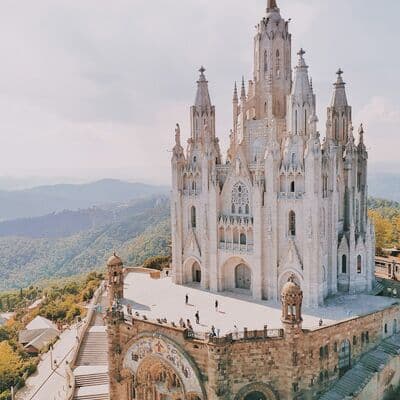
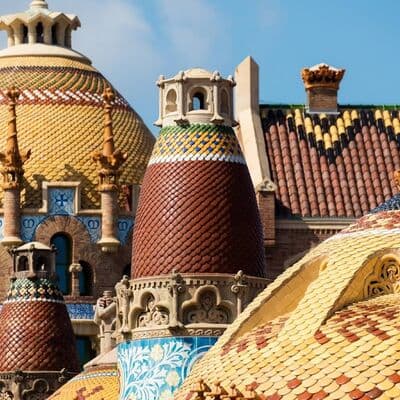
Barcelona — Spain's second-largest city where modernist architecture meets medieval quarters. Gaudí's Sagrada Familia, Park Güell, the Gothic Quarter, Las Ramblas, and Barceloneta beach require at least 4-5 days. In 2026, Sagrada Familia's interior completion will be the architectural event of the century.
Costa Brava — Rocky coastline north of Barcelona with picturesque towns like Tossa de Mar, Cadaqués (Dalí's beloved haunt), and Begur.
Girona — Charming medieval city with a Jewish quarter, colorful houses over the Onyar River, and El Celler de Can Roca—one of the world's best restaurants.
Montserrat — Jagged mountain with a Benedictine monastery housing the Black Madonna.
Figueres — Home to the Salvador Dalí Theatre-Museum, Spain's most-visited museum after the Prado.
Best time: April-June, September-October. Summer is very hot and crowded.
Andalusia
Southern Spain is stereotypical Spain: flamenco, bullfighting, white villages, orange groves, and Moorish heritage. It's hotter, cheaper, and more authentic than the north.
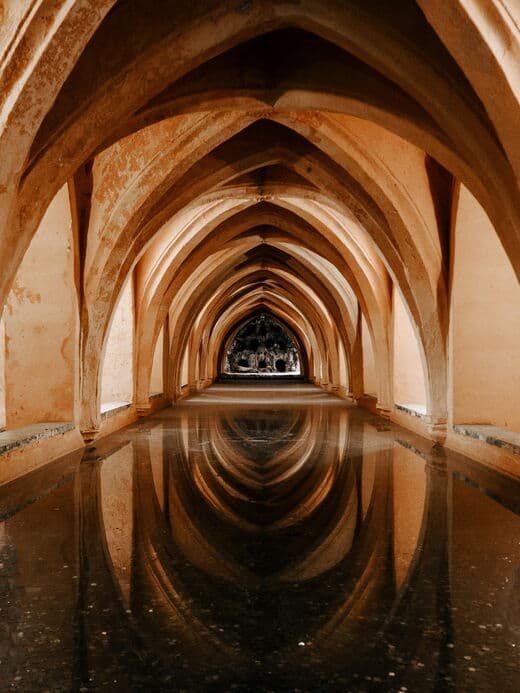
Seville — Andalusia's capital and perhaps Spain's most atmospheric city. The Cathedral with Giralda tower, Alcázar palace (Game of Thrones filming location), and Triana neighborhood—birthplace of flamenco.
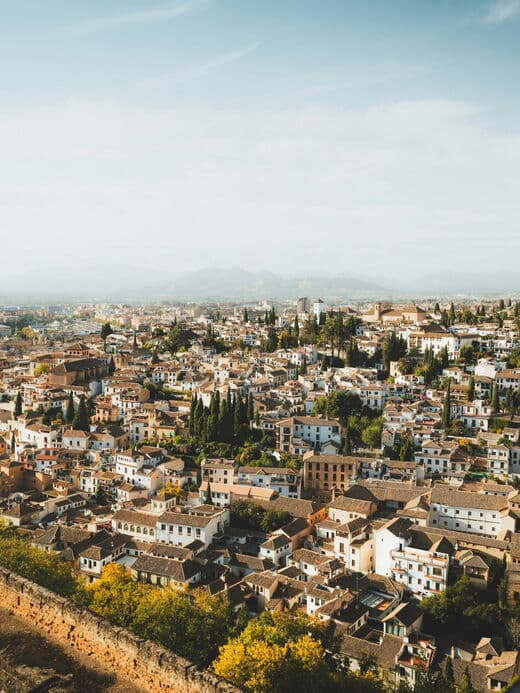
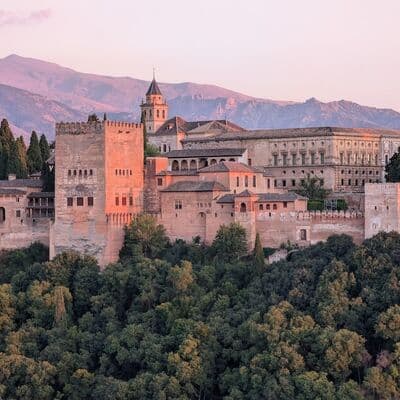
Granada — City at the foot of Sierra Nevada, home to the Alhambra—the pinnacle of Moorish architecture. Book tickets 2-3 months ahead! The Albaicín neighborhood with its white houses and Alhambra views is a UNESCO site.
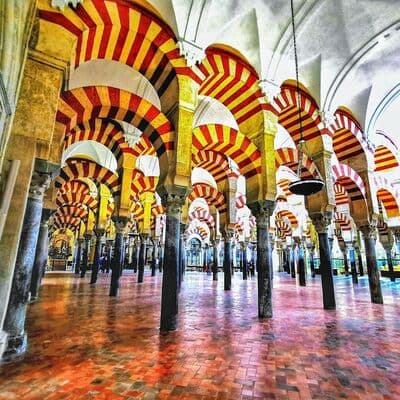
Córdoba — Former capital of Al-Andalus with the Mezquita—a great mosque turned cathedral. Jewish Quarter, Roman Bridge, May Patio Festival.
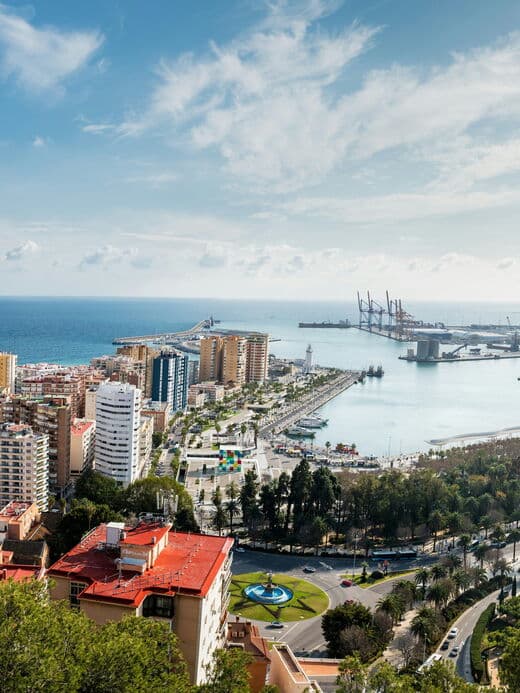
Málaga — Picasso's birthplace, gateway to Costa del Sol. Modern city with excellent museums.
Ronda — City perched above a gorge, one of Spain's oldest. The stunning Puente Nuevo bridge and birthplace of modern bullfighting.
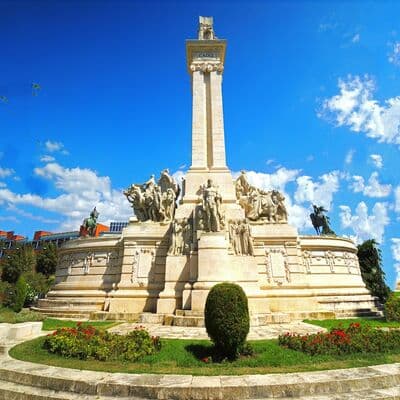
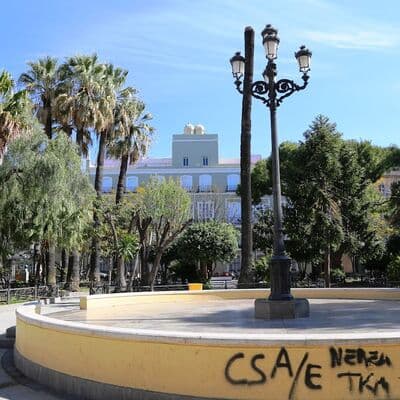
Cádiz — Western Europe's oldest city (founded by Phoenicians around 1100 BC). Atlantic beaches, February carnival, seafood.
Best time: March-May, September-November. Summer reaches 40-45°C.
Basque Country
Northern Spain where rainy weather is compensated by incredible cuisine and unique culture. Basques are among Europe's oldest peoples with a language unrelated to any other.
San Sebastián (Donostia) — World's gastronomic capital with more Michelin stars per capita than anywhere else. Old Town pintxos bars, La Concha beach, Mount Urgull. Summer hosts an international film festival.
Bilbao — Industrial city reborn through Frank Gehry's Guggenheim Museum. Casco Viejo old town, Ribera market, outstanding Basque cuisine.
Vitoria-Gasteiz — Basque Country's capital, a green city with a beautiful medieval center.
Guernica — Town immortalized by Picasso after the 1937 bombing. The Guernica Oak symbolizes Basque freedoms.
Best time: June-September. Rain possible year-round.
Madrid and Central Spain
The country's geographic and political heart. The Castilian plateau offers endless vistas, historic cities, and authentic Spanish character.
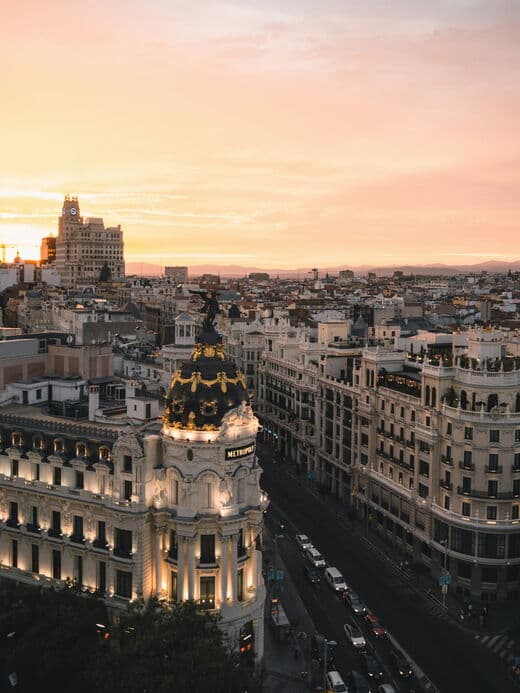
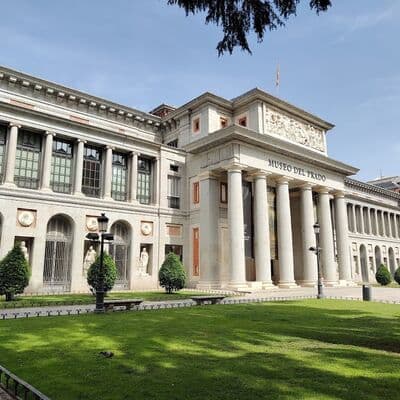
Madrid — The city that never sleeps. Prado Museum (Velázquez, Goya, Bosch), Reina Sofía (Picasso's Guernica), Royal Palace, Retiro Park. Madrid's nightlife is legendary—parties last until dawn.
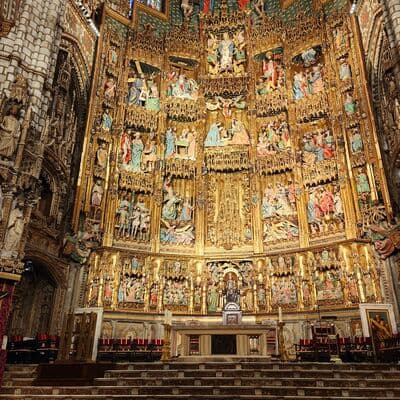
Toledo — "City of Three Cultures" where Christians, Muslims, and Jews coexisted for centuries. Cathedral, El Greco paintings, damascene steel.
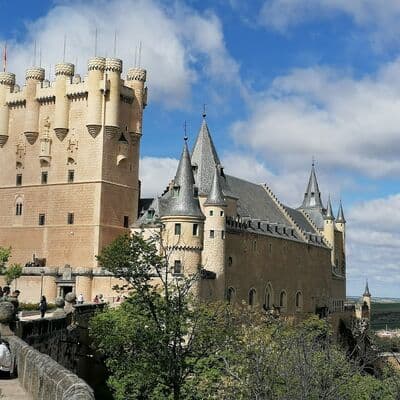
Segovia — 2,000-year-old Roman aqueduct, Alcázar castle (Disney's inspiration), roast suckling pig.
Salamanca — University city with Plaza Mayor—one of Spain's most beautiful squares.
Ávila — Medieval city completely encircled by preserved fortress walls.
Best time: April-June, September-October. Summer is scorching, winter cold.
Valencia and Costa Blanca
Eastern coast—the golden middle between Catalonia and Andalusia.
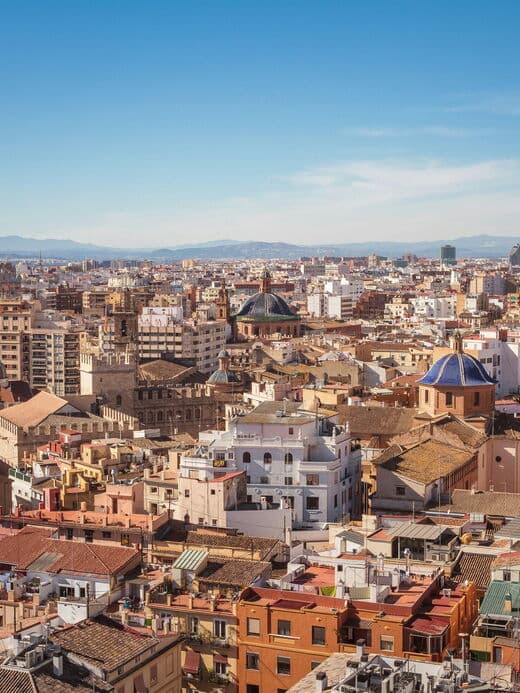
Valencia — Spain's third city, birthplace of paella. Calatrava's City of Arts and Sciences, Old Town, Central Market, Malvarrosa beach. March brings Las Fallas festival with burning of giant sculptures.
Alicante — Resort city with Santa Bárbara Castle, Esplanada promenade, and affordable prices.
Best time: March-November. Milder climate than Andalusia.
Galicia
Northwestern Spain—the Celtic soul of the Iberian Peninsula. Green hills, dramatic rías (fjords), bagpipes, and the country's best seafood.
Santiago de Compostela — End point of the Camino de Santiago, one of Christianity's most important pilgrimage centers.
A Coruña — Port city with the Tower of Hercules—the world's oldest working lighthouse.
Best time: June-September. Rainy most of the year.
Spanish Islands
Balearic Islands
Mediterranean archipelago—four islands with distinct characters.
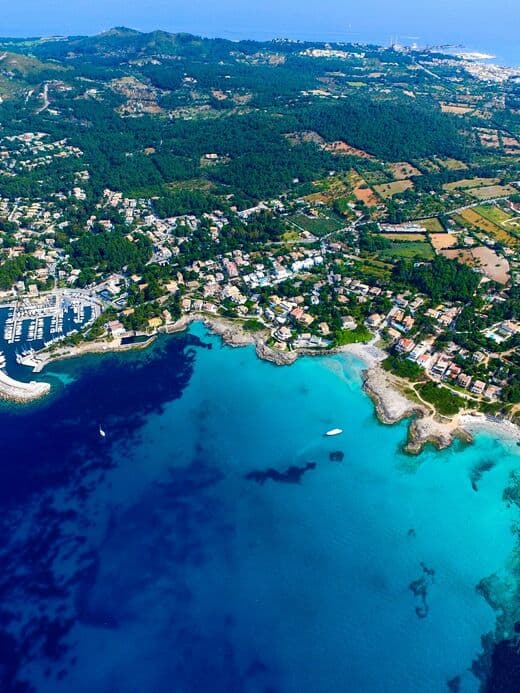
Mallorca — Largest island combining resort tourism with mountain trekking in Serra de Tramuntana (UNESCO). Capital Palma has a beautiful Gothic cathedral.
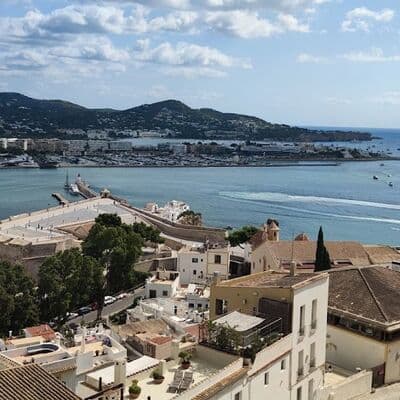
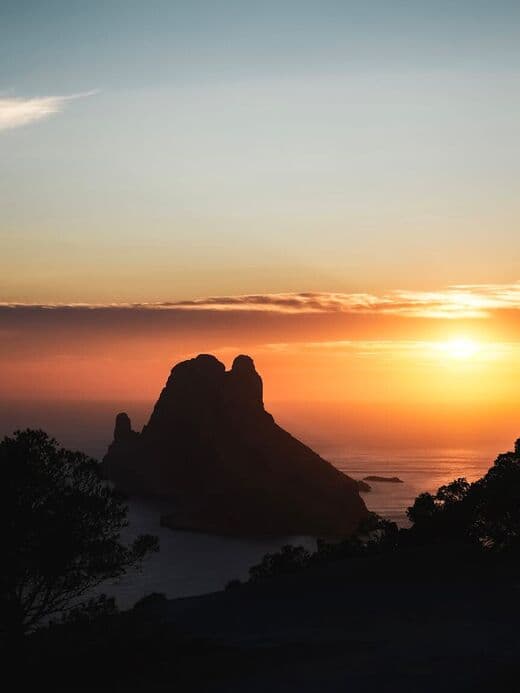
Ibiza — World capital of club culture. But there's more: Dalt Vila old town is a UNESCO site, the north coast has peaceful coves and hippie markets.
Menorca — Quietest island, a UNESCO Biosphere Reserve. Pristine beaches, Talayotic archaeological sites.
Formentera — Small island with no airport (ferry from Ibiza only). Caribbean-like beaches, hippie atmosphere.
Best time: June-September for beaches; May and October for activities.
Canary Islands
Atlantic archipelago off Africa's coast—Spain's eternal summer. Seven unique islands.
Tenerife — Largest island with Mount Teide volcano (3,718m, Spain's highest point). Touristy south, green authentic north. Santa Cruz Carnival is the world's second-largest after Rio.
Gran Canaria — "Miniature continent." Maspalomas dunes, Las Palmas capital, mountain villages.
Lanzarote — Volcanic island transformed by artist César Manrique. Lunar landscapes, caves, vineyards in volcanic ash.
Fuerteventura — Surfers' paradise with deserted beaches.
La Palma — "Beautiful Island," world's best for astronomy. Caldera de Taburiente, laurel forests.
Best time: Year-round! Winter 20-24°C, summer 25-28°C.
When to Visit Spain
Spring (March-May)
Ideal for most regions. Nature blooms, prices haven't peaked, fewer tourists than summer.
- March: Las Fallas in Valencia (March 15-19) — spectacular festival with burning sculptures
- April: Semana Santa (Holy Week, April 2-9 in 2026) — impressive processions, especially in Seville and Málaga
- April-May: Feria de Abril in Seville (April 21-26, 2026) — week of flamenco, horses, celebration
- May: Córdoba Patio Festival — courtyards decorated with flowers
Temperature: 15-25°C on mainland, 22-25°C on Canaries.
Summer (June-August)
Peak tourist season. Hot (up to 40°C in central and southern Spain), crowded, expensive. Perfect for beaches and islands.
- July: San Fermín in Pamplona (July 7-14) — Running of the Bulls, immortalized by Hemingway
- August: La Tomatina in Buñol (August 26, 2026) — world's biggest food fight. Tickets sell out months ahead!
- August: Solar eclipse August 12 — best views from Basque Country
Temperature: 30-40°C in south, 25-30°C in north, 25-28°C on Canaries.
Tip: Avoid Madrid, Seville, Córdoba in August—unbearably hot. Spaniards head north or to the coast.
Fall (September-November)
Shoulder season. Sea still warm (until October), fewer tourists, prices drop, pleasant weather.
Temperature: 20-30°C in September, 15-20°C in November.
Winter (December-February)
Mild on southern coast and islands, cold in center and north. Ski season in Pyrenees and Sierra Nevada.
- February: Carnivals — Tenerife, Cádiz, Sitges
Temperature: 10-15°C on mainland, 18-22°C on Canaries and southern Andalusia.
Getting to Spain
For US and UK Citizens
Direct flights from major US cities (New York, Miami, Los Angeles, Chicago) to Madrid and Barcelona. UK has extensive connections from London, Manchester, Birmingham.
Major Spanish airports:
- Madrid-Barajas (MAD) — Largest hub, ideal for central and southern Spain
- Barcelona El Prat (BCN) — Second largest, for Catalonia and east coast
- Palma de Mallorca (PMI) — For Balearic Islands
- Tenerife South (TFS) — For Canary Islands
- Málaga (AGP) — For Andalusia and Costa del Sol
Domestic Flights
- Vueling — Low-cost carrier based in Barcelona. Tickets from €20
- Iberia Express — Iberia's budget division
- Ryanair — European low-cost, flies to many cities
Tip: Book 2-3 months ahead, watch for sales. Baggage charged separately on low-cost carriers!
Getting Around Spain
High-Speed Trains (AVE and Alternatives)
Spain leads the world in high-speed rail. The AVE network covers 3,973 km—Europe's longest.
Operators:
- AVE (Renfe) — Premium service, speeds up to 310 km/h. Madrid-Barcelona in 2.5 hours. Two classes: Estándar and Confort. Wi-Fi, power outlets, café car. From €25 when booked early.
- AVLO — Budget AVE from Renfe. Same trains, less service. Tickets from €7! Main routes: Madrid-Barcelona, Madrid-Valencia.
- Ouigo — French low-cost carrier (SNCF). Double-decker trains, from €9. Routes: Madrid-Barcelona-Zaragoza.
- iryo — Private operator with ETR1000 trains (Spain's most comfortable). Three classes: Inicial, Singular, Infinita. From €18. Routes: Madrid-Barcelona, Madrid-Seville/Málaga, Madrid-Valencia.
Booking:
- renfe.com — Official site (often glitchy)
- trainline.com — Aggregator comparing all options
- omio.com — Alternative aggregator
Important: Book 60-90 days ahead—prices increase 3-5x closer to travel date!
Buses
Cheaper than trains but much slower.
- ALSA — Largest operator. Madrid-Barcelona from €20 (7-8 hours vs 2.5 on AVE).
Car Rental
Best way to explore rural Spain, coastlines, and islands.
Prices: From €25-40/day for economy. Summer and peak season: €50-80+.
What to know:
- International driving permit recommended but not always required
- 2026 requirement: V16 beacon must be in car (replaces triangle)
- Low Emission Zones (ZBE) in Madrid, Barcelona, Valencia—check eco-stickers
- Gasoline around €1.50-1.70/liter
- Toll highways (autopistas): Barcelona-Valencia around €40
Cultural Code
Schedule and Lifestyle
Spaniards live by their own clock:
- Breakfast (desayuno): 8-10 AM — coffee with toast
- Lunch (almuerzo/comida): 2-4 PM — main meal
- Dinner (cena): 9-11 PM — lighter, but never earlier!
- Siesta: 2-5 PM — many shops and businesses closed
Tip: Menú del día (lunch menu) is the best deal. €12-18 for three courses with wine.
Tipping
Tipping isn't obligatory in Spain (workers earn proper wages), but appreciated:
- Restaurants: 5-10% for excellent service, or round up
- Bars/cafés: small change
- Taxis: round up (€7.50 → €8)
- Hotels: €1-2 for housekeeping, €1 per bag
Do's and Don'ts
Do:
- Greet with "¡Hola!" and "¡Buenos días/tardes/noches!"
- Say "Gracias" and "Por favor"
- Kiss both cheeks when meeting (with women)
- Enjoy meals slowly
Don't:
- Don't arrive at restaurants at 7 PM—you'll dine alone
- Don't expect fast service—it's not neglect, it's lifestyle
- Don't publicly criticize bullfighting—it's controversial
- In Catalonia and Basque Country, don't call everyone "Spanish"—there are nuances
Safety
Spain is a safe country—Level 1 by US State Department ("exercise normal precautions").
Pickpockets
Main issue—pickpockets in tourist areas:
- Barcelona: Las Ramblas, metro, Boqueria market, Barceloneta beach. Known as Europe's "pickpocket capital"
- Madrid: Puerta del Sol, Gran Vía, metro
- Seville: Triana, Plaza de España
Protection:
- Cross-body bag, zipped, in front
- Don't keep phone in back pocket
- At cafés, don't hang bag on chair back
- Watch for distractions (petition signing, "stain on clothes")
Emergency Numbers
- 112 — Universal European (operators in 50+ languages)
- 091 — National Police (cities)
- 062 — Civil Guard (rural, highways)
- 092 — Local Police
- 061 — Ambulance
Tourist helpline: 902 102 112 (English, French, German)
App: AlertCops — for crime reporting
Money and Budget
Currency
Euro (EUR). Notes: 5, 10, 20, 50, 100, 200, 500 EUR. Coins: 1, 2, 5, 10, 20, 50 cents; €1, €2.
Tip: €200 and €500 notes often refused—too large.
Payment Methods
Visa/Mastercard accepted almost everywhere. Contactless payment widespread.
Daily Budget
Budget (€50-70):
- Hostel: €20-35
- Food: €20-30 (supermarket breakfast, menú del día, tapas)
- Transport: €5-10
- Attractions: €5-10
Mid-range (€100-150):
- 3-star hotel: €60-90
- Food: €40-70 (cafés, restaurants)
- Transport: €10-20
- Attractions: €15-25
Comfortable (€200+):
- 4-5 star hotel: €120-200
- Food: €80-120 (fine dining, tastings)
- Taxis, private tours
Regional Prices
- Barcelona — Most expensive city (+20-30% above average)
- Madrid — Expensive, but cheaper than Barcelona
- Basque Country — Expensive region
- Andalusia — 30-40% cheaper than Barcelona
- Valencia — Average prices
- Canary Islands — Varies by island and season
Top Spain Itineraries
Classic Spain: 7 Days
Days 1-2: Madrid
- Prado Museum (at least half day)
- Royal Palace and Almudena Cathedral
- Retiro Park
- Puerta del Sol, Gran Vía
- Evening: tapas in La Latina
Day 3: Toledo (day trip)
- Train from Madrid (33 minutes)
- Cathedral, Alcázar, Jewish Quarter
Days 4-5: Barcelona
- AVE transfer (2.5 hours)
- Sagrada Familia (book ahead!)
- Park Güell
- Gothic Quarter
- Las Ramblas and Boqueria Market
- Barceloneta beach
Day 6: Montserrat or Girona
- Day trip from Barcelona
Day 7: Barcelona
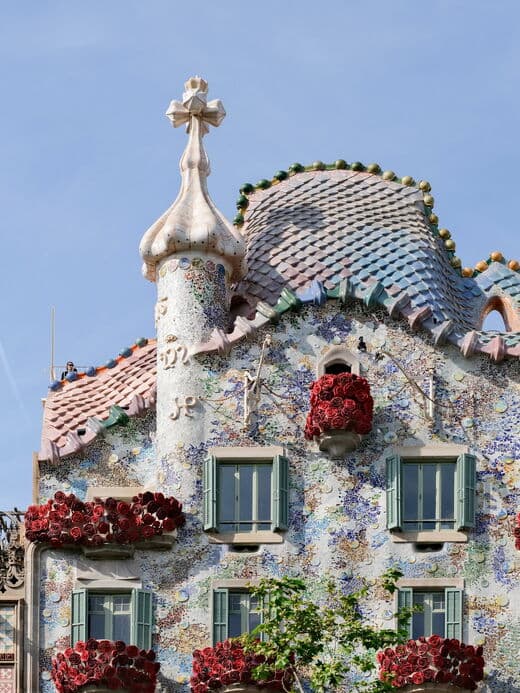
- Gaudí houses (Batlló, Milà)
- Gràcia neighborhood
- Montjuïc hill
Andalusia: 10 Days
Days 1-2: Málaga — Arrival, Picasso Museum, beaches
Days 3-4: Granada — Alhambra (book ahead!), Albaicín
Day 5: Córdoba — Mezquita, Jewish Quarter
Days 6-8: Seville — Alcázar, Cathedral, flamenco in Triana
Day 9: Ronda or Cádiz — Gorge bridge or Atlantic beaches
Day 10: Málaga — Departure
Northern Spain: 14 Days
Days 1-2: Bilbao — Guggenheim, pintxos
Days 3-4: San Sebastián — La Concha beach, world's best pintxos
Day 5: Guernica and coast
Days 6-7: Santander and Cantabria — Picos de Europa
Days 8-9: Oviedo and Asturias — Romanesque churches, cider
Days 10-11: Santiago de Compostela — Cathedral, seafood
Days 12-14: A Coruña and Rías — Tower of Hercules, oysters
Entry Requirements
For US Citizens
Visa-free for 90 days within any 180-day period (Schengen rules).
New 2026 requirements:
- EES (Entry/Exit System) — From April 10, 2026: Fingerprints and photos at each entry, automatic tracking of 90/180 days, no more passport stamps.
- ETIAS — Last quarter of 2026: Online authorization required before travel (€7 for ages 18-70, valid 3 years). Register at travel-europe.europa.eu/etias.
For UK Citizens
Post-Brexit: 90-day visa-free stay within 180 days. Same EES and ETIAS requirements as US citizens.
Spanish Cuisine
National Dishes
Paella — Rice dish from Valencia. Classic is with chicken and rabbit (not seafood!). Real paella is lunch, not dinner.
Tapas — Small dishes—the philosophy of Spanish dining. Jamón, olives, tortilla, croquetas, patatas bravas, gambas al ajillo. Bar-hop—it's tradition.
Jamón — Cured ham
- Jamón Serrano — Standard
- Jamón Ibérico — From Iberian pigs, pricier
- Jamón Ibérico de Bellota — Top grade, acorn-fed. Up to €300/kg
Tortilla Española — Potato omelette—foundation of Spanish cuisine.
Gazpacho and Salmorejo — Cold tomato soups—summer salvation.
Churros — Fried dough with hot chocolate—breakfast or post-clubbing.
Regional Specialties
- Basque Country: pintxos (skewered tapas), bacalao (cod), txuletón (steak), cider
- Galicia: pulpo a la gallega (octopus), empanada, percebes (goose barnacles)
- Catalonia: escudella (stew), pa amb tomàquet (bread with tomato), crema catalana
- Andalusia: pescaíto frito (fried fish), flamenquín, gazpacho, salmorejo
- Valencia: paella varieties, horchata, fideuà
- Asturias: fabada (bean stew), cachopo, cider
Shopping
What to Buy
Food & Drink:
- Jamón — Vacuum-packed for transport
- Olive oil — Look for Extra Virgen
- Manchego cheese
- Turrones — Almond sweets
- Wine and sherry
- Saffron — Best from La Mancha
Fashion:
- Spanish brands: Zara, Mango, Massimo Dutti, Bershka — cheaper than abroad
- Espadrilles — Traditional footwear
Crafts:
- Ceramics from Valencia and Andalusia
- Leather goods
- Damascene steel from Toledo
- Lladró porcelain
Where to Shop
- El Corte Inglés — Main department store
- Markets: Boqueria (Barcelona), San Miguel (Madrid)
- Outlets: La Roca Village (Barcelona), Las Rozas Village (Madrid)
Sales (Rebajas):
- Winter: After January 6 through February
- Summer: July-August
Summary
Spain in 2026 remains one of the world's best travel destinations:
Why go:
- Diversity: Mountains to beaches, megacities to white villages
- World-class culture and history
- Outstanding cuisine at accessible prices
- Excellent infrastructure
- Pleasant climate most of the year
What to consider:
- Book Alhambra and Sagrada Familia 2-3 months ahead
- Buy train tickets 60-90 days early
- Adapt to Spanish schedules
- Avoid central/southern Spain in August
Weekly budget:
- Budget: €400-500
- Mid-range: €700-1,000
- Comfortable: €1,500+
¡Buen viaje! Have a great trip!