San Sebastián
San Sebastian 2026: What to Know Before You Go
San Sebastian -- or Donostia, as the Basques call it -- is the kind of city that ruins you for everywhere else. I mean that seriously. Once you have stood on La Concha Beach at sunset, eaten your way through a dozen pintxos bars in the Old Town, and watched surfers ride perfect waves at Zurriola, you will spend years chasing that feeling in other cities and never quite finding it.
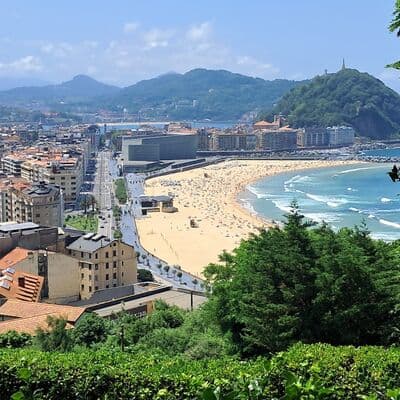
Here is the short version: San Sebastian is a small city (190,000 people) on Spain's northern Atlantic coast, right next to the French border, with more Michelin stars per capita than anywhere on Earth. It has three beaches, two mountains, a stunningly preserved old quarter, and a food culture so deep that grown men belong to private cooking clubs where they prepare elaborate dinners for each other. The Basque Country is not quite Spain, not quite France -- it is its own thing entirely, and San Sebastian is its crown jewel.
Who is this guide for? Anyone planning a real trip, not just scrolling. Whether you have three days or a full week, whether your budget is backpacker or blowout, this covers what you actually need to know -- from which neighborhood to book in, to what time to show up for pintxos so you are not eating alone in an empty bar.
The honest pros: Arguably the best food city in Europe. Gorgeous setting -- mountains, beaches, river, all walkable. Safe, clean, compact. Fascinating Basque culture. World-class surf. Excellent wine and cider.
The honest cons: Expensive by Spanish standards (think 30-50% more than Barcelona or Madrid for accommodation). Weather is unpredictable -- rain can appear any day, any month. July and August are genuinely overcrowded. Nightlife is limited compared to bigger Spanish cities. The Basque language on signs can be confusing. And if you are a picky eater who does not like seafood, you will miss out on about 60% of the culinary experience.
Neighborhoods: Where to Stay
San Sebastian is compact enough to walk across in 30 minutes, so there is no truly bad location. But each neighborhood has a distinct personality, and picking the right one will shape your entire trip.
Parte Vieja (Old Town)
The beating heart of San Sebastian, tucked between Monte Urgull and the river. Narrow medieval streets packed with pintxos bars, souvenir shops, and the magnificent Plaza de la Constitucion (look for the numbered balconies -- they were once private boxes for bullfights held in the square). This is where the legendary bar crawl happens every evening from 8 PM onwards.
Vibe: Lively, loud, touristy but authentically so. Feels like the center of everything.
Pros: Walking distance to everything. Pintxos bars on your doorstep. La Concha Beach two minutes away. The San Telmo Museum and the Aquarium are right here.
Cons: Noisy at night (especially Thursday through Saturday -- groups do not quiet down until 2-3 AM). Limited parking. Apartments tend to be old and small. Most expensive area.
Prices: EUR 120-250/night for a decent apartment, EUR 180-400 for a hotel. Budget hostels around EUR 30-50/bed.
Best for: First-timers, food-focused travelers, couples who want to stumble home from bars.
Centro / Romantic District
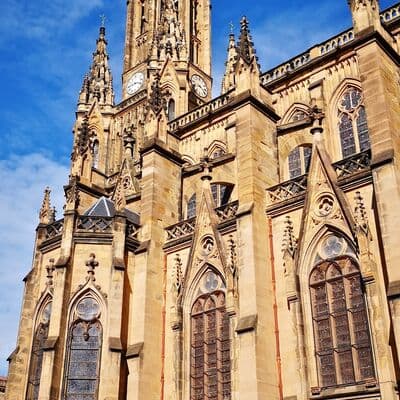
The elegant grid of wide boulevards south of La Concha Beach, built in the 19th century when San Sebastian was the Spanish royal family's summer retreat. The Buen Pastor Cathedral anchors the district. Tree-lined streets, upscale shops, Belle Epoque architecture. This is where well-off locals actually live.
Vibe: Refined, quiet at night, feels like a proper European city rather than a tourist zone.
Pros: Beautiful buildings. Good restaurants (less tourist-oriented). Walking distance to both La Concha and the Old Town. Best shopping.
Cons: Can feel a bit sterile. Not as much street life in the evening. Hotels skew toward the pricier end.
Prices: EUR 100-200/night for apartments, EUR 150-350 for hotels. The Maria Cristina (luxury landmark) starts around EUR 400.
Best for: Couples wanting a quieter base, families, anyone who values sleep over proximity to nightlife.
Gros
The neighborhood across the river from the Old Town, facing Zurriola Beach and the striking Kursaal Congress Centre. Gros has undergone a remarkable transformation over the past decade -- what was once a working-class area is now the city's coolest neighborhood, with craft beer bars, specialty coffee shops, innovative pintxos spots, and a younger crowd.
Vibe: Surfer-meets-hipster. Like a smaller, Basque version of Bondi or Venice Beach. Creative energy.
Pros: Best surf beach in the city. Pintxos bars here are often better and cheaper than the Old Town. Tabakalera cultural center is nearby. More local, less touristy feel. Slightly cheaper accommodation.
Cons: A 10-minute walk to La Concha. Zurriola is rougher for swimming (great for surfing, less ideal for families). Fewer historic sights.
Prices: EUR 80-170/night for apartments, EUR 120-280 for hotels.
Best for: Surfers, younger travelers, foodies who want to escape the tourist trail, digital nomads.
Antiguo
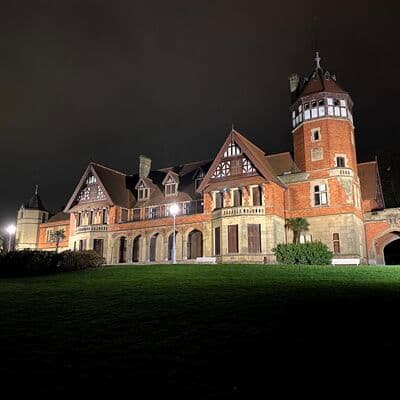
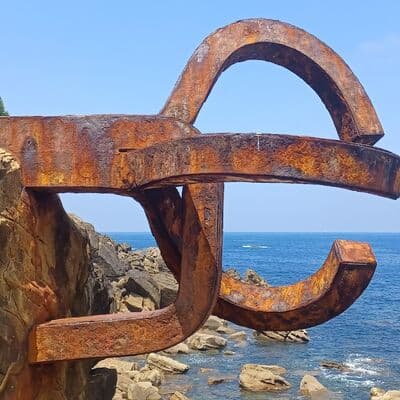
The western end of La Concha Bay, climbing up toward Monte Igueldo. Home to the famous Comb of the Wind sculpture by Eduardo Chillida, the Miramar Palace, and some of the city's most prestigious addresses. The University of the Basque Country campus brings some student life.
Vibe: Residential, upscale, peaceful. Great for morning runs along the promenade.
Pros: Quietest beach access (Ondarreta Beach, the western stretch of La Concha). Beautiful walks. Close to Igueldo funicular. The Comb of the Wind at sunset is unforgettable.
Cons: 15-20 minute walk to Old Town and pintxos bars. Fewer restaurant options. Can feel isolated at night.
Prices: EUR 90-180/night for apartments, EUR 130-300 for hotels.
Best for: Families with kids, beach lovers, those wanting a quieter stay with scenic walks.
Amara
The modern commercial district south of the center, along the Urumea River. This is everyday San Sebastian -- shopping centers, the Anoeta football stadium (home of Real Sociedad), and residential blocks. Not scenic, but functional and well-connected.
Vibe: Local, practical, no-frills. Where San Sebastian goes to buy groceries and watch football.
Pros: Cheapest accommodation in the city. Excellent bus connections. Supermarkets and pharmacies everywhere. Real Sociedad match days are electric.
Cons: Not walkable to the beach (15-20 minutes). Zero charm. You will spend money on bus rides or taxis to reach the interesting parts.
Prices: EUR 60-120/night for apartments, EUR 80-180 for hotels.
Best for: Budget travelers, football fans, long-term stays.
Egia
The up-and-coming neighborhood east of Amara and south of Gros. Former industrial area turning into San Sebastian's arts district, with Tabakalera (a converted tobacco factory now housing a cinema, exhibition spaces, and a rooftop terrace) as its anchor. Raw and authentic -- this is where young Basques actually hang out.
Vibe: Brooklyn circa 2012. Creative, slightly gritty, in transition.
Pros: Cheapest neighborhood with character. Interesting bars and cafes opening regularly. Tabakalera is a genuine cultural hub. Feels undiscovered.
Cons: Not pretty. No beach access on foot. Some streets feel neglected. Limited tourist infrastructure.
Prices: EUR 55-110/night for apartments. Few hotels.
Best for: Young travelers, artists, anyone who has been to San Sebastian before and wants something different.
Best Time to Visit San Sebastian
This is the Basque Country, not Andalusia. The weather here is Atlantic -- think more Seattle or Dublin than Barcelona. That said, when San Sebastian gets a good day, there is genuinely no more beautiful city in Europe. Picking the right time is important.
The sweet spots: June and September. These are the months locals will quietly recommend. June brings long days (sunset after 10 PM), warm but not hot temperatures (18-24C / 64-75F), manageable crowds, and the start of outdoor dining season. September is similar but with warmer sea temperatures from summer heat, plus the world-famous San Sebastian International Film Festival in the third week. Accommodation is 30-40% cheaper than peak summer.
High season: July and August. Hot by Basque standards (22-28C / 72-82F), packed beaches, fully booked restaurants, accommodation prices double. The city swells with Spanish and French vacationers. August brings Semana Grande (Great Week), the city's biggest festival with fireworks competitions, concerts, and events -- exciting but chaotic. Book everything at least two months ahead. Expect to wait in line for popular pintxos bars.
Shoulder season: April-May and October. Unpredictable weather -- you might get a perfect 22C day or sideways rain. But hotel prices drop dramatically (EUR 80-120 for rooms that cost EUR 200+ in summer), and you will have restaurants and museums largely to yourself. Bring layers and a good rain jacket. Late October sees frequent storms but also dramatic skies and huge surf at Zurriola.
Winter: November through March. Cold and rainy (8-12C / 46-54F), short days, grey skies. Many tourists skip this entirely, which is a mistake. Winter is when San Sebastian feels most authentically Basque. The pintxos bars are full of locals. Cider season runs January through April (visit a sagardotegi -- a traditional cider house -- for an unforgettable experience). And on January 20th, Tamborrada takes over the entire city: 24 hours of drumming to celebrate the patron saint, with thousands of participants in military and cook costumes marching through the streets. It is one of Spain's most extraordinary festivals and few foreigners know about it.
Key events to plan around:
- January 20 -- Tamborrada: 24-hour drumming festival. Magical but book accommodation months ahead.
- Late June / Early July -- Jazzaldia: International jazz festival with free outdoor concerts and big-name headliners. The lakeside stage at the Kursaal is iconic.
- August (3rd week) -- Semana Grande: The big summer party. Fireworks over La Concha every night at 10:30 PM.
- Late September -- San Sebastian International Film Festival: Major European film event. Celebrity sightings, red carpets, special screenings. The city buzzes with creative energy.
Itinerary: 3 to 7 Days
San Sebastian rewards both short visits and longer stays. Here are three itineraries depending on your time. All assume you are staying centrally (Old Town, Centro, or Gros).
3 Days: The Essential San Sebastian
Day 1 -- Beaches, Old Town, and Your First Pintxos Crawl
Start at La Concha Beach in the morning (before 10 AM for the best light and fewest people). Walk the full length of the promenade from the Town Hall to Miramar Palace -- about 20 minutes, and one of the most beautiful urban walks in Europe. If the weather is good, swim. The water is clean and calm in the bay.
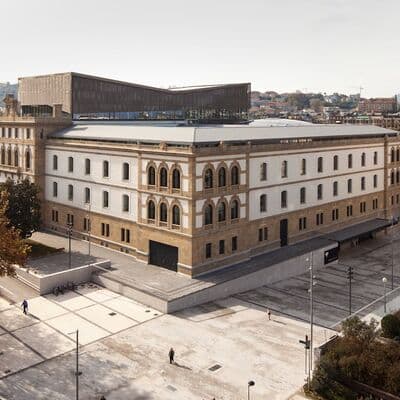
Late morning, head to the Old Town. Explore the narrow streets, visit the Plaza de la Constitucion, and duck into the San Telmo Museum (EUR 8, free on Tuesdays; excellent collection covering Basque history and contemporary art in a beautiful converted convent). Budget 90 minutes here.
Lunch: your first pintxos experience. Hit the Old Town bars between 1:00 and 2:00 PM. Start at Bar Nestor (famous tortilla -- arrive at 1 PM sharp, they make only two per day and they sell out in minutes), then move to La Cuchara de San Telmo (hot pintxos cooked to order -- the foie gras and the slow-cooked veal cheeks are legendary), then Gandarias (excellent jamón and grilled meats). Three to four pintxos per bar, one drink per bar. Budget EUR 25-35 per person for a full pintxos lunch.
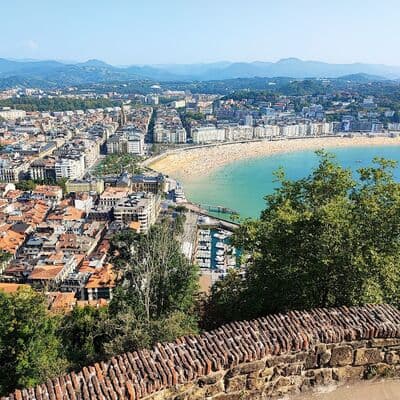
Afternoon: climb Monte Urgull. Multiple paths lead up from the Old Town and the port. The summit has a massive Christ statue, a small free museum (Casa de la Historia), and 360-degree views of the city, bay, and open ocean. Allow 30-40 minutes up, 20 minutes to explore, 20 minutes down. The path from the Aquarium side is the most scenic.
Evening: the main event -- a proper pintxos crawl starting at 8:00-8:30 PM. The Old Town bars are at their peak energy between 8:30 and 10:30 PM. Essential stops: A Fuego Negro (avant-garde pintxos, creative cocktails), Borda Berri (truffle scrambled eggs, risottos), Txepetxa (anchovy specialists -- do not skip this even if you think you do not like anchovies). End with a gin and tonic at a terrace on the port. Budget EUR 35-50 per person for an evening crawl.
Day 2 -- Monte Igueldo, Cider House, and Gros District
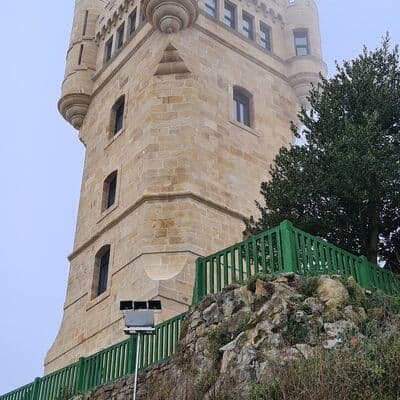
Morning: take the funicular up Monte Igueldo (EUR 4 round trip, runs from 10 AM). The views from the top over La Concha Bay are the classic San Sebastian postcard shot. There is a charmingly retro amusement park at the summit -- kitschy but fun. The Torre de Igueldo viewpoint is the highest spot. Spend about an hour total.
On the way down, walk along Ondarreta Beach to the Comb of the Wind sculptures. Chillida's iron claws gripping the rocks while waves crash around them -- it is one of the most powerful pieces of public art anywhere. When the sea is rough, blowholes in the terrace shoot geysers of spray. Plan 20-30 minutes here.
Lunch: drive or taxi (20 minutes, about EUR 15) to a cider house (sagardotegi) in the nearby village of Astigarraga. Petritegi and Zelaia are both excellent. The traditional cider house meal is fixed: tortilla de bacalao (salt cod omelet), cod with peppers, txuleta (massive bone-in ribeye cooked over coals), cheese with walnuts and quince paste, and unlimited cider that you catch from the barrel yourself. Budget EUR 35-45 per person. These places are only open roughly January through June, so check dates. Outside cider season, go to Sidreria Donostiarra in Gros for a similar experience year-round.
Afternoon: explore the Gros neighborhood. Walk along Zurriola Beach, admire the Kursaal from outside (the two glass cubes are stunning at any time of day), and browse the shops and cafes on Calle Zabaleta and Calle Peña y Goñi. If you surf or want to try, Zurriola is the spot -- several rental shops offer boards and wetsuits from EUR 15-20 for two hours. Lessons run about EUR 50-60 for a group session.
Evening: pintxos in Gros. The bars here are excellent and less crowded than the Old Town. Must-visits: Bergara (their display counter is a work of art), Hidalgo 56 (creative modern pintxos), and Bar Topa (natural wines with inventive small plates). Budget EUR 30-40 per person.
Day 3 -- Santa Clara Island, Markets, and Farewell Dinner
Morning: take a boat to Santa Clara Island in the middle of La Concha Bay (boats run every 30 minutes in summer from the port, EUR 4 round trip; limited schedule outside July-August). The island has a tiny beach, a bar, and walking paths. It feels impossibly peaceful just 10 minutes from the city. Bring a towel and snorkel if you have one -- the water is remarkably clear. Spend 2-3 hours.
Midday: visit La Bretxa market in the Old Town (ground floor for fresh produce, fish, and meat; downstairs is a modern shopping center -- ignore it). The fish stalls are extraordinary -- you will see species you have never encountered before. This is a working market, not a tourist attraction, which makes it better. Open Monday through Saturday until 2 PM.
Lunch: treat yourself to a proper sit-down meal. Kokotxa in the Old Town has a Michelin star and a tasting menu (EUR 95-130) that showcases modern Basque cuisine at its finest -- book at least a week ahead. For something more casual but still special, Bodegon Alejandro (also in the Old Town) does updated Basque classics in a beautiful stone-walled room.
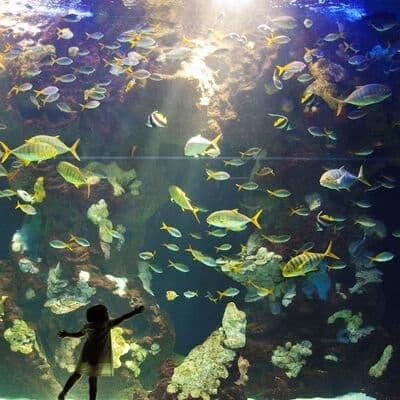
Afternoon: free time. Options include the Aquarium (EUR 13, good for kids, the underwater tunnel is impressive), Tabakalera (free exhibitions, great bookshop, rooftop with panoramic views), or simply returning to La Concha for a final swim.
Evening: one last pintxos round. Try the bars you missed, revisit your favorites, and toast to San Sebastian with a glass of txakoli.
5 Days: Add These
Day 4 -- Day Trip to Getaria and the Coast
Take the bus (PESA from Amara station, 40 minutes, EUR 3.50) or drive the coastal road to Getaria, a tiny fishing village famous for two things: being the birthplace of Juan Sebastian Elcano (the first person to circumnavigate the globe) and having the best grilled fish in the Basque Country. Walk the medieval streets, see the tilting church (the floor is at a wild angle -- it is not your imagination), and have lunch at Elkano (one Michelin star, widely considered the best grilled fish restaurant in Spain -- order the whole turbot, EUR 80-100 for two, reserve two weeks ahead) or the more casual Iribar right on the harbor. On the way back, stop at the Cristobal Balenciaga Museum in Getaria (EUR 10, stunning collection from the legendary Basque fashion designer). If you have a car, continue along the coastal road through Zumaia (famous for its dramatic flysch geological formations, featured in Game of Thrones) and Deba before returning to San Sebastian.
Day 5 -- Hondarribia and the French Border
Bus to Hondarribia (Euskotren E09 bus, 35 minutes, EUR 2.60), a beautifully preserved walled town overlooking the French coast. Walk the medieval Kale Nagusia, admire the colorful fishermen's houses on Calle San Pedro, and have lunch at one of the casual restaurants on the waterfront (excellent grilled sardines in season, June-October). After lunch, take the small ferry across the Bidasoa estuary to Hendaye in France (EUR 2, five minutes) -- you can walk along the French beach and have a coffee in another country before catching the ferry and bus back. This day trip perfectly captures the border-straddling character of the Basque Country.
7 Days: The Full Experience
Day 6 -- Basque Cooking Class and Wine
Book a cooking class with Mimo San Sebastian, Tenedor Tours, or San Sebastian Food (EUR 120-180 per person, typically 4-5 hours including market visit and lunch with wine). You will visit La Bretxa market with a local chef, learn to make pintxos and a Basque main course, and eat everything with local wines. This is consistently rated as a trip highlight. Afternoon: visit the Txakoli vineyards in the hills above the city. Bodegas Ameztoi in Getaria or Hiruzta Bodega above Hondarribia both offer tastings (EUR 10-20) with incredible coastal views.
Day 7 -- San Sebastian Like a Local
Sleep in. Go to the Antiguo farmers market (Saturday mornings only) or the La Bretxa market one more time. Have a late breakfast of coffee and a croissant at Sakona (Gros) or Kafe Botanika (Centro). Spend the afternoon at your favorite beach. Take a long walk along the entire bay from the Comb of the Wind to Monte Urgull and back. Have your farewell dinner early (8 PM) at your favorite pintxos bars -- you will have favorites by now. End the night with a cocktail at Bataplan, right on La Concha Beach.
Where to Eat: Restaurants and Cafes
San Sebastian has the highest concentration of Michelin stars per square meter in the world. But the real magic is not in the fine dining -- it is in the pintxos bars, where world-class food costs EUR 2-5 per bite. Here is your eating roadmap.
Pintxos Bars: The Essential List
Old Town (Parte Vieja):
- La Cuchara de San Telmo -- Hot pintxos cooked to order. The foie gras with apple, the veal cheeks, and the risotto of the day are all exceptional. Tiny place, always packed. Go at 1 PM or 8 PM when fresh batches come out.
- Gandarias -- Perfect for meat lovers. The solomillo (sirloin) pintxo is iconic. Also excellent jamón ibérico carved to order.
- A Fuego Negro -- The punk rock pintxos bar. Creative, playful, served on black slate with irreverent names. The 'McFoie' is a mini foie gras burger. Good cocktails.
- Txepetxa -- Specialists in anchovies prepared a dozen different ways. Sounds niche; it is brilliant. The anchovy with spider crab is a masterpiece. Closed Mondays.
- Borda Berri -- Truffle scrambled eggs, risottos, slow-cooked meats. Everything from the kitchen is excellent. Slightly hidden on a side street.
- Bar Nestor -- Famous for two things only: tortilla (1 PM and 8 PM, first come first served) and txuleta (steak, must reserve). The tortilla is the best in Spain. I will die on this hill.
Gros neighborhood:
- Bergara -- The most beautiful pintxos counter in the city. Each piece is a miniature artwork. The warm crab tartlet is legendary.
- Hidalgo 56 -- Modern and inventive. Frequently changes menu. Always surprising.
- Bar Topa -- Natural wines and creative small plates. Less traditional, more modern bistro vibes.
- Ramuntxo Berri -- Excellent value, generous portions. The grilled octopus pintxo is worth the trip across the river alone.
Sit-Down Restaurants (Mid-Range)
Bodegon Alejandro (Old Town, EUR 40-60/person) -- Updated Basque classics in a gorgeous stone building. The hake in green sauce is definitive. Reserve.
Casa Urola (Old Town, EUR 45-65/person) -- Seasonal Basque cooking at its best. The mushroom season (October-November) menu is extraordinary. Small and popular; book ahead.
Narru (Gros, EUR 35-55/person) -- More casual, excellent grilled fish and meats. Good wine list focusing on small Basque producers. Lovely terrace in summer.
Sidreria Donostiarra (Gros, EUR 30-40/person) -- Year-round cider house experience in the city. Fixed menu of cod, txuleta, cheese. Fun atmosphere, catch cider from the barrel.
Michelin-Starred Restaurants
San Sebastian and its surroundings have an absurd concentration of Michelin stars. The big names:
- Arzak (3 stars) -- The cathedral of Basque nouvelle cuisine. Juan Mari Arzak and his daughter Elena run this institution in the Alto de Miracruz neighborhood. Tasting menu EUR 250+. Book months ahead. Worth every cent for a once-in-a-lifetime meal.
- Akelarre (3 stars) -- Pedro Subijana's hilltop restaurant with jaw-dropping views over the Bay of Biscay. The 'Aranori' menu (EUR 280) is a journey through Basque flavors. Located on Monte Igueldo.
- Martin Berasategui (3 stars) -- Technically in Lasarte-Oria, 15 minutes from the city. Many consider it the best restaurant in Spain. The mille-feuille of smoked eel is one of the most famous dishes in modern gastronomy. Tasting menu EUR 290+.
- Mugaritz (2 stars) -- The most experimental of the group. Andoni Luis Aduriz creates dishes that challenge what food can be. Some people love it, some find it pretentious. I think it is genius. Located in Errenteria, 20 minutes from the city. Tasting menu EUR 240+.
- Kokotxa (1 star) -- In the Old Town, making it the most accessible fine dining option. Modern Basque cuisine with a focus on seafood. Tasting menu EUR 95-130. This is the one to choose if you only do one starred meal.
Cafes and Breakfast Spots
Sakona (Gros) -- Best brunch in the city. Excellent coffee, fresh pastries, creative toasts. Popular with locals on weekends -- arrive before 10 AM or wait.
Kafe Botanika (Centro) -- Specialty coffee done right. Third-wave beans, skilled baristas. Good for working on a laptop.
La Vina (Old Town) -- Famous for its Basque cheesecake (tarta de queso). Go in the afternoon with a coffee. The cheesecake really is as good as everyone says -- creamy, caramelized top, almost molten center. This recipe inspired the global burned Basque cheesecake trend.
What to Try: Food Guide
Basque cuisine is arguably the most sophisticated regional food culture in Europe. Here are the dishes you absolutely must eat, and a few things worth knowing before you order.
Gilda -- The original pintxo: a skewer of olive, anchovy, and pickled guindilla pepper. Named after Rita Hayworth's character in the 1946 film because, like her, it is 'salty, spicy, and a little sour.' Available at every bar. The perfect thing to order while you are deciding what else to eat. EUR 2-3.
Bacalao al pil-pil -- Salt cod in a sauce of olive oil, garlic, and the gelatin from the fish itself, emulsified by patient rocking of the pan. The sauce should be silky, glossy, and slightly garlicky. It looks simple; it takes years to master. This is the soul of Basque cooking. EUR 18-25 as a main course.
Kokotxas -- The gelatinous throat/chin of hake or cod, cooked in green sauce (parsley and garlic) or pil-pil style. Sounds unappetizing; tastes ethereal -- silky, rich, unlike any other fish texture. This is a signature Basque delicacy you will not find done properly anywhere else. EUR 20-30.
Txuleta -- A massive bone-in ribeye from retired dairy cows (galician rubia gallega or the local betizu breed), dry-aged, grilled over coals, served rare. Usually shared between two. Expect to pay EUR 50-80 per kilo. The fat should be yellow (a sign of grass-fed, older cattle). Best at cider houses or Bar Nestor.
Tarta de queso (Basque cheesecake) -- The original burned Basque cheesecake that launched a thousand imitations worldwide. La Vina in the Old Town claims to have invented it. Light, creamy, with a deeply caramelized top. Order a slice with coffee for dessert. EUR 4-5. The version here has ruined all other cheesecakes for me permanently.
Txakoli -- The local white wine, poured from a height to aerate it and create a slight sparkle. Light, crisp, slightly tart, low alcohol (10-11%). Perfect with seafood pintxos. Always ask for txakoli (pronounced 'cha-ko-LEE') as your first drink -- it sets the tone. EUR 2-3 per glass.
Idiazabal -- Smoky sheep's milk cheese from the mountains south of San Sebastian. Hard, nutty, with a distinctive flavor from smoking over cherry or beechwood. Often served with quince paste (membrillo) and walnuts as a dessert pintxo. Buy a wedge at the market to bring home. EUR 15-20/kg.
Marmitako -- A hearty tuna and potato stew, originally fishermen's food. Best in late spring and summer when fresh bonito tuna is in season. Warming, simple, deeply satisfying. A bowl with bread is a perfect lunch on a rainy day. EUR 12-18.
Anchoas de Santoña/Getaria -- Cantabrian anchovies, cured in salt and packed in oil. Nothing like the salty slithers on pizza. These are meaty, delicate, and complex. Txepetxa in the Old Town builds an entire menu around them. A tin makes an excellent gift. EUR 8-15 for a quality tin at the market.
Pintxo de txangurro -- Spider crab gratin, usually served in a small dish or on toast. Rich, sweet crab meat mixed with tomato and brandy, gratinated with breadcrumbs. A classic you will see at most pintxos counters. EUR 3-5.
What NOT to order: Paella. San Sebastian is not Valencia, and any restaurant prominently advertising paella here is targeting tourists. Similarly, skip sangria -- drink txakoli or local Rioja Alavesa wines instead. Avoid any bar with photos of food on the menu posted outside; these are tourist traps.
Vegetarian tips: Traditional Basque cuisine is heavily meat-and-fish-based, but things have improved enormously. Many pintxos bars now offer mushroom croquettes, stuffed peppers (pimientos rellenos), Idiazabal cheese pintxos, tortilla (vegetarian by default), and various vegetable-based hot pintxos. For fully vegetarian/vegan meals, try Km.0 in the Old Town or Tedone in Gros. That said, if you eat no animal products at all, San Sebastian will be more challenging than other European food cities.
Local Secrets and Tips
After spending significant time in San Sebastian, here are the things I wish someone had told me on day one:
- Order from the blackboard, not the counter. The pintxos on the bar counter are mostly cold and pre-made. The real treasures are the hot pintxos (pintxos calientes) listed on the blackboard behind the bar. These are cooked to order and vastly better. Look for the word 'calientes' or just ask 'Que hay caliente?' (What do you have hot?).
- Timing is everything. Pintxos bars have two peak moments: 1:00-2:00 PM for lunch and 8:00-10:00 PM for dinner. Show up at 7 PM and bars will be half-empty with day-old pintxos on the counter. Show up at 8:30 PM and you will be surrounded by locals eating freshly prepared food. This is not a guidebook cliche -- the quality difference is dramatic.
- El Polvorin is worth finding. Hidden on the slopes of Monte Urgull, this small terrace bar is invisible from the street. Walk up the path from the port side toward the summit, and look for the turnoff about two-thirds of the way up. Cold drinks, simple snacks, and one of the best sunset views in the city. Locals come here to escape tourists. No website, no Instagram. Cash only.
- The Tabakalera rooftop is free. Take the elevator to the top floor of Tabakalera for panoramic views of the city, mountains, and ocean. No entry fee, no crowds. There is a small bar up there too. Best at golden hour. Most tourists have no idea this exists.
- Monday and Sunday are tricky. Many restaurants are closed Monday. Some pintxos bars close Sunday evening. The market (La Bretxa) is closed Sunday. Museums vary -- San Telmo is closed Monday. Plan your fine dining and market visits around this. Tuesday through Saturday is the sweet spot for eating.
- It will rain. Accept it. Even in summer, rain can appear from nowhere. Always carry a light jacket or packable rain shell. The upside: rain clears the beaches, and the pintxos bars get cozier. Some of my best evenings in San Sebastian have been rainy ones -- duck into a bar, order txakoli, and watch the street from the doorway.
- Learn three words of Basque. 'Kaixo' (hello), 'eskerrik asko' (thank you), 'agur' (goodbye). Locals speak Spanish perfectly and will switch for you instantly, but greeting them in Basque earns genuine warmth. The Basque take their language seriously -- it is not a dialect of Spanish, it is one of the oldest languages in Europe, unrelated to any other language on earth.
- Do not tip like an American. Spain does not have a tipping culture. Leaving small change (rounding up, or EUR 1-2 per person at a restaurant) is appreciated but never expected. At pintxos bars, nobody tips. At Michelin restaurants, 5-10% is generous. Do not leave 20% -- it will confuse the staff.
- The beach trick for La Concha. In high summer, La Concha gets packed by noon. But walk to the far western end (toward Ondarreta/Miramar Palace area) and there is always more space. Even better: the small rocky beach below Miramar Palace itself, accessible by stairs, is half-empty even in August. Locals know; tourists stay on the main strip.
- Buy your bus card immediately. A Mugi card (rechargeable transit card, EUR 3 for the card itself) cuts single ride costs from EUR 1.85 to about EUR 0.90. Available at any Dbus kiosk or the tourist office. Worth it even for a three-day stay if you are taking buses to cider houses, Monte Igueldo, or out-of-town trips.
- Cider houses are a cultural experience, not just dinner. If you visit between January and June, a sagardotegi (cider house) meal in Astigarraga (10 minutes from the city) is essential. You eat standing at communal tables, catch cider from the barrel when someone yells 'Txotx!' (the call to stand under the barrel), and bond with strangers over massive steaks. It is chaotic, fun, and deeply Basque. Book ahead on weekends.
- Walk the Paseo Nuevo, not just La Concha. Everyone walks the La Concha promenade. Far fewer people walk the Paseo Nuevo, the path that wraps around Monte Urgull on the ocean side. It is wilder, more dramatic -- waves crashing against sea walls, views of the open Atlantic, and on clear days you can see the French coast. Connect it with the La Concha walk for a full loop of the peninsula. About 45 minutes total at a relaxed pace.
Transport and Communication
Getting to San Sebastian
San Sebastian Airport (EAS) -- The city's own airport is tiny, located 20 km east in Hondarribia. Limited flights, mostly Iberia/Vueling connections from Madrid and Barcelona. Bus E21 or E23 connects to the city center (25 minutes, EUR 2.60). Taxis cost EUR 30-35. Frankly, this airport is rarely the best option unless you are connecting through Madrid.
Bilbao Airport (BIO) -- The main gateway for most international travelers. PESA/Lurraldebus runs direct buses from BIO to San Sebastian every hour (75 minutes, EUR 17 one way, EUR 30 round trip). These buses are comfortable, reliable, and go right to the city center. Book at lurraldebus.eus or just pay on board. A taxi from Bilbao airport costs EUR 180+ and is not worth it. If renting a car, the AP-8 motorway is a scenic 100 km drive along the coast.
Biarritz Airport (BIQ) -- Just across the French border, 50 km away. Often has cheap Ryanair and EasyJet flights from London, Dublin, and other European cities. No direct bus to San Sebastian -- you will need to take the airport shuttle to Biarritz train station, then a SNCF train or bus to Hendaye, then Euskotren to San Sebastian. Total journey 2-2.5 hours and about EUR 15-20. Cheaper than Bilbao but more hassle. With a car, it is 45 minutes door to door.
Direct flights from English-speaking hubs: London has the best connections (Vueling to BIO, Ryanair/EasyJet to BIQ). Dublin has seasonal Ryanair to BIQ. No direct flights from the US, Canada, or Australia -- connect via Madrid, Barcelona, London, or Paris. From the US East Coast, the fastest routing is usually through Madrid (7-8 hours to MAD, then 1-hour flight or 5-hour train to San Sebastian).
By train: Renfe runs high-speed trains from Madrid (5.5 hours, EUR 30-70) and slower regional trains from Barcelona (via Pamplona or the coast). The French TGV reaches Hendaye on the border, where you transfer to Euskotren for the final 35 minutes to San Sebastian. The Renfe station is in the city center; the Euskotren/Amara station is slightly south.
Getting Around the City
Walking -- San Sebastian is best explored on foot. The entire central area (Old Town, Centro, Gros, La Concha) is flat and walkable within 15-20 minutes. Honestly, you could visit for four days and never take any transport.
Dbus (city buses) -- Clean, frequent, covers the whole city. Useful routes: #16 to Monte Igueldo area, #5 to Anoeta/Amara. Single ride EUR 1.85 cash, EUR 0.90 with Mugi card. Runs roughly 7 AM to 10:30 PM, with night buses (Gautxori) on weekends.
Mugi Card -- Rechargeable contactless card for all Basque Country public transport (Dbus, Euskotren, intercity buses). Buy at Dbus kiosks, Euskotren stations, or the tourist office for EUR 3. Load credit and tap on/off. Significant savings if you are taking buses more than twice.
Taxis -- Readily available, metered, reasonable. City center to Monte Igueldo: EUR 8-10. To Arzak restaurant: EUR 6-8. To airport: EUR 30-35. Find them at ranks near the Buen Pastor Cathedral or the Kursaal, or call Vallina (943 404 040) or Donosti (943 464 646). Uber and Bolt are not well established here -- use local taxis.
Dbizi (bike share) -- City bike-share system. EUR 5 for a day pass. Stations throughout the city. Great for the flat promenade areas but San Sebastian has hills that make casual cycling challenging in some neighborhoods. Electric scooter rentals are also available through various apps.
Intercity Transport
PESA/Lurraldebus buses -- The workhorse for regional travel. San Sebastian to Bilbao (75 min, EUR 8-12), to Zarautz/Getaria (30-40 min, EUR 3-5), to Hondarribia (35 min, EUR 2.60). Depart from Amara station or the main bus terminal (Estacion de Autobuses). Schedules at lurraldebus.eus.
ALSA buses -- Long-distance routes to Madrid (5-6 hours, EUR 25-45), Barcelona (7 hours, EUR 30-50), and other Spanish cities. Book ahead online for the best prices at alsa.es.
Euskotren -- Narrow-gauge regional train running along the coast to Bilbao (2.5 hours, slow but scenic, EUR 6-8) and to Hendaye/France (35 min, EUR 2.60). Charming, old-school rail travel. The route through the Basque coast is gorgeous.
Renfe -- National rail. High-speed and conventional trains to Madrid, Barcelona, and beyond from the central Estacion del Norte. Book at renfe.com -- early booking gets dramatically cheaper fares.
Internet and Communication
WiFi -- Widely available. Most hotels, cafes, and restaurants have free WiFi. The city also has some public WiFi hotspots near the beaches and tourist areas, though these are unreliable.
SIM cards and mobile data -- If you are from the EU, your home plan works with no roaming charges. For US/UK/AU/CA travelers, buy an eSIM before arriving (Airalo, Holafly, or Nomad are all reliable, EUR 10-15 for a week of data). Physical SIM cards are available from Orange, Vodafone, or Movistar shops in Centro -- bring your passport, expect EUR 10-20 for a prepaid plan with data.
Useful apps:
- Google Maps -- Works well for navigation and transit directions in San Sebastian. Download offline maps before arriving.
- Dbus app -- Real-time bus tracking. Essential if you are using city buses.
- Lurraldebus -- Schedules and tickets for regional buses.
- Renfe Ticket -- Buy train tickets on your phone.
- TheFork (ElTenedor) -- Restaurant reservations. Works better than OpenTable in Spain. Most decent restaurants are on here.
- Google Translate -- Camera translation mode is invaluable for Basque-language menus and signs.
Who San Sebastian Is For: Summary
San Sebastian is ideal for: Food lovers and serious eaters (this is non-negotiable -- if food does not excite you, you are missing the main event). Beach lovers who also want culture. Couples on a romantic getaway. Surfers. Wine and cider enthusiasts. Anyone fascinated by unique cultures (Basque identity is unlike anything else in Europe). Photographers -- the light here, especially in September and October, is extraordinary.
San Sebastian is not ideal for: Budget backpackers (this is not cheap Spain -- expect at least EUR 100-150/day for a comfortable trip). Party seekers looking for clubbing and late-night scenes (Ibiza this is not). Picky eaters who avoid seafood and adventurous food. Anyone wanting guaranteed sunshine (the weather will humble you). Families with very young children who need structured entertainment (doable, but not the city's strength).
How many days? Three days is the minimum to eat well and see the highlights. Five days lets you add day trips and deeper food exploration. A full week lets you relax into the city's rhythm, which is how it is meant to be experienced. Personally, I think four to five days is the sweet spot for a first visit.