Barcelona
Barcelona is a city you fall in love with at first sight. You step out of the airport, hop on a taxi or the Aerobus, and within twenty minutes you understand: everything here is different. The light is different - warm, Mediterranean. The air smells of sea and oranges. People don't rush. And suddenly, you stop rushing too.
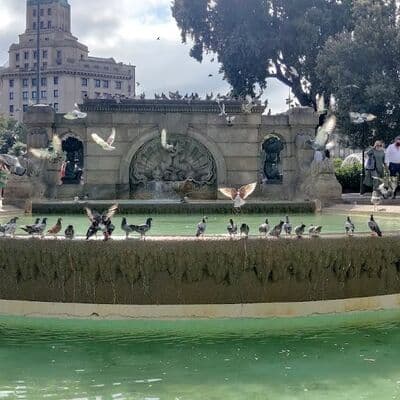
I keep coming back to this city, and each time it reveals itself anew. Sometimes I notice graffiti in an alley I've walked past ten times before. Sometimes I find a tiny bar where old men play dominoes over a glass of vermouth. Sometimes I just sit on a bench in Ciutadella Park and watch locals walk their dogs, ride bikes, kiss by the fountain - living their ordinary, beautiful lives.
Gaudí's Architecture - The Heart and Soul of the City
Antoni Gaudí transformed Barcelona into a city unlike any other. His buildings aren't architecture in the conventional sense. They're frozen music, petrified dreams, nature translated into the language of stone and glass.
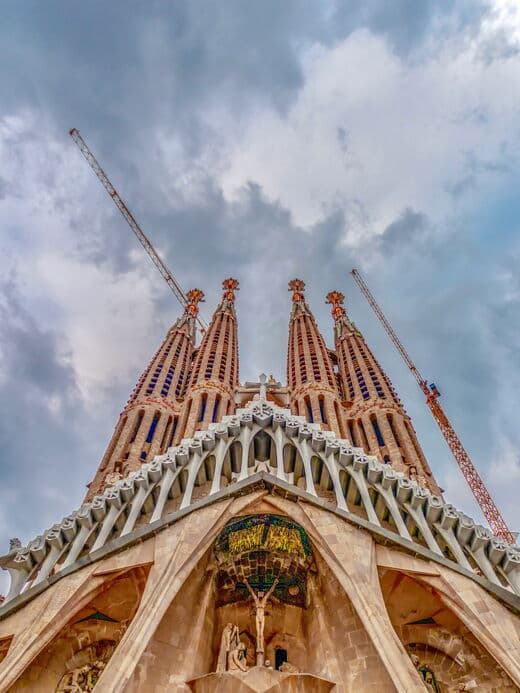
Sagrada Família - A Temple Built by the World
When I first walked inside the Sagrada Família, I couldn't breathe. Photos don't capture even a tenth of what you feel standing beneath those columns reaching upward like trunks of giant trees. Sunlight passes through the stained glass - blue, green, red, gold - flooding the space with such radiance that you feel you've stepped inside a gemstone.
The temple has been under construction since 1882 and is planned for completion in 2026 - the centenary of Gaudí's death. Construction is funded solely by donations and ticket sales. Tickets cost around €26; book in advance - at least a week ahead, during peak season a month. Buy only from the official website, no intermediaries!
Local tip: arrive at opening, around 9 AM. Fewer crowds, and the light is especially beautiful. If you want to climb the towers, get a ticket with access. The views of the entire city are stunning, and you begin to grasp the scale of this mad, brilliant project.
Park Güell - A Fairytale on a Hill
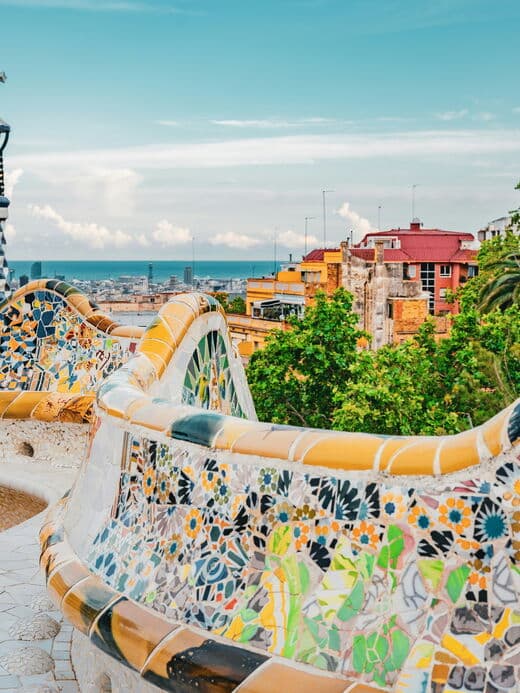
Park Güell was conceived as an upscale residential district but became an open-air museum instead. The famous salamander lizard at the entrance, mosaic benches on the main terrace, gingerbread houses - all have become Barcelona's calling cards.
The paid zone costs about €10, and it's truly worth entering - that's where the main attractions are. But! The free part of the park is no less beautiful. Walk higher along the trails, where there are fewer tourists. Find a bench with a city view, pull out a bottle of water and some jamón from the supermarket, and just sit. Barcelona lies at your feet, and it's free.
Casa Batlló and Casa Milà - Masterpieces on Passeig de Gràcia
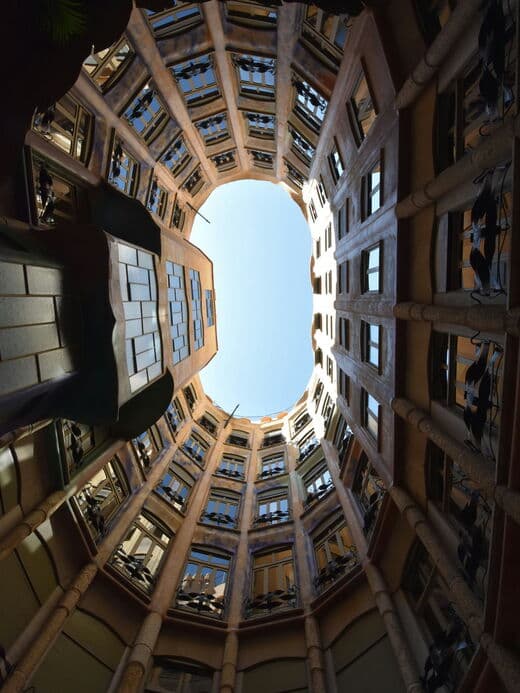
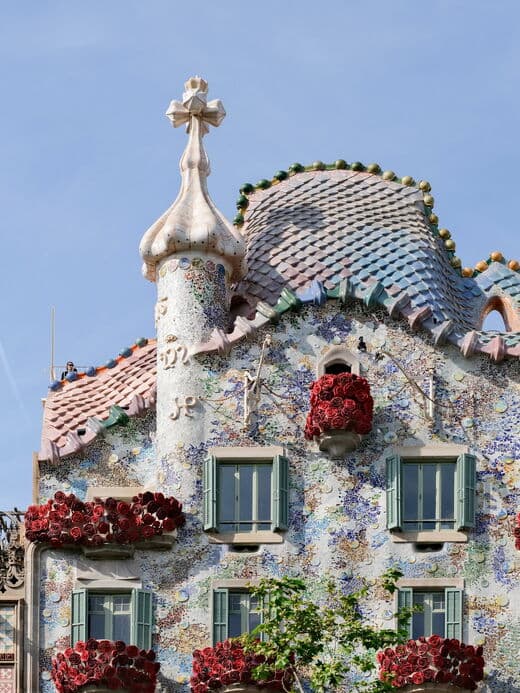
Two neighboring buildings on the city's main avenue are the quintessence of Gaudí's style. Casa Batlló with a facade resembling dragon scales. Casa Milà (La Pedrera) with undulating walls and warrior chimneys on the roof.
Tickets aren't cheap - about €35 for Batlló and €25 for Milà. But looking from outside is free, and it's still impressive. In the evening, when the lighting comes on, both buildings look absolutely magical. And on La Pedrera's rooftop, they hold jazz concerts in summer - the atmosphere is said to be incredible.
The Gothic Quarter - Where History Lives
Gòtic - that's what locals call this labyrinth of medieval streets in the city's heart. It's easy to get lost here. And that's the best thing you can do.
Forget the map. Just walk wherever your eyes lead. Turn into narrow alleys where balconies nearly touch each other. Emerge onto unexpected squares with fountains and orange trees. Peek through doors of ancient churches. Pause at antique shop windows.
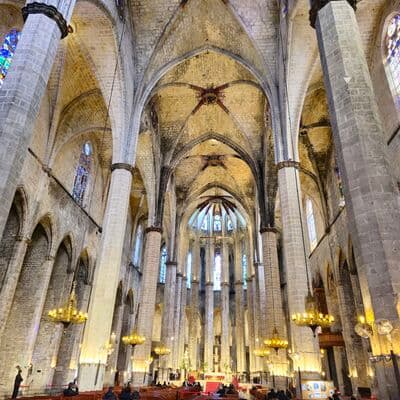
Barcelona Cathedral - don't confuse it with Sagrada! - hides deep in the quarter. Its Gothic facade makes a powerful impression, and in the inner courtyard live thirteen white geese - legend says they honor Saint Eulalia, the city's patron, who was 13 when she was martyred.
In the evening, the Gothic Quarter transforms. Lanterns light up, bars open, musicians play in squares. But stay alert - this is where pickpockets are active. Wear your backpack in front, hold your bag tight.
La Rambla - A Walk with Caution
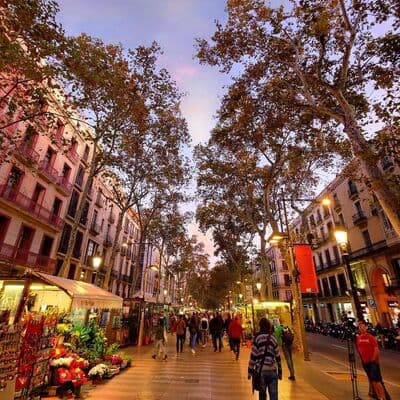
La Rambla is a mile and a half from Plaça Catalunya to the Columbus Monument at the port. A wide boulevard with plane trees, flower kiosks, street artists, and living statues.
Yes, it's a tourist trap. Yes, cafe prices are twice as high. Yes, this is where shell game scammers work - a guaranteed con, don't stop! And yes, pickpockets hunt unsuspecting tourists here.
But walking down the Rambla at least once is worth it. Just hold your belongings tight and don't eat at cafes with picture menus. Better to pop into the Boqueria market.
Boqueria - A Feast for the Eyes (and Wallet)
Boqueria Market on the Rambla is legendary. Mountains of fruit, pyramids of cheese, garlands of jamón hanging from the ceiling. Fresh juices in every color of the rainbow, seafood on ice, tapas counters.
Honestly? Prices are touristy. If you want to buy the same jamón or cheese cheaper, head to Santa Caterina Market in the Born district. Same products, no "atmosphere" markup. And you can snack right at the seafood counter - the freshest shrimp, octopus, oysters.
Eating Like a Local
Catalan cuisine isn't the Spain you know from tapas bars elsewhere. Less spicy, more seafood, mushrooms in every form, butifarra sausage, and always - pan con tomate. It's simply bread rubbed with tomato, olive oil, and salt. Served with everything from breakfast to dinner. And it's incredibly delicious.
Paella - Don't Believe Tourist Menus
Paella in Barcelona differs from Valencia's version. Here it's often made with seafood and sometimes colored with squid ink - resulting in black rice with a completely unique flavor.
Where to go? L'Arrosseria Xàtiva Gràcia - one of the best places for rice and paella, locals recommend it. Jamón y Vino - atmospheric spot with Sagrada views. But never eat paella on the Rambla - reheated yesterday's dish at triple the price, disappointment guaranteed.
Tapas and Vermouth - The Art of Small Pleasures
Bar-hopping is Barcelona's main tradition. Don't spend the whole evening in one place! Move from bar to bar, ordering a couple of tapas and a glass of wine at each. Pintxos - snacks on toothpicks - are especially good in Poble Sec bars.
Vermouth is a ritual. On Sundays, locals gather in vermuterías for aperitivo. Look for bars with "vermutería" signs, especially in Gràcia and Poble Sec. Order vermouth, olives, anchovies - and feel like a Catalan.
Restaurants fill up after 9 PM. If you arrive at seven, you'll dine alone among tourists. Adapt to the local rhythm - it's more atmospheric, and the food tastes better in a restaurant running at full capacity.
Menú del Día - Budget Traveler's Lifehack
Almost any non-touristy restaurant offers menú del día at lunch - a set meal for €10-15. First course, main, drink, sometimes dessert. This is what local workers eat. Large portions, home-style cooking. Santa Anna near the Gothic Quarter is famous for such business lunches at €13-14.
Beaches - A Bonus for City Travelers
Barcelona is a rare city where you can combine urban exploration with beach time. The Mediterranean warms to comfortable temperatures from June to September, though locals swim as early as May.
Barceloneta is the most famous and most crowded beach. It's noisy, packed, with vendors selling beer and mojitos of questionable origin. If you want peace - walk further: Bogatell, Mar Bella, Nova Icària. Cleaner, quieter, fewer people.
Important: theft happens on beaches! Don't leave belongings unattended even for a minute. Take turns swimming while someone watches the bags. Or get a waterproof pouch for your phone and documents.
Transportation - Cheap and Convenient
Barcelona's metro covers the entire city and works excellently. The T-casual pass for 10 trips costs €12.55 and works on metro, buses, and trams.
Youth lifehack: if you're under 30, get the T-jove - €44 for 90 days of unlimited travel across all zones! Incredibly good value. For children under 16, there's a free T-16 pass.
From the airport to the center, the Aerobus is most convenient - a bus to Plaça Catalunya for €7.45 (round-trip €12.85), running every 5-10 minutes. Taxi costs €30-35 by meter - there's no fixed rate, verify the meter is running. Metro line L9 Sud also reaches the airport, but requires a separate ticket (~€5.15), the regular T-casual doesn't work for that stretch.
Metro runs from 5 AM to midnight on weekdays, until 2 AM on Fridays, and 24 hours from Saturday to Sunday. Night buses (Nitbus) run overnight.
Safety - An Honest Conversation
Barcelona is unfortunately known for pickpocketing. It's not a dangerous city in terms of violence, but belongings are stolen professionally and frequently.
Where to be especially alert:
- On La Rambla (classic target)
- In the metro, especially during rush hour
- On beaches
- At any tourist spots
- At Diagonal Mar shopping center - they even steal from cars in the parking lot, smashing windows
How to protect yourself:
- Wear your backpack in front
- Don't hang your bag on chair backs in cafes
- Don't leave your phone on the table
- Don't stop at shell game players - the whole crowd around them are accomplices
- Don't leave belongings unattended on beaches
The Raval district is best avoided at night, especially the southern part near the port. The Gothic Quarter late at night can also be unsafe. Eixample and Gràcia are calmer.
Where to Stay - Choosing a Neighborhood
Eixample - ideal choice for first-time visitors. Wide avenues, beautiful modernist architecture, many good restaurants. Safer and calmer than the historic center, yet everything is close.
Gràcia - a bohemian neighborhood with alternative vibes. Cozy squares, local crowd, vintage shops. If you want to feel non-touristy Barcelona - this is it.
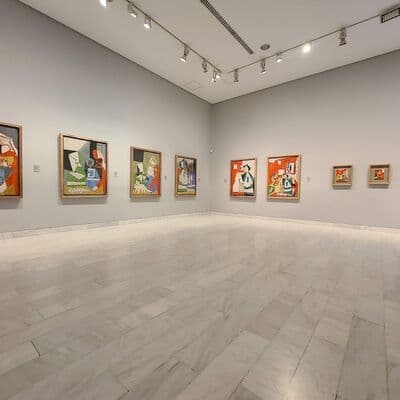
Born - trendy district near the beach. Picasso Museum, great bars, boutiques. Lively in the evening but safe.
Gothic Quarter - in the heart of history. Atmospheric but noisy, many tourists and pickpockets. An acquired taste.
City Views - Where Hearts Skip a Beat
Tibidabo - Peak of Bliss
Barcelona's highest point. At the top - the Temple of the Sacred Heart with a Christ figure spreading arms over the city, and a charmingly kitschy amusement park from the early 20th century.
You can get there by the blue Tramvia Blau tram and funicular - the journey itself is an adventure. Or by T2A bus from Plaça Catalunya on weekends.
Come at sunset. When the sun sinks into the sea and the city below starts lighting up - it's one of the most beautiful sights I've ever seen.
Bunkers del Carmel - Locals' Secret
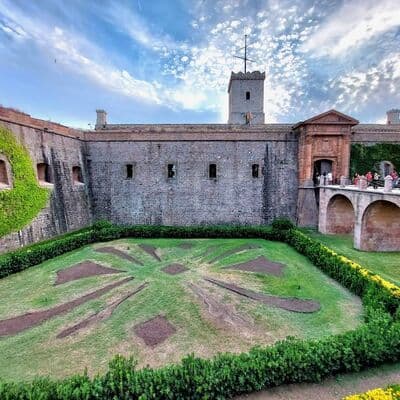
Abandoned Civil War bunkers have become the city's best viewpoint. And it's free! Locals come here with wine and snacks to watch the sunset. Reach it by metro to Alfons X, then about 15 minutes uphill.
Beyond the City - Day Trips
Montserrat - an hour by R5 train from Plaça Espanya. A mountain monastery amid rocks of incredible shapes. A pilgrimage site, but impressive even for atheists. There's a Tot Montserrat combo ticket with transport and entry.
Girona - 40 minutes by high-speed train. A medieval city with colorful houses over the river. They filmed "Game of Thrones" here.
Figueres - the Dalí Museum. Essential for surrealism lovers.
Costa Brava - wild beaches in rocky coves. Tossa de Mar, Cadaqués - fairytale fishing villages.
When to Go
Best time - May-June or September-October. Warm but not scorching heat, fewer tourists than summer, everything is open.
Summer - hot (35°C+) and extremely crowded. If going in July-August, prepare for crowds everywhere.
Winter - mild, but some establishments close for holidays. Lower prices though, and minimal tourists.
Parting Words
Barcelona isn't a city to be "seen." It needs to be lived. Don't rush to check off attractions. Sit in a park for an hour. Eat paella watching the sea. Drink vermouth in a bar where pensioners gather. Get lost in the Gothic Quarter. Watch the sunrise on the beach after a night out clubbing.
Give the city time - and it will truly open up to you. And you'll definitely want to come back.