Ibiza
Ibiza 2026: What to Know Before You Go
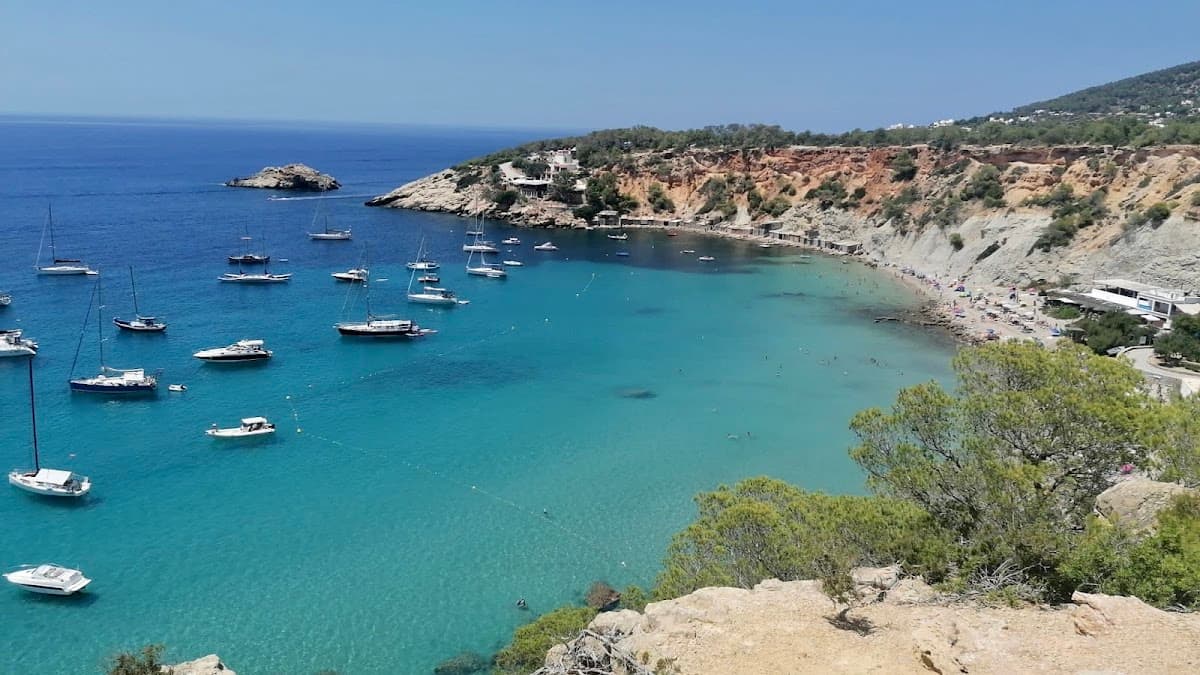
Ibiza is not just a club island. Yes, the superclubs are legendary, but strip away the bass and you will find a UNESCO World Heritage old town, hidden coves with water so clear it looks fake, a farm-to-table food scene that rivals mainland Spain, and a hippie counterculture that has been going strong since the 1960s. The island packs an absurd amount of variety into just 572 square kilometers.
Who is Ibiza for? Clubbers chasing sunrise sets, couples who want beach-and-dinner romance, families outside peak season, foodies exploring Balearic cuisine, hikers drawn to pine-covered cliffs, and digital nomads who can handle the temptation of a beach that is always ten minutes away. It is genuinely one of the most versatile islands in the Mediterranean.
The honest upsides: World-class beaches without Caribbean prices, a dining scene that has exploded in quality over the past five years, reliable weather from May through October, compact enough to drive coast-to-coast in 45 minutes, surprisingly good public transport for an island, and a genuine sense of community if you scratch past the tourist surface.
The honest downsides: July and August prices are brutal -- expect to pay double or triple for accommodation. Traffic around Ibiza Town and San Antonio gets genuinely bad in peak summer. Some beach clubs have turned into overpriced Instagram sets. The club scene, while iconic, will drain your wallet fast at 50-80 EUR per entry before drinks. And if you are on a tight budget during high season, you will feel it every single day.
Neighborhoods: Where to Stay
Where you base yourself on Ibiza shapes your entire trip. The island is small but each area has a distinct personality. Here is the breakdown so you can pick the right fit.
Ibiza Town (Eivissa)
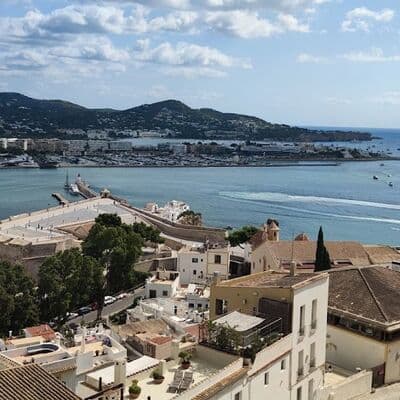
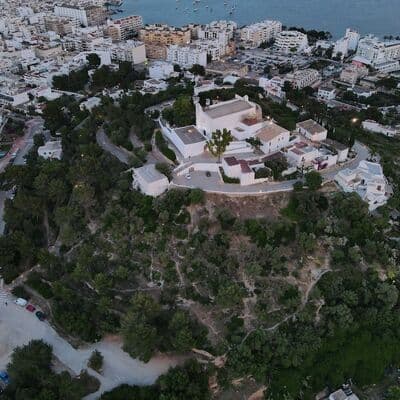
The capital and cultural heart of the island. Dalt Vila, the fortified old town, sits on a hill above the harbor and is a UNESCO World Heritage Site. Below it, the Marina and La Marina neighborhood buzz with boutiques, restaurants, and bars. This is where the island feels most cosmopolitan. The port area gets loud at night during summer, so choose your hotel location carefully. Expect to pay 120-250 EUR per night for a decent hotel in summer, 60-120 EUR in shoulder season. Best for first-timers, culture lovers, and anyone who wants walkable nightlife without committing to the mega-club zone.
Playa d'en Bossa
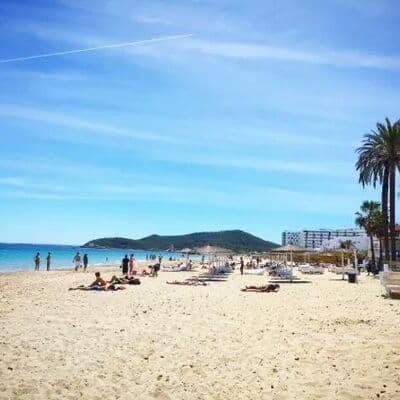
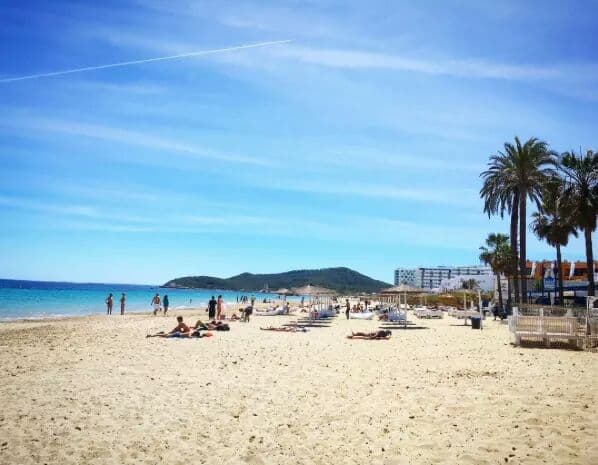
Playa d'en Bossa is the longest beach on the island and the epicenter of Ibiza's party-beach culture. This is where you will find Ushuaia, Hi (formerly Space), and Bora Bora. The beach itself is genuinely beautiful -- two kilometers of fine sand -- but during July and August it is wall-to-wall sunbeds and thumping music from noon onward. Hotels range from budget hostels at 40-80 EUR per night to five-star resorts pushing 400 EUR plus. If you want to roll out of bed and into a pool party, this is your spot. If you want peace, look elsewhere. Great for groups, clubbers, and anyone under 35 who came here specifically for the scene.
Sant Antoni de Portmany (San Antonio)
Sant Antoni de Portmany sits on the west coast and has been undergoing a serious glow-up. The sunset strip along Cafe del Mar and Cafe Mambo is still the best free show on the island -- people gather every evening to watch the sun drop into the sea. The town itself has cleaned up considerably, with better restaurants and boutique hotels replacing the old party-budget joints. Accommodation runs 70-180 EUR per night in summer. Close to the best west-coast beaches like Cala Salada and Cala Comte. Good for sunset chasers, mid-budget travelers, and anyone who wants nightlife access without the Playa d'en Bossa intensity.
Santa Eulalia del Rio
The third-largest town on Ibiza and the most family-friendly. A proper promenade, a clean town beach, a good selection of restaurants, and a calm vibe that feels more like a Spanish coastal town than a party island. The Puig de Missa hilltop church is worth the climb for views alone. Hotels here are 80-160 EUR per night in summer. Weekly markets and easy access to the northeast beaches. Best for families, couples who prefer quiet evenings, and older travelers who want comfort without chaos.
Santa Gertrudis de Fruitera
A tiny inland village that has become the island's foodie and boho-chic hub. Picture a whitewashed plaza with excellent restaurants, galleries, and boutique shops, surrounded by rolling farmland and pine forests. No beach, but everything is a 15-20 minute drive. Accommodation is mostly rural fincas and boutique hotels, 100-300 EUR per night. This is where long-term residents and repeat visitors gravitate. Best for foodies, design lovers, and anyone who wants the authentic Ibiza that existed before the clubs arrived.
Portinatx
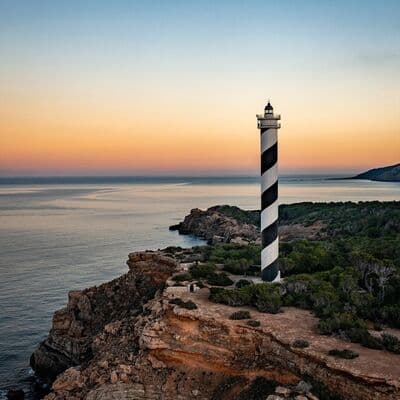
The far north of the island and the most untouched area. Three small coves with calm, clear water, pine trees down to the waterline, and hiking trails along dramatic clifftops to the Moscarter Lighthouse. This is where Ibiza feels like it did decades ago. Limited dining options but what exists is honest and local. Hotels are 60-140 EUR per night. Far from the clubs (45 minutes to Ibiza Town) which is either a dealbreaker or the entire point. Best for hikers, snorkelers, nature lovers, and anyone who actively does not want to hear electronic music.
San Carlos
A small village in the northeast, famous for the Las Dalias Hippy Market and Bar Anita, one of the oldest bars on the island. This area is the spiritual home of Ibiza's hippie movement, and that vibe is still very much alive. Surrounded by countryside with easy access to quiet northeast beaches. Accommodation is mostly rural houses and agrotourism properties, 80-200 EUR per night. Limited infrastructure -- you will need a car. Best for free spirits, market lovers, and travelers who want to experience the counterculture side of Ibiza that predates the DJ booths by decades.
Best Time to Visit Ibiza
May to June is the sweet spot. Temperatures sit between 22 and 28 degrees Celsius, the beaches are not yet packed, accommodation is 20-30% cheaper than peak season, and the clubs are open but not yet at maximum capacity. The sea is warm enough for swimming by late May (around 20-21 degrees Celsius). Restaurants have their full menus running. This is when you get the best version of the island -- everything open, nothing overcrowded, and prices that do not make you wince.
July to August is peak season and it hits hard. Temperatures reach 30-35 degrees Celsius, accommodation prices jump to two or three times the shoulder-season rate, beaches require early-morning arrivals to get a decent spot, traffic congestion is real, and restaurant reservations become essential. The upside: every club is running its full lineup, the energy is electric, and the island is at its most alive. If you come specifically for the nightlife, this is when to do it. Just budget accordingly -- a week in August can easily cost double what it would in June.
September to October is the velvet season and many repeat visitors consider it the best time of all. Sea temperature peaks at 26-27 degrees Celsius (warmer than July), air temperatures drop to a comfortable 24-28 degrees, and the closing parties at the major clubs create a festival atmosphere throughout September. Prices start dropping, crowds thin out, and the light turns golden. October is quieter still -- some clubs and beach bars close, but the weather holds and the island feels intimate and special.
November to April is the off-season. Most clubs, beach bars, and tourist-oriented restaurants close. What remains is the real Ibiza -- local life, quiet walks through empty landscapes, and a handful of year-round restaurants that serve the island's best food. Winter temperatures hover around 12-17 degrees Celsius. Hotel prices drop to 40-80 EUR per night. It is genuinely pleasant for a rural getaway but do not come expecting the full Ibiza experience.
Key dates to know: Opening parties typically run late April through mid-May. The IMS (International Music Summit) falls in late April. Closing parties dominate late September into early October. The Medieval Fair in Dalt Vila usually happens in May. San Juan festival on June 23rd brings bonfires and celebrations island-wide. The Ibiza Jazz Festival runs in September.
Itinerary: 3 to 7 Days in Ibiza
Three days gives you the highlights. Five days lets you breathe. Seven days means you can do it all without rushing. Here are detailed daily plans with specific timings and logistics.
Day 1: Dalt Vila, History, and Playa d'en Bossa
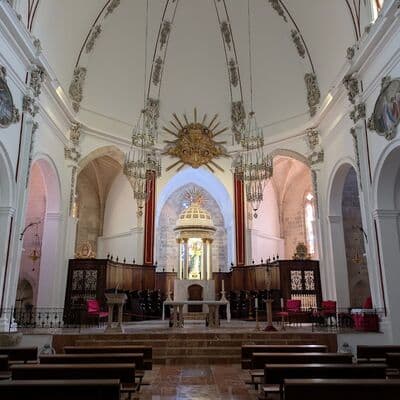
9:00 - 12:00 Start at Dalt Vila, the fortified old town. Enter through the Portal de Ses Taules -- the main Renaissance gateway -- and walk uphill through the cobblestone streets. Visit the Cathedral of Santa Maria de las Nieves at the top for panoramic views over the harbor, Formentera, and the salt flats. On the way back down, stop at the Puig des Molins Necropolis, a Phoenician burial ground and UNESCO site. Allow about two hours for the full circuit including stops.
12:00 - 13:00 Walk down to the port area for lunch. Croissant Show near the market is solid for a light meal, or head to La Bodega on Carrer Pere de Portugal for tapas and local wine. Budget 15-25 EUR for lunch.
13:30 - 18:00 Take the L10 bus or a short taxi (8 EUR) to Playa d'en Bossa. Grab a sunbed at one of the beach clubs or find a free stretch of sand toward the southern end near the salt flats. The water here is shallow and warm. If beach clubs are your thing, Nassau Beach Club offers a good balance of vibe and value.
19:00 - 22:00 Head back to Ibiza Town for dinner. The Marina area has dozens of restaurants -- Es Tap Nou on Carrer de Pere Tur for traditional Ibizan dishes at 15-25 EUR per main, or Kaixo in La Marina for upscale Basque-Ibizan fusion at 50-80 EUR for two including wine.
Day 2: West Coast Beaches and Sunset at San Antonio
9:00 - 9:30 Pick up your rental car (reserve in advance from Ibiza Town, 30-40 EUR per day). You need wheels today.
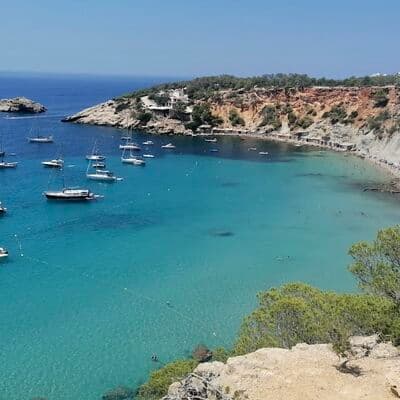
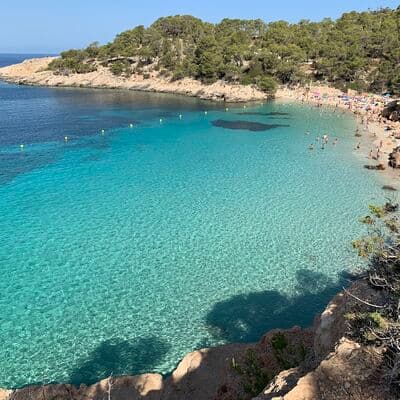
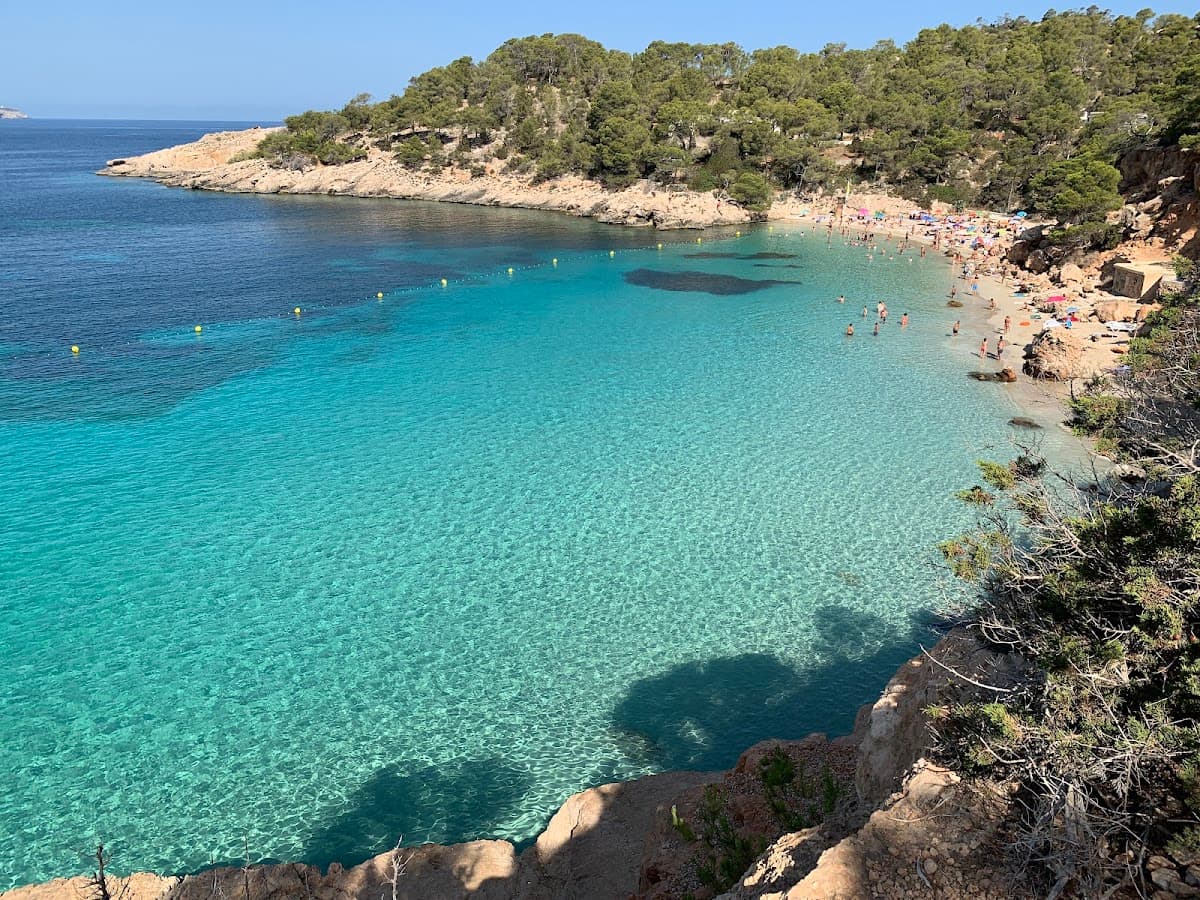
9:30 - 12:30 Drive to Cala Salada on the west coast (25 minutes from Ibiza Town). Arrive early -- parking fills up fast by 11:00 in summer. This is one of the most beautiful coves on the island: crystal-clear turquoise water, pine trees, and a small sandy beach. Walk five minutes over the rocks to Cala Saladeta, the smaller sister cove, which is even more stunning and less crowded. Bring snorkeling gear -- the rocks on the left side are excellent.
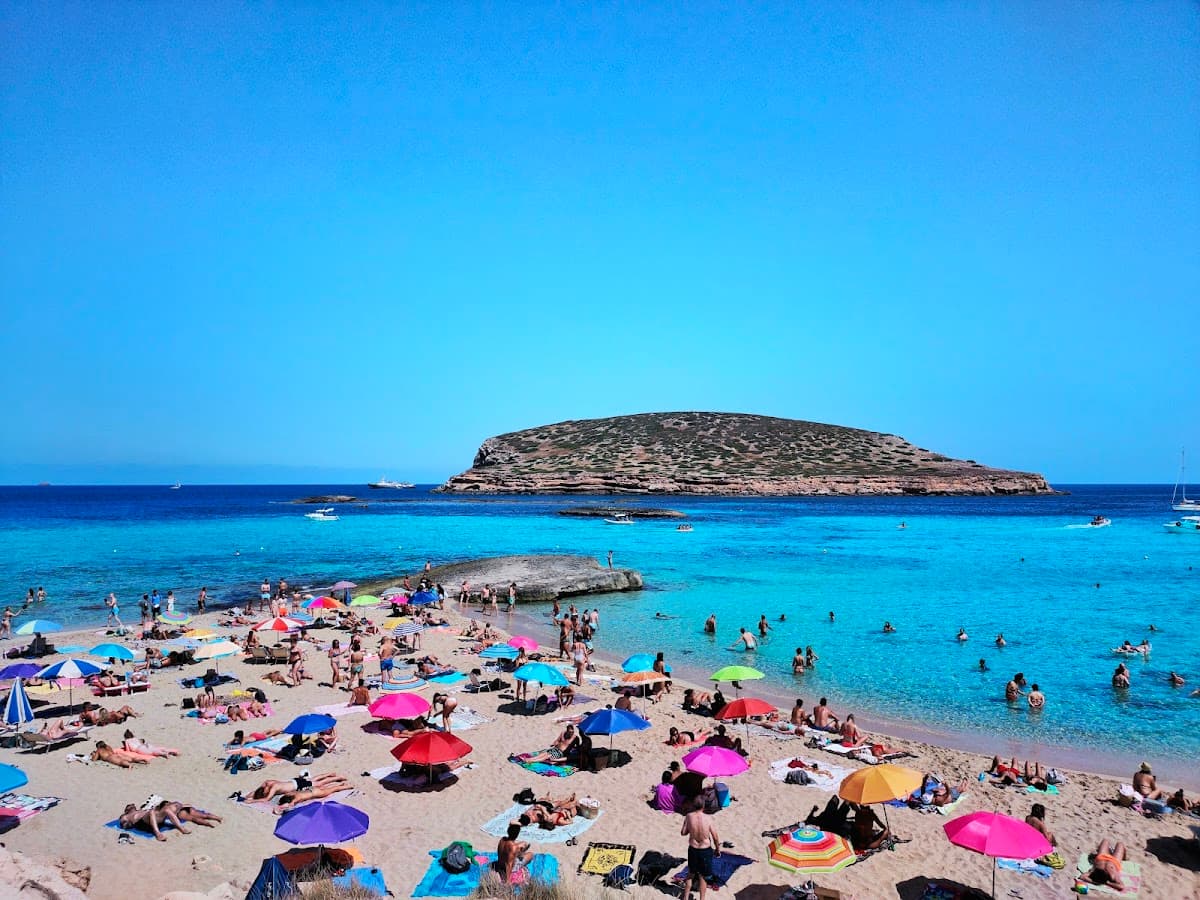
12:30 - 13:30 Drive south along the coast to Cala Comte (15 minutes). This beach consistently ranks among the best in the Mediterranean. Multiple small rocky coves, impossibly blue water, and views of the offshore islands. It gets busy but the scenery justifies it. There is a beach restaurant here for lunch -- grilled fish and salads, 20-35 EUR per person.
14:00 - 17:00 Relax at Cala Comte through the afternoon. The water here is perfect for swimming and the rocky platforms are ideal for sunbathing without sand. Alternatively, drive five minutes to Cala Bassa Beach Club for a more organized setup with loungers and cocktails.
17:30 - 21:00 Head to Sant Antoni de Portmany (10 minutes). Park near the harbor and walk to the sunset strip. Grab a table at Cafe del Mar or Cafe Mambo by 18:00 at the latest -- these fill up and there is often a queue. Watch the sunset with a drink (cocktails 12-18 EUR). The ritual of everyone watching the sun go down together, with curated music building to the moment, is one of those Ibiza experiences that actually lives up to the hype. Dinner afterward at Sa Capella, a restaurant set in a former chapel, for 15-30 EUR per main course.
Day 3: South Coast -- Ses Salines, Cala d'Hort, and Es Vedra
9:00 - 12:00 Drive to Ses Salines Natural Park in the south (20 minutes from Ibiza Town). Start at the salt flats -- these have been harvested since Phoenician times and the pink-tinged ponds with flamingos are surreal. Walk the trail through the dunes to Ses Salines beach, which is long, beautiful, and backed by juniper trees. The water is excellent for swimming.
12:00 - 13:30 Lunch at one of the beach restaurants along Ses Salines beach. Jockey Club or Sa Trinxa are local institutions -- grilled fish, paella, cold rose wine, sandy feet. Expect 25-40 EUR per person.
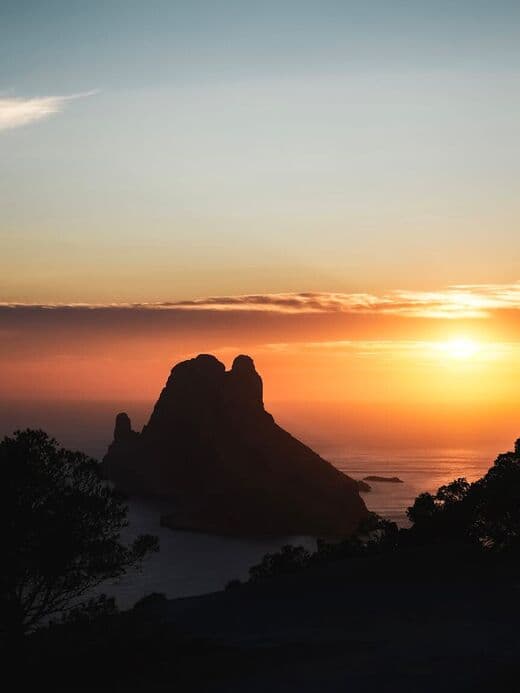
14:00 - 17:30 Drive across to the southwest coast (30 minutes) to Cala d'Hort. This beach faces Es Vedra, the 400-meter-tall rock island that rises out of the sea like something from a fantasy film. The view is genuinely jaw-dropping. The beach is rocky but the water is deep blue and the setting is unmatched. Es Boldado restaurant sits on the cliff above with front-row Es Vedra views -- worth a stop for a drink or a full meal (fresh fish, 25-50 EUR per person).
18:00 - 19:30 For the best Es Vedra sunset viewpoint, drive or walk to the Torre des Savinar watchtower (also called the pirate tower). It is a 15-minute hike from the parking area, slightly uphill, but the reward is one of the most photographed views in the entire Mediterranean. Watching the sun set behind Es Vedra from here is a top-five Ibiza moment.
Day 4: The Wild North -- Lighthouse, Caves, and Coastal Trails
9:00 - 11:30 Drive to the far north of the island (45 minutes from Ibiza Town) to Moscarter Lighthouse. This is Ibiza's tallest lighthouse, perched on dramatic cliffs. The coastal hiking trail between Portinatx and the lighthouse is spectacular -- rugged terrain, wild rosemary scent, and views that stretch to Mallorca on clear days. Allow about 90 minutes for the round-trip walk.
11:30 - 13:00 Visit Cova de Can Marca near Port de Sant Miquel. This cave system was used by smugglers for centuries. Guided tours run about 40 minutes and include a light-and-sound show inside the caverns. Entry is around 12 EUR. The views from the cave entrance over Port de Sant Miquel bay are excellent.
13:00 - 14:30 Lunch in Port de Sant Miquel or drive to the small village of Sant Joan de Labritja. Can Mimosa in Sant Joan is a lovely farmhouse restaurant with garden seating -- Ibizan home cooking at 20-35 EUR for a full meal.
15:00 - 18:00 Head to Benirras beach on the north coast. This is a beautiful pebble beach backed by cliffs, famous for its Sunday-evening drum circles (more on that in the tips section). Even on non-Sundays it is a gorgeous, slightly wild beach with good swimming. The chiringuito (beach bar) serves decent food and cold beer.
Day 5: Hippy Markets and the Countryside
9:00 - 13:00 If it is Saturday, head to Las Dalias Hippy Market in San Carlos. This has been running since 1985 and is the real deal -- handmade jewelry, leather goods, vintage clothing, local art, live music, and excellent street food. It is sprawling and colorful and genuinely fun even if you do not buy anything. If it is Wednesday, the Punta Arabi Hippy Market in Es Canar is the alternative -- it is the biggest market on the island with over 500 stalls. Budget 20-50 EUR for food and small purchases.
13:00 - 14:30 Lunch at Bar Anita in San Carlos, one of the oldest bars on Ibiza and a legendary hippie hangout since the 1960s. Simple, good food and strong atmosphere. Or drive 15 minutes to Santa Gertrudis for lunch at one of the excellent restaurants around the village square.
15:00 - 18:00 Explore the interior countryside. Drive the narrow roads between Santa Gertrudis, San Miguel, and San Mateo. Stop at a local winery (Ibizkus or Can Rich) for a tasting -- Ibiza has a small but growing wine scene. The rolling hills, old stone walls, and red earth feel like a completely different island from the coastal party zones.
Day 6: Formentera Day Trip
8:30 Catch an early ferry from Ibiza Town port to Formentera. Balearia and Trasmapi run frequent services, 25-45 EUR round trip, crossing takes 25-45 minutes depending on the boat. Book in advance during summer.
9:30 - 17:00 Rent a scooter (20-30 EUR per day) at La Savina port and explore the island. Formentera's beaches are often compared to the Caribbean -- Ses Illetes is consistently rated one of the best beaches in Europe. The water is impossibly turquoise and the sand is white. Visit Es Pujols for lunch, ride to the Cap de Barbaria lighthouse at the southern tip for dramatic cliff views, and swim at Cala Saona on the west coast. Formentera is flat and small -- you can see the whole island in a day by scooter. Lunch at a beachside restaurant will run 20-35 EUR per person.
18:00 Catch the evening ferry back to Ibiza. If you have the budget and flexibility, spending one night on Formentera is even better -- the island empties out when the day-trippers leave and the sunset atmosphere is magical.
Day 7: Atlantis Trek and Farewell
8:00 - 12:00 Save the Atlantis trek (Sa Pedrera) for your last day. This is an old quarry on the southwest coast where stone was cut for centuries, leaving behind bizarre carved formations, natural pools, and rock art. The hike down from the cliff top takes about 30-40 minutes on a rough trail -- wear proper shoes and bring water. It is not signposted and feels like discovering a secret. The rock formations and crystal-clear natural pools at the bottom are extraordinary. Important: this is a strenuous hike with no shade and no facilities. Start early to beat the heat.
12:30 - 14:00 Final lunch in Ibiza Town. Mercat Vell (the old market) in the center is good for a casual last meal -- fresh produce, local cheese, and tapas stalls.
14:00 - 16:00 Last stroll through the Marina, pick up any final souvenirs (hierbas ibicencas from a local shop, not the airport), and grab a farewell coffee overlooking the port.
Where to Eat in Ibiza
Ibiza's food scene has evolved dramatically. You can still eat badly if you stick to the tourist traps along the main strips, but venture slightly off the beaten path and you will find genuinely excellent food at every price point.
Street Food and Markets
Las Dalias Hippy Market (Saturday) has some of the best casual food on the island -- falafel wraps, paella pans, fresh fruit smoothies, and grilled meats. Budget 8-15 EUR for a full meal. Mercat Vell in Ibiza Town is the old covered market where locals shop for produce, cheese, and cured meats. The stalls around it serve quick tapas and fresh juice. The night market at Ibiza Town port (summer evenings) has international food stalls along the harbor -- fun atmosphere and good people-watching.
Local Joints (15-30 EUR per person)
Es Tap Nou in Ibiza Town is where locals go for traditional Ibizan food -- bullit de peix, grilled meats, and enormous portions at honest prices. The ambiance is zero-frills and the food is the real thing. Bar Anita in San Carlos has been serving simple local dishes since the 1960s and is a piece of living Ibiza history. Try the herb omelette. Sa Capella near San Antonio is set in a converted 18th-century chapel -- the setting alone is worth the visit, and the grilled meats and fish are excellent. Expect 15-30 EUR per main course in an atmosphere you will not find anywhere else on the island.
Mid-Range (50-80 EUR for two)
Kaixo in Ibiza Town's La Marina neighborhood does Basque-Ibizan fusion -- pintxos, grilled seafood, and excellent local wines. Two people can eat very well for 50-80 EUR including a bottle of wine. La Bodega in Ibiza Town old town is a romantic spot with stone walls and candlelight, serving updated Spanish classics and a strong wine list. Can Mimosa in Sant Joan is a farmhouse restaurant surrounded by gardens, with a menu that changes based on what is growing. It feels like eating at a friend's country house. Reserve ahead for all three during summer months.
Top-End (50-120 EUR per person)
LU-UM at the ME Ibiza hotel is the island's only Michelin-starred restaurant. Modern Mediterranean cuisine with creative technique and island ingredients. Expect 80-120 EUR per person for the tasting menu. Es Xarcu sits on a rocky cove near Cala Jondal and serves the freshest seafood on the island -- whole grilled fish, rice dishes, and lobster pulled from the water that morning. It is not cheap (50-80 EUR per person) but the setting on the rocks with the sea lapping below is sublime. Cotton Beach Club at Cala Tarida combines beach-club lounging with genuinely good Mediterranean cuisine -- expect 60-100 EUR per person for food and atmosphere combined. Es Boldado above Cala d'Hort serves fresh-caught fish with front-row views of Es Vedra. The location makes every meal feel special. Budget 50-80 EUR per person for fish and wine.
Cafes and Breakfast (8-15 EUR)
Croissant Show near Ibiza Town's market has been the go-to breakfast spot for decades -- fresh pastries, good coffee, and a buzzy morning atmosphere. Budget 8-12 EUR for coffee and a pastry or light breakfast. Mui Mia in Ibiza Town does excellent brunches with a health-conscious menu -- acai bowls, avocado toast, fresh juices -- at 10-15 EUR. Passion Cafe in Santa Eulalia is the island's best health-food cafe -- smoothie bowls, vegan options, protein pancakes -- popular with the fitness and yoga crowd, 10-15 EUR for breakfast. Wild Beets in Ibiza Town offers inventive plant-based dishes and superb fresh juices if you need a break from all the grilled meat and fish.
What to Try: Ibizan Food and Drink
Ibiza has its own culinary identity, distinct from mainland Spain and even from Mallorca. The cuisine is rooted in what fishermen and farmers had available -- seafood, pork, almonds, herbs, and whatever grew in the rocky soil. Here is what you should actively seek out.
Must-Try Dishes
Bullit de peix is the signature dish of Ibiza and the one you absolutely must try. It is a two-course meal: first, a rich fish stew made with whatever was caught that morning (typically grouper, John Dory, or scorpionfish), served with potatoes and all-i-oli. Then the rice is cooked in the remaining fish broth, creating an intensely flavored arroz a banda. Expect to pay 18-25 EUR per person. It is served at lunchtime and typically feeds a minimum of two. Es Tap Nou and Es Boldado both do excellent versions.
Sofrit pages is the island's meat counterpart -- a hearty stew of chicken, lamb, pork sausage, potatoes, and peppers, slow-cooked with saffron and local herbs. It is farmers' food, filling and deeply savory. Usually 14-18 EUR per portion. Best found at inland restaurants and village celebrations.
Sobrassada is a soft, spreadable cured sausage made from pork, paprika, and spices. The Ibizan version is spicier and more intensely flavored than the Mallorcan one. Spread it on toast, drizzle honey on top, and you have one of the great simple pleasures of Balearic eating. Available at any market or deli. A small tin to take home costs 5-10 EUR.
Flao is a cheesecake unique to Ibiza and Formentera, flavored with fresh mint and anise. The texture is light and creamy, nothing like a heavy New York cheesecake. It is served as dessert in most traditional restaurants, usually 5-7 EUR per slice. Also excellent from bakeries as a takeaway snack.
Greixonera is a traditional bread pudding made with ensaimada (the Balearic spiral pastry), milk, eggs, sugar, cinnamon, and lemon zest. It is simple comfort food and usually appears on the dessert menu of traditional restaurants for 4-6 EUR.
Drinks You Should Not Skip
Hierbas ibicencas is the island's signature liqueur, made by macerating local herbs -- rosemary, thyme, lavender, juniper, fennel -- in anise spirit. Every family has their own recipe. It comes in three styles: dulce (sweet), mezclado (mixed), and seco (dry). The sweet version is the most common and is served ice-cold as an after-dinner digestif. Buy a bottle from a local producer (8-15 EUR) rather than the mass-produced airport version -- the difference is significant.
Pomada is gin mixed with fresh lemonade, and it is the unofficial cocktail of the Balearic Islands. It originated in Menorca but is ubiquitous in Ibiza. Refreshing, dangerously drinkable, and usually 6-10 EUR at a bar. Perfect for hot afternoons. Some places use the Menorcan Xoriguer gin for authenticity.
All-i-oli is technically a condiment, not a drink, but it deserves a mention. The Ibizan version is a garlic mayonnaise made with raw garlic, olive oil, and egg -- no shortcuts, no substitutions. It accompanies almost every fish dish and is addictive. Make sure you try it fresh at a restaurant rather than the jarred version.
Tourist Traps to Avoid
Skip any restaurant on the Ibiza Town port that has a person standing outside trying to lure you in. The paella at these places is typically made from frozen ingredients and costs 18-25 EUR for something that tastes like cafeteria food. Walk two blocks inland and you will find better food at lower prices. Also be wary of overpriced sangria pitchers -- most tourist restaurants use cheap wine and fruit juice. Ask for local wine instead.
Vegetarian and Vegan Options
Ibiza has embraced plant-based eating more than most Spanish islands. Wild Beets in Ibiza Town is fully plant-based with creative dishes. Passion Cafe in Santa Eulalia has extensive vegan options. Most traditional restaurants will have tumbet (a Balearic ratatouille of layered potatoes, peppers, and eggplant in tomato sauce) which is naturally vegan and delicious. The hippy markets always have multiple vegetarian food stalls.
Local Secrets and Tips
Eleven things that will make your trip noticeably better, from someone who has done this island properly.
1. Rent a car or scooter -- you need one. Public buses connect the main towns but the best beaches, restaurants, and viewpoints require your own wheels. A car costs 30-50 EUR per day, a scooter 15-25 EUR. Book in advance for summer. Parking in Ibiza Town is painful -- use the lots at the port and walk. For the north and west coasts, a car is nearly essential.
2. Get to beaches before 10:00 AM. By 11:00 in July and August, the popular coves like Cala Salada and Cala Comte have full parking lots and crowded sand. Early morning is when you see the water at its clearest and calmest. Bring your own shade -- some coves have no trees and no sunbed rental.
3. Clubs do not get going until after 1:00 AM. If you show up at midnight, the dancefloor will be empty and you will feel awkward. Pre-drinks at sunset bars from 19:00-22:00, dinner from 22:00-00:00, then head to the club. Most people arrive between 1:00 and 3:00 AM. Sets run until 6:00 or 7:00 AM. Plan your sleep schedule accordingly -- many visitors flip to a late-wake routine by day two.
4. Sunday drums at Benirras beach. Every Sunday evening from June through September, drummers gather on Benirras beach for a sunset jam session. It has been happening for decades and it is genuinely magical -- dozens of drummers, hundreds of people, and the sun dropping behind the rock formation offshore. Arrive by 17:00 to get parking and a good spot. It is free, it is real, and it is one of the most authentic Ibiza experiences you can have.
5. Tap water is safe but tastes bad. Ibiza's tap water is technically potable but it is heavily desalinated and tastes strongly of minerals. Buy bottled water or bring a filtering bottle. Hotels sometimes have filtered water dispensers -- ask at reception.
6. Bring cash for markets and small beach bars. The hippy markets, rural chiringuitos, and some small businesses still prefer cash. ATMs are widely available and most charge a 2-3 EUR fee. Having 50-100 EUR in cash on you is smart for a day of exploring.
7. Siesta is real and respected. Between 14:00 and 17:00, many small shops, local restaurants, and village businesses close. Do not plan activities in small towns during this window. Use it for the beach, a nap, or a long lunch. This is Spain -- the afternoon pause is not a suggestion.
8. No photos in clubs. Many Ibiza clubs have a strict no-photography policy on the dancefloor, and some will ask you to cover your phone camera with a sticker at the door. This is intentional -- it creates a more immersive atmosphere and protects people's privacy. Respect it. You can usually take photos in outdoor areas and at the bar.
9. Buy hierbas ibicencas from a local, not the airport. The airport duty-free sells mass-produced versions that taste like medicine. Go to a local shop or ask your restaurant waiter which brand they recommend. Familia Maryvent and Can Rich are good labels. A proper bottle costs 8-15 EUR and makes a far better souvenir than anything in the tourist shops.
10. Formentera deserves an overnight if you can manage it. The day-trip ferries dump thousands of people on Formentera's beaches by 11:00 AM and collect them by 18:00. If you stay overnight, you get to see the island at its best -- empty beaches at sunset, quiet dinners in Es Pujols, and morning swims in water so clear you can see the bottom at three meters depth. Even one night transforms the experience.
11. Download offline maps before you arrive. Mobile signal drops out on rural roads, in the north, and on some coastal paths. Google Maps offline mode or maps.me with the Balearic Islands downloaded will save you from getting lost on unmarked dirt roads. Some of the best restaurants and viewpoints are on roads that your car GPS will not recognize.
Getting Around Ibiza and Staying Connected
From the Airport
Ibiza Airport (IBZ) is just 7 kilometers from Ibiza Town. The L10 bus runs between the airport and Ibiza Town every 20-30 minutes from early morning until midnight in summer, costing 3.50 EUR. It stops at Playa d'en Bossa along the way. A taxi to Ibiza Town costs 15-20 EUR and takes about 15 minutes outside rush hour. To San Antonio, expect 25-35 EUR by taxi. There is no train and no Uber -- taxis and buses are your options unless you have a rental car waiting.
Buses
The island bus network connects all major towns and some beaches. Routes run from Ibiza Town to San Antonio (L3), Santa Eulalia (L13), Playa d'en Bossa (L10), Ses Salines beach (L11), and Portinatx (L20 via Santa Eulalia). Single tickets cost 1.55-4.00 EUR depending on distance. In summer, frequency increases to every 15-30 minutes on popular routes. The system works reasonably well for getting between towns but does not reach smaller beaches, rural restaurants, or the interior. The Ibiza Bus app or the website ibizabus.com has current schedules and route maps.
Taxis
Taxis are metered and relatively affordable by European island standards. Ibiza Town to San Antonio runs about 25-30 EUR, Ibiza Town to Santa Eulalia about 18-22 EUR. Late-night surcharges apply after midnight (roughly 20% extra). During peak summer weekends, getting a taxi at 4:00 AM from a club can involve a 30-60 minute wait. Radio Taxi Ibiza (+34 971 398 483) is the main dispatch. Cabify, the Spanish ride-hailing app, also operates on the island and can be easier to book during busy times.
Car Rental
A small car costs 30-50 EUR per day in summer, dropping to 20-30 EUR in shoulder season. Book well in advance for July and August -- popular models sell out weeks ahead. Major companies (Europcar, Hertz, SIXT) have airport desks. Local companies like Moto Luis and Ibiza Sun Rent often offer better prices. Fuel is about 1.50-1.70 EUR per liter. Parking in Ibiza Town is the main headache -- use the underground lots at the port (12-18 EUR per day) or park at the free lots on the outskirts and walk. Outside the towns, parking is generally free but spaces at popular beaches fill by mid-morning in summer.
Scooter Rental
A 125cc scooter costs 15-25 EUR per day and is arguably the best way to see the island if you are comfortable on two wheels. You can squeeze into parking spots cars cannot, zip through traffic, and access the small roads that lead to hidden coves. An EU or international driving license with motorcycle endorsement is required for 125cc. Some rental shops rent 50cc scooters to anyone with a regular car license. Helmets are mandatory and enforced. Do not drink and ride -- police checkpoints are common on weekend nights.
Ferries to Formentera
Ferries depart from Ibiza Town port to La Savina (Formentera) roughly every 30-60 minutes from early morning until late evening. Balearia, Trasmapi, and Aquabus operate the routes. Prices range from 25 to 45 EUR for a round trip depending on the operator and speed of the boat. The fast ferry takes 25 minutes, the regular ferry about 45 minutes. Book online in advance during summer -- the morning boats fill up. If you are taking a car, the cost jumps significantly (60-100 EUR round trip) and reservations are essential. Most visitors rent a scooter or bike on Formentera instead.
SIM Cards and Connectivity
If you are coming from outside the EU, pick up a local SIM or activate an eSIM before arrival. Spanish providers include Orange, Vodafone, and Movistar -- prepaid SIMs with data start from about 10 EUR for a few gigabytes. eSIM options like Airalo, Holafly, or Ubigi start from around 6 EUR and can be activated before you land. If you are from the EU or UK with an EU roaming plan, your home SIM will work without extra charges. Wi-Fi is widely available in hotels, restaurants, and cafes. Signal coverage is good in towns and along main roads but can drop on rural roads and in the northern interior.
Essential Apps
Google Maps (download Ibiza offline) for navigation and finding restaurants. Ibiza Bus for real-time bus schedules and route planning. Cabify for ride-hailing as an alternative to taxis. Balearia app for booking Formentera ferries. Resident Advisor for club lineups, event listings, and ticket purchases -- essential if nightlife is part of your plan. TheFork (or ElTenedor) for restaurant reservations at mid-range and upscale places.
Final Verdict
Ibiza earns its reputation, but not for the reasons most people assume. Yes, the clubs are world-class, but the island's real magic is in the combination -- you can explore a UNESCO old town before lunch, swim in Caribbean-clear water all afternoon, eat exceptional Balearic cuisine at sunset, and still make it to a legendary DJ set at 2:00 AM. No other island in the Mediterranean offers this range.
Ideal for: Clubbers who also appreciate culture, couples looking for beaches and good food, groups of friends who want variety, foodies exploring Mediterranean cuisine, and repeat visitors who keep discovering new layers.
Not ideal for: Strict budget travelers visiting in July or August, anyone who hates crowds during peak season, families with very young children in party zones, or travelers expecting a quiet rural escape in summer (go in October for that).
How long to stay: Three days gives you the essential highlights but feels rushed. Five days is the sweet spot -- enough time to explore both coasts, try the food properly, and have a recovery day built in. Seven days lets you add Formentera, the northern wilderness, and deeper exploration without feeling like you are ticking boxes. Ten to fourteen days is for those who want to fully settle in, and honestly, Ibiza rewards that kind of slow travel.