Seville
Seville 2026: What to Know Before You Go
Seville is the emotional heart of Andalusia, where flamenco was born in cramped tavern backrooms, where orange trees line every street releasing their perfume each spring, and where summer heat can genuinely rearrange your travel plans. The city rewards prepared travelers and punishes impulsive ones in equal measure.
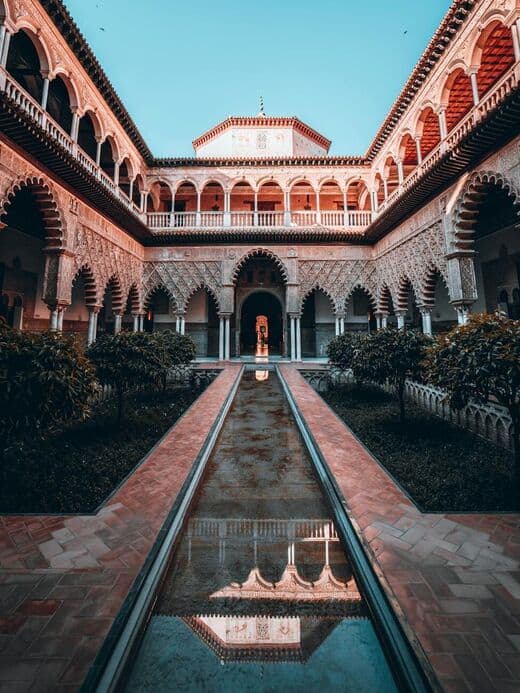
Essential facts: Spain's fourth-largest city with roughly 700,000 residents, sitting along the Guadalquivir River, the only major navigable waterway in Spain. That geographic advantage brought colonial wealth that built the monuments you will visit today. The Seville Cathedral is the largest Gothic cathedral in the world by volume. The Royal Alcazar is a functioning royal palace still used by the Spanish monarchy when they visit Andalusia.
What makes Seville different from Barcelona or Madrid? The pace of life. Sevillanos take their traditions seriously, and the afternoon siesta is not a tourist myth here. From 2 PM to 5 PM, the city genuinely shuts down. Shops close. Streets empty. Fighting this rhythm will exhaust you. Embracing it will transform your trip. Plan mornings for monuments, afternoons for rest, and evenings for the real Seville: tapas bars filling at 9 PM, flamenco shows starting at 10 PM, and conversations lasting until the small hours.
Budget expectations: Seville is significantly cheaper than Barcelona or Madrid. A quality three-course meal with wine runs 25-40 EUR. A beer costs 2-3 EUR. Museum entries average 10-15 EUR. You can experience Seville well on 80-120 EUR daily including mid-range accommodation, or stretch a tighter budget of 50-70 EUR if you are strategic about free attractions and set menus.
Neighborhoods: Where to Stay
Your neighborhood choice in Seville matters more than in most cities because the historic center is genuinely walkable and each area maintains distinct character and pricing.
Santa Cruz: Historic Heart
The Santa Cruz Quarter is the former Jewish quarter and most touristed area. Narrow whitewashed alleys, hidden plazas, orange trees overhead, and the cathedral at your doorstep. Advantages: steps from attractions, romantic atmosphere, nighttime wandering feels like a movie set. Downsides: higher prices, tourist-trap restaurants on every corner, summer heat trapped in narrow streets. Hotels run 120-250 EUR. Best for first-time visitors prioritizing location over authenticity, or anyone with limited mobility who needs to minimize walking.
Triana: Local Soul
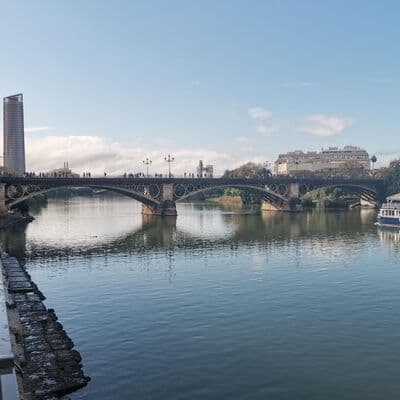
Triana sits across the river and historically housed Seville's working class and ceramics artisans. Today it offers the best balance of authenticity and accessibility. The riverfront walk to center takes 15 minutes. Tapas bars serve locals, not tour groups. Ceramics shops sell genuine Triana tiles, not imports. Flamenco happens in small bars where performers know the audience. Hotels cost 80-150 EUR. Best for travelers prioritizing food, local culture, and value.
El Arenal: River District
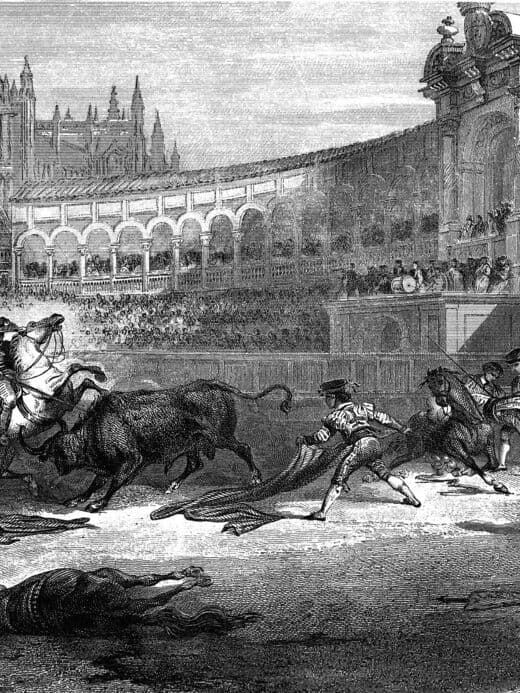
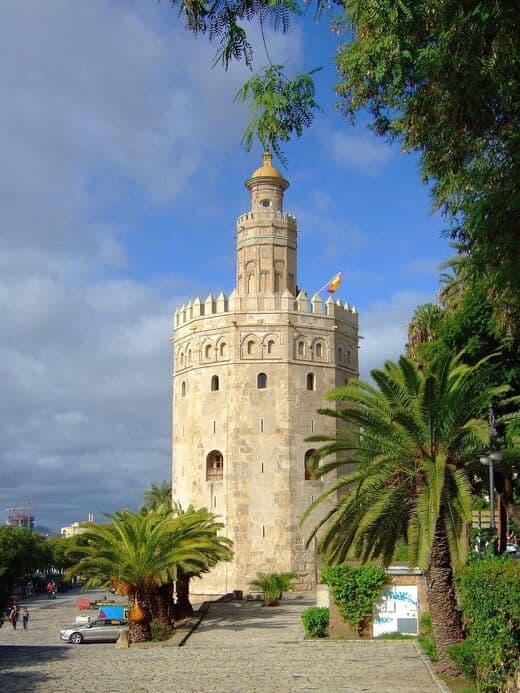
El Arenal stretches along the river near the Tower of Gold and Maestranza Bullring. This was historically the port area where goods from the Americas arrived. Central enough to walk everywhere, slightly less overrun than Santa Cruz. The Museum of Fine Arts is here, arguably Spain's second-best art museum. Accommodation runs 100-200 EUR. Best for travelers wanting central location without Santa Cruz intensity.
Alameda de Hercules: Young and Hip
The Alameda is Seville's alternative heart, centered on a tree-lined plaza. Once rough, it has transformed into the city's nightlife and creative hub. Bars stay open late. Vintage shops and galleries dot the streets. The crowd skews younger. This is where young Sevillanos actually spend their weekends. Hotels are scarce but Airbnb options run 60-100 EUR. Walk to cathedral takes 20 minutes. Best for nightlife seekers, solo travelers, or anyone under 35 who finds Santa Cruz too precious.
Macarena: Authentic and Affordable
North of center, Macarena remains genuinely residential. The famous basilica housing Seville's most venerated Virgin is here. Tourists are rare. Hotels 50-90 EUR, tapas 30% cheaper. Trade-off: 25-minute walk to major attractions. Best for budget travelers or anyone seeking total immersion in working-class Andalusian life.
Best Time to Visit
Seville's climate is genuinely extreme and will shape your experience more than any other factor. Timing matters here in ways casual planning often ignores.
Spring (March to May): Prime Season
March and April bring Semana Santa (Holy Week) and Feria de Abril (April Fair). Temperatures hover around 20-25C (68-77F), perfect for walking. Orange blossoms scent the entire city. This is Seville at its most beautiful and most crowded. Hotel prices double during Holy Week. The April Fair buzzes with energy even if the main event requires local connections. May offers similar weather with smaller crowds. Book accommodation three to six months ahead for March-April.
Summer (June to September): Survival Mode
July and August regularly exceed 40C (104F). This is not marketing exaggeration. The heat is genuinely dangerous, and locals treat it with respect. Museums become sanctuaries. The siesta extends to four hours. Many restaurants close for August. If you visit in summer, adjust completely: sightseeing only before 11 AM and after 8 PM, midday for air-conditioned spaces, constant hydration. The upside: 40-50% price drops and empty streets at attractions. Best for budget travelers with high heat tolerance.
Fall (October to November): Sweet Spot
October is my personal favorite. Summer heat breaks, temperatures settle around 22-28C (72-82F). Crowds thin. Prices drop. Quality of light becomes golden and photogenic. Early November brings occasional rain but remains pleasant. Best for travelers prioritizing comfort and value over events.
Winter (December to February): Quiet and Cool
Temperatures around 10-15C (50-59F) feel chilly by local standards. January sees lowest prices and smallest crowds. Christmas decorations transform the center. Catches: reduced hours at some attractions, quieter nightlife. Best for budget travelers escaping northern winters or wanting Seville without crowds.
Itinerary: 3 to 7 Days
Day 1: Monumental Core
8:30 AM: Start at Seville Cathedral when doors open. The first hour is least crowded. Climb the Giralda tower early while legs are fresh. The 35 ramps take 15-20 minutes. Allow 2 hours total for the cathedral including all chapels.
11:00 AM: Walk directly to the Royal Alcazar. Book tickets online at least a week ahead. The gardens alone require an hour. Budget 2.5 hours minimum. The Alcazar closes for siesta, so finishing by 1:30 PM is wise.
2:00 PM: Lunch in Santa Cruz. Bodega Santa Cruz on Calle Rodrigo Caro serves honest tapas at fair prices. Their spinach with chickpeas is the real thing.
3:30 PM: Siesta. Return to your hotel. Trust this advice even if you feel energetic.
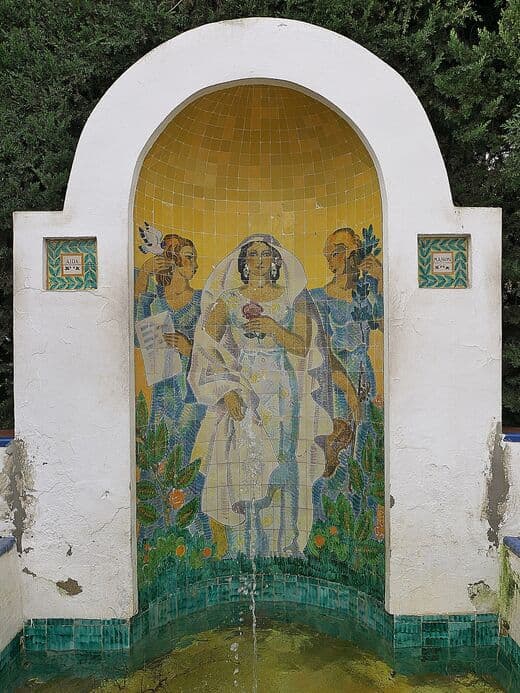
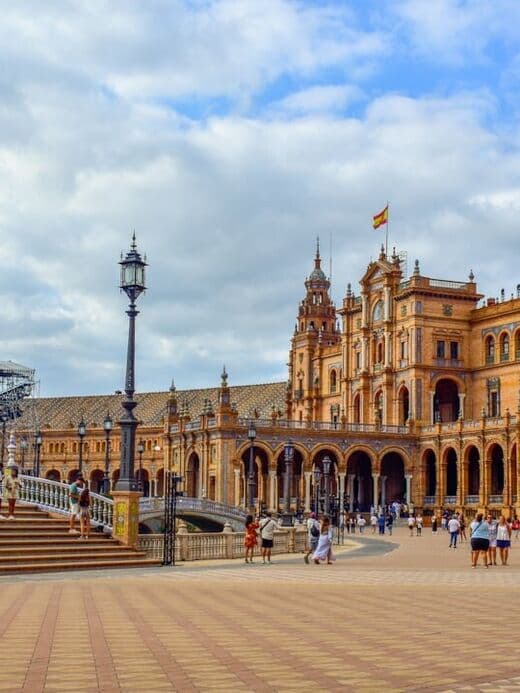
6:00 PM: Walk to Plaza de Espana through Maria Luisa Park. The plaza glows in late afternoon light. Rent a rowboat (6 EUR). Walk the building curve finding tile benches for each Spanish province.
8:30 PM: Dinner at El Rinconcillo, Seville's oldest bar since 1670. They chalk your bill on the wooden counter. Order carrillada and whatever jamon they are slicing. Budget 25-35 EUR.
Day 2: River and Triana
9:00 AM: Visit the Museum of Fine Arts. The Murillo and Zurbaran collections justify the trip alone. Allow 2 hours.
11:30 AM: Walk along the river to the Tower of Gold. The small maritime museum inside takes 30 minutes. Continue to Maestranza Bullring for a guided tour (45 minutes, English offered).
1:30 PM: Cross to Triana. Lunch at Mercado de Triana, the neighborhood market. Multiple stalls serve fresh seafood and local dishes. Eat at the counter watching preparation.
3:00 PM: Explore Triana's ceramics shops on Calle San Jorge. Ceramica Santa Ana has produced tiles since 1870 and welcomes visitors watching artisans work.
9:00 PM: Tapas crawl in Triana. Start at Casa Cuesta for fried fish, move to Bar Las Golondrinas for montaditos and berenjenas con miel. End wherever locals are crowded. The riverfront walk back after midnight is magical.
Day 3: Hidden Seville
9:00 AM: Start at Pilate's House, arguably more impressive than the Alcazar with no crowds. The blend of Mudejar, Gothic, and Renaissance styles reflects Seville's golden age.
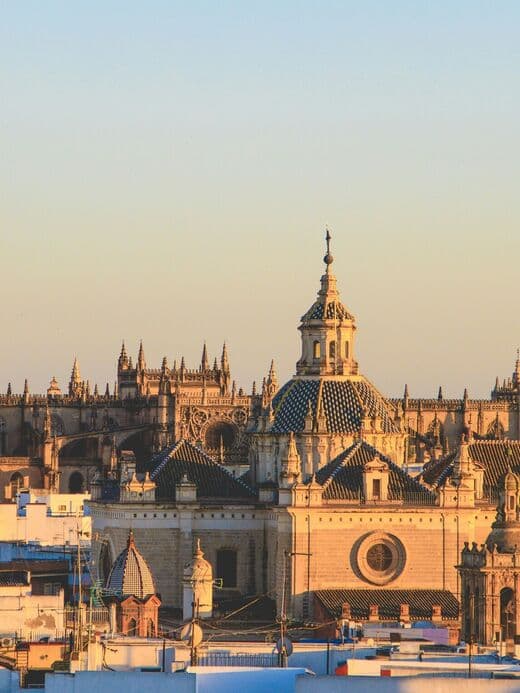
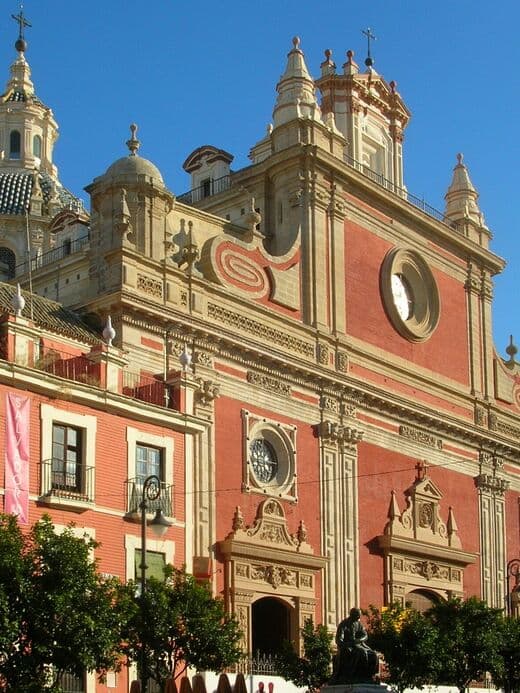
11:00 AM: Walk to the Church of the Divine Salvador, Seville's second-largest church. Often overlooked, it rivals the cathedral for Baroque decoration.
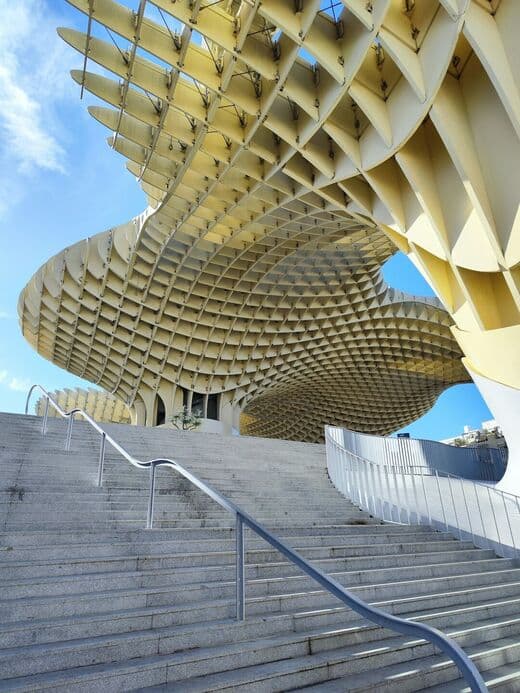
12:00 PM: Visit Metropol Parasol. The rooftop walkway offers best panoramic views in Seville. The basement shows Roman ruins discovered during construction.
1:30 PM: Lunch at Eslava. Their tasting menu of creative tapas has won national awards. The slow-cooked egg with mushroom cream is famous. Reserve ahead.
4:00 PM: Explore General Archive of the Indies, free entry, housing documents from the Spanish colonial empire including Columbus's journals.
6:00 PM: Walk to Hospital of the Venerables, a 17th-century hospital converted to cultural center with stunning courtyard.
9:30 PM: Flamenco show. Casa de la Memoria offers context (20-25 EUR). For raw authenticity, find Triana's small penas flamencas.
Days 4-5: Deeper Exploration
Day 4: Visit Palace of the Dueñas, birthplace of poet Antonio Machado. Tour Macarena neighborhood and its basilica. River cruise (18 EUR). Explore Alameda vintage shops. Lunch at Contenedor.
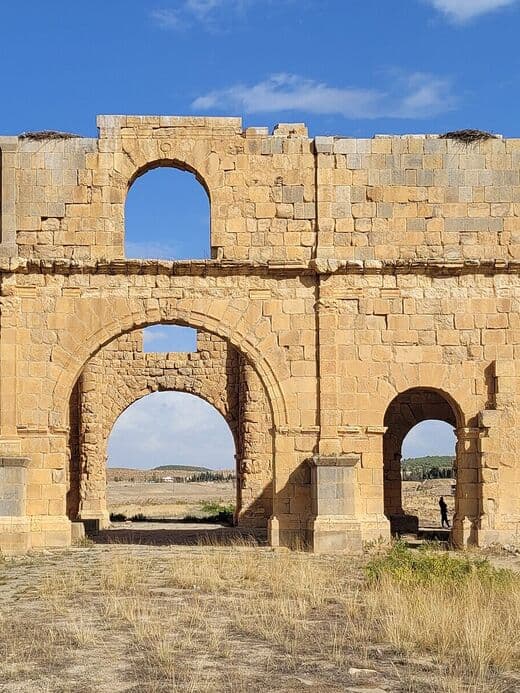
Day 5: Day trip to Cordoba (45 minutes by train, 15-25 EUR). The Mezquita alone justifies the trip. Or visit Italica Roman ruins 9 km north where Trajan and Hadrian were born.
Days 6-7: Regional Experiences
Day 6: Day trip to Jerez (1 hour by train). Tour a sherry bodega like Tio Pepe or Lustau (15-20 EUR with tasting). Watch the Royal Andalusian School of Equestrian Art (25-35 EUR). If driving, return through Arcos de la Frontera.
Day 7: Slow morning in your favorite neighborhood. Shop for ceramics, olive oil, or jamon. Final tapas at Mercado Lonja del Barranco by the river.
Where to Eat
Seville's food scene divides between tourist traps and local treasures. The difference is often one street apart.
Markets and Casual
Mercado de Triana: The real neighborhood market with seafood counters where you eat standing. Best for breakfast or early lunch. Budget 8-15 EUR. Mercado Lonja del Barranco: Tourist-friendly food hall near the river. Higher prices but guaranteed quality and variety. Budget 15-25 EUR. Street food: Freidurias (fried fish shops) in Triana and Santa Cruz sell pescaito frito cones for 5-8 EUR.
Traditional Tapas Bars
El Rinconcillo: Since 1670. They chalk bills on the wooden counter. Order carrillada iberica, spinach with chickpeas, and whatever jamon they are slicing. 20-30 EUR. Casa Morales: Ancient bodega near cathedral with wine from barrels and zero pretension. 15-20 EUR. Bodega Santa Cruz: Tourist zone but serving real food. Excellent montaditos. 12-18 EUR. Bar Las Golondrinas (Triana): No menu, cash only. Legendary fried eggplant with honey. 10-15 EUR.
Mid-Range Restaurants
Eslava: Award-winning creative tapas. The slow-cooked egg with mushroom cream is famous. Reservations essential for dinner. 35-50 EUR. Contenedor: Modern Andalusian in a shipping container in Alameda. 30-45 EUR. La Brunilda: Excellent modern tapas near Alcazar. Arrive at opening or expect a wait. No reservations. 30-40 EUR.
Fine Dining and Breakfast
Abantal: Seville's Michelin-starred option. Andalusian ingredients with contemporary technique. Tasting menus 85-120 EUR. Breakfast: La Cacharreria near Alameda for specialty coffee. Horno San Buenaventura near cathedral for traditional pastries and churros. 4-8 EUR.
Must-Try Food
Salmorejo: Not gazpacho. Thicker, creamier, made from tomatoes, bread, garlic, olive oil, and vinegar. Topped with jamon and hard-boiled egg. Served ice-cold. The best is almost pink, thick enough to hold a spoon upright.
Espinacas con garbanzos: Spinach with chickpeas, flavored with cumin, garlic, and sometimes vinegar. Moorish cooking surviving in Catholic Spain. Sounds simple but the balance is complex.
Solomillo al whisky: Pork tenderloin in whisky sauce with garlic and bay leaf. Served sizzling. A Seville invention that never spread beyond Andalusia.
Carrillada iberica: Pork cheeks from Iberian pigs braised until falling apart, usually in sherry. The richness of Iberian pork makes this special.
Pringa: Leftover meats from cocido stew shredded together: pork, chorizo, morcilla. Served on bread as a montadito. Workers' food turned tapas staple.
Pescaito frito: Mixed fried fish in paper cones with lemon. Small fish and seafood lightly floured and fried in olive oil. When done right, no better casual food exists.
Jamon iberico: Spain's national treasure. The pigs eat acorns in the dehesa forests. Order a half-ration for 12-18 EUR. Notice how the fat melts on your tongue at body temperature.
Tocino de cielo: Convent dessert of egg yolks and caramelized sugar. Impossibly sweet, impossibly rich. Convents in Santa Cruz sell through turning windows where you cannot see the nuns.
Local Secrets
Free Alcazar Mondays: The Royal Alcazar offers free entry Monday evenings from 6 PM (April-September) or 4 PM (October-March). Lines are long but move quickly. Arrive 30 minutes before.
Cathedral combo ticket: Buy the combined ticket at Church of the Divine Salvador first. No line, same price, includes both churches. Enter cathedral through reserved entrance.
Water everywhere: The heat is serious. Carry a reusable bottle. Free drinking fountains exist throughout the city, marked on Google Maps.
Siesta is real: From 2 PM to 5 PM, the city stops. Planning activities during siesta guarantees frustration.
Dinner timing: Restaurants open at 8:30 PM. Locals arrive at 9:30 PM. Eating at 7 PM marks you as a tourist.
Tapa culture: One drink equals one tapa in traditional bars. Bar hopping with one drink per bar gives more variety and is how locals eat.
Flamenco authenticity: Tourist tablaos are professional but performative. Find penas flamencas in Triana for raw emotion. Ask locals for current recommendations.
Orange trees warning: Street oranges are bitter Seville oranges for marmalade, not eating. Tourists trying them entertains locals daily.
Roof terraces: Hotel Dona Maria and EME Catedral open rooftop bars to non-guests. Cathedral views with 8-12 EUR drinks.
Sunday markets: Alameda flea market Sunday mornings with art and antiques. Macarena market Thursday mornings on Calle Feria is more local.
Bike rental: Skip Sevici public bikes (requires Spanish phone). Private rentals cost 10-15 EUR daily with maps. The city is flat and genuinely bikeable outside summer.
Transport and Connectivity
Reaching Seville
By air: Seville Airport (SVQ) sits 10 km northeast. Direct flights connect major European hubs and seasonal routes to New York JFK. EA bus runs every 20-30 minutes to Plaza de Armas (4 EUR, 35 minutes). Taxis cost fixed 25-30 EUR. Uber works but is not cheaper for airport runs.
By train: Santa Justa station handles all rail traffic. AVE trains connect Madrid (2.5 hours, 45-90 EUR), Barcelona (5.5 hours, 60-120 EUR), and Cordoba (45 minutes, 15-35 EUR). Book early on Renfe for lower prices. Station is 1.5 km from center, connected by bus 21/32 or 10 EUR taxi.
By bus: Two stations serve different routes. Plaza de Armas handles western routes (Portugal, Huelva). Prado de San Sebastian covers eastern routes (Granada 3 hours, 20-25 EUR). ALSA and Socibus are main operators.
Getting Around
Walking: Historic center measures 2 km across. Walking handles most tourist needs. The city is flat. Summer heat makes distances feel longer.
Metro: One line through center. Single ticket 1.35 EUR. Useful mainly for Plaza de Armas bus station.
Buses: TUSSAM operates city buses. C1-C4 circular routes loop historic center. Single ticket 1.40 EUR. Routes 5 and 6 connect center to Triana.
Taxis: White with yellow stripes, metered and honest. Cross-town rarely exceeds 10 EUR. Uber and Cabify work but offer no price advantage.
Driving: Do not drive in central Seville. Streets are narrow, parking costs 20-25 EUR daily, much of center is restricted. For day trips to Cordoba, Ronda, or white villages, rental cars make sense.
Connectivity
WiFi: Free at hotels, cafes, restaurants. Major squares offer municipal WiFi. Mobile data: EU residents roam freely. Others: local SIMs 15-25 EUR weekly at airport (Orange, Vodafone, Movistar), or eSIM options like Airalo. Essential apps: Google Maps, Renfe for trains, ALSA for buses, WhatsApp (universal in Spain).
Summary: Who Should Visit Seville
Seville is perfect for: History enthusiasts drawn to Moorish-Christian architecture. Foodies exploring tapas culture at its source. Travelers who enjoy slow mornings, long lunches, and late nights. Romance seekers and atmosphere lovers. Flamenco enthusiasts. Anyone comfortable with heat or wise enough to visit in shoulder seasons.
Seville may frustrate: Travelers preferring northern European efficiency. Anyone requiring constant air conditioning. Visitors with tight timelines who cannot adapt to siesta. Those who dislike crowds during spring festivals. Budget travelers visiting during peak season pricing.
The bottom line: Seville rewards adaptation. Embrace the late dinners, afternoon rest, spontaneous flamenco, and Andalusian hospitality, and you will understand why Sevillanos believe they live in Spain's most beautiful city. They might be right.