Madrid 2025: The Ultimate Guide to Spain's Vibrant Capital - Art, Tapas, and Nightlife
Madrid is a city that never sleeps, a capital of passion and art where magnificent museums stand alongside bustling tapas bars, and royal palaces coexist with avant-garde galleries. In 2025, the Spanish capital shines brighter than ever: following the major renovation of the Prado Museum, the opening of new metro stations, and the transformation of entire neighborhoods into pedestrian zones, the city has become even more appealing to travelers. Madrid isn't just a destination - it's a way of life, where lunch starts at 3 PM, dinner at 10 PM, and the party continues until dawn.
Located in the heart of the Iberian Peninsula, Madrid remarkably combines the imperial legacy of the Habsburgs and Bourbons with modern European dynamism. You can start your morning with churros dipped in thick chocolate at a century-old chocolatería, spend the afternoon among masterpieces by Velázquez and Goya, and end the evening on a terraza watching the sunset over Casa de Campo. Madrileños know how to enjoy life, and this infectious energy captivates every visitor.
Best Time to Visit Madrid
Spring (March - May): The Perfect Season
Spring in Madrid is magical - chestnut trees bloom in Retiro Park, temperatures hover at a pleasant 64-75°F (18-24°C), and the city buzzes with outdoor festivals. May brings Fiestas de San Isidro, the city's biggest celebration with concerts, fairs, and traditional verbenas. Retiro transforms into a flowering oasis, and café terraces fill with madrileños enjoying aperitivos in the fresh air.
Fall (September - November): Cultural Peak
September and October mark the return to cultural life after the summer siesta. Temperatures remain comfortable at 59-72°F (15-22°C), tourist crowds thin compared to spring, and theater and music seasons open with premieres. This is the ideal time for museum marathons and gastronomic discoveries.
Summer (June - August): Hot Madrid
Summer in Madrid tests those unaccustomed to heat. Temperatures regularly exceed 95-104°F (35-40°C), and the city empties as madrileños escape to the coast. However, summer brings open-air cinemas, public pools, and hotel prices drop 30-40%. The golden rule: siesta from 2-5 PM and activity after sunset.
Winter (December - February): A Christmas Wonderland
Winter Madrid offers 41-54°F (5-12°C), clear skies (300 sunny days a year!), and magical Christmas atmosphere. Plaza Mayor transforms into a huge Christmas market, Gran Vía sparkles with lights, and on January 5th, the city awaits the Cabalgata de Reyes - the Three Kings parade. Winter is perfect for museums and flamenco shows.
How to Get to Madrid
By Air
Madrid-Barajas Adolfo Suárez Airport (MAD) is Spain's main hub and one of Europe's busiest airports. Major airlines fly direct from across the world: British Airways, Iberia, and EasyJet from London; Delta, American, and United from US cities; Emirates from Dubai; multiple carriers from across Europe. Budget airlines like Ryanair and Vueling offer affordable European connections.
From the Airport to the City
The airport is 7.5 miles (12 km) from the center. Four terminals are connected by free shuttle buses. In 2025, Terminal 4S was modernized with new arrival areas. Getting downtown:
- Metro (Line 8): €4.50-5.00 to Nuevos Ministerios station (25 minutes), then transfer to any line
- Exprés Aeropuerto Bus: €5, runs 24/7 every 15-20 minutes to Atocha and Cibeles (35-40 minutes)
- Taxi: Fixed rate €30 to anywhere inside M-30 ring (30-45 minutes depending on traffic)
- Cercanías (commuter train): €2.60 from Terminal 4 to Atocha (25 minutes)
By Train
High-speed AVE trains connect Madrid with Barcelona (2.5 hours, from €25), Seville (2.5 hours, from €30), Valencia (1 hour 40 minutes, from €20), and Málaga (2.5 hours, from €25). The main station is Atocha, famous for its tropical garden inside. In 2025, new AVE routes to Burgos and León were launched.
Visa Requirements
US, UK, Canadian, and Australian citizens can visit Spain visa-free for up to 90 days within any 180-day period (Schengen rules). From 2025, ETIAS authorization (€7) is required for visa-exempt travelers - apply online before departure. EU/EEA citizens need only a valid ID.
Getting Around Madrid
Madrid Metro
Madrid's metro is one of Europe's largest: 13 lines, 302 stations, 183 miles (294 km) of track. Operating hours: 6 AM to 1:30 AM (until 2:30 AM on Fridays and Saturdays). The system is intuitive, stations are clean and safe. Single ticket: €1.50-2.00 depending on stations traveled. In 2025, new stations opened on the extended Line 11 to Valdebebas.
Tickets and Passes
- Tarjeta Multi: Rechargeable card (€2.50 deposit), 10 metro rides - €12.20
- Abono Turístico: Tourist pass for 1 day - €8.40, 3 days - €18.40, 5 days - €26.80, 7 days - €35.40 (Zone A)
- Single tickets: Available from machines at every station
Buses
EMT city buses cover the entire city, including areas without metro. Operating hours: 6 AM to 11:30 PM; night owls (búhos) run until 5:30 AM. Same fare as metro. Useful routes: 001 (circular around center), 27 (Embajadores to Prosperidad via Retiro).
Taxis and Rideshare
White taxis with a red stripe are official. Base fare €2.50, then €1.10-1.35/km depending on time of day. Uber and Cabify operate but are often pricier than taxis. Free apps: FreeNow, Cabify. Average city center ride: €8-12.
BiciMAD - City Bike Share
Electric bikes available at 264 stations citywide. Annual subscription €25; single ride €2 for first 30 minutes + €4 per additional 30 minutes. In 2025, 50 new stations were added and the fleet was updated. Great for navigating the flat central areas.
Walking
Central Madrid is compact and perfect for walking. From Puerta del Sol to the Prado: 15 minutes; to the Royal Palace: 10 minutes; to Retiro: 20 minutes. In 2025, pedestrian zones expanded around Sol and Opera.
Madrid Neighborhoods: Where to Stay
Sol and Centro: The Heart of the City
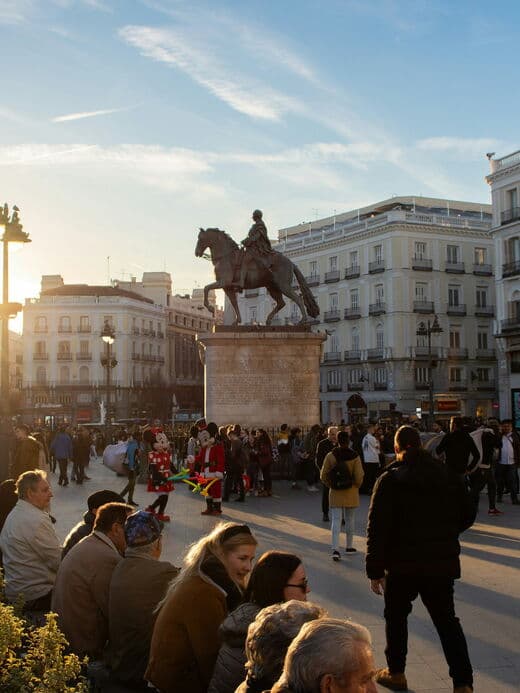
Puerta del Sol is Spain's kilometer zero and the city's pulse. Here you'll find major attractions: Plaza Mayor, Mercado de San Miguel, the Royal Palace. Perfect for first-time visitors but noisy at night. Hotels: €80-150/night. Downside: tourist prices and crowds.
La Latina and Lavapiés: Authentic Madrid
La Latina is home to the Sunday Rastro flea market, tapas bars, and bohemian vibes. Narrow streets, old taverns, live music. Lavapiés is a multicultural neighborhood with Indian restaurants, alternative galleries, and the most affordable prices in the center. Hotels: €50-100.
Malasaña and Chueca: Young and LGBTQ+ Friendly
Malasaña is a hipster haven with vintage shops, craft bars, and nightclubs. Chueca is the historic LGBTQ+ neighborhood, one of Europe's most welcoming. Home to the best cocktail bars and boutiques. Hotels: €70-130. Both neighborhoods are ideal for nightlife.
Salamanca: Luxury and Shopping
The upscale district with wide boulevards, designer boutiques, and Michelin-starred restaurants. Calle Serrano is the main shopping artery. Quiet, respectable, expensive. Hotels: €120-300+. Perfect for shoppers and luxury lovers.
Retiro and Jerónimos: Culture and Greenery
The area around Retiro Park and the Museum Triangle (Prado, Reina Sofía, Thyssen-Bornemisza). Peaceful, green, culturally rich. Hotels: €90-180. Ideal for families and museum enthusiasts.
Chamberí and Argüelles: Local Life
Residential neighborhoods with authentic Madrid atmosphere, excellent markets (Mercado de Vallehermoso), and affordable prices. Good transport links, near Ciudad Universitaria. Hotels: €60-100. Ideal for longer stays.
Madrid Attractions
The Art Triangle (Triángulo del Arte)
Museo del Prado
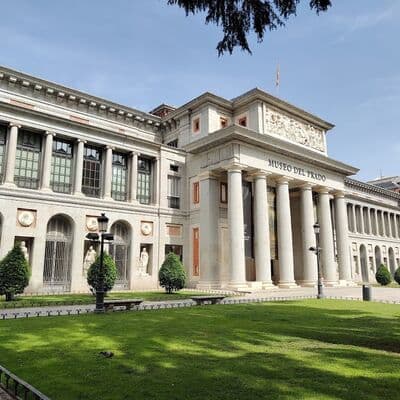
One of the world's greatest art museums with a collection of European painting from the 12th to 19th centuries. Masterpieces by Velázquez (Las Meninas), Goya (The Nude Maja and The Clothed Maja), Bosch (The Garden of Earthly Delights), El Greco, Rubens, and Titian. Following 2024-2025 renovations, the Spanish painting galleries have been updated. Admission: €15, free during the last 2 hours. Online booking recommended.
Museo Reina Sofía
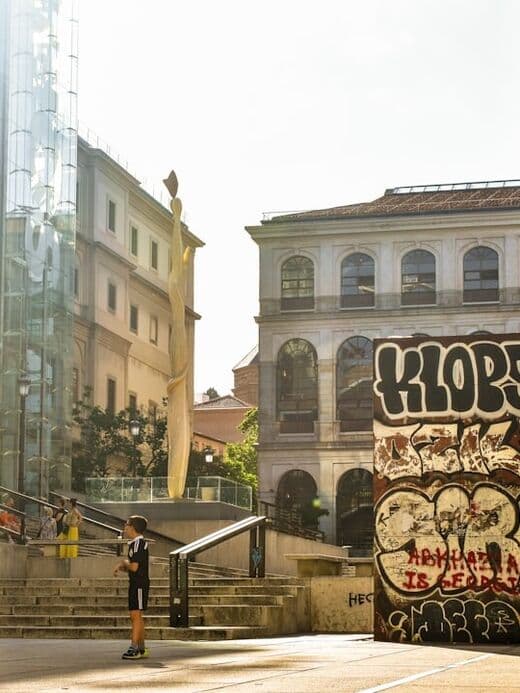
Modern and contemporary art from the 20th and 21st centuries. The star exhibit is Picasso's Guernica. Also featuring Dalí, Miró, Tàpies, and Juan Gris. Located in a former hospital with glass elevators designed by Jean Nouvel. Admission: €12, free evenings and Sundays after 1:30 PM.
Museo Thyssen-Bornemisza
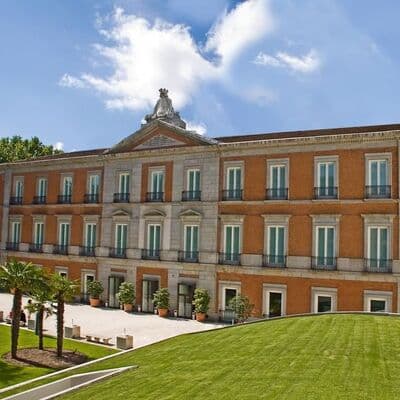
A private collection spanning the entire history of European painting - from Italian primitives to pop art. Perfectly complements the Prado and Reina Sofía. Admission: €13, free on Mondays from noon.
Royal Palace (Palacio Real)
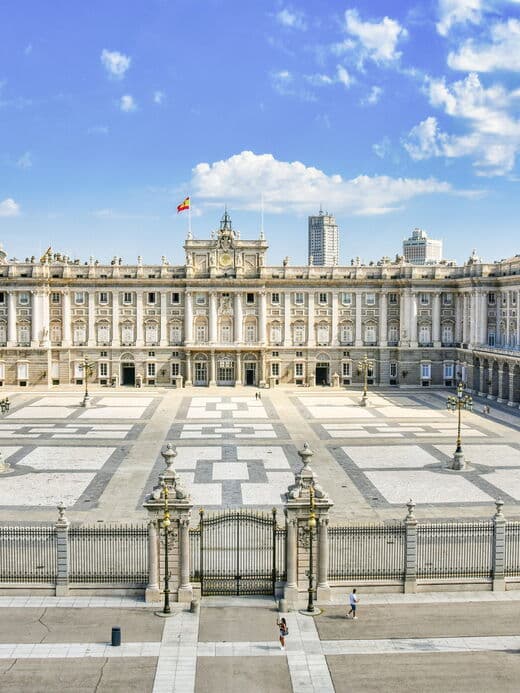
Europe's largest functioning royal palace (3,418 rooms!). Though the royal family doesn't live here, it's used for official ceremonies. Lavish interiors, the Royal Armory, and Sabatini Gardens. Admission: €12, free during the last 2 hours. Changing of the guard: every Wednesday and Saturday at 11 AM.
Plaza Mayor and Surroundings
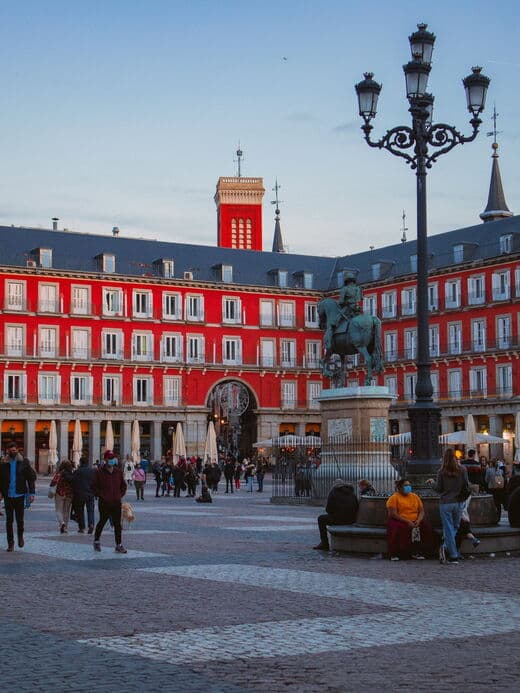
Madrid's main square is a 17th-century Spanish Baroque masterpiece. Surrounded by arcades with cafés and shops, it once hosted markets, bullfights, and even Inquisition trials. Nearby: Mercado de San Miguel with gourmet delicacies and Casa Botín (the world's oldest restaurant according to Guinness, since 1725).
Retiro Park
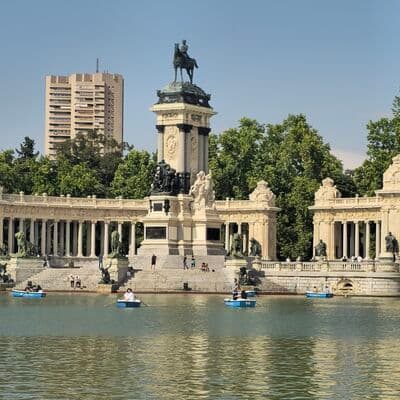
309 acres of greenery in the city center. A former royal park with a boating lake, the Crystal Palace (exhibition hall), a rose garden, and countless sculptures. Perfect for morning jogs, picnics, or reading under ancient trees. Free admission.
Gran Vía
Madrid's main artery, the Spanish Broadway, with historic early 20th-century buildings, cinemas, shops, and restaurants. Especially impressive at night when neon signs light up. The Metrópolis Building at the corner of Alcalá is a city icon.
Temple of Debod
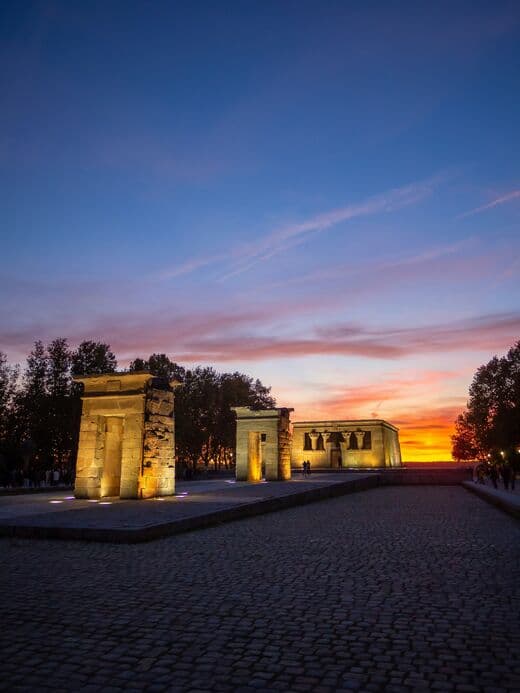
An authentic Egyptian temple from the 2nd century BC, gifted by Egypt to Spain in 1968 for helping save Nubian monuments. Located in Parque del Oeste with stunning sunset views over Casa de Campo. Free admission.
Santiago Bernabéu Stadium
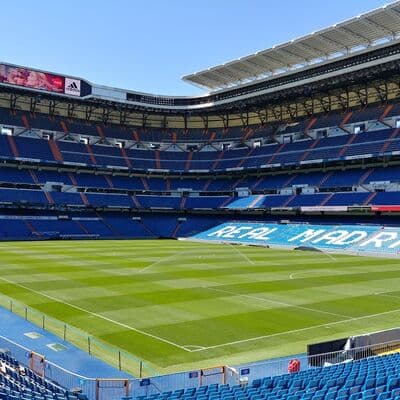
Real Madrid's home ground, after massive renovation (2019-2024), is now one of the world's most modern stadiums. Retractable roof, 360-degree screen, underground pitch storage. Stadium tour: €25-35. Match tickets: from €50 (La Liga) to €300+ (El Clásico).
What's New in Madrid 2025
Madrid Nuevo Norte
This massive urban development project on former railway yards near Chamartín station is progressing rapidly. In 2025, the first skyscrapers, a new business center, and park areas opened. It will become Spain's tallest skyscraper and Madrid's new financial hub.
Metro Expansion
Line 11 extension to Valdebebas completed with new stations. Improved connections to the airport and northern districts. Updated trains on Lines 1, 6, and 10 with air conditioning and USB charging.
Prado Museum: New Galleries
Following renovation, updated Spanish Baroque galleries and a new wing for temporary exhibitions opened. Improved lighting and climate control systems for better preservation of masterpieces.
Madrid Central 360
The low-emission zone now covers the entire center inside the M-30 ring. Private vehicle access restricted, pedestrian zones expanded. Air quality in the center has noticeably improved.
New Food Markets
Following Mercado de San Miguel's success, renovated Mercado de la Paz in Salamanca and Mercado de Antón Martín opened with new gastronomic concepts and craft producers.
Digital Tourism
The unified Madrid 360 app combines museum tickets, transport, restaurant reservations, and tourist information. Free Wi-Fi expanded to all tourist areas.
Madrid Gastronomy
Traditional Dishes
Cocido Madrileño
The quintessential Madrid dish - a hearty stew of chickpeas, vegetables, and various meats (ham, chorizo, morcilla, chicken, beef). Served in three courses: first the broth with noodles, then chickpeas with vegetables, finally the meats. Traditionally eaten on Wednesdays. Best spots: La Barraca, Malacatín, Lhardy (since 1839).
Callos a la Madrileña
Tripe in spicy tomato sauce with chorizo and morcilla. Sounds extreme, but the taste is incredible. A tapas bar classic in La Latina. Best spots: Taberna La Bola, Casa Amadeo.
Bocadillo de Calamares
The ultimate Madrid sandwich - crispy fried squid rings in a fresh roll with lemon and aioli. Eaten around Plaza Mayor and nearby bars. A 19th-century tradition from when seafood was brought from the coast. Price: €3-5.
Tortilla Española
Spanish omelet with potato and onion - simple perfection. Every bar has its version: runny inside (jugosa) or fully cooked. Arguments about the proper tortilla are endless. Try it at Casa Dani (Mercado de la Paz) - considered Madrid's best.
Tapas Culture
Madrid is the tapas capital. The tradition: order a drink, get a free snack. Best neighborhoods for tapas-hopping: La Latina (Cava Baja, Cava Alta), Lavapiés (international mix), Malasaña (modern interpretations). Average tab: €15-25 with drinks for an evening.
Mercado de San Miguel
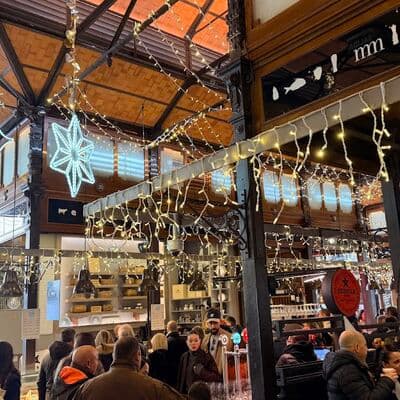
A gourmet market in a historic 1916 building. Oysters, jamón, cheeses, wine, tapas - all under one roof. Pricey and touristy, but beautiful and convenient for a first taste of Spanish cuisine. Open until midnight.
Churros con Chocolate
Crispy fried dough sticks with thick hot chocolate - a traditional Madrid breakfast or late-night snack after clubbing. The iconic spot is Chocolatería San Ginés (operating since 1894, open 24/7). Portion: €4-5.
Michelin Scene
In 2025, Madrid boasts 24 Michelin-starred restaurants. Three stars: DiverXO (Dabiz Muñoz, avant-garde), Smoked Room (Dani García). Two stars: Coque, Santceloni, Ramón Freixa. Book a month ahead; tasting menus from €150.
Madrid Nightlife
The Madrid Night Schedule
Madrid wakes up late. A typical evening: 9 PM aperitif, 10-11:30 PM dinner, midnight-2 AM cocktails at bars, 2-6 AM clubs. Yes, Madrid clubs start filling up after 2 AM and close around 7 AM. On weekends, this is normal even for people over forty.
Cocktail Bars
Madrid's cocktail scene is among Europe's best. Salmon Guru in Malasaña (listed in World's 50 Best Bars), 1862 Dry Bar in La Latina, Macera in Malasaña (fruit and herb infusions), Del Diego - a classic since the 1980s. Average cocktail: €10-15.
Clubs
- Kapital: 7 floors of different music, from techno to Latin. A Madrid nightlife legend since the 1990s. Entry: €15-20
- Teatro Barceló: Historic theater turned club. Mainstream and electronic. Entry: €12-18
- Mondo Disko: Indie, rock, alternative. Creative crowd from Malasaña. Entry: €10-15
- Siroco: Live music and electronics. Atmospheric venue in Lavapiés. Entry: €8-12
- Fabrik: Mega-club outside the city for serious techno parties. Entry: €20-30
Flamenco
Authentic flamenco is at tablaos: Corral de la Morería (legendary venue since 1956, from €50), Casa Patas (combines show and tapas), Cardamomo (central, €45). Shows usually at 8 PM and 10:30 PM. Book ahead, especially on weekends.
Summer Terrazas
From May to September, the city lives on open terraces. Best rooftop bars: Azotea del Círculo (Círculo de Bellas Artes, €4 entry), Radio ME (ME Madrid), Ginkgo Sky Bar (VP Plaza España). Sunset over Madrid's rooftops is essential.
Chueca: LGBTQ+ Nightlife
Chueca is one of Europe's most open LGBTQ+ neighborhoods. Bars and clubs for every taste: Delirio (dance), LL Bar (bear-themed), Fulanita de Tal (lesbian bar). The main event is Madrid Pride (MADO) in July, one of the world's largest Pride weeks.
Shopping in Madrid
Gran Vía and Sol
Mass-market shopping on Gran Vía: Zara, H&M, Primark (Europe's largest), FNAC, El Corte Inglés. At Puerta del Sol - another El Corte Inglés and Decathlon. Spanish brands: Mango, Massimo Dutti, Bershka, Pull&Bear - all from the Inditex group, priced lower here than abroad.
Salamanca: Luxury
Calle Serrano, Ortega y Gasset, Claudio Coello - the golden mile of luxury boutiques. Louis Vuitton, Gucci, Loewe (Spanish luxury!), Hermès, Chanel. Spanish designers: Balenciaga (originally Spanish!), Manolo Blahnik, Pertegaz. Great sales in January and July (rebajas).
Malasaña: Vintage and Indie
Vintage shops, young designers, independent labels. Flamingos Vintage Kilo (clothes by weight), Magpie Vintage, La Mona Checa. Saturday markets with handmade goods and antiques.
El Rastro
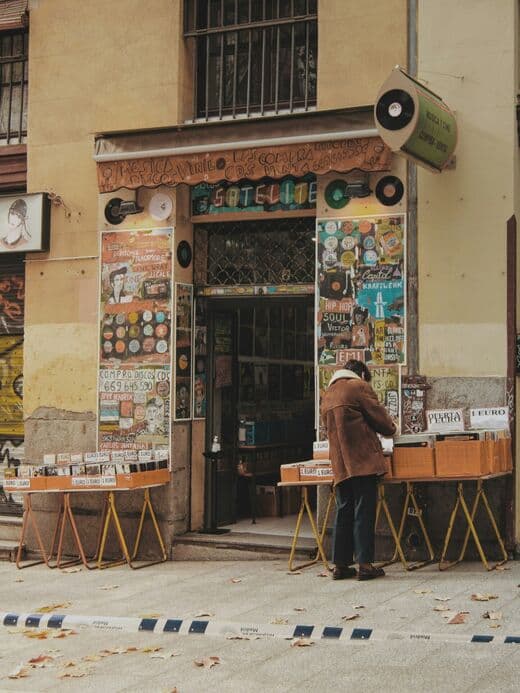
Madrid's largest flea market, every Sunday from 9 AM to 3 PM in La Latina. Thousands of stalls: antiques, vinyl records, clothing, crafts, complete junk. The atmosphere matters more than the purchases. Afterward - tapas and vermouth at bars on Cava Baja.
Food Markets
For jamón, cheese, and olive oil, head to traditional markets: Mercado de Antón Martín, Mercado de la Cebada, Mercado de Vallehermoso. This is where madrileños shop. Taste and buy directly from producers.
Tax Free
Non-EU residents can claim VAT refund (21%) on purchases over €90 at one store. Get the Tax Free form at the shop, show goods at the airport customs, collect refund at the Global Blue office.
Madrid Trip Budget
Budget Option: €50-70/day ($55-75)
- Central hostel: €20-35/night
- Day transport pass: €8.40
- Breakfast (churros + café): €4-5
- Lunch (menú del día): €12-15
- Tapas dinner: €15-20
- Free museums during free hours
Mid-Range: €100-150/day ($110-165)
- 3-star hotel: €70-100/night
- Transport: €10/day
- Museums and entertainment: €20-30
- Full meals: €50-60
- Cocktails/bars: €15-20
Comfort Option: €200-300/day ($220-330)
- 4-5 star hotel: €150-250/night
- Taxis and comfort: €20
- Restaurant dining: €80-100
- Cultural program: €30-50
- Shopping, spa, premium experiences: as desired
Money-Saving Tips
- Menú del día (business lunch): €12-18 for 3 courses with drink
- Free museum hours (last 2 hours)
- Tarjeta Multi instead of single tickets
- Tapas in La Latina instead of tourist center
- Tap water (perfectly drinkable)
- Free walking tours
Currency and Payments
Euro (€). Cards accepted almost everywhere, but small bars and markets may require cash. ATMs everywhere; €2-5 fee for withdrawals from other banks. Tipping: not mandatory, rounding up or 5-10% for good service is appreciated.
Culture and Etiquette
Life Schedule
Madrileños live on their own clock: breakfast 9-10 AM, lunch 2-3 PM, dinner 9-10 PM. Shops close for siesta (2-5 PM), though in the center many stay open. Most shops closed Sundays. Embrace the late rhythm - it's part of the experience.
Greetings
Spaniards are tactile. When meeting: dos besos (two kisses on cheeks, starting with the right). Between men: handshake or abrazo (hug). Using the informal 'tú' (tuteo) is standard almost everywhere except formal situations.
In Bars and Restaurants
Don't be surprised if the waiter doesn't approach - catch their attention with a gesture or 'perdona.' The bill won't come until you ask: 'la cuenta, por favor.' Tipping isn't mandatory; rounding up is normal. In tapas bars, standing at the bar is often cheaper.
What to Wear
Madrileños care about appearance. Smart casual works everywhere. For clubs and restaurants - neat shoes (not sneakers). In churches - covered shoulders and knees. Summer - light clothing but not beachwear (save shorts and flip-flops for the coast).
Football Passion
Madrid is divided between Real and Atlético. Asking '¿Eres del Madrid o del Atleti?' is normal, but be ready for an emotional discussion. Match day (especially the derby) is special, when the city dons club colors.
Safety
Madrid is a safe city, but pickpockets are active in tourist spots: Sol, Plaza Mayor, metro during rush hour. Watch your bags and phones. The center is safe at night; avoid dark alleys in Lavapiés late at night.
Practical Tips
Language
Spanish (Castilian). English is spoken in tourist areas, but even basic Spanish is appreciated. Hola, gracias, por favor, la cuenta - the minimum. Madrileños speak fast and swallow endings - that's normal.
Internet and Communication
Free Wi-Fi in hotels, cafés, and museums. For mobile internet - eSIM (Airalo, Holafly) or local SIM (Orange, Vodafone) for €10-20 with 10-20 GB.
Electricity
European Type C/F plugs (round pins), 220V. Adapter needed for American/British plugs.
Water
Madrid tap water is excellent quality - safe to drink. In restaurants, ask for 'agua del grifo' (tap water) for free.
Restrooms
Public toilets are rare. Use those in museums, shopping centers, and cafés. In bars, it's polite to order something before using the restroom.
Pharmacies
Farmacias marked with a green cross. Pharmacists consult and sell many medications without prescription. 24-hour pharmacies (farmacia de guardia) - info posted on every pharmacy door.
Useful Apps
- Metro de Madrid: Official metro app with routes
- Madrid 360: Unified city tourist app
- El Tenedor (TheFork): Restaurant reservations with discounts
- FreeNow: Taxi app
- BiciMAD: City bike share
Day Trips
- Toledo: 30 minutes by AVE, medieval city of three cultures
- Segovia: 30 minutes by AVE, Roman aqueduct and Alcázar castle
- El Escorial: 1 hour by train, royal monastery-palace
- Aranjuez: 45 minutes, royal gardens and palace
Sample Itinerary: 4 Days in Madrid
Day 1: Classic Madrid
Morning: Puerta del Sol → Plaza Mayor → Mercado de San Miguel (breakfast with jamón). Afternoon: Royal Palace → Sabatini Gardens → Temple of Debod (sunset). Evening: Dinner in La Latina, tapas-hopping on Cava Baja.
Day 2: Museum Day
Morning: Prado Museum (3-4 hours, arrive at opening). Lunch: Around Jerónimos. Afternoon: Retiro Park - boats on the lake, Crystal Palace. Evening: Reina Sofía Museum (Guernica) during free hours, dinner in Lavapiés.
Day 3: Modern Madrid
Morning: Brunch in Malasaña, vintage shops. Afternoon: Gran Vía - shopping and architecture, rooftop bar at Círculo de Bellas Artes. Evening: Chueca - dinner, cocktails at Salmon Guru or 1862 Dry Bar.
Day 4: Football or Toledo
Option A (football): Bernabéu stadium tour in the morning, Real Madrid match in the evening (if tickets available). Option B (Toledo): Day trip to Toledo (open-air museum city). Evening: Farewell dinner at Casa Botín, flamenco at Corral de la Morería.
Frequently Asked Questions
How many days do I need for Madrid?
Minimum 3-4 days for the main attractions. A week is ideal to feel the city's rhythm, add day trips, and truly relax.
Is Madrid safe?
Yes, Madrid is one of Europe's safest major cities. Standard precautions: watch your belongings in crowds, don't leave your phone on café tables.
Which neighborhood should I stay in?
First visit - Sol/Centro or Salamanca. For nightlife - Malasaña/Chueca. For atmosphere - La Latina. For peace - Retiro or Chamberí.
How can I save money at museums?
Visit during free hours: Prado - last 2 hours before closing, Reina Sofía - weekday evenings and Sundays after 1:30 PM, Thyssen - Mondays from noon.
Can I get by without Spanish?
In tourist areas - yes, English is understood. But basic phrases (hola, gracias, por favor, la cuenta) really help and are appreciated by locals.
When are the sales (rebajas)?
Winter: January 7 - end of February. Summer: July 1 - end of August. Discounts up to 70% toward season's end.
Do I need to book restaurants in advance?
For Michelin and popular spots - essential, a week to a month ahead. For regular restaurants - advisable on weekends. Tapas bars - no booking needed.
Is tap water safe to drink?
Yes, Madrid has excellent tap water - among the best in Europe. Completely safe to drink from the tap.