Valencia
Valencia 2026: What to Know Before You Go
Valencia is a city where paella cooks over orange-wood fires and futuristic buildings by Calatrava sit alongside 14th-century Gothic cathedrals. Here, the sun shines 300 days a year, beaches are 15 minutes from the center, and locals still observe siesta, closing shops from 2pm to 5pm. This is Spain's third-largest city, yet it remains surprisingly cozy and accessible for travelers. With direct flights from London (2h 15m), New York (via Madrid connection), and major European hubs, Valencia has become increasingly reachable for English-speaking visitors.
Quick take: Valencia is worth visiting for authentic paella (this is where it was invented), Calatrava's futuristic architecture, UNESCO-listed historic center, 20km of sandy beaches, and the relaxed Mediterranean atmosphere without Barcelona's crowds. Plan 4-5 days for the city plus 1-2 days for surrounding areas.
Who is this city for? Valencia is perfect for travelers seeking balance between cultural activities and beach time, food tourists, families with children (huge oceanarium, parks, safe beaches), digital nomads (developed infrastructure, coworking spaces, moderate prices), and those tired of overcrowded Barcelona and Madrid. The city consistently ranks among Europe's safest major cities, with excellent walkability scores and widespread English-friendliness in tourist areas.
Honest truth about Valencia:
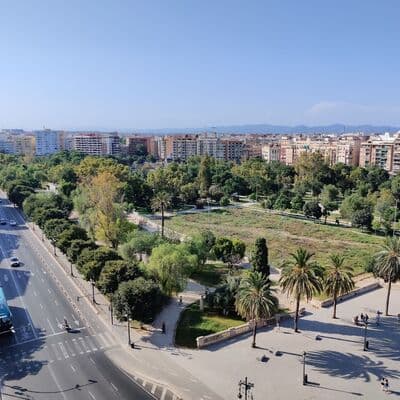
- Pros: excellent year-round weather, compact center (everything walkable), affordable prices (30-40% cheaper than Barcelona), great food on every corner, safe city, developed transport, beaches within city limits, abundant greenery (9km-long Turia Park).
- Cons: very hot in summer (July-August +35-40C), many places close for siesta, in August locals leave for vacation (some restaurants closed), central beaches can be overcrowded, not everyone speaks English in traditional establishments, limited direct long-haul flights.
Valencia is a city of contrasts where you'll find Roman ruins in one block and buildings that look like they flew in from 2050 in the next. This is where paella is eaten at lunch (never dinner), where horchata with fartons is the traditional afternoon snack, and where the Las Fallas festival in March turns the city into a giant art installation with fireworks. The city has embraced English-speaking tourism while maintaining its authentic character - you'll find English menus in most central restaurants, and younger Valencians typically speak conversational English.
For US travelers: Valencia feels more manageable than Madrid or Barcelona. The metro system is straightforward, tap cards work on all public transport, and the city is extremely walkable. Credit cards are widely accepted, though small traditional places may prefer cash. Tipping is appreciated but not obligatory (5-10% for good service). For UK visitors: you'll find familiar coffee chains alongside exceptional local cafes, and the pace of life will feel refreshingly slower. Australian and Canadian travelers will appreciate the beach culture combined with European history - it's like having Sydney's beaches with Rome's architecture.
Safety note: Valencia is one of Europe's safest cities. Violent crime is rare. Pickpocketing exists in tourist areas but is less common than in Barcelona. The beaches are generally safe for swimming with lifeguards during summer months. Walking alone at night in central areas is comfortable for most travelers. Emergency number throughout Spain is 112 (English-speaking operators available).
Valencia Neighborhoods: Where to Stay
Valencia is divided into 19 districts and 87 official neighborhoods. For tourists, about 7-8 matter most. Your neighborhood choice will define your trip - will you wake to church bells in a Gothic quarter or to Mediterranean waves? All areas mentioned are well-connected by metro and considered safe for tourists.
Ciutat Vella (Old Town) - History Under Your Feet
The historic heart of Valencia, where every stone remembers Romans, Moors, and medieval merchants. Narrow streets, Gothic palaces, cathedrals and squares create the atmosphere many come to Spain for. The district includes El Carmen, La Seu, El Mercat and other quarters.
Best for: first-time visitors, history and architecture lovers, those who want to be in the center of action, couples, cultural tourists.
Atmosphere: touristy, lively, filled with travelers from morning to evening. Bars and restaurants pack to capacity by night. Streets are cobblestoned, buildings are 300-500 years old.
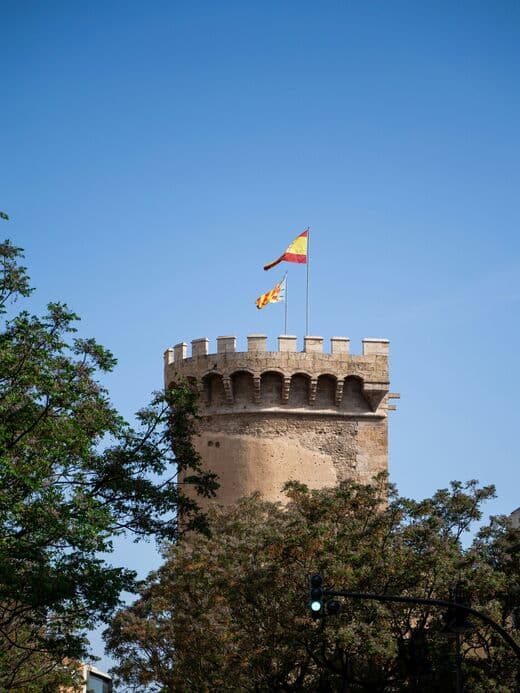
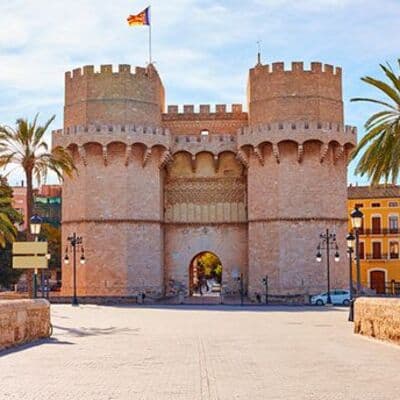
Pros: everything walkable (Central Market, Cathedral, Serrano Towers), dozens of restaurants and tapas bars, excellent transport access (Xativa and Colon metro stations), many hotels and apartments, beautiful any time of day.
Cons: noisy (especially weekends), many tourists in high season, above-average prices, parking difficult, some streets very narrow and dark at night, limited grocery options.
Prices: EUR 80-150 per night (hostels from EUR 25, hotels from EUR 80-120, apartments from EUR 70/night). Summer and Las Fallas festival prices can double.
Nearby: Mercado Central (5 min walk), Valencia Cathedral (3 min), Torres de Serranos (7 min), Plaza de la Reina (2 min), El Carmen quarter (within district).
English-friendliness: High - most restaurants and hotels have English-speaking staff, menus available in English.
Ruzafa - Bohemian Valencia
The trendiest and most creative district, often called "Barcelona's Gothic Quarter in miniature." This is where artists, designers, digital nomads and expats live. Streets are decorated with street art, independent galleries, vintage shops, specialty coffee houses and cocktail bars on every corner.
Best for: young travelers, party-goers, remote workers, contemporary art enthusiasts, LGBT travelers, expats, solo travelers looking to meet people.
Atmosphere: relaxed during day (coworking spaces, cafes), lively at night (bars, clubs). The neighborhood constantly evolves with new openings.
Pros: best nightlife in the city, many vegetarian and vegan options, stylish apartments, close to Estacio del Nord train station, authentic atmosphere, many locals (not just tourists), excellent coffee scene.
Cons: noisy at night (especially Thursday-Saturday), can be expensive in popular spots, fewer historical sights, some streets feel sketchy late at night.
Prices: EUR 60-120 per night (hostels from EUR 20, hotels from EUR 60-100, apartments from EUR 60/night)
Nearby: Estacio del Nord train station (10 min), Plaza del Ayuntamiento (15 min walk), Mercado de Colon (5 min), Turia Park (10 min).
English-friendliness: Very high - international crowd, many expat-run businesses, English commonly spoken.
Eixample and Gran Via - Elegant Classic
Early 20th-century district with wide boulevards, modernisme buildings and calm atmosphere. This is the residential area for those who want to live like locals - without tourist crowds, but still central.
Best for: families with children, couples, longer stays, those who value quiet, business travelers.
Atmosphere: calm, respectable, quiet in evenings. Many family restaurants, supermarkets, pharmacies.
Pros: quiet at night, walkable to center (15-20 min), many apartments for extended stays, excellent infrastructure (supermarkets, pharmacies, gyms), good transport, prices lower than center, residential feel.
Cons: fewer evening entertainment options, no wow-effect of old town, need to walk to other neighborhoods for atmosphere, less character than historic areas.
Prices: EUR 50-90 per night (apartments from EUR 50-80/night, hotels from EUR 70)
Nearby: Mercado de Colon (5 min), Colon metro station (3 min), Turia Park (10 min), Ruzafa (10 min walk).
English-friendliness: Moderate - fewer tourist-oriented businesses, but hotels and larger restaurants have English speakers.
El Cabanyal and Malvarrosa - Beach Life
Traditional fishing quarter transformed into trendy seaside district. Narrow streets with colorful facades, barraca houses (traditional Valencian architecture with terracotta roofs) and direct access to Malvarrosa beach.
Best for: beach holidays, families, romantics, photographers, those wanting to combine city and sea, summer visitors.
Atmosphere: relaxed, seaside. Beach and restaurants during day, evening promenade walks. Locals still live here for generations.
Pros: beach in 2 minutes, fresh seafood in promenade restaurants, authentic atmosphere, fewer tourists than center, picturesque (colorful houses), many cafes and bars by the sea, great for morning runs.
Cons: 15-20 minutes to center by transport (bus, tram), some parts less safe at night, beaches overcrowded in summer, can be windy in winter, limited nightlife options.
Prices: EUR 50-100 per night (apartments from EUR 50-90/night, hotels from EUR 60-100)
Nearby: Malvarrosa beach (1-5 min), promenade with restaurants (2 min), tram to center (15 min), Cabanyal market (5 min).
English-friendliness: Moderate to high in tourist season, lower in winter when fewer international visitors.
Quatre Carreres (City of Arts and Sciences) - Futurism
Modern district around Calatrava's architectural complex. New buildings, wide avenues, Turia Park. Perfect for those wanting to stay near main modern attractions.
Best for: families with children (oceanarium), modern architecture lovers, longer stays, those renting cars.
Atmosphere: modern, clean, slightly sterile. Little Spanish charm but lots of comfort.
Pros: new buildings with elevators and air conditioning, quiet, near oceanarium and science museum, good transport to center, easier parking than center, supermarkets nearby, family-friendly.
Cons: no historical atmosphere, boring in evenings, need to travel to center for restaurants and entertainment, more expensive transport, feels disconnected from authentic Valencia.
Prices: EUR 60-130 per night (apartments from EUR 60-100/night, hotels from EUR 80-120)
Nearby: City of Arts and Sciences (5 min), Oceanografic aquarium (10 min), Turia Park (nearby), bus to center (15 min).
English-friendliness: High - major tourist area, international hotels, English widely spoken.
Benimaclet - Student and Budget
Former village absorbed by the city, retained its identity. University district, students, budget cafes and authentic atmosphere. Few tourists but many locals.
Best for: budget travelers, students, longer stays, digital nomads, those wanting to live like locals, solo travelers.
Atmosphere: village-in-the-city, calm, community feel. Many students, expats, families.
Pros: cheap (prices 30-40% below center), authentic, many cafes and bars for locals, good transport (metro, tram), safe, has everything needed (supermarkets, pharmacies), strong expat community.
Cons: far from center (20-25 min by metro), few attractions, quiet in evenings, no beach nearby, limited English spoken in local establishments.
Prices: EUR 30-60 per night (hostels from EUR 15, apartments from EUR 35-50/night, rooms from EUR 25)
Nearby: university (5 min), Benimaclet metro (3 min), Cabecera Park (10 min), tram to beach (20 min).
English-friendliness: Moderate - university area means some English, but local bars and shops primarily Spanish-speaking.
Extramurs - Quiet Center
District between old town and Turia Park. Quiet, green, with good restaurants and no tourist crowds. Excellent compromise between center and tranquility.
Best for: couples, families, longer stays, those wanting to be close to center without noise.
Atmosphere: calm, green, local. Many parks, squares, family restaurants.
Pros: quiet, walkable to center (10-15 min), near Turia Park, good local restaurants, prices below center, many apartments, residential authenticity.
Cons: few attractions, quiet in evenings, need to walk to other neighborhoods for entertainment, less character than old town.
Prices: EUR 50-80 per night (apartments from EUR 50-70/night, hotels from EUR 60-90)
Nearby: Turia Park (5 min), botanical garden (10 min), old town (15 min walk), Angel Guimera metro (5 min).
English-friendliness: Low to moderate - primarily local neighborhood, fewer English speakers.
Patraix and Russafa Extension - Emerging Areas
Up-and-coming neighborhoods popular with young locals and expats seeking lower rents. More residential but developing good cafe and restaurant scenes.
Best for: long-term stays, digital nomads, budget-conscious travelers, those seeking authentic local experience.
Atmosphere: residential, developing, authentic local life.
Pros: very affordable, authentic, good local food scene developing, well-connected by metro, quiet.
Cons: few tourist amenities, limited English, need to travel for major sights, fewer accommodation options.
Prices: EUR 35-65 per night
Best Time to Visit Valencia
Valencia is one of Europe's sunniest cities (over 300 days per year), but timing significantly affects your experience. Unlike northern European destinations, Valencia offers pleasant weather year-round, making it a viable destination even in winter months when most Mediterranean cities shut down.
Ideal Time: April-June and September-October
Why: temperatures +20-28C (68-82F), little rain, sea already warm (in June) or still warm (in September), moderate tourist crowds, average prices, everything open.
April-May: nature blooms, perfect for walking, sea still cool (+16-18C / 61-64F) but beach season beginning. This is arguably the best time for sightseeing without summer heat. Hotels are 20-30% cheaper than summer.
June: early summer, sea warms to +20-22C (68-72F), long days (light until 9:30pm), prices start rising. Perfect balance of good weather and manageable crowds.
September: sea warm from summer (+24-25C / 75-77F), heat subsides, locals return from vacation, everything open. Many consider this the absolute best month.
October: still warm (+22-26C / 72-79F), fewer tourists, prices drop, can swim until mid-month. Great for combining beach and culture.
Worst Time: July-August
Why: temperatures +32-40C (90-104F), feels like +45C due to humidity, beaches overcrowded, peak prices, many locals close restaurants and leave for vacation (especially August).
But: if beach and sea are your goal, this is best time. Water +25-27C (77-81F), all beach bars open, parties until dawn. Direct flights from London increase frequency, making it accessible for summer holidays.
Tip: if traveling in summer, plan activities for morning (before 1pm) and evening (after 7pm), daytime - beach or air-conditioned museums. Many museums offer free air-conditioned refuge during hottest hours.
August reality: the city empties of locals. Some family-run restaurants close for 2-4 weeks. Tourist areas remain open but lack authentic atmosphere. Prices peak. Book everything well in advance.
Low Season: November-March
Why: temperatures +12-20C (54-68F), can be rainy (especially October-November), some summer establishments closed, sea cold (+14-16C / 57-61F).
Pros: few tourists, accommodation prices 30-50% lower, can book best restaurants without waiting, perfect for cultural program (museums, cathedrals, walks), authentic local experience.
Exception: March is high season due to Las Fallas festival - prices triple, city packed.
Winter note: Valencia rarely drops below 10C (50F) even in January. Many northern Europeans visit specifically for mild winter weather. Museums and cultural sites remain fully operational.
Festivals and Events
- Las Fallas (March 15-19): Valencia's main festival. Giant papier-mache figures (fallas) up to 20 meters tall, daily fireworks (mascleta at 2pm on Plaza del Ayuntamiento), street parties, traditional costumes. Important: book accommodation 3-6 months ahead, prices increase 3-5 times, city fills with 1+ million visitors. Experience of a lifetime but challenging logistics.
- La Tomatina (last Wednesday of August): tomato festival in Bunol (30km from Valencia). Millions of tomatoes turn streets into red river. Tip: buy tickets in advance (participant limit), take train from Valencia. Unique experience but very crowded.
- Valencia Open 500 (February): ATP tennis tournament. Good for sports fans, moderate crowds.
- Formula 1 Grand Prix (June, not every year): race on city street circuit. Check schedule, prices surge during race weekends.
- Christmas and New Year: Christmas markets (December), fireworks on New Year at Plaza del Ayuntamiento. Quieter period, good for cultural visits.
- Semana Santa (Holy Week, March/April): religious processions, many businesses closed Thursday-Sunday. Book accommodation early.
When It's Cheaper
Low season: January-February (after holidays), November (after Halloween), first half of December (before Christmas). Minimum accommodation prices, empty restaurants, authentic experience.
Tip: avoid holidays (Easter, Christmas, Las Fallas) and summer for savings. Mid-week travel (Tuesday-Thursday) often 20-30% cheaper than weekends.
When to Book in Advance
- Las Fallas (March): accommodation 3-6 months, restaurants 1-2 months.
- Summer (July-August): accommodation 1-2 months, especially beach districts.
- Easter (Semana Santa): accommodation 1-2 months.
- Weekends in May-June and September-October: accommodation 2-3 weeks.
- Michelin-starred restaurants: 1-2 months.
- Casa Carmela (legendary paella): 1 day minimum (call!).
- Oceanografic tickets: online booking recommended, especially weekends.
Flight Considerations for English Speakers
From London: Direct flights with British Airways, Iberia, Ryanair, EasyJet (2h 15m). Multiple daily flights year-round. Prices range GBP 50-200 depending on season and booking time.
From New York: No direct flights. Connect through Madrid (Iberia, American), Barcelona, or other European hubs. Total travel time 9-12 hours. Best deals through Madrid.
From other US cities: Connect through major European hubs (London, Paris, Amsterdam, Frankfurt). Consider open-jaw tickets (arrive Madrid, depart Valencia or vice versa).
From Canada: Connect through European hubs or Madrid. Air Canada seasonal flights to Barcelona, then train to Valencia (3h).
From Australia: Connect through Dubai, Doha, or Asian hubs to Madrid/Barcelona, then to Valencia. Consider multi-city European trip.
Valencia Itinerary: 3 to 7 Days
Valencia in 3 Days: The Essentials
Day 1: Historic Center and Markets
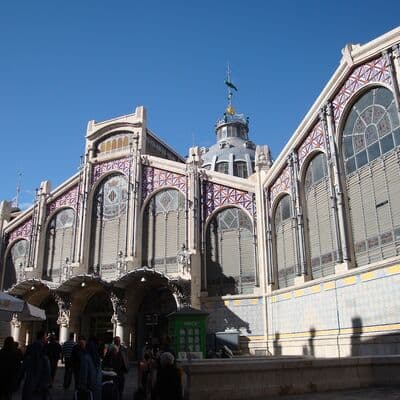
9:00-10:30am - Mercado Central (Central Market). Arrive at opening (7:30-8am) before crowds. One of Europe's largest food markets in modernist style. Try jamon serrano bocadillo (ham sandwich) at one of the bars inside. Open Monday-Saturday 7:30am-3pm. This is where locals shop, so you'll experience authentic Valencia. Don't miss the fresh juice stands and cheese counters.
10:30-11:30am - La Lonja de la Seda (Silk Exchange). UNESCO site, 15th-16th century Gothic architecture. Center of silk trade in medieval times. Entry EUR 2, free on Sundays. The main hall is breathtaking - imagine merchants negotiating silk prices here 500 years ago. Audio guides available in English.
11:30am-1pm - El Carmen Quarter. Walk narrow streets with street art. Look for House of Cats (graffiti with cats), Portal de Valldigna (historic arch), Plaza del Tossal. This neighborhood has transformed from rough area to trendy spot while keeping authenticity. Great photo opportunities around every corner.
1-2:30pm - Lunch at Orxateria Daniel or Horchateria Santa Catalina. Order horchata - traditional drink from tiger nuts with fartons (soft pastries for dipping). Classic Valencian afternoon snack but works for light lunch. Watch it being made fresh. This is uniquely Valencian - you won't find this combination elsewhere.
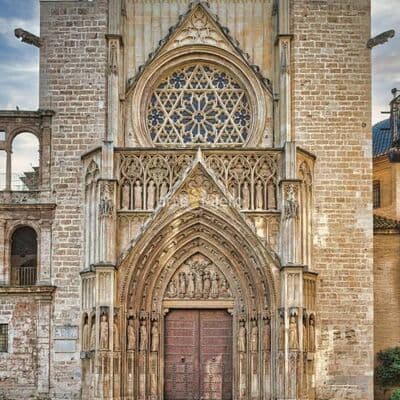
2:30-4:30pm - Valencia Cathedral. Mix of Romanesque, Gothic and Baroque. Houses the Holy Grail (according to tradition). Climb El Miguelete tower (207 steps) - panoramic city views. Cathedral entry EUR 9, tower EUR 5. Combined ticket available. The views from the top are worth the climb - you'll see the entire city layout, from old town to futuristic City of Arts.
4:30-6pm - Walk through Jardin del Turia. Green park 9km long on former river bed (river diverted after 1957 flood). Perfect for walk, run or picnic. Locals exercise here, families gather, you'll see real Valencian life. Rent a bike to cover more ground.
7-9pm - Aperitif at Finca Bar de Barra. Stylish open-air bar. Try signature Agua de Valencia (cava, orange juice, vodka, gin - careful, strong!). This cocktail was invented in Valencia in the 1970s and remains dangerously drinkable.
9pm+ - Dinner at Hundred Burger. Burger Singular was voted world's best in 2015. Alternative - Loser with gochujang (Korean pepper). No reservation needed but evening queues possible. Quality ingredients, creative combinations, represents Valencia's modern food scene.
Day 2: Beaches, Paella and Sea
9-10am - Breakfast at Plaza de la Reina or Plaza de la Mare de Deu. Central squares for people-watching and coffee with croissant. Watch the city wake up - locals walking dogs, delivery trucks, tourists starting their day.
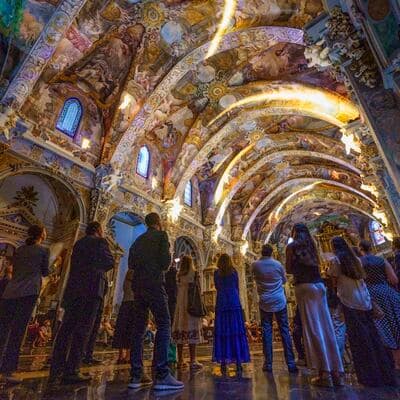
10-11:30am - Esglesia de Sant Nicolau. Valencian Sistine Chapel with bright 17th-century Baroque frescoes. 2016 restoration revealed incredible details. Entry EUR 2, check website for times. Often overlooked but absolutely stunning inside. The contrast between simple exterior and ornate interior is remarkable.
11:30am-12:30pm - Walk to beach by waterfront or by bus/tram. The walk itself is pleasant - you'll transition from historic city to seaside atmosphere.
1-3pm - Lunch at Casa Carmela. Book 1 day ahead by phone! Legendary Paella Valenciana with rabbit, chicken and snails, cooked over orange wood fire. Family restaurant since 1922. Price: EUR 25-35 per person (minimum 2 people for paella). This is the real deal - no seafood in authentic Valencian paella. The socarrat (crispy bottom layer) is the mark of perfection.
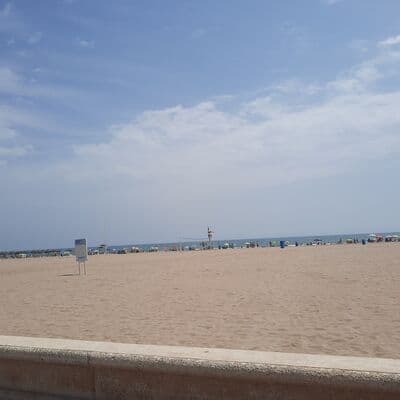
3-6pm - Playa de Malvarrosa. Wide sandy beach with palm trees. Relax on sand, drink cold beverage at beach bar, swim (summer water +25-27C). Beach is well-maintained with lifeguards in summer. Showers and facilities available.
6-8pm - Walk Malvarrosa promenade. Many seafood restaurants, bars, cafes. Watch sunset over the water. The promenade comes alive in evening with families strolling, couples, street performers.
8pm+ - Dinner at Marcabanal Food Court. Beachside food court with diverse options: from poke bowls to paella. Popular at sunset. Or Harinera - quality pizza takeaway, recommended by locals. Represents Valencia's evolving food scene beyond traditional cuisine.
Day 3: Futuristic Architecture and Ruzafa
9:30am-12pm - Ciudad de las Artes y las Ciencias (City of Arts and Sciences). Iconic modern complex by Santiago Calatrava. White curved buildings with turquoise water. Walking around is free and worth it even without museum visits. This is Valencia's most photographed area - the architecture looks like science fiction. Great for photos, especially early morning before crowds.
12pm-3pm - Oceanogràfic Valencia. Europe's largest aquarium with 45,000 animals of 500 species. Dolphin show, shark tunnel, penguins. Good for families. Entry EUR 35-40, book online. Allow 3-4 hours minimum. The dolphin show is popular - arrive early for good seats. Shark tunnel is highlight for many visitors.
3-4:30pm - Lunch at La Finestra (Ruzafa district). No menu concept: say how many mini-pizzas you want (EUR 3.50 each), chef chooses toppings. Creative interior like school classroom with mismatched desks. Fun, casual, represents Ruzafa's creative spirit. Perfect for solo travelers or groups.
4:30-6pm - Walk across Pont del Regne. Bridge with Gothic statues, looks like Gotham movie set. Connects Turia Park with City of Arts area. Good photo spot with interesting architectural details.
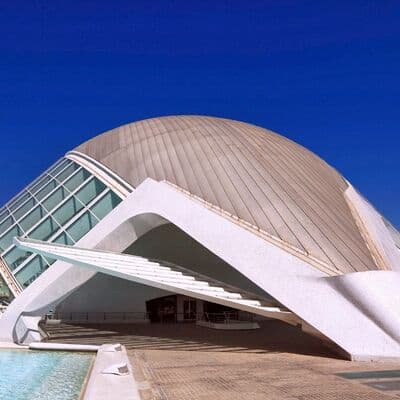
6-7:30pm - Hemisfèric. Planetarium and 3D cinema in giant eye shape. Exterior design impressive, English sessions rare - check schedule. The building itself is worth seeing even without show. Calatrava's design represents an eye looking at the sky.
8pm+ - Evening in Ruzafa. Most lively place at night. Cocktail bars (El Poblet, Vertical), cafes, restaurants. Tip: come on weekends - weekdays quieter. Start with aperitif on Plaza de Ruzafa, then explore side streets. This is where young Valencians socialize - you'll hear more English than in old town.
Valencia in 5 Days: Without Rush
Days 1-3 as in 3-day itinerary. Adding:
Day 4: Albufera Natural Park and Traditions
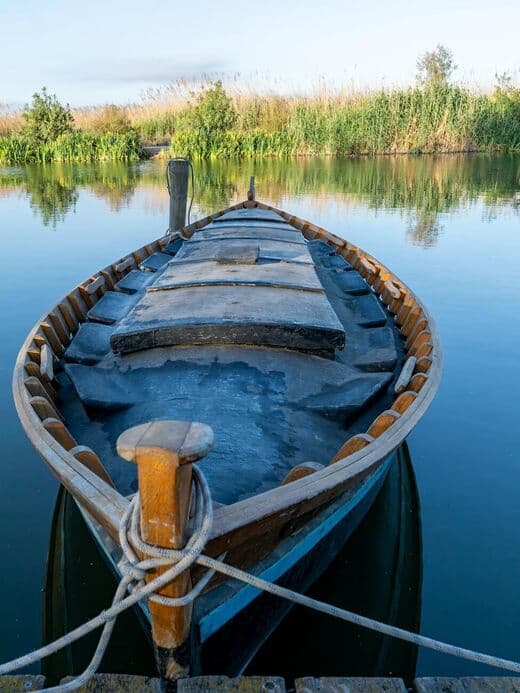
9am-1pm - Parque Natural de la Albufera. Logistics: bus #25 from Plaza del Ayuntamiento (~30 min, EUR 1.50). Birthplace of authentic paella. Lagoon area 21,000 hectares, bird nesting site. Traditional boat tours on lagoon (EUR 5-10, 45 min). This is where rice for paella has been grown for centuries. The landscape is serene - water, rice fields, traditional boats. Birdwatching excellent in migration seasons.
1-3pm - Lunch at restaurant in Albufera (Ricardo, La Balsa). Try original paella where it originated. Price: EUR 20-30 per person. These restaurants have been serving paella for generations using family recipes. The rice here has different texture - absorbed flavors from local ingredients.
3-5pm - Return to Valencia, hotel rest. The afternoon heat makes rest advisable, especially in summer.
5-7pm - Correo (Main Post Office). Surprisingly beautiful modernist building on Plaza del Ayuntamiento. Can enter inside, see interiors. Often overlooked by tourists but architecturally significant. Represents Valencia's wealth during early 20th century.
7-8pm - La Estrecha. Europe's narrowest house (107cm) on Plaza Lope de Vega. Fun Instagram photo. The building is so narrow you'll wonder how anyone lived there. Now houses a small bar.
8pm+ - Dinner at Bar Rausell. Family establishment for decades, consistent quality. Croquetas, ham, tortilla, traditional tapas. This is where locals bring their parents for Sunday lunch - always a good sign.
Day 5: Museums and Hidden Corners
10am-1pm - Museums of choice:
- IVAM (Institute of Modern Art) - Spain's first contemporary art center. Free on Sundays. Strong collection of Spanish modern art, rotating exhibitions.
- Museo de Bellas Artes - Velazquez and Goya collection, one of Spain's best art museums outside Prado. Free. Chronological layout shows Spanish art evolution. Less crowded than major Madrid museums.
- BioParc Valencia - innovative zoo with natural habitats, 4000+ animals. Entry EUR 25-30. Animals appear free-ranging in recreated African environments. Excellent for families, ethical approach to zoos.
- Las Fallas Museum - 80+ ninot figures, UNESCO festival history. Entry EUR 3. Saved figures from each year's festival that weren't burned. Shows evolution of this unique tradition.
1-3pm - Lunch at favorite spot from previous days or try something new in Ruzafa. By now you'll have discovered preferred neighborhoods and cuisines.
3-6pm - Shopping and souvenirs. Old town for purchases (ceramics, ham, wine, horchata in bottles). Look for local products - Valencia oranges, artisan ceramics from nearby towns, local wines.
6-8pm - Farewell aperitif on Plaza del Ayuntamiento or in Turia Park. Watch the city transition from day to evening. Locals gather here evenings, especially weekends.
8pm+ - Farewell dinner. Casa Carmela (if not visited) or La Pepica (beach restaurant since 1898, where Hemingway and Picasso ate). La Pepica has historical photos covering walls - you're dining where legends dined.
Valencia in 7 Days: With Surroundings
Days 1-5 as in 5-day itinerary. Adding:
Day 6: Beach Day or Thermal Springs
Option A (beach): Full day at El Saler or Devesa beaches (south of Albufera). Wild beaches, dunes, fewer people. Bike rental and ride along coast. These beaches are protected natural area - no high-rises, just sand and nature. Access by bus or bike path from city.
Option B (thermal springs): Trip to Montanejos Thermal Springs. Logistics: bus or car rental (90 minutes). Thermal river Rio Mijares, water ~25C year-round, hiking trails, cliffs. Free entry. Natural swimming pools in mountain setting. Popular with locals on weekends. Combine with village visit and mountain lunch.
Day 7: Football or Extra Day
Option A (football): Estadio Mestalla. One of Spain's oldest stadiums, home of Valencia CF. Tours include trophy room, locker room, pitch. Entry EUR 13.30. If match - atmosphere absolutely electric. The stadium has character - old-school European football ground. Check fixture list, big matches sell out.
Option B (shopping): Shopping centers El Saler, Aqua Multiespacio or outlet Bulevar Rosa. El Saler has local and international brands, Aqua has entertainment complex, Bulevar Rosa has discounted designer goods.
Option C (additional museums): Centre del Carme Cultura Contemporania (14th-century monastery, exhibitions), Ceramics Museum, Science Museum. Centre del Carme combines medieval architecture with contemporary art - unique contrast.
Option D (repeat visit): Return to favorite spots - paella at Casa Carmela, El Carmen walk, beach sunset. Sometimes the best travel memories come from returning to places that resonated.
Where to Eat in Valencia: Restaurants and Cafes
Valencia is Spain's gastronomic capital. Here food is religion, and paella is the holy grail. But there are nuances: paella is lunch-only, restaurants close for siesta, and best places often have no English menus. The city has evolved beyond traditional cuisine - you'll find excellent international options alongside century-old establishments.
Street Food and Markets
Where to find: Mercado Central (Central Market), Mercado de Colon, beach street vendors, food courts.
What to try: bocadillo de jamon (ham sandwich), empanadas, bunuelos (fried pumpkin donuts, especially in October for Fallas), churros con chocolate.
Average cost: EUR 5-12
Specific places:
- A Menjar (inside Mercado Central) - takeaway paella, perfect for beach picnic. EUR 8-10. Fresh, authentic, locals buy here too.
- El Pastor Bocadillos - shawarma and bocadillos. EUR 10. Rating 4.9/5. Generous portions, quality ingredients.
- Infraganti (Mercado de Colon) - lasagna (pesto, truffle). EUR 6. Rating 4.8/5. Italian quality in Valencian market.
- Rey Taco - tacos (pescado negro, carnitas). EUR 15. Authentic Mexican, hard to find elsewhere in Spain.
- Street Soul - gourmet sandwiches, creative combinations. EUR 8-12. Local favorite for quick quality meal.
Tip: come to market at 12-1pm when locals have pre-lunch snack. Freshest products and fewer queues. Markets close early (2-3pm) so plan accordingly.
Local Spots (Where Locals Eat)
Where to find: Ruzafa, Extramurs, Benimaclet, side streets 2-3 blocks from tourist areas.
How to recognize: menu only in Spanish/Valencian, prices EUR 10-20 for menu del dia, queue of locals at lunch, no English signs.
Average cost: EUR 12-25
Specific places:
- Bar Rausell (Extramurs) - family establishment for decades. Croquetas, ham, tortilla, traditional tapas. EUR 15-25. Three generations of same family, recipes unchanged.
- Tapas Valencia - Tasca Angel - locals' favorite bar, no frills. Sardines, mussels, squid. Budget, EUR 10-20. Standing room only sometimes, authentic experience.
- Central Bar by Ricard Camarena (Mercado Central) - gastro-tapas from Michelin-starred chef. Fresh market ingredients, oysters, mini-sandwiches. EUR 20-35. High-end food in market setting.
- Rincon 33 (Ciutat Vella) - like Sunday lunch at aunt's, warm atmosphere. EUR 20-30. Homestyle cooking, generous portions.
- La Taberna Casera - traditional Valencian cuisine, local ingredients. EUR 25-35. Seasonal menu based on market availability.
Tip: look for Menu del Dia (menu of the day) - usually 3 courses + drink + coffee for EUR 12-18. Available only weekdays at lunch (2-4pm). Best value for money in Spanish dining.
Mid-Range Restaurants
Where to find: Ruzafa, El Carmen, Malvarrosa, Eixample.
Cuisines: Valencian, Mediterranean, Italian, Asian fusion.
Average cost: EUR 25-45
Specific places:
- La Finestra (Ruzafa) - pizza without menu (surprise concept). EUR 20-30. Fun, social, great for groups.
- Colmado LaLola - modern tapas, local products. EUR 30-40. Creative interpretations of traditional dishes.
- La Cachapera - Venezuelan cuisine (arepas, cachapas). EUR 15-25. Filling, flavorful, different from Spanish food.
- Spacca Napoli - Neapolitan pizza, wood-fired oven. EUR 20-30. Authentic Italian, imported ingredients.
- Black Turtle - poke bowls, Hawaiian cuisine. EUR 15-25. Healthy option, fresh fish.
- El Bar del Mercat - tapas by market, fresh seafood. EUR 25-35. Daily catch specials, market-fresh.
Tip: reserve table for 8:30-9:30pm (locals dine late). Friday and Saturday without reservation may have no seats. Spanish dinner time surprises many visitors - restaurants empty before 9pm.
Top Restaurants (Michelin and Gastronomic)
Where to find: city center, City of Arts and Sciences.
Reservation needed: absolutely, 1-2 months ahead.
Average cost: EUR 80-200+
Specific places:
- Quique Dacosta - Vuelve Carolina - fusion, molecular gastronomy. Seafood, Iberian pork. 2 Michelin stars. EUR 150-200. One of Spain's best restaurants, innovative techniques.
- El Poblet (Ricard Camarena) - modern Valencian cuisine. Tasting menus, rice dishes. 1 Michelin star. EUR 100-150. Contemporary take on local traditions.
- Ricard Camarena Restaurant - modern gastronomy, sustainability, seasonal vegetables. 2 Michelin stars. EUR 150-200. Vegetable-forward fine dining, unique approach.
- Vertical Restaurant - view of City of Arts and Sciences (9th floor of Ilunion Aqua hotel). Modern gastronomy. 1 Michelin star. EUR 100-150. Dining with architectural views.
- La Sucursal - modern Spanish cuisine, creative tapas. EUR 60-90. Accessible fine dining, good introduction to Spanish gastronomy.
Tip: some restaurants offer lunch tasting menu cheaper than dinner (EUR 60-80 instead of EUR 120-150). Same quality, better value.
Cafes and Breakfast
Coffee culture: Valencia wakes early, cafes open 7-8am. Breakfast usually light: coffee + croissant or toast with tomato. Spaniards don't do big breakfasts - save appetite for lunch.
Where to breakfast: Ruzafa (specialty coffee), old town (traditional cafes), Colon market (gastro-cafes).
Average cost: EUR 5-15
Specific places:
- Bluebell Coffee (Ruzafa) - specialty coffee, all-day breakfast, vegan options. EUR 10-15. Australian-style cafe, quality beans.
- Federal Cafe - Australian style, brunch, third-wave coffee. EUR 12-18. Popular with expats, Instagram-worthy dishes.
- Cafe Madrid Valencia - traditional cafe since 1918, classic breakfasts. EUR 8-12. Historic atmosphere, old-world service.
- Petticoat Vintage - vintage cafe, breakfasts, brunch. EUR 10-15. Quirky decor, homemade cakes.
- Orxateria Daniel / Horchateria Santa Catalina - traditional horchata with fartons. EUR 5-8. Must-try Valencian experience.
Tip: order cafe bombon (coffee with condensed milk) - Valencian specialty. Or Agua de Valencia (daytime - careful, strong!). Bombon is sweeter than typical Spanish coffee - perfect for those who find espresso too bitter.
What to Try: Valencia Food
Valencian cuisine is not only paella. This is rice in all imaginable forms, fresh seafood, vegetables from the huerta (fertile valley around city) and unique drinks. The region's agricultural richness means ingredients are exceptionally fresh and flavorful.
10 Must-Try Dishes
1. Paella Valenciana - original paella with chicken, rabbit, green beans and sometimes snails. No seafood! Best at Casa Carmela, La Pepica, Albufera. Price: EUR 12-18 per person (minimum 2 people). Tip: eat at lunch, order ahead, look for socarrat (crispy bottom layer). This is the authentic version - seafood paella is a coastal adaptation for tourists. Real Valencians will correct you if you call seafood paella authentic.
2. Fideua - noodle paella. Vermicelli instead of rice, cooked with seafood. Best at La Marcelina (beach). Price: EUR 14-20. Tip: served with alioli (garlic sauce) - essential! The texture is different from paella - noodles absorb flavors differently than rice.
3. Arroz a Banda - rice cooked in fish broth, served separately from fish. Best at seaside restaurants. Price: EUR 15-22. Fishermen's dish - practical way to use catch of the day. Rich, flavorful, represents coastal cooking.
4. Arroz al Horno - baked rice with chickpeas, potatoes, pork ribs and blood sausage. Traditional Sunday dish. Price: EUR 12-18. Comfort food, hearty, perfect for cooler months. Families gather for this on weekends.
5. Esgarraet - roasted red pepper salad with salted cod (bacalao), olive oil and garlic. Cold appetizer. Price: EUR 8-12. Simple ingredients, complex flavors. Represents Mediterranean diet at its best.
6. Horchata with Fartons - sweet drink from tiger nuts with long soft pastries for dipping. Best at Horchateria Santa Catalina, Orxateria Daniel. Price: EUR 4-6. Tip: drink cold, dip fartons directly in glass. Uniquely Valencian - tiger nuts grown locally in Albufera area.
7. Agua de Valencia - cocktail from cava (Spanish sparkling wine), orange juice, vodka and gin. Strong! Price: EUR 5-8. Tip: don't drink more than 2-3, don't order in morning (though some start with brunch). Invented in 1970s, became city signature drink. Dangerous because it tastes like juice.
8. Bunuelos de Calabaza - fried pumpkin doughnuts with sugar. Tradition for Las Fallas (March) but available year-round. Price: EUR 3-5. Seasonal treat, best fresh from street vendors during festival.
9. Jamon Iberico - Iberian ham, thinly sliced. Look for de bellota (acorn-fed) - best. Price: EUR 15-25 per plate. Spain's premier cured meat, melts in mouth. Bellota grade comes from pigs fed on acorns - expensive but worth it.
10. Cremaet - traditional Valencian dessert: caramelized coffee with rum, lit on fire before you. Best at Bar Cremaet. Price: EUR 4-6. Theatrical presentation, strong coffee, perfect after dinner. Watch the waiter's technique - they're professionals.
What NOT to Try (Tourist Traps)
- Seafood paella in tourist areas (inauthentic, expensive).
- Paella on menu after 8pm (locals never eat paella for dinner).
- Restaurants with touts at entrance and 5-language menus with photos.
- Frozen paella in supermarkets (better get fresh at market).
- Restaurants within 200m of cathedral - overpriced tourist traps.
Vegetarian Options
Valencia is becoming vegetarian paradise. Look for:
- Kimpira - macrobiotic, organic cuisine.
- Oslo (El Carmen) - vegetarian tapas, creative dishes.
- La Cachapera - Venezuelan cuisine with vegetarian arepas.
- Veggie Garden - vegan fast food.
Many restaurants now have vegetarian options, especially in Ruzafa. Traditional restaurants may have limited choices but rice dishes can often be made without meat. Always ask - Spanish kitchens are generally accommodating.
Allergies: What to Watch
- Gluten: look for sin gluten. Many restaurants have gluten-free options. Spain has high celiac awareness.
- Seafood: almost all traditional cuisine contains fish/seafood. Ask ahead. Rice dishes often cooked in fish stock.
- Nuts: almonds and pine nuts often used in desserts and rice dishes. Common in traditional cooking.
- Dairy: horchata from tiger nuts - safe milk alternative. Naturally dairy-free, slightly sweet.
Valencia Secrets: Local Tips
Insider tips that save money, time and nerves - things guidebooks often miss:
- Paella only at lunch: locals never eat paella for dinner (considered heavy food). Restaurants serving paella after 8pm are touristy. Best time: 1:30-3:30pm. This is non-negotiable for authentic experience.
- Don't eat near cathedral: restaurants within 200m of cathedral and Plaza de la Reina are tourist traps with inflated prices and mediocre food. Walk 3-4 blocks into side streets - prices half, food twice as good. Locals know this - follow where they go.
- Free museum entry: many museums free on Sundays (Museo de Bellas Artes, IVAM, some days at Museo Fallero). Check websites. Plan cultural visits accordingly - saves significant money.
- Valencia Tourist Card: worth it if planning 3+ museums plus transport. 48 hours EUR 18, 72 hours EUR 23. Includes transport and discounts. But if only Oceanografic plus City of Arts - individual tickets better value. Calculate based on your plans.
- Metro after 11pm: Friday and Saturday metro runs until 2am, weekdays until 11pm. After midnight - only taxis or night buses (N-series). Taxis at night 20-30% more expensive. Plan evening accordingly or budget for taxi.
- Siesta is real: many shops and restaurants close 2-5pm (especially in old town and non-tourist areas). Plan lunch ahead or eat in shopping centers (they stay open). This surprises many visitors - services simply unavailable during these hours.
- Tap water: safe but hard and chlorinated taste. Locals buy bottled. In restaurants can ask agua del grifo (free) but better EUR 1-2 for bottle. Environmental consideration - bring reusable bottle.
- Restaurant reservations: Friday and Saturday evenings without reservation at popular places - no seats. Call 1-2 days ahead. Casa Carmela - absolutely one day minimum! Popular restaurants book up quickly.
- Beach towels: bring your own or buy at supermarket (EUR 5-10). Beach lounger rental EUR 5-10 per day. Simple money saver - towels cheap at Mercadona.
- Taxi from airport: fixed price EUR 25-30 to center. Uber/Cabify work, often cheaper (EUR 18-25). Metro EUR 4.90, 20 minutes. Compare options based on luggage and arrival time.
- August is dead season: many local restaurants close 2-4 weeks in August (owners leave for vacation). Find places operating year-round (tourist zones, chains). City feels different - more tourists, fewer locals.
- Best sunsets: Malvarrosa beach (city view), Miguelete tower (paid entry), Turia Park at City of Arts, terrace at La Estrecha. Evening light on Calatrava buildings is spectacular.
Typical Tourist Mistakes
- Ordering paella for dinner (locals don't do this).
- Trying to lunch at 1pm (kitchens open 1:30-2pm) or dinner at 7pm (restaurants empty, locals arrive 9-10pm).
- Buying museum tickets without online check (may be queues or sold out).
- Ignoring neighborhoods beyond center (Ruzafa, El Cabanyal, Benimaclet - more authentic).
- Trying to see everything in 2 days (Valencia requires unhurried pace).
- Expecting English everywhere (learn basic Spanish phrases - appreciated).
- Not budgeting for August closures (many family restaurants shut).
Saving Money
- Menu del Dia: 3-course lunch plus drink EUR 12-18 (weekdays only, 2-4pm). Best value in Spanish dining - often better quality than dinner menu.
- Tapas instead of restaurants: bar-hopping with tapas cheaper than full dinner (EUR 15-25 vs EUR 30-50). Social experience, try multiple places.
- Supermarkets: Mercadona, Consum, Lidl for snacks, water, wine (wine from EUR 3-5 per bottle excellent). Local wine quality exceptional for price.
- Free tours: many museums free Sundays, old town walks free. Tip-based walking tours available - good introduction to city.
- Bicycle instead of taxi: bike rental EUR 10-15/day, Valenbisi (sharing) - subscription EUR 15/month. City flat, bike-friendly, efficient transport.
- Happy hours: many bars offer reduced prices 6-8pm. Check local listings. Good for meeting other travelers.
Safety Considerations
- Valencia is very safe - violent crime rare.
- Pickpocketing exists in tourist areas but less than Barcelona.
- Beaches safe with lifeguards in summer.
- Walking alone at night in center comfortable for most.
- Emergency number 112 (English operators available).
- Keep valuables secure, use hotel safes.
- Avoid displaying expensive electronics on beaches.
Transport and Internet in Valencia
From Airport to Center
Airport: Valencia Airport (VLC), 8km from center.
- Metro: line 3 or 5 to Xativa (center) or Colon. Time: 20 minutes. Price: EUR 4.90 (includes airport surcharge). Frequency: every 10-15 minutes. Operating: Monday-Saturday 5am-11pm, Sunday 7am-11pm. Best balance of price and speed. Stations clearly marked in English.
- Bus: line 150 to Plaza del Ayuntamiento. Time: 35-40 minutes. Price: EUR 1.50. Frequency: every 25-30 minutes. Operating: 6am-10pm. Cheapest option but slower.
- Taxi: fixed price EUR 25-30 to center. Time: 15-20 minutes. Operating: 24/7. Rank at terminal. Best with luggage or late arrival.
- Uber/Cabify: EUR 18-25, often cheaper than taxi. Order via app. Convenient, track your ride, card payment.
- Car rental: counters in terminal. Parking in center difficult and expensive (EUR 20-30/day). Only recommended for day trips outside city.
Recommendation: metro - best price/speed balance. Taxi - if with luggage or at night. For US visitors: Uber works exactly as at home.
Transport Around City
Metro
EMT Valencia operates metro, buses and trams.
- How to use: buy Tarjeta Mobilis card (EUR 2, reusable) at station machines. Top up for trips (EUR 1.50-2.00 per trip) or passes. Card works across all transport modes.
- Lines: 6 metro lines, cover center and suburbs. Lines 3 and 5 go to airport. Map available in English at stations.
- Frequency: every 5-10 minutes rush hour, 10-15 minutes evening.
- Operating hours: Monday-Saturday 5am-11pm, Sunday 7am-11pm. Friday and Saturday some lines until 2am.
- Language: all announcements and signs in Spanish, Valencian and English. Easy for English speakers to navigate.
Buses
- City: over 60 routes, cover entire city. Price: EUR 1.50 (with Tarjeta Mobilis), EUR 2.00 cash.
- Night: line N1 (center-beach), N2, N3, N7, N8. Operating 10pm-6am.
- Tourist: Valencia Tourist Bus (red double-decker), 1 day EUR 20, 2 days EUR 25. Hop-on hop-off, commentary in English.
Trams
- Lines: 4, 6, 8 - connect center with beaches (Malvarrosa, El Cabanyal) and suburbs.
- Price: like metro/bus (EUR 1.50 with card).
- Frequency: every 10-15 minutes.
- Scenic: tram ride to beach pleasant, see city transition to coast.
Taxis
- Apps: Free Now, Uber, Cabify.
- Prices: flag drop EUR 2.50, per km EUR 1.00-1.20. Center-beach EUR 10-15, center-airport EUR 25-30.
- Night rate: +20% (10pm-6am, weekends).
- Tip: Uber/Cabify often cheaper and easier (no need to explain address).
Bicycles and Scooters
- Valenbisi: city bike sharing. Stations throughout center. Subscription: 1 day EUR 3, 1 week EUR 8, 1 month EUR 15. First 30 minutes free, then EUR 0.60/30 min. Excellent value for short trips.
- Rental: EUR 10-15/day, EUR 40-60/week. Many hotels offer free. Quality bikes, helmets included.
- Scooters: Lime, Bird, Voi. EUR 1 unlock + EUR 0.25/min. Convenient but watch local regulations.
- Bike paths: Turia Park (9km continuous path), waterfront, many center streets. City very bike-friendly.
Internet and Connectivity
SIM Card / eSIM
- Where to buy: airport (expensive), operator stores (Movistar, Vodafone, Orange) in center, tobacco kiosks, supermarkets.
- Prices: prepaid SIM with 10-20GB - EUR 15-25. eSIM (Airalo, Holafly) - USD 5-15 for 1-10GB.
- Documents: passport needed for SIM registration. Spanish law requires ID for all SIM cards.
- Recommendation: eSIM more convenient (no card swapping), buy online before trip. Works immediately on arrival.
- Coverage: excellent throughout city and surrounding areas. 4G/5G widely available.
Wi-Fi
- Free Wi-Fi: many cafes, restaurants, hotels, shopping centers. Speed varies.
- City Wi-Fi: Valencia Wi-Fi in public places (parks, squares, libraries). Speed average, requires registration.
- Reliability: Wi-Fi available in tourist areas but mobile data better for navigation and communication.
Essential Apps
- EMT Valencia: official transport app. Routes, schedules, ticket purchase. Essential for public transport users.
- Uber / Cabify / Free Now: taxi and ride-sharing. Cabify often cheaper than Uber in Valencia.
- TheFork: restaurant reservations (many options, up to 50% discounts). Popular in Spain, reliable.
- Google Maps: works excellently, offline maps available. Download offline map before trip.
- Valencia Tourism: official tourist office app. Maps, events, discounts.
- Google Translate: useful for menus and signs. Download Spanish offline pack.
Practical Connectivity Tips
- Most hotels offer free Wi-Fi but speed varies.
- Cafes generally welcome laptop workers during off-peak hours.
- Coworking spaces available (Aticco, Wayra) for serious remote work.
- Power outlets: European standard (Type F), 230V. US visitors need adapter.
- Emergency services: 112 works throughout EU, English operators available.
Who Valencia Is For: Final Thoughts
Valencia is a city for those seeking balance. Between history and futurism, between beach and culture, between gastronomy and affordable prices. This is not Barcelona with its frantic pace and crowds, not Madrid with its night marathons. Valencia is Mediterranean lifestyle in pure form: unhurried, flavorful, sunny. The city has managed modernization without losing soul - you'll find century-old bakeries next to specialty coffee shops, traditional paella restaurants alongside innovative gastronomy.
Perfect for: families with children (oceanarium, parks, safe beaches), food tourists (paella, markets, Michelin restaurants), digital nomads (coworking, moderate prices, climate), couples (romantic streets, beach sunsets), architecture lovers (from Gothic to Calatrava), those tired of overcrowded tourist cities. The city works well for solo travelers too - safe, easy to navigate, social hostel scene.
Not ideal for: 24/7 nightlife seekers (Ibiza or Barcelona better), skiers (nearest mountains 2 hours away), those seeking typical Spain with bullfighting and flamenco (that's Andalusia), travelers on very tight budgets (Seville or Granada cheaper). Valencia is mid-range priced - not expensive like Barcelona, not budget like southern Spain.
How many days: minimum 3 days (highlights at gallop), optimum 5 days (without rush plus Albufera), maximum 7-10 days (with surroundings, beach time, repeat visits to favorites). Many visitors extend stays - the city grows on you. One week allows proper immersion without rushing.
Valencia doesn't shout about itself like Barcelona. It whispers - and if you listen, that whisper tastes like authentic paella on orange wood fires, feels like horchata coolness on hot afternoons, sounds like palm rustling on Malvarrosa beach and looks like the light that painter Joaquin Sorolla captured on his canvases. Come not rushing but intending to slow down. Valencia is worth it. The city rewards visitors who take time to discover neighborhoods beyond the center, who learn a few Spanish phrases, who embrace local rhythms rather than fighting them.
For English-speaking travelers specifically: Valencia offers European authenticity without the language barrier anxiety of smaller Spanish towns. You'll manage fine with English in tourist areas while having opportunities to practice Spanish in local neighborhoods. The infrastructure works reliably - transport runs on time, cards work everywhere, emergency services respond quickly. It's Spain made accessible without losing character.
Final practical note: Valencia works year-round. Unlike coastal resorts that shut in winter, Valencia maintains full services and cultural calendar. This makes it excellent for off-season visits when you want European culture without summer crowds. The mild winter climate means outdoor dining possible even in January. Come with realistic expectations, respect local customs (siesta, late dinners), and Valencia will reward you with some of your best travel memories.
Information accurate for 2026. Prices and schedules may change - verify before travel.