Cádiz
Cadiz 2026: What to Know Before You Go
Cadiz is one of the oldest continuously inhabited cities in Europe, founded by the Phoenicians over three thousand years ago. This peninsular city, surrounded by the Atlantic on nearly all sides, is soaked in salty wind, the smell of fried fish, and the sound of flamenco drifting from open bar doors. There are no selfie-stick crowds here, no feeling of a tourist conveyor belt -- just real Andalusia, the way it was decades ago. If you have been underwhelmed by the over-touristed corners of Barcelona or the Costa del Sol, Cadiz will feel like a revelation.
In brief: Cadiz is worth visiting for its historic center of narrow lanes and baroque squares, La Caleta beach framed by two ancient fortresses, outstanding seafood tapas in La Vina, panoramic views from Torre Tavira, and the legendary Carnival in February. Plan 3-4 days for the city itself, plus 1-2 days for day trips -- Jerez de la Frontera, the white villages of the Sierra, and the wild beaches of the Costa de la Luz.
Cadiz is for travelers who want Spain without the filter. This is a city where retirees play dominoes on sun-drenched plazas, fishermen sell the morning catch straight at the market, and any bar will pour you a glass of sherry for two euros. On the downside: the city is compact (you can walk the entire old town in a day), the nightlife is quieter than Seville or Malaga, and getting here takes a bit more effort since the nearest airport is in Jerez. But that unhurried pace and authenticity is precisely why people who visit Cadiz fall in love with it. Direct flights from London Stansted to Jerez run seasonally (Ryanair), and from the US, you will typically connect through Madrid or Lisbon -- but the extra leg is absolutely worth it.
Neighborhoods: Where to Stay in Cadiz
El Populo -- the oldest quarter
Barrio del Populo is the beating heart of Cadiz and its most ancient neighborhood. All three thousand years of history are concentrated here: the Roman Theatre from the 1st century BC, the Old Cathedral (Church of Santa Cruz) built on the foundations of a 13th-century mosque, medieval arches, and lanes so narrow two people can barely pass each other. The neighborhood wraps around the Cathedral with its famous golden dome, visible from virtually anywhere in the city.
Best for: history lovers, couples, anyone who wants to be at the center of everything.
Pros: walking distance to every major sight, atmospheric old-town feel, beautiful plazas.
Cons: noisy in the evenings (especially weekends), narrow streets make taxi access difficult, very limited parking.
Prices: $$$ (apartments from 70-90 EUR / ~$75-100 per night, boutique hotels from 120 EUR / ~$130).
La Vina -- the soul of the city
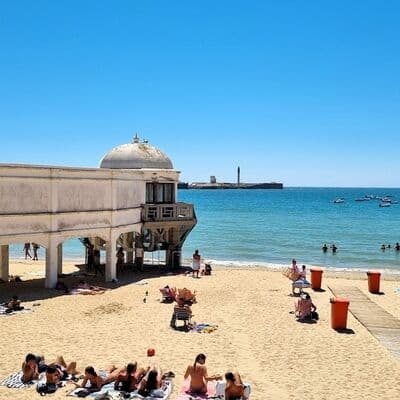
La Vina is a former fishing quarter that has become the most colorful neighborhood in Cadiz. This is where Carnival is born: locals rehearse their satirical carnival songs (chirigotas) in bars year-round. In the evenings, the district comes alive with dozens of tapas bars, seafood restaurants, and small flamenco venues. Right next door is La Caleta beach, the best urban beach in Cadiz, tucked between two historic fortresses.
Best for: foodies, nightlife seekers, anyone chasing that authentic Carnival atmosphere.
Pros: the best food in the city, genuine local vibe, steps from La Caleta beach.
Cons: noisy until late at night, many buildings lack elevators (old construction), increasingly popular with tourists.
Prices: $$ (hostels from 20 EUR / ~$22, apartments from 50-70 EUR / ~$55-75).
Santa Maria -- local life, no tourists
Santa Maria sits just beyond the most touristy core but remains within easy walking distance of all the sights. This is a genuine residential neighborhood where neighbors greet each other, laundry dries on balconies, and small bars serve tapas at prices meant for locals. The Oratory of San Felipe Neri is here -- the very spot where Spain's first constitution was proclaimed in 1812.
Best for: budget travelers, those who want to live like a local.
Pros: low prices for accommodation and food, calm atmosphere, authenticity.
Cons: fewer restaurants and shops, some streets look a bit run-down.
Prices: $ (apartments from 40-55 EUR / ~$45-60).
Mentidero -- culture and parks
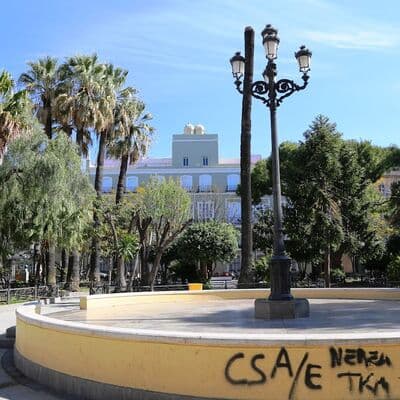
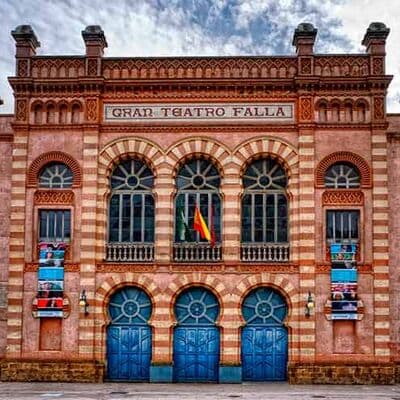
Mentidero occupies the northwestern part of the historic center. This is where you will find the Gran Teatro Falla (the main stage for Carnival), Parque Genoves with its whimsically trimmed trees, and the Alameda Apodaca promenade with stunning views across the bay. The area is quieter than La Vina but still lively and convenient for exploring.
Best for: families with kids, travelers who want a calm base with easy access to the center.
Pros: parks and gardens for strolling, proximity to the theater and cultural events, beautiful waterfront.
Cons: slightly farther from the beaches, fewer restaurant options.
Prices: $$ (apartments from 55-75 EUR / ~$60-80).
San Carlos -- 18th-century elegance
San Carlos is a more upscale neighborhood on the northwest side, developed in the 18th century in neoclassical style. Streets are wider, ceilings higher, and the atmosphere calmer. Nearby is Plaza de Mina with the Museum of Cadiz and leafy cafes. From here it is an easy walk to both the center and the waterfront promenade.
Best for: couples and travelers who value comfort and quiet.
Pros: beautiful architecture, peaceful streets, good restaurants.
Cons: less budget accommodation, a bit far from the old-town beaches.
Prices: $$-$$$ (hotels from 90 EUR / ~$100).
Playa Victoria -- beach life
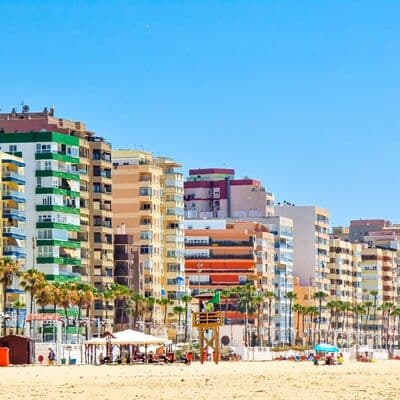
If your priority is sun and sand, look at the area around Victoria Beach. This is a long (nearly 3 km / 2 miles) urban beach with golden sand, a Blue Flag rating, and full infrastructure: showers, lifeguards, beach bars (chiringuitos). The neighborhood is more modern, with wide avenues and apartment blocks. The old town is about 20-25 minutes on foot or 5 minutes by bus.
Best for: families with kids, beach lovers, water sports enthusiasts (surfing, stand-up paddleboarding).
Pros: the city's best beach, modern hotels, parking available.
Cons: far from the historic center, the neighborhood lacks character compared to the old town.
Prices: $$-$$$ (hotels from 80 EUR / ~$87, apartments from 60 EUR / ~$65).
Best Time to Visit Cadiz
Cadiz is a year-round destination thanks to its mild Atlantic climate, but the difference between seasons is significant and choosing the right month can make or break your trip.
Sweet spot: May-June and September-October. Temperatures sit at a comfortable 72-82F (22-28C), the sea is already warm (or still warm), tourist numbers are moderate, and accommodation prices are reasonable. In May the city is bursting with flowers, and in September-October you may catch the tail end of almadraba tuna season -- a delicacy that draws food lovers from across Spain. These shoulder months also mean golden light for photography and shorter lines at every attraction.
July-August: hot (up to 95F / 35C), but the Atlantic breeze makes it more bearable than inland cities like Seville or Cordoba, which turn into furnaces. Beaches are packed, especially on weekends when Sevillanos drive down for the day. Accommodation prices peak. If your goal is beach time, this is your window -- but book well in advance.
November-March: low season. Temperatures hover around 54-64F (12-18C), rain is possible, but sunny days are still common. The payoff: empty streets, rock-bottom prices, and a chance to see the city the way locals know it. Ideal for cultural tourism and museum-hopping without crowds. Pack a light jacket and layers.
February -- Carnival: the main event of the year. The Carnival of Cadiz (typically mid-to-late February) is the largest on mainland Spain. Eleven days of nonstop celebration: costume parades, satirical songs called chirigotas, street performances, and fireworks. The grand finale of the COAC competition takes place at Gran Teatro Falla. If you plan to come for Carnival, book accommodation 3-4 months ahead -- prices jump 2-3x and everything sells out.
Other notable events:
- Semana Santa (Holy Week, March/April): solemn religious processions with elaborately sculpted pasos carried through the old town streets. Emotional and visually stunning, even if you are not religious.
- Fiestas de Verano (August): summer festivals with concerts and fireworks on the beach.
- Tosantos (November 1): All Saints' Day -- market vendors at the Central Market decorate their stalls with humorous satirical scenes based on current events. Quirky and uniquely Cadiz.
Cadiz Itinerary: 3 to 7 Days
Cadiz in 3 days: the essentials
Day 1: Historic center and panoramic views
9:00-10:30 -- Start at Torre Tavira. Climb 173 steps to the highest watchtower in Cadiz (45 meters / 148 feet). At the top is a camera obscura that projects a live panorama of the city onto a white screen in real time -- genuinely fascinating, even for kids. Sessions run every 30 minutes; tickets cost about 7 EUR (~$8). Arrive at opening to beat the lines.
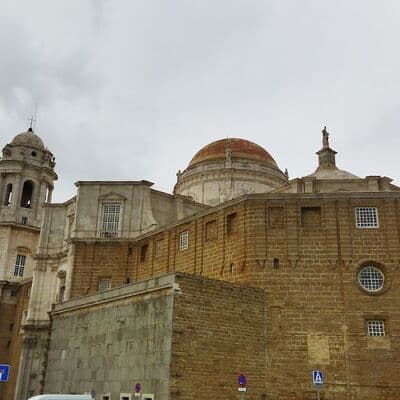
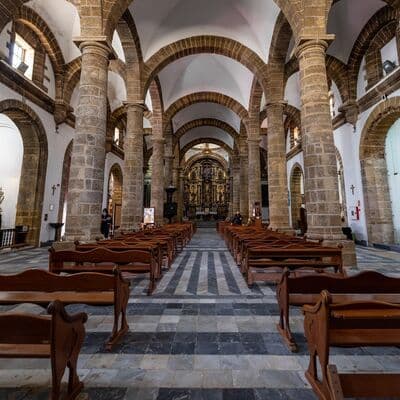
10:30-12:30 -- Walk down to the Cathedral. It took 116 years to build (1722-1838), which is why the architecture is a mix of Baroque, Rococo, and Neoclassical styles. Be sure to climb the Levante Tower for sweeping views of the city and ocean. Next door stands the Old Cathedral (Church of Santa Cruz), built on the foundation of a 13th-century mosque.
12:30-14:00 -- Stroll through Barrio del Populo and visit the Roman Theatre (free entry). This 1st-century BC theater was only discovered by accident in 1980 -- it had been hidden beneath an Arab fortress for centuries. Have lunch around Plaza de las Flores or in the surrounding lanes. Order tortillitas de camarones (shrimp fritters) at any bar -- you will not be disappointed.
14:00-15:30 -- Siesta. Seriously. Between 2 and 5 PM most shops close, and some attractions shut their doors. Rest like the Spanish do -- you will need the energy for the evening.
17:00-19:00 -- Mercado Central. If it is still open (the main market closes around 3 PM on weekdays, but the Rincon Gastronomico food court stays open longer), pop in for fresh oysters and a glass of wine. If closed, take an evening walk around Plaza de San Juan de Dios and Plaza de Mina -- both are lovely as the light softens.
19:30-22:00 -- Evening tapas crawl through La Vina. Start at Casa Manteca (chicharrones and wine from the barrel), continue to La Tabernita (seafood), and finish at any bar on Calle Virgen de la Palma. Catching the sunset from the promenade near La Caleta is non-negotiable.
Day 2: Fortresses, parks, and beaches
9:00-10:30 -- Castle of Santa Catalina. The oldest fortress in Cadiz, perched on the shore of La Caleta. Free entry, and it often hosts contemporary art exhibitions inside. From here you get a panoramic view of the beach and the second castle across the water.
10:30-12:00 -- Walk the long causeway to Castle of San Sebastian. The fortress sits on a small island connected to the mainland by a stone jetty. The walk itself is one of the best experiences in Cadiz: ocean on both sides, wind in your face, seagulls overhead. In bad weather the causeway may be closed -- check conditions before you go.
12:00-13:30 -- Promenade walk: Baluarte de la Candelaria (an old bastion that hosts open-air concerts in summer), then the Alameda Apodaca Gardens -- a stunning waterfront walkway with centuries-old ficus trees, ceramic-tiled benches, and views across the bay to El Puerto de Santa Maria.
13:30-15:00 -- Lunch in the Mentidero area. Restaurants around Plaza Falla offer set lunch menus (menu del dia) for 10-14 EUR (~$11-15) -- typically three courses plus a drink.
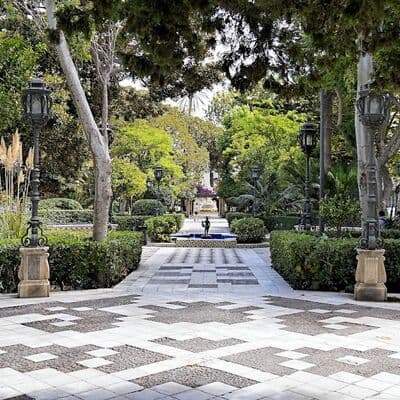
16:00-18:00 -- Parque Genoves. A unique botanical garden featuring trees trimmed into fantastical shapes, palm-lined alleys, a duck pond, and an artificial waterfall. A perfect spot to decompress, especially with children.
18:00-20:00 -- La Caleta Beach. Small (just 450 meters / 1,500 feet) but arguably the most photogenic beach in Cadiz, squeezed between two fortresses. The sunset here is one of the best in all of Spain. Locals come in the evening with a bottle of wine and a guitar -- and you should too.
Day 3: Museums, shopping, and a farewell dinner
10:00-12:00 -- Museum of Cadiz on Plaza de Mina. Free for EU citizens (1.50 EUR for others -- practically free). Two floors: downstairs is archaeology, including 5th-century BC Phoenician sarcophagi that are the crown jewels of the collection; upstairs is painting, with works by Zurbaran, Murillo, and Rubens.
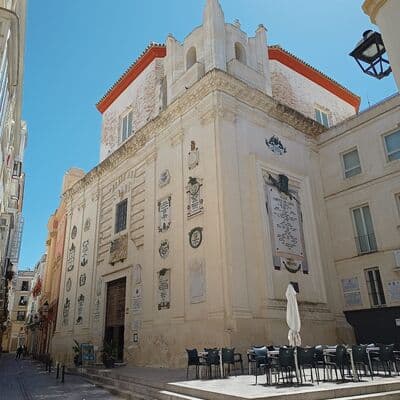
12:00-13:00 -- Oratory of San Felipe Neri. On March 19, 1812, Spain's first constitution -- nicknamed 'La Pepa' -- was proclaimed right here. Inside, the oval hall has magnificent acoustics and houses a Murillo painting of the Immaculate Conception.
13:00-14:30 -- Shopping stroll along Calle Ancha, Calle Columela, and Calle Compania. Local boutiques, souvenir shops, and pastry shops with traditional Andalusian sweets.
15:00-16:30 -- Lunch at the Central Market (if it is a weekday) or at El Faro -- widely considered the best restaurant in Cadiz, with a Michelin recommendation.
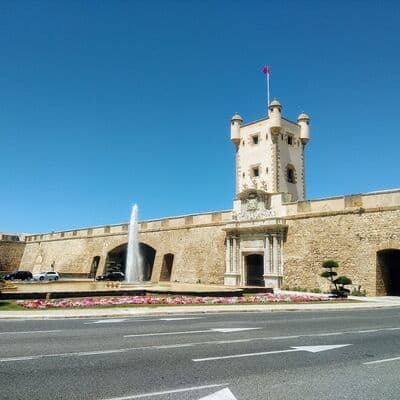
17:00-18:30 -- Puerta de Tierra, the only surviving gate in the 18th-century city wall. Climb to the top for panoramic views. Nearby: Plaza de Espana with the grand Monument to the Constitution of 1812.
19:00-22:00 -- Farewell dinner. If the budget allows, try El Faro de Cadiz for a seafood tasting menu. On a tighter budget, hit up Freiduria Las Flores on Plaza de las Flores for a cone of pescaito frito (mixed fried fish) -- the signature dish of the city.
Cadiz in 5 days: at your own pace
Days 1-3: follow the core itinerary above.
Day 4: Victoria Beach and modern Cadiz
10:00-14:00 -- Victoria Beach. Three kilometers (nearly 2 miles) of golden sand, crystal-clear water, and chiringuitos (beach bars) serving cold beer and tapas. Rent a stand-up paddleboard (from 15 EUR / ~$16 per hour) or simply soak up the sun. This beach consistently ranks among Spain's best urban beaches.
14:30-16:00 -- Lunch at one of the beachfront restaurants along Playa Victoria. If you are visiting in May or June, order atun rojo de almadraba (red almadraba tuna) -- a seasonal delicacy caught using an ancient trap-fishing method unique to this coast.
17:00-20:00 -- Walk along the waterfront promenade to Playa de la Cortadura, a wild beach with sand dunes and almost no people. The sunsets here are spectacular and the solitude is restorative. Head back on the city bus (Line 1, 1.10 EUR).
Day 5: Day trip -- Jerez or the white villages
Option A: Jerez de la Frontera (30 minutes by train, from 4 EUR / ~$4.50). Visit a bodega for a sherry tasting and tour -- Tio Pepe / Gonzalez Byass is the most famous (from 18 EUR / ~$20). Catch the horse show at the Royal Andalusian School of Equestrian Art (Tue-Thu, from 21 EUR / ~$23). Have lunch at the tapas bars on Plaza del Arenal.
Option B: The white villages. Rent a car or join a guided excursion to Vejer de la Frontera (45 minutes) -- one of the most beautiful pueblos blancos in Andalusia. Whitewashed houses, winding lanes, views down to the coast. On the way back, stop at Bolonia beach with the Roman ruins of Baelo Claudia -- free entry and genuinely impressive.
Cadiz in 7 days: with the surroundings
Days 1-5: follow the itinerary above.
Day 6: Donana National Park. Join an organized excursion (from 30 EUR / ~$33) to one of the most important wetland reserves in Europe. Flamingos, Iberian lynx (if you are lucky), sand dunes, and marshlands. Tours typically depart from Sanlucar de Barrameda (45 minutes from Cadiz) -- while you are there, try the best langoustines in Spain at the restaurants along the Bajo de Guia waterfront.
Day 7: Tarifa and the Strait of Gibraltar. Bus to Tarifa (1.5 hours, from 8 EUR / ~$9). This is the southernmost point of continental Europe -- on a clear day, you can see the coast of Africa. Tarifa is also the kite-surfing capital of Europe. Have lunch at one of the Moroccan tea houses in the old medina. If you are feeling adventurous, take the ferry to Tangier, Morocco (35 minutes each way) for a whirlwind day trip.
Where to Eat in Cadiz: Restaurants and Cafes
Street food and markets
Mercado Central de Abastos is the gastronomic heart of Cadiz. Nearly 200 stalls sell fish, meat, produce, and fruit. In the Rincon Gastronomico food court, you can try fresh oysters (from 1 EUR each), shrimp, tuna, and a glass of manzanilla (the local sherry). The market operates mornings until around 2-3 PM. Arrive by 11 AM when it is at its liveliest. Closed Sundays.
Freidurias are a format unique to Cadiz. These are shops that specialize exclusively in fried fish. The most famous is Freiduria Las Flores on Plaza de las Flores. You order a paper cone (cucurucho) of mixed fried fish for 5-8 EUR (~$5-9) and eat it right there on the street or walk it to the nearest bench. The classic order is pescaito frito: a mix of small fish, squid, and cuttlefish fried in olive oil to golden perfection. Squeeze lemon over the top. This is not fast food -- it is an art form here.
Tapas bars the locals love
Casa Manteca (Calle Corralon de los Carros, 66) -- a Cadiz legend. Walls covered in bullfighting posters and old photographs. Order chicharrones (pressed pork), queso payoyo (goat cheese from the mountain villages), and wine from the barrel. You stand at the bar -- there are almost no tables. Tapas from 2.50 EUR (~$3). Cash only.
Taberna La Manzanilla -- a tiny bar where spontaneous flamenco sometimes breaks out. The specialty is manzanilla sherry from Sanlucar de Barrameda paired with seafood tapas. Unpretentious and utterly charming.
La Tabernita (La Vina neighborhood) -- a family-run tapas bar with an extensive seafood menu. Popular with both locals and visitors. Try the gambas al ajillo (garlic shrimp) and chocos fritos (fried cuttlefish). Expect to wait for a spot on busy evenings -- it is worth it.
Mid-range restaurants
Restaurante Balandro -- a stylish restaurant on the northern waterfront with bay views. Creative cuisine built on local ingredients: octopus with mustard aioli, couscous with smoked fish. Average check 25-35 EUR (~$27-38) per person.
La Taperia de Columela -- a wine bar near Candelaria square. An impressive wine list (Rioja, Tempranillo, local sherries) alongside hot and cold tapas. Iberian pork and aged cheeses are what draw the regulars.
Codigo de Barra -- a modern tapas bar with an author-driven approach to Andalusian classics. Traditional recipes reimagined with contemporary techniques. Popular with a younger crowd; book ahead for dinner.
Top-tier dining
El Faro de Cadiz -- the flagship restaurant of the city, operating for over 50 years. Michelin recommended. The seafood tasting menu is the best in Cadiz. Average check at the restaurant: 45-60 EUR (~$49-65). But here is the insider tip: the attached tapas bar serves many of the same dishes at 2-10 EUR per tapa. Book in advance, especially for dinner.
Sopranis -- set in a historic building, serving creative Andalusian cuisine. Almadraba tuna in season is the undisputed star of the menu.
Cafes and breakfast spots
Cafe Royalty (Calle de la Pelota) -- the most beautiful cafe in Cadiz. A 19th-century interior with painted ceilings, gilding, and marble tables. Come for a morning coffee with picatostes (fried bread sticks dusted in sugar) -- 3-4 EUR (~$3-4). The atmosphere is like a Viennese cafe with Andalusian flair.
La Guapa Churros -- a mandatory breakfast stop. Thin, crispy churros or thick porras (the regional variation), dunked in thick hot chocolate. A serving costs 3-5 EUR (~$3-5). Go early -- there is often a line by 10 AM on weekends.
La Clandestina -- a cozy cafe-bookshop hybrid. Breakfast among the bookshelves with a tostada (toast with olive oil and tomato) and coffee. The kind of place where you lose track of time.
What to Try: A Cadiz Food Guide
Cadiz is one of the gastronomic capitals of Andalusia. The proximity to the Atlantic, the Moorish heritage, and the Andalusian temperament have created a cuisine you will not forget.
Tortillitas de camarones -- the signature dish of Cadiz. Thin, crispy fritters made from chickpea flour with tiny shrimp, parsley, and onion. Served piping hot, they are perfect with a glass of chilled manzanilla. Available at any tapas bar in La Vina. Price: 3-5 EUR (~$3-5) per portion.
Pescaito frito -- Cadiz-style fried fish. A mix of small fish (boquerones, puntillitas, chocos), squid, and cuttlefish, dredged in a thin coat of flour and fried to golden crispness in olive oil. The secret is ultra-fresh fish and quality oil. Squeeze lemon over the top. Best from the freidurias. A cone: 5-8 EUR (~$5-9).
Atun rojo de almadraba (red almadraba tuna) -- the delicacy that draws serious food lovers. Tuna is caught using the ancient almadraba method (labyrinth traps off the coast) only in May and June. It is served in dozens of preparations: tartare, grilled, tataki, mojama (salt-cured). The season is short -- if you are here for it, do not miss it. From 15 EUR (~$16) per dish.
Cazon en adobo (marinated dogfish) -- chunks of small shark, marinated in a blend of paprika, cumin, oregano, and vinegar, then deep-fried. It sounds exotic, but the taste is mild, tender white meat with aromatic spice. A tapa: 3-4 EUR (~$3-4).
Gambas al ajillo (garlic shrimp) -- an Andalusian classic: shrimp sizzling in olive oil with generous amounts of garlic and red chili pepper. Served bubbling in a clay dish (cazuela). Mop up the oil with bread -- it is the best part. A tapa: 5-7 EUR (~$5-8).
Chicharrones -- pressed pork (not to be confused with the Latin American fried pork rinds of the same name). In Cadiz, these are thinly sliced sheets of pressed pork meat, served with bread. The house specialty at Casa Manteca. A tapa: 2.50-4 EUR (~$3-4).
Ortiguillas (fried sea anemones) -- a dish you will only find on the Cadiz coast. Sea anemones battered and fried until crispy. The taste falls somewhere between seaweed and squid -- briny, light, and addictive. Season: spring. A tapa: 6-8 EUR (~$7-9).
Manzanilla -- a dry sherry from neighboring Sanlucar de Barrameda. Light, slightly salty, with an aroma of the sea. The perfect aperitif and the ideal companion for seafood. A glass at a bar: 1.50-2.50 EUR (~$2-3). It is cheaper than beer and tastes better with the food.
What NOT to order: paella. Cadiz is not Valencia, and paella here is often disappointing (reheated, made from a mix). Instead, try arroz caldoso -- a brothy rice dish with seafood that Cadiz does exceptionally well.
For vegetarians: options are limited but present. Espinacas con garbanzos (spinach with chickpeas), pimientos del padron (blistered peppers -- some are hot, some are not, and that is part of the fun), salmorejo (a cold tomato cream soup, thicker and richer than gazpacho). The market has excellent-quality fruits and vegetables.
Allergies: seafood and gluten are in practically everything. If you have an allergy, alert your server with 'tengo alergia a...' (I am allergic to...). Most restaurants are accustomed to this, but it helps to be proactive.
Local Secrets and Tips
1. Time works differently here. In Cadiz, lunch is 2:00-3:30 PM, dinner is 9:00-11:00 PM. If you show up at a restaurant at 7 PM, it will be empty or closed. Do not fight this rhythm -- embrace it. Use the gap between lunch and dinner to walk, nap, or sit with a sherry at a plaza cafe.
2. Manzanilla, not beer. Tourists order cerveza; locals order manzanilla or fino. This is not hard liquor -- it is a light, dry sherry (about 15% ABV), served chilled in small glasses. It costs less than beer (1.50-2 EUR / ~$2) and pairs infinitely better with seafood. Ask for it cold: 'una manzanilla bien fria, por favor.'
3. The morning market is essential. The Central Market operates until 2-3 PM and is closed Sundays. Arrive by 11 AM when the energy peaks. In the food court section you can have oysters and manzanilla for breakfast at prices that would make a Londoner weep with joy.
4. Watch your shoes. The old town streets are paved with stone -- heels and thin-soled shoes will not survive. Comfortable walking shoes are non-negotiable.
5. The Levante wind is real. Levante is a strong easterly wind that periodically hammers Cadiz. It can blow for days, sand stings your face, and the sea gets rough. Locals say the Levante drives people crazy. If it hits, retreat to bars in the old town where the wind cannot reach. It usually passes in 2-3 days.
6. Fried fish belongs on the beach. Buy a cucurucho (paper cone) from the nearest freiduria and eat it on the promenade or at the beach. This is what locals do. Grab extra napkins -- you will need them.
7. So much is free. Castle of Santa Catalina, the Roman Theatre, Parque Genoves, the Alameda Apodaca Gardens, and the Museum of Cadiz (for EU citizens) -- all free. Cadiz is one of the most budget-friendly cities in Andalusia for sightseeing.
8. Carnival changes everything. If you did not specifically plan to attend Carnival, check the dates (February). During those 11 days the city transforms: accommodation prices triple, every bar is packed to the walls, and the streets are flooded with costumed crowds. Either plan months in advance or avoid those dates entirely.
9. Callejon del Duende. The narrowest alley in Cadiz -- so narrow that even locals did not know about it for years. It was discovered during building restoration. Finding it is a bit of a treasure hunt, but that is part of the charm. Ask at your hotel -- most will point you in the right direction.
10. Do not skip the 'new' city. Most tourists never leave the old town. But the waterfront walk from Puerta de Tierra to Playa de la Cortadura is a gorgeous 5 km (3-mile) stroll along the ocean with virtually no tourists and some of the best sunset views in southern Spain.
11. Playa de la Cortadura -- the secret beach. A long, wild beach with sand dunes south of the city center. Almost empty even in high season. Bus Line 1 gets you there in 10 minutes from the center. Bring water and sunscreen -- there are no facilities.
12. Jerez is a must. Just 30 minutes by train. Even if you do not drink wine, a bodega visit (tastings from 15 EUR / ~$16) is impressive: vast cellars with century-old barrels, the smell of oak and time. And the horse shows at the Royal Andalusian School are world-class.
Transport and Connectivity
Getting to Cadiz from the airport
The nearest airport is Jerez de la Frontera (XRY), about 40 km (25 miles) from Cadiz. It is small but handles flights from Madrid, Barcelona, and several European cities (London Stansted and Frankfurt run seasonal routes).
- Train (RENFE Cercanias): from Jerez airport to Cadiz station -- about 45 minutes, 4-6 EUR (~$4-7). Trains run every 30-40 minutes. The most convenient option by far.
- Bus: CMTBC operates services, about 1 hour, 3-5 EUR (~$3-5). Less frequent than trains.
- Taxi: 50-65 EUR (~$55-70), 35-40 minutes. Makes financial sense if you are traveling with 3-4 people.
- Pre-booked transfer: from 55 EUR (~$60), arrange in advance through Booking or GetTransfer.
Alternative gateway: Seville Airport (SVQ) is much larger with far more international routes (including direct flights from New York JFK on certain carriers), but it is farther away (125 km / 78 miles). The train from Seville to Cadiz takes 1.5-2 hours and costs from 12 EUR (~$13) on RENFE Media Distancia. If you are coming from the US or Canada, flying into Seville and taking the train south is often the most practical routing.
Getting around the city
Walking: Cadiz is a walker's paradise. The old town measures just 1.5 x 1 km (about 1 mile across). Any point to any other point is 20-25 minutes on foot at most. You can comfortably see 90% of the sights without ever boarding a bus.
City buses (Autobuses Urbanos de Cadiz): 5 lines, operating from 6 AM to 11 PM (some until 2 AM). A single ticket costs 1.10 EUR cash, 0.72 EUR with a transport card. The most useful line is Line 1, which connects the old town with Victoria Beach and Cortadura.
Tram (Trambahia): connects Cadiz with San Fernando and Chiclana de la Frontera. Useful if you are staying outside the city center.
Taxis: base fare around 2.50 EUR, then 1-1.20 EUR per km. A ride within the city costs 5-8 EUR (~$5-9). Apps: PideTaxi, FreeNow. Note that Uber and Bolt do not operate in Cadiz (Andalusia is strict about taxi licensing). Taxis are plentiful and generally honest with the meter.
Bicycles: there is a city bike-share system, but the old town is hilly with narrow streets -- not ideal for cycling. However, the waterfront promenade along Playa Victoria is flat and excellent for a bike ride.
Getting to nearby destinations
Trains (RENFE): Cadiz station is centrally located. Key routes: Jerez (30 min, from 4 EUR), Seville (1.5-2 hrs, from 12 EUR), Madrid (4.5 hrs, from 35 EUR with a connection or on the AVE high-speed train). Buy tickets on the RENFE app or website -- advance fares are significantly cheaper.
Buses (Comes/Socibus): the bus station is next to the train station. Routes include: Tarifa (1.5 hrs, from 8 EUR), Malaga (3.5 hrs, from 18 EUR), Algeciras (2.5 hrs, from 11 EUR), Arcos de la Frontera (1 hr, from 6 EUR).
Catamaran: a fast boat to El Puerto de Santa Maria (30 min, from 3 EUR / ~$3) -- a pleasant way to reach the neighboring city across the bay. Runs multiple times daily and offers lovely views back toward Cadiz.
Internet and connectivity
SIM card / eSIM: Spanish carriers include Movistar, Vodafone, and Orange. A tourist SIM costs from 10 EUR for 5 GB (sold at phone shops on Calle Ancha). eSIMs from Airalo or Holafly start at around 5 EUR and can be activated before you leave home -- highly recommended to avoid the hassle of finding a shop on arrival.
Wi-Fi: free in most cafes, restaurants, and hotels. Victoria Beach has free municipal Wi-Fi, which is a nice bonus for beach days.
Useful apps:
- Google Maps / Citymapper -- navigation and public transit routing.
- RENFE app -- buy train tickets in advance (cheaper than at the station).
- PideTaxi / FreeNow -- hail a taxi without standing on a corner.
- TheFork (ElTenedor) -- restaurant reservations, often with 20-50% discounts on the food bill.
- Moovit -- real-time city bus tracking.
- XE Currency -- quick EUR/USD/GBP conversions at market rates.
Who Cadiz Is For: The Bottom Line
Cadiz is the city for travelers who have grown tired of the tourist machines of Barcelona and Madrid and want to experience the real Spain. You do not need a plan for every hour here: the best thing you can do is get lost in the narrow streets, stumble onto a plaza with a tapas bar, and stay there until the sun drops into the Atlantic.
Ideal for: food and seafood lovers, history and architecture buffs, couples looking for romance, budget-conscious travelers, anyone who wants to combine city culture with genuine beach time.
Not the best fit for: nightlife seekers (except during Carnival), serious shoppers (few international brands), families with very young children who need extensive entertainment infrastructure.
How many days: minimum 2 (old town only), ideal 3-4 (city plus beaches), maximum 7 (with day trips to Jerez, the white villages, Donana, and Tarifa).
Information current as of 2026. Prices may vary by season. All USD equivalents are approximate.