About
Australia Travel Guide: The Complete Insider's Journey to the Land Down Under
Let me be honest with you right from the start: Australia is not just another destination on your bucket list. It is a continent-sized country that will fundamentally change how you think about travel, nature, and what is possible in a single trip. I have spent countless weeks exploring this incredible land, from the neon-lit laneways of Melbourne to the ancient red heart of Uluru, and I still feel like I have barely scratched the surface. This guide is everything I wish someone had told me before my first Australian adventure, packed with the specific details, honest assessments, and insider knowledge that will transform your trip from ordinary to extraordinary.
Why Visit Australia: A Continent That Defies Expectations
Here is the thing about Australia that guidebooks rarely capture: this country operates on a completely different scale than anywhere else you have likely traveled. When Australians casually mention driving eight hours for a weekend trip, they mean it. When they tell you the reef is big, they are talking about a living structure visible from space. And when they say the wildlife is unique, they are referring to creatures that exist nowhere else on Earth, having evolved in isolation for millions of years.
The first reason to visit Australia is the sheer diversity of experiences packed into a single country. Within a two-week trip, you can snorkel alongside sea turtles on the Great Barrier Reef, hike through ancient rainforests older than the Amazon, stand before a 550-million-year-old monolith in the heart of the Outback, surf world-class waves, explore cosmopolitan cities with incredible food scenes, and encounter wildlife that looks like it was designed by a committee with a wild imagination. No other single destination offers this range of experiences with the infrastructure to support comfortable travel throughout.
The second compelling reason is the remarkable accessibility of wilderness experiences. In most countries, seeing truly wild landscapes requires extensive planning, permits, and often uncomfortable conditions. In Australia, you can be swimming with wild dolphins before breakfast, having a flat white in a trendy cafe by mid-morning, and spotting kangaroos at sunset, all within a single day and without roughing it. The national parks are well-maintained with proper facilities, the wildlife is genuinely abundant rather than hidden away, and the natural wonders are often just a short drive from major cities.
Third, Australian culture offers a refreshingly laid-back approach to life that is infectious. There is a genuine friendliness here that goes beyond tourism industry pleasantries. Australians are masters of not taking themselves too seriously, embracing outdoor living, and prioritizing quality of life over the frantic pace that dominates many Western societies. Spending time in Australia tends to recalibrate your stress levels and remind you what matters. The casual cafe culture, the emphasis on beach life, the willingness to have a genuine conversation with strangers, it all adds up to an atmosphere that makes you want to slow down and savor the moment.
Fourth, Australia represents remarkable value when you consider what you are getting. Yes, certain things are expensive, particularly accommodation in peak season and domestic flights. But the quality of what you receive, pristine beaches without entrance fees, world-class hiking trails accessible to everyone, encounters with unique wildlife in their natural habitat, food and coffee culture that rivals anywhere globally, makes the investment worthwhile. You are not paying for manufactured experiences or overcrowded attractions. You are paying for access to genuine natural wonders and a lifestyle that prioritizes the good things in life.
Fifth, and perhaps most importantly for English-speaking travelers, Australia removes the language barrier entirely while still delivering genuine cultural difference. You can navigate easily, understand the nuances of local humor, read menus and signs without translation apps, and have meaningful conversations with locals. Yet the country still feels distinctly foreign in the best ways: the unfamiliar constellations in the night sky, the reversed seasons, the wildlife that seems almost fantastical, and cultural references that will have you Googling furiously. It is the perfect combination of comfortable navigation and genuine discovery.
The practical infrastructure deserves mention too. Australia has excellent healthcare, safe food and water, reliable transportation, and the kind of service standards that make travel genuinely enjoyable rather than stressful. When things go wrong, and they occasionally do in any trip, you can trust that help is available, English is spoken, and solutions exist. This baseline of safety and comfort allows you to focus on the experiences themselves rather than constantly problem-solving.
I should also mention what Australia is not. It is not a budget destination where you can travel comfortably on twenty dollars a day. It is not compact enough to see everything in a week. It is not a place where you should try to tick off every highlight in a single trip. Australia rewards those who choose a region and explore it thoroughly rather than attempting to cover the entire country at a sprint. Accept this limitation early, and you will have a far better experience than those who spend half their trip in airports and on planes.
The bottom line is this: Australia delivers on its promises in ways that many heavily marketed destinations do not. The beaches really are that beautiful, the reef genuinely is breathtaking, the wildlife actually does appear regularly, and the cities offer world-class experiences. There is substance behind the postcard images, and that substance keeps travelers returning year after year, discovering new layers of this endlessly fascinating country.
Regions of Australia: Understanding the Lay of the Land
Australia is roughly the same size as the contiguous United States, which means regional selection is perhaps the most important decision you will make when planning your trip. Trying to see everything is a recipe for exhaustion and superficial experiences. Instead, let me walk you through each major region so you can choose the areas that best match your interests and available time.
New South Wales and Sydney
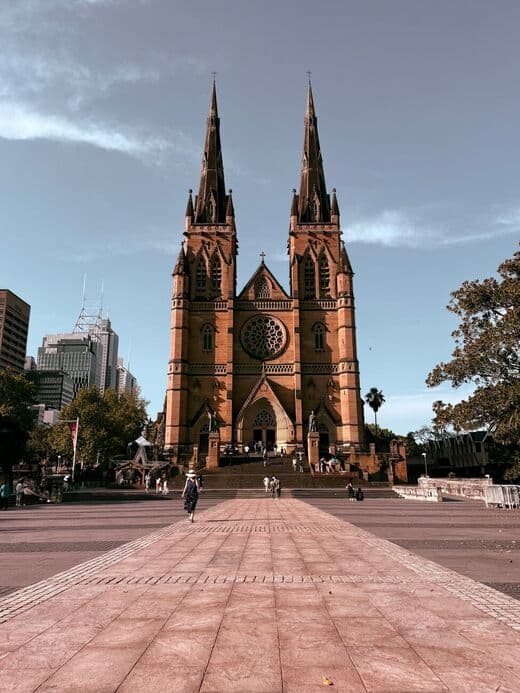
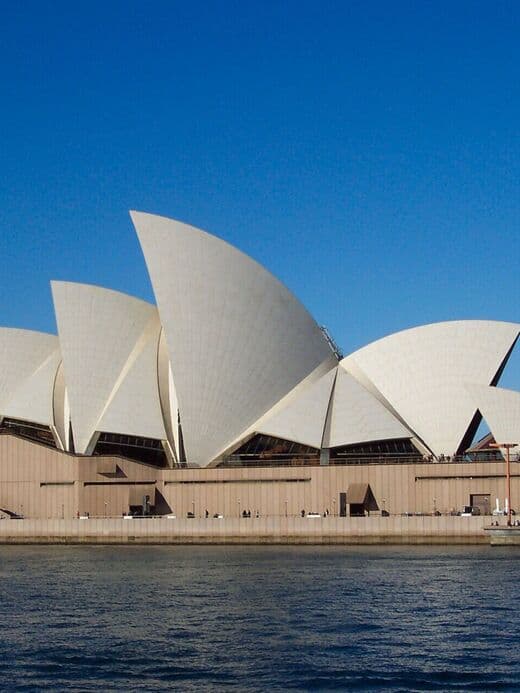
Sydney is where most international visitors begin their Australian adventure, and with good reason. This harbor city is genuinely spectacular, built around one of the world's most beautiful natural harbors and blessed with a climate that encourages outdoor living year-round. The Sydney Opera House is even more impressive in person than in photographs, its white sail-like shells gleaming against the blue harbor waters. Cross the Sydney Harbour Bridge on foot for free, or pay for the BridgeClimb experience if heights do not bother you and you want bragging rights.
Beyond the iconic landmarks, Sydney offers genuine neighborhood character. The The Rocks district preserves the city's colonial history with sandstone buildings, weekend markets, and cozy pubs. Newtown delivers the hipster experience with vintage shops, diverse restaurants, and street art. Barangaroo Reserve showcases modern urban regeneration with waterfront dining and native plantings. Each area feels distinct, and you could spend days exploring without repeating yourself.
The beaches deserve their reputation. The Bondi to Coogee Walk is one of the world's great coastal walks, weaving along sandstone cliffs past multiple beaches and rock pools. Go early in the morning to beat the crowds and catch the golden light. Manly Beach requires a ferry ride from Circular Quay, which is half the fun, and offers a more relaxed vibe than Bondi with excellent surf and a charming corso lined with shops and cafes.
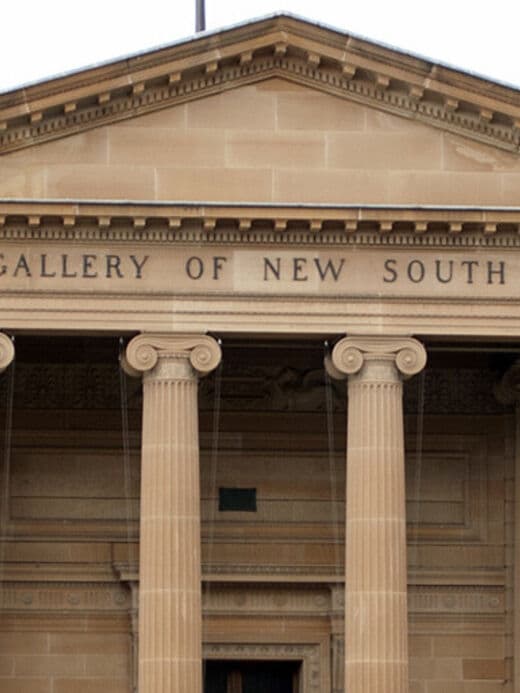
Do not miss the Royal Botanic Garden Sydney, which offers free entry and stunning harbor views along with impressive plant collections. The Art Gallery of New South Wales has an excellent collection of Australian art, including Aboriginal works, and free admission to most exhibitions. For families or marine life enthusiasts, Sea Life Sydney Aquarium provides up-close encounters with Australian marine species.
The Blue Mountains make an essential day trip or overnight excursion from Sydney, located about ninety minutes by train from Central Station. The name comes from the blue haze created by eucalyptus oil evaporating from the vast forest canopy, and the scale of the valleys is genuinely impressive. Echo Point Lookout provides the classic Three Sisters view, though it gets crowded by mid-morning. For a more immersive experience, take the trails down into the valley itself, though be prepared for a serious workout on the return climb.
Scenic World offers various mechanical ways to experience the Blue Mountains, including the steepest railway in the world descending into the valley and a skyway suspended above the tree canopy. It is touristy but genuinely fun, particularly for families. The villages of Katoomba and Leura provide charming bases with antique shops, cozy cafes, and excellent accommodation options. Govetts Leap Lookout near Blackheath offers equally stunning views with fewer crowds than Echo Point.
Victoria and Melbourne
Melbourne presents a completely different urban experience from Sydney. Where Sydney flaunts its natural assets, Melbourne's charms reveal themselves gradually through exploration of its laneway culture, world-class dining scene, and fierce arts and sports enthusiasm. Melburnians are proud of their city's depth and tend to view Sydney as all surface beauty with less substance, a friendly rivalry you will encounter throughout your trip.
The laneway culture is the city's secret weapon. Streets like Hosier Lane and ACDC Lane burst with ever-changing street art, hidden bars, and tiny restaurants. Degraves Street offers the quintessential Melbourne cafe experience, though locals might direct you to less crowded alternatives. The Melbourne Laneways exploration could fill an entire day, with new discoveries around every corner.
Flinders Street Station is the city's unofficial heart, its distinctive yellow facade and green dome making it Melbourne's most photographed building. From here, the free City Circle tram can take you to major attractions while giving you a rolling tour of the central city. Queen Victoria Market operates several days a week, offering everything from fresh produce to souvenirs, best visited early for the food sections and mid-morning for vintage finds.
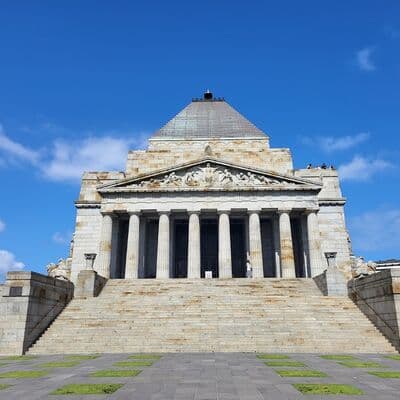
The Royal Botanic Gardens Melbourne are arguably the country's finest, with beautiful design, diverse plant collections, and resident wildlife including possums and waterbirds. Adjacent Shrine of Remembrance honors Australia's war dead with moving simplicity and offers excellent city views from its balcony.
Culture enthusiasts will find endless diversions. The National Gallery of Victoria has an impressive international collection and stunning architecture. Melbourne Museum is excellent for families and those interested in natural history and Aboriginal culture. Old Melbourne Gaol offers atmospheric ghost tours and historical insight into colonial justice. Immigration Museum tells the often-overlooked stories of the diverse communities that built modern Australia.
For sports fans, the Melbourne Cricket Ground is a pilgrimage site. Tours operate daily, and if you can catch a game, particularly Australian Rules Football, the atmosphere is electric. Even if you do not understand the rules, the passion of Melbourne sports fans is infectious and entertaining.
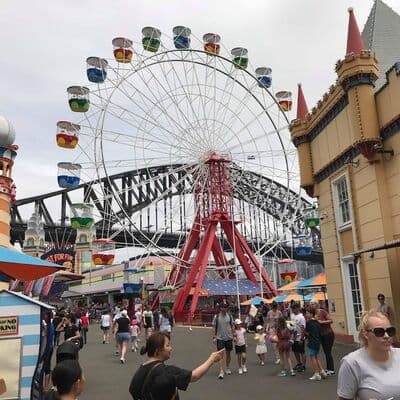
Day trips from Melbourne include the iconic Brighton Bathing Boxes, colorful Victorian-era beach huts that have become Instagram fixtures. Luna Park Melbourne offers nostalgic amusement park fun with free entry and pay-per-ride attractions.
The Great Ocean Road is one of the world's great driving experiences, stretching 243 kilometers along Victoria's southwestern coast. Built by returned soldiers after World War One as a memorial to fallen comrades, it offers dramatic coastal scenery at every turn. The Twelve Apostles are the headline attraction, limestone stacks rising from the Southern Ocean that photograph beautifully at sunset. Nearby Gibson Steps allow you to descend to beach level for a different perspective.
Lesser-known stops include London Arch, formerly London Bridge until part of it collapsed in 1990 stranding two tourists who had to be rescued by helicopter. The Grotto offers impressive rock formations and quieter crowds. Bells Beach is legendary among surfers, hosting the world's longest-running surf competition. The small town of Apollo Bay makes an excellent overnight stop with quality dining and accommodation. Do not miss the Kennett River Koalas area, where wild koalas are almost guaranteed in the gum trees along the road and adjacent trails.
Queensland: Sun, Reef, and Rainforest
Queensland claims two of Australia's most significant natural wonders and offers a climate that draws both domestic and international visitors year-round. The Gold Coast and Brisbane in the south provide accessible beach culture and urban amenities, while Cairns and the tropical north offer gateways to the Great Barrier Reef and ancient rainforests.
Brisbane often gets overlooked by international visitors rushing to the coast, which is a shame because the city has transformed dramatically in recent decades. The South Bank precinct includes Streets Beach, an artificial beach in the heart of the city where you can swim surrounded by subtropical gardens and city skylines. The City Botanic Gardens offer peaceful walks along the Brisbane River.
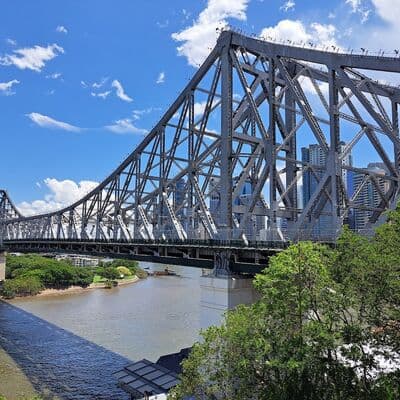
The Story Bridge can be climbed for panoramic views, similar to Sydney's bridge climb but less expensive. Lone Pine Koala Sanctuary is the world's largest koala sanctuary and one of the only places where you can legally hold a koala, a surprisingly moving experience. Kangaroo Point Cliffs offer rock climbing, abseiling, and evening barbecues with city views.
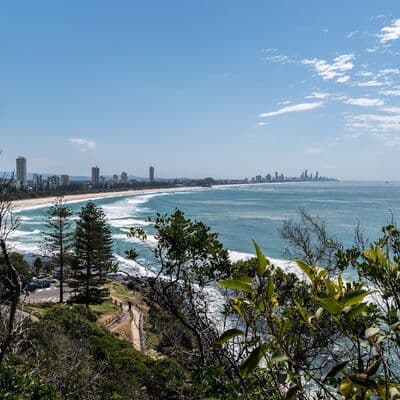
The Gold Coast delivers exactly what the name promises: miles of golden sand beaches backed by high-rise apartments and a thriving tourism industry. Surfers Paradise Beach is the iconic stretch, crowded and commercial but undeniably photogenic. Broadbeach offers a slightly more relaxed alternative with excellent dining options.
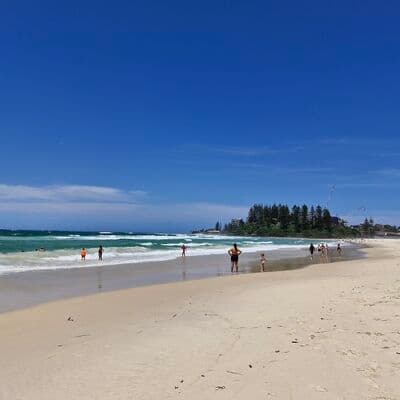
More discerning beach lovers should head to Burleigh Heads Beach, which combines great surf with a headland national park and quality cafes. Snapper Rocks is famous among surfers for the Superbank, one of the world's longest and most consistent waves. Rainbow Bay Beach offers sheltered swimming and beautiful sunrise views.
The hinterland behind the Gold Coast often surprises visitors expecting only beach culture. Springbrook National Park contains ancient Antarctic beech trees, stunning waterfalls including Purling Brook Falls, and glow worms in natural cave settings. Lamington National Park protects UNESCO World Heritage rainforest with over 160 kilometers of hiking trails. Tamborine Mountain offers craft galleries, wineries, and the Tamborine Rainforest Skywalk elevated walkway through the canopy.
Currumbin Wildlife Sanctuary provides excellent wildlife encounters including kangaroo feeding and the famous lorikeet feeding sessions where hundreds of rainbow-colored birds descend to feed from your hands. For views, SkyPoint Observation Deck in the Q1 building offers 360-degree panoramas from the tallest building in the Southern Hemisphere.
Cairns is the gateway to tropical Queensland and the primary departure point for Great Barrier Reef tours. The city itself is pleasant without being remarkable, but its location is unbeatable. Within easy reach you have the reef, ancient rainforest, waterfalls, and Aboriginal cultural experiences.
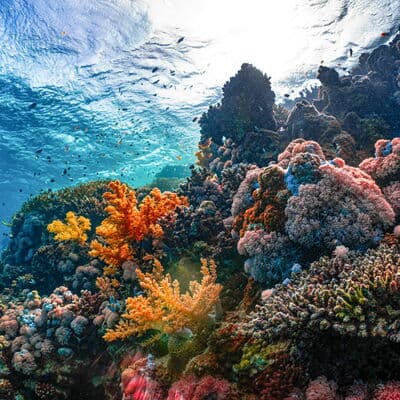
The Great Barrier Reef accessible from Cairns is everything you have heard and more. This living structure stretches over 2,300 kilometers along the Queensland coast and supports an almost incomprehensible diversity of life. Snorkeling even at basic sites will reveal coral gardens, tropical fish in every color imaginable, sea turtles, reef sharks, and potentially manta rays or dolphins. The inner reef is more accessible and less affected by recent bleaching events, though the outer reef offers better diving for those with certification.
Choose your reef tour carefully, as experiences vary dramatically. Day trips to Green Island offer easy access with walking trails and glass-bottom boats, though the snorkeling is not the best. Outer reef pontoon trips provide better marine life encounters. For serious divers, liveaboard trips of two to four nights allow access to the most pristine areas and multiple dives per day.
The Daintree Rainforest north of Cairns is the oldest continuously surviving tropical rainforest on Earth, dating back over 135 million years. Where the rainforest meets the reef at Cape Tribulation is one of only two places on Earth where two World Heritage sites meet. The Mossman Gorge offers accessible rainforest experiences including guided walks with Indigenous rangers and swimming in crystal-clear streams surrounded by ancient trees.
The Skyrail Rainforest Cableway provides spectacular aerial views of the rainforest canopy, connecting Cairns with the village of Kuranda in the tablelands above. Combine this with the historic Kuranda Scenic Railway for a memorable loop trip. Palm Cove offers a more upscale beach alternative to Cairns itself, with a palm-lined esplanade and quality resorts.
The Atherton Tablelands behind Cairns provide cooler temperatures, volcanic crater lakes, waterfalls, and farm-gate experiences including coffee plantations and tropical fruit orchards. Rainforestation Nature Park combines Indigenous culture demonstrations with wildlife encounters and amphibious army duck tours. The quirky Paronella Park features the ruins of a Spanish castle built by a homesick Catalan immigrant in the 1930s, now surrounded by rainforest.
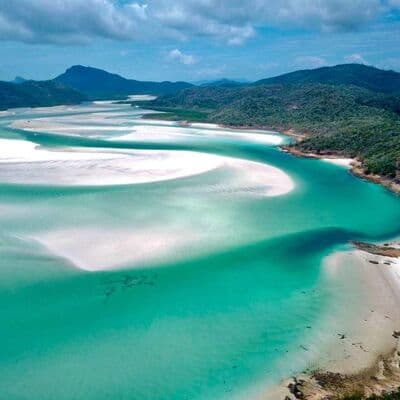
The Whitsunday Islands offer an alternative Great Barrier Reef experience, with 74 islands scattered through azure waters. Whitehaven Beach regularly appears on lists of the world's most beautiful beaches, its silica sand so pure it squeaks underfoot and stays cool even in tropical heat. The Hill Inlet Lookout provides the classic aerial view where white sand and turquoise water swirl together in mesmerizing patterns.
Hamilton Island is the main developed island with resorts, restaurants, and activities ranging from golf to wildlife parks. Budget travelers can access the Whitsundays via sailing trips departing from Airlie Beach, with overnight options allowing you to sleep on deck under the stars. The Great Barrier Reef Whitsundays section offers excellent diving and snorkeling directly from the islands.
Northern Territory: The Spiritual Heart
The Northern Territory contains Australia's most profound landscapes and oldest continuing cultures. This is where the country's ancient heart beats strongest, where you begin to understand the Indigenous concept of Country that recognizes land as living entity rather than mere resource.
Uluru is the spiritual center of Australia and one of the most powerful places on Earth. The massive sandstone monolith rises 348 meters from the surrounding red desert, though most of its bulk lies underground. What photographs cannot capture is the presence of this place, how the rock changes color through the day from ochre to orange to deep red to violet, how the silence settles around you, how ancient this land feels.
The Uluru experience goes far beyond a photo opportunity. Walking the 10.6-kilometer base trail reveals caves, rock art, waterholes, and changing perspectives that make the monument feel continually new. The Uluru-Kata Tjuta Cultural Centre provides context about the Anangu people who have called this land home for over 30,000 years and for whom the rock holds deep spiritual significance. Climbing Uluru is now prohibited, a decision that should be respected given the site's cultural importance.
The Uluru Sunset Viewing Area is an essential experience, where dozens of visitors gather with champagne and cameras to watch the rock cycle through its color changes. Sunrise is equally spectacular and less crowded. The Field of Light installation by artist Bruce Munro creates a sea of 50,000 illuminated stems that bloom at dusk, adding contemporary art to the ancient landscape.
Nearby Kata Tjuta, also known as the Olgas, consists of 36 domed rock formations that many find even more impressive than Uluru. The Valley of the Winds walk is challenging but rewards with intimate passage between the massive domes. Kings Canyon, about three hours drive away, offers dramatic sandstone walls over 100 meters high and the Garden of Eden, a permanent waterhole surrounded by ancient cycads.
Alice Springs serves as the regional hub and cultural center of the Red Centre. Despite its small size, it offers excellent galleries showcasing contemporary Aboriginal art, good restaurants, and useful facilities for those exploring the outback. The Alice Springs Desert Park provides excellent interpretation of Central Australian ecosystems and wildlife.
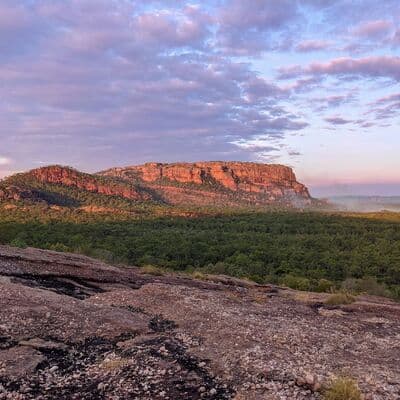
Kakadu National Park in the tropical Top End is Australia's largest national park, covering nearly 20,000 square kilometers of wetlands, sandstone escarpments, and monsoon forest. The rock art galleries at Ubirr Rock Art and Nourlangie Rock contain paintings spanning 20,000 years of continuous occupation, providing an unbroken artistic record found nowhere else on Earth.
The Kakadu National Park experience varies dramatically by season. The wet season from November to April brings thunderstorms, impassable roads, and spectacular waterfalls. The dry season from May to October allows fuller access and easier wildlife viewing as animals congregate around remaining water sources. Yellow Water Billabong cruises offer reliable crocodile sightings along with incredible bird life.
Waterfalls are Kakadu highlights. Jim Jim Falls drops 200 meters from the escarpment and requires a four-wheel drive and challenging hike to reach, rewarding with a pristine plunge pool. Gunlom Falls offers swimming at the top with infinity pool views across the national park, accessible by sealed road and moderate climb. Both experiences rank among Australia's most memorable.
Western Australia: The Frontier State
Perth is the world's most isolated major city, closer to Singapore than Sydney, and this remoteness shapes its distinct character. Western Australia contains some of the country's most impressive landscapes, from white sand beaches to ancient forests to bizarre rock formations, though distances here are even more daunting than elsewhere in Australia.
Perth itself is a beautiful city built along the Swan River with excellent beaches and a relaxed lifestyle that makes even Melbourne seem hurried. Kings Park is one of the world's largest inner-city parks, with wildflower displays in spring that attract visitors from around the country. The park offers stunning views over the city and river, particularly beautiful at sunset.
Cottesloe Beach is Perth's iconic beach, with Norfolk pines, a classic pavilion, and reliable waves. The water is remarkably clear, and the sunset views over the Indian Ocean are spectacular. Northbridge is the city's entertainment district with diverse restaurants, bars, and cultural institutions including the WA Museum Boola Bardip, a world-class museum with free entry.
The Swan Valley wine region is just thirty minutes from the city center, offering boutique wineries, artisan food producers, and a relaxed country atmosphere. It is one of Australia's oldest wine regions and provides easy escapes from the city without major planning.
Fremantle Prison is a UNESCO World Heritage site that operated until 1991 and now offers tours including torch-lit evening experiences and tunnel tours that descend into the darkness below the prison. The port city of Fremantle itself has excellent markets, historic architecture, and some of Perth's best restaurants and bars.
The Pinnacles Desert about two hours north of Perth contains thousands of limestone pillars rising from yellow sand, creating an almost Martian landscape particularly atmospheric at sunrise or sunset. Scitech in Perth provides excellent interactive science experiences for families.
Tasmania: Island of Natural Wonder
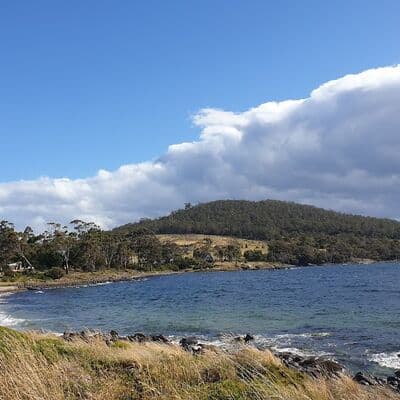
Tasmania often surprises visitors expecting just a smaller version of mainland Australia. This island state has its own distinct character, with wilderness areas more reminiscent of New Zealand, a cooler climate that supports unique ecosystems, and a food and arts scene that punches well above its weight.
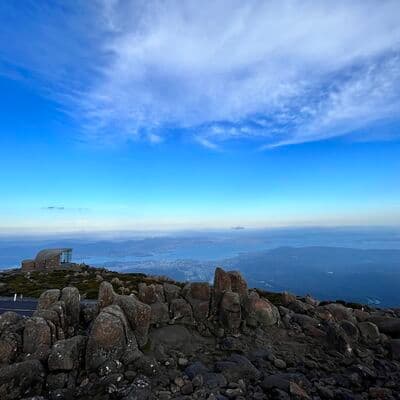
Hobart, the state capital, is Australia's second-oldest city and one of its most appealing. The setting beneath Mount Wellington, known as kunanyi in the local Aboriginal language, provides dramatic mountain backdrop viewable from almost everywhere in the city. The drive to the summit offers panoramic views over the Derwent River and the city below, with frequently changing weather that can bring snow even in summer.
The MONA Museum has transformed Tasmania's cultural reputation. This privately owned collection of modern and ancient art is deliberately provocative, sometimes shocking, always thought-provoking. Built into sandstone cliffs accessed by ferry from Hobart, the museum experience begins before you enter. Allow at least half a day and prepare to be challenged.
Freycinet National Park on the east coast contains Wineglass Bay, consistently rated among Australia's most beautiful beaches. The classic view from the lookout requires a moderate uphill walk, but the pink granite peaks, turquoise water, and perfect crescent of white sand justify the effort. The full circuit walk descending to the beach and returning via Hazards Beach takes most of a day.
Tasmania's wilderness areas are extensive and largely inaccessible without significant planning. The Overland Track through Cradle Mountain-Lake St Clair National Park is Australia's most famous multi-day walk, requiring advance booking in summer. For less committed hikers, numerous day walks offer access to spectacular scenery without the commitment of multi-day camping.
Canberra: The Planned Capital
Canberra gets a bad reputation as a boring bureaucratic city, but this misses the genuine pleasures available in Australia's purpose-built capital. The city was designed by American architects Walter Burley Griffin and Marion Mahony Griffin in 1913, resulting in broad avenues, geometric patterns, and abundant green space.
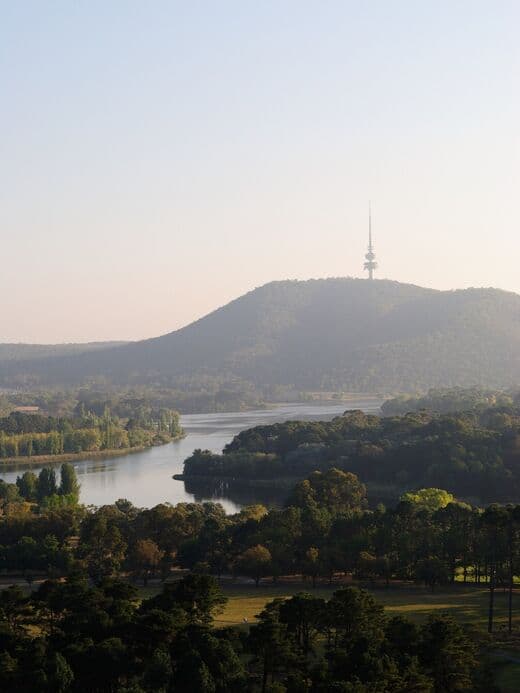
Lake Burley Griffin forms the city's centerpiece, with cycling and walking paths circling its shores. The Captain Cook Memorial Jet shoots water 147 meters into the air on calm days. The lake connects the major national institutions that make Canberra genuinely worthwhile for visitors interested in Australian history, politics, and culture.
Australian Parliament House is architecturally impressive and offers free tours that explain the Australian political system. When Parliament is sitting, you can watch proceedings from the public galleries. Old Parliament House now houses the Museum of Australian Democracy, tracing the country's political evolution.
The Australian War Memorial is perhaps the country's most moving museum, combining memorial, museum, and art gallery to honor Australians who served in conflicts from the Boer War to Afghanistan. The daily Last Post ceremony at closing time is genuinely affecting. The National Gallery of Australia holds the country's premier art collection, including the largest collection of Aboriginal and Torres Strait Islander art in the world.
Other worthwhile institutions include the National Museum of Australia, which tells Australian stories from Indigenous deep time to contemporary life; Questacon, an excellent interactive science center perfect for families; the National Library of Australia, which holds treasures including Captain Cook's journals; and the National Portrait Gallery, featuring faces that shaped Australian history.
For nature experiences, Australian National Botanic Gardens focus exclusively on Australian plants with excellent rainforest and eucalyptus sections. Tidbinbilla Nature Reserve offers reliable wildlife encounters in natural settings. Mount Ainslie Lookout provides the classic view over the city showing how the Griffin design plays out from above. The National Arboretum Canberra is developing into a significant attraction with 94 forests of rare, endangered, and symbolic trees from around Australia and the world.
Unique Features: What Makes Australia Irreplaceable
The Great Barrier Reef: A Living Wonder
The Great Barrier Reef is not just Australia's most famous attraction; it is the largest living structure on Earth, visible from space and supporting more biodiversity than most countries contain. Stretching over 2,300 kilometers along the Queensland coast, the reef comprises nearly 3,000 individual reef systems, 900 islands, and supports over 1,500 species of fish, 400 types of coral, and countless other marine species.
Let me be honest about the reef's current situation. Climate change and coral bleaching have caused significant damage in recent decades, with some areas losing substantial coral cover. This is not a reason to avoid visiting but rather a reason to go now, to support the conservation efforts that protect remaining reef, and to witness one of Earth's great natural wonders while it remains spectacular. The reef is still breathtaking, particularly in areas less affected by bleaching, and the experience of snorkeling or diving here remains life-changing.
The reef experience varies dramatically depending on where and how you visit. Day trips from Cairns to the inner reef are accessible for non-swimmers via glass-bottom boats and semi-submarines, while serious divers may want multi-day liveaboard trips to the outer reef where pristine hard coral gardens remain largely intact. The Whitsunday Islands offer excellent reef access combined with island exploration, while Port Douglas provides a slightly more upscale gateway with shorter boat trips to the outer reef.
For the best experience, invest in a quality tour operation that limits group sizes, visits multiple sites, and provides genuine interpretation from marine biologists. Budget tours exist but often involve crowded boats, rushed snorkeling sessions, and little actual understanding of what you are seeing. The difference in experience justifies the extra cost, particularly for what may be a once-in-a-lifetime opportunity.
Underwater, the reef delivers beyond expectations even when you have seen the documentaries. Sea turtles glide past with prehistoric calm. Reef sharks patrol their territories with unsettling grace. Clownfish nestle in anemones exactly like the movies promised. Parrotfish crunch coral with audible bites. Manta rays soar through open water like underwater birds. And the coral itself, in areas of good health, creates forests and gardens in colors that seem almost artificial in their intensity.
The Outback: Australia's Red Heart
The Outback is not a specific place but rather a concept, the vast interior of Australia where nature still dominates and human presence feels temporary. This is where kangaroos outnumber people by orders of magnitude, where the night sky blazes with stars obscured by city lights elsewhere, where the horizon stretches impossibly far, and where you begin to understand Indigenous connections to land that span tens of thousands of years.
Uluru is the Outback's most famous feature but hardly its only draw. Kings Canyon, the MacDonnell Ranges around Alice Springs, Kakadu's escarpments, and countless other locations offer opportunities to experience the Australian interior. What unites these places is scale, silence, and a quality of light that photographers struggle to capture.
Outback travel requires preparation and respect. Distances are real and services sparse. Fuel, water, and food must be planned carefully. Driving at dawn or dusk risks kangaroo strikes that can total vehicles. Summer temperatures can exceed 45 degrees Celsius, making outdoor activity dangerous. Yet these challenges are also part of the appeal, reminding you that this is genuine wilderness rather than sanitized tourist experience.
The rewards for those who prepare properly include experiences unavailable elsewhere. Camping under the Milky Way so bright it casts shadows. Watching the land change color as the sun rises over red earth and blue-grey eucalyptus. Encountering wildlife on their terms rather than in managed situations. Feeling genuinely remote in an age where remoteness is increasingly rare. Understanding, perhaps for the first time, what Indigenous Australians mean when they speak of Country as living entity.
Australian Wildlife: Evolution's Isolated Experiment
Australia's wildlife evolved in isolation for millions of years, producing creatures found nowhere else on Earth. This isolation means even common Australian animals seem exotic to international visitors, while rare species can feel almost mythical.
Kangaroos and wallabies are so common in rural areas that locals consider them pests, yet seeing a mob of wild kangaroos at dawn never loses its magic. Different species inhabit different regions: the large grey kangaroos of the southeast, the red kangaroos of the interior, the tiny wallabies of Tasmania, the tree-kangaroos of the tropical rainforest. Most wildlife parks offer feeding experiences, but seeing kangaroos in the wild is easy with modest effort.
Koalas are harder to spot, spending most of their lives sleeping in eucalyptus canopy. Wild populations exist from Victoria through to Queensland, with Kennett River on the Great Ocean Road offering reliable wild sightings. Sanctuaries like Currumbin Wildlife Sanctuary and Lone Pine Koala Sanctuary provide guaranteed encounters and opportunities to hold a koala, a genuinely heartwarming experience despite the tourist industry context.
The platypus may be Australia's most improbable creature: a mammal that lays eggs, has a duck-like bill, beaver-like tail, venomous spurs on its hind legs, and uses electroreception to hunt underwater. Seeing one in the wild requires patience and luck, but dedicated platypus-watching experiences operate in several locations. The wombat, a burrowing marsupial that produces cube-shaped droppings, is more common but still a thrill to encounter.
Bird life is spectacular throughout Australia. Rainbow lorikeets seem almost painted in their brilliance. Kookaburras laugh from morning to evening. Cockatoos in white, pink, and black varieties screech from every tree. The cassowary, a large flightless bird in the tropical north, is genuinely dinosaur-like and slightly terrifying. Bower birds construct elaborate decorated structures to attract mates. And in the right season, hundreds of species migrate through Australia's wetlands.
Marine life is equally remarkable. Whale sharks appear at Ningaloo Reef in Western Australia each year, gentle giants that dwarf the humans swimming alongside them. Humpback whales migrate along both coasts. Dolphins are common in many harbors and beaches. Sea turtles nest on Queensland beaches and graze through reef waters. And the variety of fish on the reef defies description, a kaleidoscope of color and form.
A note on dangerous wildlife: yes, Australia has more venomous species than perhaps anywhere else, including several spider and snake species with potentially fatal bites. In practice, fatalities are extremely rare, and following basic precautions, not putting hands where you cannot see, watching where you step in long grass, staying on marked trails, keeps risk minimal. The crocodiles in northern Australia are a more serious concern, and swimming in waterways where saltwater crocodiles may be present is genuinely dangerous. Respect the warning signs.
Aboriginal Culture: The World's Oldest Living Culture
Aboriginal and Torres Strait Islander peoples have inhabited Australia for over 65,000 years, making their cultures the oldest continuous cultures on Earth. Understanding even a fraction of this depth adds immeasurably to any Australian visit, transforming landscape from scenery into story.
The concept of Country is central to Aboriginal understanding of the world. Country is not just physical land but a complex web of relationships between people, ancestors, plants, animals, and physical features. Each area has its stories, its sacred sites, its protocols. Visitors who approach with respect and genuine interest find doors open to perspectives radically different from Western worldviews.
The best way to learn is through Indigenous-led experiences. At Uluru, Anangu guides share stories their families have passed down for thousands of years. In Kakadu, traditional owners explain the rock art galleries that document millennia of human experience. In cities like Sydney, Indigenous tours reveal layers of history beneath the colonial overlay. These experiences tend to be more expensive than non-Indigenous alternatives but provide depth impossible to achieve otherwise.
Aboriginal art deserves particular attention. Contemporary Aboriginal art is Australia's most significant contribution to the global art world, combining traditional symbolism with modern techniques to create works of stunning power. The best galleries, including several in Alice Springs and the commercial galleries of Sydney and Melbourne, offer works ranging from affordable prints to museum-quality masterpieces. Understanding that each painting typically tells specific stories from specific Country, passed down through specific family lines, adds meaning to works that might otherwise seem merely decorative.
When to Visit: Seasons and Timing
Australia's seasons are reversed from the Northern Hemisphere, with summer from December to February and winter from June to August. However, Australia's vast size means different regions have completely different optimal visiting times, and getting this right is crucial for the best experience.
For Sydney and Melbourne, the shoulder seasons of spring (September to November) and autumn (March to May) offer the best combination of pleasant weather, manageable crowds, and reasonable prices. Summer brings warm beach weather but also holiday crowds and premium prices. Winter is mild enough for comfortable exploration but can be grey and rainy, particularly in Melbourne.
The tropical north including Cairns, the Great Barrier Reef, and Kakadu follows a different pattern. The dry season from May to October is peak season with reliable sunny weather, calm seas for reef trips, and accessible roads throughout Kakadu. The wet season from November to April brings humidity, afternoon thunderstorms, and sometimes cyclones, but also dramatic waterfalls, lush green landscapes, and fewer crowds. November and April shoulder months can offer reasonable weather with better value.
For reef visits specifically, the best underwater conditions typically occur from June to September when visibility peaks and conditions remain calm. Coral spawning, an incredible natural event where the entire reef releases eggs and sperm simultaneously, occurs in late October or November depending on conditions.
The Red Centre around Uluru is best visited in the cooler months from May to September. Summer temperatures regularly exceed 40 degrees Celsius, making outdoor activities genuinely dangerous and seriously unpleasant. Winter days are pleasant, often around 20 degrees, though nights can approach freezing. The desert wildflower season following good winter rains can be spectacular.
Tasmania is best in summer from December to February when hiking trails are accessible and temperatures pleasant. Shoulder seasons offer good conditions with smaller crowds. Winter is cold by Australian standards and some highland areas become inaccessible, but the experience appeals to those seeking cozy retreats and uncrowded attractions.
Australian school holidays occur mid-December through late January, two weeks in early April, two weeks in late June or early July, and two weeks in late September. These periods see domestic tourism surge, with consequent crowds and premium prices particularly at beach destinations. If your schedule allows flexibility, traveling outside these periods offers a better experience.
Special events worth planning around include the Sydney Festival and Sydney Gay and Lesbian Mardi Gras in February and March, Melbourne's Comedy Festival in March and April, the Formula One Grand Prix in Melbourne in March, Vivid Sydney light festival in May and June, Darwin's dry season festivals from July to September, and the Melbourne Cup horse race the first Tuesday in November.
How to Get There: International Access
Getting to Australia requires accepting the reality of distance. From the US West Coast, expect roughly 15 hours of flying time. From the US East Coast or Western Europe, flights typically exceed 20 hours including connections. This is simply the price of visiting one of Earth's most remote continents, and once accepted, it becomes part of the adventure.
From the United States
Direct flights operate from Los Angeles, San Francisco, Dallas, and Houston to Sydney and, less frequently, to Melbourne and Brisbane. Qantas, United, Delta, and American all serve the trans-Pacific route. Flight times from LA to Sydney run about 15 hours, crossing the Pacific and the International Date Line, which means departures on Monday evening typically arrive Wednesday morning.
Breaking the journey in Hawaii, Fiji, or New Zealand adds time but significantly improves the travel experience. Many travelers find a few days in Auckland or Fiji makes the overall distance more manageable. Alternatively, routing through Asia with stopovers in Tokyo, Singapore, or Hong Kong combines two destinations in one trip.
From the East Coast, connections typically route through LA, Dallas, or direct to Asia. The total journey from New York to Sydney takes minimum 20 hours and often longer with connections. First or business class becomes more tempting on routes this long, and sale fares do appear for those with flexible dates.
From the United Kingdom and Europe
London to Australia is one of the world's longest routes, with total travel times of 20-24 hours even with efficient connections. Qantas operates a direct Perth service that breaks the journey before continuing to eastern cities. Emirates via Dubai, Singapore Airlines via Singapore, and Cathay Pacific via Hong Kong are popular routing options.
The Middle Eastern and Asian hubs offer opportunities for stopovers that break the journey meaningfully. A day or two in Singapore, Dubai, or Hong Kong adds interest without dramatically extending total trip time. Some airlines offer free or cheap stopover packages to encourage this.
Practical Flight Tips
Jet lag on the Australia route is severe, given the combination of time zone change and distance. Strategies that help include adjusting sleep schedules before departure, staying hydrated during flights, exposing yourself to sunlight at appropriate times after arrival, and accepting that the first day or two will feel strange regardless of preparation.
Book flights well in advance for peak season travel (Australian summer and school holidays), when prices can double or more from off-peak periods. Shoulder season flights offer the best combination of value and good weather upon arrival.
TSA rules apply for US departures; pack appropriately and allow extra time at airports. Australian biosecurity is strict: declare all food items, wooden objects, and outdoor gear, and do not attempt to bring restricted items. Penalties are severe and detection rates high thanks to biosecurity dogs and thorough inspections.
Visa Requirements
US, UK, and Canadian citizens need an Electronic Travel Authority (ETA) or eVisitor visa before traveling to Australia. The process is online, costs around AUD 20 (about USD 13), and typically approves within minutes. Apply at least a week before departure to allow for occasional delays. The visa permits stays of up to 90 days for tourism or business.
Australian immigration asks standard questions about criminal history, health, and intentions. Entry is typically straightforward for visitors with onward or return tickets and evidence of sufficient funds for their stay. Biosecurity declarations are taken seriously; complete them honestly.
Transportation: Getting Around This Massive Country
Australia's size means transportation planning significantly impacts your experience. The distances between major destinations are genuinely long, comparable to crossing the United States, and attempting to drive everywhere can consume precious vacation time in transit.
Domestic Flights
Flying between major regions is often the practical choice. Sydney to Cairns is about 2,500 kilometers, roughly three hours by plane but multiple days by car. Melbourne to Uluru is similar. Qantas, Virgin Australia, and budget carriers Jetstar and Rex operate extensive domestic networks.
Domestic flight prices vary dramatically. Booking well in advance typically yields the best fares, though last-minute sales occur. Budget carriers charge extra for luggage, seat selection, and inflight services, so compare true costs rather than headline fares. One-way pricing allows flexible routing, often at minimal premium over return fares.
Airport locations matter for planning. Sydney, Melbourne, Brisbane, and Perth airports have good public transportation connections. Cairns, Darwin, and regional airports typically require taxi, rideshare, or rental car access. Allow appropriate time between arrival and onward activities.
Rental Cars and Driving
Australia drives on the left side of the road, which requires adjustment for American and continental European drivers. The adjustment is typically quick but fatigue increases risk, so avoid long drives on arrival day. Australian speed limits are strictly enforced by cameras and police, with significant fines for violations.
Rental cars are readily available at all airports and city locations. International chains operate alongside Australian companies like Redspot and Jucy. Four-wheel drive vehicles are necessary for some Outback routes and recommended for wet season travel in the north. Check rental agreements carefully for mileage limits and area restrictions.
Road conditions vary from excellent multi-lane highways near cities to unsealed tracks in remote areas. The main highways connecting capital cities are well-maintained and suitable for standard vehicles. Outback roads may be unsealed, and some require four-wheel drive. Fuel stations can be separated by hundreds of kilometers in remote areas; never pass a fuel stop with less than half a tank.
Wildlife on roads is a serious concern, particularly at dawn and dusk when kangaroos and other animals are most active. Hitting a large kangaroo can total a car and injure occupants. Avoid driving during these hours in rural areas, or drive slowly and vigilantly. Many rental agreements void coverage for wildlife strike damage at night.
Trains
Australia's rail network is limited compared to Europe or East Asia. The iconic routes are worth considering as experiences rather than just transportation. The Indian Pacific crosses the continent from Sydney to Perth via Adelaide, taking four days and three nights through the Nullarbor Plain. The Ghan runs from Adelaide through Alice Springs to Darwin, passing through the Red Centre. The Spirit of Tasmania ferries passengers and vehicles between Melbourne and Devonport overnight.
Urban commuter rail operates in major cities. Sydney's network is extensive and connects major tourist areas including the Blue Mountains. Melbourne's trains serve suburban areas with trams covering the inner city. Brisbane, Perth, and Adelaide have more limited systems. Canberra has no rail service to speak of.
Buses
Greyhound Australia operates long-distance buses between major cities and tourist destinations. Journey times are long but fares are affordable, and passes allow flexible hop-on hop-off travel. Overnight buses save on accommodation but arrive fatigued. Premier Motor Service offers budget competition on the east coast route.
Tour buses provide transportation with guided interpretation for many popular routes. Great Ocean Road day trips from Melbourne, Uluru excursions from Alice Springs, and reef trips from Cairns operate daily with hotel pickup. These remove driving stress and add local knowledge but sacrifice flexibility.
Urban Transportation
Sydney and Melbourne have comprehensive public transportation using contactless payment cards, Opal and myki respectively, that visitors can purchase at stations and convenience stores. Trams, trains, buses, and ferries integrate into single networks with capped daily fares.
Rideshare services Uber and Ola operate throughout Australia, often more convenient than taxis and typically cheaper. Taxis remain plentiful in cities and useful when rideshare waits prove long. Cycling infrastructure is good in most cities, with bike share programs and designated lanes.
Cultural Code: Understanding Australian Ways
Australians pride themselves on their relaxed, egalitarian culture, but understanding the unwritten rules helps visitors navigate social situations smoothly. The famous friendliness is genuine but operates within cultural frameworks that may differ from your expectations.
The Laid-Back Attitude
Australians generally do not take themselves too seriously and expect the same from others. Pretension, boasting, or superiority will not win friends. The concept of "tall poppy syndrome" refers to the tendency to cut down those who set themselves above others. This does not mean Australians lack ambition or achievement; rather, they prefer achievements speak for themselves without ostentatious display.
Humor permeates Australian interaction, including situations Americans might consider too serious for jokes. Self-deprecation is valued, and the ability to laugh at yourself earns respect. Australians also engage in gentle teasing of friends, which indicates affection rather than hostility. If an Australian gives you a hard time, it often means they like you.
The word "mate" is genuinely used, though foreigners using it can sound awkward. When used by Australians to visitors, it typically indicates friendliness and inclusion. "No worries" is the standard response to thank-you, and truly reflects the cultural emphasis on not making a fuss about things.
Social Interactions
Australians are generally direct communicators who say what they mean without excessive politeness rituals. This can seem blunt to those from more indirect cultures but is not intended as rudeness. Conversely, excessive formality may seem stiff or insincere to Australians.
Conversation flows easily with strangers in Australia. Talking to people at bars, in queues, or at events is normal and welcome. Topics to avoid include boasting about your own country, comparing Australia unfavorably to elsewhere, and assuming Australians are unsophisticated because of their casual manner. Sports, travel, and food are reliable conversation topics.
Punctuality is expected for business meetings and reservations but treated casually for social gatherings, where arriving fifteen to thirty minutes late is acceptable. If invited to someone's home, bringing wine or beer is customary. Offers to help clean up after a meal show good manners.
Indigenous Cultural Protocols
Respecting Aboriginal and Torres Strait Islander cultures requires awareness of protocols that may differ from mainstream Australian norms. Some sites are sacred and either closed to visitors or require appropriate behavior. Photography may be restricted. Certain knowledge is not shared with outsiders.
The best approach is to visit Indigenous sites with Indigenous guides when possible, ask before photographing people or ceremonies, and follow instructions about where you can and cannot go. Showing genuine interest and respect opens doors that remain closed to those who treat Indigenous culture as just another tourist attraction.
Acknowledgment of Country recognizes the traditional custodians of the land you are on. You will hear these acknowledgments at events and meetings throughout Australia. They reflect the growing recognition of Indigenous peoples' prior occupation and continuing connection to Country.
Tipping and Service
Australia does not have a tipping culture because service workers receive living wages. Tipping is appreciated but never expected or required. In restaurants, leaving small change or rounding up for excellent service is common. Tip jars exist in cafes but adding money is optional. Taxi drivers do not expect tips. Tour guides may receive tips for exceptional service.
This means service is not dependent on tips, which changes the dynamic from American service interactions. Waitstaff are helpful but may seem less attentive than Americans expect. They are not less friendly; they simply do not need tips to survive, so the performative aspects of American service are absent.
Outdoor Culture
Australians spend more time outdoors than most developed nations, and visitor experiences improve by embracing this emphasis. Beach visits are not just summer activities but year-round pastimes in much of the country. Barbecues are social institutions, often at public facilities in parks that are free to use. Walking and cycling are popular, and most cities have extensive trail networks.
The beach has its own culture and etiquette. Swim between the red and yellow flags where lifeguards patrol and conditions are safest. Do not swim alone, at dawn or dusk when sharks feed, or in murky water. Sunscreen is essential given the intense UV radiation. Reapply frequently, especially after swimming. Topless sunbathing is legal and common at many beaches.
National parks are free or inexpensive and generally well-maintained with clear trails and good facilities. Carrying out all rubbish, staying on marked trails, and respecting wildlife are expected. Fires are only permitted in designated areas and may be banned entirely during high fire danger periods.
Safety: Staying Secure in Australia
Australia is one of the world's safest travel destinations by most measures. Violent crime against tourists is rare, scams are less prevalent than in many countries, and the infrastructure for managing emergencies is excellent. However, the natural environment presents genuine hazards that require respect and preparation.
Personal Safety
The usual urban precautions apply in Australian cities. Keep valuables secure, stay aware in busy areas, avoid walking alone in poorly lit areas late at night. Most Australian cities are safe to walk around at night, but use the same judgment you would at home.
Vehicle break-ins occur at trailheads and tourist parking areas. Never leave valuables visible in parked cars. Use hotel safes for passports and excess cash. The risk is opportunistic theft rather than violent crime.
Australian emergency services are reached by dialing 000 from any phone, including mobiles without SIM cards. Police, ambulance, and fire services respond promptly in urban areas. Remote areas may have longer response times, reinforcing the importance of preparation and communication devices when traveling off the beaten path.
Natural Hazards
The sun is Australia's most underestimated danger. The thin ozone layer over Australia allows intense UV radiation, and tourists regularly suffer severe sunburn even on overcast days. Use SPF 50+ sunscreen, reapply every two hours, wear hats and protective clothing, and seek shade during peak UV hours from 10am to 2pm. The "slip, slop, slap" campaign (slip on a shirt, slop on sunscreen, slap on a hat) is not just a catchy slogan but genuine health advice.
Rips are strong currents that pull swimmers away from shore at beaches. They cause more deaths in Australia than sharks, crocodiles, and snakes combined. Always swim between the red and yellow flags patrolled by lifeguards. If caught in a rip, do not fight it by swimming directly to shore; swim parallel to the beach until free of the current, then return to shore. Raise an arm to signal for help if you cannot swim free.
Box jellyfish and Irukandji inhabit tropical waters from October to May, with potentially fatal stings. Stinger suits provide protection for those swimming during stinger season. Beaches in affected areas often have nets that reduce but do not eliminate risk. In southern waters, bluebottle stings are painful but rarely dangerous.
Crocodiles in northern Australia are genuine threats that kill several people annually. Both saltwater and freshwater crocodiles live in waterways from Rockhampton north. Never swim in rivers, creeks, or unpatrolled coastal areas in crocodile country. Crocodiles ambush from water's edge, so avoid standing or camping close to water. Warning signs exist but crocodiles do not respect boundaries.
Snakes and spiders are numerous but deaths are rare. The Funnel-web spider near Sydney and the Redback spider throughout Australia have potentially dangerous bites. Snakes generally avoid people but may strike if surprised. Watch where you step in long grass, do not put hands in places you cannot see, and wear enclosed shoes when hiking. If bitten, seek medical attention immediately and try to describe or photograph the creature for identification.
Bushfire risk varies by season and region but is a serious concern from late spring through autumn in much of southern Australia. Check fire conditions before hiking or camping. Total fire bans prohibit any open flame including camping stoves. In extreme conditions, authorities may close parks entirely. Listen to local advice and do not become complacent because the sky looks clear.
Travel Insurance
Comprehensive travel insurance is essential for visiting Australia. Medical costs for uninsured visitors are substantial, and evacuation from remote areas can cost tens of thousands of dollars. Adventure activities like diving, snorkeling, and hiking should be covered by your policy. Check coverage limits and excesses before departure.
Health: Staying Well During Your Trip
Australia presents few health risks beyond the environmental hazards already discussed. No vaccinations are required for entry from most countries, though routine vaccinations should be current. Tap water is safe to drink throughout the country. Food hygiene standards are high.
Medical Care
Australian healthcare is excellent by world standards. Hospitals are well-equipped, doctors are highly trained, and pharmacies stock standard medications. Many medications that require prescriptions in Australia may be over-the-counter in your home country, so bring sufficient supplies of any regular medications along with copies of prescriptions.
Reciprocal healthcare agreements exist between Australia and several countries including the UK, Ireland, New Zealand, and some European nations. These allow access to Medicare-covered services, but coverage is limited and does not replace travel insurance. US citizens have no such agreement and will pay full price for medical services.
Pharmacies stock common medications and can provide advice for minor ailments. Many tourist areas have walk-in clinics for non-emergency care. For emergencies, call 000 for ambulance service or go directly to hospital emergency departments.
Heat and Hydration
Dehydration and heat exhaustion affect unprepared visitors, particularly in the Outback and tropical north. Carry more water than you think you need: a minimum of one liter per hour of activity in hot conditions. Symptoms of heat exhaustion include heavy sweating, weakness, cold and clammy skin, nausea, and headache. Stop activity, find shade, and drink water if symptoms appear. Heat stroke is a medical emergency requiring immediate professional treatment.
Electrolyte replacement drinks help in extreme heat. Avoiding activity during the hottest part of the day is common sense that too many visitors ignore. Take the Australian approach of doing outdoor activities in early morning and late afternoon when temperatures are lower.
Money: Costs and Payment
Australia uses the Australian dollar (AUD), which as of writing trades around 0.65 to the US dollar and 0.52 to the British pound. These rates fluctuate, so check current exchange rates before departure and monitor during your trip.
Costs
Australia is expensive by most measures, though not impossibly so with planning. Accommodation ranges from around AUD 30-50 (USD 20-33) per night for hostel dorms to AUD 150-300 (USD 100-200) for mid-range hotels to well over AUD 500 (USD 330) for luxury options. Prices peak during school holidays and in popular areas like Sydney and the reef.
Restaurant meals typically cost AUD 20-35 (USD 13-23) for mains at mid-range establishments, with drinks adding significantly. Budget travelers can eat well at food courts and takeaway shops for AUD 10-15 (USD 7-10). Self-catering with supermarket groceries reduces costs further.
Activities and attractions vary widely. Many beaches, parks, and walking trails are free. National parks charge modest entry fees, typically AUD 10-20 (USD 7-13) per day. Museum entry ranges from free to AUD 25 (USD 17). Reef tours start around AUD 150 (USD 100) for basic day trips and climb to AUD 500+ (USD 330+) for premium experiences or multi-day liveaboards.
Transportation is a significant expense. Domestic flights typically cost AUD 100-300 (USD 65-200) each way between major cities if booked in advance. Rental cars start around AUD 50 (USD 33) per day plus fuel. Fuel prices currently run around AUD 1.80 (USD 1.20) per liter, making long drives expensive. Public transportation in cities is reasonably priced with daily caps.
Budget travelers can manage on AUD 150-200 (USD 100-130) per day with hostel accommodation, self-catering, and free activities. Mid-range budgets of AUD 300-400 (USD 200-260) per day allow comfortable hotels, restaurant meals, and regular activities. Luxury travelers should budget AUD 600+ (USD 400+) per day.
Payment Methods
Contactless payment is ubiquitous in Australia. Tap-and-go with credit cards, debit cards, phones, and watches works almost everywhere, including small cafes, market stalls, and public transportation. Many businesses prefer card payment over cash. American Express is less widely accepted than Visa or Mastercard.
ATMs are readily available, though some charge fees of AUD 2-3 for non-customer withdrawals. Check with your home bank about international transaction fees before departure. Notify your bank of travel dates to prevent card blocks for suspicious overseas activity.
Currency exchange is available at airports, banks, and dedicated exchange offices. Airport rates are typically poor; exchange only small amounts on arrival for immediate needs. Travel cards with locked-in exchange rates can offer good value for those planning ahead.
Sample Itineraries: Making the Most of Your Time
7 Days: Sydney and Surrounds
A week focused on Sydney and the surrounding region provides a satisfying introduction to Australia without the exhaustion of cross-country travel. This itinerary works year-round though spring and autumn offer the best weather.
Day 1: Arrive in Sydney, settle into accommodation in the CBD or surrounding neighborhoods. If jet lag permits, walk to Circular Quay for first views of the Sydney Opera House and Sydney Harbour Bridge. Wander through The Rocks district as evening falls, finding a harborside restaurant for dinner while watching ferries cross the dark water.
Day 2: Full Sydney exploration day. Start early at Bondi Beach and walk the coastal path to Coogee, about two hours of stunning scenery. Return to the city via bus for lunch in Newtown, exploring its vintage shops and street art. Afternoon in the Royal Botanic Garden, including Mrs Macquaries Chair for Opera House and Bridge views. Evening performance at the Opera House if available, or drinks at a rooftop bar with harbor views.
Day 3: Ferry to Manly Beach for morning beach time and Corso exploration. Return via ferry and spend afternoon at the Art Gallery of NSW or the Australian Museum. Evening in Barangaroo for waterfront dining.
Day 4: Day trip to the Blue Mountains. Train to Katoomba or join a guided tour. Visit Echo Point for Three Sisters views, explore Scenic World attractions, and walk some of the valley trails. Lunch in Leura village. Return to Sydney for late dinner.
Day 5: Harbor experiences. BridgeClimb in the morning if heights do not bother you, otherwise walk across for free. Ferry hop around the harbor, visiting Cockatoo Island for convict heritage or the zoo at Taronga. Afternoon at Sydney Fish Market for seafood lunch. Evening exploring Darling Harbour area including Chinese Garden of Friendship and Sea Life Sydney Aquarium.
Day 6: Choose based on interests: wildlife day at Taronga Zoo or Featherdale Wildlife Park for koala and kangaroo encounters; wine tasting in the Hunter Valley (full day tour); or beach day exploring northern beaches like Palm Beach and Whale Beach. Evening farewell dinner at a Sydney institution.
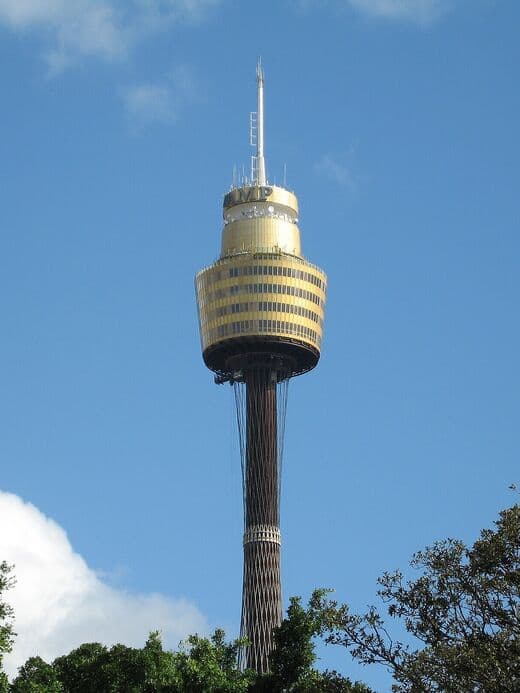
Day 7: Depending on departure time, morning visit to Sydney Tower Eye for final panoramic views, last-minute shopping in the CBD, or relaxed breakfast at a favorite cafe discovered during the week. Transfer to airport.
10 Days: East Coast Highlights
Ten days allows a taste of both Sydney and the tropical north, though managing the distance requires flights. This itinerary provides iconic experiences without excessive rushing.
Days 1-3: Sydney as outlined in the 7-day itinerary, compressed slightly. Focus on the harbor, beaches, and Blue Mountains day trip.
Day 4: Morning flight to Cairns. Afternoon settling in and exploring the Esplanade lagoon and waterfront. Evening tropical sunset and dinner at one of Cairns' excellent Asian-fusion restaurants.
Day 5: Full-day Great Barrier Reef tour. Book a quality operator visiting the outer reef with time for multiple snorkeling sessions. Marine biologist interpretation adds significantly to the experience. Return exhausted but elated.
Day 6: Day trip to Daintree Rainforest. Cross the Daintree River by ferry, visit Mossman Gorge for swimming and Indigenous-guided walks, continue to Cape Tribulation where reef meets rainforest. Wildlife spotting includes cassowaries if lucky. Return to Cairns.
Day 7: Skyrail Rainforest Cableway up to Kuranda, returning via the Kuranda Scenic Railway for a full-day loop with canopy perspectives and mountain village exploration. Alternatively, visit the Atherton Tablelands for waterfalls, crater lakes, and platypus spotting.
Day 8: Fly to Melbourne. Afternoon exploring the CBD, laneways, and Federation Square area. Evening dining in one of Melbourne's excellent restaurants, perhaps in Degraves Street or surrounding laneways.
Day 9: Melbourne day. Morning at Queen Victoria Market, then laneway exploration including Hosier Lane street art. Afternoon at National Gallery of Victoria or Melbourne Museum. Walk through Royal Botanic Gardens in the evening.
Day 10: Depending on departure time, morning trip to Brighton Beach for iconic bathing boxes photos, or join a half-day Great Ocean Road tour to see the Twelve Apostles. Return for departure.
14 Days: Comprehensive East and Red Centre
Two weeks allows for a more complete Australian experience including the spiritual heart of the continent. This itinerary requires careful flight planning but provides lasting memories.
Days 1-4: Sydney in depth. Include all the highlights from the 7-day itinerary plus a day trip to the Hunter Valley wine region or a day exploring the Royal National Park south of the city.
Days 5-7: Cairns and surrounds. Day 5: arrive and settle in. Day 6: Great Barrier Reef snorkeling or diving. Day 7: Daintree rainforest exploration.
Day 8: Fly to Alice Springs. Afternoon exploring the town, including the excellent Desert Park if time permits. Early night to prepare for early departure.
Day 9: Drive or tour to Uluru (about 5 hours if driving). Afternoon arrival allows time for the sunset viewing area experience, watching the rock change color as the sun falls. Evening Field of Light installation if available.
Day 10: Sunrise at Uluru followed by base walk circumnavigation. Afternoon at Kata Tjuta (the Olgas), walking the Valley of the Winds. Visit the Cultural Centre for Indigenous context. Second sunset at Uluru.
Day 11: Optional extension to Kings Canyon (three hours drive), or return to Alice Springs. Those with time do the Kings Canyon rim walk, one of Australia's most spectacular short hikes. Fly to Melbourne in the evening.
Days 12-14: Melbourne in depth. Day 12: CBD exploration, laneways, and galleries. Day 13: full-day Great Ocean Road trip including Twelve Apostles, Kennett River koalas, and coastal scenery. Day 14: morning at markets or beaches, departure.
21 Days: The Ultimate Australian Journey
Three weeks allows for a truly comprehensive Australian experience, though even this timeframe requires choices about what to prioritize. This itinerary covers the major highlights while allowing time to actually experience rather than just photograph.
Days 1-5: Sydney thoroughly explored. All harbor highlights, beaches, Blue Mountains, Hunter Valley, and time to relax without constant scheduling.
Days 6-9: Fly to Brisbane. Day 6: Brisbane exploration including Streets Beach and Story Bridge. Day 7: Lone Pine Koala Sanctuary and Kangaroo Point. Days 8-9: Drive to the Gold Coast, exploring Burleigh Heads, Currumbin Wildlife Sanctuary, and hinterland rainforests including Springbrook and Lamington national parks.
Days 10-13: Fly to Cairns. Day 10: arrive and settle. Day 11: Great Barrier Reef. Day 12: Daintree Rainforest and Cape Tribulation. Day 13: Skyrail and Kuranda, or Atherton Tablelands with waterfalls and wildlife.
Days 14-16: Fly to Alice Springs, then to Uluru. Two full days at Uluru allows for thorough exploration including base walk, Cultural Centre, multiple sunrises and sunsets, and the Field of Light. Optional extension to Kings Canyon if time allows.
Days 17-19: Fly to Melbourne. Day 17: CBD and laneways. Day 18: full Great Ocean Road experience, potentially with overnight stay in Apollo Bay for the most relaxed experience. Day 19: continue Great Ocean Road or return for Melbourne galleries and markets.
Days 20-21: Options depending on interests. Fly to Tasmania for two days focused on Hobart, MONA, and Mount Wellington. Or stay in Melbourne for deeper exploration. Or fly to Perth for a taste of Western Australia including Kings Park, Fremantle, and beach culture. Day 21: departure.
Connectivity: Staying Connected
Australia has reliable mobile coverage in populated areas and along major highways, but vast stretches of the Outback remain completely without signal. Planning for connectivity depends heavily on your itinerary.
Mobile Service
The major carriers are Telstra (best coverage, highest prices), Optus (good coverage, moderate prices), and Vodafone (urban-focused, lower prices). Telstra is the only carrier with coverage in remote areas; if you are driving the Outback or visiting remote regions, Telstra is the only practical choice.
Prepaid SIM cards are available at airports, convenience stores, and carrier shops. Bring your passport for ID verification. Plans typically include data, calls, and texts for 28 or 30 days. AUD 30-50 (USD 20-33) provides enough data for typical tourist use. International roaming from US or UK carriers is expensive; local SIMs offer far better value for stays exceeding a few days.
WiFi is widely available at accommodations, cafes, and airports, though speeds vary. Free public WiFi exists in some city centers and libraries. Major chains and fast food restaurants typically offer customer WiFi.
Emergency Communication
For remote travel, consider a satellite messenger or personal locator beacon (PLB). These devices allow emergency communication where mobile coverage does not exist. Some rental car companies offer satellite phones for Outback journeys. The EPIRB (Emergency Position Indicating Radio Beacon) 406 frequency is monitored by Australian maritime authorities and triggers rescue response when activated.
Triple-zero (000) works from any mobile phone, including those without SIM cards or credit. The emergency operator connects you with police, ambulance, or fire services. In remote areas, be prepared to describe your location precisely, as response times may be long.
Food and Drink: The Australian Culinary Scene
Australian food has evolved dramatically over recent decades from the meat-and-three-veg traditions of its British heritage into one of the world's most exciting and diverse culinary scenes. The combination of exceptional produce, multicultural influences, and serious passion for quality creates dining experiences that regularly surprise visitors.
Modern Australian Cuisine
Modern Australian cuisine defies easy categorization, drawing freely from Asian, European, and Middle Eastern traditions while using the country's exceptional local produce. Fresh seafood, grass-fed beef and lamb, diverse vegetables, and native ingredients combine in ways that feel innovative without being gimmicky.
Native ingredients deserve attention. Bush tomatoes, lemon myrtle, finger limes, Davidson plums, wattleseed, and kangaroo meat appear on contemporary menus, adding distinctly Australian flavors to familiar techniques. Restaurants like Attica in Melbourne and Quay in Sydney have achieved international recognition for their creative use of local and native ingredients.
Seafood quality is exceptional given the extensive coastline and clean waters. Sydney rock oysters are world-renowned. Barramundi appears on menus throughout the tropical north. Moreton Bay bugs, a type of lobster, feature in Queensland cuisine. The Sydney Fish Market is the largest seafood market in the Southern Hemisphere and an essential visit for food lovers.
Asian Influence
Asian immigration has profoundly shaped Australian eating, particularly in Melbourne and Sydney. Chinese, Vietnamese, Thai, Japanese, Korean, and Malaysian communities have created dining scenes rivaling those found in Asia itself. Chinatowns in both cities offer authentic regional cuisines, while suburban strips provide even more variety for those willing to explore.
Vietnamese food is particularly strong, with pho, banh mi, and rice paper rolls available throughout the country. Thai restaurants range from hole-in-the-wall shops to fine dining establishments. Japanese food has moved far beyond sushi into izakaya, ramen bars, and kaiseki dining. Korean fried chicken has become ubiquitous.
Fusion approaches blend these influences freely. A single street might offer Korean-Mexican tacos, Japanese-Italian pasta, and Chinese-Peruvian combinations. This culinary creativity reflects the genuine multiculturalism of Australian society rather than appropriation or gimmickry.
Cafe Culture
Australia's cafe culture is arguably the world's most developed. Coffee is taken seriously, with barista skills valued and cafes competing on bean sourcing, roasting, and preparation. The flat white, invented in Australia (sorry New Zealand), has conquered the world but remains best experienced in its homeland.
Expect excellent coffee at almost any urban cafe. Ordering is simple: flat white (espresso with steamed milk and minimal foam), cappuccino (espresso with foamed milk and chocolate dusting), long black (espresso with hot water, equivalent to Americano), latte (espresso with more milk than a flat white), and piccolo (single shot with steamed milk in small glass). Filter coffee and cold brew have gained popularity for those wanting lower intensity.
Cafe breakfasts and brunches are institutions, with avocado toast becoming almost cliche but still delicious when done well. Menus typically feature eggs in creative preparations, banana bread, acai bowls, grain bowls, and increasingly excellent pastries as French-trained bakers have improved the local scene.
Pub Food and Barbecue
Australian pubs have transformed from beer-focused drinking establishments into genuine dining destinations. The "gastro pub" trend has elevated pub food, though classic pub staples like chicken parmigiana, fish and chips, and steak remain popular and reliable.
Barbecue is central to Australian social life, though different from American traditions. Gas barbecues are common, with charcoal and smoking less prevalent. Free public barbecues in parks allow visitors to participate in this tradition. Sausages (snags), burgers, steaks, and lamb chops are standard. Barbecue sauce, tomato sauce, and mustard provide the condiments.
Regional Specialties
Melbourne claims the country's most diverse food scene, with particularly strong Greek, Italian, Vietnamese, and Ethiopian communities creating concentrated dining precincts. The inner-north suburbs of Carlton, Fitzroy, and Brunswick offer endless exploration.
Sydney excels in seafood and features strong Asian communities, particularly Chinese and Thai. The Vietnamese hub of Cabramatta in the outer suburbs requires effort to reach but rewards with authentic cooking unavailable in more accessible areas.
Tropical Queensland brings seafood and Asian influences together, with mud crab, prawns, and reef fish featuring prominently. The Torres Strait Islander cuisine of the far north remains little known but represents a distinct culinary tradition worth seeking out.
Tasmania has developed a reputation for premium produce including oysters, cheese, salmon, and cool-climate wines. The food scene in Hobart has grown dramatically, though it remains small by mainland standards.
Western Australia's isolation has fostered local food cultures, with excellent Asian food in Perth reflecting the city's proximity to Southeast Asia. Margaret River wine region combines outstanding wines with farm-to-table dining.
Drinks
Australian wine needs little introduction. The Barossa Valley and McLaren Vale in South Australia produce world-class shiraz. Hunter Valley near Sydney specializes in semillon. Yarra Valley outside Melbourne excels in pinot noir and chardonnay. Margaret River in Western Australia offers excellent cabernet sauvignon and chardonnay. Cellar door tastings are typically free or low cost and provide excellent value.
Beer culture has evolved from the dominance of large breweries like VB and XXXX into a thriving craft scene. Local breweries produce excellent IPAs, pale ales, and lagers throughout the country. State loyalties persist, with Queenslanders drinking XXXX, South Australians Coopers, and Victorians various local options.
Cocktail culture thrives in Melbourne and Sydney, with speakeasy-style bars hidden in laneways and basements offering creative drinks and intimate atmospheres. Discovering these requires research or local knowledge, but the hunt is part of the fun.
Budget Eating
Eating well on a budget is possible with strategy. Food courts in shopping centers offer diverse options at lower prices than standalone restaurants. Takeaway shops provide generous portions of Asian food, fish and chips, and kebabs. Supermarkets like Coles and Woolworths stock fresh produce, prepared foods, and picnic supplies for beach or park meals.
Happy hours at bars often include discounted food. Early bird specials at restaurants can reduce dinner costs. The free barbecues in parks provide self-catering options with ambiance. Markets like the Queen Victoria Market offer fresh produce and prepared foods at reasonable prices.
Shopping: What to Buy and Where
Australian shopping caters well to visitors seeking both practical items and distinctive souvenirs. The country produces quality goods in several categories that make excellent purchases or gifts.
Aboriginal Art
Contemporary Aboriginal art represents Australia's most significant contribution to the global art world. Prices range from affordable prints (AUD 50-200) to major works by established artists (AUD 10,000+). Ensure you purchase from ethical sources that properly compensate Indigenous artists. Reputable galleries display certificates of authenticity and can explain the provenance and story of each work.
Alice Springs has the highest concentration of quality Aboriginal art galleries, representing desert artists from surrounding communities. Sydney and Melbourne galleries offer broader selections including work from Arnhem Land, the Tiwi Islands, and urban Aboriginal artists. Avoid airport shops and tourist traps that may sell mass-produced imitations.
Australian Fashion
Australian fashion brands have achieved international recognition for relaxed yet sophisticated style. Camilla offers vibrant prints and kaftans. Zimmermann creates feminine dresses and swimwear. Country Road provides accessible smart-casual options. RM Williams makes the iconic elastic-sided boots and leather goods worn by everyone from farmers to financiers.
Swimwear and beachwear are logical purchases given the beach culture. Seafolly and Jets offer quality options. UGG boots originated in Australia and, while controversial for their appearance, provide genuine comfort and warmth. Akubra hats are the iconic wide-brimmed felt hats seen throughout rural Australia.
Food and Wine
Australian wines offer excellent value and quality for transport home, though airline luggage limits and customs restrictions require consideration. Premium bottles from small producers often cost far less in Australia than overseas. Specialty food items like macadamia nuts, Vegemite (the love-it-or-hate-it spread), Tim Tams (chocolate biscuits that inspire devotion), and native food products make edible souvenirs.
Duty-free shopping at departure offers savings on wine, spirits, and perfumes. Australian duty-free allowances are generous, though check your home country's import limits.
Outdoor Gear
Quality outdoor gear reflects Australia's active lifestyle. Patagonia and other international brands have Australian presence, while local brands like Kathmandu and Macpac offer good value. Sunglasses, sun protection clothing, and quality swimwear make practical purchases.
Opals
Australia produces around 95% of the world's opals, with Lightning Ridge black opals being the most valuable. Purchasing opals requires knowledge to avoid poor quality or overpriced stones. Reputable dealers provide certificates and education. Coober Pedy in South Australia is the opal capital, while Sydney and Melbourne have established dealers.
Markets
Markets offer both bargains and atmosphere. Queen Victoria Market in Melbourne is the largest open-air market in the Southern Hemisphere. The Rocks Markets in Sydney operate weekends in the historic Rocks district. Craft markets throughout the country feature local makers and artists. Night markets in tropical areas combine food, shopping, and entertainment.
Essential Apps: Digital Tools for Your Trip
Several apps significantly improve the Australian travel experience. Download these before departure to ensure they work when needed.
Google Maps: Works throughout Australia with good accuracy. Download offline maps for areas with limited connectivity before heading to remote regions.
Transport apps: Opal Travel for Sydney, PTV for Melbourne, TransLink for Queensland. These show real-time arrivals, plan routes, and increasingly allow payment.
Bureau of Meteorology (BOM): Australia's official weather app provides the most accurate local forecasts, essential for planning beach days and hiking.
Uber/Ola: Both rideshare services operate throughout major cities and many regional areas.
CamperMate: Essential for road trippers, showing camping sites, dump stations, fuel, and services throughout Australia and New Zealand.
WikiCamps: Another camping resource with user reviews and detailed facility information.
Beachsafe: Surf Life Saving Australia's app showing beach conditions, patrol times, and safety information.
Fuel Map Australia: Real-time fuel prices help find the cheapest options, particularly valuable on long drives.
Emergency+: Provides GPS coordinates when calling triple-zero, crucial for remote emergencies.
Conclusion: Your Australian Adventure Awaits
Australia delivers on its promises in ways that many destinations cannot match. The natural wonders are genuinely spectacular. The wildlife actually appears. The beaches really do glow with colors you thought existed only in photographs. The people are authentically friendly. The food and coffee have become world-class. And the sense of space and possibility that pervades the country provides a particular kind of freedom that crowded corners of the world cannot offer.
But Australia also asks something of visitors: respect for distance, acceptance that not everything can be seen in one trip, preparation for environmental extremes, and willingness to engage with perspectives and stories that may challenge comfortable assumptions. The best Australian experiences come to those who slow down, choose a region to explore thoroughly, and remain open to the unexpected.
The Indigenous concept of Country offers perhaps the best framework for understanding Australia. Country is not just physical land but a web of relationships extending through time, connecting people to specific places through story, responsibility, and belonging. Visitors who approach Australia as living Country rather than passive destination find deeper experiences than those who merely tick off landmarks.
Plan your trip carefully, considering the seasons, distances, and your genuine interests. Accept that you cannot see everything and resist the temptation to cram too much into limited time. Budget for quality experiences over quantity of activities. Allow time for spontaneity and rest. And prepare to fall in love with a country that, for all its dangers and distances, offers experiences found nowhere else on Earth.
Whether you come for the reef, the Outback, the cities, the wildlife, or some combination of these, Australia rewards the journey. The long flights shrink into irrelevance when you are floating over coral gardens or watching the sun set over Uluru. The expense fades when you are laughing with locals at a country pub or spotting your first wild koala. The foreignness becomes excitement rather than discomfort as you settle into the rhythm of Australian life.
This guide has provided the practical information you need to plan your journey. Now the adventure is yours to create. Australia is waiting, vast and wild and beautiful, ready to show you things you have never seen and introduce you to ways of being you have never imagined. The plane ticket is just the beginning. What you discover here will stay with you forever.
Safe travels, and welcome to Australia.