Brisbane
Brisbane 2026: What You Need to Know Before You Go
Brisbane is Australia's third-largest city, and for years it lived in the shadow of Sydney and Melbourne. But that is exactly what makes it so appealing: there are no crowds of selfie-stick-wielding tourists clogging every viewpoint, yet you get 261 sunny days a year, a river that winds lazily through the entire city, and the vibe of a laid-back subtropical paradise where you can hear cockatoos screeching even in the middle of downtown. The 2032 Olympics are coming, and the city is transforming fast - but right now, in 2026, you still get the sweet spot between 'hidden gem' and 'world-class destination.'
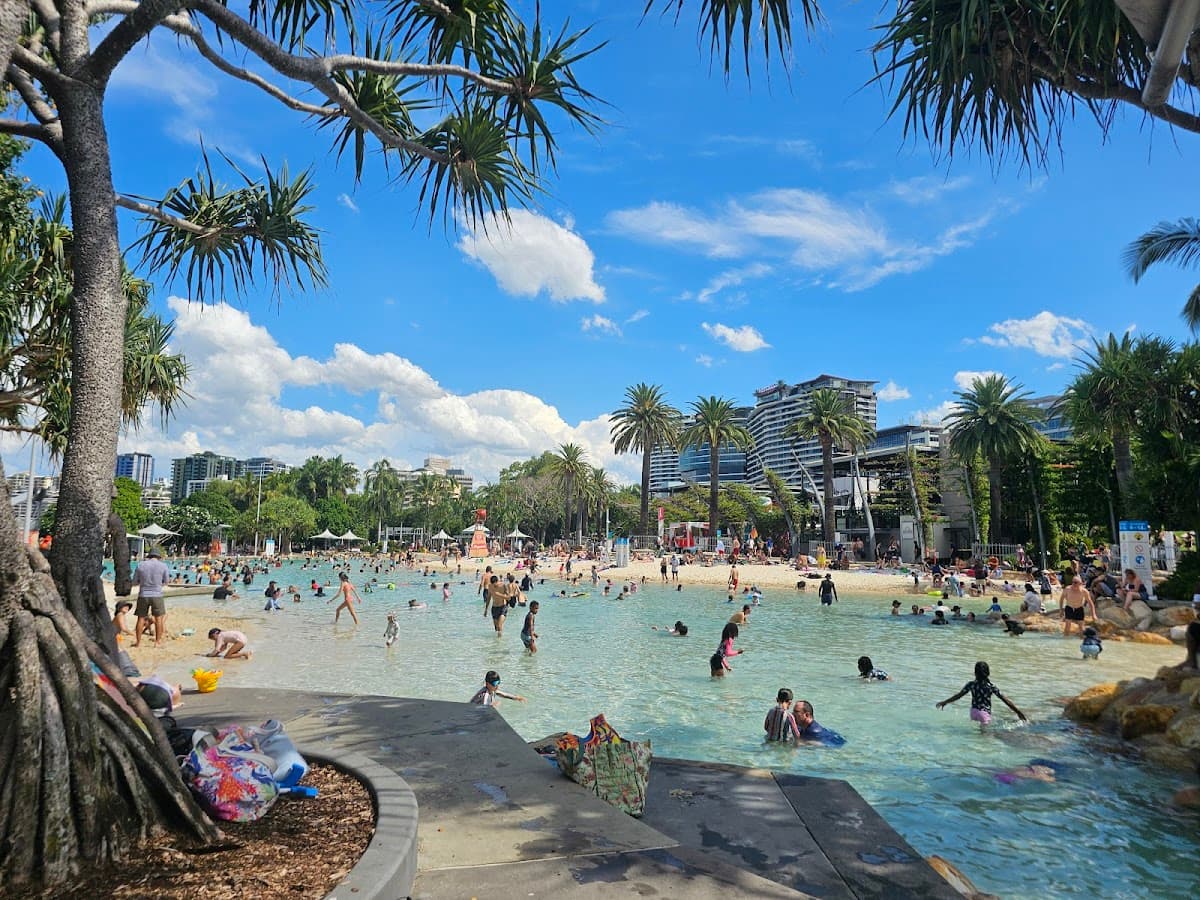
Brisbane is not a city you visit for one or two iconic landmarks. It is a city you visit for the feeling. The feeling of eating fish and chips on a man-made beach in the middle of a metropolis. The feeling of watching the sun set over the river from Kangaroo Point Cliffs while rock climbers dangle beneath you. The feeling of holding a koala at Lone Pine Koala Sanctuary - the world's oldest and largest koala sanctuary - and realizing this is a genuinely unique experience you cannot replicate anywhere else on Earth.
In short: Brisbane is worth visiting for the cultural precinct of South Bank Parklands with its free city beach, the koalas at Lone Pine, panoramic views from Mt Coot-tha Lookout, the riverside dining scene at Howard Smith Wharves, and the nightlife in Fortitude Valley. Plan 4 to 5 days for the city itself, plus day trips to the islands and hinterland.
Brisbane Neighborhoods: Where to Stay and What to Expect
Brisbane is a city of neighborhoods, each with a distinct personality. Unlike Sydney, where everything revolves around the harbour, Brisbane spreads out along the river, and the neighborhood you choose as your base will shape your entire trip. Here is an honest breakdown of the seven areas that matter most.
CBD (Central Business District)
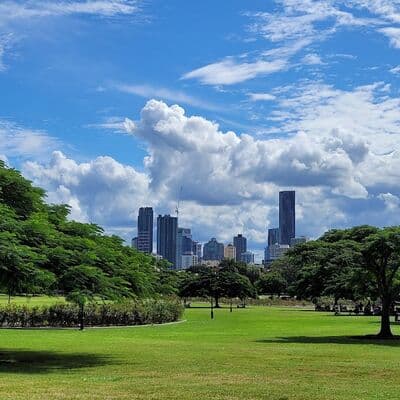
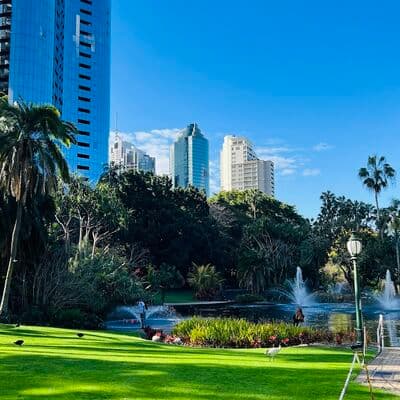
The obvious starting point. Brisbane's CBD is compact and walkable, with Queen Street Mall as its commercial spine. It is convenient - close to public transport, the City Botanic Gardens, and the ferry terminals - but it can feel a bit sterile after business hours. Hotels here range from budget chains (around AUD 120-150 per night) to luxury options like the W Brisbane (AUD 350+). If you value convenience over character, this is your pick. The gardens are genuinely lovely for a morning run, and being central means you can walk to South Bank in 15 minutes across the Goodwill Bridge.
South Bank and South Brisbane
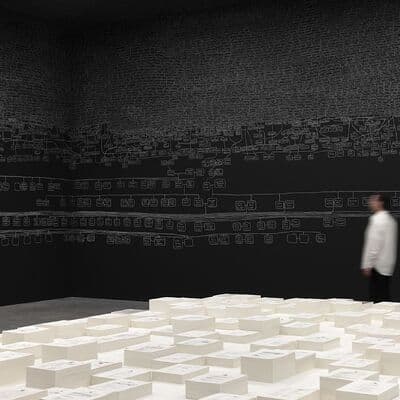
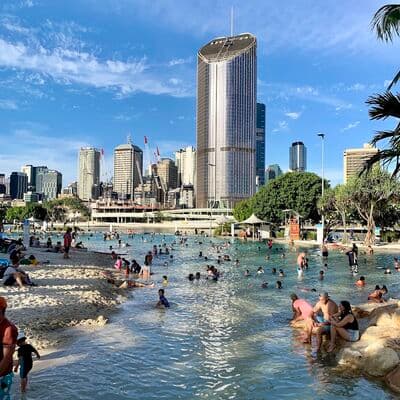
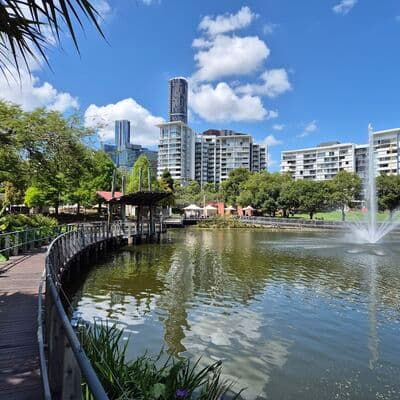
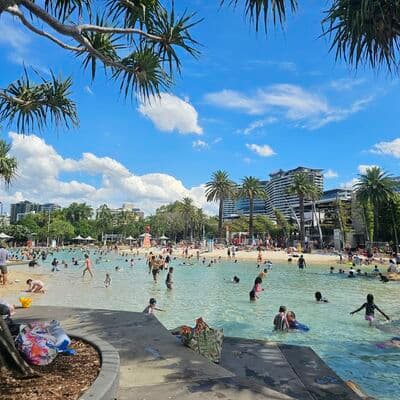
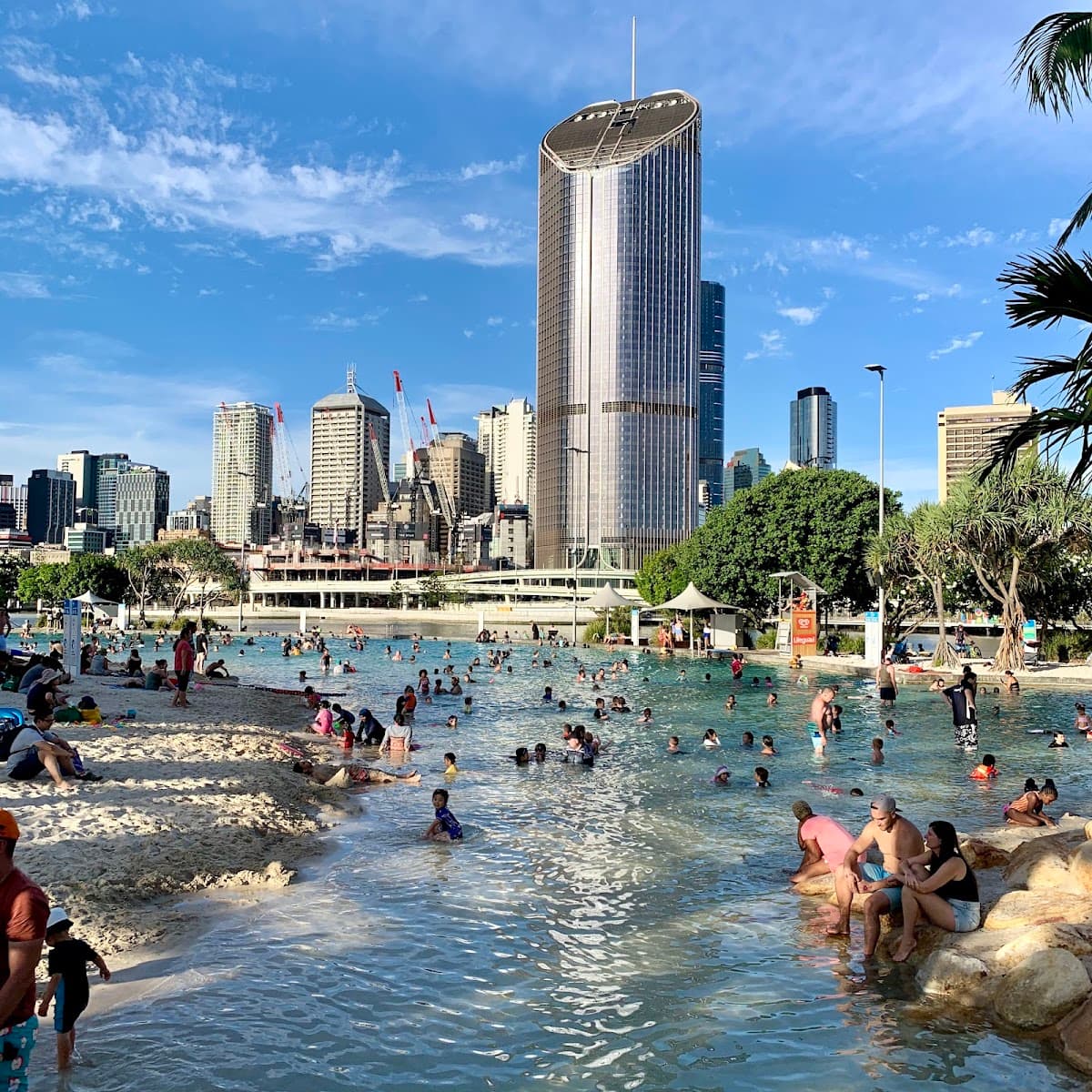
This is where most visitors spend the bulk of their time, and for good reason. South Bank Parklands stretch along the river with free BBQs, walking paths, restaurants, and the famous Streets Beach - a man-made lagoon beach right in the city center that is completely free to use. The cultural institutions cluster here too: Queensland Museum (free entry), Gallery of Modern Art (GOMA) (free entry for permanent collections), and the State Library. Accommodation in South Bank tends to be mid-range to upscale, with apartments on Airbnb averaging AUD 150-200 per night. The downside? It gets busy on weekends, especially around the beach area. But honestly, 'busy' in Brisbane is nothing compared to Bondi Beach on a Saturday.
Fortitude Valley
Fortitude Valley - locals just call it 'The Valley' - is Brisbane's entertainment district. This is where you go for live music, craft cocktails, late-night eats, and the city's best nightlife. James Street within the Valley is the upscale shopping strip, with designer boutiques, specialty coffee shops, and excellent brunch spots. Chinatown is here too, with Duncan Street offering authentic Asian food at reasonable prices (lunch sets from AUD 12-15). Stay in the Valley if you are under 35 and want to be close to the action. The noise can be an issue on Friday and Saturday nights, so request a room away from the main strip. Budget hostels start at AUD 30-40 per night for a dorm bed.
New Farm and Teneriffe
If you want to live like a Brisbane local, these adjacent riverside suburbs are the answer. New Farm Park is one of the city's most beautiful green spaces, with enormous fig trees and jacarandas that turn purple in October-November. Teneriffe has converted wool stores that are now trendy apartments, plus a fantastic weekend farmers market at the Brisbane Powerhouse. This area is quieter, more residential, and feels like a village within the city. Accommodation is mostly apartments and boutique stays, averaging AUD 140-180 per night. The CityCat ferry connects you to the CBD in about 15 minutes, and the ride itself is one of the best free sightseeing experiences in Brisbane (well, AUD 3.50 with a go card, but still).
West End
Brisbane's bohemian quarter. West End is multicultural, arty, and a bit rough around the edges in the best possible way. Boundary Street is the main drag, lined with independent bookshops, vintage stores, Ethiopian restaurants, Greek tavernas, and vegan cafes. The weekend Davies Park Market (Saturday mornings, 6am to 2pm) is one of the best farmers markets in the city. This neighborhood has the best value for food - you can eat extremely well for AUD 15-20 per meal. Accommodation is mostly apartments and a few boutique hotels, slightly cheaper than South Bank. West End is walkable to South Bank in about 10 minutes.
Kangaroo Point
A small peninsula jutting into the river, Kangaroo Point is best known for its dramatic cliffs - actually old quarry walls - that now serve as one of the city's best viewpoints and outdoor rock climbing spots. The area is quiet and residential, with a few hotels and serviced apartments. The main advantage is the view: sunset from the cliffs, looking across to the CBD skyline, is genuinely one of the best urban views in Australia. The downside is that there is not much to do in the immediate area beyond the cliffs and a few restaurants. You will need to ferry or drive to most attractions. Good for couples seeking a quiet base with a view.
Paddington and Rosalie
Up on the hill west of the CBD, Paddington is Brisbane's heritage suburb. The streets are lined with 'Queenslander' houses - those iconic elevated timber homes with wide verandahs and ornate lacework. Latrobe Terrace and Given Terrace form the main shopping strip, with antique stores, independent cafes, and some of Brisbane's best restaurants. It is a 10-minute drive or a 25-minute walk downhill to the CBD. Not the most convenient base for sightseeing, but a lovely area to explore for an afternoon. The Paddington Antique Centre is worth a browse even if you are not buying.
Best Time to Visit Brisbane
Brisbane's subtropical climate means you can visit year-round, but some months are significantly better than others. Here is the honest version that the tourism boards will not tell you.
Best months: May to October (dry season). This is Brisbane at its finest. Days are warm and sunny (20-25 degrees Celsius, or 68-77 Fahrenheit), nights are cool and pleasant, humidity is low, and rain is rare. June to August is technically 'winter,' but Brisbane's winter is what most Northern Hemisphere travelers would call 'perfect spring weather.' You will need a light jacket in the evening, and that is about it. September and October bring warming temperatures and the start of jacaranda season - the purple-flowered trees that make the whole city look like an Instagram filter.
Shoulder months: April and November. April is the tail end of the wet season - occasional afternoon storms but mostly pleasant. November is when it starts heating up seriously, and you will begin to feel the humidity. Both months offer lower accommodation prices and fewer visitors. If you can handle the occasional rain in April or the building heat in November, these are good value months.
Months to avoid: December to March (wet season). This is when Brisbane turns into a steam room. Temperatures sit between 30-35 degrees Celsius (86-95 Fahrenheit) with humidity around 70-80 percent. Afternoon thunderstorms are almost daily - dramatic and impressive, but they can ruin outdoor plans. January and February are the worst, with occasional flooding risks. The upside? Accommodation is cheaper, the city has a tropical energy, and the storms create spectacular sunsets. If you are from Southeast Asia or the southern US, you will probably handle the humidity fine. If you are from the UK or Canada, brace yourself.
Major events to plan around: Brisbane Festival (September) brings three weeks of arts, music, and performance across the city, culminating in Riverfire - a massive fireworks display over the river. Ekka (Royal Queensland Show) in August is the state's biggest agricultural show and a Brisbane institution. If you are here during Ekka, try the famous strawberry sundaes. During these events, book accommodation well in advance - prices spike 30-50 percent.
Brisbane Itinerary: How to Spend 3, 5, or 7 Days
3 Days: The Essential Brisbane
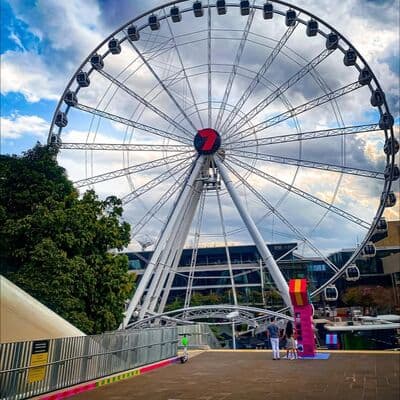
Day 1 - South Bank and the River. Start your morning at South Bank Parklands. Walk the riverside promenade, take a dip at Streets Beach (opens at 7am, free entry, bring your own towel), and explore the cultural institutions. GOMA is genuinely world-class - the permanent collection is free, and the temporary exhibitions (AUD 15-25) are almost always worth it. Grab lunch at one of the South Bank restaurants (budget AUD 20-30 for a main). In the afternoon, take the free CityHopper ferry along the river or walk across to the City Botanic Gardens. End the day at Kangaroo Point Cliffs for sunset - arrive by 4:30pm in winter or 5:30pm in summer to grab a good spot. If you want the elevated perspective, the Wheel of Brisbane at South Bank costs AUD 21 for adults and gives you a slow 12-minute panoramic ride.
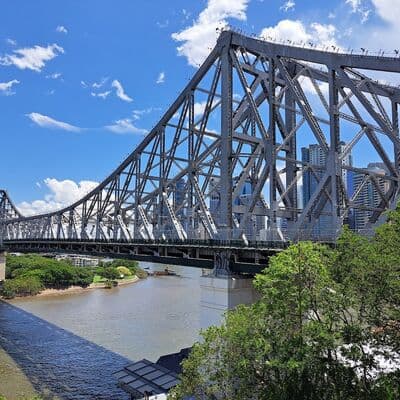
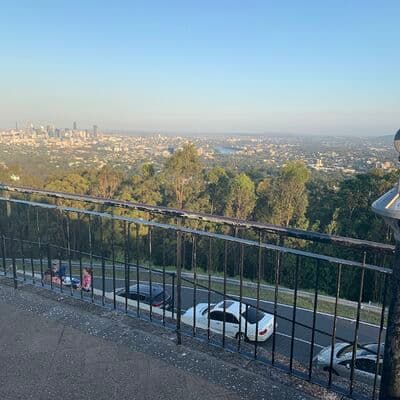
Day 2 - Lone Pine and Mt Coot-tha. Dedicate this day to two of Brisbane's most iconic experiences. Morning: head to Lone Pine Koala Sanctuary, about 12km southwest of the CBD. The best way to get there is the Mirimar boat cruise from South Bank (AUD 85 round trip including sanctuary entry, departs 10am) - it is a 75-minute scenic cruise up the Brisbane River. The sanctuary itself is magical: you can hold a koala (AUD 30 for a photo, book online), hand-feed kangaroos and emus (included in entry), and see platypuses, wombats, and Tasmanian devils. Allow 2-3 hours. Afternoon: take a bus or drive to Mt Coot-tha Lookout (bus 471 from the city, about 20 minutes). The lookout offers a 360-degree view of the entire city, from the CBD skyline to the Glass House Mountains in the distance. The summit restaurant does decent coffee and cake. The Brisbane Botanic Gardens at the base of Mt Coot-tha are different from the City Botanic Gardens and worth 30-60 minutes if you have time. Evening: dinner at Howard Smith Wharves - book ahead at Felons Brewing Co or Greca for riverside dining under the Story Bridge.
Day 3 - Neighborhoods and Culture. Spend your final day exploring Brisbane's distinct neighborhoods. Morning: brunch in Fortitude Valley on James Street (try Gerard's Bistro or Watt), then browse the boutiques and specialty stores. Late morning: walk or bus to New Farm Park for a riverside stroll under the fig trees. If it is Saturday, do not miss the Jan Powers Farmers Markets at the Brisbane Powerhouse (6am-12pm). Afternoon: explore West End's Boundary Street for vintage shopping, independent bookstores, and multicultural food. Walk through to South Bank for a final swim at Streets Beach. If you have energy, Roma Street Parkland - a massive botanical garden right in the CBD - is perfect for a late afternoon wander.
5 Days: Going Deeper
Days 1-3: Follow the 3-day itinerary above.
Day 4 - Moreton Island or North Stradbroke Island. Take a day trip to one of Brisbane's nearby islands. Moreton Island (90-minute ferry from the Port of Brisbane) offers snorkeling around the Tangalooma Wrecks - 15 deliberately sunk ships that have become an artificial reef teeming with fish and sea turtles. You can book a day trip through Tangalooma Island Resort (around AUD 130-160 including ferry and snorkeling gear). North Stradbroke Island ('Straddie' to locals) is the more low-key option: 50 minutes by ferry from Cleveland, with beautiful beaches, coastal walks, and dolphin and whale watching (June to November). Both islands let you see a completely different side of the Brisbane region - wild, sandy, and uncrowded.
Day 5 - Hidden Brisbane. Dedicate a day to the experiences most tourists miss. Morning: climb the Story Bridge - Brisbane's answer to the Sydney Harbour Bridge climb, but less crowded and with arguably better views (from AUD 149, twilight climbs are the best). After that, walk down to Howard Smith Wharves for a late breakfast. Afternoon: take the CityCat ferry the full length of the route, from the University of Queensland to Northshore Hamilton - it takes about an hour and costs AUD 3.50 with a go card. This is the cheapest sightseeing cruise in Australia. Evening: head to Fortitude Valley for live music - The Triffid, The Zoo, or Black Bear Lodge all have excellent lineups most nights, with tickets typically AUD 15-40.
7 Days: The Full Brisbane Experience
Days 1-5: Follow the 5-day itinerary above.
Day 6 - Sunshine Coast or Gold Coast. Use Brisbane as a base for a day trip north or south. The Sunshine Coast (90 minutes north by car or train) offers the charming hinterland villages of Montville and Maleny, the Glass House Mountains for hiking, and Noosa's elegant beach town atmosphere. The Gold Coast (80 minutes south) has its famous surf beaches, the towering skyline of Surfers Paradise, and excellent theme parks (Dreamworld, Movie World, Sea World) if that is your thing. Both coasts are well-connected by train - the Queensland Rail network runs regular services from Brisbane Central station.
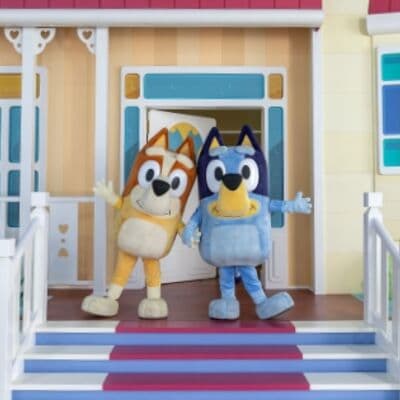
Day 7 - Relaxation and Farewells. Use your last day for anything you missed or want to revisit. Morning: return to South Bank for a final swim and brunch. Visit Queensland Museum if you skipped it earlier (the dinosaur garden and the Sparklab interactive science center are highlights). Afternoon: pick up souvenirs at the South Bank markets (Friday evening, Saturday, and Sunday) or browse the boutiques in Paddington. If you have kids, Blueys World is a fantastic interactive experience based on the beloved Australian animated show - book tickets online as it sells out frequently. End your trip with sunset drinks at one of the rooftop bars in the CBD: Sixteen Antlers or Elixir Rooftop Bar both offer panoramic city views.
Where to Eat in Brisbane
Brisbane's food scene has quietly become one of Australia's best, and it punches well above what most visitors expect. The city benefits from incredible local produce - Moreton Bay bugs (a type of slipper lobster), Queensland mangoes, Sunshine Coast seafood, and Darling Downs beef - combined with a multicultural population that brings authentic flavors from every corner of the world.
Budget eats (under AUD 20): West End's Boundary Street is your best bet for affordable, excellent food. Try Burrito Bar for generous Mexican wraps (AUD 13-16), Morning After for huge breakfast plates (AUD 14-18), or any of the Vietnamese spots on Hardgrave Road for pho at AUD 14-16. In Fortitude Valley, the Chinatown area on Duncan Street offers authentic Chinese, Korean, and Thai food with lunch specials around AUD 12-15. For the absolute cheapest option, the Eat Street Northshore markets (Friday and Saturday evenings, AUD 5 entry) let you graze through 50+ food stalls with portions starting at AUD 8-12.
Mid-range (AUD 20-50): Howard Smith Wharves is the dining precinct everyone talks about, and for good reason. Felons Brewing Co serves excellent pub food and craft beers right on the waterfront (mains AUD 25-38). Greca does modern Greek with stunning river views (sharing plates AUD 18-30). For something completely different, try Mr. Edwards Alehouse and Kitchen in the Valley for upscale pub fare with a local craft beer selection. In New Farm, Ciao Papi does some of the best Italian outside of Italy (pasta AUD 26-32, book ahead for weekend dinners).
Splurge (AUD 50+): For a special occasion, Sono in Portside serves Japanese-inspired fine dining with a tasting menu around AUD 120-150 per person. Bacchus at the Rydges South Bank does modern Australian with an emphasis on Queensland produce (mains AUD 40-55). If you want the ultimate Brisbane food experience, book the long lunch at Restaurant Dan Arnold in Teneriffe - it is consistently rated among the city's best, and the wine list is exceptional. Expect to spend AUD 100-150 per person with drinks.
Brisbane-specific dining tip: Many of the best restaurants do not take reservations through international platforms. Download the 'First Table' app for 50 percent off food bills at top restaurants during early sittings (usually 5-6pm). Also, most Brisbane restaurants are BYO (bring your own wine) on certain nights - check before you go, as it can save you AUD 30-50 on a bottle compared to restaurant markup.
Must-Try Brisbane Food and Drinks
Every city has its signature dishes, and Brisbane's food identity is tied to its subtropical climate, proximity to the ocean, and mix of cultures. Here is what you absolutely must try, with specific places to find the best versions.
Moreton Bay Bugs. These are not insects - they are a type of slipper lobster found in the waters around Brisbane. The meat is sweet and delicate, somewhere between lobster and crayfish. The best preparation is simply grilled with garlic butter. Find excellent versions at Gambaro's in Petrie Terrace (a Brisbane seafood institution since 1953) or at the fish markets in Sandgate. Expect to pay AUD 40-55 for a bug dish at a restaurant.
Lamingtons. Australia's unofficial national cake - sponge cake dipped in chocolate and coated in desiccated coconut. Queensland claims to have invented them (named after Lord Lamington, a former Queensland governor). The best lamingtons in Brisbane are at Flour and Chocolate in Morningside or Chester Street Bakery in New Farm. A proper lamington costs AUD 5-7 and should be moist, not dry. If the sponge crumbles, keep looking.
Mango everything. Queensland produces 80 percent of Australia's mangoes, and from November to February, they are everywhere. Mango smoothies, mango pancakes, mango cheesecake, mango chutney. The Bowen mango (specifically the R2E2 and Kensington Pride varieties) is considered the best. During mango season, you can buy a tray of perfect mangoes at the Rocklea Markets for AUD 10-15 - a fraction of what they cost in Sydney or Melbourne.
XXXX Gold beer. Pronounced 'four-ex,' this is Queensland's iconic beer. It is a mid-strength golden lager (3.5 percent ABV) that locals drink in enormous quantities, especially during summer. Is it the best beer in Brisbane? No. Is it an essential cultural experience? Absolutely. Take the XXXX Brewery tour in Milton (AUD 30, includes tastings) to understand why Queenslanders are so passionate about this objectively average beer. If you prefer craft options, Felons, Newstead Brewing, or Green Beacon are the local favorites.
Pumpkin scones. Queensland has a unique obsession with pumpkin in baked goods, and pumpkin scones are the ultimate expression. Made famous by Flo Bjelke-Petersen (former Premier's wife), these are genuinely delicious - dense, slightly sweet, and best served warm with butter. Find them at country-style bakeries in Paddington or at the Farmers Markets on weekends. They cost AUD 4-6 for a pair and are perfect with a flat white.
Flat white coffee. While the flat white origin story is contested between Australia and New Zealand, Brisbane does it exceptionally well. The local specialty coffee scene has exploded in recent years. Bellissimo Coffee on James Street was the pioneer and still serves one of the best flat whites in the city (AUD 5-6). Other standouts include Fondue in South Brisbane, John Mills Himself in the CBD (housed in a tiny heritage building), and Smoked Paprika in West End. Brisbane coffee culture skews toward lighter roasts and single-origin beans, so tell your barista your preference.
Brisbane Secrets: 11 Tips the Guidebooks Miss
1. The free CityHopper ferry is the best deal in Brisbane. This bright red ferry runs every 30 minutes along the river between North Quay, South Bank, Maritime Museum, Thornton Street, Eagle Street Pier, Holman Street, Dockside, and Sydney Street. It is completely free, operates from 6am to midnight, and gives you a waterfront sightseeing tour that other cities would charge AUD 30+ for. Use it as transportation between neighborhoods - it is often faster than the bus.
2. Streets Beach has showers, lockers, and a lifeguard. Most visitors know about the beach but do not realize the facilities are excellent. There are free showers, toilets, and even a lifeguard on duty during operating hours. What they do not tell you: arrive before 9am on weekends to get a spot on the sand. By 11am it is packed.
3. The best sunset spot is not where you think. Everyone heads to Kangaroo Point Cliffs for sunset, which is great - but locals know that Wilson Outlook Reserve at the top of the cliffs is better than the boardwalk below. Less crowded, wider view, and there is a bench perfectly positioned for golden hour. Another hidden gem: the rooftop of the Emporium Hotel in South Bank during happy hour.
4. Get a go card, not single tickets. Brisbane's public transport fare system penalizes single-ticket buyers. A go card (rechargeable smart card, AUD 10 deposit) gives you approximately 30 percent off every trip. Buy one at 7-Eleven, the airport, or any train station. A single zone trip drops from AUD 5.00 to about AUD 3.50. If you are staying a week, the savings add up fast.
5. The airport train is overpriced - there is a cheaper way. The Airtrain from Brisbane Airport to the CBD costs AUD 21.50 one way (AUD 37.50 return). For a budget option, take bus 590 from the International Terminal to Toombul, then transfer to the train - total cost around AUD 5 with a go card. It takes 20 minutes longer, but saves you AUD 16 per person each way.
6. Free barbecues are everywhere, and they are amazing. Brisbane has hundreds of free public electric BBQs in parks, riverfronts, and beaches. They are clean, hot, and maintained by the council. Buy sausages and steaks from Woolworths or Coles (AUD 8-12 for a pack), BYO salad and bread, and you have a riverside dinner for a fraction of restaurant prices. New Farm Park and South Bank have the best locations.
7. Brisbane has a secret underground system. The Queen Street Mall connects to a network of underground arcades and passageways that many visitors never find. The Wintergarden, MacArthur Chambers, and Brisbane Arcade (heritage-listed, built in 1923) are all connected. Brisbane Arcade in particular has independent jewelers, tailors, and specialty shops that feel like a time capsule. Worth an hour of exploration.
8. Weekday mornings at Lone Pine beat weekends by miles. The sanctuary is significantly less crowded on Tuesday through Thursday mornings. The animals are more active in the cooler morning hours (especially in summer), and you can spend quality time with the kangaroos without fighting for space. Book the earliest koala hold slot available - by afternoon, the koalas have been held multiple times and are visibly less enthusiastic about the experience.
9. The riverfront walk from New Farm to Howard Smith Wharves is stunning. This 3km walk along the river takes you from New Farm Park through the Merthyr boardwalk, under the Story Bridge, and into Howard Smith Wharves. The views are incredible, the path is flat and well-maintained, and you pass through some of Brisbane's most photogenic spots. Allow 45 minutes at a strolling pace, and do it either at sunrise (for photographers) or late afternoon (for golden light on the cliffs).
10. Brisbane tap water is excellent - save your money. Unlike many tourist cities where bottled water is a necessity, Brisbane's tap water is clean, safe, and honestly tastes fine. Carry a reusable bottle and fill up at the many water stations in parks and public spaces. You will save AUD 4-5 per day compared to buying bottled water, and the environmental points are a bonus.
11. Sunday sessions are a Brisbane institution. 'Sunday sesh' is what locals call the tradition of spending Sunday afternoon at a pub or bar with live music, cold drinks, and friends. It starts around 2pm and goes until sunset. The best Sunday sessions in Brisbane are at The Triffid (live music, Valley), Regatta Hotel (riverside, Toowong), and The Wickham (inclusive, Valley). This is where you will meet actual Brisbane locals rather than other tourists - go with the flow, order a jug of XXXX Gold, and make friends.
Getting Around Brisbane: Transport and Connectivity
Brisbane's public transport system is called TransLink, and it covers buses, trains, and ferries across the greater Brisbane area. Compared to Sydney or Melbourne, it is less extensive but perfectly adequate for tourists who stay in the inner suburbs. Here is what you need to know.
Go card essentials. This is non-negotiable. Buy a go card (AUD 10 deposit, refundable) and load it with credit. Tap on when you board, tap off when you exit. The system is zone-based: most tourist destinations are in Zone 1 (inner city), where a single trip costs about AUD 3.50 with a go card. Daily caps apply - once you have spent around AUD 11 in a day, additional trips are free. You can also use contactless credit cards and mobile wallets (Apple Pay, Google Pay) on most services, but you will not get the go card discount.
Ferries are the best way to travel. Brisbane has two ferry networks: the CityCat (fast catamaran service running the length of the river, AUD 3.50 per trip) and the CityHopper (free inner-city ferry, runs every 30 minutes). The CityCat is both practical transport and a sightseeing experience - the full route from UQ to Hamilton takes about an hour and passes through all the major riverside attractions. Ferries run from approximately 5:30am to midnight. The terminals at South Bank, North Quay, Riverside, New Farm Park, and Teneriffe are all useful for tourists.
Buses are reliable but confusing. Brisbane's bus network is extensive, and the main buses you will use are: 199 (free Spring Hill Loop through the CBD), 471 (CBD to Mt Coot-tha), and 430/432 (CBD to Lone Pine area). The buses use the same go card system as ferries and trains. Google Maps gives accurate real-time bus information for Brisbane - use it rather than trying to decipher the TransLink timetables. Bus frequency is good during the day (every 10-15 minutes on major routes) but drops off significantly after 9pm.
Trains are useful for day trips. Brisbane's suburban rail network connects to the Gold Coast (Varsity Lakes line), Sunshine Coast (via Caboolture), and the airport (Airtrain). Within the city, the main stations you will use are Central, Roma Street, South Brisbane, and Fortitude Valley. Trains run every 15-30 minutes during the day, less frequently on weekends. For day trips, book a 'Daily' pass on the go card - unlimited travel within selected zones for AUD 11-15 depending on zones.
Rideshare and taxis. Uber, Ola, and DiDi all operate in Brisbane. Uber is the most popular and widely available. A typical CBD to airport ride costs AUD 25-40 depending on traffic and surge pricing. Taxis are also available but generally more expensive - flag fall is AUD 4.30 plus AUD 2.26 per kilometer. For groups of 3-4, rideshare from the airport is almost always cheaper than the Airtrain.
Driving and parking. If you plan to explore beyond the city (Sunshine Coast, Gold Coast, hinterland), renting a car is recommended. Australians drive on the left side of the road. Major rental companies are at the airport with rates from AUD 50-80 per day for a small car. CBD parking is expensive (AUD 20-40 per day in parking garages), but most inner suburbs have free or metered street parking. The major toll road is the Airport Link tunnel - register your rental car's plate at linkt.com.au to avoid penalty fees. International driving permits are recommended but not always strictly required for short-term visitors from English-speaking countries. Check with your rental company.
Walking and cycling. Brisbane's inner city is very walkable, and the riverside paths are excellent for cycling. The city has a public bike share scheme (currently being updated - check availability when you arrive). The main walking route is the Riverwalk, a dedicated pedestrian and cycling path that connects New Farm to the CBD along the riverfront. Brisbane is also one of the few Australian cities where you can comfortably walk between most major attractions - South Bank to the CBD is 15 minutes, CBD to Fortitude Valley is 20 minutes, and the entire inner-city river loop is about 10km.
Final Verdict: Is Brisbane Worth the Trip?
Brisbane is not trying to compete with Sydney's harbour or Melbourne's laneways. It is doing its own thing - a city where the lifestyle is the attraction. The combination of subtropical weather, genuine natural beauty, a food scene that improves every year, and a population that is friendly without being performative makes Brisbane one of the most underrated cities in the world. You will not find a single thing here that makes your jaw drop the way the Opera House does, but you will find a city where every day is effortlessly enjoyable.
The 2032 Olympics will change Brisbane significantly - infrastructure is being built, neighborhoods are being redeveloped, and prices are already beginning to rise. Visiting now, in 2026, means you get a city that is polished enough to be comfortable but still raw enough to feel authentic. Come for four or five days, budget AUD 150-250 per day (including accommodation), and leave wondering why you did not come sooner. Brisbane is the kind of city that does not try to impress you - and somehow, that is exactly what makes it impressive.