Melbourne
Melbourne 2026: What to Know Before Your Trip
Melbourne is not Sydney. This is the first thing you need to understand, and Melburnians will remind you of it constantly. Where Sydney flaunts its harbor and beaches, Melbourne cultivates its coffee culture, street art, and an almost obsessive dedication to being interesting. It is a city that rewards curiosity and punishes lazy tourism.
The population has grown to nearly 5.5 million, making it Australia's largest city by some measures, depending on how you count the sprawling suburbs. But the Melbourne you will actually experience as a visitor is remarkably compact. The CBD, inner suburbs, and bay-side neighborhoods form a walkable, tramable core that takes perhaps 30 minutes to cross.
Expect to spend more than you planned. Melbourne is expensive by any standard except perhaps Singapore or Zurich. A decent meal costs $25-40 AUD ($16-26 USD), a flat white runs $5-6 AUD ($3.50-4 USD), and accommodation in the center rarely drops below $180 AUD ($115 USD) per night for anything habitable. Budget travelers should prepare for daily costs of at least $150-200 AUD ($100-130 USD) even with careful planning.
The weather will confuse you. Melburnians joke about experiencing four seasons in one day, and this is not an exaggeration. I have personally worn a winter jacket in the morning and stripped down to a t-shirt by afternoon, only to need the jacket again by evening. Always carry layers and never trust the forecast beyond the next few hours. The city sits at the collision point of Antarctic cold fronts and inland heat, creating genuinely unpredictable conditions.
English is obviously the primary language, but Melbourne's extraordinary diversity means you will hear Greek in Oakleigh, Vietnamese in Footscray, Italian in Carlton, and Mandarin throughout Box Hill. This is not just demographic trivia but directly relevant to where you should eat, which is everywhere.
Neighborhoods: Where to Stay and What to Expect
CBD (Central Business District)
The obvious choice and not a bad one. The CBD is where Melbourne keeps its contradictions closest together: gleaming towers next to Victorian-era arcades, homeless encampments within sight of luxury boutiques, and the famous laneways threading through it all. Hotels here range from the opulent (Crown Towers, Park Hyatt) at $400-800 AUD per night to functional business hotels around $180-250 AUD. The location cannot be beaten for first-time visitors.
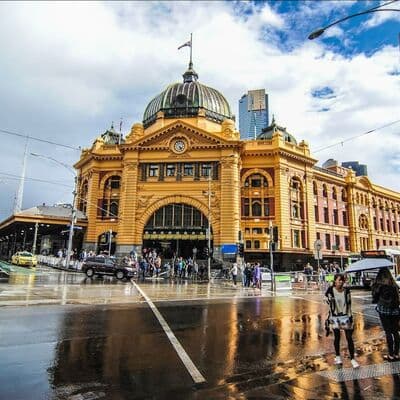
The main draw is walkability. Flinders Street Station, Federation Square, Hosier Lane, Queen Victoria Market, and countless restaurants are all within a 15-minute walk of anywhere in the CBD. The free tram zone covers the entire area, so you never need to pay for transport within these boundaries.
Downsides: noise until late (especially on weekends), limited green space, and the slightly sterile feeling that afflicts all modern business districts. If you want Melbourne's real character, you will need to venture into the inner suburbs.
Fitzroy
Fitzroy is where Melbourne's creative reputation actually lives. Brunswick Street and Gertrude Street are lined with independent bars, vintage shops, galleries, and the kind of restaurants that do not take reservations and do not apologize for it. This is where young Melburnians aspire to live before the rent becomes impossible.
Accommodation options are more limited here but include excellent boutique hotels and Airbnbs in converted warehouses. Expect to pay $150-250 AUD for something with character. The trade-off is being a 15-minute tram ride from the CBD rather than walking distance, but the trams run frequently and the ride is part of the experience.
Fitzroy works best for travelers who prioritize nightlife, independent shopping, and the general sensation of being somewhere genuinely cool rather than just tourist-convenient.
St Kilda
Melbourne's beach suburb, though calling St Kilda Beach beautiful requires charitable interpretation. The sand is decent, the water acceptable for swimming on warm days, and the sunset views across Port Phillip Bay genuinely spectacular. What makes St Kilda worthwhile is the atmosphere: the palm-lined esplanade, the slightly seedy charm of Luna Park, the Sunday market, and the concentration of backpacker hostels that create reliable nightlife.
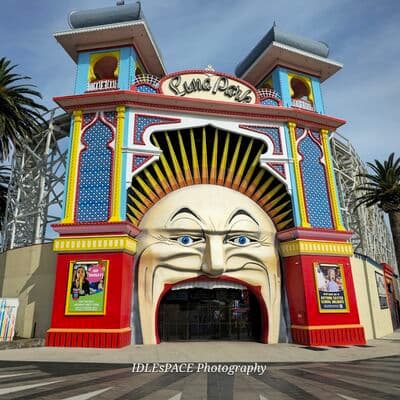
Luna Park Melbourne anchors the beachfront with its iconic grinning face entrance. It is more charming than thrilling, but riding the historic roller coaster while watching the sunset is one of those Melbourne experiences that photographs better than it sounds.
Budget travelers often base themselves here, with hostel beds around $35-50 AUD per night and private rooms in guesthouses from $100-150 AUD. The tram to the CBD takes 25-30 minutes, which feels longer than it sounds after a late night.
Southbank
The riverside arts precinct offers a different Melbourne experience: cultural institutions, riverside dining, and casino adjacency if that appeals. Southbank Promenade comes alive in the evenings with fire shows, buskers, and couples taking advantage of the city skyline views. The Eureka Skydeck provides the best observation point in the city, though the $26 AUD admission fee is steep for what amounts to 10 minutes of looking at things.
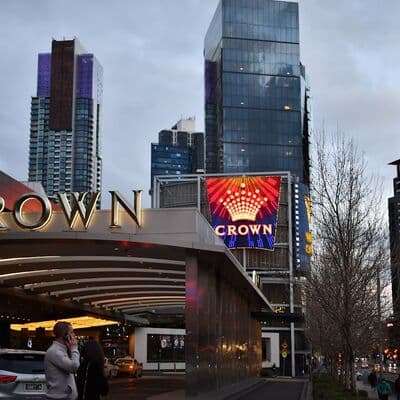
Crown Melbourne dominates the area with its casino, hotels, restaurants, and the general aura of money being extracted from willing participants. The Crown complex is genuinely impressive if you enjoy that sort of thing, and the restaurants inside range from excellent to overpriced-excellent.
Hotels here tend toward the corporate luxury end, with rooms at Crown Towers or the Langham starting around $350-500 AUD. The location works well for arts-focused visitors or anyone who wants river views and easy access to the National Gallery of Victoria.
Carlton
Historic Little Italy, though the description is increasingly nostalgic. Lygon Street still has Italian restaurants and gelato shops, but the university presence (Melbourne University is adjacent) has diversified the area considerably. This is student Melbourne: busy, affordable, and slightly rough around the edges.
The Carlton Gardens and Melbourne Museum make this neighborhood worthwhile for anyone interested in green space and natural history. The Royal Exhibition Building, a UNESCO World Heritage site, sits within the gardens and occasionally hosts events worth attending.
Accommodation here is cheaper than the CBD, with decent options around $120-180 AUD. The tram connection is excellent, and the neighborhood has enough restaurants to sustain a week of dining without repetition.
Collingwood and Richmond
These adjacent suburbs share a character: formerly industrial, now gentrified, with warehouses converted to breweries, rooftop bars, and the kind of venues that host obscure DJ sets. Smith Street in Collingwood competes with Brunswick Street for nightlife credibility, while Bridge Road and Victoria Street in Richmond offer Vietnamese restaurants that rival anything in Vietnam itself.
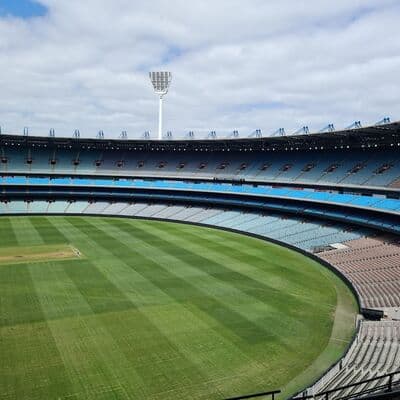
The Melbourne Cricket Ground sits on the edge of Richmond, making these suburbs ideal for sports fans. Accommodation is limited to Airbnbs and the occasional boutique hotel, but the value is often better than central options.
South Melbourne
Quieter and more residential, South Melbourne appeals to those who want morning runs along the beach and easy access to the South Melbourne Market. The neighborhood has excellent cafes, a village atmosphere, and significantly less tourist traffic than the CBD or Fitzroy. Light rail connects directly to the city center in about 15 minutes.
Best Time to Visit Melbourne
The honest answer is that there is no bad time, only different trade-offs. Melbourne's weather is genuinely unpredictable year-round, so planning around averages is less useful than in most cities.
March to May (Autumn) offers the most reliable conditions: warm days around 18-24 degrees Celsius (65-75 Fahrenheit), minimal rainfall compared to other seasons, and stunning autumn colors in the parks and gardens. The Royal Botanic Gardens are particularly beautiful during this period. This is also when the Melbourne Food and Wine Festival typically runs, making it ideal for food-focused visitors.
December to February (Summer) brings heat that ranges from pleasant to punishing. January averages hover around 26 degrees (79F), but heatwaves regularly push temperatures above 40 degrees (104F) for multiple consecutive days. Air conditioning becomes essential rather than optional. The Australian Open in late January transforms the city, bringing tennis fans and inflated hotel prices. Summer evenings are long and perfect for outdoor dining along Southbank Promenade or watching sunset at St Kilda.
June to August (Winter) is cold and gray but far from unbearable. Temperatures rarely drop below 6 degrees (43F), and snow is essentially nonexistent. This is Melbourne's cultural season, when staying indoors for exhibitions, theater, and bar-hopping makes meteorological sense. Hotel prices drop significantly, and you will have major attractions like the State Library Victoria and National Gallery of Victoria largely to yourself.
September to November (Spring) is beautiful but volatile. The city bursts with flowers, particularly the Royal Botanic Gardens, and outdoor events resume. However, this is peak four-seasons-in-one-day territory. I have personally experienced 30-degree heat and near-freezing wind on the same October afternoon. The Melbourne Cup carnival in early November is the social highlight of the Australian calendar, with corresponding hotel prices and the need to book restaurants weeks in advance.
For most international visitors, April or October represent the sweet spot: mild weather, manageable crowds, reasonable prices, and enough cultural programming to fill any itinerary.
Melbourne Itinerary: From Three Days to a Week
Day 1: CBD and Laneways
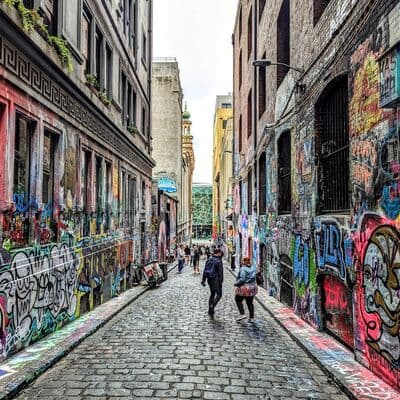
Start at Flinders Street Station around 9 AM, before the crowds descend. Cross to Federation Square for orientation and coffee at one of the cafes, then head immediately into the laneways. Hosier Lane is the famous one, covered in street art that changes regularly. Arrive early because by 11 AM, the Instagram crowds make photography difficult and actual appreciation nearly impossible.
Continue through AC/DC Lane (named for the band, obviously) and into the network of arcades: Block Arcade and Royal Arcade are the most impressive, with their heritage architecture and old-school shops. Degraves Street offers the quintessential Melbourne laneway cafe experience, though the coffee is better at less famous spots.
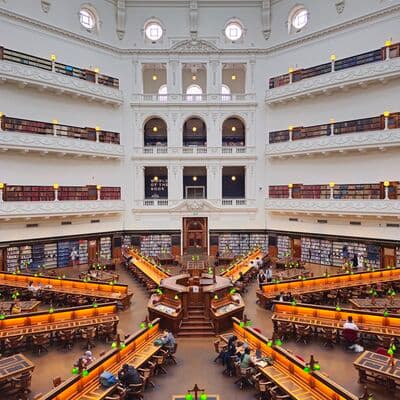
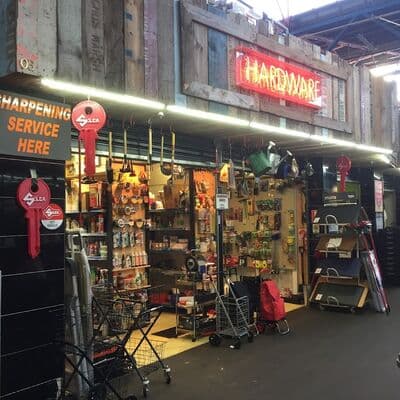
Lunch should happen somewhere in the CBD. Hardware Lane has outdoor dining with a European feel, or venture to Chinatown on Little Bourke Street for dumplings and noodles. Afternoon options include the State Library Victoria (free, and the domed reading room is genuinely stunning) or shopping along Bourke Street Mall.
Evening: walk along Southbank Promenade as the lights come up, then choose between riverside dining or heading back into the laneways for rooftop bars.
Day 2: Culture and Gardens
Begin at the Royal Botanic Gardens for a morning walk. The gardens open at 7:30 AM and are at their best before 10 AM, with serious gardeners and joggers outnumbering tourists. The Tan Track running path circles the gardens and offers excellent city views.
Late morning, head to the Shrine of Remembrance for the best free viewpoint in Melbourne. The shrine itself is a powerful memorial to Australian war dead, and the internal sanctuary has an oculus that illuminates the Stone of Remembrance at 11 AM on Remembrance Day. Even on ordinary days, it is worth the visit.
Afternoon: choose your museum. The National Gallery of Victoria on St Kilda Road houses an impressive international collection, while the NGV Australia at Federation Square focuses on Australian art. Both are free for permanent collections. Alternatively, the Melbourne Museum in Carlton offers natural history and Aboriginal cultural exhibits, with admission around $15 AUD.
The Immigration Museum in the Old Customs House provides excellent context for understanding Melbourne's multicultural character. The exhibits on personal migration stories are genuinely moving.
Evening: dinner in Fitzroy or Collingwood, exploring Brunswick or Smith Street for bars afterward.
Day 3: St Kilda and the Bay
Take the tram to St Kilda in the morning and walk along the esplanade. St Kilda Beach is pleasant for swimming on warm days, though the water quality varies. The pier offers views back toward the city and, at dusk, the chance to see little penguins returning to their nests under the breakwater.
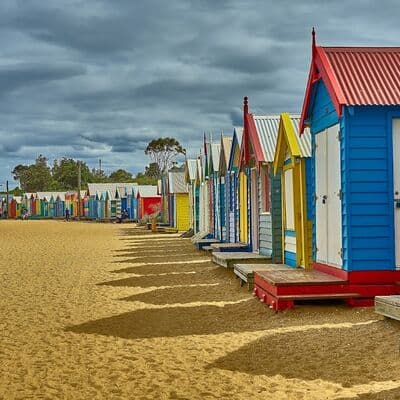
Ride the roller coaster at Luna Park if nostalgia appeals, or simply admire the facade. Lunch at one of the cafes along Acland Street, then take the 96 tram to the Brighton Bathing Boxes. These colorful Victorian beach huts are absurdly photogenic and among the most recognizable images of Melbourne.
Return via Chapel Street in South Yarra for shopping and people-watching. Chapel Street runs from Prahran Market through South Yarra to Windsor, transitioning from upscale boutiques to vintage shops to slightly seedy bars. The Prahran Market is smaller and more specialized than Queen Vic but excellent for gourmet ingredients and prepared foods.
Days 4-5: Deeper Melbourne
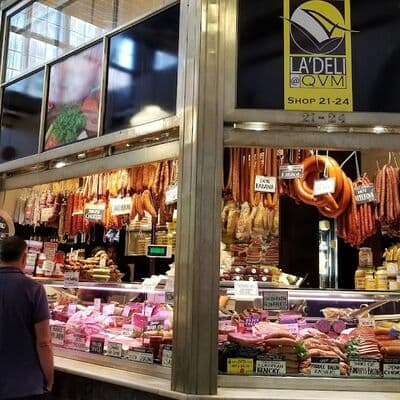
Visit the Queen Victoria Market early on a non-Monday morning (it is closed Mondays). The market has operated since 1878 and remains a genuine working market rather than a tourist attraction with vegetables. The deli hall is particularly impressive, with European-style smallgoods and cheeses.
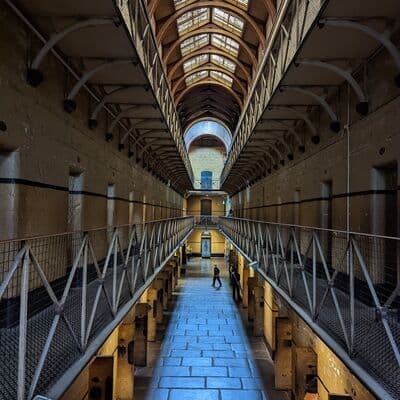
Explore the Old Melbourne Gaol for convict history and genuine creepiness. Ned Kelly was executed here, and the collection of death masks is appropriately disturbing. Night tours run several evenings per week for those who enjoy theatrical history.
The Melbourne Zoo in Royal Park is one of the world's oldest zoos and has been progressively modernized with more naturalistic enclosures. The butterfly house and gorilla exhibit are highlights. Plan for half a day minimum.
For sports fans, a tour of the Melbourne Cricket Ground is essential. The MCG is genuinely hallowed ground in Australian sports culture, and the museum collection traces cricket and Australian Rules football history comprehensively.
Explore neighborhoods more deeply: Vietnamese food in Richmond along Victoria Street, Greek food in Oakleigh, Ethiopian food in Footscray. These culinary excursions provide better insight into Melbourne than any organized tour.
Days 6-7: Day Trips
The Great Ocean Road is the obvious choice and deserves its reputation. The Twelve Apostles are genuinely spectacular, though calling them twelve is optimistic counting. The drive itself along cliff edges with ocean views is the actual attraction. Allow a full day, leaving Melbourne by 8 AM to arrive at the Apostles before sunset for optimal light. Organized tours run around $100-150 AUD, or rental cars start at $50-80 AUD per day.
The Yarra Valley wine region offers excellent day trips for those who prefer viticulture to coastal geology. The valley produces outstanding Pinot Noir and Chardonnay, with cellar doors ranging from intimate family operations to large commercial estates. Many tours combine wine tasting with the Healesville Sanctuary, which houses Australian native wildlife in natural settings.
The Dandenong Ranges east of Melbourne provide forest walks, the historic Puffing Billy steam railway, and villages with craft shops and cream teas. It feels remarkably English for a place with tree ferns and rosellas.
Where to Eat: Restaurants and Cafes Worth Seeking Out
Melbourne's food scene operates on reputation rather than signage. The best restaurants are often unmarked, underground, or hidden behind what appears to be a coffee shop. This is intentional and slightly insufferable, but the quality justifies the attitude.
For breakfast and brunch, avoid anything within sight of a major tourist attraction. The CBD cafes serve acceptable coffee but uninspired food. Instead, head to Fitzroy, Carlton, or Collingwood for places where actual Melburnians eat. Higher Ground in the CBD is an exception: a converted power station serving excellent brunch in a stunning space, though expect queues on weekends.
Melbourne invented flat white coffee (or claims to, New Zealand disputes this) and takes it extremely seriously. Order a flat white or long black; asking for a latte marks you as a tourist, though no one will refuse to serve you. Acceptable coffee costs $4.50-6 AUD ($3-4 USD). Great coffee costs the same but requires finding the right shops. Look for single-origin beans and baristas who look like they judge you.
For lunch, the laneway cafes around Degraves Street and Centre Place offer quick bites in atmospheric settings. The food is average, but eating in an alley while watching street art being created has its own appeal. Better options exist slightly further out: the food court in QV Melbourne, the hawker-style vendors in Hardware Lane, or the Vietnamese sandwich shops in Richmond.
For dinner, Melbourne rewards research and reservation. The city has absorbed every immigrant cuisine and elevated most of them. Japanese is exceptional throughout the CBD and Richmond. Italian ranges from tourist-trap Lygon Street to genuinely excellent trattorias in Fitzroy. Modern Australian (a fusion cuisine that defies definition) reaches its heights at places like Attica, consistently ranked among the world's best restaurants, with prices to match ($$$$$).
The areas around Southbank Promenade and Crown Melbourne offer waterfront dining with city views. The food quality varies widely: some restaurants coast on location, while others deliver genuinely excellent cooking. Expect to pay $80-150 AUD per person for a nice dinner with wine.
Vegetarian and vegan options are abundant and serious. Melbourne may have more dedicated vegan restaurants than any city outside of perhaps Los Angeles. Smith Street in Collingwood is particularly strong for plant-based dining.
Budget eating is possible but requires strategy. Markets are your friend: Queen Victoria Market and Prahran Market both have prepared food sections with excellent value. Asian food courts throughout the CBD offer meals for $12-18 AUD. Fish and chips at St Kilda or Brighton run around $15-20 AUD. Happy hours at rooftop bars sometimes include food deals that stretch a tight budget.
What to Try: Melbourne Food Experiences
Flat white coffee is non-negotiable. This espresso drink with microfoam milk was either invented here or perfected here, depending on which side of the Tasman Sea you believe. Every Melbourne conversation eventually involves coffee preferences. Form yours quickly.
Meat pie is Australian fast food at its most essential. The best versions feature quality beef in a flaky pastry shell, served with tomato sauce (ketchup to Americans, though calling it that provokes arguments). Pie shops throughout the CBD compete for superiority. Add mushy peas and mash for the full experience.
Melbourne dim sum rivals Hong Kong for quality, particularly in the CBD's Chinatown around Little Bourke Street. Weekend yum cha (the Cantonese term for dim sum service) requires early arrival or long waits. The value is exceptional compared to equivalent restaurants in North America or Europe.
Greek food in Oakleigh represents Melbourne's Greek immigrant heritage. The city has one of the largest Greek populations outside of Greece itself, and the restaurants in Oakleigh serve souvlaki, moussaka, and grilled octopus that would satisfy any Athenian. Take the train to Oakleigh station and walk along Eaton Mall.
Vietnamese pho and banh mi in Richmond along Victoria Street should be on every itinerary. The concentration of Vietnamese restaurants, bakeries, and grocers creates an authentic atmosphere. Pho runs $14-18 AUD for a substantial bowl. Banh mi sandwiches cost $8-12 AUD and are among the best value lunches in the city.
Tim Tams need mentioning even though they are sold in supermarkets worldwide. The local ritual involves biting off opposite corners and using the biscuit as a straw for hot coffee or tea, causing the chocolate coating to melt. This is called a Tim Tam Slam and is genuinely delicious.
Avocado toast became a global cliche partly because of Melbourne's brunch culture. The local versions remain superior to most imitations, featuring quality sourdough, perfectly ripe avocados, and toppings ranging from poached eggs to dukkah to feta. Prices have risen with the meme: expect $18-25 AUD for a good version.
Craft beer has exploded throughout Melbourne's inner suburbs. Collingwood, Abbotsford, and Brunswick have converted warehouses housing microbreweries with tap rooms. The style tends toward hoppy American-influenced IPAs, though local lagers and Belgian-style ales are also common. Brewery tours and tastings run $20-40 AUD.
Local Secrets and Practical Tips
The free tram zone covers the entire CBD and extends to Docklands. You can ride any tram within this zone without paying or touching on. The zone boundaries are announced, but basically, if you stay within the Hoddle Grid plus Docklands and Southbank, trams are free. This saves significant money for CBD-based visitors.
Rooftop bars are a Melbourne obsession, but finding them requires local knowledge. Many have no street signage, just a door and a staircase. Rooftop at QT, Siglo, and Naked for Satan are among the more accessible options. Ask bartenders for current recommendations because the scene changes constantly.
Street art in Hosier Lane is sanctioned and rotates regularly. For less touristed murals, explore Caledonian Lane, Croft Alley, and Blender Lane. The Fitzroy and Collingwood neighborhoods have extensive street art that does not appear in tourist guides. Walking randomly reveals more than following maps.
Markets operate on different schedules. Queen Victoria Market closes Mondays and Wednesdays. The night market runs Wednesday evenings in summer and is worth attending for food, music, and atmosphere. Prahran Market operates Tuesday through Sunday. The St Kilda Esplanade Market runs Sundays and sells crafts and art rather than food.
The weather apps lie, or rather, they cannot predict Melbourne conditions with any reliability. Check the Bureau of Meteorology (bom.gov.au) for the most accurate local forecasts, and even then, add uncertainty. Carrying a light jacket and umbrella regardless of the forecast is wisdom, not paranoia.
Tipping is not expected in Australia. Servers earn living wages, and while tips are appreciated for exceptional service, no one will chase you down for not leaving extra. Restaurant bills may include a 10-15% surcharge on weekends and public holidays, which is legal and covers penalty rates for staff.
Sunday trading is normal but some shops close earlier than weekdays. Restaurants and cafes operate normally. Public transport runs on reduced schedules, particularly trains, so check PTV (Public Transport Victoria) apps for Sunday timetables.
Power outlets use Type I plugs unique to Australia and New Zealand. Bring an adapter or buy one at 7-Eleven for $15-20 AUD. Voltage is 230V, which may require converters for American appliances.
Transport and Getting Around
From the airport, the SkyBus runs 24/7 to Southern Cross Station in the CBD. The trip takes 30-50 minutes depending on traffic and costs $19.75 AUD one way or $36 AUD return. Taxis and rideshares (Uber, DiDi, Ola all operate) cost $55-80 AUD depending on destination and traffic. There is no train to Melbourne Airport despite decades of planning discussions.
Myki cards are required for all public transport outside the free tram zone. Buy one at any 7-Eleven or station for $6 AUD, then load credit. Fares operate on a two-zone system and daily caps mean you never pay more than about $10 AUD per day regardless of how much you travel. Myki cards also work on regional V/Line trains, though longer trips may require additional fare.
Trams are the most pleasant way to travel but not always the fastest. The network is extensive, covering most inner suburbs, but services can be slow in traffic. Route 96 from St Kilda to Brunswick runs frequently and connects many attractions. Route 35 circles the CBD as a free City Circle tram designed for tourists, though the recorded commentary is dated.
Trains (Metro) are faster than trams for longer distances but stations are less convenient to attractions. The loop through the CBD has five stations: Flinders Street, Melbourne Central, Parliament, Flagstaff, and Southern Cross. Trains run approximately every 10 minutes during peak times, less frequently evenings and weekends.
Buses supplement trains and trams, particularly in outer suburbs. Tourists rarely need them unless visiting the Dandenong Ranges or other peripheral areas.
Walking is often the best option within the CBD and inner suburbs. The city is flat, distances are manageable, and the laneway network means there is always something to see. Fitzroy is 30 minutes walk from the CBD. St Kilda is further but pleasant along the beach.
Cycling is increasingly popular, with dedicated bike lanes on many streets. Melbourne Bike Share stations dot the CBD, though the mandatory helmet law (Australia requires helmets for all cyclists) creates complications since you must bring your own or buy a cheap one from 7-Eleven.
Rideshares are ubiquitous and reasonably priced. Uber dominates, with DiDi and Ola as alternatives. Minimum fares hover around $10-12 AUD. Late-night surge pricing applies on weekends. Taxis are also available but typically more expensive.
Driving is unnecessary and actively discouraged for central Melbourne exploration. Parking is expensive ($40-60 AUD per day in CBD garages), traffic is congested, and the hook turn system at major CBD intersections is designed to confuse outsiders. Rent a car only for day trips to the Great Ocean Road, Yarra Valley, or other out-of-city destinations.
Apps to download: PTV (official public transport with real-time updates), Uber or DiDi for rideshares, Google Maps for navigation (it includes Melbourne public transport), and the BOM Weather app for forecasts. Broadsheet Melbourne and Time Out Melbourne apps provide restaurant and event recommendations that actually reflect local preferences.
Conclusions: Who Melbourne Is For
Melbourne is for people who like cities. Not cities as collections of monuments to photograph, but cities as living organisms with neighborhoods, subcultures, and endless minor discoveries. The attractions are good, but the attraction is really the city itself: its cafes, its laneways, its people watching, its weather conversations, its coffee arguments.
If you want beaches, go to Sydney or Queensland. If you want outback, go inland. If you want nature, Victoria has it but outside Melbourne. The city rewards those who want urban exploration, cultural depth, and food. Especially food.
Come for four days minimum, stay for a week if you can. Leave time for aimless wandering because that is when Melbourne reveals itself best. Do not try to see everything; instead, pick a neighborhood and learn it. The city will still be here, slightly different, the next time you visit.
Melbourne does not demand love at first sight. It asks for patience, curiosity, and a willingness to find the hidden doors. Give it those, and it gives back one of the most livable, interesting, and genuinely rewarding cities on Earth.