Canberra
Canberra 2026: What You Need to Know
Let me be honest with you: Canberra gets a bad reputation from Australians who have never actually spent time here. Sydney and Melbourne residents love to joke that the capital is boring, full of politicians, and has nothing to offer. They are wrong. After spending considerable time exploring this planned city, I can tell you that Canberra is one of Australia's most underrated destinations, especially for travelers who appreciate world-class museums, pristine nature, excellent food, and the absence of tourist crowds.
Canberra is a city designed from scratch in the early 20th century to serve as Australia's capital, a compromise between rival cities Sydney and Melbourne. American architects Walter Burley Griffin and Marion Mahony Griffin won the design competition in 1912, and their vision of a garden city organized around geometric patterns and a central artificial lake still defines Canberra today. The result is a remarkably green, spacious city where kangaroos hop through suburban streets and world-class institutions sit within minutes of bushland.
With a population of around 470,000, Canberra feels neither cramped nor empty. It is the kind of place where you can visit a museum in the morning, cycle around the lake at lunch, spot wild kangaroos at sunset, and enjoy an excellent dinner without fighting crowds or paying Sydney prices. The city punches well above its weight in coffee culture, food quality, and cultural institutions. Most national museums and galleries are free. The climate is pleasant from spring through autumn, though winters are genuinely cold by Australian standards.
Neighborhoods: Where to Stay
Canberra is organized into distinct town centers rather than one sprawling urban mass. Understanding these neighborhoods will help you choose the right base for your visit and make the most of your time.
Civic (City Centre)
Civic is Canberra's CBD and the most convenient base for first-time visitors. Here you will find the main shopping district, numerous hotels ranging from budget to upscale, and easy access to public transport. The light rail runs through Civic, connecting you to Braddon and Gungahlin. Accommodation options include chains like QT Canberra (from AUD 220/night, around USD 145), Crowne Plaza, and more affordable options like the Ibis Styles (from AUD 130/night). Civic is walkable and has plenty of restaurants, though it quiets down considerably after business hours. The main advantage is proximity to everything; the disadvantage is that it lacks the neighborhood character found elsewhere.
Braddon
If you want to be where locals actually hang out, stay in Braddon. This former industrial area has transformed into Canberra's trendiest neighborhood, with Lonsdale Street serving as the main strip. Here you will find specialty coffee roasters, craft breweries, boutique shops, and some of the city's best restaurants. ONA Coffee, run by World Barista Champion Hugh Kelly, has its flagship here. The area has a genuinely cool vibe without the pretension you might find in equivalent neighborhoods in larger cities. Accommodation is limited, but a few boutique options exist, and Civic is a ten-minute walk away. Budget AUD 180-280/night for decent options.
Kingston and Kingston Foreshore
Kingston Foreshore is where Canberra goes to feel cosmopolitan. This waterfront development on the southern shore of Lake Burley Griffin has apartments, restaurants, and a pleasant boardwalk. The Old Bus Depot Markets operate here every Sunday, and there are several quality restaurants. The area feels modern and polished. Accommodation is primarily serviced apartments, which work well for longer stays or families. Expect to pay AUD 200-350/night. The main Kingston shopping area, slightly inland, has a more established neighborhood feel with cafes and local shops along Jardine Street.
Acton and Turner
These suburbs near the Australian National University offer good value accommodation and a leafy, residential atmosphere. Turner is particularly popular with visiting academics and has several bed-and-breakfasts and smaller hotels. You are close to the National Museum of Australia and the Australian National Botanic Gardens. This is a solid choice if you want a quieter base while remaining within cycling distance of major attractions. Accommodation ranges from AUD 100-180/night for B&Bs and guesthouses.
Manuka and Griffith
These are Canberra's upscale inner-south suburbs, popular with diplomats and senior public servants. Manuka has an excellent cafe and restaurant scene centered on its shopping circle. The area feels established and leafy, with beautiful heritage homes. Accommodation options are limited but include some quality boutique hotels. If you prefer a sophisticated, quieter atmosphere and do not mind being slightly farther from the main tourist sights, this is an excellent choice. Expect AUD 200-300/night.
Dickson
Dickson is Canberra's unofficial Asian food district. The Dickson Shops area has Vietnamese, Chinese, Korean, and Japanese restaurants that locals swear by. It is not pretty, but if you care more about eating well than Instagram backdrops, consider staying nearby. There are affordable motels and holiday apartments in the area, typically AUD 90-150/night. The light rail connects Dickson to Civic.
Recommendation
For most visitors, I recommend staying in or near Civic for a first visit, with plans to eat in Braddon and Kingston. If you prioritize food and atmosphere over convenience, book in Braddon. If you are visiting for more than three days and want a neighborhood feel, consider Kingston or Manuka.
Best Time to Visit
Canberra has a genuine four-season climate, which is unusual for Australia. This is not tropical Queensland or mild Sydney. Understanding the seasons will significantly impact your experience.
Spring (September to November)
Spring is peak tourist season in Canberra, and for good reason. The famous Floriade flower festival runs from mid-September to mid-October in Commonwealth Park, transforming the lakeside into a spectacular display of over a million tulips and other spring blooms. The event is free and genuinely impressive. Temperatures are pleasant, typically 15-22C (59-72F) during the day, though nights remain cool. Book accommodation well in advance during Floriade, especially for weekends. This is also an excellent time for outdoor activities as the parks and gardens come alive.
Summer (December to February)
Summers are warm to hot, with temperatures regularly reaching 30-35C (86-95F) and occasional heatwaves pushing above 40C (104F). January can be uncomfortable for extensive outdoor sightseeing. However, the long daylight hours mean you can visit the excellent air-conditioned museums during the heat of the day and enjoy outdoor activities in the cooler morning and evening. Lake Burley Griffin is popular for kayaking and swimming (though the water quality varies). Summer is also bushfire season, so check conditions before hiking.
Autumn (March to May)
Autumn is my favorite time to visit Canberra. The deciduous trees planted throughout the city turn spectacular shades of gold, orange, and red. April and May are particularly beautiful, and you will understand why Canberra is called the Bush Capital. Temperatures are comfortable for sightseeing, typically 12-20C (54-68F). The crowds thin out after the summer holidays, and hotel prices are reasonable. This is an excellent time for wine touring in the surrounding regions as harvest wraps up.
Winter (June to August)
Canberra winters are cold by Australian standards. Frost is common, and temperatures regularly drop below zero at night, though snowfall in the city itself is rare. Daytime temperatures hover around 6-12C (43-54F). Many Australians avoid Canberra in winter, which means lower prices and fewer crowds at attractions. If you do not mind rugging up, winter has its advantages: crisp clear days, cozy restaurants, and the truffle season in the surrounding region (June to August). The Parliament House and other indoor attractions are perfectly comfortable year-round.
My Recommendation
Visit during Floriade (mid-September to mid-October) if you can handle the crowds and have booked ahead. Otherwise, April or early May offers the best balance of weather, foliage, and manageable visitor numbers. Avoid January unless you tolerate heat well.
Itinerary: 3 to 7 Days
Canberra rewards travelers who take their time. While you could technically see the highlights in two days, the relaxed pace of the city and the quality of its institutions mean you will enjoy it more with three to five days. Here is how I would structure visits of varying lengths.
Day 1: The National Triangle
Start your Canberra experience with the defining institutions on and around the Parliamentary Triangle. Begin at the Australian War Memorial, which opens at 10am. This is not just a museum but a shrine, and it is genuinely moving regardless of your nationality. Allow at least two hours to explore the galleries. Make sure you are in the commemorative area by 4:45pm for the Last Post Ceremony, a daily ritual that has occurred since 1997. It is free and powerfully emotional.
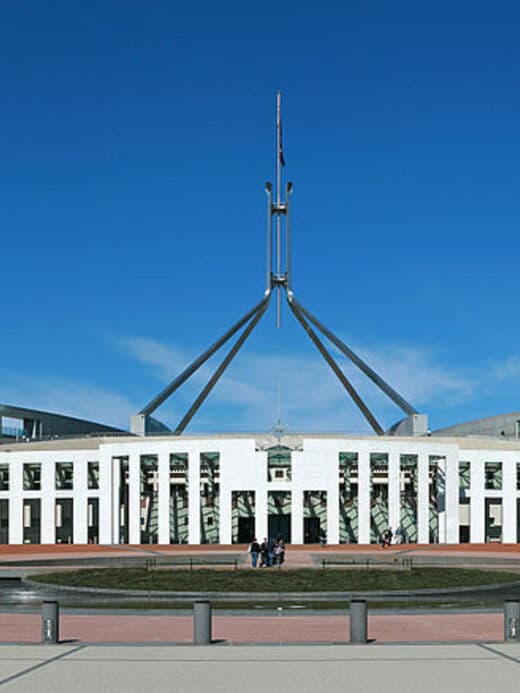
After the War Memorial, head down Anzac Parade toward the lake. Stop for lunch somewhere in Civic or Braddon if you are hungry. In the afternoon, visit Australian Parliament House, the current seat of government. Free guided tours run throughout the day and are excellent. If parliament is sitting, you can watch Question Time from the public galleries, which is surprisingly entertaining. The building itself is an architectural landmark, built into Capital Hill with a massive flagpole visible across the city.
Finish the day at Old Parliament House, which now houses the Museum of Australian Democracy. The building served as parliament from 1927 to 1988 and retains its period features. The contrast with the new Parliament House is striking. Admission is free.
Day 2: Arts and Science
Today focuses on Canberra's excellent cultural institutions. Start at the National Gallery of Australia, which houses the country's most significant art collection. The Aboriginal and Torres Strait Islander art collection is world-class, and the international collection includes works by Monet, Pollock, and Warhol. Entry is free for the permanent collection; special exhibitions may have a fee (typically AUD 15-25).
Walk next door to the National Portrait Gallery, a smaller but excellent museum dedicated to portraits of notable Australians. It provides fascinating context for understanding Australian history and culture through faces. Also free.
After lunch, visit Questacon, the National Science and Technology Centre. Do not let the word 'children' in its description fool you; adults thoroughly enjoy the interactive exhibits. The earthquake simulator and free-fall slide are highlights. Admission is AUD 27 for adults, AUD 21.50 for children. Budget two to three hours.
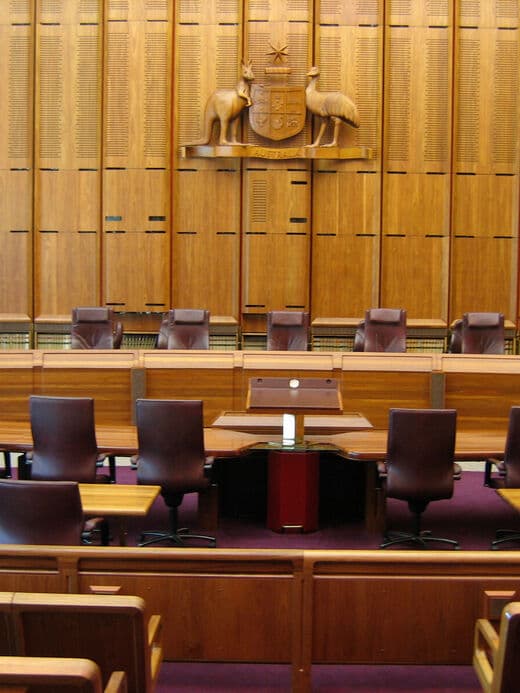
If time permits, the High Court of Australia is nearby and offers free tours of Australia's highest court. The brutalist architecture is impressive, and sitting in on a court session (when sitting) is possible.
Day 3: Nature and Views
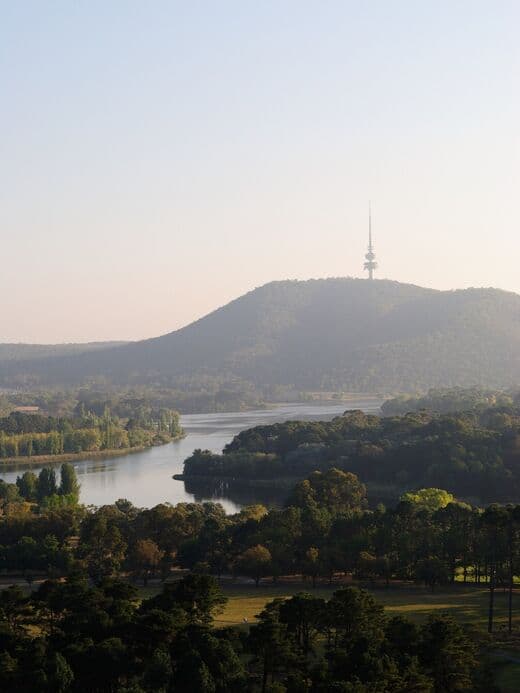
Today celebrates Canberra's unique position as a city embedded in nature. Wake early and drive to Mount Ainslie Lookout for sunrise. The views over the city, with the War Memorial, lake, and Parliament House perfectly aligned, are spectacular. You can drive to the summit or hike up from the War Memorial (about 2km, moderately steep).
After breakfast, visit the Australian National Botanic Gardens on the slopes of Black Mountain. This is the country's premier collection of Australian native plants, with walking trails ranging from easy to challenging. The Rainforest Gully is particularly impressive. Entry is free. The gardens connect to Black Mountain Nature Reserve if you want a longer bushwalk.
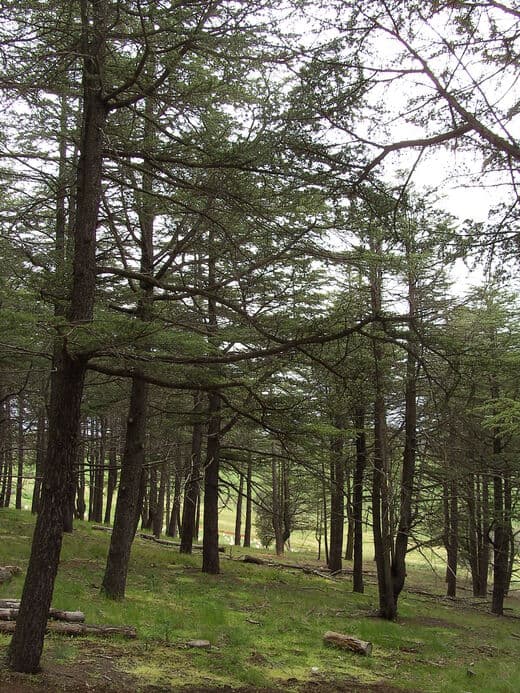
In the afternoon, head to the National Arboretum Canberra, a 250-hectare site of planted forests on Dairy Farmers Hill. The 100 forests represent tree species from around the world, and the views across the city are excellent. The Margaret Whitlam Pavilion cafe has good coffee. Entry is free.
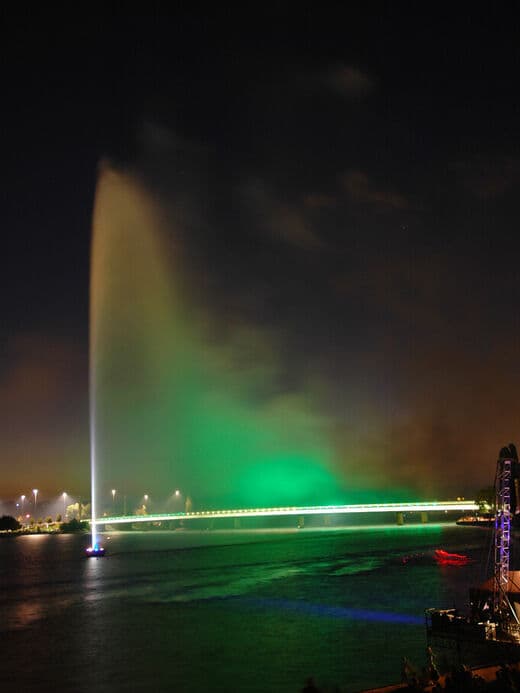
Consider finishing the day with a walk or cycle around Lake Burley Griffin. The full loop is about 28km, but shorter sections are pleasant. Stop by the Captain Cook Memorial Water Jet, which shoots water 147 meters into the air (when operating).
Days 4-5: Museums and Wildlife
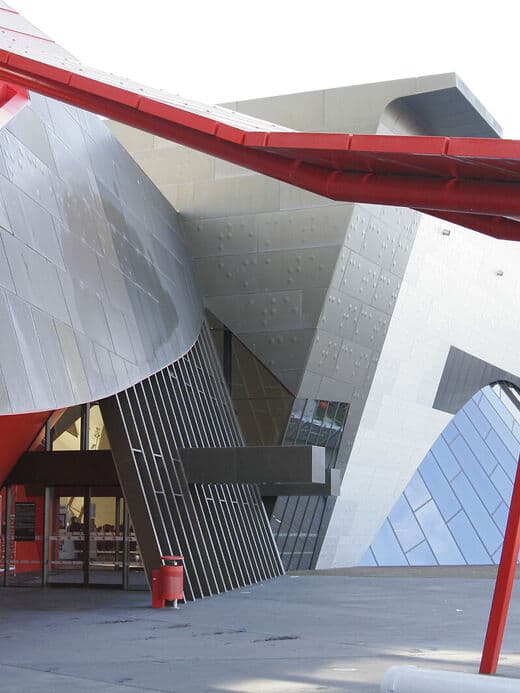
On day four, explore the remaining major institutions. The National Museum of Australia tells the story of Australia through objects, from Aboriginal artifacts to the Holden prototype. The postmodern building on the Acton Peninsula is architecturally striking. Entry is free.
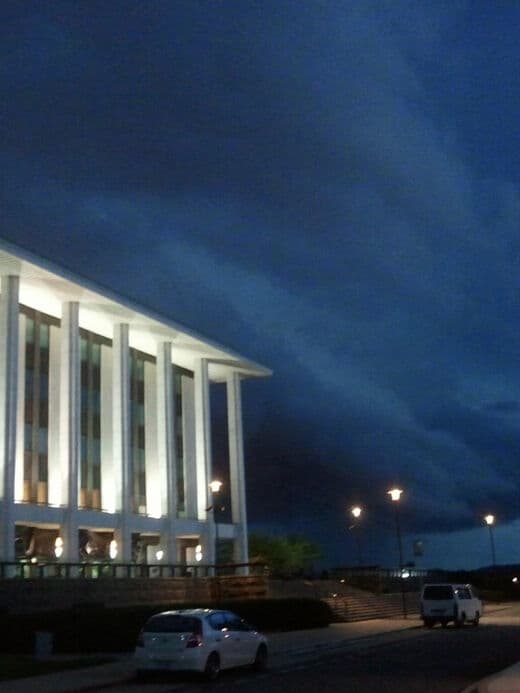
Nearby, the National Library of Australia has a beautiful reading room and hosts rotating exhibitions from its vast collection. Free to enter. The Royal Australian Mint in Deakin offers free tours and the chance to press your own coin (for a fee).
Day five should be spent at Tidbinbilla Nature Reserve, about 45 minutes southwest of the city. This is the best place near Canberra to see Australian wildlife in natural settings. Kangaroos, wallabies, platypuses, koalas, and lyrebirds all live here. The Sanctuary trail has captive koalas if you want a guaranteed sighting. Pack a picnic and plan for a full day. Entry is AUD 15 per vehicle.
Days 6-7: Day Trips and Specialties
With extra time, explore beyond the city center. Spend a day wine touring in the Canberra District wine region, centered on Murrumbateman and Hall about 30 minutes north. This cool-climate region produces excellent Shiraz, Riesling, and Pinot Noir. Clonakilla, Helm, and Mount Majura are standout wineries. Tours can be arranged, or self-drive if you have a designated driver.
The Cockington Green Gardens in Nicholls is a charming miniature village display, more engaging than it sounds. Allow one to two hours. Entry is AUD 22 for adults.
The National Zoo and Aquarium is smaller than major city zoos but offers close encounters with animals including big cats, bears, and primates. Unique 'meet the animals' experiences are available for an additional fee.
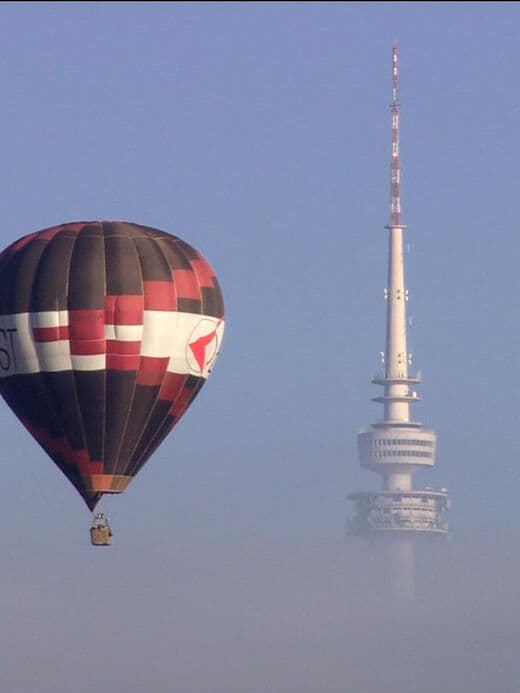
For evening entertainment, visit the Canberra Glassworks to watch glass artists at work (free), or climb Telstra Tower on Black Mountain for panoramic sunset views (AUD 7.50 entry).
Where to Eat: Restaurants
Canberra's food scene has matured significantly over the past decade. While it cannot match Sydney's diversity or Melbourne's sheer volume, it offers genuine quality without the pretension or price premiums of larger cities. Here are my recommendations across different budgets and styles.
Coffee
Canberra takes coffee seriously, perhaps more seriously than any other Australian city per capita. ONA Coffee in Braddon (6 Lonsdale Street) is the flagship of Hugh Kelly's empire; he won the World Barista Championship in 2022. The single-origin filter coffees are exceptional. Expect to pay AUD 5-7 for a standard coffee. Other excellent roasters include Barrio Collective Coffee, Two Before Ten, and The Cupping Room in Civic.
Budget Eats (Under AUD 20)
CBD Dumpling House in Civic serves 14 handmade dumplings for AUD 14; this is unbeatable value, and the quality is excellent. Go for the pork and chive or lamb dumplings. Sammy's Kitchen, also in Civic, does Malaysian classics like laksa and char kway teow for around AUD 15-18. In Dickson, Pho Toan Thang serves steaming bowls of Vietnamese pho for under AUD 16.
Mid-Range (AUD 20-50 per person)
Brodburger started as a caravan by the lake and became a Canberra institution. The original location in Kingston Foreshore serves what many consider Australia's best burgers. The classic Brodburger costs around AUD 18. Expect queues on weekends. Lazy Su in Braddon does creative pan-Asian share plates in a lively atmosphere; budget AUD 40-50 per person for a full meal with drinks.
Verity Lane Market in Civic is a modern food hall with multiple vendors. Good for groups who cannot agree on what to eat. Raku in Civic serves excellent Japanese izakaya-style dishes; the karaage chicken is outstanding.
Fine Dining (AUD 80+ per person)
Pilot in Ainslie is one of Canberra's best restaurants, with a seasonal menu highlighting local produce. Expect to pay AUD 120-150 per person for a full experience with wine. Aubergine in Griffith holds the city's long-standing fine dining reputation, with classic European-influenced cuisine and an excellent wine list.
Sunday Markets
The Old Bus Depot Markets at Kingston operate every Sunday from 9am to 2pm. This is the best market in Canberra, with local produce, artisan foods, vintage goods, and prepared foods for immediate eating. Arrive hungry and graze your way through. The breakfast stalls are particularly good.
Wine and Drinks
For local wines, Polit Bar in Braddon has an excellent selection of Canberra District wines by the glass. BentSpoke Brewing in Braddon is the local craft brewery making excellent beers; the Crankshaft IPA is a standout. Hippo Co in Kingston does creative cocktails in a speakeasy atmosphere.
What to Try: Food
Beyond specific restaurants, certain foods and drinks define the Canberra culinary experience. Here is what you should seek out during your visit.
Cool-Climate Wines
The Canberra District wine region, about 30 minutes from the city center, produces distinctive cool-climate wines. Shiraz here is elegant and peppery rather than the jammy, powerful style of warmer regions. Riesling is crisp and age-worthy. Pinot Noir from the higher-altitude vineyards rivals Yarra Valley quality. Key wineries to visit or look for include Clonakilla (their Shiraz Viognier is legendary), Helm, Mount Majura, and Gallagher. You can find many of these wines in Canberra restaurants; ask for local recommendations.
Winter Truffles
If you visit between June and August, you are in truffle season. The Canberra region has become Australia's most important truffle-producing area, with black Perigord truffles grown in the cool conditions. The Truffle Festival runs in late June and early July with events, dinners, and truffle hunts. Many local restaurants feature truffle dishes during winter. Even supermarkets stock local truffles at surprisingly reasonable prices compared to European imports.
Korean Fried Chicken
This might seem random, but Canberra has an excellent Korean food scene, particularly in Dickson. Balli Balli and Chicken Party serve outstanding Korean fried chicken with the distinctive double-fried crunch. Pair with soju and pickled radish for the authentic experience.
Pie and Pastry
Silo Bakery in Kingston makes some of the best pastries in Australia. The croissants are exceptional, and the meat pies win awards. Get there early on weekends as popular items sell out. Dobinsons in Manuka is another excellent bakery with a cult following for its bread and pastries.
Laksa
Canberra has excellent Malaysian food, driven by a significant Malaysian student population at the universities. Sammy's Kitchen laksa is legendary and draws lines. Kinn Thai and My Cafe also serve excellent versions. Expect a rich, spicy coconut broth loaded with noodles, tofu puffs, and your choice of protein.
Lamb
The surrounding region produces excellent lamb, and many restaurants feature local lamb dishes. Look for lamb on menus at places like Pilot, Aubergine, and Italian restaurants throughout the city. The quality of Australian lamb generally, and regional lamb specifically, is exceptional by world standards.
Local Secrets: Insider Tips
Here are the things I wish someone had told me before my first visit to Canberra. These tips will save you time, money, and help you experience the city like a local.
Free Museums
Almost every major institution in Canberra is free to enter: War Memorial, Parliament House, National Gallery, National Portrait Gallery, National Museum, National Library, High Court, Royal Australian Mint, and more. Only Questacon and the Zoo charge significant admission. This makes Canberra one of the most affordable cultural destinations in the world. Take advantage of it.
The Last Post Ceremony
The daily Last Post Ceremony at the Australian War Memorial at 4:45pm is one of the most moving free experiences in Australia. Each day honors a specific service member whose story is read aloud. Arrive by 4:30pm to get a good position. This is not touristy; locals attend regularly. It runs every single day of the year.
Rent a Car
Unlike Sydney or Melbourne, Canberra is difficult to explore without a car. Public transport exists but is limited, especially to attractions like Tidbinbilla or the wineries. The city is spread out by design, with distances between attractions that are awkward to walk but easy to drive. Parking is generally free or inexpensive outside the CBD. Rent a car for at least part of your stay. Budget AUD 50-80 per day for a compact car from major rental companies.
The Light Rail
The light rail runs from Gungahlin through Civic to the city center. It is efficient and free within the central zone (between Alinga Street and Commonwealth Park). Use it to move between Civic and Braddon without paying for parking or walking.
Wild Kangaroos
You do not need to visit a zoo to see kangaroos in Canberra. They are everywhere in the early morning and late afternoon. Reliable spots include the grounds of the National Museum, the area around Government House, and any golf course at dawn. Drive carefully on suburban roads at dusk; kangaroo collisions are common and dangerous.
Floriade Timing
If visiting during Floriade (mid-September to mid-October), go on a weekday morning. Weekends are extremely crowded. The flowers look best in the first two weeks before they start to fade. NightFest, the evening event with light installations, is worth experiencing separately.
Day Trip to the Coast
The New South Wales south coast is only about 90 minutes from Canberra. Batemans Bay is the closest beach town, with good beaches, seafood, and a change of scenery. It makes a pleasant day trip if you have extra time and want to see the ocean.
University Food
The Australian National University campus has cheap, decent food options that tourists overlook. The Union Court food hall has multiple vendors serving affordable meals. Good for a budget lunch while visiting the nearby Botanic Gardens or National Museum.
Transport and Connectivity
Getting to and around Canberra requires some planning. Here is what you need to know about transport options.
Getting There
By Air: Canberra Airport (CBR) is small but convenient, just 10 minutes from the city center. Qantas, Virgin Australia, and Rex fly from Sydney (35 minutes), Melbourne (1 hour), Brisbane (1.5 hours), and Adelaide. Flights are not always cheap; book ahead or consider driving. There is no public transport from the airport, but taxis cost around AUD 30-40 to Civic, and Uber/DiDi are available.
By Car: Canberra is about 3 hours from Sydney (280km via the Hume and Federal highways) and 7 hours from Melbourne (660km). The drives are easy on good highways. Having a car in Canberra is highly recommended, so driving from Sydney is practical.
By Bus: Greyhound and Murrays run bus services from Sydney (3.5-4 hours, from AUD 35) and Melbourne (8-9 hours, from AUD 60). The bus station is at the Jolimont Centre in Civic.
Getting Around
Car: As mentioned, this is the best way to explore Canberra. The city is designed for cars, with good roads, easy parking, and attractions spread across a large area. Major rental companies operate at the airport and in Civic.
Light Rail: The light rail (Metro) runs from Gungahlin in the north through Dickson, Braddon, and Civic. It is modern, clean, and efficient. Single fares are AUD 3.20 with a MyWay card or AUD 5 cash. The central zone (Alinga Street to Commonwealth Park) is free.
Bus: ACTION buses cover the city but can be infrequent outside peak hours. The network is designed around interchanges rather than direct routes. Download the Transport Canberra app for real-time information. A day pass costs AUD 9.60.
Cycling: Canberra has excellent cycling infrastructure with dedicated paths around the lake and throughout the city. Bike hire is available from various operators. The relatively flat terrain and separated paths make cycling a genuine option for getting around, especially between central attractions.
Walking: Within specific areas like Civic, Braddon, or Kingston, walking is pleasant and practical. However, distances between major attractions (War Memorial to Parliament House to National Museum, for example) are too far for comfortable walking.
Internet and Phones
Mobile coverage throughout Canberra is excellent with all major carriers (Telstra, Optus, Vodafone). Free WiFi is available in many cafes, shopping centers, and the airport. Tourist SIM cards are available from convenience stores and phone shops if you need data. Most attractions have free WiFi.
Conclusion
Canberra deserves far more credit than it typically receives. This is a city where you can wander through world-class museums without paying entrance fees or fighting crowds, cycle around a beautiful lake, spot wild kangaroos at sunset, eat exceptional food from diverse cuisines, and drink outstanding local wines. The planned city design that some criticize actually creates a liveable, green, spacious environment quite unlike anywhere else in Australia.
Is Canberra exciting in the way that Sydney or Melbourne can be? No. But that is not what it is trying to be. This is a city for curious travelers who appreciate quality over hype, substance over spectacle. Give it three to five days, rent a car, embrace the slower pace, and you will discover one of Australia's most rewarding destinations. The politicians may have to be here; the rest of us get to choose it.