Great Barrier Reef
It's the only living thing visible from space. The Great Barrier Reef isn't just a coral reef—it's an entire ecosystem the size of Italy: 2,300 kilometers along Australia's coast, 900 islands, 2,900 individual reefs, and an unimaginable diversity of life. When you first dip your head underwater here, it takes your breath away—it's like being inside a BBC documentary, except everything is real and happening right now.
An Underwater City
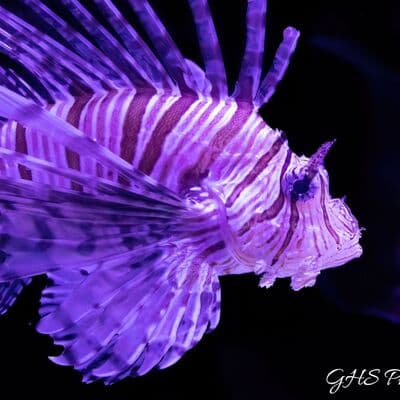
The reef was built by tiny organisms—coral polyps that over millions of years created the largest structure ever built by living creatures. More than 1,500 fish species live here, 400 coral species, 4,000 mollusk species, sea turtles, dolphins, manta rays, and the famous "Nemos"—clownfish in their anemones.
The reef's colors are impossible to describe in words. Corals come in purple, electric blue, toxic yellow. Fish range from neon to camouflaged. Light filtering through the water creates an ever-changing play of shadows. Every dive reveals a new picture.
How to See the Reef
Snorkeling
For a first encounter, a mask and snorkel are enough. Most tours from Cairns or Port Douglas include snorkeling at two or three reef sites. Depth at snorkeling sites is 2-5 meters, water is crystal clear, current is gentle. You'll swim among corals, fish, and possibly sea turtles—they often approach tourists.
Diving
For certified divers, the reef opens new dimensions. Reef walls plunge tens of meters deep; in the depths appear reef sharks, rays, sea snakes. The Outer Reef is the most pristine and colorful. If you're not certified—many operators offer intro dives with an instructor.
Islands
You can stay on some reef islands. Lizard Island is a luxury resort for those seeking seclusion. Heron Island is a diver's paradise with coral starting right from the beach. Lady Elliot—turtles come here to lay eggs from November to March.
From the Air
Helicopter or plane tours reveal a scale invisible underwater. From above, the reef appears as turquoise and emerald patches on the ocean's deep blue. Heart Reef is especially impressive—a natural coral reef shaped like a heart. You couldn't invent a more romantic place for a marriage proposal.
Where to Depart From
Cairns
The main tourist hub for the Great Barrier Reef. Most tours depart from here—from budget group trips to private yachts. The outer reef is about two hours by catamaran. The city is small but with developed infrastructure: hotels for any budget, seafood restaurants, nightlife.
Port Douglas
An hour north of Cairns—a more intimate and expensive resort. From here it's closer to the most beautiful reef sections, including Agincourt Reef. The atmosphere is more relaxed, the clientele wealthier. Ideal for honeymoons or peaceful holidays.
Whitsundays
The Whitsunday Islands are another part of the reef, further south. From here you can reach the famous Whitehaven Beach with pristine white quartz sand and Heart Reef. You can rent a yacht and spend several days moving between islands.
Practical Tips
When to Go
Best time is Australian winter and spring (June-November): less rain, clearer water, comfortable temperatures (24-28°C in the water). December-March is monsoon season: storms possible, but fewer jellyfish and tourists. Avoid November through May if you fear irukandji jellyfish—their sting is dangerous.
What to Choose
A day tour is the minimum for experiencing the reef. A three-to-five-day liveaboard (living on a yacht with dives) is for serious divers. Staying on an island provides full immersion. Combining the reef with Daintree rainforest offers variety.
Sun Protection
The Australian sun is harsh, and water reflection amplifies the effect. Use reef-safe sunscreen (without oxybenzone, which kills coral). Many prefer swimming in wetsuits or rashguards—protection from both sun and jellyfish.
Atmosphere
The Great Barrier Reef changes your relationship with the ocean. Before visiting, the sea seems like just water. After—you understand that beneath the surface hides an entire universe with its own rules, beauty, and fragility.
The reef is suffering from climate change: rising water temperatures cause coral bleaching. Part of the reef has already died; more is under threat. This adds a bittersweet quality to your visit: you see incredible beauty and understand that future generations may not. Perhaps that's why it's worth going now—and taking home not just photos, but an awareness that such beauty needs protecting.