About
New Zealand: The Complete Travel Guide to the Land at the Edge of the World
Why Visit New Zealand
New Zealand is not just a country on the other side of the planet. It is a place where every kilometer of road reveals a new landscape: glaciers neighbor tropical beaches, volcanoes steam beside emerald lakes, and sheep outnumber humans ten to one. If you have ever dreamed of stepping into Middle-earth, congratulations, you have found it. Peter Jackson did not choose to film Hobbiton here by accident; New Zealand's nature looks as if it were designed by a fantasy artist with an unlimited budget and zero restrictions on imagination.
But the appeal goes far beyond scenery. New Zealand consistently ranks among the safest countries on Earth. There are no snakes, no predators larger than a wild pig, no malaria, and almost no violent crime. Locals joke that the most dangerous thing in their country is forgetting to apply sunscreen. And they are almost right: due to the ozone hole over Antarctica, ultraviolet radiation here is significantly stronger than in Europe or North America. You can get a serious sunburn in fifteen minutes flat, even on an overcast day. The sun here does not play games.
New Zealanders, affectionately known as Kiwis, are among the most relaxed and genuine people you will ever meet. It is completely normal for strangers to say hello on the street, for drivers to stop and let pedestrians cross even where there is no crosswalk, and for baristas to sincerely ask how your day is going. This is not performative friendliness or customer service training; people here are genuinely like this. When you live in paradise, it becomes difficult to maintain a bad mood. The laid-back attitude is infectious, and most visitors find themselves unwinding within days of arrival.
The country is perfectly designed for active outdoor pursuits. Commercial bungee jumping was invented here, extreme kayaking was developed to new heights, and the trekking infrastructure rivals anywhere in the world. The Great Walks, a system of ten premier hiking tracks, are not just trails but full expeditions with overnight stays in well-maintained huts amid pristine wilderness. Milford Track is regularly cited as one of the finest multi-day hikes on the planet. But even if you are not interested in multi-day expeditions, there are hundreds of day hikes ranging from gentle strolls to challenging alpine scrambles. The Department of Conservation maintains over 14,000 kilometers of tracks, ensuring there is something for every fitness level and ambition.
Another compelling reason to visit is the living Maori culture. This is not a museum exhibit or a performance staged for tourists; it is a vibrant, continuing tradition woven into everyday life. The Maori language, te reo Maori, is one of the official languages of New Zealand, and you will hear it in announcements, on signs, and in casual conversation. The haka is performed before every All Blacks rugby match, watched by millions worldwide. Traditional carving, weaving, and ta moko tattooing are still passed from master to apprentice. In Rotorua, you can visit an authentic Maori village and try hangi, food cooked in an earth oven over heated stones, prepared the same way it has been for centuries.
New Zealand's wine industry has transformed from obscurity to world-class recognition in just three decades. Marlborough sauvignon blanc has conquered competitions and palates around the globe with its distinctive passionfruit and citrus notes. Central Otago pinot noir competes with Burgundy for critical acclaim. On Waiheke Island near Auckland, an entire wine culture has emerged with tasting rooms, award-winning restaurants, and Mediterranean-style estates. Whether you are a serious oenophile or just someone who enjoys a good glass of wine with dinner, the quality here will impress you.
For English speakers from the US, UK, Canada, or Australia, New Zealand offers an additional advantage: language is never a barrier. Everyone speaks English, road signs are in English, and you can communicate effortlessly from arrival to departure. This might seem trivial, but after traveling to countries where language barriers add stress to every interaction, arriving in New Zealand feels like coming home to a place you have never been. You can ask for directions, discuss menu options, negotiate prices, and share stories with locals without ever reaching for a translation app.
Yes, getting here takes time. From the US West Coast, you are looking at about 12-13 hours of flight time, and from the East Coast or UK, expect 20-24 hours including connections. Yes, prices are higher than in Southeast Asia or even parts of Europe. But New Zealand is that rare destination that exceeds expectations. It is impossible to be disappointed here. The only regret most travelers have is not planning to stay longer. Plan for two weeks minimum if you can, and be prepared for the possibility that you might want to change that return ticket.
The landscapes are genuinely dramatic in a way that photographs cannot capture. Standing at the base of Mitre Peak as it rises 1,692 meters straight from the water, watching a glacier calve into a lake, or seeing the Milky Way stretch across a sky unpolluted by city lights, these are experiences that create core memories. And unlike some bucket-list destinations where the reality is smaller or more crowded than expected, New Zealand consistently delivers the awe it promises.
The country has also positioned itself as a leader in sustainable tourism. The tiaki promise, a commitment to care for New Zealand, encourages visitors to travel in a way that protects the environment and respects the culture. This is not just marketing; you will see the commitment in practice. Trails are well-maintained, waste management is taken seriously, and there is a genuine culture of leaving places better than you found them. For environmentally conscious travelers, this matters.
Regions of New Zealand: Which to Choose
New Zealand consists of two main islands, the North Island and the South Island, plus a scattering of smaller islands. Despite its compact size (the country is slightly smaller than Italy or roughly the size of Colorado), landscapes change dramatically from region to region. The North Island is warmer, more populated, and culturally diverse. The South Island is more dramatic, wilder, and more epic in scale. The ideal approach is to visit both, but if time is limited, you will need to choose based on your priorities.
Auckland and Northland
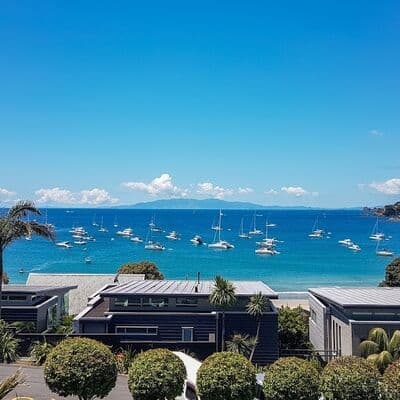
Auckland is New Zealand's largest city, home to roughly a third of the country's population. This is not the capital (that honor belongs to Wellington), but it is the economic and cultural powerhouse. The city stretches between two harbors, is dotted with volcanic cones, and surrounded by beaches accessible within thirty minutes of downtown. It has earned the nickname City of Sails because on any given weekend, the Waitemata Harbour fills with yachts, reflecting the strong boating culture.
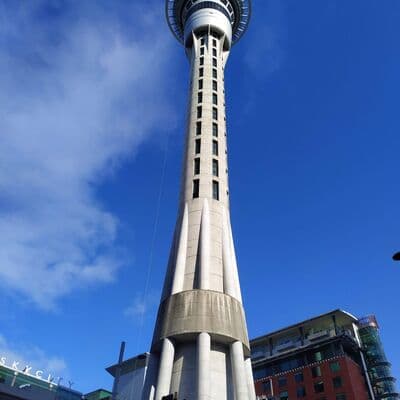
Sky Tower is the city's iconic landmark and premier observation point, offering views of both coasts on clear days. The tower stands 328 meters tall and dominates the skyline. For thrill-seekers, there is Sky Walk, a hands-free walk around the external platform 192 meters above the ground, and Sky Jump, a controlled base jump that lets you plummet 192 meters at speeds up to 85 kilometers per hour. These are not for the faint-hearted, but they offer bragging rights for years to come.
Viaduct Harbour is a lively waterfront precinct filled with restaurants, bars, and superyachts. This is where Emirates Team New Zealand, two-time America's Cup winners, bases its operations. If your budget allows, you can charter a yacht or boat and cruise into the Hauraki Gulf. A more affordable option is the ferry to Rangitoto Island, Auckland's youngest volcano, which last erupted just 600 years ago. The climb to the summit takes about an hour and rewards you with panoramic views of the city and harbor. The lava fields and pohutukawa forest make it feel like another world despite being just 25 minutes from downtown.
Waiheke Island is what happens when Tuscany relocates to the Pacific Ocean. A 35-minute ferry ride from central Auckland transports you to a landscape of vineyards, olive groves, and boutique wineries. The island produces some of the country's finest red wines, particularly syrah and bordeaux-style blends, and restaurant menus feature local oysters, artisan cheeses, and olive oil pressed on the island. You can rent a bicycle and visit wineries independently, stopping at beaches along the way, or join an organized wine tour with guided tastings. Many visitors intend to spend half a day and end up wishing they had booked accommodation.
Auckland Harbour Bridge connects the city center with the North Shore suburbs and is an architectural landmark in its own right. Beyond driving across, you can do a Bridge Climb for 360-degree views or, for the truly adventurous, bungee jump straight from the bridge into the harbor waters below. The bridge climb takes about three hours and includes fascinating history about the city's development.
North of Auckland, Northland begins, a subtropical region with deserted beaches, ancient kauri forests, and deep Maori history. The Bay of Islands is a paradise for yachting, kayaking, and dolphin watching. The water is remarkably clear, and the 144 islands offer countless bays and coves to explore. Cape Reinga at the extreme north is a sacred Maori site where, according to legend, the spirits of the departed begin their journey to the afterlife. Here the Tasman Sea meets the Pacific Ocean, and on stormy days you can watch the two bodies of water collide in a dramatic display of nature's power.
For Americans, Canadians, and Australians arriving on international flights, Auckland is likely your entry point. It is worth spending two to three days exploring the city and nearby attractions before heading south or continuing to other regions. Do not make the mistake of treating Auckland as just a transit hub; it has genuine character and attractions worth experiencing.
Rotorua and the Geothermal Belt
Rotorua smells like sulfur. This is the first thing you will notice, and it is impossible to ignore. The city sits atop an active geothermal zone, and the earth here literally boils. Steam rises from cracks in the pavement, mud pools bubble in city parks, and Lake Rotorua is heated from below. The smell takes about a day to get used to, but in exchange you gain access to one of the world's most unique geological environments. Locals call it the Rotorua perfume and wear the smell as a badge of regional pride.
Te Puia is the premier geothermal park in the region. Here you will find Pohutu Geyser, which erupts up to 30 meters high, often multiple times per hour. Beyond the geysers, the park features boiling mud pools, silicate terraces stained orange and yellow by mineral deposits, and the New Zealand Maori Arts and Crafts Institute, where you can watch master carvers and weavers at work, preserving traditional techniques for future generations. Admission runs around 70-80 NZD (approximately $42-48 USD), but this is an essential experience. Night visits are also available when the steam and pools take on an otherworldly glow under artificial lighting.
Wai-O-Tapu Thermal Wonderland is another geothermal park, famous for its psychedelic colors that seem impossibly vivid. The Champagne Pool is a brilliant orange from antimony deposits, the Artist's Palette shifts through every color of the rainbow depending on temperature and mineral content, and Devil's Bath is a toxic-looking green that seems imported from science fiction. At 10:15 every morning, you can watch the Lady Knox Geyser artificially induced to erupt (they drop in soap, which is not the most ecological practice but creates an impressive spectacle). The park covers about two hours of walking through otherworldly landscapes.
Waimangu Volcanic Valley is the youngest geothermal system on the planet. It was created by the eruption of Mount Tarawera in 1886, which destroyed the famous Pink and White Terraces, considered the eighth wonder of the world at the time. Walking through the valley is like traversing an alien landscape of crater lakes, steaming hillsides, and vegetation struggling to reclaim ground from the volcanic activity. The trail takes two to three hours and ends at Lake Rotomahana, where you can take a boat cruise to see more geothermal features inaccessible by land.
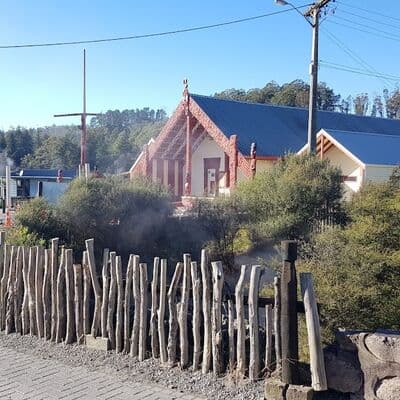
Whakarewarewa Village is a living Maori settlement where geothermal activity is integrated into daily life. Residents cook food in hot springs, bathe in natural thermal pools, and conduct tours for visitors curious about their way of life. This is not a reconstruction or theme park; people have lived here continuously for over 200 years, adapting their lifestyle around the geothermal features that others might consider hazards. The village offers an authentic glimpse into how humans can coexist with extreme geological activity.
Polynesian Spa is the best way to unwind after a day of active exploration. Hot mineral pools overlook Lake Rotorua, offering views across the water to forested hills. There are shared areas at different temperatures and private pools for those wanting more intimacy. Evening sessions, when the city lights up across the lake, are particularly atmospheric. The mineral waters are claimed to have therapeutic properties, and whether or not you believe the health claims, the relaxation is undeniable.
Redwoods Treewalk is a network of suspension bridges connecting giant California redwood trees, which were brought to New Zealand in the early twentieth century and thrived in the local climate. During the day, it offers a pleasant canopy walk with views through the forest. At night, the bridges are illuminated by an artistic installation of suspended lanterns, creating an experience that feels magical without being tacky. The redwood forest itself is worth exploring on ground level too, with mountain biking trails that attract riders from around the world.
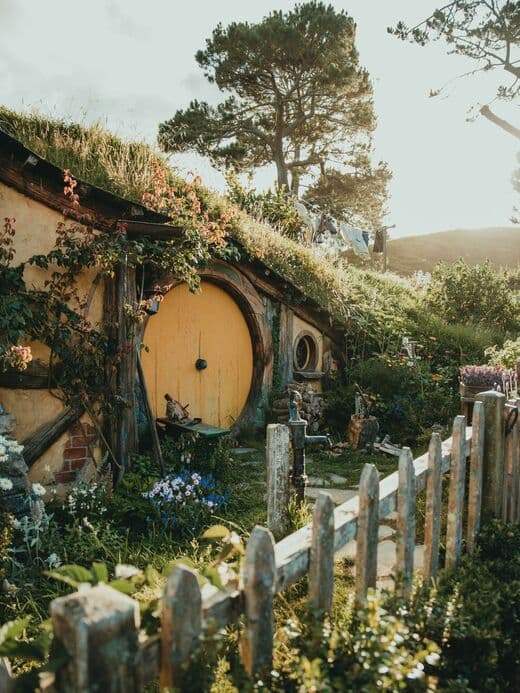
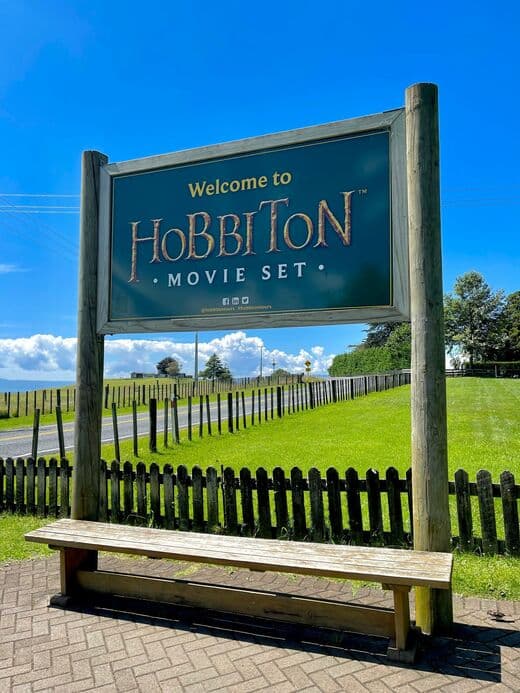
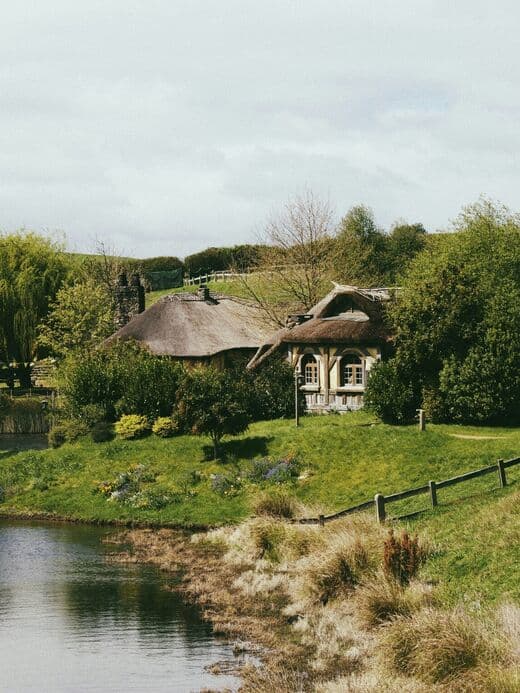
Near Rotorua, you will find Hobbiton, the film set where the Hobbit village scenes were shot for the Lord of the Rings and Hobbit trilogies. Hobbiton Movie Set is the only preserved film set from these productions, and it looks absolutely real, down to the smallest detail. You can peer into hobbit holes, sit beneath Bilbo's oak tree, and enjoy a pint of specially brewed ale at The Green Dragon Inn. Even if you are not a Tolkien devotee, the craftsmanship and attention to detail are impressive. The set was built to last, with real gardens planted years before filming to ensure authentic growth patterns. Tours book up well in advance, especially during peak season, so reserve your spot early.
Wellington: The Capital in the Wind
Wellington is the world's southernmost capital city and the windiest city in New Zealand, possibly in the entire Southern Hemisphere. The local joke is that if there is no wind in Wellington, the apocalypse must be near. But this very wind is what makes the city so alive. The air feels cleaner, the sky seems more dramatic, and residents have adapted with a certain resilience that defines the local character. Wellington is where the country's creative industries concentrate: film production (Weta Workshop created the special effects for Lord of the Rings, Avatar, and dozens of other blockbusters), music, design, and gastronomy all thrive here.
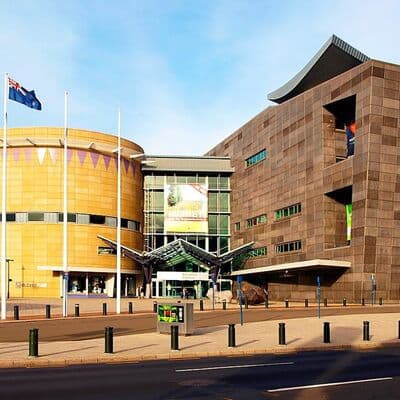
Te Papa Tongarewa, the national museum of New Zealand, is among the finest museums in the world, and entrance is free. Here you can see a complete colossal squid specimen (the only one on display anywhere on the planet), learn about Maori history and European settlement, experience an earthquake simulator, and spend an entire day among interactive exhibits that engage visitors of all ages. If you have time for only one museum in New Zealand, make it this one. The building itself is architecturally striking, designed to withstand Wellington's frequent earthquakes while providing dramatic exhibition spaces.
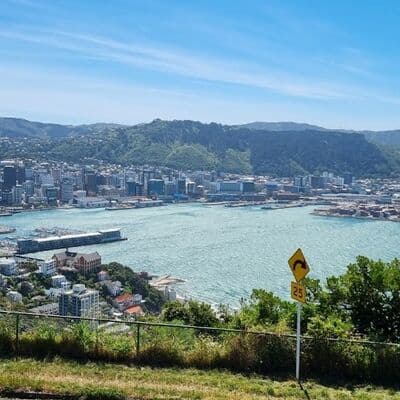
Wellington Cable Car is a city icon. Red carriages climb from downtown to the Kelburn terminal beside the botanical garden and Carter Observatory. At the top, a viewing platform offers panoramic vistas of the harbor and surrounding hills. You can descend on foot through the botanical garden, which is beautifully maintained and free to enter, or ride the cable car back down. The journey takes just five minutes but provides excellent photography opportunities of the compact city below.
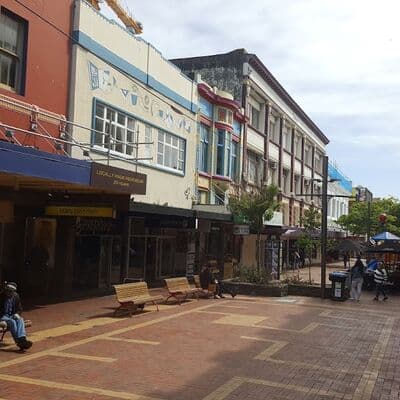
Cuba Street is the bohemian heart of Wellington, lined with independent cafes, vintage shops, street performers, and a creative energy that feels distinctly antipodean. The coffee here is exceptional, and Wellington takes its coffee culture seriously. Try a flat white, the New Zealand (or possibly Australian, depending on who you ask) invention that has conquered coffee shops worldwide. The concentration of quality cafes per capita may be higher here than anywhere else on earth. Duck into random side streets and discover hidden bars, galleries, and music venues.
Mount Victoria offers the best viewpoint in the city. The walk from downtown takes 20-30 minutes through a mix of residential streets and bush-covered paths. Come at sunset when the city below begins to glow with evening lights and the harbor reflects the colors of the sky. Incidentally, these very slopes were used for Lord of the Rings filming, specifically the scenes where the hobbits hide from the Nazgul on the road. You may recognize certain angles if you are a fan.
Zealandia Ecosanctuary is a unique conservation project aiming to restore the original ecosystem of New Zealand before human arrival. A 225-hectare area is enclosed by a predator-proof fence keeping out rats, cats, and possums, which are the primary threats to native birds. Within this sanctuary, populations of some of the country's rarest species have been reestablished: tuatara (reptiles unchanged since the dinosaur era), takahe (a bird once thought extinct), little spotted kiwi, and many others. Night tours are particularly impressive because they offer the chance to see kiwi birds in their natural habitat, something increasingly rare in the wild.
Wellington is also where you catch the ferry to the South Island if you are driving or want a scenic alternative to flying. The crossing takes about 3.5 hours through Cook Strait, and on calm days the views of the Marlborough Sounds as you approach Picton are spectacular. Even if you are not continuing south, the city deserves two to three days of exploration. Its compact size means you can walk almost everywhere, and the restaurant scene punches well above its weight for a city of 400,000 people.
Christchurch: A City Rising from the Rubble
Christchurch is the largest city on the South Island and a place with an extraordinary recent history. The earthquakes of 2010 and 2011 devastated the historic center, killing 185 people and destroying thousands of buildings. But rather than simply rebuilding what was lost, the city chose to reimagine itself. Today, Christchurch is a living laboratory of urban design, where experimental architecture coexists with empty lots, street art covers temporary structures, and the community has transformed tragedy into opportunity.
Cardboard Cathedral was intended as a temporary replacement for the damaged Anglican Cathedral, built from cardboard tubes coated with waterproof polyurethane and triangular glass panels. What was supposed to be temporary has become permanent; the cathedral is beautiful, functional, and has evolved into a symbol of resilience and innovation. Japanese architect Shigeru Ban, known for his work with unconventional materials, designed the structure. Services are held regularly, and the cathedral welcomes visitors of all faiths or none.
Quake City is a memorial museum dedicated to the earthquakes and their aftermath. The exhibition includes artifacts: crushed cars, clocks stopped at the moment of the tremor, personal stories from survivors. It is emotionally heavy but important for understanding what this city has experienced and how it has responded. The stories of heroism, loss, and community spirit are moving. Allow at least an hour, and be prepared to reflect on the fragility of urban life in seismically active zones.
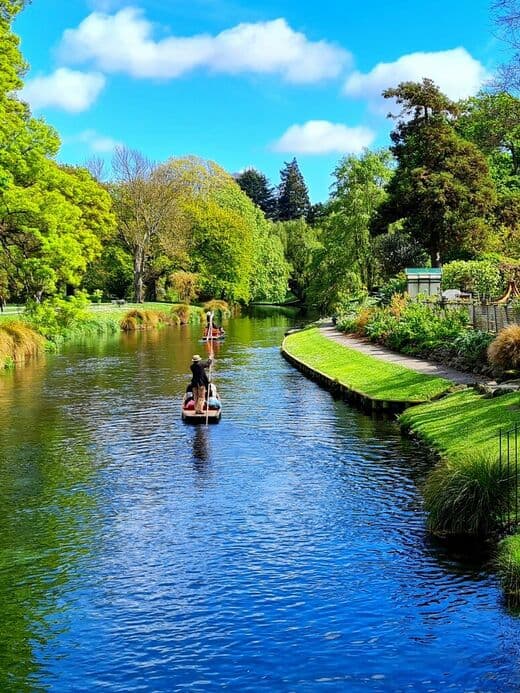
Christchurch Botanic Gardens is one of the few areas that survived the earthquake largely undamaged. Twenty-one hectares of gardens along the Avon River feature rose gardens, rhododendrons, conservatories with tropical plants, and expansive lawns perfect for picnicking. Entry is free. From here, you can arrange punting on the Avon River, where boatmen in Edwardian costume pole tourists past weeping willows, much like in Cambridge, England. It is charming, relaxing, and offers a different perspective on the city.
Riverside Market has become the culinary heart of the new Christchurch. The two-story building houses the city's best food vendors: fresh oysters, craft beer, Asian cuisines, artisanal cheeses, and local produce. The atmosphere is relaxed, the crowd is mixed, from students to retirees, and there is a food option for every taste and budget. On weekends it fills with families and becomes a social hub for the city.
Canterbury Museum, a free museum adjacent to the botanic gardens, has an excellent collection covering Maori culture, Antarctic expeditions (Christchurch serves as the gateway to Antarctica, and many research missions depart from here), and regional history. The Antarctic wing is particularly well-curated, offering insight into the heroic age of polar exploration and modern scientific research on the frozen continent.
International Antarctic Centre is an interactive museum near the airport that brings Antarctica to life without requiring actual polar travel. You can experience an Antarctic storm simulation at minus 18 degrees Celsius with wind chill, ride a Hagglund all-terrain vehicle, and meet little blue penguins, the world's smallest penguin species, at a rehabilitation center. It is educational and entertaining, suitable for families and adults alike.
Port Hills form the boundary between the city and the ocean. From here, views extend across the Canterbury Plains on one side and Banks Peninsula on the other. Numerous hiking and biking trails wind through the hills, and the mountain biking is world-class, drawing riders from across New Zealand and beyond. Some trails remain closed after the earthquake due to rockfall risk, but most are accessible and offer rewards far exceeding the effort required.
Christchurch serves as an excellent base for exploring the South Island. It is well connected by air, has car rental agencies at the airport, and provides a gentler introduction to South Island travel than diving straight into the more remote regions. Spend a day or two here before heading south or west.
Queenstown: The Adventure Capital
Queenstown is the South Island's premier tourist destination and the unofficial world capital of adrenaline. Commercial bungee jumping was invented here in 1988 at Kawarau Bridge, and since then the town has competed with itself to invent new ways to terrify tourists: jet boats, skydiving, canyoning, ziplines, paragliding, and combinations thereof. If you have a weak heart, come anyway; you can simply admire the scenery, which is spectacular enough to justify the journey.
Lake Wakatipu is the turquoise alpine lake on whose shore Queenstown sits. Its depth reaches 380 meters, the water is pure enough to drink, and the temperature hovers around 14 degrees Celsius even in summer, cold enough to take your breath away but refreshing after a morning hike. The TSS Earnslaw, a coal-fired steamship launched in 1912, the same year as the Titanic, still cruises the lake several times daily. A trip aboard offers both history and scenery in equal measure.
Skyline Gondola ascends to Bob's Peak, offering views of the town, lake, and the Remarkables mountain range. At the top, options include a restaurant with floor-to-ceiling windows, luge tracks (wheeled sleds that provide surprisingly thrilling descents), mountain bike trails, and a launching platform for paragliders. The luge is unexpectedly fun regardless of age, and you will probably want multiple rides once you get the hang of it.
Shotover Jet provides a ride in a high-speed jet boat through the narrow Shotover River canyon. The boat screams along centimeters from rock walls, executing 360-degree spins at full speed, creating a sensation somewhere between a roller coaster and a near-death experience, all on water. Getting wet is guaranteed. Getting an adrenaline rush is inevitable. The experience lasts about 25 minutes including the dramatic canyon portion.
Kawarau Bridge is where commercial bungee jumping began. The jump is 43 meters above a turquoise river, and the original remains a classic. If 43 meters seems insufficient, Nevis Bungy offers 134 meters, one of the highest jumps available anywhere in the world. Spectators can watch for free, so even if you cannot bring yourself to leap, you can experience vicarious terror and admiration watching others take the plunge.
The Remarkables Ski Area is one of four ski resorts in the Queenstown vicinity. The season runs from June to October, which is winter in the Southern Hemisphere, making Queenstown a popular destination for Northern Hemisphere skiers seeking snow during their summer. Trails cater to all ability levels, and the views across Lake Wakatipu are extraordinary. Other nearby resorts include Coronet Peak (closer to town and better for beginners), Cardrona (larger terrain), and Treble Cone (more challenging runs). A combined pass gives access to multiple mountains if you are staying several days.
Fergburger is Queenstown's cult burger joint. The line extends down the street at all hours, day and night, which is proof of quality in itself. Burgers are the size of your head, fries portions feed three, and the menu includes options from classic beef to venison to vegetarian. The restaurant operates until 5 AM, useful after a night of revelry. If you want to skip the queue, their adjacent Ferg Bakery serves pastries and sandwiches without the wait.
Queenstown has evolved from a gold rush town to a resort destination, and the transformation shows. Prices are higher than elsewhere in New Zealand, accommodations book up months in advance during peak seasons, and the town center can feel crowded with international tourists. But the setting remains magnificent, the adventure options are unmatched, and there is a buzzing energy that makes the commercialization easier to forgive.
Wanaka: The Quieter Alternative
Wanaka is what Queenstown was thirty years ago: a small lakeside town with ski slopes and hiking trails but without the crowds and commercialism. Many New Zealanders prefer to vacation here precisely because it offers the same natural beauty with a more relaxed atmosphere. Lake Wanaka, the country's fourth largest lake, is surrounded by mountains and dotted with small bays perfect for swimming, kayaking, or simply watching the sunset.
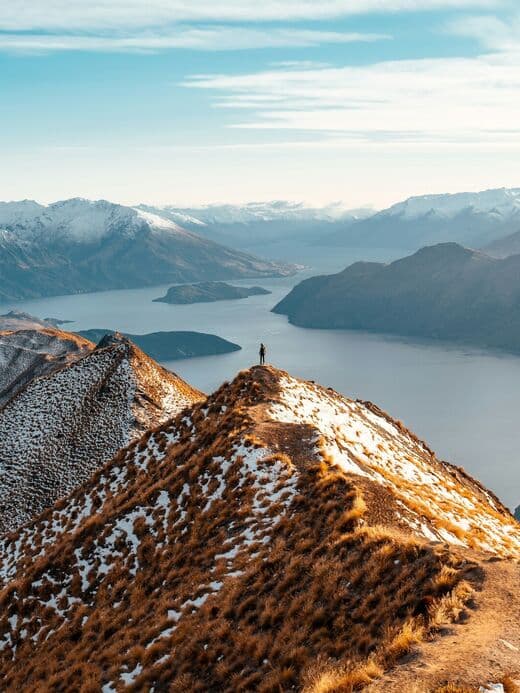
Roys Peak is the most Instagrammed hike in New Zealand. The trail takes five to six hours round trip with an elevation gain of 1,200 meters, challenging but achievable for anyone with reasonable fitness. At the summit, you get that famous view: a sharp ridge line extending into the frame with the lake and mountains beyond, the shot you have seen on a million social media posts. Start early in the morning to avoid crowds and catch the soft morning light. Bring enough water, as there is no shade and the sun can be brutal.
Puzzling World is an attraction featuring mazes, optical illusions, and brain teasers. It sounds childish, but adults regularly lose hours here trying to solve puzzles and photograph themselves in impossible-looking poses. The tilted room, where water appears to flow uphill and people seem to grow and shrink, is a classic. It is an excellent option for a rainy day or when you need a break from hiking.
Wanaka is about an hour's drive from Queenstown over the Crown Range, one of New Zealand's highest sealed roads with spectacular views. Many travelers base themselves here instead of Queenstown to avoid the hustle, making day trips to Queenstown activities as desired. The town has excellent cafes, good restaurants, and a friendly locals scene. It is also a gateway to Mount Aspiring National Park for more serious backcountry adventures.
Milford Sound: The Eighth Wonder of the World
Milford Sound is technically not a sound but a fiord, carved by glaciers millions of years ago. Rudyard Kipling called it the eighth wonder of the world, and that description holds up. Vertical cliffs up to 1,200 meters high plunge straight into the water, waterfalls cascade from ledges high above, and on calm days the entire scene reflects in the mirror-like surface of the fiord. It is the kind of place that makes you understand why humans invented words like sublime.
Milford Sound cruises are essential. Boats travel the full length of the fiord to the opening onto the Tasman Sea and back. Captains deliberately steer close to Stirling Falls, showering passengers in a bracing natural mist. Seals lounge on rocks, dolphins occasionally escort the boats, and penguins nest on the cliffs. Standard cruises of about two hours start from around 70 NZD (approximately $42 USD), but overnight options are available for those wanting a more immersive experience. Kayaking trips offer an even more intimate encounter with the fiord.
Mitre Peak is the iconic silhouette of Milford Sound. The mountain rises 1,692 meters directly from the water in a single dramatic thrust, one of the most photographed landforms in New Zealand. The best view is from the water or from the lookout point near the wharf. On clear days, the reflection doubles the visual impact.
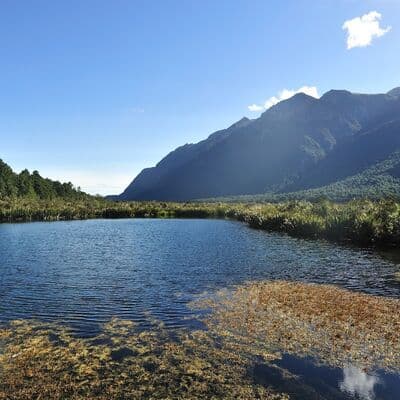
The road to Milford Sound is an adventure in itself. The 300-kilometer drive from Queenstown winds through mountains, past Mirror Lakes, through The Chasm gorge, and into Homer Tunnel, a 1.2-kilometer passage blasted through solid rock with no lighting inside. Stop at every viewpoint along the way; each offers vistas more impressive than the last. The drive takes about four hours each way, but allow more time for stops. Consider staying overnight in Te Anau to split the journey.
Milford Track is a 53-kilometer, four-day trek that many consider the finest walk in the world. The route runs from Lake Te Anau to Milford Sound, crossing Mackinnon Pass with views in all directions. Hut bookings fill months, sometimes years, in advance due to strict quotas limiting walker numbers. If you cannot secure a booking, day hikes from both ends of the track offer abbreviated experiences of this legendary trail.
Franz Josef and the West Coast Glaciers
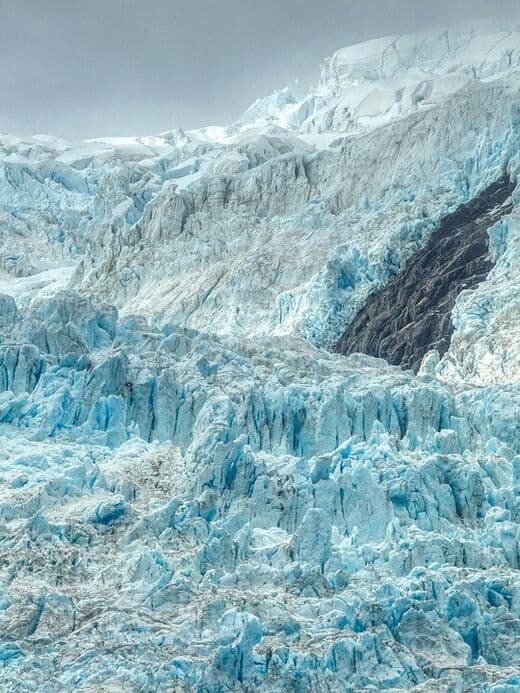
Franz Josef is a small town at the foot of one of the world's most accessible glaciers. Franz Josef Glacier and neighboring Fox Glacier are among the few glaciers on Earth that descend into temperate rainforest zones. The contrast of white ice against green ferns and dripping vegetation is surreal, almost contradictory, and completely unique. These glaciers have been retreating in recent decades due to climate change, adding urgency to any visit.
You can walk to the glacier viewpoint for free, but approach is limited to a certain distance due to the ice's ongoing retreat and regular collapses that make close access dangerous. For actual contact with the ice, helicopter tours are necessary. These flights land directly on the glacier, provide crampons and guides, and lead you through ice caves and blue crevasses. Prices run 300-500 NZD (approximately $180-300 USD), expensive but unforgettable. The aerial views during approach and departure add extra value to the investment.
An alternative is the Glacier Hot Pools at the base of Franz Josef. After a long day of driving (it is about five hours from Queenstown), relaxing in hot mineral water surrounded by rainforest feels like a well-deserved reward. The pools are attractively designed and less crowded than some hot spring options elsewhere in the country.
The West Coast of the South Island is wild, wet, and sparsely populated. It receives abundant rainfall, which is why the vegetation is so lush, but this also means you should come prepared for weather and not be disappointed if skies are gray. The region has a frontier feel, with small towns that once thrived on gold mining and now cater to travelers passing through on the scenic route between Queenstown and Christchurch or Greymouth.
Unique Experiences: National Parks and Natural Wonders
New Zealand is home to 13 national parks that cover 30 percent of the country's land area. Environmental protection is taken seriously, and this shows in everything from well-marked trails to maintained huts to strict behavioral codes. The Great Walks, ten premier hiking tracks, represent the pinnacle of this system, with online booking, patrol rangers, and an emphasis on environmental education. But beyond the famous tracks, countless other experiences await those willing to explore.
Tongariro National Park
Tongariro is New Zealand's first national park and a UNESCO World Heritage Site recognized for both natural and cultural significance. Three active volcanoes dominate the landscape: Ruapehu (the highest point on the North Island and home to ski fields), Ngauruhoe (instantly recognizable as Mount Doom from Lord of the Rings), and Tongariro itself. The Tongariro Alpine Crossing is a one-day hike through Martian landscapes: emerald crater lakes, red deserts, lava flows, and volcanic vents steaming sulfurous gas. The 19.4-kilometer route takes seven to eight hours and ranks among the best day hikes on the planet. In winter, alpine equipment and experience are necessary due to snow and ice. The crossing requires transportation logistics since it is one-way, but numerous shuttle services operate during hiking season.
Fiordland National Park
Fiordland is the wild southwest of the South Island, where mountains meet the sea in a landscape shaped by ice ages and tectonic forces. Milford Sound is merely the most famous fiord; Doubtful Sound is quieter, larger, and arguably even more impressive. Dozens of other fiords are accessible only by boat or helicopter. Three of the ten Great Walks pass through Fiordland: Milford Track, Kepler Track, and Routeburn Track. Each offers multi-day wilderness immersion in one of the wettest regions of the country. Rain is frequent, but it feeds the countless waterfalls that make the landscape so dramatic.
Abel Tasman National Park
Abel Tasman is the smallest national park in New Zealand but one of the most visited. Golden sand beaches, turquoise bays, kayaking among seals and penguins; this park is about coastline rather than mountains. The Abel Tasman Coast Track runs 60 kilometers along the shore over three to five days. You can combine hiking with water taxi transport or sea kayaking, designing an itinerary that suits your fitness and interests. The climate here is among the mildest in the country, making it accessible year-round.
Aoraki Mount Cook National Park
Aoraki is the sacred mountain of the Maori people and New Zealand's highest peak at 3,724 meters. Sir Edmund Hillary trained here before becoming the first person to summit Mount Everest in 1953. Hooker Valley Track is an easy three-hour return walk with views of glaciers and the mountain itself, accessible to almost anyone. For more serious hiking, Ball Pass Crossing and the Mueller Hut route offer overnight adventures with technical challenges. The village at the mountain's base provides accommodation, though options are limited and book up quickly in summer.
Dark Sky Reserves
New Zealand is a paradise for astronomy enthusiasts. Minimal light pollution, clean air, and the Southern Hemisphere's orientation reveal a sky that Northern Hemisphere residents have never seen. The Southern Cross constellation, the Magellanic Clouds (satellite galaxies visible to the naked eye), and the dense core of the Milky Way are all on display. The Aoraki Mackenzie International Dark Sky Reserve is among the largest in the world, covering 4,300 square kilometers. In 2026, the Wairarapa International Dark Sky Reserve was named by Lonely Planet as one of the top experiences for travelers. Night tours with telescopes and expert guides are available in several locations.
Unique Wildlife
Eighty million years of isolation have made New Zealand a biological laboratory unlike anywhere else on Earth. There are no native land mammals apart from two species of bat. Instead, birds evolved to fill every ecological niche. Kiwi, a flightless bird roughly the size of a chicken, is the national symbol. Tuatara are reptiles that have remained essentially unchanged since the age of dinosaurs. Kea are the world's only alpine parrots, known for their intelligence and their habit of disassembling cars in search of rubber and food. Little blue penguins (korora), the smallest penguins in the world, nest along the southern coastlines. Albatrosses, with wingspans reaching 3.5 meters, soar above the ocean. Seeing these creatures in the wild requires planning, but wildlife encounters add a dimension to New Zealand travel that few other countries can match.
The country's commitment to conservation is visible everywhere. Predator-free sanctuaries are working to restore ecosystems devastated by introduced species. Visitors can support these efforts by following guidelines, staying on marked trails, and respecting wildlife. The Department of Conservation (DOC) manages public lands and provides information on everything from hiking tracks to wildlife viewing opportunities.
When to Visit New Zealand
New Zealand is in the Southern Hemisphere, so seasons are reversed from those in North America and Europe. December through February is summer; June through August is winter. However, the oceanic climate moderates temperature extremes, so the swings are less dramatic than in continental interiors.
Summer (December to February)
This is peak season. Temperatures range from 20-30 degrees Celsius in the north to 15-25 degrees in the south. Conditions are ideal for beaches, hiking, and all outdoor activities. However, this is also when the majority of tourists arrive, especially during Christmas and New Year holidays. Great Walks book out six to twelve months in advance. Campgrounds overflow. Accommodation prices peak. If you plan to visit in summer, book everything as early as possible: flights, cars, accommodations, tours. Spontaneous travel is difficult during these months.
Autumn (March to May)
This is arguably the best time to visit. Crowds disperse after summer holidays, prices drop, but weather remains pleasant. March is particularly excellent: warm, dry, and coinciding with grape harvest in wine regions. April cools somewhat, especially in the south, but remains comfortable for most activities. May marks the transition to low season, and some tourist services reduce operations until spring. Autumn colors in areas with deciduous trees (introduced species like willows and poplars) add visual appeal.
Winter (June to August)
Ski season draws visitors to Queenstown, Wanaka, and the Ruapehu region. The North Island stays mild in winter (10-15 degrees Celsius) but without snow at low elevations. Hot springs in Rotorua are especially inviting in cold weather. Many Great Walks close due to snow and avalanche risk; always check conditions before attempting winter hiking. Roads in the south may be blocked by snow; chains are sometimes required. If skiing is your goal, this is your season. Otherwise, consider shoulder months.
Spring (September to November)
Nature awakens. Lambs appear in paddocks by the millions, gardens bloom, waterfalls run at peak volume from winter rains. Weather is unpredictable: four seasons in one day is a common saying. But prices are lower, crowds are smaller, and landscapes are greener than at any other time. If you can handle some weather variability, spring offers excellent value and photographic opportunities. The Great Walks begin reopening, though conditions may still be challenging on higher routes.
Holidays and Events
Waitangi Day (February 6) is the national holiday commemorating the signing of the treaty between Maori and the British Crown. ANZAC Day (April 25) honors military veterans. Many businesses close on both holidays. Matariki, the Maori New Year celebrated in June or July depending on the lunar calendar, became an official public holiday in 2022. It is a time of cultural events, festivals, and reflection. School holidays in late December through January, mid-April, July, and late September through October see increased domestic travel.
Getting to New Zealand
New Zealand is one of the most remote countries in the world. The nearest neighbors are Australia (three to four hours flying) and Pacific island nations. From North America and Europe, expect minimum travel times of 20-24 hours including connections.
Airports
Auckland (AKL) is the main international gateway. Air New Zealand, Qantas, Emirates, Singapore Airlines, Cathay Pacific, Korean Air, United Airlines, American Airlines, and numerous other major carriers operate here. Christchurch (CHC) is the second international airport, serving fewer routes but offering direct access to the South Island. Wellington (WLG) receives flights from Australia and Fiji.
Routes from North America
From the United States, direct flights operate from Los Angeles, San Francisco, Houston, and New York (seasonal) on Air New Zealand and occasionally United. Flight time is approximately 12-13 hours from the West Coast, longer from eastern cities with connections. From Canada, there are no direct flights; connections through Los Angeles, Sydney, or Asian hubs are necessary.
Alternatively, consider routing through Asia for an interesting stopover. Singapore Airlines via Singapore, Cathay Pacific via Hong Kong, Korean Air via Seoul, or various carriers via Tokyo all offer quality service and the opportunity to break up the long journey with a day or two exploring another city. Many travelers find this approach reduces fatigue and adds another destination to the trip.
Routes from the United Kingdom and Europe
There are no direct flights from Europe to New Zealand. Common routing options include via Dubai on Emirates, via Doha on Qatar Airways, via Singapore on Singapore Airlines, or via Hong Kong on Cathay Pacific. Total travel time is typically 24-28 hours depending on connection times. Consider overnight layovers in hub cities to rest and explore rather than sprinting through connections.
Routes from Australia
Flights between Australian cities and New Zealand are frequent and relatively short: Sydney to Auckland is approximately three hours. Air New Zealand, Qantas, Jetstar, and Virgin Australia all operate multiple daily services. Fares are competitive, especially if booked in advance. Australians form the largest international visitor group to New Zealand, and the route is well-served.
Flight Booking Tips
Search for tickets four to six months before departure for the best prices. Avoid December and January when holiday surcharges apply. Stopovers of one or two days in Singapore, Hong Kong, Bangkok, or Dubai add variety without significant cost if built into your ticket. Air New Zealand regularly runs sales on their website, and signing up for fare alerts can yield significant savings. For the best economy experience on long-haul routes, Air New Zealand's Skycouch product, which converts three economy seats into a flat surface, is worth investigating for couples or families.
Visa Requirements
Visa requirements depend on your nationality. Citizens of the United States, United Kingdom, Canada, Australia, and most European Union countries do not require a visa for tourist visits of up to 90 days. However, since October 2019, travelers from visa-waiver countries must obtain an NZeTA (New Zealand Electronic Travel Authority) before departure. This can be done online or through the NZeTA app and costs 23 NZD via website or 17 NZD via app. Additionally, the IVL (International Visitor Conservation and Tourism Levy) of 35 NZD is collected at the same time. The total cost is approximately 50-60 NZD (around $30-36 USD). The NZeTA is valid for two years and allows multiple entries.
Process your NZeTA well in advance of travel. While it is technically valid immediately upon approval, processing can occasionally take up to 72 hours, and you do not want visa issues causing stress at the airport. Keep confirmation on your phone or printed.
Transportation Within New Zealand
New Zealand was made for road trips. Roads are excellent, traffic is minimal outside Auckland, and the scenery through your windshield is museum-quality. But alternatives exist for those who prefer not to drive or want to experience the country differently.
Car Rental
This is the most flexible option. Major international companies (Hertz, Avis, Budget) and local operators (Apex, GO Rentals, Ezi Car Rental) are available at airports. Prices start from about 40 NZD per day (approximately $24 USD) for a compact car and 80 NZD ($48 USD) for an SUV. Important considerations:
- Left-hand traffic: New Zealand drives on the left side of the road, with the steering wheel on the right side of the car. If you are from a country that drives on the right, allow time to adjust. Intersections and overtaking require extra attention. Take it slowly the first day.
- International licenses: US, UK, Canadian, and Australian licenses are valid for up to 12 months. However, having an International Driving Permit is recommended to avoid any complications with rental companies or police if stopped.
- Insurance: CDW (collision damage waiver) is usually included but with an excess (deductible) of 2,000-4,000 NZD. You can purchase additional coverage from the rental company or through third-party providers like iCarhireInsurance or RentalCover for potentially lower costs.
- Gravel roads: Many rental contracts prohibit driving on unsealed roads without special permission. Check the terms carefully if you plan to explore backcountry areas.
- Inter-island transfers: Most companies allow you to drop off a car on one island and pick up another on the second. The ferry crossing is for passengers, not rental vehicles. This avoids ferry fees for the car and simplifies logistics.
Campervans and Motorhomes
A popular option for budget travelers and families. Companies like Jucy, Britz, Maui, and Wilderness offer everything from converted minivans to full-size motorhomes. Prices range from 100 NZD per day for a basic campervan to 400 NZD for a luxury motorhome. The savings on accommodation can partially offset rental costs. Hundreds of DOC (Department of Conservation) campgrounds around the country charge nothing to 15 NZD per night, and holiday parks with full facilities are available in most towns.
Freedom camping, the practice of parking overnight in public areas for free, is possible with self-contained vehicles (those with onboard toilets and gray water tanks). Rules vary by region; check local regulations before stopping. Abuse of freedom camping privileges by some travelers has led to restrictions in popular areas, so treat the privilege responsibly.
Buses
InterCity is the main bus operator, with routes covering both islands. They offer flexible passes (FlexiPass) that allow hours of travel to be used however you choose. Naked Bus is a budget alternative with sales sometimes dropping to 1 NZD per trip if booked far enough in advance. For backpackers, Kiwi Experience and Stray operate hop-on-hop-off buses with a social atmosphere and built-in activities, designed for younger travelers who want to meet people on the road.
Trains
Rail in New Zealand is not about efficient transportation but scenic experience. KiwiRail operates three scenic trains:
- Northern Explorer: Auckland to Wellington (12 hours). The route crosses volcanic landscapes, traverses viaducts, and passes through long tunnels. It runs three times per week in each direction.
- Coastal Pacific: Christchurch to Picton (5.5 hours). This route follows the coast with ocean views and opportunities to spot whales. It operates seasonally from September to April.
- TranzAlpine: Christchurch to Greymouth (5 hours). Crossing the Southern Alps, this is regularly cited as one of the world's great train journeys, passing through Arthur's Pass National Park with views of gorges, rivers, and alpine scenery.
Prices are high, starting around 100 NZD, and schedules are infrequent (often just one departure daily). But the views justify the investment for those who appreciate rail travel.
Ferries
The Interislander and Bluebridge ferries connect Wellington on the North Island with Picton on the South Island. The crossing through Cook Strait takes about 3.5 hours. Walk-on passenger fares start around 55 NZD; bringing a car costs from 180 NZD. Up to five departures run daily in peak season. The strait can be rough; motion sickness medication is advisable if you are susceptible. On calm days, the passage through the Marlborough Sounds as you approach Picton is spectacularly beautiful, with forested hills plunging into the water and hidden bays everywhere.
Domestic Flights
Air New Zealand and Jetstar operate domestic routes between all major cities. If booked in advance, prices are reasonable: Auckland to Queenstown can be found for 80 NZD or less. Flying saves significant time compared to driving, which matters if your trip is short. Regional airlines serve smaller airports, useful for reaching places like Rotorua or Nelson directly.
Cultural Code: How to Behave
New Zealanders, Kiwis, rank among the most unpretentious people on the planet. Boasting, flaunting status, and arrogance are actively discouraged. Tall poppy syndrome, the cultural tendency to cut down those who stand out, is real. This does not mean success is not valued, but it should be presented with modesty. Humility is respected; self-promotion raises eyebrows.
Greetings
Hongi is the traditional Maori greeting, a pressing together of noses and foreheads. If you are invited to a marae (Maori meeting house) or cultural event, hongi may be offered as a sign of respect. Accept gracefully by pressing gently and holding the position for a moment. In everyday life, a standard handshake, smile, and eye contact are appropriate. Kiwis are friendly and approachable; do not hesitate to start conversations.
Tipping
Tipping is not customary and not expected. Service staff are paid reasonable wages, unlike in the United States where tips supplement income. If you receive genuinely exceptional service, a tip of 10 percent is a generous compliment but not an obligation. No one will be offended if you do not tip. This is liberating for North American visitors accustomed to calculating gratuities everywhere.
Shoes
New Zealanders frequently go barefoot, including into shops, cafes, and down the street. This is not a sign of poverty but a cultural quirk. The climate permits it, and people take advantage. If you see a sign saying No shoes, no service, the establishment is more formal than average. But do not be surprised to see barefoot locals in places where shoes would be mandatory elsewhere in the world.
Nature as Sacred
Respect for nature is almost religious here. Littering is deeply frowned upon. Leave no trace is the principle everyone who ventures outdoors is expected to follow. Open fires are permitted only in designated areas; fire bans are strictly enforced during dry seasons. Feeding wild animals is prohibited because it disrupts their natural behaviors. In national parks, stay on marked trails because ecosystems are fragile and easily damaged. If you pack it in, pack it out.
Maori Culture
Maori are not a historical exhibit. They are a living people comprising about 17 percent of the population. The Maori language, te reo Maori, is an official language alongside English. Greetings like Kia ora (hello) and Ka kite ano (see you later) are used universally. At official events, Maori songs, prayers, and protocols are common. Respectful engagement with Maori culture is not optional but expected. Learn a few basic phrases. Show interest sincerely. Ask questions respectfully.
What Not to Do
- Do not compare New Zealand to Australia (or vice versa). They are different countries with different histories and identities. The rivalry is real, even if usually friendly.
- Do not call the fruit a kiwi in front of locals. Kiwi refers primarily to the bird and the people. The fruit is kiwifruit. Calling it just kiwi marks you as a tourist.
- Do not disregard Maori names and protocols when visiting a marae or cultural site. Show respect for the traditions being shared with you.
- Do not leave valuables visible in your car. Car break-ins occur, especially at tourist parking areas. Put bags in the trunk or take them with you.
Safety
New Zealand consistently ranks among the world's safest countries. The Global Peace Index places it in the top five year after year. Violent crime is rare, and gun control is strict, especially following the Christchurch terrorist attack in 2019, which led to significant tightening of firearms laws.
Crime
Petty theft is the primary concern for tourists. Car break-ins at tourist parking areas are the most common issue: do not leave valuables visible in your vehicle. In Auckland, some neighborhoods are best avoided at night (parts of South Auckland), but tourists have little reason to be there. Overall, personal safety concerns are minimal compared to most countries. Walking alone at night is generally safe in city centers and residential areas.
Scams
Standard scams operate here as everywhere:
- Unlicensed taxis: Use official taxi services or ride-hailing apps (Uber, Ola, Zoomy).
- ATM skimming: Prefer ATMs inside banks rather than standalone machines on the street.
- Fake bookings: Book accommodations through established platforms with buyer protection.
- Road accident scams: If someone causes a minor accident and demands cash payment on the spot, refuse and call police.
Natural Hazards
There are no snakes and no large predators, but nature can still be dangerous:
- Sun: Ultraviolet radiation is extreme due to the ozone hole over Antarctica and the clear air. SPF 50+ sunscreen, a hat, and quality sunglasses are essential. Reapply sunscreen frequently, especially after swimming or sweating. Sunburn can occur in as little as 15 minutes on exposed skin.
- Water: Ocean currents are powerful, particularly on west coast beaches. Swim only at patrolled beaches and stay between the flags. Rip currents cause deaths every year; if caught in one, swim parallel to shore rather than fighting against it.
- Mountains: Weather changes rapidly in alpine environments. Even on day hikes, carry warm clothing, rain gear, water, and food. Hypothermia is a risk if conditions deteriorate unexpectedly. Check forecasts before setting out and inform someone of your plans.
- Geothermal areas: In Rotorua and Tongariro, stay on marked paths. The ground can collapse into boiling mud or scalding water. Serious injuries and deaths have occurred when visitors ventured off trails.
Earthquakes
New Zealand sits on the boundary of tectonic plates and experiences regular seismic activity. Small earthquakes are routine and often not even noticed. Larger events occur every few years; the Christchurch earthquakes of 2010-2011 and the Kaikoura earthquake of 2016 caused significant damage. If you experience an earthquake: Drop to your hands and knees, take Cover under a sturdy table or against an interior wall, and Hold on until shaking stops. Stay indoors until the shaking ends. Be prepared for aftershocks.
Emergency Numbers
111 is the emergency number for police, ambulance, and fire services, equivalent to 911 in the United States. For earthquake information, 0800 QUAKES (0800 782537). Save these numbers in your phone before traveling.
Health and Medical Care
New Zealand's healthcare system is excellent, but it is not free for visitors. Medical costs without insurance can be substantial. A doctor's visit typically runs 80-150 NZD, and hospitalization can reach thousands of dollars quickly.
Travel Insurance
Purchase comprehensive travel insurance with coverage of at least $50,000 USD for medical expenses and emergency evacuation. Given the country's remoteness, evacuation can be extremely expensive. If you plan adventure activities like bungee jumping, skydiving, or multi-day hiking, verify that your policy covers these; many standard policies exclude high-risk activities. Read the fine print and consider adventure-specific coverage if needed.
Vaccinations
No vaccinations are required for entry. Standard immunizations (tetanus, measles, hepatitis) are recommended but not mandatory. There is no malaria, yellow fever, or other tropical diseases. If you are traveling from or through a country with yellow fever risk, a certificate may be required, but this is rare for most visitors from North America, Europe, or Australia.
Pharmacies
Chemist Warehouse, Life Pharmacy, and Unichem are major pharmacy chains. Most common medications are available over the counter. If you bring prescription medications from home, carry the prescription (ideally in English) and keep medications in original packaging. Some drugs that are over-the-counter elsewhere may be prescription-only in New Zealand and vice versa.
Water and Food Safety
Tap water is safe to drink throughout the country except in some rural areas where warnings will be posted. Food safety standards are high; you can eat everywhere, including street food and market stalls, without concern. Stomach issues are unlikely if you follow normal hygiene practices.
Sandflies
Sandflies are the main irritant on the South Island, particularly in Fiordland and along the West Coast. These tiny biting flies cause itchy welts that persist for days. DEET-based repellent, long clothing, and staying in motion (they dislike wind) provide protection. Some people react more severely than others. Bring antihistamine cream for relief if you are bitten.
Money and Budget
Currency
The New Zealand dollar (NZD, $) is the currency. Exchange rates fluctuate but generally hover around 0.60-0.65 USD, meaning 1 NZD equals roughly 60-65 US cents. Cash is rarely necessary; cards are accepted almost everywhere, including farmers markets and small cafes. Contactless payment (tap and go) is standard. Carrying small amounts of cash for emergencies is wise but not essential.
ATMs
ATMs are available in all towns. Major banks include ANZ, ASB, BNZ, and Westpac. Withdrawal fees vary: your home bank will likely charge a foreign transaction fee of $5-7 USD or equivalent. Some tourist-area ATMs charge additional fees. Use bank-affiliated ATMs when possible for the best rates.
Currency Exchange
The best exchange rates are at banks or Travelex outlets in airports and major cities. Avoid hotel exchanges, which offer poor rates. Even better, use a travel-friendly debit card or credit card that does not charge foreign transaction fees. Cards like those from Wise, Revolut, or US banks like Charles Schwab or Capital One provide competitive exchange rates and no fees. Set up accounts before departure.
Budget Guidelines
New Zealand is an expensive country. Here are daily budget estimates per person:
Budget travel (100-150 NZD / $60-90 USD):
- Hostel dorm: 30-50 NZD
- Supermarket groceries and street food: 30-40 NZD
- Transportation (InterCity bus): 20-40 NZD
- Activities: free hikes, beaches, city exploration
Mid-range travel (250-350 NZD / $150-210 USD):
- Motel or Airbnb: 100-150 NZD
- Cafes and restaurants: 60-80 NZD
- Rental car including fuel: 60-80 NZD
- One paid activity: 50-100 NZD
Comfort travel (500+ NZD / $300+ USD):
- 4-star hotel: 200-300 NZD
- Dining at quality restaurants: 100-150 NZD
- Premium activities (helicopter glacier tours, wine tours): 200-500 NZD
Saving Money
- Pak'nSave is the cheapest supermarket chain. Countdown and New World are more expensive.
- DOC campgrounds cost nothing to 15 NZD per night and are often in spectacular locations.
- Freedom camping is legal with a certified self-contained vehicle, allowing free overnight parking in designated areas.
- Day hikes are free throughout the country, with the exception of some Great Walks that require permits.
- Book early for buses, ferries, and activities. Last-minute prices are higher.
- Shoulder seasons (March-May, September-November) offer lower prices and fewer crowds.
Suggested Itineraries
7 Days: South Island Highlights
A perfect introduction to the most dramatic scenery for first-time visitors with limited time.
Day 1: Arrival in Christchurch
Arrive at Christchurch Airport, pick up rental car, adjust to left-hand driving in lighter traffic. Explore the recovering city center: Cardboard Cathedral, Riverside Market for lunch, Botanic Gardens for an afternoon stroll. Overnight in Christchurch.
Day 2: Christchurch to Lake Tekapo to Mount Cook
Three-hour drive through the Mackenzie Country. Stop at Lake Tekapo for the impossibly turquoise water and iconic Church of the Good Shepherd. Continue to Aoraki/Mount Cook village. Evening walk to Tasman Glacier viewpoint or simply marvel at the mountain from the village. Overnight at Mount Cook Village (book ahead as options are limited).
Day 3: Mount Cook to Queenstown
Morning hike on Hooker Valley Track, a 3-4 hour easy trek to a glacier lake with mountain views. Then three-hour drive to Queenstown via Lindis Pass. Evening stroll along the waterfront, dinner with lake views.
Day 4: Queenstown
Adventure day. Choose your thrill: Shotover Jet, bungee at Kawarau Bridge, Skyline Gondola and luge, cruise on TSS Earnslaw. Evening dinner at Fergburger or sample the town's many restaurants.
Day 5: Milford Sound
Early departure for the four-hour drive. Stop at Mirror Lakes, The Chasm. Cruise the fiord for two hours, marveling at waterfalls and wildlife. Return to Queenstown or overnight in Te Anau to split the driving.
Day 6: Queenstown to Wanaka to Franz Josef
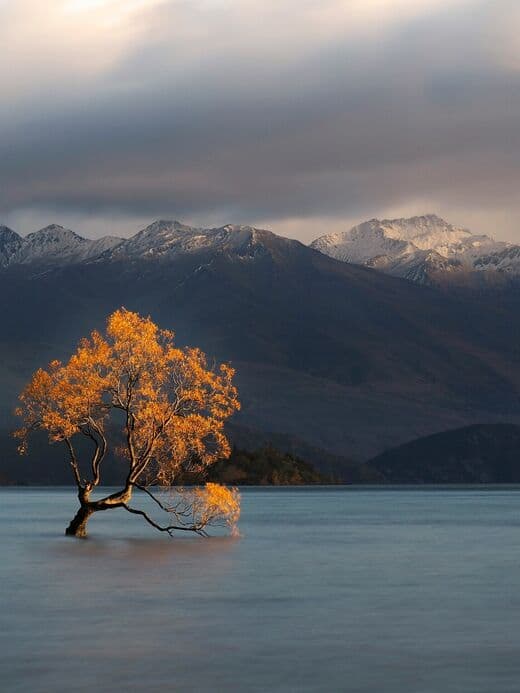
Via Wanaka for morning photo at the famous lone tree on the lake shore. Then west coast drive through Haast Pass, one of the most beautiful roads in the country. Five hours total driving to Franz Josef. Evening relaxation at Glacier Hot Pools.
Day 7: Franz Josef to Christchurch
Morning walk to glacier viewpoint or helicopter tour if budget allows. Then four-hour drive east via Arthur's Pass to Christchurch. Evening departure or final overnight in the city.
10 Days: Both Islands
Adding the North Island provides the complete New Zealand experience.
Days 1-4: South Island (as above)
Christchurch to Mount Cook to Queenstown to Milford Sound.
Day 5: Flight to Auckland
Morning flight from Queenstown to Auckland (1.5 hours). Pick up rental car. Afternoon walk through Viaduct Harbour, ascend Sky Tower for sunset views over both coasts.
Day 6: Waiheke Island
Ferry to Waiheke Island (35 minutes). Day among vineyards and beaches. Wine tastings at Mudbrick, Cable Bay, Tantalus. Return to Auckland evening.
Day 7: Auckland to Hobbiton to Rotorua
Two-hour drive to Hobbiton. Two-hour tour through Middle-earth, pint at The Green Dragon Inn. Continue one hour to Rotorua. Evening soak at Polynesian Spa.
Day 8: Rotorua
Geothermal exploration. Morning at Te Puia or Wai-O-Tapu. Afternoon at Whakarewarewa Village or Waimangu Volcanic Valley. Evening at Redwoods Treewalk with night illumination.
Day 9: Rotorua to Wellington
Flight or five-hour drive to Wellington. Afternoon at Te Papa museum, evening on Cuba Street, ride the Cable Car. Dinner at one of the capital's acclaimed restaurants.
Day 10: Wellington
Morning at Zealandia to see kiwi birds and tuatara. Afternoon climb Mount Victoria for sunset views. Evening flight home or ferry south for continued exploration.
14 Days: Complete Immersion
The classic itinerary with time to breathe and explore properly.
Days 1-3: Auckland and surrounds
Day 1: Arrival, Sky Tower, Viaduct Harbour. Day 2: Waiheke Island wine and beaches. Day 3: Rangitoto Island volcano hike.
Days 4-5: Rotorua and Hobbiton
Day 4: Hobbiton, drive to Rotorua, spa. Day 5: Te Puia, Redwoods, cultural evening with hangi and haka performance.
Day 6: Tongariro
Drive to volcanic plateau. Tongariro Alpine Crossing, the epic one-day hike past emerald lakes and volcanic craters. Overnight near Ruapehu.
Days 7-8: Wellington
Drive or fly to the capital. Full day and a half exploring: Te Papa, Zealandia, Cuba Street, Mount Victoria.
Day 9: Ferry to South Island
Morning ferry Wellington to Picton through Cook Strait and Marlborough Sounds (3.5 hours). Drive to Christchurch (5 hours) or stop in Kaikoura (2 hours) for whale watching.
Days 10-11: Mount Cook and Queenstown
Day 10: Lake Tekapo, Hooker Valley Track, overnight Mount Cook. Day 11: Drive to Queenstown, adventure activities.
Day 12: Milford Sound
Full day driving and cruising the fiord.
Days 13-14: Wanaka and West Coast
Day 13: Roys Peak hike or Puzzling World. Drive to Franz Josef. Day 14: Glacier experience, return to Christchurch, departure.
21 Days: The Grand Tour
Three weeks allows everything that does not fit in shorter itineraries.
Days 1-3: Northland
Bay of Islands: kayaking, swimming with dolphins, Maori history at Waitangi Treaty Grounds. Cape Reinga at the northern tip where two oceans meet. Ancient kauri trees in Waipoua Forest, some over 2,000 years old.
Days 4-5: Auckland
City exploration, Waiheke wine tour, Rangitoto volcano hike.
Days 6-7: Coromandel Peninsula
East of Auckland: Cathedral Cove sea arch, Hot Water Beach where you dig your own thermal pool in the sand at low tide.
Days 8-9: Rotorua and Hobbiton
Full geothermal experience and Tolkien pilgrimage.
Day 10: Tongariro Alpine Crossing
One of the world's great day hikes through volcanic landscapes.
Days 11-12: Wellington
Capital culture, museums, cuisine, and cafe culture.
Days 13-14: Marlborough and Kaikoura
Ferry to Picton. Marlborough wine region for the world's best sauvignon blanc. Kaikoura for whale watching and albatross viewing.
Days 15-16: Christchurch and surroundings
Antarctic Centre, Port Hills biking or hiking, punting on the Avon River.
Days 17-18: Mount Cook region
Additional time for more challenging hikes: Ball Pass or Mueller Hut. Stargazing at the Dark Sky Reserve.
Days 19-20: Queenstown, Milford, Wanaka
More adventure activities. Consider Doubtful Sound as an alternative or addition to Milford. Evening at Fergburger.
Day 21: Franz Josef to Christchurch
Morning glacier experience, scenic drive via Arthur's Pass, evening departure or overnight.
Connectivity and Internet
SIM Cards
Three main carriers operate: Spark (best coverage including rural areas), Vodafone, and 2degrees (often cheapest). Prepaid SIM cards are sold at airports, supermarkets, and gas stations. Typical packages offer 4-6 GB of data for 28 days at 30-40 NZD ($18-24 USD). Recharge through carrier apps or vouchers from convenience stores.
eSIM
A modern alternative is eSIM from providers like Airalo or Holafly. Install before departure, activate upon arrival. Convenient if your phone supports eSIM technology, as you maintain your home number on the physical SIM while using the eSIM for local data.
Coverage
Cities and main highways have reliable 4G coverage. However, in mountains, national parks, and remote roads, you may have no signal for hours. Download offline maps before departure. Inform someone of your plans when heading to isolated areas. Do not rely on emergency calls in the backcountry, as coverage cannot be guaranteed.
Wi-Fi
Free Wi-Fi is available in most cafes, libraries, and hostels. Many motels and Airbnb properties include Wi-Fi, though speeds can be disappointing, especially in rural areas. In the countryside, internet is often capped or slow due to infrastructure limitations. If reliable connectivity is essential for work, stay in cities or confirm speeds before booking accommodation.
Food and Drink: What to Try
New Zealand cuisine is a fusion of ocean, farm, and Maori tradition with Asian and European influences. Ingredient quality is world-class: lamb, beef, dairy, seafood, and wine rival anywhere on Earth. The country manages to be both agricultural powerhouse and gastronomic destination simultaneously.
Meat and Fish
Lamb is the national protein. New Zealand lambs graze on grass year-round, resulting in tender meat without the gamy smell sometimes associated with lamb elsewhere. A lamb rack at a good restaurant is a culinary highlight.
Beef is grass-fed, free from hormones and routine antibiotics. Steaks here are taken seriously, with quality rivaling the best in the world.
Venison comes from commercial deer farms, which New Zealand pioneered. The meat is lean with rich, deep flavor.
Seafood deserves particular attention. Green-lipped mussels are enormous, with distinctive emerald-tinged shells. Bluff oysters, harvested March through August, are considered a national delicacy. Crayfish (lobster) is expensive but luxurious. Snapper, blue cod, and salmon (farmed in pristine waters) appear on menus throughout the country.
Maori Cuisine
Hangi is the traditional earth oven cooking method. Meat and vegetables are placed with heated stones in a pit, covered, and left to cook for hours. The result is smoky, tender, fall-apart delicious. Tourist hangi experiences are offered in Rotorua, often combined with cultural performances.
Rewena bread is Maori bread made with potato starter. It has a slight sweetness and unique texture unlike any other bread.
Street Food and Casual Eats
Meat pies are the quintessential New Zealand snack. Palm-sized pastries filled with savory fillings: steak and cheese, mince and cheese, butter chicken, and countless variations. Best from dedicated bakeries rather than gas stations. Look for "award-winning" signs, as pie competitions are taken seriously.
Fish and chips reflects British heritage. Battered fish, usually snapper or hoki, with fries, eaten by the sea, seasoned with salt and malt vinegar. Simple but satisfying.
Sausage sizzle is a grilled sausage in bread with onions, sold at community fundraising barbecues outside stores. It is a social ritual as much as food.
Sweets
Pavlova is a meringue-based cake topped with whipped cream and fresh fruit. Australians and New Zealanders dispute who invented it, but Kiwis are confident it was them. Light, airy, and sweet.
Hokey pokey ice cream features vanilla base with chunks of honeycomb toffee. It is the local favorite flavor.
Lolly cake is made from crushed cookies and colorful marshmallows rolled together. It provokes nostalgia in Kiwis and curiosity in visitors.
Coffee
New Zealanders are serious about coffee. The flat white, claimed as a local invention (though Australia also claims it), is espresso topped with microfoam milk, denser than a latte. Long black is espresso with hot water added, similar to Americano but poured differently. Every town has independent roasters, and chains like Starbucks struggle to compete with local quality. Wellington in particular has an exceptional cafe scene.
Wine
Marlborough sauvignon blanc is the country's signature wine, known for vibrant acidity and tropical fruit notes. Cloudy Bay, Villa Maria, and Oyster Bay are widely recognized brands, but smaller producers often offer superior quality.
Central Otago pinot noir comes from the world's southernmost wine region. Elegant, with cherry and spice notes, these wines compete with Burgundy for critical acclaim. Felton Road, Mt Difficulty, and Amisfield are notable producers.
Other varieties worth trying include Gisborne chardonnay, Marlborough riesling, and Hawke's Bay syrah. Wine touring is possible in several regions, with Marlborough, Waiheke Island, and Central Otago being the most organized for visitors.
Beer
The craft beer revolution has arrived emphatically. Hundreds of breweries operate across the country. Epic, Garage Project, Panhead, and 8 Wired are among the most acclaimed, available in bars and bottle shops nationwide. Traditional larger brands like Steinlager, Speight's, and Tui are decent if you want something simple and refreshing.
Shopping and Souvenirs
What to Buy
Manuka honey is produced from the nectar of the manuka bush and has antibacterial properties that have made it famous worldwide. UMF (Unique Manuka Factor) indicates activity level: UMF 10+ is the minimum for therapeutic effects. Higher numbers mean higher prices. Buy from reputable sources to ensure authenticity.
Lanolin skincare uses sheep's wool fat in creams and lotions. It sounds unappetizing but works remarkably well, especially for dry skin. Lanolin Beauty and Lanocreme are popular brands available in pharmacies and souvenir shops.
Possum-merino clothing blends merino wool with possum fur, creating garments warmer than cashmere and lighter than pure wool. Since possums are an invasive pest causing ecological damage, wearing them is actually environmentally beneficial. Gloves, scarves, and sweaters are popular purchases.
Maori art includes traditional wood carving, bone carving, and pounamu (greenstone/jade) jewelry. Authentic Maori-made pieces are expensive because they represent genuine artistry and cultural heritage. Beware of mass-produced imitations from overseas. Buy from authorized galleries or directly from artists when possible. The hei-tiki pendant is a recognizable design, as is the fishhook (hei matau) symbolizing strength and prosperity.
Wine and food products make excellent gifts: bottles of sauvignon blanc or pinot noir, manuka honey, artisan cheeses, extra virgin olive oil from Waiheke. Check customs regulations for your home country before purchasing.
Tax Free
New Zealand does not have a tourist tax refund system. Prices displayed include GST (Goods and Services Tax) of 15 percent, and this is not refundable upon departure. The price you see is the price you pay.
Where to Shop
Farmers markets operate on weekends in most towns, offering local produce, crafts, and authentic atmosphere. DFS (Duty Free Shoppers) in Auckland and other airports offer last-chance purchases of wine, honey, and skincare without paying the full retail price. Urban shopping districts in Auckland, Wellington, and Christchurch have a mix of international brands and local designers.
Useful Apps
- CamperMate is the essential app for travelers. It maps campgrounds, toilets, gas stations, and points of interest with user reviews and practical information.
- Google Maps or Maps.me for navigation. Download offline maps before departure, as coverage is unreliable in remote areas.
- MetService provides accurate weather forecasts from the national meteorological service. Essential for planning outdoor activities.
- Rankers Camping NZ is an alternative to CamperMate with a different database of camping options.
- DOC (Department of Conservation) app provides information on national parks, Great Walks, hut bookings, and conservation efforts.
- Uber, Ola, and Zoomy operate in major cities for ride-hailing needs.
- AT Mobile covers Auckland public transport with real-time information and trip planning.
- Metlink provides Wellington public transport information.
- Trailforks is excellent for hiking and mountain biking trails with detailed maps and difficulty ratings.
- Uber Eats and DoorDash operate for food delivery in larger centers.
Conclusion
New Zealand is a country that recalibrates your sense of what is possible. In a single day, you can transition from tropical beach to snowcapped summit, from bubbling geysers to deep fiords, from Maori village to cosmopolitan restaurant. And through it all, you never feel rushed, because Kiwis figured out long ago that life is too short for hurrying.
Yes, getting here requires significant flight time. Yes, costs are higher than budget destinations. But every dollar spent and every hour in transit repays itself a hundredfold. This is not merely a vacation; it is the kind of journey that changes perspective. After New Zealand, many travelers report wanting to live differently: closer to nature, more honest with themselves, calmer in their approach to life.
Plan for at least two weeks if possible. Rent a car and embrace the freedom of the open road. Do not overplan; leave room for spontaneous stops at waterfalls, unplanned hikes, and long conversations with locals who have stories to share. Download offline maps, stock up on sunscreen, and prepare for the possibility that you might want to extend your ticket.
New Zealand exists at the edge of the map, and that is precisely why it feels so special: untrampled, authentic, alive. Here you understand that real wonders are not in museums behind glass but outside your window, waiting to be explored. You just have to get there.
For travelers from English-speaking countries, New Zealand offers an additional gift: the ability to engage fully with everything and everyone you encounter. No translation apps, no awkward miscommunications, no linguistic barriers between you and experience. This allows for deeper connections and richer memories than destinations where language creates distance.
The Maori have a concept called kaitiakitanga, guardianship of the land. As a visitor, you are invited to participate in this stewardship: treading lightly, leaving no trace, respecting the places that welcome you. In return, New Zealand gives generously: landscapes that leave you speechless, experiences that create core memories, and a reminder that our planet, when treated with care, is still capable of astonishing beauty.
Start planning. Book those flights. The land of the long white cloud awaits.
Information is current as of 2026. Verify visa requirements and entry conditions before travel. Book Great Walks, Hobbiton tours, and glacier experiences well in advance, as popular time slots fill months ahead. Monitor MetService for weather forecasts before any outdoor activities, and register your travel plans with your home country's embassy if visiting remote areas for extended periods.