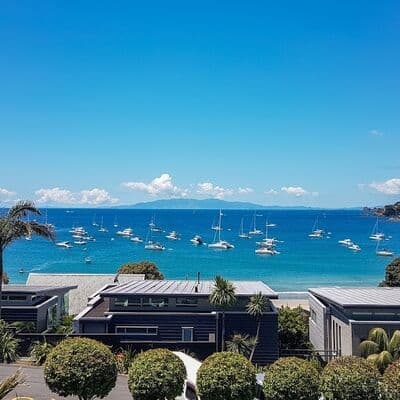
Auckland
Auckland 2026: What You Need to Know Before You Go
Auckland is not what most people expect. If you are picturing a compact, walkable city like Melbourne or San Francisco, recalibrate now. Auckland is a sprawling, low-rise metropolis draped across an isthmus between two harbours, punctuated by volcanic cones, and surrounded by islands that look like they belong in a travel magazine. It is New Zealand's largest city by a wide margin - roughly 1.7 million people call it home - yet it often feels more like a collection of villages stitched together by motorways and harbour crossings.
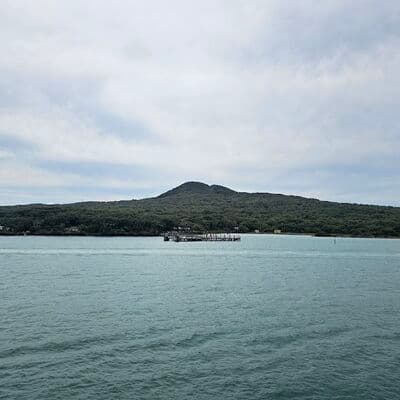
The city sits on a volcanic field of about 50 cones, most of them dormant (the last eruption was Rangitoto roughly 600 years ago, which is uncomfortably recent in geological terms). This geography gives Auckland its defining character: wherever you are, you are never far from a hilltop with a panoramic view, a beach, or a harbour.
Here is what catches newcomers off guard. First, the weather changes constantly - four seasons in one day is not a joke here, it is a meteorological fact. Second, the city is far more multicultural than most visitors anticipate. Auckland has the largest Polynesian population of any city on Earth, and its food scene reflects influences from Maori, Pacific Island, Asian, and European cultures. Third, everything is more expensive than you think. New Zealand's isolation means imported goods carry a premium, and the local cost of living has climbed steeply. Budget around NZ$200-300 per day for a comfortable mid-range trip (roughly US$120-180), and more if you want fine dining and wine tours. Finally, Auckland is a gateway, not a destination in itself for many travellers - but those who give it three or more days discover a city with genuine depth, outstanding natural beauty, and a food and wine scene that rivals cities twice its size.
Auckland Neighborhoods: Where to Stay
CBD (City Centre)
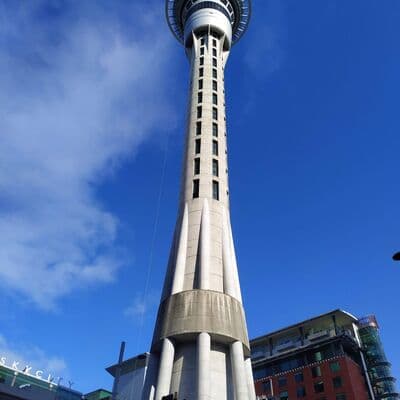
The obvious choice for first-timers, and not a bad one. The CBD clusters around Queen Street, which runs from the waterfront uphill to Karangahape Road. You will be within walking distance of Sky Tower Auckland, Viaduct Harbour, Britomart transport hub, and most major attractions. Hotels range from budget hostels on Fort Street (around NZ$35-50 per night for a dorm bed) to luxury options at the Cordis or Hotel DeBrett (NZ$350-600 per night). The downside: Queen Street itself is not Auckland's most charming strip. It is functional, slightly gritty in places, and dominated by retail chains. But step one block east or west and you will find laneways with excellent cafes and bars. The CBD is best for those who want convenience and do not plan to rent a car.
Ponsonby
If Auckland has an answer to Brooklyn or Fitzroy, this is it. Ponsonby Road is a long strip of independent boutiques, brunch spots, cocktail bars, and restaurants that runs through Victorian-era villas on tree-lined streets. It is walkable from the CBD (about 20 minutes) and has a relaxed, slightly upscale village feel. Accommodation here tends toward Airbnb-style rentals in converted villas (NZ$180-350 per night), with a few boutique hotels. Ponsonby is ideal for food-focused travellers and those who want to feel like a local rather than a tourist. The downside: it is pricier than the CBD for dining, and parking is a nightmare on weekends.
Parnell
Auckland's oldest suburb, and it wears its heritage well. Parnell village has a quaint, almost English feel - rose gardens, heritage buildings, and a strip of galleries and cafes along Parnell Road. It sits between the CBD and Auckland Domain, so you get easy access to the museum and the park without the noise of the city centre. Parnell is quieter than Ponsonby, more refined, and slightly older in its demographic. Hotels here include the heritage-listed Parnell Hotel and several quality B&Bs. It is a strong choice for couples and older travellers who want charm without chaos. The downside: it can feel sleepy after dark, and restaurant options, while good, are limited compared to Ponsonby or the CBD.
Newmarket
Auckland's shopping district, concentrated along Broadway. If you want retail therapy - local designers, international brands, homewares - this is your neighbourhood. Newmarket also has good transport links (its own train station) and a growing number of quality restaurants. Accommodation is mostly mid-range hotels and serviced apartments. It is practical rather than atmospheric: a good base if you want accessibility without paying CBD prices. The downside: it lacks the character of Ponsonby or Parnell, and it empties out in the evenings.
Devonport
Take the ferry from downtown Auckland (12 minutes, NZ$7.50 each way or use your AT HOP card) and you land in Devonport, a charming harbourside village on the North Shore. Victorian and Edwardian houses, independent bookshops, craft breweries, and two volcanic cones - North Head and Mount Victoria - with some of Auckland's best views back across the harbour. Devonport feels like a small town that happens to be 12 minutes from a major city. It is perfect for those who want peace and quiet with easy city access. Several quality B&Bs and the historic Esplanade Hotel offer accommodation. The downside: you are dependent on the ferry schedule (last boat around 11pm on weekends), and options for nightlife are essentially zero.
Takapuna
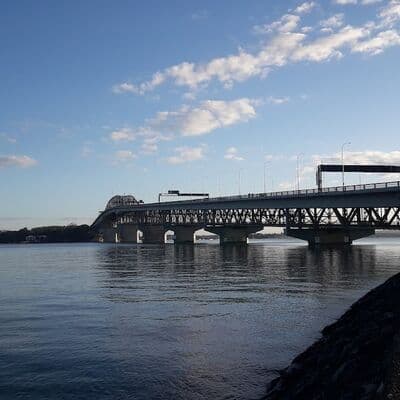
Further along the North Shore from Devonport, Takapuna offers a beachside lifestyle with a more suburban flavour. Takapuna Beach is a beautiful crescent of golden sand, and the adjacent strip has good cafes, restaurants, and a Sunday market. It is popular with families and longer-stay visitors. Accommodation ranges from beachfront apartments to mid-range hotels. Getting to the CBD requires either driving over the Auckland Harbour Bridge or catching a bus (about 25-35 minutes depending on traffic). The downside: you will almost certainly need a car if you stay here, and Harbour Bridge traffic during rush hour is memorably bad.
Karangahape Road (K Road)
Auckland's most eclectic and culturally interesting strip. K Road has reinvented itself from its slightly seedy past into a vibrant, alternative-leaning neighbourhood packed with vintage shops, independent galleries, craft breweries, live music venues, and some of the city's most exciting restaurants. It runs along a ridge above the CBD, connected by a dramatic set of steps down to Myers Park. K Road is Auckland's LGBTQ+ hub and its creative heart. Accommodation is limited - mostly Airbnbs in the surrounding residential streets - but this is the neighbourhood for younger travellers, creatives, and anyone who values atmosphere over polish. The downside: it is hilly (those legs will work), some pockets are still rough around the edges, and noise from bars can be an issue on weekends if your accommodation is on the main strip.
Best Time to Visit Auckland
Auckland's climate is subtropical, which means mild winters and warm (but rarely scorching) summers. Remember: seasons are reversed from the Northern Hemisphere. Summer runs from December to February, winter from June to August.
December to February (Summer): The peak season, and for good reason. Average highs of 23-25 degrees Celsius (73-77 Fahrenheit), long daylight hours (sunrise before 6am, sunset after 9pm in late December), and the best conditions for beaches, island trips, and outdoor dining. This is when Auckland comes alive - festivals, outdoor concerts, and the harbour full of sailboats. The catch: accommodation prices spike by 30-50%, popular spots like Waiheke Island ferries sell out, and you will share every beach with a crowd. Book everything at least four to six weeks ahead.
March to May (Autumn): Arguably the sweet spot. March is still warm (averages around 21-23 degrees Celsius), crowds thin out significantly after Easter, and the light takes on that golden quality that makes everything look better in photos. April can be unpredictable - beautiful one day, lashing rain the next - but it is dramatically cheaper than summer. Wine harvest season on Waiheke Island makes this a great time for food and wine travellers. By May it starts getting properly cool and wet.
June to August (Winter): Auckland's winter is mild by Northern Hemisphere standards - average lows around 7-9 degrees Celsius (45-48 Fahrenheit), highs around 14-15 degrees Celsius (57-59 Fahrenheit). It rains more, days are short, and some outdoor activities become less appealing. But hotels drop prices significantly (40-60% less than summer), museums and indoor attractions are uncrowded, and the restaurant scene does not slow down. If you are using Auckland purely as a gateway to the South Island or Rotorua, winter is fine.
September to November (Spring): Variable but increasingly pleasant. October and November see temperatures climbing back into the comfortable range, gardens in full bloom (Auckland Domain is spectacular), and tourist numbers still manageable. It can still be windy and wet, particularly in September, but spring offers a solid balance of decent weather and reasonable prices.
One universal truth about Auckland weather: always carry a light rain jacket, regardless of the forecast. The city averages around 1,200mm of rainfall per year, spread fairly evenly, and showers can materialize from nowhere. UV levels are also notably higher than equivalent latitudes in the Northern Hemisphere due to the thinner ozone layer - you will burn faster than you expect, even on overcast days.
Auckland Itinerary: 3 to 7 Days
Days 1-3: The Essential Auckland
Day 1: City Heart and Harbour
Start at Sky Tower Auckland - yes, it is touristy, but the 360-degree view from 220 metres up is the fastest way to understand Auckland's geography. Go early (opens at 9am) to avoid crowds. The observation deck costs NZ$37 for adults, or NZ$75 if you want the SkyWalk on the outside ledge (genuinely thrilling, not just a gimmick). From the tower, walk down Queen Street to the waterfront. Cut through Commercial Bay, Auckland's newest retail and dining precinct, which has excellent lunch options - try the food hall on the lower level for everything from handmade pasta to Japanese donburi.
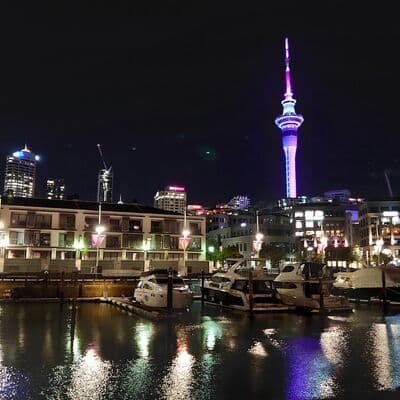
After lunch, spend the afternoon at Viaduct Harbour. This former industrial wharf reinvented itself for the America's Cup in 2000 and has matured into Auckland's premier waterfront precinct. Walk along the promenade, stop for a flat white at one of the harbour-facing cafes, and continue through the Wynyard Quarter to Silo Park. If it is a Friday evening, the Silo Markets offer street food and live music. End the day with dinner in Ponsonby - Sidart for inventive fine dining (NZ$175 degustation), SPQR for upscale Italian in a buzzy atmosphere, or Saan for exceptional Thai.
Day 2: Volcanoes and Wild West Coast
Start the morning with a hike up Mount Eden (Maungawhau), the highest natural point in Auckland at 196 metres. It is a gentle 15-minute walk from the parking area, and the crater summit delivers the best free view in the city. Note: access to the very top of the crater rim has been restricted to protect the site, which is sacred to Maori, so respect the barriers.
Then drive west. Auckland's west coast beaches - Piha, Muriwai, and the Waitakere Ranges - are a completely different world from the sheltered harbour. Black volcanic sand, powerful surf, dramatic cliff faces, and native bush that feels ancient and untouched. Piha is the most popular (Lion Rock is iconic), while Muriwai has a gannet colony on the cliffs that is free to visit and genuinely spectacular from August to March. The drive takes about 45 minutes from the CBD, but the winding roads through the Waitakere Ranges are beautiful. Stop at Arataki Visitor Centre for context on the native bush ecosystem. Pack a picnic lunch - options out west are limited, though the Piha Cafe does solid food.
Warning: west coast surf is powerful and dangerous. Never swim unless lifeguards are present (red and yellow flags), and even then, treat the water with respect. Rip currents here have caught experienced swimmers. Return to the city for dinner on K Road - try Coco's Cantina for Italian comfort food with a K Road twist, or Gemmayze St for outstanding Lebanese sharing plates.
Day 3: Waiheke Island
This is the highlight for most visitors, and it deserves a full day. Waiheke Island is a 40-minute ferry from downtown Auckland (NZ$44 return, buy tickets online from Fullers360 to guarantee a spot in summer). The island has earned a reputation as one of the world's great wine destinations, which sounds like marketing hype until you taste a Waiheke Syrah or Bordeaux-style blend from Mudbrick, Stonyridge, or Man O' War. Most vineyards are clustered on the western end of the island, and you can visit three or four in a day by renting a bicycle (NZ$40-60 per day), joining a guided wine tour (NZ$150-250 per person), or using the island's hop-on-hop-off bus.
Between tastings, walk to Oneroa Beach or the more secluded Palm Beach. Pack your swimsuit - the water on Waiheke is sheltered and significantly warmer than the west coast. For lunch, Cable Bay Vineyards has a restaurant with views that justify the prices (mains NZ$35-50), or pick up fish and chips from the Oneroa village and eat on the beach like a local. Catch the late afternoon ferry back (last sailing around 9:45pm in summer, earlier in winter - check the schedule).
Days 4-5: Going Deeper
Day 4: Rangitoto Island and Devonport
Take the morning ferry to Rangitoto Island (NZ$40 return from the downtown ferry terminal, about 25 minutes). This young volcanic island - it erupted just 600 years ago - is Auckland's most iconic landmark, the symmetrical cone you see from every harbour viewpoint. The summit walk takes about an hour each way along a well-formed track through the world's largest pohutukawa forest. At the top, a boardwalk loops around the crater rim with views across the Hauraki Gulf that are worth every step. Wear sturdy shoes - the lava rock is uneven, and sandals will not cut it. Bring water and lunch, as there are no facilities on the island.
Return by early afternoon and take the Devonport ferry (12 minutes) directly from the downtown terminal. Climb Mount Victoria for the classic postcard view of Auckland's skyline framed by the harbour, browse Devonport's village shops, and have an early dinner at one of the waterfront restaurants before catching the ferry back to the city. For a final evening meal in the CBD, the Britomart precinct has excellent options - Amano for Italian, or Ostro for modern New Zealand cuisine with harbour views.
Day 5: Culture, Markets, and One Tree Hill
Spend the morning at Auckland Museum (Te Papa Tongarewa), set dramatically in Auckland Domain. The Maori and Pacific Island galleries on the ground floor are world-class - the war canoe (waka) and the carved meeting house alone justify the visit. Entry is free for Auckland residents; visitors pay NZ$28 for adults. The cultural performance (NZ$30 extra) is a genuine and respectful introduction to Maori culture, not a tourist show.
After the museum, walk through Auckland Domain - one of the oldest parks in the city, with mature trees, formal gardens, and a duck pond that is more pleasant than it sounds. If it is a Saturday, head to the Parnell Farmers Market (8am-12pm) for local produce, artisan bread, and the best people-watching in Auckland.
In the afternoon, drive or bus to One Tree Hill (Maungakiekie), another volcanic cone with a significant Maori historical site. The terracing you see on the slopes is the remnant of the largest pre-European settlement in the Auckland area. The obelisk at the summit is a memorial to the Maori people, and the surrounding Cornwall Park is Auckland's answer to Central Park - rolling green hills, ancient trees, and grazing sheep that seem almost deliberately picturesque. If it is a Saturday or Sunday evening, check whether the Growers Market or any of Auckland's night markets are running (the Auckland Night Markets in various suburbs are a highlight - cheap, diverse, and delicious).
Days 6-7: Beyond the City
Day 6: Matakana Region
Drive an hour north of Auckland to the Matakana wine and artisan food region. The Matakana Village Farmers Market (Saturday mornings only, 8am-1pm) is arguably the best market in the greater Auckland area - local cheese, olive oil, honey, organic produce, and baked goods. Beyond the market, the region has excellent wineries (Ransom, Ascension, Brick Bay), the quirky Sculptureum (an outdoor sculpture park and gallery worth NZ$39 entry), and beautiful coastal walks around Omaha and Tawharanui Regional Park. Tawharanui is a predator-free open sanctuary - you may see native birds like takahe and kiwi (at dusk) that you simply will not find elsewhere near Auckland. Pack a full day for Matakana; trying to rush it defeats the purpose.
Day 7: Tiritiri Matangi or Hobbiton
You have two very different options for your final day. For nature lovers, Tiritiri Matangi Island is an open wildlife sanctuary in the Hauraki Gulf, reachable by a 75-minute ferry from downtown Auckland (NZ$83 return, runs Thursday, Saturday, and Sunday - booking essential). The island has been replanted and repopulated with endangered native birds, and you can walk freely among species that are extinct or critically endangered on the mainland. Guided tours run by passionate volunteers are free and highly recommended.
Alternatively, if your interests run toward cinema and spectacle, Hobbiton Movie Set is a two-hour drive south near Matamata. At NZ$89 for adults, it is not cheap, and it is very much a commercial tourist attraction - but even non-Lord of the Rings fans tend to admit it is impressively done. The set is maintained year-round with real gardens and working chimneys. If you go, book the first tour of the day to avoid the biggest crowds.
Where to Eat in Auckland
Auckland's restaurant scene has matured enormously over the past decade, driven by immigration, world-class local produce, and a generation of chefs who trained internationally and returned home. The city punches well above its weight for dining, though prices reflect New Zealand's high cost of living - expect to pay NZ$30-50 for a main course at a good restaurant, plus NZ$14-20 for a glass of local wine.
Fine Dining: Sidart in Ponsonby is Auckland's most acclaimed restaurant - inventive, produce-driven degustation menus in a refined but not stuffy setting (NZ$175 for the full menu, worth it). Pasture in Parnell focuses on fire and fermentation with a no-choice menu that is consistently extraordinary (NZ$225). Ahi on Commercial Bay uses native New Zealand ingredients in ways that are both innovative and deeply rooted in the land. For special occasions, these three represent the best of Auckland.
Mid-Range: Azabu in Ponsonby does Nikkei cuisine (Japanese-Peruvian fusion) that sounds gimmicky but executes beautifully - the ceviche and the robata grill items are standouts (mains NZ$28-42). Cassia on Fort Lane brings modern Indian cuisine to a high level without the white-tablecloth pretension. Gemmayze St on K Road serves Lebanese sharing plates in a lively, no-reservations setting that consistently draws queues - arrive at 5:30pm or expect to wait. For pizza, Farina in Ponsonby makes arguably the best Neapolitan-style pies in the country.
Casual and Budget: Auckland's cheap eats are largely driven by its Asian and Pacific Island communities. Dominion Road, running south from the CBD, is the city's unofficial Chinatown - a four-kilometre strip of Chinese, Korean, Malaysian, and Indian restaurants where you can eat exceptionally well for under NZ$20. Try Barilla Dumpling for handmade northern Chinese dumplings (eight for around NZ$14), or Xi'an Food Bar for hand-pulled noodles. In the CBD, the food courts in the Atrium on Elliott and Commercial Bay offer diverse, affordable options.
Brunch Culture: Auckland takes brunch seriously. Kokako in Grey Lynn is a local institution for organic, ethically sourced coffee and creative brunch plates. Odettes in City Works Depot serves photogenic food in a converted industrial space. Bestie in K Road does excellent all-day brunch with a slightly alternative edge. Expect to pay NZ$22-30 for a brunch main and NZ$5.50-7 for a flat white. Weekend brunch at popular spots means queues from 9:30am onwards - go early or go on a weekday.
Waterfront Dining: For harbour views with your meal, Ostro at the Britomart waterfront combines a refined menu with panoramic harbour vistas. Saint Alice in Viaduct Harbour is a sprawling, multi-level venue with good cocktails and a more relaxed vibe. For something casual, the seafood vendors at the Auckland Fish Market (which relocated to a new building in Wynyard Quarter) serve fresh oysters, paua, and fish and chips at reasonable prices for the location.
Must-Try Food in Auckland
Fish and Chips (Blue Cod or Snapper): The unofficial national dish. New Zealand fish and chips differ from the British version - lighter batter, fresher fish, and often served with a salad instead of mushy peas. Blue cod from the South Island and snapper from local waters are the premium choices. For the best version, skip the CBD chain shops and try the Fish Market in Wynyard Quarter or any local chippie in Devonport. A generous portion runs NZ$12-18. Eat them on the waterfront, as tradition demands.
Green-Lipped Mussels: Native to New Zealand and unlike any mussel you have had elsewhere - they are larger, meatier, and sweeter, with distinctive green-edged shells. You will find them steamed in white wine, served in Thai coconut broth, or simply grilled with garlic butter at virtually every seafood restaurant. At the Fish Market, a kilo of fresh mussels costs around NZ$8-12. They are at their best from September to February.
Hangi: The traditional Maori method of cooking food in an underground earth oven, using heated rocks. The food - typically chicken, pork, kumara (sweet potato), potato, and stuffing - takes on a distinctive smoky, earthy flavour that is impossible to replicate with conventional cooking. Authentic hangi is not something you find in restaurants; it is a communal, ceremonial preparation. Your best chance to try it is at a cultural experience (the Auckland Museum offers hangi meals in conjunction with their cultural performance) or at Maori community events. If you see it offered at a restaurant, it is likely oven-made hangi-style rather than the real thing, but still worth trying for the flavour profile.
Pavlova: New Zealand and Australia have been arguing about who invented pavlova for a century, and neither side is backing down. Regardless of origin, the New Zealand version - a crispy-shelled, marshmallow-centred meringue topped with whipped cream and fresh fruit (typically kiwifruit, passionfruit, and strawberries) - is a genuine delight. You will find it in bakeries, cafes, and on most restaurant dessert menus. It is at its best in summer when the fruit is fresh. One large pavlova from a good bakery costs around NZ$20-30 and feeds four to six people generously.
Paua Fritters: Paua is New Zealand's version of abalone, a large sea snail harvested from the rocky coastline. The shell is famously iridescent (you will see it in jewellery everywhere), and the meat has a strong, distinctive marine flavour that divides opinion. In fritter form - minced, mixed with egg and seasoning, and shallow-fried - it is the most accessible way to try it. You will find paua fritters at fish and chip shops, market stalls, and some restaurants. Around NZ$5-8 for a fritter. Be warned: the texture is chewy, and the taste is intense. Some people love it immediately; others need a few tries.
Meat Pie: New Zealand consumes more pies per capita than almost anywhere on Earth, and the humble meat pie is more cultural institution than fast food. The classic is a flaky pastry shell filled with minced or diced beef in gravy, eaten hand-held from a paper bag. The best pies come from independent bakeries, not chain shops - look for places that have won awards at the annual Bakels New Zealand Pie Awards (locals take this competition very seriously). A good pie costs NZ$6-9. Eat it with tomato sauce, as is customary. Irvines and Big J's are locally popular brands available in supermarkets.
Feijoa: This egg-shaped green fruit is a New Zealand obsession from March to June. The flavour is difficult to describe - somewhere between guava, pineapple, and mint, with a gritty texture. During season, locals give away bags of them (feijoa trees are prolific), and you will find feijoa in everything: ciders, smoothies, ice cream, chutneys, and baked goods. Buy a few from any supermarket or farmers market and eat them raw by cutting in half and scooping out the flesh with a spoon. They are an acquired taste for some, but most visitors find them addictive.
Kumara: New Zealand's native sweet potato, and a staple of Maori cuisine for centuries. It comes in three varieties - orange, red, and gold - and appears everywhere from upscale restaurants (roasted kumara with miso glaze) to fish and chip shops (kumara chips are standard). The orange variety is sweeter and creamier than American sweet potato. Kumara chips alongside your fish are a must-try. At supermarkets, a kilo costs around NZ$4-6.
Auckland Secrets: Local Tips
- Sunscreen is not optional. New Zealand sits under a thinner ozone layer than the Northern Hemisphere, and UV levels here are genuinely dangerous. You can burn in 15 minutes on a summer day, even under light cloud cover. Wear SPF 50+, reapply every two hours, and wear a hat. This is not parental nagging - melanoma rates in New Zealand are among the highest in the world, and emergency rooms see tourists with severe sunburn regularly. Buy sunscreen at a pharmacy (Chemist Warehouse is cheapest) rather than a convenience store, where prices are doubled.
- Get an AT HOP card immediately. Auckland's public transport runs on the AT HOP system - a reloadable card that gives you about 20-25% off cash fares on buses, trains, and ferries. Buy one at the airport, any train station, or selected convenience stores (NZ$10 for the card, then load credit). Without it, you will pay premium single-ride prices that add up shockingly fast. The card also covers the ferry to Devonport and some Waiheke Island services.
- Take your shoes off. When entering a Kiwi home, remove your shoes at the door without being asked. This is non-negotiable local etiquette and applies to virtually every New Zealand household. You will notice shoe racks or piles of footwear by every front door. Hotels and restaurants are exceptions, but any private home, Airbnb, or marae (Maori meeting house) - shoes off.
- Many of the best attractions are free. Auckland Museum is free for residents and NZ$28 for visitors, but Auckland Art Gallery is completely free. So are all the volcanic cone walks (Mount Eden, One Tree Hill, North Head), most beaches, Auckland Domain, the Wintergardens, and walking through the Wynyard Quarter. The Muriwai gannet colony, Albert Park, and Western Springs are all free. You can fill several days with world-class free experiences.
- Auckland is essentially cashless. You can go weeks in Auckland without touching physical money. Every cafe, market stall, and busker seems to accept EFTPOS (the local debit system) or contactless payment. That said, carry NZ$50-100 for emergencies - some smaller Asian restaurants on Dominion Road and older fish and chip shops are cash-preferred, and parking meters in older suburbs sometimes only take coins.
- The weather will change. Accept this. Aucklanders joke about four seasons in one day, but it is functionally true. A morning of brilliant sunshine can become an afternoon downpour with no warning, and the reverse is equally common. Layer your clothing, always carry a light waterproof jacket, and never cancel outdoor plans because of a morning forecast - wait an hour and it may be completely different. The good news: rain in Auckland is usually brief and passes quickly.
- Distances are deceptive. Auckland is spread across a huge area, and the map makes things look closer than they are. Driving from the CBD to Piha (west coast) takes 45-60 minutes. Getting to the North Shore during rush hour can take an hour for what looks like a 10km journey. The Matakana region is a solid hour north. Plan your days geographically - do the west coast as one trip, the North Shore as another, and the islands on separate days. Do not try to combine west and north in one day unless you enjoy sitting in traffic.
- Book ferry tickets in advance during summer. The Waiheke, Rangitoto, and Tiritiri Matangi ferries sell out on summer weekends and public holidays. Book online through Fullers360 at least a few days ahead for Waiheke, and at least a week ahead for Tiritiri Matangi (which only runs three days a week). Even the Devonport ferry can have queues on hot summer Saturdays. Weekday travel is almost never a problem.
- Tipping is not expected or required. New Zealand has a living wage culture (minimum wage is NZ$23.15 per hour), and tipping is not part of the service industry here. You will not offend anyone by not tipping, and you will not get worse service for it. If you receive genuinely exceptional service, leaving 10% or rounding up is appreciated but entirely optional. Never feel pressured by a tip prompt on a card machine - just press 'no tip' without guilt.
- The tap water is excellent. Auckland's tap water is clean, safe, and good-tasting. There is zero need to buy bottled water. Carry a refillable bottle and fill up at any tap, public fountain, or restaurant (all will provide tap water free on request). Buying bottled water in New Zealand is considered mildly eccentric by locals and is an unnecessary expense and waste of plastic.
- Download the AT Mobile app. Auckland Transport's app is essential for navigating the bus and train system. It provides real-time tracking, journey planning, and the ability to see exactly when the next bus or train is coming. Public transport in Auckland is improving but still patchy in some areas - the app helps you avoid long waits. Also download the Fullers360 app for ferry schedules.
- Try a flat white before ordering anything else. New Zealand (along with Australia) gave the world the flat white, and Auckland cafes make exceptional ones. A flat white is a double shot of espresso with steamed milk and a thin layer of microfoam - less milky than a latte, less foamy than a cappuccino. Order one at any cafe with a proper coffee machine and you will understand why Kiwis are quietly insufferable about their coffee. Expect to pay NZ$5.50-7.00. Chain coffee is mediocre here; always choose an independent cafe.
Getting Around Auckland
From the Airport: Auckland Airport is about 21km south of the CBD, and getting between the two is one of the city's enduring frustrations. There is no train link (it has been debated for decades), so your options are the SkyBus, taxi, Uber, or rental car. The SkyBus runs every 10-15 minutes between the airport and the CBD (Britomart transport hub), takes about 45-60 minutes depending on traffic, and costs NZ$18 one way or NZ$32 return. It runs 24 hours, though frequency drops overnight. An Uber from the airport to the CBD typically costs NZ$55-75 depending on traffic and surge pricing. Regular taxis are slightly more expensive. If you are heading to the North Shore, budget more time and money, as you will need to cross the Harbour Bridge.
Public Transport: Auckland's public transport is a work in progress. The bus and train network covers the main urban areas reasonably well, and the trains are modern and comfortable on the main lines (Western, Southern, Eastern, and Onehunga). However, frequency can be poor outside peak hours, and suburban coverage is inconsistent. The AT HOP card is essential - single-ride cash fares are punishingly expensive. Key routes for visitors: the City Link bus (free, loops around the CBD), the Inner Link bus (connects the CBD, Ponsonby, Parnell, and Newmarket), and the train to Britomart from southern and western suburbs. On weekends and evenings, buses become infrequent and unreliable - plan accordingly or use ride-hailing.
Ferries: The highlight of Auckland's transport network. Ferries to Devonport, Waiheke, Rangitoto, Bayswater, Birkenhead, and Half Moon Bay run from the downtown ferry terminal at Quay Street. They are reliable, scenic, and covered by the AT HOP card (except some Fullers360 services to Waiheke and the islands, which have their own pricing). The ferry to Devonport is practically commuter transport - frequent, cheap, and only 12 minutes. The Waiheke ferry is longer (40 minutes) and more expensive but is one of Auckland's best experiences, gliding through the Hauraki Gulf past dozens of islands. In summer, boats fill up - try to arrive 15-20 minutes early for popular sailings.
Driving and Car Rental: If you plan to visit the west coast beaches, Matakana, or explore beyond the city, a rental car is almost essential. International driving licences are valid in New Zealand for up to 12 months. Drive on the left. Rental cars are available from the airport and CBD locations - expect NZ$50-80 per day for a compact car from major companies (Apex, Jucy, and GO Rentals are reliable local operators, often cheaper than the international brands). Parking in the CBD is expensive (NZ$6-12 per hour) but free in most suburban areas. One critical warning: Auckland's motorway system is poorly signposted and confusing for newcomers. Use Google Maps or Waze religiously, and avoid the motorways during rush hour (7-9am and 4-6:30pm) unless you enjoy communing with your steering wheel.
SIM Cards and Connectivity: Pick up a prepaid SIM at the airport from Spark, Vodafone, or 2degrees. Spark has the best overall coverage across New Zealand (important if you plan to travel beyond Auckland), while 2degrees is typically cheapest. A tourist SIM with 10GB of data and some calls costs around NZ$30-50 for 30 days. Free Wi-Fi is available in the CBD, at most cafes, and in all shopping malls, but mobile data makes navigation and transport apps much easier. The airport arrivals hall has SIM card vending machines and carrier shops - sort this out before you leave the terminal.
Who Auckland Is For: Final Thoughts
Auckland is for people who want to eat well, drink good wine, and have a harbour or a volcanic summit within twenty minutes of wherever they are standing. It is not a city that slaps you in the face with its intensity like Tokyo or New York - it reveals itself gradually, neighbourhood by neighbourhood, island by island, meal by meal. The people are genuinely friendly in a low-key, understated way that does not feel performative. The natural setting is extraordinary by any global standard.
Auckland is best suited to travellers who appreciate food and wine culture, enjoy mixing urban experiences with nature, and do not need constant stimulation from nightlife or cultural institutions. It is excellent for couples, food-focused travellers, families with older children, and anyone using it as a base to explore the wider Auckland region and northern New Zealand. It is less ideal for budget backpackers (costs are high), nightlife seekers (the scene is limited), or those who want a dense, walkable urban experience (the city is too spread out).
Give it at least three full days. Five is better. A week lets you see the islands, the west coast, the wine regions, and still have time to sit in a Ponsonby cafe watching the world go by with a flat white in hand - which, when you get down to it, is one of the better ways to spend a morning anywhere on Earth.