About
The Ultimate UAE Travel Guide: From Dubai Skyscrapers to Ras Al Khaimah Mountains
Why Visit the UAE
The United Arab Emirates is a country that redefines what is possible. Just half a century ago, this was a desert dotted with fishing villages and Bedouin camps. Today, it boasts the world's tallest building, artificial islands visible from space, indoor ski slopes in the desert, and the longest zipline on the planet. The UAE proves that with enough ambition and resources, you can build the future right now.
But reducing the Emirates to just skyscrapers and shopping means missing half the experience. This is a land of contrasts: ultra-modern Dubai sits next to the cultural capital of Sharjah, where alcohol is banned and traditions are valued. Opulent Abu Dhabi with its oil wealth contrasts with mountainous Ras Al Khaimah, where you can escape the urban buzz and immerse yourself in nature. Seven emirates, seven personalities - everyone finds their place here.
For American, British, and Australian travelers, the UAE offers a fascinating window into the Middle East with none of the complications. English is spoken everywhere, infrastructure is world-class, safety standards are exceptional, and visa-free entry makes arrival effortless. Whether you are looking for a beach holiday, cultural exploration, adventure activities, or world-class dining, the Emirates deliver.
Add to this perfect winter weather (when it is freezing back home, Dubai enjoys pleasant 25C/77F days), impeccable safety (you can walk anywhere at any time), and seamless infrastructure, and you will understand why millions choose the Emirates year after year.
Emirates: What to Choose
The UAE comprises seven emirates, each with its own atmosphere and specialization. Your choice of emirate will define the character of your trip. Let us explore each in detail.
Dubai - The Showcase of Ambition
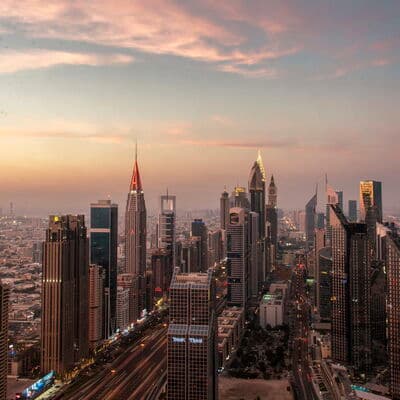
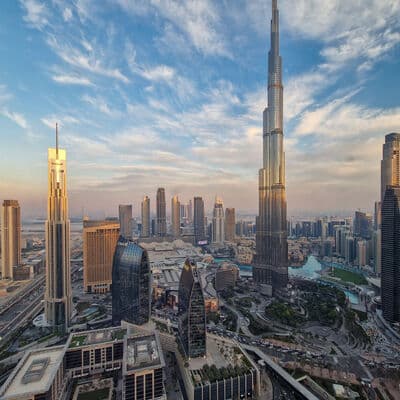
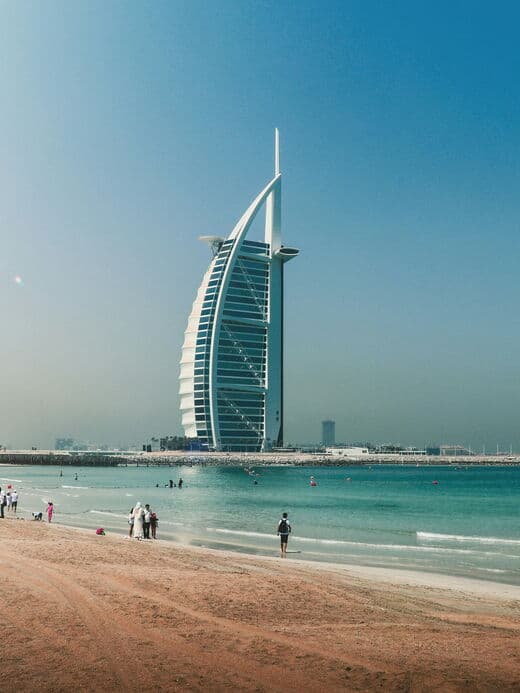
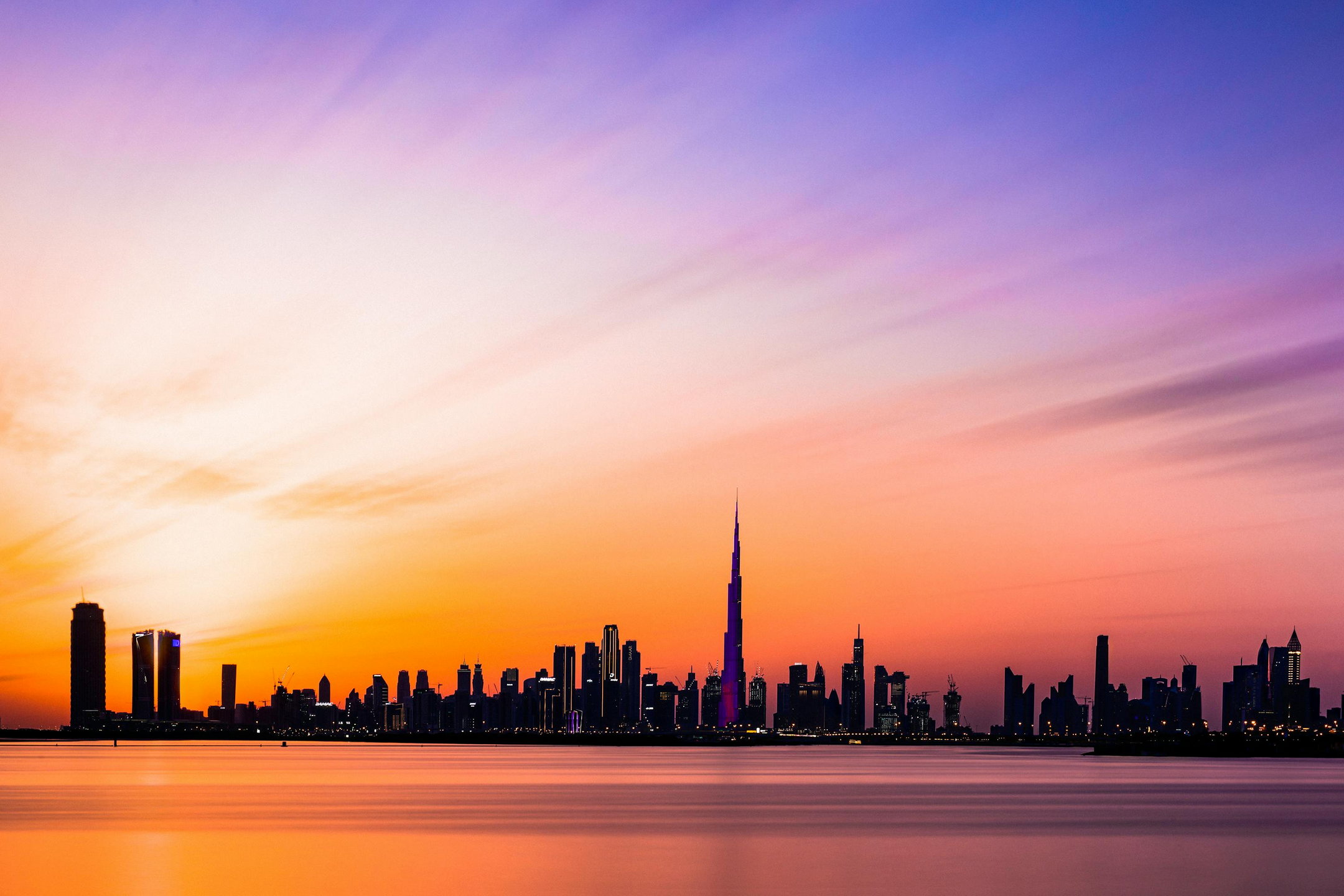
Dubai is the emirate of superlatives. Everything here is the most, the biggest, the tallest: the world's tallest building (Burj Khalifa, 828 meters/2,717 feet), the largest shopping mall (Dubai Mall with its aquarium and ice rink), the most luxurious hotel (Burj Al Arab shaped like a sail), the most ambitious artificial island (Palm Jumeirah). If you want to feel the pulse of modernity and see what a city of the future looks like - this is your destination.
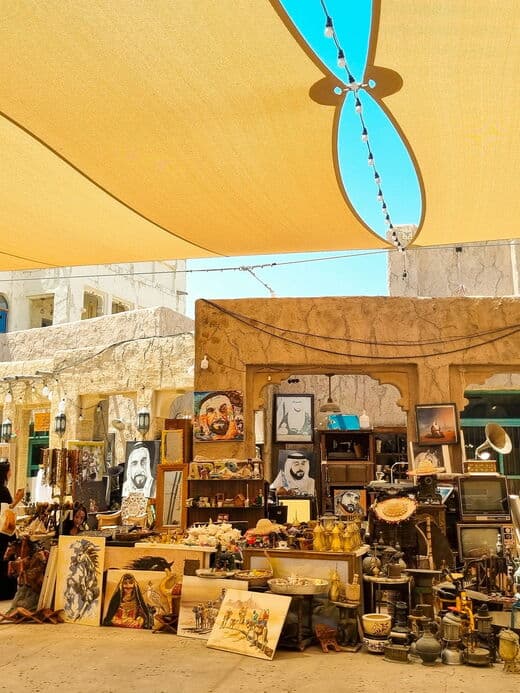
Old Dubai also exists, though it takes some effort to find. The historic Al Fahidi district is a labyrinth of narrow lanes with wind towers, art galleries, and atmospheric cafes. Here you will find the Dubai Museum in an old fort, showing how locals lived before the oil boom. Across Dubai Creek, traditional wooden abra boats shuttle passengers for just one dirham to the other bank, where the Gold Souk and Spice Souk sprawl. This is the authentic Middle East without the gloss and skyscrapers.
Dubai Marina is a neighborhood of waterfront skyscrapers where nightlife, restaurants, and a stunning promenade converge. Yacht cruises depart from here, and the sunsets are the city's best. The Museum of the Future is an architectural masterpiece shaped like a torus with Arabic calligraphy on its facade. Inside, interactive exhibitions explore what the world might look like in 50 years. The Dubai Frame is a 150-meter giant picture frame offering views of both old and new Dubai.
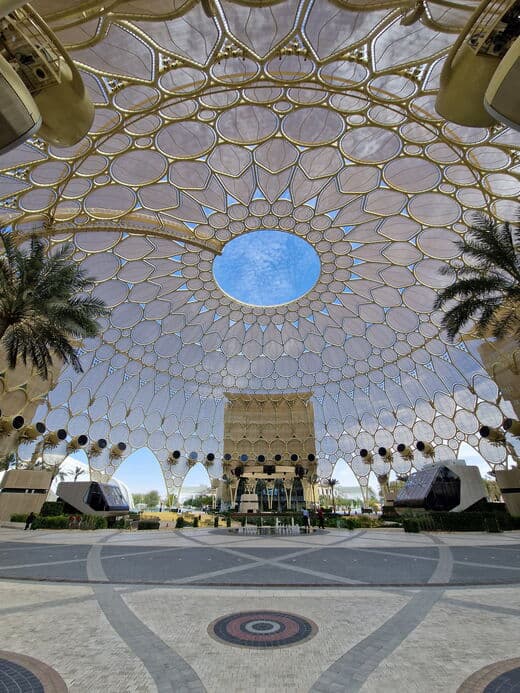
Expo City is the legacy of World Expo 2020. The pavilions have transformed into a cultural and entertainment hub with gardens, interactive museums, and events. Global Village operates from October to April - an international festival with pavilions from different countries, rides, and street food. And desert safari is a must-do: jeep tours over dunes, dinner at a Bedouin camp, belly dancing, and camel rides.
Dubai suits those who want experiences, contrasts, and the feeling of stepping into a city of the future. You could easily spend a week or a month here - there is no shortage of entertainment.
Abu Dhabi - The Oil Capital
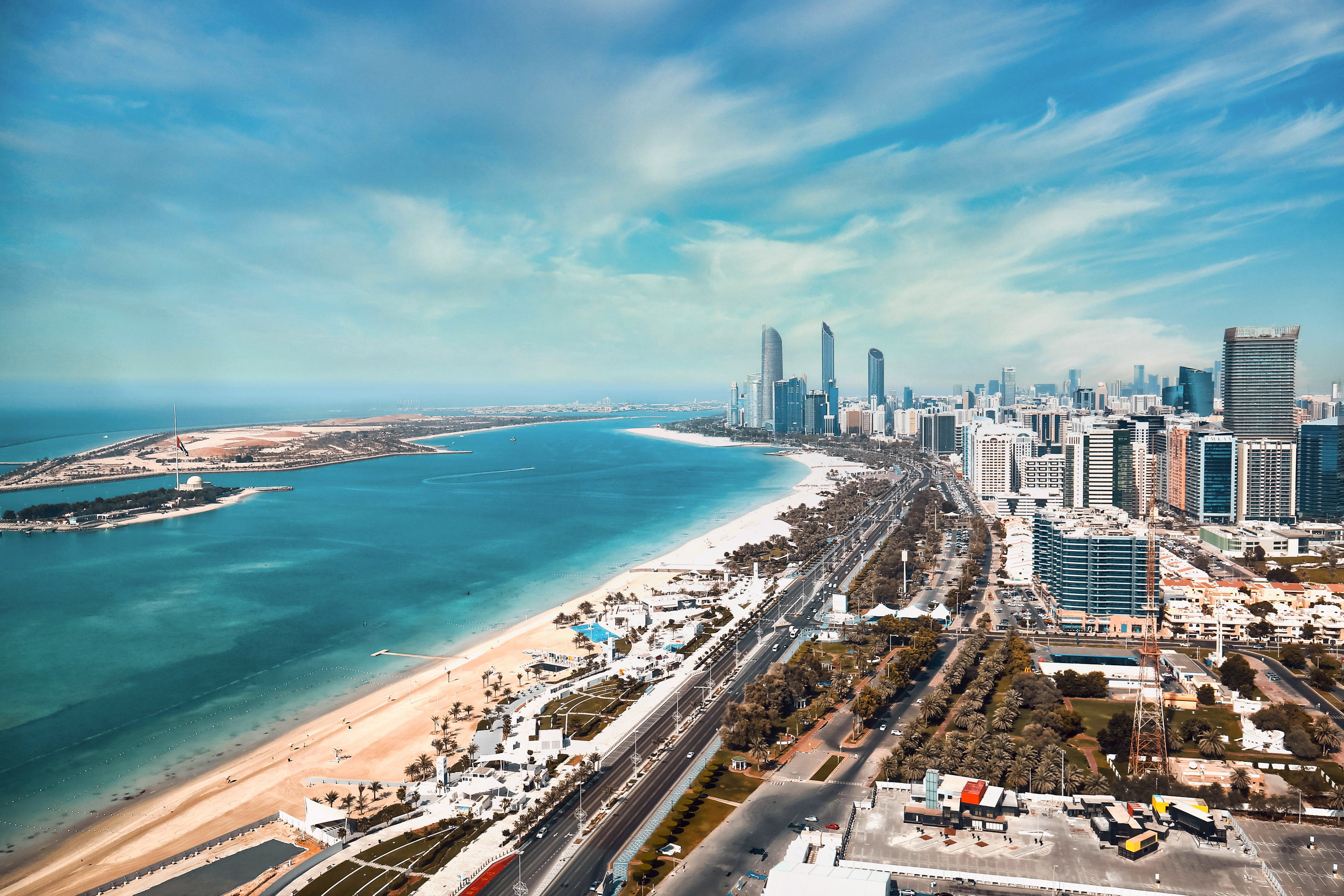
Abu Dhabi is the UAE capital and wealthiest emirate. This is where the country's main oil reserves are concentrated, and therefore the money for grand projects. Abu Dhabi is calmer and more respectable than Dubai - less tourist hustle, more space and greenery.
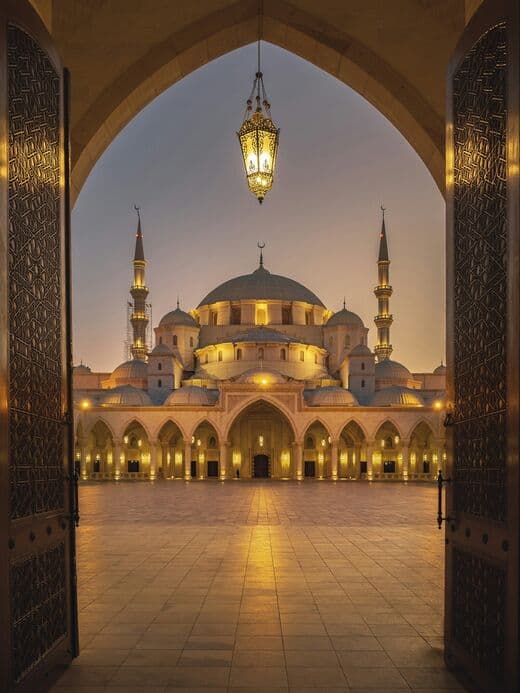
The Sheikh Zayed Grand Mosque is the main attraction and one of the world's most beautiful mosques. White marble, 82 domes, thousands of columns, a hand-woven carpet the size of a football field. Entry is free, but dress code is required: women are given abayas, men need long trousers. Come at sunset when the mosque is illuminated and looks even more magnificent.
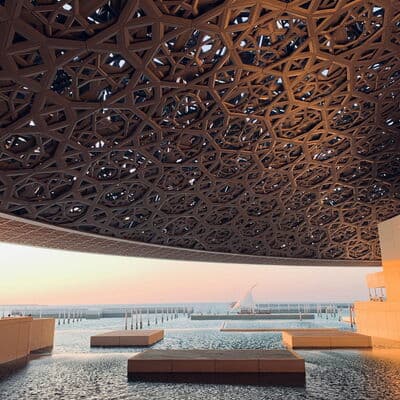
Louvre Abu Dhabi is a world-class museum under a dome designed by French architect Jean Nouvel. It houses masterpieces from ancient Egyptian artifacts to Van Gogh. The building itself is art: the perforated dome creates a rain of light, and the museum seems to float on water. Qasr Al Watan is a functioning presidential palace open to visitors. The interiors are stunning: mosaics, chandeliers, a library with rare manuscripts.
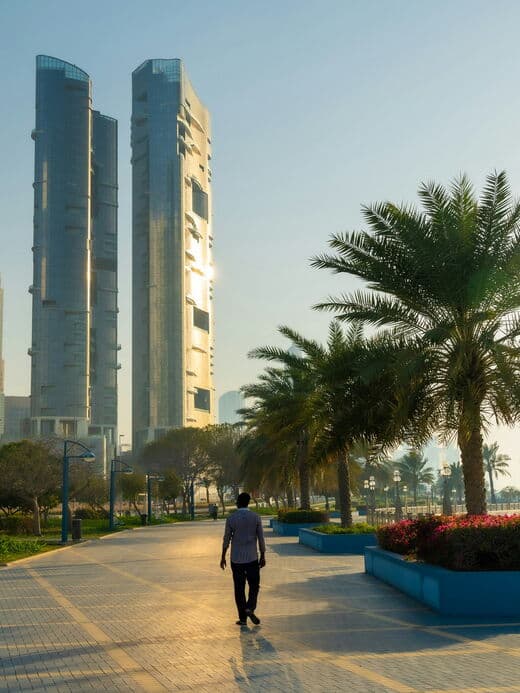
The Corniche is an eight-kilometer waterfront promenade with bike paths, beaches, and parks. Corniche Beach is public and free, with clean sand and gentle entry into the water. For those seeking seclusion, there is Soul Beach on Saadiyat Island - premium and peaceful.
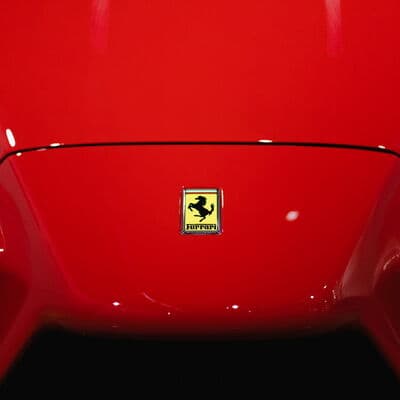
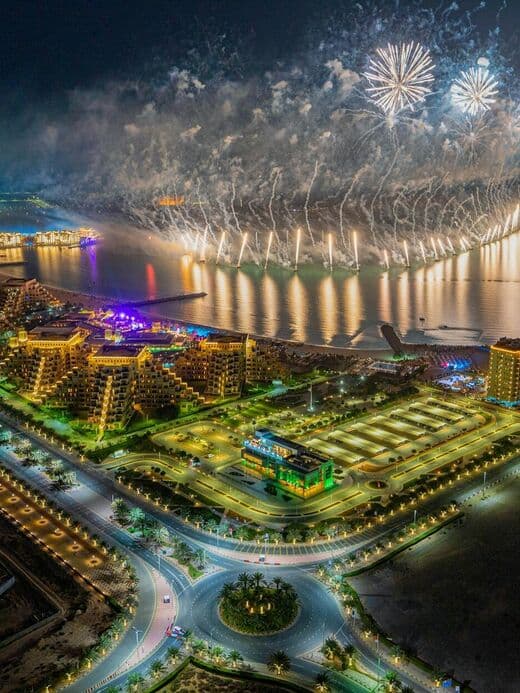
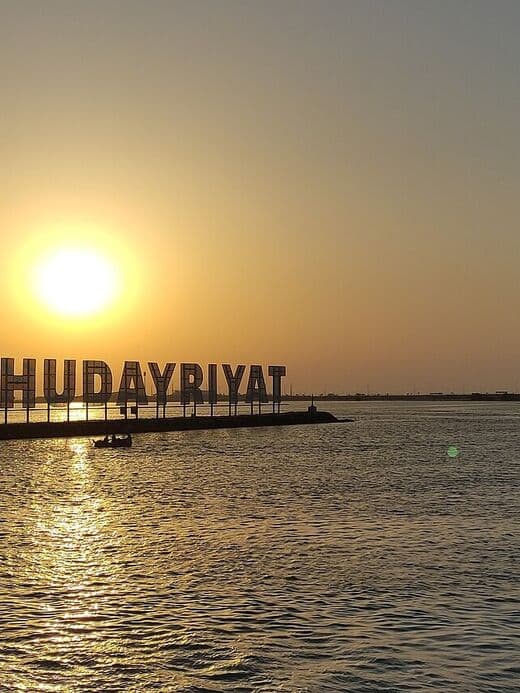
Yas Island is the entertainment hub. Ferrari World has the fastest roller coaster in the world, Warner Bros. World has themed zones for Batman and Bugs Bunny, Yas Waterworld has 43 attractions. Yas Beach is for those who want to combine thrills with sea time. On Hudayriyat Island, the beach offers active recreation with wakeboarding and kayaking. Kai Beach is secluded and premium.
Abu Dhabi is chosen by families with children (theme parks), culture lovers (museums and mosques), and those seeking a calmer alternative to Dubai.
Sharjah - The Cultural Capital
Sharjah is the third-largest emirate and the cultural capital of the Arab world (official UNESCO title). This is a conservative emirate: alcohol is completely banned, dress codes are stricter. But there is more authenticity and fewer tourists.
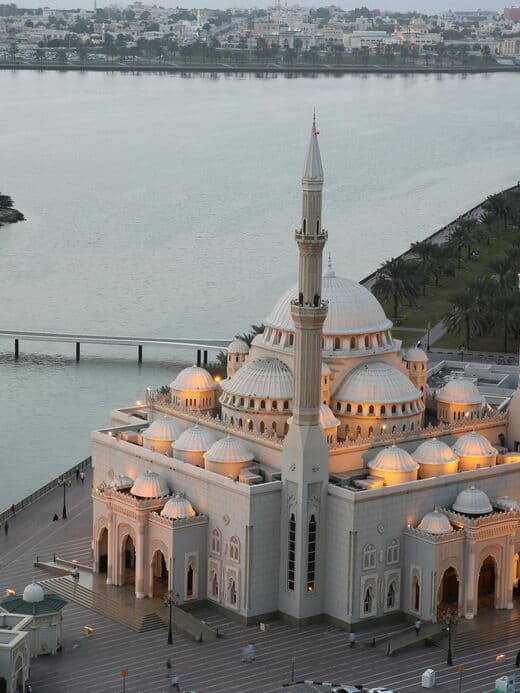
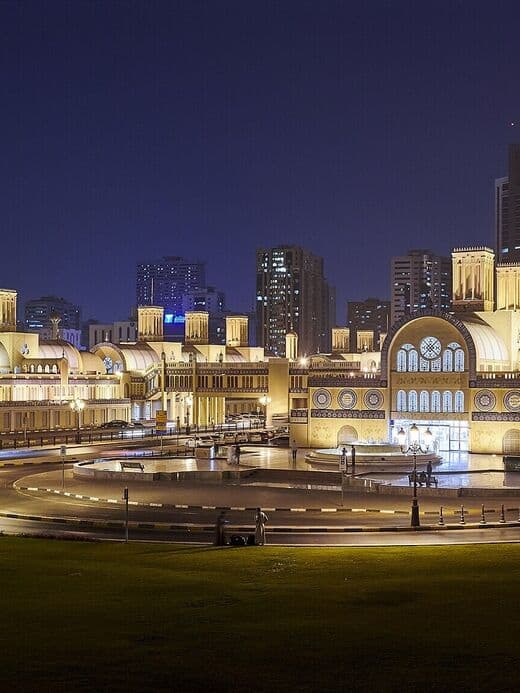
The Museum of Islamic Civilization is one of the best in the region. The collection spans 1,400 years of Islamic culture: manuscripts, astrolabes, ceramics, weapons. The building is a former bazaar with a dome painted to resemble a starry sky. Al Noor Mosque is a smaller replica of Istanbul's Blue Mosque, especially beautiful in evening illumination.
Al Noor Island is an oasis in the middle of a lagoon. Here you will find a garden with installations, a butterfly house, and art objects. A place for meditative walks. Al Qasba is a waterfront with a canal, restaurants, and an observation wheel. Families stroll here in the evening while live music plays. The Blue Souk (Central Market) is an architectural landmark: two buildings connected by bridges, with 600 shops selling carpets, jewelry, and souvenirs.
Sharjah borders Dubai - you can reach it in 20-30 minutes by taxi. Many choose to stay here for lower prices and commute to Dubai for entertainment. But Sharjah itself deserves at least one full day.
Ras Al Khaimah - Mountains and Adventure
Ras Al Khaimah is the northernmost emirate and the most underrated. There are no skyscrapers or glamour here, but there are mountains, desert, mangrove forests, and an authentic atmosphere. This is the UAE for those tired of cities.
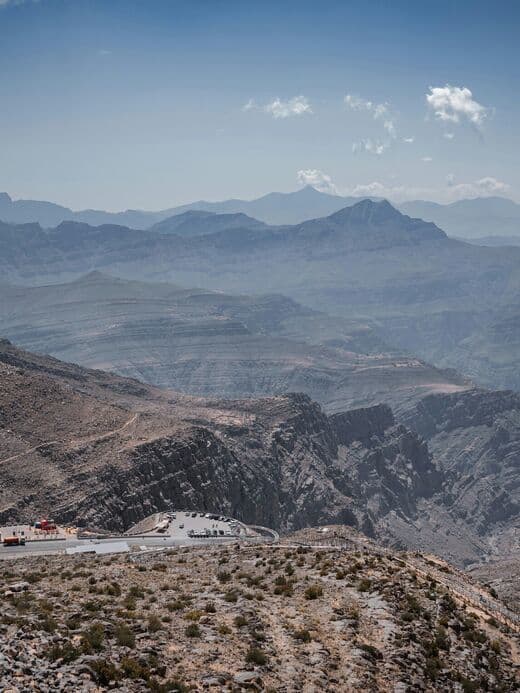
Jebel Jais is the UAE's highest mountain (1,934 meters/6,345 feet). The serpentine road to the summit is already an adventure. At the top, you will find the viewing deck with panoramic views for miles and Jais Flight - the world's longest zipline (2.83 km/1.76 miles). Speeds up to 150 km/h (93 mph), heights up to 1,680 meters above sea level. Adrenaline guaranteed.
Khatt Hot Springs are natural thermal waters at the foot of the mountains. Open-air mineral baths with mountain views. Wadi Shawka is a scenic gorge for hiking. After rains, waterfalls and natural pools form here.
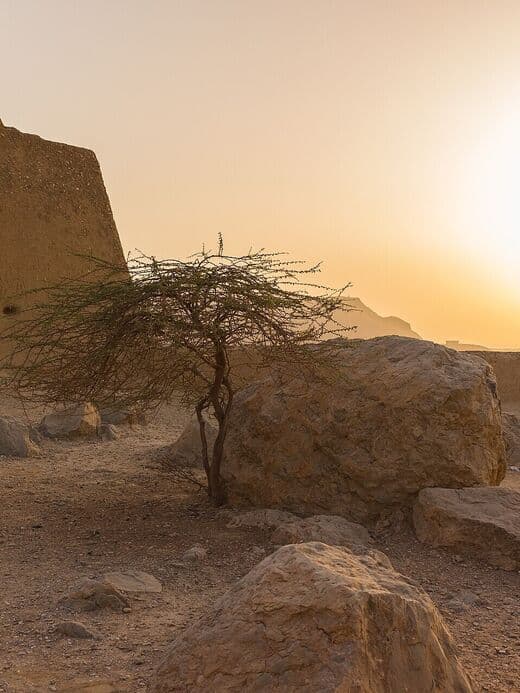
Al Jazirah Al Hamra is an abandoned ghost town. Residents left in 1968, and it has been slowly crumbling ever since. An atmospheric spot for photography and history immersion. Dhayah Fort is the only hilltop fort in the UAE, offering views of palm groves and the sea.
The Suwaidi Pearl Farm introduces you to the traditional trade. The tour includes a boat trip, diving for oysters, and stories about pearl diving before the oil era. The National Museum is housed in an old fort and tells the region's history.
Al Marjan Island is an artificial island with hotels and beaches. The Al Qawasim Corniche is perfect for evening strolls. Iceland Water Park is great for families. The Mohammed bin Salem Mosque is beautiful and less touristy than Abu Dhabi's.
Ras Al Khaimah is ideal for active holidays, hiking, ecotourism, and those wanting to see a different side of the Emirates - without skyscrapers and crowds.
Ajman, Fujairah, Umm Al Quwain
These three emirates are less touristy but have their advantages. Ajman is the smallest emirate - quiet and budget-friendly. The beaches are excellent, and hotels are cheaper than Dubai. Umm Al Quwain is even more secluded, with mangrove forests and bird sanctuaries. Fujairah is the only emirate on the Gulf of Oman coast. It has the best snorkeling and diving in the UAE, mountains reaching the sea, and a more traditional atmosphere.
These emirates rarely form the basis of a trip but make excellent additions to any itinerary. From Dubai, any of them is an hour to ninety minutes by car.
Unique Features of the UAE
Artificial Islands and Engineering Marvels
The UAE leads the world in creating artificial islands. Palm Jumeirah in Dubai is the most famous project: a palm-shaped island visible from space. Villas line the fronds, hotels and restaurants occupy the trunk, and the legendary Atlantis sits on the crescent. You can tour the Palm by monorail or taxi.
Al Marjan Island in Ras Al Khaimah is less promoted but no less ambitious. Four connected islands with hotels, restaurants, and beaches. A new Wynn casino resort is being built here - the first legal casino in the UAE (opening 2027).
Saadiyat and Yas Islands in Abu Dhabi are cultural and entertainment centers respectively. Saadiyat is for art lovers and premium beaches; Yas is for adrenaline and family fun.
The Desert as Entertainment
Desert safari is a must-do for every tourist. Options for every taste: morning tours with buggy rides and sandboarding, evening tours with dinner at a Bedouin camp, overnight tours with stargazing. The classic program includes dune bashing in SUVs (aggressive driving over sand hills), camel rides, henna painting, belly dancing shows, and barbecue.
The Rub al Khali (Empty Quarter) is one of the world's largest sand deserts. Day trips venture deep into the sands, where there is nothing but dunes to the horizon. A place for philosophical reflection and appreciating nature's scale.
Pro tip: book safaris directly with tour operators, not through your hotel - it will be 2-3 times cheaper. Morning tours are less popular and cheaper than evening ones. Avoid Fridays - local families head to the desert, and it gets crowded.
Record-Breaking Architecture
The UAE is obsessed with records, and architecture is the main battlefield. Burj Khalifa is the world's tallest building (828 m/2,717 ft, 163 floors). Observation decks on the 124th and 148th floors. The At The Top experience costs from 150 dirhams (~$41), but the views are worth every penny. Best time is at sunset when the city lights up.
The Museum of the Future is an architectural masterpiece shaped like a torus. Arabic calligraphy from Sheikh Mohammed's poetry adorns the facade. Inside, interactive exhibitions explore space, ecology, and technology. The Dubai Frame is a 150-meter frame through which you can see old and new Dubai. Glass floor on the bridge - for the brave.
Burj Al Arab is Dubai's symbol, the world's only seven-star hotel (unofficially). Sail-shaped, on an artificial island, with a helipad on the roof. Only guests are allowed inside, but you can book breakfast or dinner at one of the restaurants.
The Hajar Mountains
Few expect to find mountains in the UAE, but they exist. The Hajar range runs through Ras Al Khaimah, Fujairah, and into Oman. Jebel Jais (1,934 m/6,345 ft) is the highest point. The summit climate is noticeably cooler: winter temperatures can reach 10C/50F, sometimes with frost.
The mountains offer hiking (from easy trails to multi-day routes), rock climbing, canyoning, and scenic drives along switchbacks. Wadi Shawka is one of the best spots for beginner hikers: moderate difficulty, natural pools, beautiful views.
When to Visit the UAE
Best Season: November - March
Winter is the ideal time to visit the UAE. Air temperature 20-28C (68-82F), water 22-25C (72-77F), virtually no rain. You can comfortably walk during the day, sunbathe, swim, and not die from heat. This is peak season: prices are higher, more tourists, but the weather is worth it.
December-January are the most comfortable months. In the Ras Al Khaimah mountains, it can be cool (15-18C/59-64F), bring a light jacket. Holiday season is peak pricing: rooms book months in advance, the Burj Khalifa fireworks draw crowds.
February-March are good for hiking and active holidays. The desert is not too hot yet, mountains turn green after rare rains.
Shoulder Season: April, October
April and October are transitional months. Temperature 28-35C (82-95F), still bearable but getting hot. Prices are lower than winter, fewer tourists. A good compromise if budget matters. Ramadan may fall in April (dates shift) - consider the restrictions.
Summer: May - September
Summer in the UAE is challenging. Temperature 40-50C (104-122F), humidity up to 90% on the coast. Going outside during the day is uncomfortable; everyone lives in air conditioning. Beaches are empty - sand burns feet, water feels like warm milk (33-35C/91-95F).
But there are advantages. Prices drop 2-3 times. Five-star hotels can be had for three-star prices. Shopping festivals offer discounts up to 70%. If you are willing to spend days in air-conditioned malls and only venture out in evenings - summer can be a budget-friendly choice.
Holidays and Events
Ramadan (dates change yearly, in 2026 - February-March) is the holy month of fasting. Muslims do not eat or drink from dawn to sunset. For tourists: restaurants operate, but eating in public during the day is prohibited. After sunset - iftars (evening meals) with special menus. The atmosphere is festive but the rhythm of life is different.
Eid al-Fitr (end of Ramadan) is the main holiday. Three days off, fireworks, shop discounts. Eid al-Adha (Festival of Sacrifice) is another important holiday, four days off.
UAE National Day (December 2) is the main secular holiday. Fireworks, air shows, decorated cities. Dubai Shopping Festival (January-February) offers massive sales and entertainment.
What to Avoid
July-August - peak heat and humidity. Even locals try to leave on vacation. Christmas/New Year period - peak prices and crowds. Ramadan - if you are not prepared for daytime food and alcohol restrictions. Friday is a day off - many places open later, tourists are not admitted to mosques during prayer.
Getting to the UAE
From the US, UK, and Australia
Emirates operates direct flights from major cities: New York (JFK), Los Angeles, San Francisco, Chicago, Boston, Seattle, Houston, Dallas, Washington, and more from the US. Flight time from the East Coast is about 13-14 hours. From the UK, direct flights from London (Heathrow, Gatwick, Stansted), Manchester, Birmingham, Newcastle, and Glasgow - around 7 hours. From Australia, direct flights from Sydney, Melbourne, Brisbane, and Perth - 13-14 hours.
Etihad Airways offers direct flights to Abu Dhabi from major hubs. British Airways, Virgin Atlantic, Qantas, and American Airlines also serve the route with one-stop options.
Budget options include flying via Istanbul (Turkish Airlines), Doha (Qatar Airways), or using budget carriers like flydubai from European gateways. Prices vary widely - $500-2,000 for economy, $3,000-8,000 for business class from the US.
Pro tip: Emirates frequently runs sales on US routes. Sign up for their newsletter. Book 2-3 months ahead for best prices. Consider open-jaw tickets (fly into Dubai, out of Abu Dhabi or vice versa) for more flexibility.
UAE Airports
Dubai (DXB) is the largest airport and Emirates main hub. Massive, with three terminals, free Wi-Fi, showers, and lounges. Terminal 3 is exclusively for Emirates. Metro connects the airport to the city center (30-40 minutes, 15 dirhams/~$4).
Al Maktoum (DWC) is Dubai's second airport, 60 km from the center. Budget carriers fly here. Getting into town takes longer and costs more (taxi 150+ dirhams/~$41).
Abu Dhabi (AUH) is a modern airport with a new Terminal A. Etihad's hub. From the airport to the center - 30 km, taxi around 80 dirhams (~$22). Buses available.
Sharjah (SHJ) is a smaller airport, popular with budget carriers (Air Arabia). From Sharjah to Dubai is 20-30 km, but rush hour traffic can stretch the journey to 90 minutes.
Ras Al Khaimah (RKT) is a small airport with limited flights. Convenient if you are heading directly to this emirate.
Visa Requirements
US, UK, Australian, Canadian, and most EU citizens receive a visa on arrival free for 30 days. No paperwork needed beyond a passport (valid for at least 6 months). The stamp takes a minute at immigration.
Extensions are possible: apply for a 30-day extension through immigration (around 600 dirhams/~$163) or simply exit and re-enter. Many travelers do a quick trip to Oman or Bahrain to reset their visa.
For longer stays: work visa through an employer, freelancer visa, or investor visa through business setup or property purchase. This is a bigger topic deserving its own research.
Getting Around the UAE
Renting a Car
The best way to explore the UAE is by rental car. Roads are immaculate, parking is mostly free, gas is cheap (about $0.80 per liter). An International Driving Permit is recommended but US, UK, and Australian licenses are accepted.
Rental from 80 dirhams (~$22) per day for a basic model, from 200 (~$55) for an SUV. Insurance is usually included, but check the deductible. Salik is the toll road system in Dubai and Abu Dhabi. Toll points are automatic; the rental company will charge your card afterward (4-6 dirhams per crossing).
Pro tips: rent at the airport - cheaper and more convenient. Book in advance through Rentalcars or directly with companies. An SUV is only needed for the desert - for cities and mountains, a sedan is fine. Gas stations are self-service: insert the nozzle, pay by card at the pump.
Taxis and Ridesharing
Taxis are accessible and relatively affordable. In Dubai, cream-colored RTA Taxis have meters. Flag fall 5-8 dirhams, per kilometer about 2 dirhams. A trip across the city costs 50-80 dirhams (~$14-22). Tips are not required, but rounding up is appreciated.
Uber and Careem work throughout the country. Prices are comparable to regular taxis, sometimes cheaper. Convenient to pay by card and see the route in the app. Surge pricing applies during rush hours (morning and evening).
Between emirates, taxis are expensive: Dubai to Abu Dhabi around 250 dirhams (~$68). Better to rent a car or use the bus.
Public Transport
Dubai Metro is clean, modern, with two lines. Red runs from the airport through the center to Expo City. Green runs through the old town. Trains are automated, driverless. Carriages are segregated: regular, Gold Class (more expensive, more comfortable), women-only (women and children only). Operates 5am to midnight, opens later on Fridays.
Nol card is unified for metro, buses, and tram. Purchase at stations, top up with cash or card. Red Nol is anonymous, blue is registered (for residents). Metro fare - from 4 to 8 dirhams depending on zones.
Buses cover all of Dubai but are slow and confusing for tourists. Intercity buses run by RTA: Dubai to Abu Dhabi for 25 dirhams (2 hours), Dubai to Sharjah for 10 dirhams (30-60 minutes depending on traffic).
Tram operates in Dubai Marina, convenient for waterfront walks. Monorail serves Palm Jumeirah, more of an attraction than transport.
Abra - traditional wooden boats across Dubai Creek. 1 dirham per crossing, operates from early morning until midnight. A must-do experience and the cheapest transport in town.
Between Emirates
Buses are the budget option. Dubai to Abu Dhabi: E100 bus from Ghubaiba station every 20 minutes, 2 hours, 25 dirhams. Dubai to Sharjah: many routes, 10 dirhams, but border traffic can turn 30 minutes into 90.
A rental car is the best choice for flexibility. Without traffic: Dubai to Abu Dhabi 1.5 hours, Dubai to Ras Al Khaimah 1 hour, Dubai to Fujairah 1.5 hours.
Intercity taxis are expensive but convenient. Order through apps or negotiate a fixed price with drivers.
Cultural Code of the UAE
Dress Code and Behavior
The UAE is a Muslim country but fairly liberal for tourists. General rules: avoid overly revealing clothing in public places (malls, markets, old districts). Swimwear is for the beach and poolside only. In mosques, modest dress is required for everyone; women are given abayas.
In practice: in Dubai Marina and tourist zones, people wear shorts and tank tops without issues. Sharjah is stricter - better to cover shoulders and knees. In old districts and markets, dress more modestly out of respect.
Alcohol
Alcohol is legal in most emirates but sold only in licensed venues: bars, hotel restaurants, special stores (African + Eastern, MMI). Supermarkets do not sell alcohol. In Sharjah, alcohol is completely banned.
Drinking in public places (parks, beaches, streets) is prohibited. Appearing drunk in public is too. Fines are serious, up to deportation. In bars and restaurants - no restrictions.
Pro tip: duty-free alcohol at the airport is 2-3 times cheaper than in town. Allowed limit is 4 liters per person.
Tipping
Tips are not mandatory - a 10% service charge is often added to restaurant bills. But leaving an additional 5-10% is appreciated if service was good. Taxi drivers - round up or add 5-10 dirhams. Hotel porters - 5-10 dirhams per bag. Housekeeping - 10-20 dirhams per day.
Taboos and Etiquette
Public displays of affection between couples (kissing, hugging) are frowned upon. Holding hands is fine. Same-sex relationships are illegal, though tourists are rarely affected directly.
Photographing people without permission is rude, especially women in traditional dress. Government buildings, ports, military installations - photography is prohibited.
During Ramadan, do not eat or drink in public during the day - it is disrespectful to those fasting. Restaurants for tourists operate but behind curtains.
The left hand is considered unclean - do not pass food or money with your left hand. Remove shoes when entering homes. In conversation, avoid criticizing the government, religion, or royal family.
Communication
Arab hospitality is genuine. You will be offered coffee and dates, asked about your family, invited to visit. Refusing hospitality is impolite - take at least a token amount.
Bargaining in markets is expected. Start at 50% of the asking price and meet in the middle. Malls have fixed prices.
English is the lingua franca. Most of the population are expats from India, Pakistan, Philippines who speak English. Arabic is official but unnecessary for tourists.
Safety
The UAE is one of the safest countries in the world. Crime rates are minimal: lost items are returned, streets are safe at any hour, scams are rare. Police are polite and effective, many speak English.
Emergency Numbers
Unified emergency number: 999. Police: 901. Ambulance: 998. Fire: 997. Coast Guard: 996. Dubai Tourist Police: 800 4438.
What to Watch For
Petty pickpocketing occurs in crowded places (markets, rush hour metro), but rarely. Standard vigilance - do not leave bags unattended, do not carry all money in one place.
Taxi scams: occasionally unlicensed taxi drivers offer rides at inflated prices. Use official taxis or apps.
Driving is aggressive. Speeding, sudden lane changes, ignoring distance are normal. Be alert behind the wheel. Fines for violations are high and arrive automatically (cameras everywhere).
Beaches are safe, but currents can be strong. Follow flags: red means no swimming, yellow means caution. Jellyfish are rare but occur, especially in October-November.
Heat is the main danger. Sunstroke, dehydration, burns are common problems. Drink lots of water (at least 3 liters a day in summer), wear a hat, use SPF 50+ sunscreen. Avoid outdoor activities from 11am to 4pm in summer.
Health and Medicine
Healthcare in the UAE is excellent but expensive. Doctor's visit from 300 dirhams (~$82), hospitalization thousands of dirhams per day. Travel insurance is essential - do not risk going without it.
Insurance
Buy insurance with coverage of at least $50,000. Check that it includes: emergency evacuation, chronic conditions (if applicable), sports activities (if planned). For adventure activities (diving, zipline, safari) - extended coverage.
Popular insurers for US travelers: World Nomads, Allianz, Travel Guard. For UK: Compare the Market, Money Supermarket. Purchase online before departure.
Pharmacies
Pharmacies are on every corner, many operate 24/7. Most medications require prescriptions. What is available over the counter in the US or UK (codeine-containing, some sleeping pills) may be prohibited here. Bring your own medications with a doctor's prescription to avoid customs issues.
Vaccinations
No mandatory vaccinations for entry. Recommended: Hepatitis A and B, typhoid - if you plan to eat street food and travel to remote areas.
Water
Tap water is technically safe (desalinated) but tastes unusual. Locals and tourists drink bottled water - it is cheap and sold everywhere.
Money and Budget
Currency
UAE Dirham (AED). Rate is pegged to the dollar: 1 USD = 3.67 AED. The rate is stable with minimal fluctuations.
The dirham is divided into 100 fils. Coins: 25 and 50 fils, 1 dirham. Notes: 5, 10, 20, 50, 100, 200, 500, 1000 dirhams.
Currency Exchange and Cards
Exchange currency at banks, exchange offices, and hotels. Best rates are at exchangers in markets (Gold Souk, Karama). Airport rates are worse. US dollars and euros are accepted everywhere.
Credit cards are accepted almost everywhere: Visa, Mastercard, American Express. Contactless payment works universally. Apple Pay and Google Pay work with international cards.
Pro tip: exchange a small amount at the airport for taxi and initial expenses, then use cards or exchange larger amounts in the city for better rates.
Budget
Budget travel (hostels, street food, public transport): 200-300 dirhams per day ($55-82).
Mid-range (3-star hotel, restaurants, taxis, excursions): 500-800 dirhams per day ($136-218).
Comfort (4-5 star hotel, fine restaurants, car rental): 1,000-1,500 dirhams per day ($272-408).
Luxury (top hotels, fine dining, private tours): 3,000+ dirhams per day ($817+).
Typical Prices
- Bottle of water (0.5L): 1-2 dirhams ($0.27-0.54)
- Coffee at a cafe: 15-25 dirhams ($4-7)
- Lunch at a food court: 25-40 dirhams ($7-11)
- Dinner at a restaurant: 100-200 dirhams per person ($27-55)
- Taxi across town: 30-60 dirhams ($8-16)
- Metro: 4-8 dirhams ($1-2)
- Burj Khalifa entry: 150-400 dirhams ($41-109)
- Desert safari: 150-300 dirhams ($41-82)
- Water park: 200-350 dirhams ($55-95)
- Car rental: 80-200 dirhams per day ($22-55)
- 3-star hotel: 200-400 dirhams per night ($55-109)
- 5-star hotel: 600-2,000 dirhams per night ($163-545)
Top Itineraries
7 Days: Classic Dubai + Abu Dhabi
Day 1: Arrival and Dubai Introduction
Arrive at Dubai airport. Check into hotel (I recommend Deira or Bur Dubai for authenticity and accessibility). Evening walk through the historic Al Fahidi district: narrow lanes, wind towers, galleries. Dinner at a local restaurant with creek views.
Day 2: Old Dubai and Markets
Morning: Dubai Museum in Al Fahidi Fort - the city's story from fishing village to megapolis. Then cross Dubai Creek by abra (1 dirham, 5 minutes, stunning views). On the other bank - the Gold Souk (showcases overflow with jewelry, bargaining expected) and Spice Souk (saffron, cardamom, incense - great souvenirs). Lunch at Al Ustad - local cuisine, affordable. Evening: stroll along Creek waterfront, sunset over the city.
Day 3: Modern Dubai
Morning: Burj Khalifa - ascend to the At The Top observation deck (book the first slot, fewer queues). Fountains below operate from 6pm, but daytime views are also impressive. Dubai Mall - you could spend all day here: aquarium, ice rink, thousands of shops. Lunch at one of hundreds of restaurants. Afternoon: Museum of the Future - impressive architecture and interactive exhibitions. Evening: Dubai Marina - walk along the waterfront, dinner with yacht and skyscraper views.
Day 4: The Palm and Beaches
Morning: Palm Jumeirah - take the monorail along the entire island. Atlantis at the end; you can visit The Lost Chambers aquarium or Aquaventure water park. Beach day: choose public beaches (JBR, Kite Beach) or private hotel beaches. Evening: Dubai Frame at sunset - views of old and new Dubai, glass floor for the brave.
Day 5: Desert Safari
Day relaxing by the pool. Around 3pm - depart for desert safari. Dune bashing in SUVs, sandboarding, sunset photo stop. Arrival at Bedouin camp: camel rides, henna painting, belly dancing and tanoura shows. Dinner under the stars - barbecue and Arabic mezze. Return to hotel around 10pm.
Day 6: Abu Dhabi
Early departure to Abu Dhabi (1.5 hours by car or bus). First stop: Sheikh Zayed Grand Mosque - one of the world's most beautiful. Free entry, dress code required (abayas provided). Plan at least 2 hours. Lunch at a restaurant with mosque views. Afternoon: Louvre Abu Dhabi - world art masterpieces under an otherworldly dome. Minimum 2-3 hours. Evening: stroll along the Corniche, dinner with bay views. Return to Dubai.
Day 7: Shopping and Departure
Morning: final shopping at Dubai Mall or Mall of the Emirates. Process tax-free at purchase, collect refund at the airport. Lunch. Transfer to airport. Departure.
10 Days: Full Immersion
Days 1-5: Follow the 7-day itinerary but without rushing. Add:
- A day at Expo City - pavilions, gardens, interactive museums
- An evening at Global Village (if in season - October-April)
Day 6: Sharjah
Day trip to Sharjah (30 minutes from Dubai). Museum of Islamic Civilization - the region's best museum for Islamic art. Al Noor Island - gardens, sculptures, butterfly house. Lunch on the Al Qasba waterfront. Blue Souk - carpets, souvenirs, antiques. Evening: Al Noor Mosque illuminated.
Days 7-8: Abu Dhabi with Overnight
Day 7: Sheikh Zayed Mosque, Qasr Al Watan palace (stunning interiors), Louvre. Overnight in Abu Dhabi.
Day 8: Yas Island - Ferrari World (if you love speed) or Yas Waterworld (if you want to cool off). Beach at Yas Beach. Return to Dubai in the evening.
Day 9: Ras Al Khaimah
Day trip to Ras Al Khaimah (1 hour from Dubai). Morning: Jebel Jais mountain - serpentine road to the summit, viewing deck, Jais Flight zipline for the brave. Lunch on the mountain or in town. Afternoon: ghost town Al Jazirah Al Hamra - atmospheric abandoned town. Dhayah Fort - views of palm groves. Evening: Al Qawasim Corniche, fresh seafood dinner.
Day 10: Relaxation and Departure
Morning by the pool or beach. Final shopping. Departure.
14 Days: The Whole Country
Days 1-10: Follow the program above.
Day 11: Ras Al Khaimah - Nature
Second day in Ras Al Khaimah. Morning: Wadi Shawka - hiking through the gorge (2-3 hours, moderate difficulty). Lunch at a mountain cafe. Afternoon: Khatt Hot Springs - relax after hiking. Evening: Suwaidi Pearl Farm - boat tour, pearl diving history.
Day 12: Fujairah and East Coast
Day trip to Fujairah (1.5-2 hours from Dubai through mountains). The other side of the UAE: Gulf of Oman, mountains meeting sea, fewer tourists. Snorkeling at Dibba (coral reefs, turtles). Old Fujairah: fort, Friday Market (operates daily despite the name). Evening: dinner at a local restaurant, fresh seafood. Overnight in Fujairah or return to Dubai.
Day 13: Abu Dhabi Islands
Trip to Saadiyat Island - premium beaches (Soul Beach), calm atmosphere. Or Hudayriyat Island - active recreation: kayaking, wakeboarding, cycling. Lunch on the island. Afternoon: Kai Beach or exploring mangroves by kayak. Return to Dubai.
Day 14: Final Day
Relaxed morning. Anything missed: revisit favorite spots or new discoveries. Farewell dinner at a restaurant with views. Departure.
21 Days: Deep Dive
Days 1-14: Follow the program above but slower. Add:
Additional Activities in Dubai (Days 15-17):
- Golf at one of the championship courses
- Helicopter tour over the city
- Dinner at Burj Al Arab
- Yacht cruise around the Palm
- Outlet shopping (Dubai Outlet Mall, Dubai Outlet Village)
- Warner Bros. World in Abu Dhabi - for DC Comics fans
Deeper into Ras Al Khaimah (Days 18-19):
- National Museum - regional history
- Iceland Water Park - for families
- Kitesurfing at Al Marjan Island
- Overnight desert safari with stargazing
- Mohammed bin Salem Mosque - less touristy alternative
Oman - Day Trip (Day 20):
Oman visa for US/UK/Australian citizens is electronic, applied online 5 days ahead. From Dubai: Muscat (1.5 hours to border, then 2 more hours) or Khasab (Musandam Peninsula - dramatic fjords, dolphins, traditional dhow boat). Oman is a different world: more traditional, less glamorous, incredibly beautiful.
Day 21: Finale
Farewell to favorite spots. Departure.
Connectivity and Internet
Mobile Service
Two operators: Etisalat and du. Both offer tourist SIM cards at airports and shopping centers. Passport required for purchase.
Tourist packages: from 55 dirhams (~$15) for 1GB and local calls for 7 days. Unlimited internet from 100 dirhams (~$27) for 30 days. 4G/5G coverage is excellent across the country, including desert and mountains.
eSIM works. Buy online before arrival (Airalo, Holafly) and activate upon landing. Convenient if your phone supports it.
Wi-Fi
Free Wi-Fi at airports, malls, cafes, hotels. Speed is usually good. Dubai Metro has free Wi-Fi from Etisalat.
Restrictions
VoIP calls (WhatsApp, FaceTime, Skype) are officially blocked but work through VPN. Many tourists and residents use VPN without problems.
Blocked content: pornography, LGBTQ dating sites, some political resources. VPN solves the issue.
Food and Dining
Arabic Cuisine
Hummus and Mutabbal - chickpea and eggplant pastes respectively. Served with warm flatbread. Perfect to start a meal.
Falafel - deep-fried chickpea balls. Served in pita with salad and tahini. Vegetarian fast food, but incredibly delicious.
Shawarma - the local version. Thinly sliced grilled meat wrapped in flatbread with salad and sauce. The best is in small joints in old districts, not fancy restaurants.
Machboos - the Emirati national dish. Rice with meat (lamb, chicken, or fish), spices, and dried fruits. Aromatic and filling.
Harees - wheat porridge with meat, slow-cooked for hours to a puree consistency. Traditional Ramadan dish.
Luqaimat - small doughnuts in date syrup. Perfect dessert with Arabic coffee.
Knafeh - sweet made from thin dough with cheese and syrup. Served hot, melts in your mouth.
Drinks
Arabic coffee (gahwa) - light, with cardamom, served in small cups. Tradition: accept at least three cups (refusing is impolite).
Karak chai - strong tea with milk, cardamom, and sugar. Indian heritage that became Emirati. Sold on every corner for 1-2 dirhams.
Mint lemonade - refreshing in the heat. Fresh juices everywhere.
International Cuisine
The UAE is a culinary melting pot. Indian cuisine offers huge variety from street stalls to fine dining. Filipino, Pakistani, Lebanese, Persian are well represented. Japanese, Korean, Chinese are excellent. British fish and chips, American burgers, Italian pizza - all available.
Michelin-starred restaurants: Dubai received Michelin stars in 2022. Top spots include Tresind Studio, Stay by Yannick Alléno, Ossiano. Book well ahead.
Where to Eat
Mall food courts - varied, affordable, air-conditioned. 25-50 dirhams (~$7-14) for lunch.
Street food - shawarma, falafel, karak - in old districts and working-class neighborhoods. 5-15 dirhams (~$1-4) for a filling portion.
Restaurants with views - paying for atmosphere, but worth it at least once. Sunset over Burj Khalifa or dinner on a yacht - unforgettable.
Brunches - an Emirati weekend tradition. Buffet with food and drinks (including alcohol) for a fixed price. From 200 to 800 dirhams (~$55-218). Popular among expats and tourists.
Shopping
What to Buy
Gold - the UAE has no tax on gold, prices are lower than European. The Gold Souk in Dubai has hundreds of shops, bargaining is expected (knocking off 10-20% is realistic). Quality is guaranteed, no fakes.
Spices and tea - Spice Souk: saffron (much cheaper than at home), cardamom, curry blends. Packaged as gift sets.
Perfume - Arabic oil-based perfumes (oud, rose, musk). Last for days, intense and unique. Brands: Ajmal, Swiss Arabian, Rasasi.
Dates - dozens of varieties, from simple to premium. Taste at the store before buying. Packaged in beautiful boxes - perfect gifts.
Carpets - Persian, Afghan, Turkish. Great selection at the Blue Souk in Sharjah. Bargain hard.
Electronics - prices are not always lower than at home (check beforehand), but selection is huge. Duty-free offers better deals.
Where to Shop
Traditional markets (souks) - for atmosphere, spices, gold, souvenirs. Bargaining required.
Malls - for branded clothing, electronics, entertainment. Dubai Mall, Mall of the Emirates, Blue Souk. Fixed prices but sales happen.
Outlets - Dubai Outlet Mall, Dubai Outlet Village. Discounts up to 70% on past collections.
Duty-free - at the airport. Alcohol, tobacco, perfume, electronics are cheaper. Shop on departure.
Tax Refund
VAT refund (5%) on purchases from 250 dirhams (~$68). Process at the store during purchase (Planet, Refund4U). Collect refund at the airport: find Tax Refund counters before passport control. Need passport, receipts, goods (may be asked to show them).
Useful Apps
- RTA Dubai - public transport, taxis, parking, Nol top-up
- Careem / Uber - taxis and ridesharing
- Talabat / Deliveroo - food delivery
- Zomato - restaurants and reviews
- Entertainer - 2-for-1 discounts at restaurants and attractions
- Visit Dubai - official city guide
- Salik - toll road payment (if renting a car)
- Google Maps - navigation works great
- XE Currency - currency converter
Family Travel
Best Entertainment for Kids
The UAE is paradise for families. World-class theme parks, safety, developed infrastructure, and activities for all ages.
Ferrari World in Abu Dhabi is a must for boys (and dads). Formula Rossa - the world's fastest roller coaster (240 km/h/149 mph). For younger kids, there's Junior GT, pedal car racing, simulators. Tickets around 300 dirhams (~$82), kids under 3 free.
Warner Bros. World is an indoor theme park for the whole family. Gotham City (Batman), Metropolis (Superman), Cartoon Junction (Tom and Jerry, Scooby-Doo), Bedrock (Flintstones) zones. Fully air-conditioned, perfect for summer. Tickets around 300 dirhams (~$82).
Yas Waterworld has 43 attractions including Dawwama (world's largest funnel). Toddler zones with shallow pools. Lockers, changing rooms, cafes - all family-friendly.
Aquaventure at Palm Jumeirah is another excellent option. Rays, shark aquarium (you can snorkel alongside them), Splashers kids zone. Included with Atlantis stay or buy separately (around 350 dirhams/~$95).
Iceland Water Park in Ras Al Khaimah is a more budget-friendly option with a penguin theme. Less crowded than Dubai parks. Tickets around 150 dirhams (~$41).
Dubai Mall offers a full day of entertainment: Dubai Aquarium (one of the world's largest), VR Park, KidZania (kids city of professions), Olympic-sized ice rink. Kids will be occupied all day.
Beaches for Families
Corniche Beach in Abu Dhabi is clean, free, with gentle entry. Playgrounds, bike rentals available. Ideal for families.
La Mer in Dubai is a beach complex with playgrounds, attractions, and numerous cafes. Free entry.
JBR Beach (Jumeirah Beach Residence) is a lively beach with The Walk promenade. Many restaurants, shops, street performers. Kids will not get bored.
Romantic Getaways
For Couples
The UAE is surprisingly romantic if you know where to go. Desert sunsets, rooftop dinners, private beaches - everything for lovers.
Romantic dinner: At.mosphere in Burj Khalifa (124th floor) - the world's highest restaurant. Pierchic at Madinat Jumeirah - a restaurant on a pier in the sea, seafood and sunsets. Ossiano at Atlantis - dinner with a view of the aquarium with sharks and rays.
Desert sunset: private safaris for two. Separate tent, candlelit dinner, starry sky. Book private romantic dinner packages with operators.
Yachts and cruises: evening cruise around Dubai Marina or the Palm. Rent a yacht for two with dinner and champagne.
Spa: Talise Ottoman Spa at Jumeirah Zabeel Saray (hammam with gold), Guerlain Spa at One&Only The Palm, Willow Stream Spa at Fairmont. Couples packages include joint treatments, rose petal baths, lunches.
Honeymoon hotels: One&Only The Palm (villas with pools), Burj Al Arab (if budget allows), Al Maha Desert Resort (glamping in the desert with gazelle views).
Nightlife
Dubai Clubs and Bars
Dubai is a city that never sleeps. The club scene is vibrant and diverse, with international DJs and strict door policies at top venues.
White Dubai - the city's largest club on a shopping center rooftop. International DJs, strict dress code, table reservations essential on weekends.
Cavalli Club - glamour and luxury by Roberto Cavalli. Leopard prints, flowing champagne, matching clientele.
Soho Garden - complex with several venues playing different music. More democratic, popular with younger crowds.
Barasti - beach bar, more relaxed atmosphere. Live music, sports broadcasts, dancing on sand.
Rooftop bars: Level 43 Sky Lounge (sunsets over Sheikh Zayed Road), Pure Sky Lounge at Hilton JBR (sea views), Tresind Studio (cocktails and creative cuisine).
Important: alcohol is expensive (cocktails 60-100 dirhams/~$16-27, beer 40-60/~$11-16). Clubs have minimum spends for tables. Dress code is enforced - no shorts or flip-flops. Thursday and Friday are the main nights.
Sports and Activities
Water Sports
Warm sea year-round invites water activities. Kitesurfing: Kite Beach in Dubai and Al Marjan Island are top spots. Season October to May (summer is too hot and calm). Schools offer beginner lessons.
Wakeboarding and wakesurfing: popular in Dubai Marina, at Hudayriyat Island (beach with wake park). Lesson prices around 300 dirhams (~$82) per hour.
Diving and snorkeling: best in Fujairah (east coast). Coral reefs, turtles, rays. Day trips from Dubai. In Dubai - shark diving at Dubai Aquarium (for certified divers).
Kayaking: mangroves in Abu Dhabi (Eastern Mangroves), Hudayriyat Island, Ras Al Khaimah lagoons. Spot flamingos and other birds. Rental around 100 dirhams (~$27) for 2 hours.
Jet ski and flyboard: at most beaches. Jet ski from 300 dirhams (~$82) for 30 minutes. Flyboard (flying on water jet) around 500 dirhams (~$136) for 30 minutes.
Desert Activities
Beyond classic safari: buggies (ATVs) - independent rides over dunes, from 400 dirhams (~$109) per hour. Sandboarding - sliding down dunes on a board, included in most safari tours. Camel racing - traditional UAE sport, watch at Al Marmoom racecourse (free, winter weekend mornings). Falconry - tours with demonstrations, one of the region's oldest traditions.
Golf
The UAE is the Middle East's golf capital. Emirates Golf Club has two championship courses hosting the European Tour. Dubai Creek Golf Club is iconic with Burj Khalifa views. Yas Links in Abu Dhabi is a links-design course by the sea. Trump International Golf Club offers 18 holes with skyscraper views.
Green fees: from 400 dirhams (~$109) on weekdays to 1,000+ (~$272+) on weekends at top courses. Many offer packages with equipment rental.
Hiking and Climbing
The Hajar Mountains offer trails for all levels. Wadi Shawka is a popular route for beginners (2-3 hours, moderate difficulty). Jebel Jais has more challenging trails at altitude. Via Ferrata on Jebel Jais - cable and ladder climbing for advanced adventurers.
Best season is October to March. Summer is too hot. Bring plenty of water (at least 2 liters per person), sun protection, sturdy shoes.
Photo Spots
Best Places for Photos
Burj Khalifa: classic angle is from the fountains below. For professional shots - observation deck at sunset. Unusual angle - from Burj Park garden through trees.
Sheikh Zayed Grand Mosque: symmetrical shots in galleries, reflections in pools, mosaic details. Best light at sunset or night when illuminated. Crowded on weekends - come early on weekdays.
Museum of the Future: facade with calligraphy, especially against sunset sky. Inside - futuristic interiors.
Dubai Frame: from different sides the frame captures different views. Inside - glass floor for daring shots.
Al Fahidi: narrow lanes, wind towers, colorful doors. Morning light is best. XVA Cafe has Instagram-worthy interiors.
Louvre Abu Dhabi: rain of light under the dome is the main shot. Also - museum from the water by kayak or boat.
Ghost town Al Jazirah Al Hamra: atmospheric ruins, abandoned mosques, terracotta walls. Best light at golden hour.
Desert: silhouettes on dunes at sunset, tracks in sand, camel caravan. At night - Milky Way (need tripod and fast lens).
Dubai Neighborhoods: Where to Stay
Downtown Dubai
City center. Burj Khalifa, Dubai Mall, fountains are all here. Expensive but convenient. Ideal for first visit and those wanting to be in the center of action. Dubai Mall/Burj Khalifa metro station.
Dubai Marina and JBR
Waterfront skyscraper district. JBR Beach within walking distance, promenade with restaurants, nightlife nearby. Popular with younger crowds and beach lovers. Good metro and tram connections.
Palm Jumeirah
Artificial island. Luxury hotels, private beaches, prestige. Atlantis at the end. Isolated from the city - need taxi or monorail. For those wanting exclusivity.
Deira and Bur Dubai
Old districts. Al Fahidi, souks (Gold, Spice), Dubai Creek. Budget hotels, authentic atmosphere, excellent Indian food. Busy, noisy, colorful. Metro and abras.
Business Bay
Business district next to Downtown. Skyscrapers, business-class hotels, water canal. Cheaper than Downtown but close to everything. Business Bay metro station.
Jumeirah
Beach district along the coast. Kite Beach, La Mer. Villas, family atmosphere. No metro - need taxi. For those wanting peace and beach access.
Al Barsha
Near Mall of the Emirates (Ski Dubai inside). Mid-range prices, good location between Marina and Downtown. Mall of the Emirates metro station.
Seasonal Events
Winter (November - February)
Dubai Shopping Festival (January-February) - massive discounts citywide, car and gold raffles, fireworks, concerts. Main shopping event of the year.
Abu Dhabi Grand Prix (November) - Formula 1 race on Yas Island. Racing, parties, world star concerts. Book tickets six months ahead.
New Year - spectacular fireworks at Burj Khalifa, Guinness record-setting. Huge crowds - book viewing spots in advance.
Dubai Food Festival (February-March) - gastronomy festival with pop-up restaurants, masterclasses, discounts.
Spring (March - May)
Art Dubai (March) - the region's main art fair. Galleries from around the world, installations, performances.
Dubai World Cup (March) - horse racing with the world's largest prize fund. Dress code, hats, champagne - British tradition in the desert.
Ramadan (dates shift) - special atmosphere. Iftars at hotels, night markets, decorated streets. Daytime food restrictions but rich cultural experience.
Summer (June - September)
Dubai Summer Surprises (July-August) - discounts and family entertainment to attract tourists in low season. Sales up to 75%.
Eid al-Adha (dates shift) - Festival of Sacrifice. Days off, fireworks, family events.
Fall (September - November)
Global Village opens in October. International festival with 90 country pavilions, rides, street food. Runs until April.
Dubai Fitness Challenge (October-November) - 30 days of fitness. Free workouts citywide, runs, beach yoga.
Practical Tips
Common Tourist Mistakes
Underestimating the heat: summer daytime outings are a real health risk. Plan activities for early morning or evening. Drink lots of water. SPF 50+ sunscreen is essential year-round.
Ignoring cultural norms: though the UAE is liberal, it is a Muslim country. Revealing clothing in inappropriate places, public displays of affection, public drinking can cause problems.
Only Dubai: many tourists never leave Dubai, missing Abu Dhabi, Sharjah, Ras Al Khaimah. Rent a car for at least a couple days - the country is small, you can see a lot.
Overpaying for hotel excursions: hotels mark up 50-100%. Book safaris, boat tours, and excursions directly through Viator, GetYourGuide, or local operators.
Wrong timing for attractions: Burj Khalifa at sunset means crowds and queues. Book first morning slot or late evening. Sheikh Zayed Mosque on weekends is crowded. Come weekday mornings.
Pro Tips
Entertainer app: 2-for-1 discounts at restaurants, attractions, hotels. Costs around 500 dirhams (~$136) per year, pays for itself in a few uses.
Weekday savings: golf, beach clubs, brunches are half price on weekdays.
Metro is cheap and fast: for Dubai travel, metro beats taxis during rush hour. Nol card works for all transport.
Ramadan is a unique experience: if you are there during Ramadan, do not panic. Tourist restaurants operate (behind curtains). Evening iftars have special menus. Festive atmosphere, lower prices, fewer tourists.
Book ahead: top restaurants, At The Top at Burj Khalifa, hotels in high season - book weeks or months ahead. Spontaneity works for budget options, not premium.
Beaches Guide
Best Beaches in Dubai
JBR Beach (Jumeirah Beach Residence) is the most popular public beach. Free entry, clean sand, clear water. Along the beach runs The Walk promenade with restaurants, shops, and entertainment. Excellent infrastructure: showers, toilets, sunbed rentals (50-100 dirhams/~$14-27). Crowded on weekends - arrive early Friday-Saturday mornings.
Kite Beach is paradise for active visitors. The name says it all - kitesurfers ride here. But there are also swimming zones, volleyball courts, a skate park, and running tracks. Views of Burj Al Arab. Many cafes and food trucks. Free entry, sporty and youthful atmosphere.
La Mer is a beach complex in modern style. Colorful houses, graffiti, boutiques. Free beach entry, paid sunbeds. There is Laguna water park (around 200 dirhams/~$55). Great for photos and walks. Evenings feature live music, late-opening cafes.
Black Palace Beach (Al Sufouh Beach) is the locals' secret beach. Hidden between luxury villas, entrance is not obvious (search for coordinates). No infrastructure at all but few people and wild beauty. Bring everything yourself - water, food, umbrella.
Sunset Beach (Umm Suqeim) offers the best Burj Al Arab views. Perfect spot for sunset photos. Quiet beach without major infrastructure. Nearby is Jumeirah Beach Hotel with its beach club.
Private hotel beaches: for comfort, many hotels sell day passes to their beaches. Atlantis The Palm (from 300 dirhams/~$82, includes water park), One&Only Royal Mirage (around 400 dirhams/~$109, elegant atmosphere), Zero Gravity (beach club with pool and parties).
Abu Dhabi Beaches
Corniche Beach is the capital's main public beach. Eight-kilometer stretch along the waterfront. Divided into zones: family (women and families only), general, singles area. Free entry, paid sunbeds. Clean, well-maintained, gentle slope - ideal for children.
Yas Beach on Yas Island is near theme parks. White sand, crystal water. Entry around 50 dirhams on weekdays, 100 on weekends (includes sunbed). Bar and restaurants available. Convenient to combine with Ferrari World or the water park.
Soul Beach on Saadiyat Island is a premium beach near the Louvre. Entry around 75 dirhams (includes sunbed). Calm, uncrowded, beautiful nature. Sometimes you can spot sea turtles (nesting season April-August).
Kai Beach on Saadiyat Island is even more secluded. Boho atmosphere, shisha, cocktails. For those seeking a relaxed alternative to city beaches.
Hudayriyat Island is for active recreation. Beach, wake park, bike paths, skate park. Free entry. Popular with local families on weekends.
Ras Al Khaimah Beaches
Al Marjan Island is an artificial island with several hotel beaches. Water is cleaner than Dubai, fewer tourists. Hotels offer day passes (usually 100-200 dirhams/~$27-55). Good kite spot.
Al Qawasim Corniche is not a beach per se but a pleasant waterfront promenade. Seafood restaurants, bay views.
Fujairah Beaches
Fujairah is on the Gulf of Oman coast - different sea. Water is cleaner, corals closer to shore, less development. Sandy Beach is popular for snorkeling with a small hotel. Dibba is the starting point for diving and boat trips to snorkeling spots. Fakieh Aquarium Beach is a public beach with good facilities.
Beach Rules
Topless and nudity are banned everywhere. Swimwear is beach-only - do not walk through town or malls in them. Photographing people without permission is prohibited. Alcohol on public beaches is banned (only at licensed beach clubs). Smoking in designated areas only. Music should not be too loud - respect others.
Day Trips from UAE
Nearby Destinations
Hatta (from Dubai, 1.5-2 hours) is Dubai's mountain enclave on the Oman border. Hatta Dam is a turquoise lake in the mountains where you can rent kayaks or catamarans. Hatta Heritage Village is an open-air museum with traditional houses. Mountain trails for hiking. Hatta Wadi Hub has trails for mountain biking. Popular with locals in winter - book accommodation ahead.
Al Ain (from Dubai or Abu Dhabi, 1.5 hours) is a desert oasis and UNESCO site. Al Ain Oasis features ancient falaj irrigation systems and palm groves. Jebel Hafeet has a scenic road to the summit (1,249 m/4,098 ft). Al Ain Zoo is one of the largest in the Middle East. Qasr Al Muwaiji is a palace museum. Less touristy than coastal emirates.
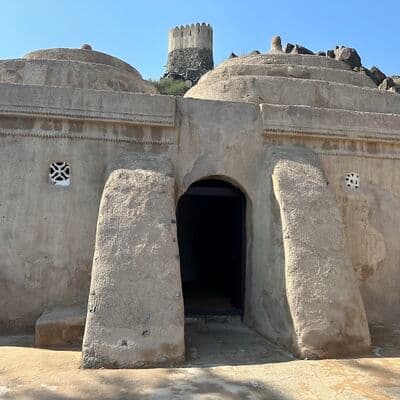
Fujairah (from Dubai, 1.5-2 hours) is the east coast with mountains and sea. Snorkeling in Dibba, Fujairah Fort, Al Bidya Mosque (oldest in UAE), Friday Market (operates daily despite the name). Completely different atmosphere - more traditional, less urbanized.
Sharjah (from Dubai, 30 minutes) offers a cultural day. Museum of Islamic Civilization, Al Noor Island, Blue Souk. Can combine with Heart of Sharjah - the restored historic center.
Ras Al Khaimah (from Dubai, 1 hour) offers mountains and adventure. Jebel Jais with zipline, the ghost town, pearl farm. Can fit in one packed day or stay overnight.
Trips to Neighboring Countries
Oman: Muscat (2-3 days) is a completely different world. More traditional, less commercialized. Sultan Qaboos Grand Mosque, Royal Opera House, forts, souks. Visa for US/UK/AU citizens is electronic (around 20 Omani rials, apply online). From Dubai by car via Hatta - about 4 hours including border.
Oman: Musandam (1-2 days) is an Omani exclave peninsula separated from mainland Oman by UAE. Dramatic fjords, crystal waters, dolphins. From Ras Al Khaimah - 2 hours to Khasab. Traditional dhow cruises, snorkeling, isolated villages. Visa on border (around 5 Omani rials for day visitors).
Bahrain (weekend trip) is an island nation with more liberal atmosphere. Direct flights from Dubai (1 hour). Bahrain Fort (UNESCO), Tree of Life in the desert, Manama nightlife. Visa on arrival for US/UK/AU citizens (free or minimal cost). Popular with UAE residents for a change of scenery.
Jordan: Petra (3-4 days) is a Wonder of the World. Direct flights from Dubai (3 hours). Visa on arrival for Americans and Brits. Beyond Petra - Wadi Rum, Dead Sea, Amman. Logistically convenient, culturally rich.
Business Travel and MICE
UAE as a Business Hub
Dubai and Abu Dhabi are the region's largest business centers. Hundreds of conferences, exhibitions, and corporate events annually. For business travelers, the country offers perfect infrastructure.
Exhibition centers: Dubai World Trade Centre (DWTC) is the largest in the region, hosting GITEX, Arabian Travel Market, and hundreds of other events. Expo City Dubai is the new venue after Expo 2020. Abu Dhabi National Exhibition Centre (ADNEC) handles capital events.
Business hotels: concentrated in Downtown Dubai (Armani Hotel, Address), DIFC (financial center), Business Bay. In Abu Dhabi - Al Maryah Island, Corniche. Meeting rooms, business centers, fast Wi-Fi are standard.
Free zones: if planning to start a business - DMCC (commodities and trading), Dubai Internet City (IT), Dubai Media City (media), JAFZA (logistics), ADGM in Abu Dhabi (finance). Each zone has its own jurisdiction, tax conditions, license types.
Networking: business breakfasts, expat community parties, industry meetups - finding contacts is easy. LinkedIn is active, business communities are growing.
Medical Tourism
UAE as a Medical Destination
Healthcare in the UAE is excellent - modern equipment, Western-trained doctors, no waiting lists. Popular treatments: dentistry (cheaper than Europe, high quality), plastic surgery, orthopedics, ophthalmology (laser correction), health checkups.
Top hospitals: Cleveland Clinic Abu Dhabi (American network branch, all specialties), Mediclinic (nationwide network), American Hospital Dubai, Saudi German Hospital. All accept international insurance, speak English.
Costs: specialist consultation from 300 dirhams (~$82), checkup from 1,500 dirhams (~$408), dentistry from 200 dirhams for examination. Expensive by some standards but competitive with Western prices.
Medical visa: for extended treatment, special visas can be arranged through the hospital. Standard tourist visa suffices for short procedures.
History and Culture
From Bedouins to Skyscrapers
UAE history is a story of rapid transformation. Before oil discovery in 1958, the region was among the world's poorest. Locals fished for pearls, caught fish, herded livestock. Bedouins roamed the desert, coastal villages depended on pearl season.
Oil discovery changed everything. In 1971, six emirates united into a federation (Ras Al Khaimah joined in 1972). Sheikh Zayed bin Sultan Al Nahyan, founder and first president, directed oil revenues toward infrastructure, education, and healthcare. In one generation, the country transformed from desert backwater to global center.
Cultural heritage: despite modernization, traditions endure. Dubai Museum, Ras Al Khaimah National Museum, Heritage Village in Abu Dhabi show pre-oil life. Falconry, camel racing, traditional dances (yowla, al-ayala) are living heritage.
Religion: Islam is the state religion. 85% of the population are Muslim (Sunni and Shia). The Emirates are relatively liberal: alcohol is permitted, dress code is soft, other religions can practice freely (churches, temples, synagogue exist). Respect for local traditions is expected but not aggressively enforced.
Locals (Emiratis) comprise only 10-15% of the population. The rest are expats from 200 countries. Emiratis mainly hold government positions and business, their lives subsidized by the state (free education, healthcare, land grants for building homes). Meeting a local in everyday tourist life is difficult - they live in their own communities.
Expats: India, Pakistan, Bangladesh, Philippines are the largest communities. They build skyscrapers, drive taxis, work in services. Western expats work in business, finance, tourism. The community is diverse and welcoming.
FAQ
Is the UAE safe? - Yes, the UAE is one of the world's safest countries. Crime is minimal. You can walk at night, leave belongings unattended (though better not to). Police are effective and polite.
Do US/UK/Australian citizens need a visa? - No, you get a free visa on arrival for 30 days. Passport must be valid at least 6 months.
Which emirate to choose? - Dubai for first visits, shopping, entertainment. Abu Dhabi for culture, families with kids, theme parks. Sharjah for budget stays and museums. Ras Al Khaimah for mountains, nature, adventure.
When is best to visit? - November-March for ideal weather. April and October as compromise. May-September is hot but cheap.
Is the UAE expensive? - Depends on style. Budget at 200 dirhams/day (~$55). Mid-range 500-800 (~$136-218). Luxury 3,000+ (~$817+).
Do I need Arabic? - No, English is sufficient everywhere.
Can I drink alcohol? - Yes, in licensed venues (hotel bars, restaurants, clubs). Not in public, not on public beaches. Sharjah has a complete ban.
What about dress code? - Swimwear only at the beach. In town, cover shoulders and knees in conservative areas (markets, old districts, Sharjah). Malls and tourist zones are more relaxed. Mosques require modest dress.
How is the internet? - Excellent 4G/5G everywhere. Tourist SIMs from 55 dirhams (~$15). Free Wi-Fi at hotels, malls, cafes. VoIP calls (WhatsApp, Skype) are blocked - need VPN.
Luxury Experiences
Once-in-a-Lifetime Activities
The UAE specializes in luxury experiences that make lasting memories. If budget allows, these are worth the splurge.
Dinner at Burj Al Arab: the iconic sail-shaped hotel only admits guests and diners. Book a table at Al Muntaha (spectacular views), Scape (rooftop), or Nathan Outlaw at Al Mahara (underwater aquarium setting). Expect to spend 1,000+ dirhams (~$272+) per person, but the experience is unforgettable.
Helicopter tour: see Dubai from above - the Palm, World Islands, Burj Khalifa. Tours from 650 dirhams (~$177) for 12 minutes to 2,500+ (~$680+) for extended flights. Best at golden hour.
Private yacht charter: cruise around Dubai Marina and the Palm on your own yacht. Prices from 500 dirhams per hour for small boats to thousands for luxury yachts. Sunset cruises with dinner are particularly romantic.
Al Maha Desert Resort: luxury tented suites in a private desert reserve. Wake up to gazelles and oryx outside your window. All-inclusive with desert activities. Rates from 4,000 dirhams (~$1,089) per night but an incomparable desert experience.
Seaplane flight: take off from Dubai Creek and see the coastline from a unique perspective. About 1,700 dirhams (~$463) for a 20-minute scenic flight.
Fine dining: Dubai has multiple Michelin-starred restaurants. Tresind Studio offers innovative Indian cuisine. Stay by Yannick Alleno brings French excellence. Ossiano at Atlantis serves seafood surrounded by aquarium walls. Book weeks ahead, dress smart.
Super car rental: drive a Lamborghini, Ferrari, or Rolls-Royce through Dubai's streets. Daily rentals from 2,000 dirhams (~$545). Some hotels arrange experiences on private tracks.
Spa days: Talise Ottoman Spa at Jumeirah Zabeel Saray features traditional hammam with 24-karat gold treatments. Guerlain Spa at One&Only The Palm offers French luxury. Full-day packages from 1,500 dirhams (~$408).
Budget Travel Tips
Seeing the UAE on a Shoestring
The UAE can be expensive, but smart travelers can experience a lot without breaking the bank.
Accommodation: hostels in Bur Dubai and Deira start from 50 dirhams (~$14) per night. Budget hotels run 150-250 dirhams (~$41-68). Sharjah and Ajman are cheaper than Dubai for equivalent properties. Consider apartment rentals for longer stays.
Free attractions: Sheikh Zayed Grand Mosque entry is free. Al Fahidi district costs nothing to explore. Public beaches (JBR, Kite Beach, Corniche) are free. Dubai Fountain shows are free to watch. Walking the Dubai Marina promenade costs nothing. Many malls are attractions themselves.
Cheap eats: shawarma stands sell filling wraps for 5-10 dirhams (~$1-3). Karak chai (sweet tea) is 1-2 dirhams. Food courts offer meals for 25-40 dirhams (~$7-11). Supermarkets like Carrefour and Lulu have ready meals. Avoid hotel restaurants and tourist traps.
Transport savings: Dubai Metro and buses are cheap (4-8 dirhams). Abra boats cost just 1 dirham. Walk when distances are manageable. Share taxis with other travelers.
Discount hunting: Entertainer app offers 2-for-1 deals. Groupon and Cobone have discounted experiences. Visit attractions on weekdays for lower prices. Summer brings massive discounts (if you can handle the heat).
Skip the desert safari middlemen: book directly with operators like OceanAir Travels or Arabian Adventures instead of through hotels. Prices can be half.
Conclusion
The UAE is a country that knows how to surprise. You can ski indoors then ride dunes on a quad bike an hour later. Breakfast with views of the world's tallest building, lunch in a ghost town. View Van Gogh at Louvre Abu Dhabi and bargain for gold at a medieval souk.
For American, British, and Australian travelers, the UAE offers an accessible gateway to the Middle East - all the exoticism with none of the complications. World-class infrastructure, universal English, familiar brands alongside unique experiences. Whether you seek beaches, culture, adventure, or simply winter sun, the Emirates deliver.
Best time to visit is November through March when weather is perfect for any activity. One week covers the highlights: Dubai, Abu Dhabi, desert safari. Two weeks add Sharjah, Ras Al Khaimah, and the east coast. Three weeks let you dive deeper and perhaps visit neighboring Oman.
Budget can be anything: from hostels and street food to seven-star hotels and Michelin restaurants. The UAE does not discriminate by wallet - entertainment exists for everyone.
Key advice: do not limit yourself to Dubai. Abu Dhabi offers culture and respectability, Sharjah brings traditions and authenticity, Ras Al Khaimah delivers nature and adventure. Seven emirates, seven facets of one country. Explore them all.
Information current as of 2026. Verify visa requirements, prices, and current restrictions before travel. Exchange rates and prices may change.