Abra Water Taxi on Dubai Creek
An abra is a small wooden boat that ferries passengers across Dubai Creek for just 1 dirham (about 25 cents). Sounds simple, but this short five-minute journey is one of Dubai's most atmospheric experiences. While the skyscrapers of Dubai Marina shuttle tourists on yachts, here in the historic center, a century-old tradition lives on.
History of the Abra
Dubai Creek is a natural inlet that divides the city into two parts: Bur Dubai and Deira. Before bridges were built, the only way to cross was by boat. Abras appeared in the early 20th century when Dubai was a small trading settlement.
Traditional abras were made of wood, without motors—oarsmen steered with poles or oars. Today's abras have motors, but the wooden hull and open design remain. This isn't a museum piece but working public transport—abras carry around 20,000 passengers daily.
How It Works
Routes
There are two main routes:
Bur Dubai — Deira (Old Souk): from the pier near the textile market in Bur Dubai to the pier near the Spice Souk in Deira. This route passes old trading dhows (traditional Arab cargo vessels).
Bur Dubai — Deira (Sabkha): a parallel route, slightly closer to the creek's mouth.
Tourist abras with hour-long creek cruises also exist—more expensive but showing more.
How to Use
Approach the pier, board the boat (they depart as they fill, usually no more than 5 minutes wait), pay the captain 1 dirham cash. That's it. No tickets, counters, schedules. Boats run from early morning until midnight.
An abra holds about 20 passengers. Sit on wooden benches along the sides. When the boat fills, the captain starts the motor and casts off. The journey takes 3-5 minutes.
What You'll See
The crossing isn't just transport—it's a mini-tour. From the water, you see both banks:
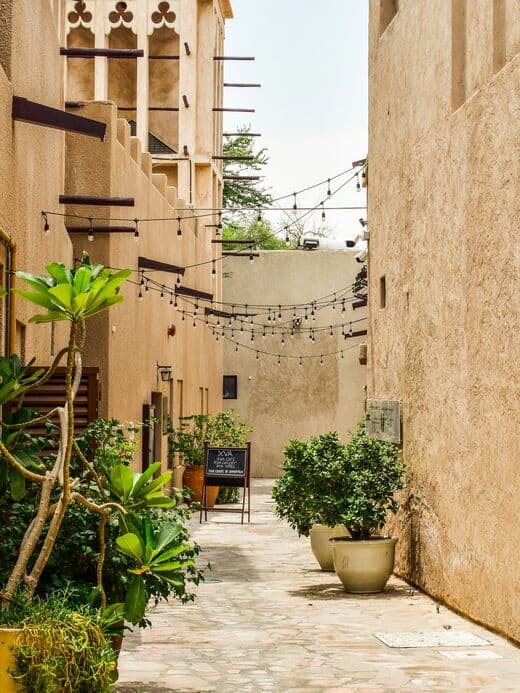
From Bur Dubai—the historic Al Fahidi quarter with its wind towers and mud-brick houses. Mosque minarets and traditional architecture are visible.
From Deira—the pier with trading dhows that still carry cargo to Iran, Pakistan, Africa. These are real wooden sailing vessels, though now motor-equipped. A unique sight—no such cargo fleet exists anywhere else in the world.
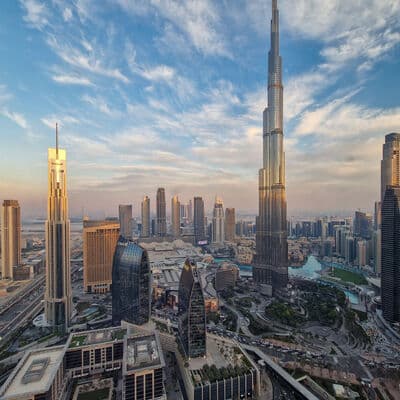
On the water—dozens of other abras darting back and forth. Seagulls overhead. The smell of sea and diesel. And somewhere in the distance—the silhouettes of new Dubai's skyscrapers.
What to See on the Banks
Bur Dubai Side
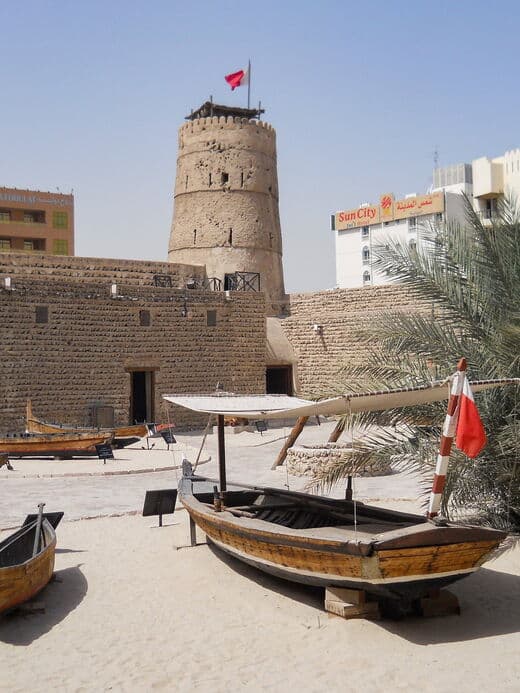
The Al Fahidi quarter—the main historical attraction. Here too is the Dubai Museum in an ancient fort. The textile market with fabrics from India and China.
Deira Side
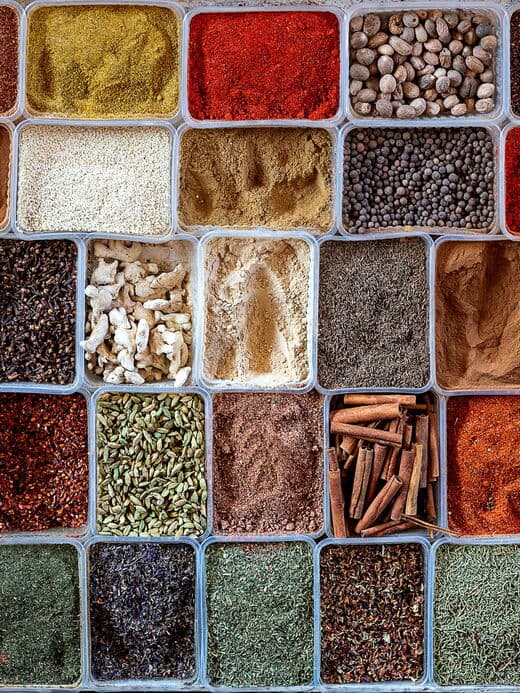
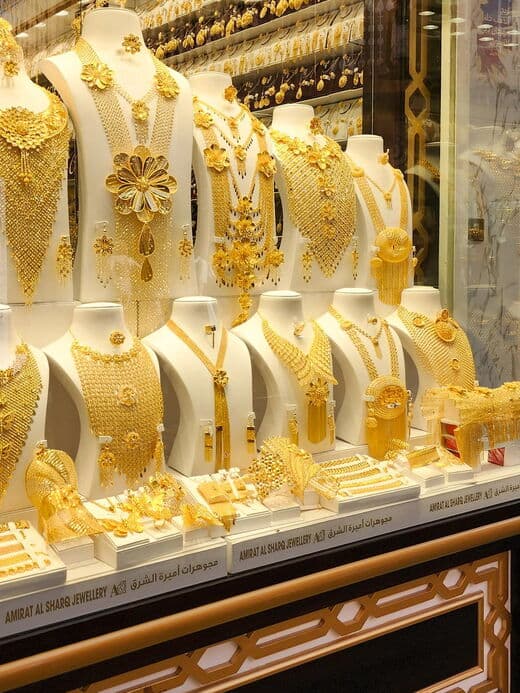
The Spice Souk—steps from the pier. The Gold Souk—5 minutes on foot. The dhow pier—you can stroll along the bank and watch traditional vessels being loaded.
Practical Tips
When to Ride
Abras run from 6:00 to midnight. Best time—sunset, when the sun sets behind the skyscrapers and the creek turns golden. Evening, when lights come on, is also beautiful.
What to Bring
Small change (1 dirham). A camera—the views are stunning. In summer—water and a hat; it can be hot on the water.
Safety
Abras are safe, but sit calmly and don't rock the boat. There are no life jackets, but the creek is shallow and help would come quickly. Throughout history, serious incidents have been virtually nonexistent.
Alternatives
If you want a longer ride—charter an abra for an hour (around 100 dirhams per boat). Air-conditioned water taxis also run on the same creek—more comfortable but pricier and lacking the atmosphere.
Atmosphere
The abra crossing is Dubai as it was before skyscrapers and malls. A wooden boat, splashing water, seagull cries, merchants with spice bags, women in abayas, tourists with cameras—all mixing in this short journey.
There's something calming about crossing the creek in an open boat while the big city bustles around you. This isn't a tourist attraction—it's a living tradition, part of Dubai's everyday life. And for 1 dirham, you get an experience that no amount of money can buy in the glittering hotels of the new city.