Dubai Museum (Al Fahidi Fort)
In a city of gleaming skyscrapers and artificial islands, it's easy to forget that Dubai has a history stretching back centuries. The Dubai Museum in Al Fahidi Fort is a reminder of that past. It's the city's oldest building, constructed in 1787, and the only place where you can see how Emiratis lived before the oil boom.
Fort History
Al Fahidi Fort was built as a defensive structure and residence for Dubai's ruler. Its walls of coral stone and clay, up to half a meter thick, withstood attacks and scorching sun. Throughout history, the fort served as a residence, garrison, prison—adapting to new needs each time.
By the mid-20th century, the fort had deteriorated and faced demolition. But in 1971, with the formation of the UAE, authorities decided to preserve it as a historical monument. After restoration in 1995, the fort opened as the Dubai Museum.
What to See
Fort Courtyard
Your tour begins in the courtyard, where traditional boats are displayed: abras (passenger) and dhows (cargo). Also here is a wind tower (barjeel)—an example of traditional air conditioning that you can see in the neighboring Al Fahidi district.
Under the canopy is a traditional barasti (palm-leaf house), where Bedouins and fishermen lived. A simple construction, but well-designed: woven walls let wind through, creating natural ventilation.
Underground Exhibition
The main part of the museum lies in underground halls dug beneath the fort. Here, scenes from old Dubai life are recreated:
Souks (markets)—dioramas of traditional bazaars with trader figures, goods, sounds, and even smells. You can "stroll" through 1950s Dubai streets.
Pearl diving—Dubai's main income source before oil. The exhibition shows how divers harvested pearls, how they were sorted and sold. Tools, costumes, boats—all authentic.
Bedouin life—nomadic desert existence, traditional clothing, weapons, jewelry. Interactive screens explain culture and customs.
Archaeology—finds from excavations across the UAE, including artifacts up to 4,000 years old. Dubai was inhabited long before Islam, and this exhibition reveals its most ancient history.
What to See Nearby
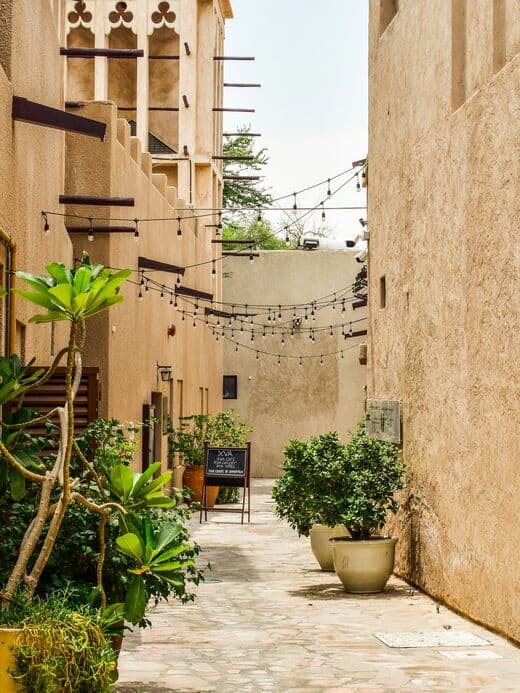
The museum sits at the edge of the historic Al Fahidi quarter—definitely walk through its lanes after the museum. Mud-brick houses, wind towers, galleries, and cafés—all just steps away.
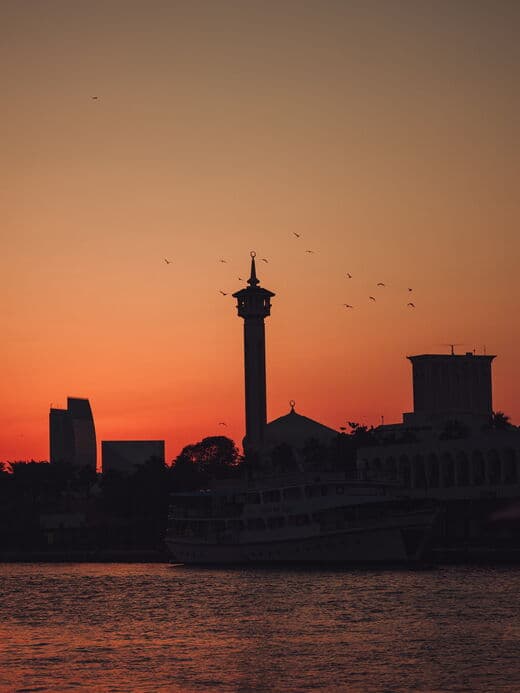
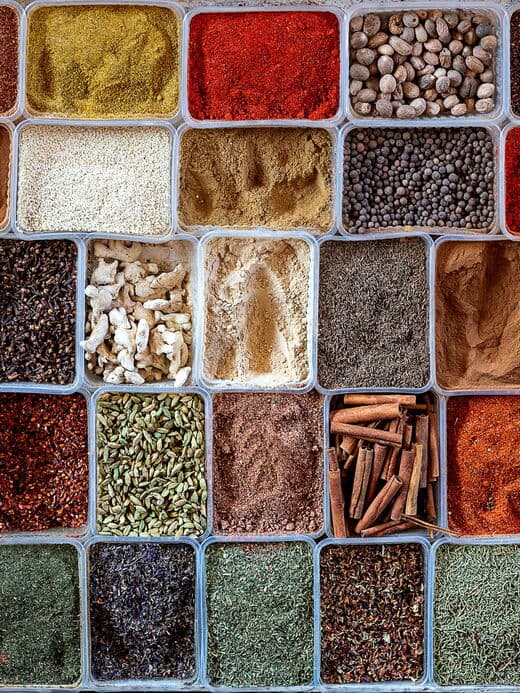
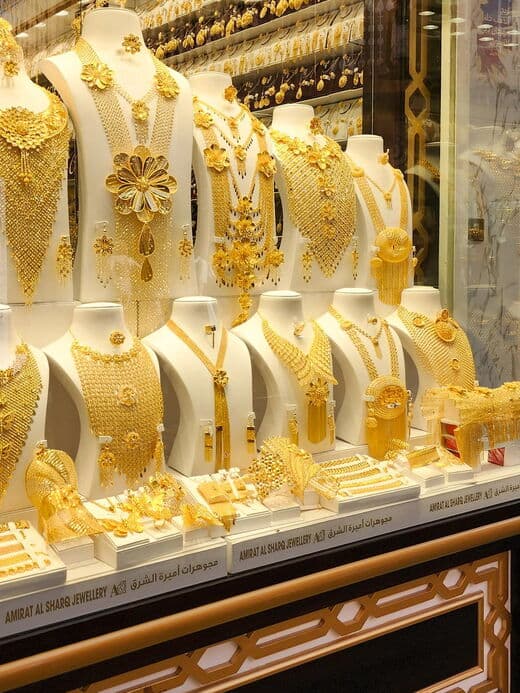
From the pier near the museum, you can cross by abra to Deira district, to the Spice Souk and Gold Souk.
Practical Tips
Opening Hours
Saturday-Thursday: 8:30-20:30. Friday: 14:30-20:30. Entry—3 dirhams (less than $1), children under 6—free.
Time Needed
40-60 minutes for the museum. With a walk through Al Fahidi—2-3 hours.
Getting There
Al Fahidi metro station (Green Line), then 5-10 minutes on foot.
Atmosphere
The Dubai Museum is a modest but important place. In a city where everything reaches toward the future, it reminds us of the past. Of times when life here was harsh: pearl divers risked their lives, fishermen battled the sea, Bedouins wandered through waterless desert.
After visiting the museum, Dubai's gleaming skyscrapers feel different. Behind them lies a history of generations who survived in one of Earth's most inhospitable places. Oil and tourism changed everything—but the roots remain. And in Al Fahidi Fort, you can see them with your own eyes.