Spice Souk
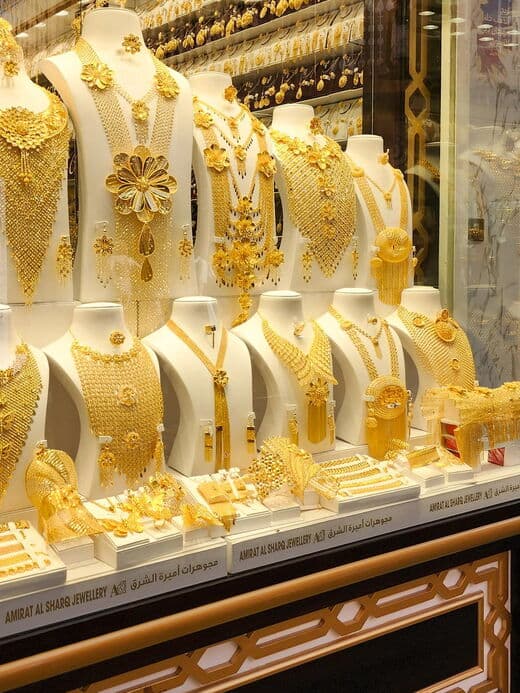
If Dubai's Gold Souk dazzles your eyes, the Spice Souk conquers your nose. Step under the covered galleries—and you're enveloped in aromas of saffron, cardamom, cinnamon, frankincense, and dozens of herbs and spices from across the East. This is one of Dubai's last authentic markets, where trade continues just as it did a hundred years ago.
Market History
Dubai has been a crossroads of trade routes between India, Africa, and the Middle East for centuries. Spices were one of the main commodities in this trade. Pepper, cinnamon, cloves from India and Indonesia; frankincense and myrrh from Yemen and Oman; saffron from Iran—all passed through Dubai.
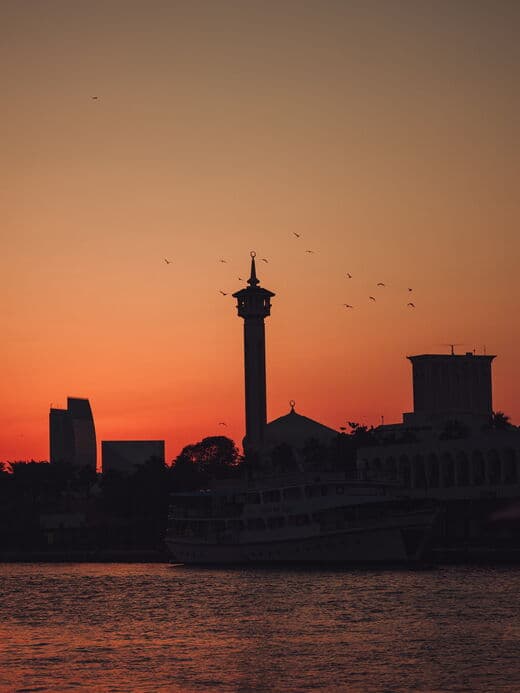
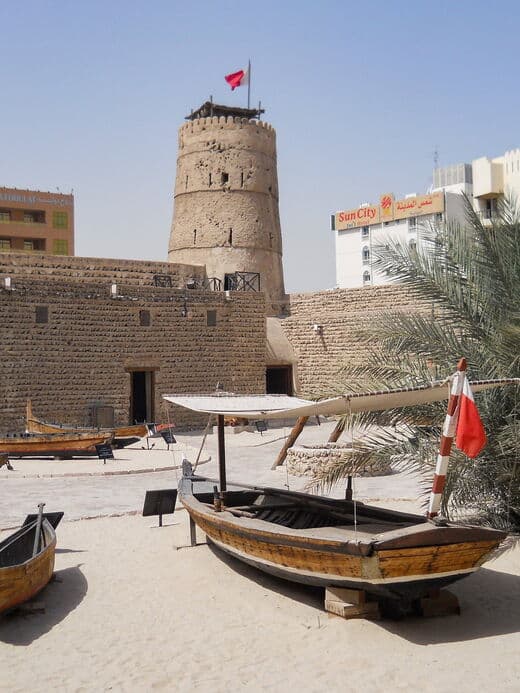
The Spice Souk in its current form took shape in the mid-20th century in the Deira district, near the pier for trading dhows (traditional Arab vessels). Many traders are descendants of families who've been doing business here for generations.
What You Can Buy
Spices
Saffron—the market's main commodity. Iranian saffron here is significantly cheaper than in Europe. Quality varies: the best is deep red with a strong aroma. Traders will show different grades and explain how to distinguish real saffron from fakes.
Cardamom—the "queen of spices," essential for Arabic coffee. Green cardamom is for sweet dishes and drinks, black for pilaf and meat dishes.
Sumac—a sour spice from berries, added to salads, meat, hummus. It gives dishes pleasant tartness without vinegar.
Za'atar—a blend of thyme, sumac, sesame, and salt. A classic Levantine seasoning for bread, salads, and meat.
Baharat—an Arabic spice mix for meat dishes. Composition varies but usually includes pepper, cinnamon, coriander, cloves, and cumin.
Incense
Frankincense and myrrh—resins burned to perfume spaces. This is an ancient Arab tradition: incense is used in homes, offices, mosques. The smell of frankincense is one of the "scents of the East" that immediately transports you to an Arab home.
Oud—the precious wood of the agarwood tree with a unique scent. Used in perfumery and as incense. Real oud costs more than gold, but you can find affordable options at the market.
Bakhoor—aromatic chips soaked in oils. They're burned on special burners, and the scent permeates clothes and hair.
Other Goods
Dried fruits and nuts: dates (dozens of varieties), almonds, pistachios, apricot kernels. Herbal teas and medicinal plants. Henna for hair and mehndi. Rose water and floral essences.
How to Shop
Bargaining
Bargaining is mandatory and part of the culture. Initial prices are often inflated 2-3 times. Bargain friendly but persistent. If a seller won't budge—go to the neighbor; prices are roughly equal, and competition works in your favor.
Quality
Ask to see the goods, smell them, sometimes taste them (dried fruits). Good spices are aromatic, bright in color, without additives. Saffron should be deep red, staining your fingers when rubbed. Cardamom should be dense, green, aromatic.
Packaging
Spices are usually sold by weight. Ask to have them packed in vacuum bags—they'll preserve aroma longer. Many traders offer this service free.
What to See Nearby
The Spice Souk is steps away from the Gold Souk—logical to visit both in one walk. From the pier near the market, abra boats depart for the other side of the creek, to the Al Fahidi district.
Practical Tips
When to Visit
The market operates 9:00-22:00; on Friday it opens at 16:00 (after midday prayer). Best time—evening, when heat subsides and the market comes alive.
Getting There
Al Ras metro station (Green Line), then 5 minutes on foot. Or by abra from Bur Dubai.
Exporting Spices
Spices can be freely exported from the UAE and imported to most countries. But note: large quantities of saffron may attract customs attention—keep your receipts.
Atmosphere
The Spice Souk is a journey for all your senses. Mountains of colorful spices in burlap sacks, head-spinning aromas, traders' voices in Arabic, Hindi, English. Time flows differently here—you can spend an hour just moving from stall to stall, tasting dates and smelling different oud varieties.
This isn't a tourist attraction but a real working market. Next to you, local housewives, restaurateurs, and wholesalers from Africa and Asia will be shopping. The atmosphere is authentic, slightly chaotic, very Eastern—exactly why you should come to Dubai to see its true face behind the skyscraper facade.