Аль-Фахиди и Крик
Старый Дубай: от Аль-Фахиди до Золотого рынка
Этот маршрут открывает Дубай, каким он был до нефтяного бума — традиционный арабский город торговцев и ловцов жемчуга. Забудьте о небоскрёбах Дубай Марины и погрузитесь в атмосферу Аравийского залива столетней давности.
Район Аль-Фахиди — душа старого Дубая
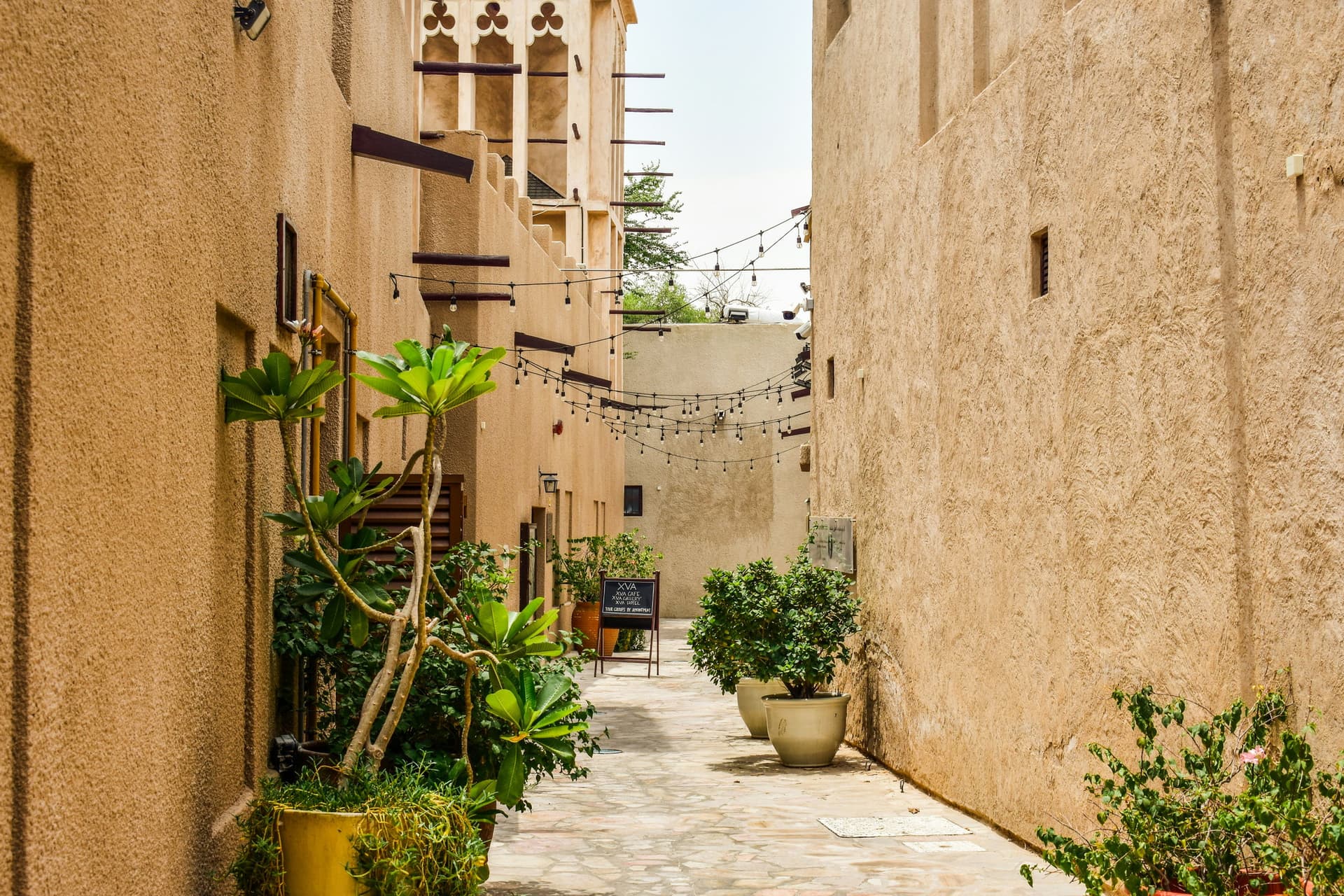
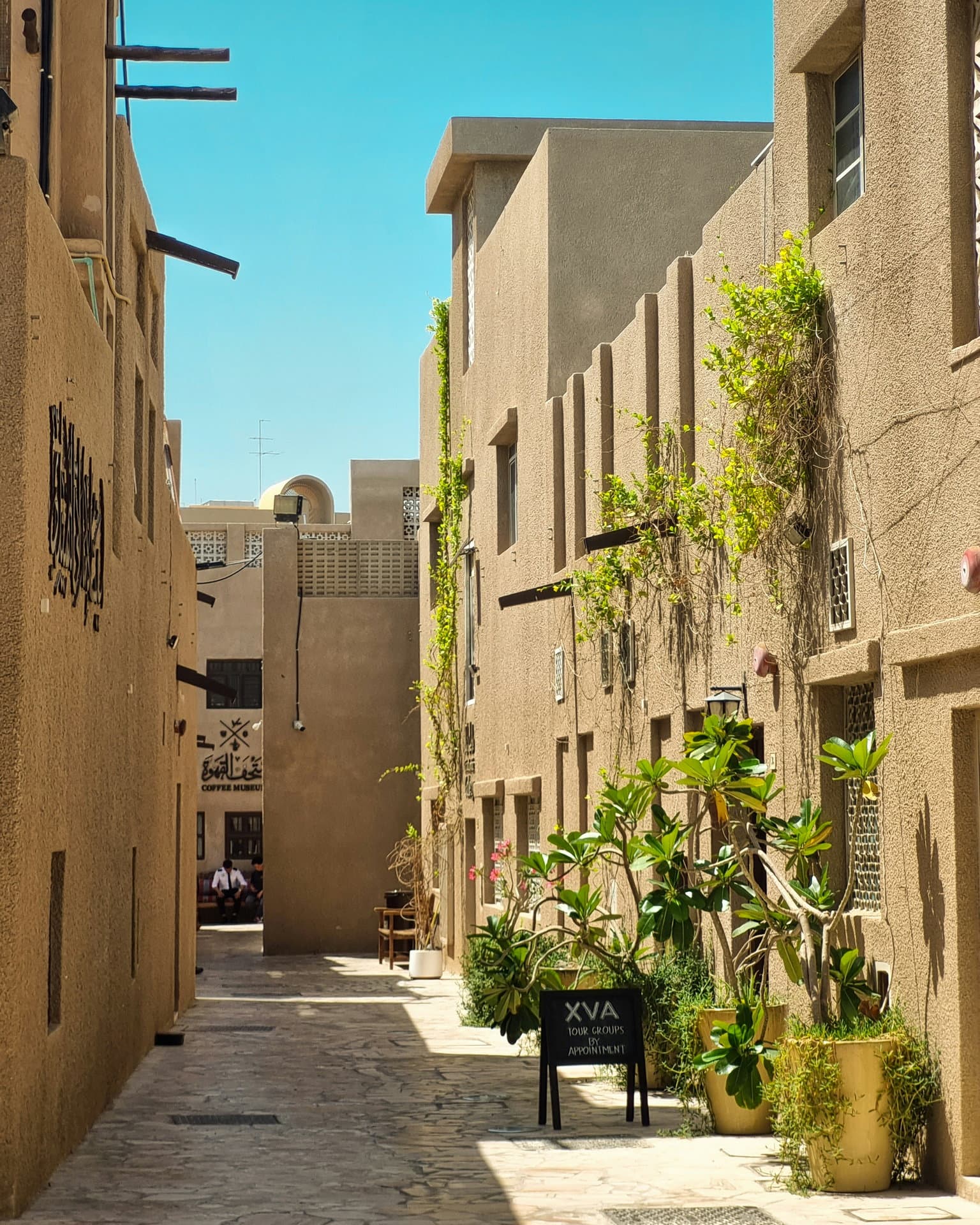
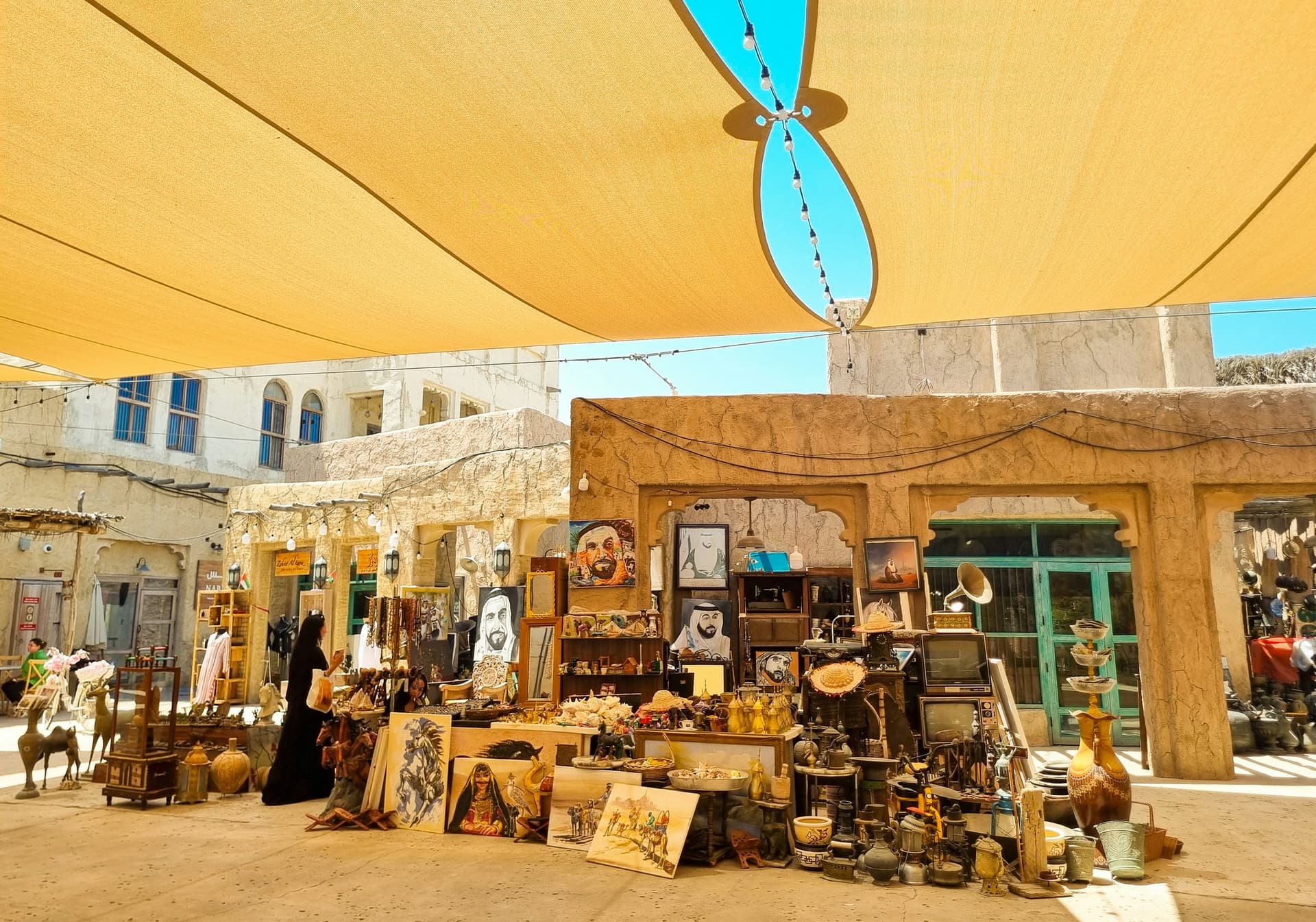
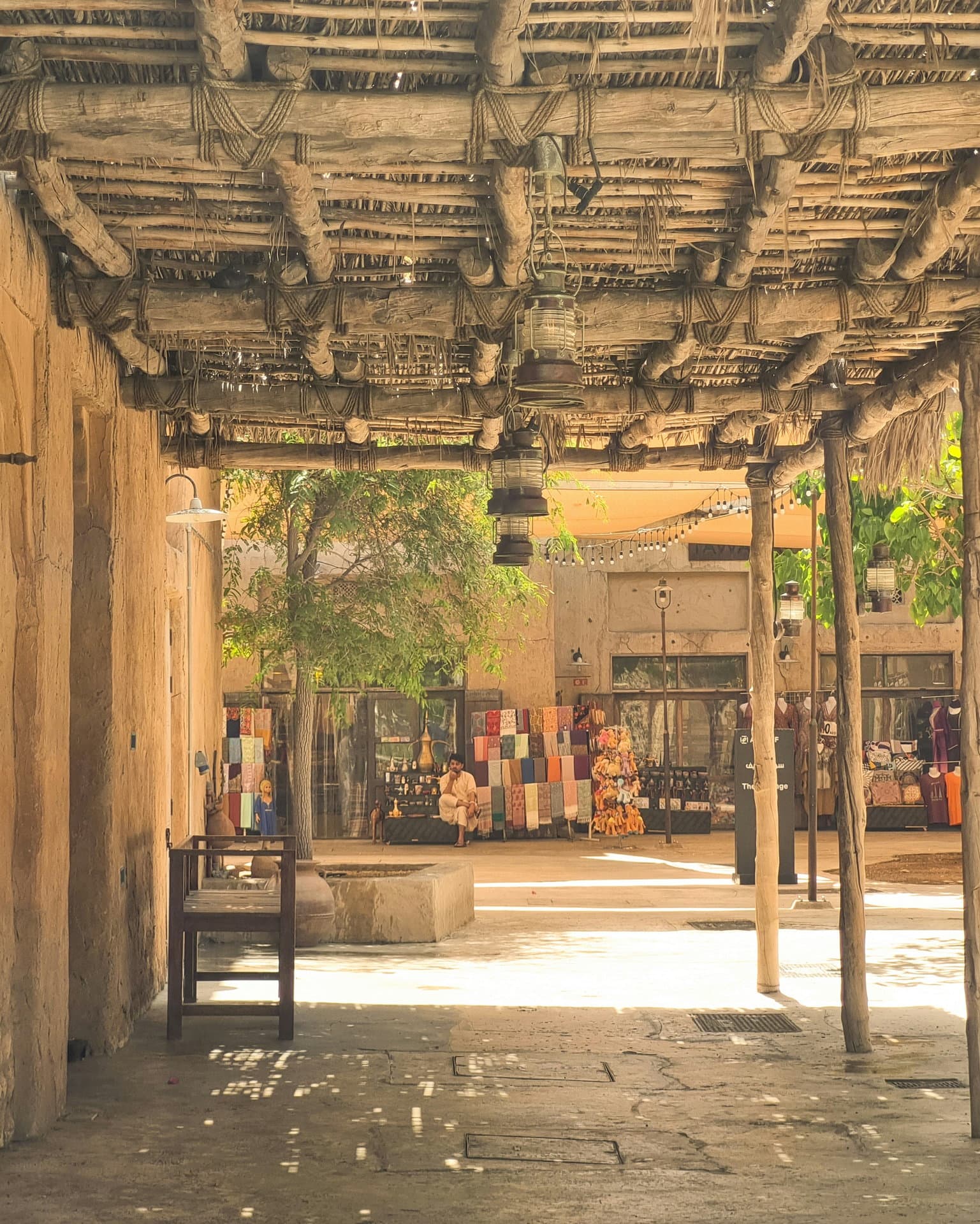
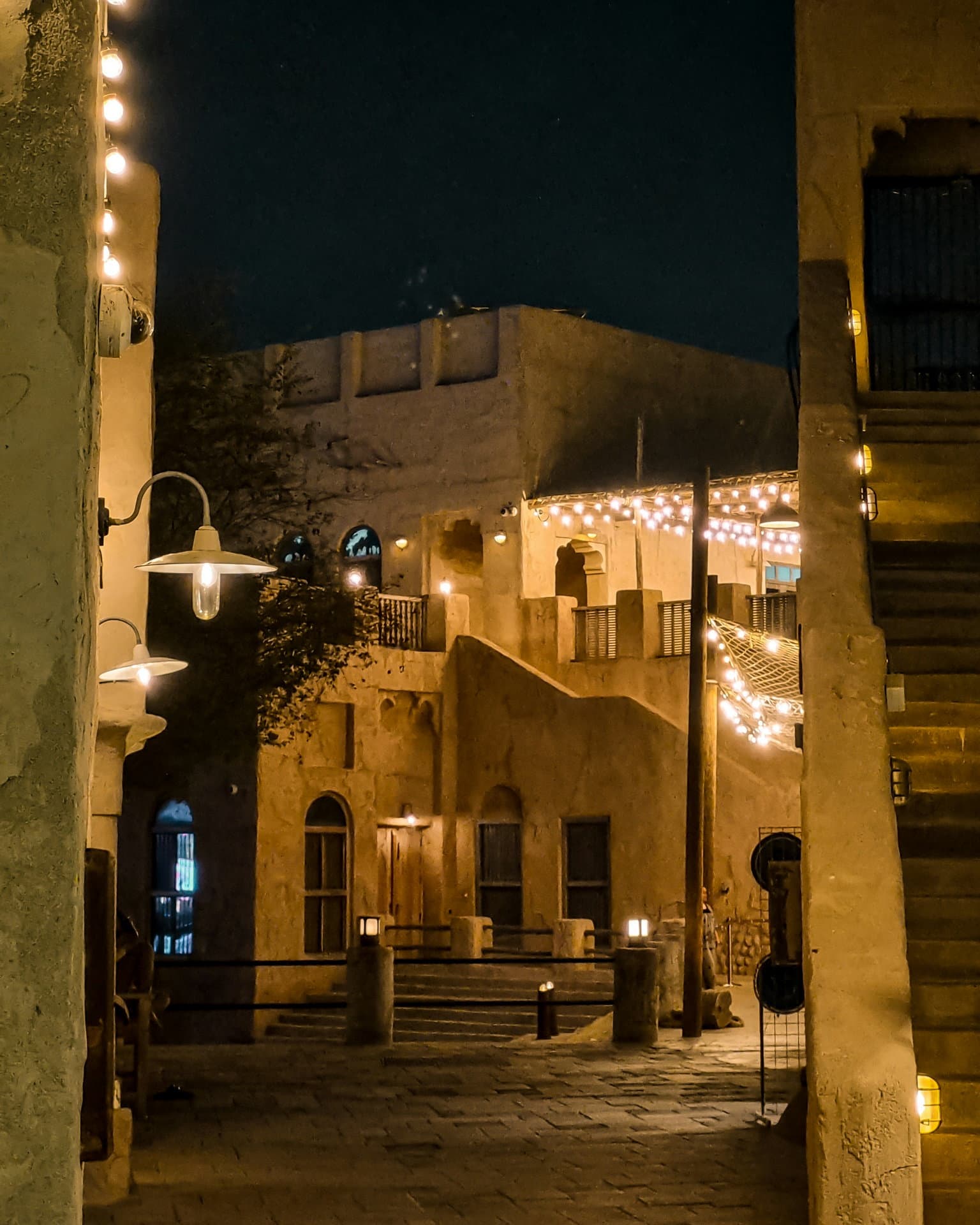
Начните прогулку в историческом районе Аль-Фахиди (раньше назывался Бастакия) — лабиринте узких улочек между домами из кораллового камня и глины. Район был основан в конце XIX века персидскими торговцами и сохранил аутентичную архитектуру того времени.
Главная особенность зданий — ветровые башни (бараджиль). Это древние «кондиционеры»: башни улавливают прохладный ветер и направляют его внутрь дома, создавая естественную вентиляцию. Технология использовалась задолго до изобретения электричества.
Сегодня в отреставрированных домах расположились:
- Художественные галереи с работами ближневосточных художников
- Уютные кафе с арабским кофе и финиками
- Бутик-отели в традиционном стиле
- Небольшие музеи о жизни старого Дубая
Культурный центр шейха Мохаммеда
Обязательно посетите SMCCU (Sheikh Mohammed Centre for Cultural Understanding) — здесь проводят экскурсии по району, культурные завтраки и обеды, рассказывают об эмиратских традициях и исламе. Девиз центра: «Открытые двери, открытые умы». Это редкая возможность пообщаться с местными жителями и задать вопросы о культуре ОАЭ.
Музей Дубая в форте Аль-Фахиди
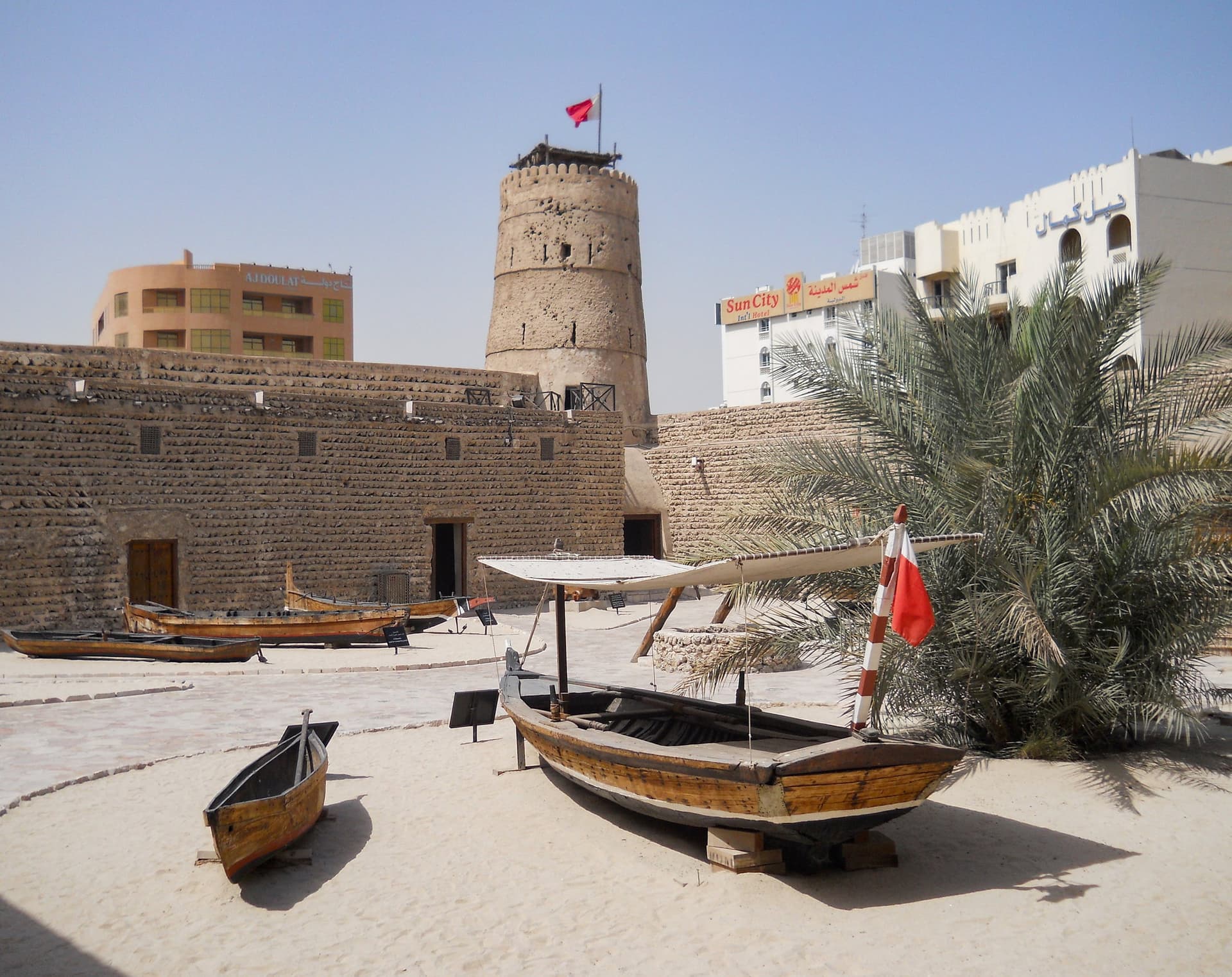
Форт Аль-Фахиди — старейшее сохранившееся здание Дубая, построенное в 1787 году для защиты города от набегов. Сегодня здесь Музей Дубая — отличное введение в историю эмирата.
Экспозиция рассказывает о жизни до нефти:
- Ловля жемчуга — главный промысел Персидского залива до 1930-х годов
- Бедуинская культура — жизнь в пустыне
- Традиционная торговля — Дубай всегда был торговым городом
- Быт эмиратцев — от традиционных домов до одежды и украшений
Входной билет — всего 3 дирхама (меньше доллара), а впечатления бесценны.
Переправа на абре — главное приключение
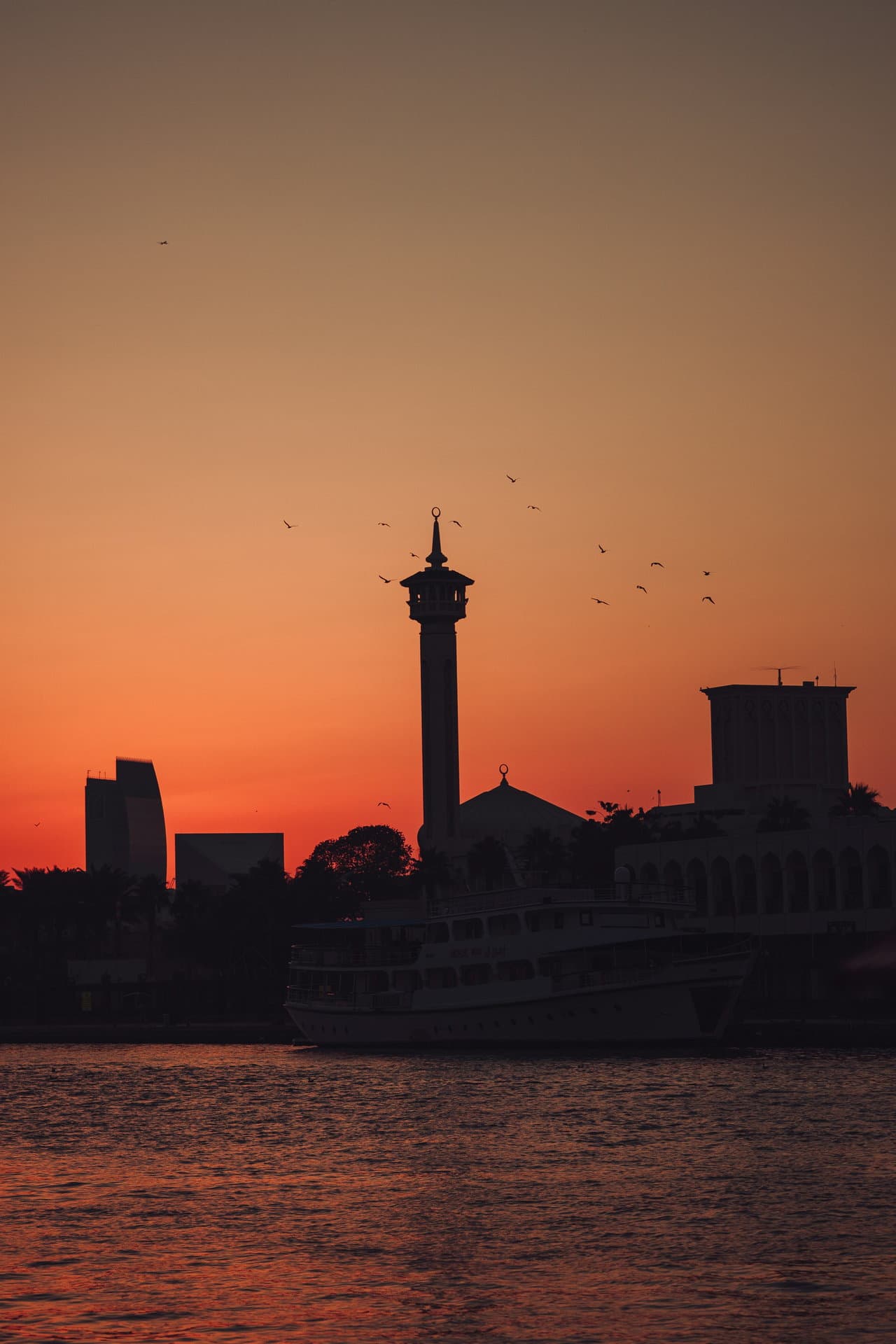
От района Аль-Фахиди спуститесь к бухте Крик (Dubai Creek) — естественному заливу, разделяющему Дубай на две части: Дейру и Бур-Дубай. Здесь начинается главное приключение маршрута — переправа на абре.
Абра — традиционная деревянная лодка, которая курсирует через Крик уже более 100 лет. Поездка занимает 5-7 минут и стоит всего 1 дирхам (около 25 центов). Это самый атмосферный способ передвижения по старому Дубаю — ветер, запах моря, виды на оба берега.
Лодки отправляются каждые несколько минут, работают с раннего утра до поздней ночи. Можно арендовать абру целиком для часовой прогулки по бухте — особенно красиво на закате.
Рынок специй — взрыв ароматов
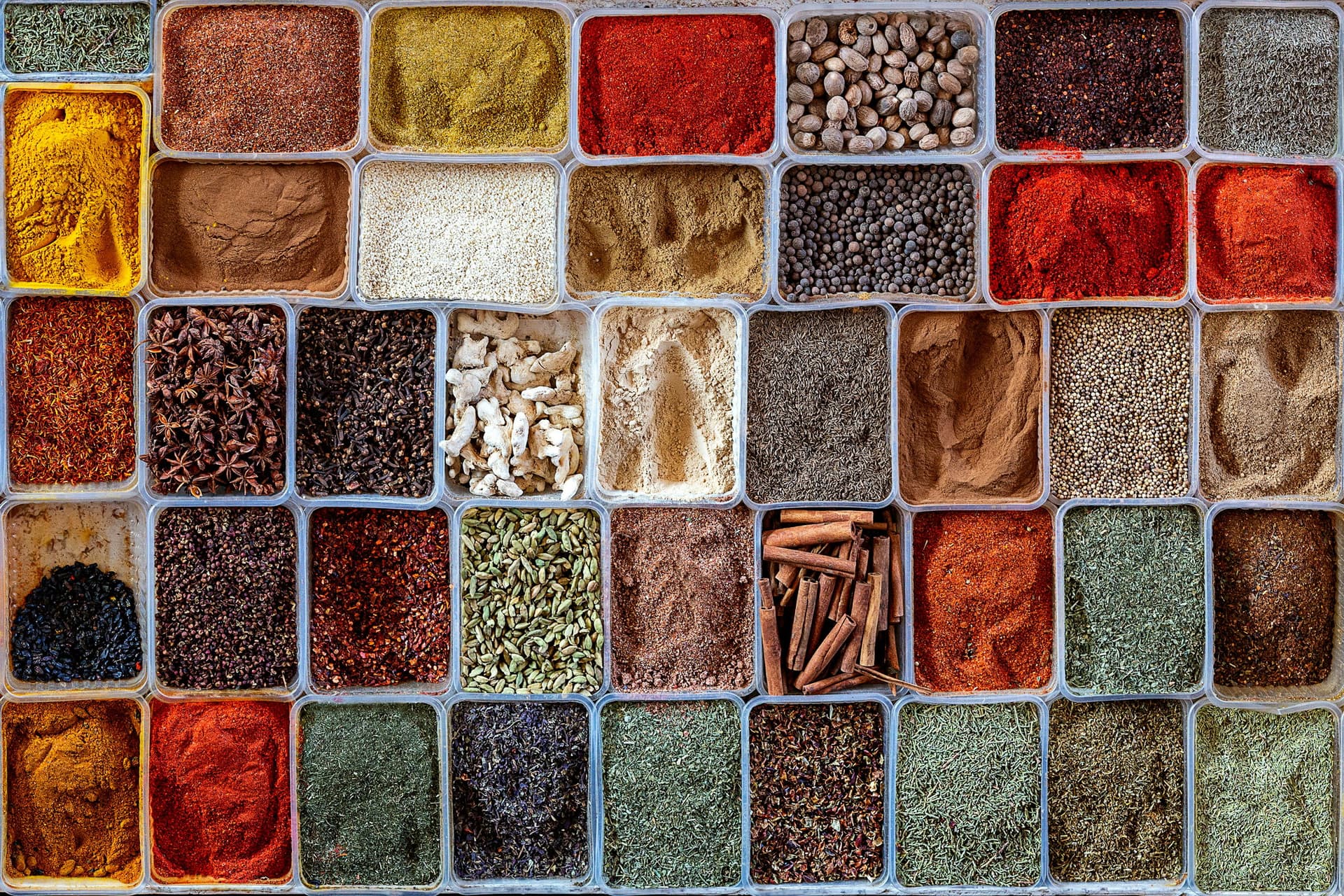
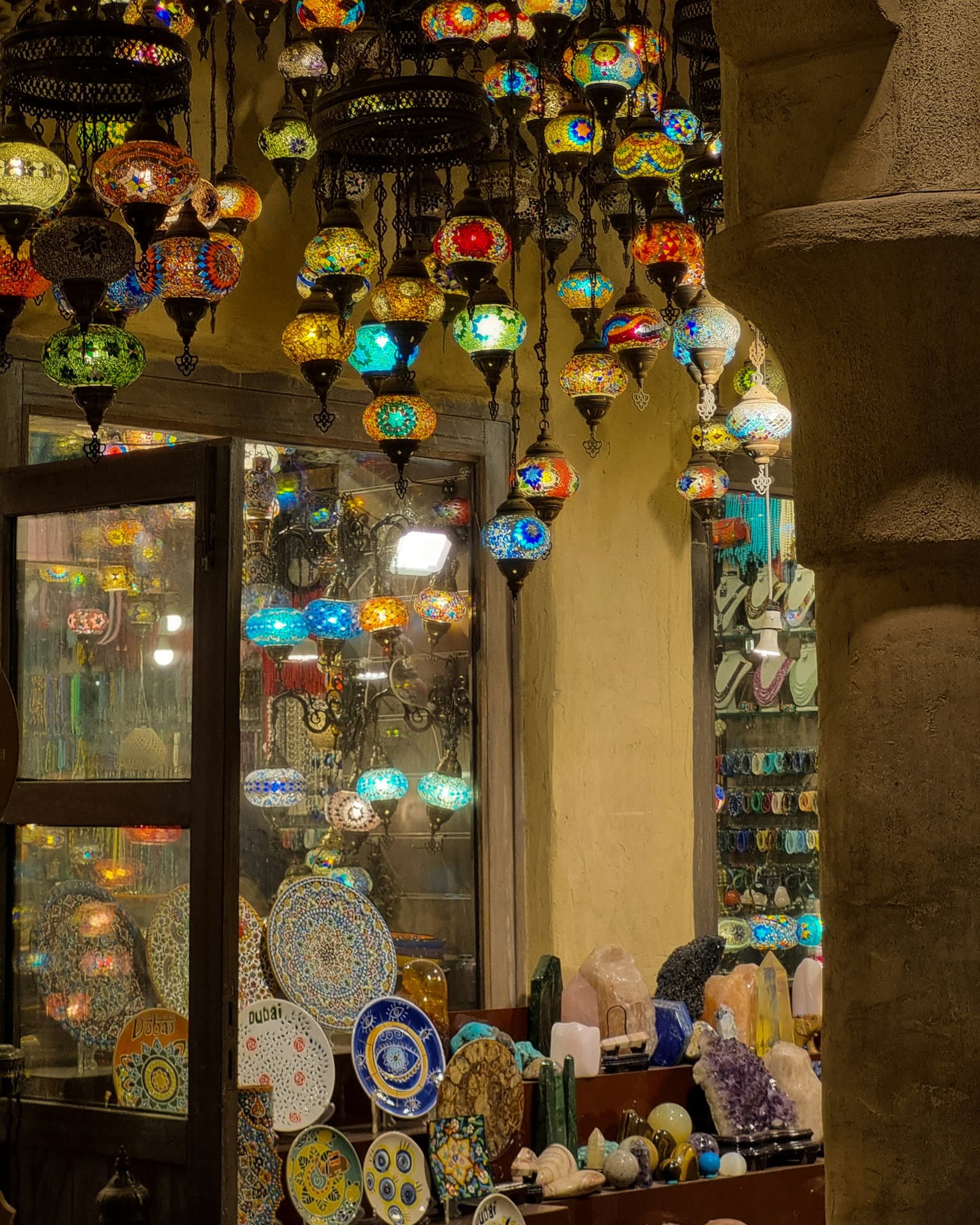
На противоположном берегу (сторона Дейра) начинаются знаменитые рынки Дубая. Первый — Спайс Сук (Рынок специй). Узкие улочки под деревянными крышами, мешки с яркими специями, запахи, от которых кружится голова:
- Шафран — самая дорогая специя мира, здесь дешевле, чем где-либо
- Арабский кофе с кардамоном
- Ладан и благовония — традиционные ароматы Аравии
- Сушёные лимоны — используются в персидской кухне
- Травы и чаи от всех болезней
Торговцы охотно предлагают попробовать товар и рассказывают о применении каждой специи. Торговаться можно и нужно!
Золотой рынок — блеск и роскошь
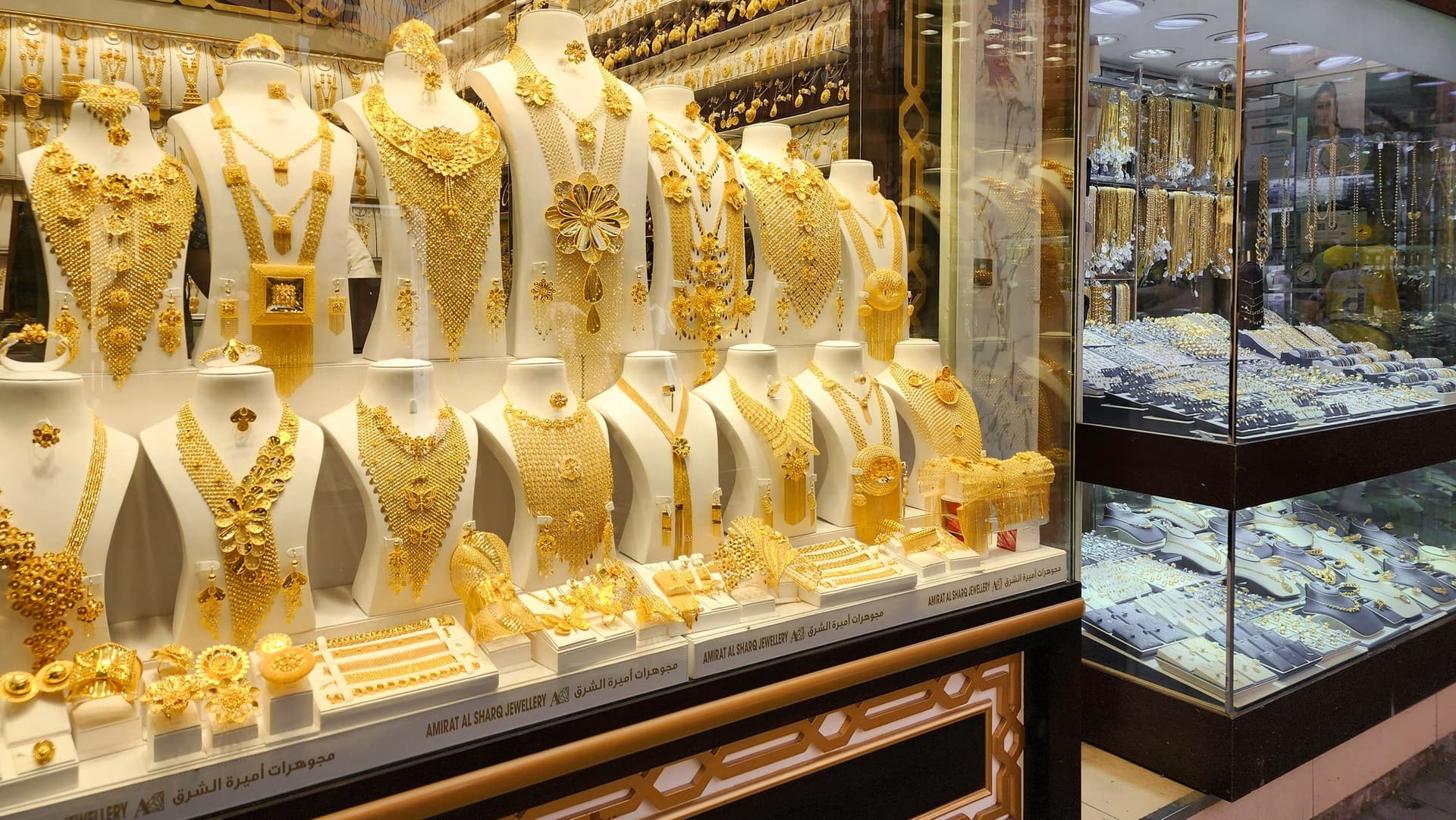
В нескольких минутах ходьбы — Голд Сук (Золотой рынок), крупнейший в мире. Более 300 магазинов предлагают:
- Золотые украшения — от классики до массивных арабских комплектов
- Серебро и драгоценные камни
- Часы (будьте внимательны с подделками)
- Жемчуг — местный и привозной
Цены на золото конкурентные — наценка минимальна, платите в основном за вес. Но торговаться обязательно — это часть культуры. Стартовая цена обычно завышена на 30-50%.
Даже если не планируете покупки, витрины поражают воображение: ожерелья весом в килограммы, рекордные кольца из Книги Гиннесса, традиционные арабские украшения для невест.
Практические советы
Продолжительность: 4-5 часов для неспешной прогулки.
Лучшее время: раннее утро или вечер. Днём очень жарко, а рынки наиболее атмосферны после заката.
Что взять: наличные дирхамы (на рынках карты не везде), удобную обувь, головной убор. Одежда может быть свободной, но избегайте слишком открытых нарядов — это традиционный район.
Где поесть: кафе в Аль-Фахиди (XVA Cafe — отличный арабский завтрак), уличная еда у рынков (шаурма, фалафель).