Gold Souk
There are many gold markets in the world, but none compares to Dubai's Gold Souk. Over 300 shops, dozens of tons of gold in display windows, prices lower than anywhere in the world—this isn't exaggeration but the reality of this incredible place. When you enter the covered market galleries and see sparkling walls of gold jewelry, you momentarily lose your speech.
Market History: From Bedouin Trade to World Gold Capital
Gold trading in Dubai began long before the oil boom. In the 1940s, Indian and Iranian traders began bringing gold here—Dubai was a free port with minimal taxes, an ideal transit trading location.
The modern Gold Souk formed in the 1970s in the Deira district on Dubai Creek's shore. Traders united in covered galleries, and the market quickly became one of the world's largest. Today about 25 tons of gold are sold here at any given time—more than many central banks' reserves.
Dubai is called the "City of Gold" for good reason. The UAE is the world's largest gold re-exporter, and a significant portion of this flow passes through the Gold Souk. Tourists from around the world buy jewelry here, but main customers are wholesalers from India, Pakistan, and Africa.
What You Can Buy
Gold of All Kinds
The market offers gold of different karats: 18 karat (750), 21 karat (875), 22 karat (916), and 24 karat (999—pure gold). Higher karat means softer metal and brighter color. Indian and Arab jewelry is usually made from 22-karat gold, European from 18-karat.
The selection is staggering: from traditional Arab jewelry (massive necklaces, cuff bracelets) to modern European designs. There are replicas of famous brands and unique custom works. A local specialty—jewelry combining white, yellow, and rose gold.
Famous "Record" Jewelry
The Gold Souk is famous for giant jewelry entering the Guinness Book of Records. The world's largest gold ring (64 kg) is displayed in one shop. Other record-holders exist—chains, bracelets, necklaces of incredible sizes. Nobody buys them, of course—but photos with them have become a tourist tradition.
Silver and Gemstones
Besides gold, the market sells silver, pearls (including UAE-cultivated ones), precious and semi-precious stones. You can order custom jewelry to your own design—many shops have on-site workshops.
How to Buy: Practical Tips
Prices and Bargaining
Dubai's gold prices are tied to world exchange rates—published daily. An item's price consists of metal price by weight plus "making charge" (labor). You can't bargain on metal—price is fixed. But on labor, you can and should.
Initial labor markup can be 20-30% of metal cost. Actual—5-15%. Bargain calmly and persistently; be ready to walk away—often the seller will call back with a better price.
Quality Check
All Dubai items are mandatorily certified with hallmarks. But additionally, you can ask to check jewelry on a special device—honest sellers do this free. Keep receipts—they'll be useful at customs.
Best Shopping Time
Gold prices fluctuate during the day—usually slightly lower in morning. Also better to buy off-season (summer) when there are fewer tourists and sellers bargain more readily. During Dubai Shopping Festival (January-February) there are promotions, but also more crowds.
What to See Nearby
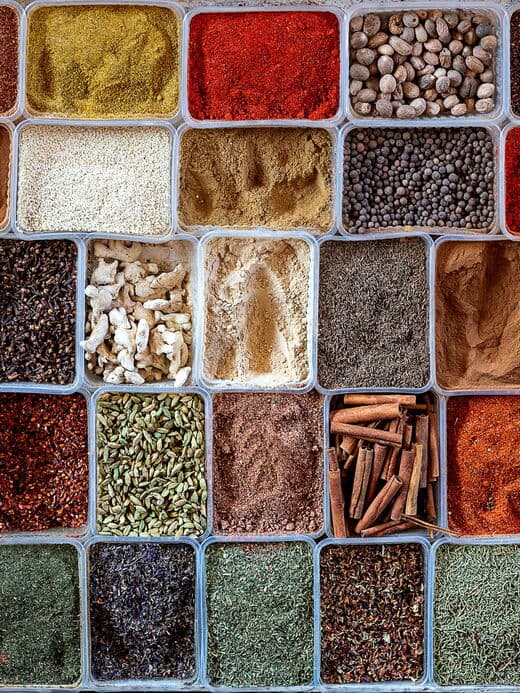
The Gold Souk is in Deira district on Dubai Creek's shore. Two minutes away—the Spice Souk, where you can buy saffron, cardamom, frankincense, and other fragrant goods. These two markets perfectly complement each other.
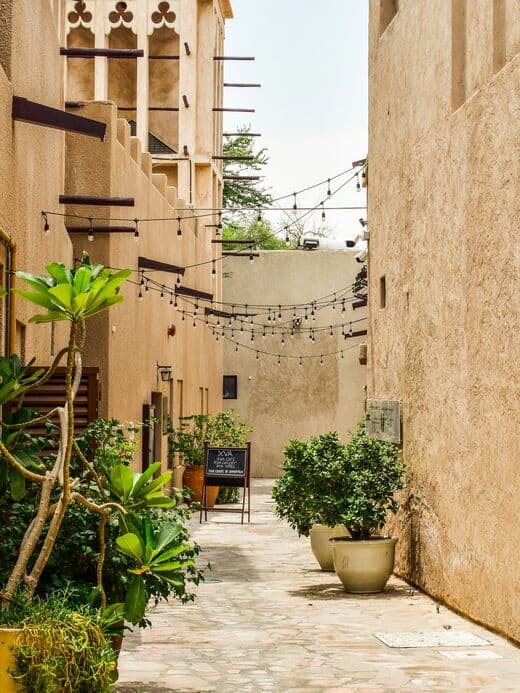
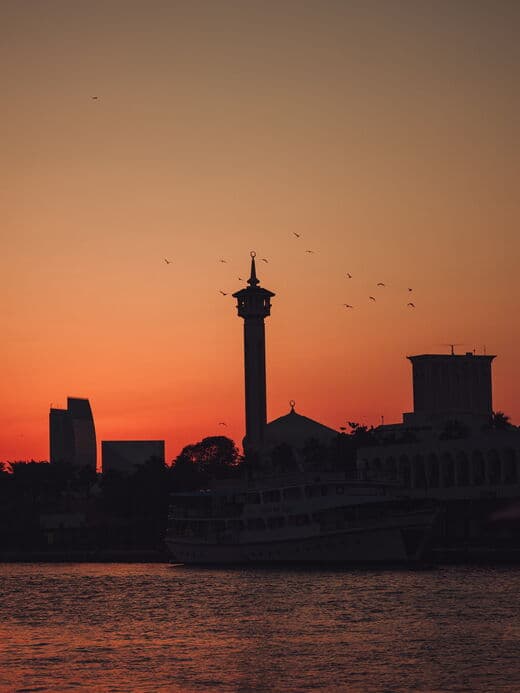
Crossing the creek on a traditional abra boat (1 dirham), you reach Bur Dubai district and the historic Al Fahidi quarter with its mud-brick houses and wind towers.
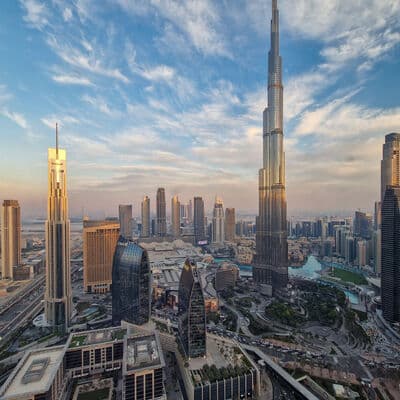
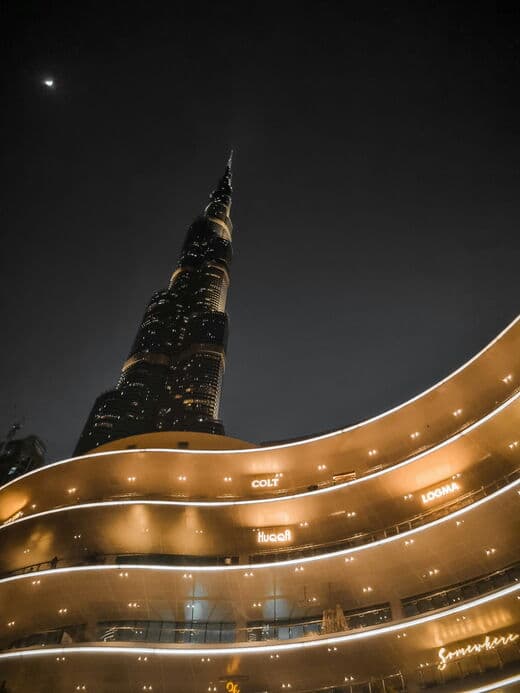
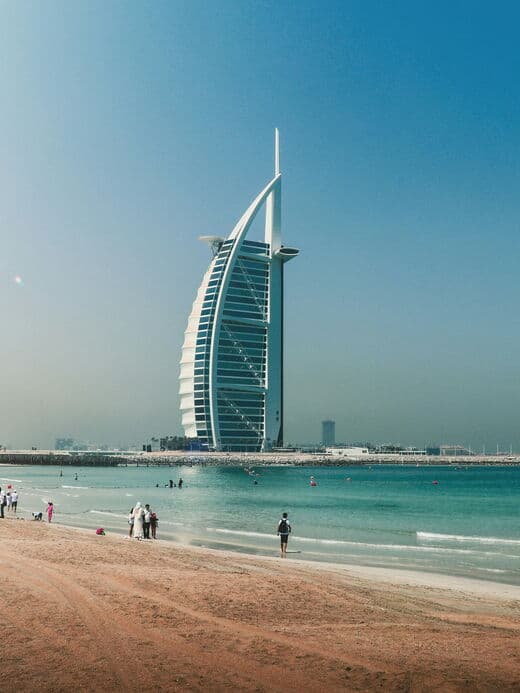
For contrast, visit Burj Khalifa—the difference between traditional market and ultra-modern skyscraper is impressive.
Practical Tips
When to Come
The market operates 10:00-22:00 (Friday from 16:00). Best time—evening when heat subsides and the market comes alive. Morning has fewer people, but many shops open only by 10:00.
Getting There
Nearest metro station—Al Ras (Green Line), 5 minutes walk. Also accessible by abra from Bur Dubai.
What to Consider
When exporting gold from UAE, you need to declare purchases. Duty-free import limit varies by country—keep receipts to confirm value.
Atmosphere and Tips
The Gold Souk isn't just a market—it's a show. Display windows sparkle so bright it hurts your eyes. Sellers call out in different languages. Tourists photograph themselves with kilogram chains. Meanwhile, serious buyers from India and Africa select bridal dowries—dozens of pieces per visit.
The market is especially impressive in evening when gold reflects the light of thousands of lamps and the whole market becomes a glowing Aladdin's cave. Even if you don't plan to buy—come just to look. Nowhere else in the world has this much gold in one place.