Al Fahidi Historical District
Imagine this: you've just stepped out of the gleaming Dubai Mall, where air conditioners blast at full power, and thirty minutes later you find yourself in a completely different world — a labyrinth of narrow lanes where mud-brick walls hold the cool, and wind towers called barjeel create natural ventilation without a single watt of electricity. Welcome to Al Fahidi — the last fragment of old Dubai, miraculously surviving among the skyscrapers.
District History: From Fishing Village to Cultural Heritage
When oil was discovered in the UAE in the 1950s, few thought about preserving historic buildings. Old Dubai neighborhoods seemed inconvenient, backward — they were demolished to make way for modern structures. Al Fahidi is the only district that was saved.
This place's history goes back to the 1890s, when the district was settled by Iranian merchants fleeing high taxes. They built homes in traditional Persian-Arab style — with interior courtyards, high walls of coral stone and clay, and the famous wind towers. By the 1970s, the district had fallen into decline — wealthy families moved to modern villas, and the old houses became slums for migrant workers.
The turning point came in the 1990s when Dubai's government recognized the district's cultural value. Large-scale restoration began, and today Al Fahidi is a living museum where historic houses have been transformed into galleries, cafes, and boutique hotels. Yet there's no sense of a dead museum — the district breathes, lives, and changes.
Architecture: Living in the Desert Without Air Conditioning
Wind Towers — Ancient Air Conditioning
Al Fahidi's main architectural symbol is the barjeel, or wind tower. These tall four-sided structures are an ingenious invention of Persian engineers. The principle is simple: the tower catches the slightest breeze at height and directs it downward into living spaces. The air passes over water vessels in the basement and cools naturally.
Each tower is unique — shape, height, and orientation depend on the wind patterns of each specific location. As you walk through the district, pay attention to these towers — they're all different. Some are open on four sides, others on just one or two. This isn't random but precise calculation.
Interior Courtyard — Heart of the Home
Traditional Arab houses are built around an interior courtyard — a protected space where dust and scorching sun cannot penetrate. This is where families spent most of their time, where children played and guests gathered. Rooms around the courtyard received light and air but were protected from street heat.
In Al Fahidi, many interior courtyards are open for visiting — step into galleries and cafes to see this traditional layout.
Materials: Coral, Clay, and Palm
House walls are built from coral limestone blocks — harvested from the coastline. This material holds cool excellently and doesn't heat up in the sun. Outside, walls are covered with a mixture of clay and lime — this protects the coral from erosion and creates the district's characteristic beige-ochre color.
Roofs and ceilings are made from palm trunks (chandal) and woven palm leaves. Wood was expensive in Arabia — imported from India and Africa — so it was used sparingly.
What to See in Al Fahidi
Dubai Museum at Al Fahidi Fort
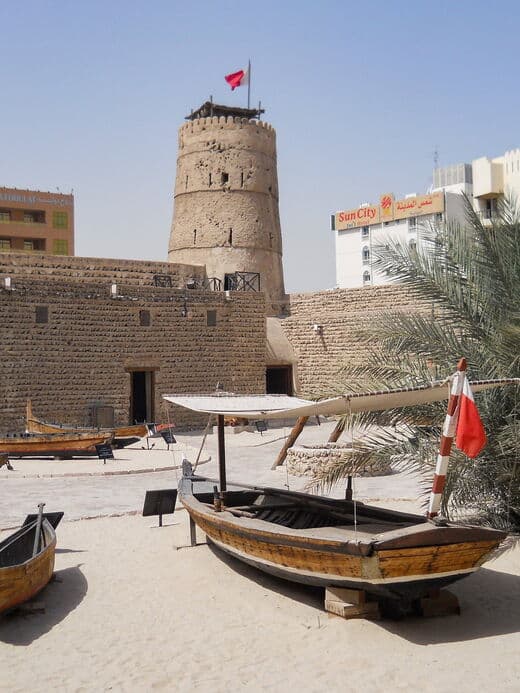
Start your visit at Dubai Museum, located in the city's oldest building — Al Fahidi Fort (1787). The exhibition shows how Emiratis lived before the oil boom: pearl diving, trade, Bedouin life. The underground section with dioramas of the old market is especially impressive.
Galleries and Art Spaces
Al Fahidi has become a center of contemporary UAE art. Dozens of galleries present works by artists from across the Middle East. XVA Gallery — one of the oldest and most respected — is housed in a restored house with a gorgeous courtyard. Majlis Gallery specializes in oriental art and ceramics.
Coffee Houses and Cafes
Be sure to stop at one of the traditional coffee houses (qahwa). Arabic coffee here is served according to all traditions — with cardamom, in small handleless cups, with dates. Locals recommend Arabian Tea House — an atmospheric spot with a garden and beautiful views of the wind towers.
Coin and Calligraphy Museums
If you're interested in history, visit the Coin Museum — a small but interesting collection of currencies that circulated in the UAE. Or the Calligraphy Museum, featuring examples of Arabic script from ancient manuscripts to contemporary design.
What to See Nearby
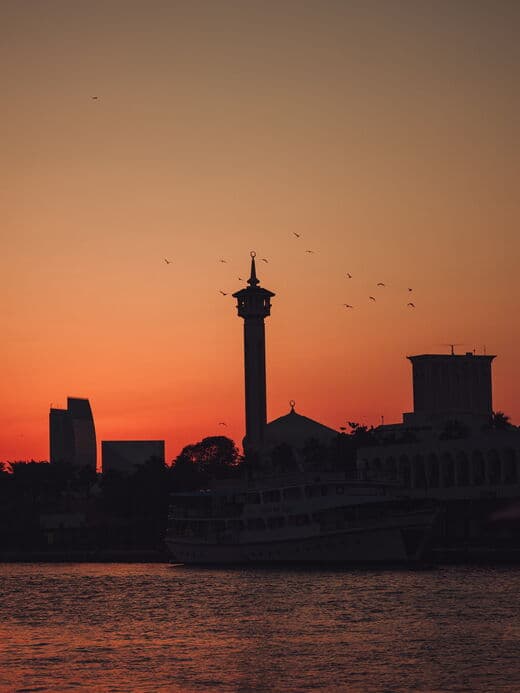
Al Fahidi is the perfect starting point for exploring historic Dubai. Five minutes' walk brings you to Dubai Creek waterfront, from where you can cross on a traditional abra boat to the Deira district. The crossing costs just 1 dirham and is a must-do experience — you cross the creek on a wooden boat alongside locals, traders, and tourists.
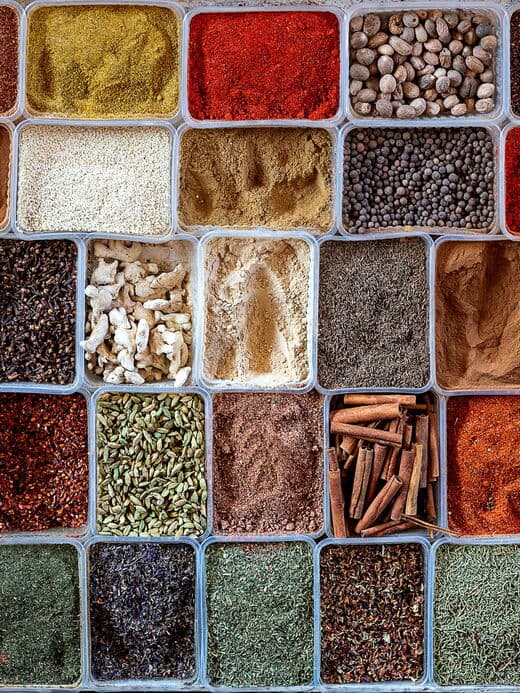
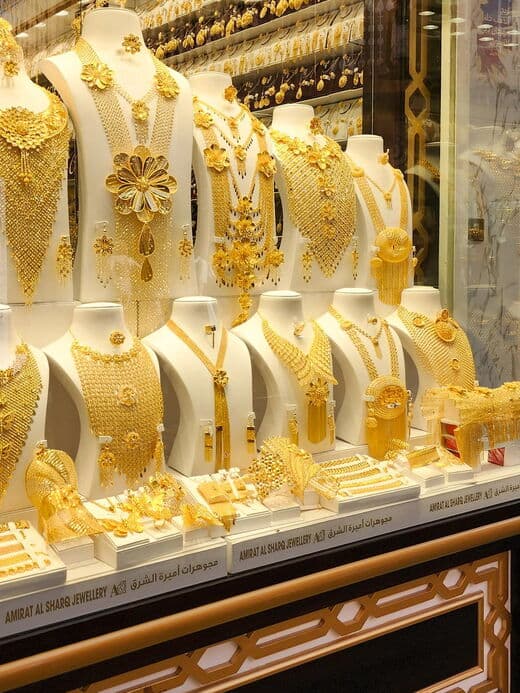
On the other bank, legendary Dubai markets await: the Gold Souk with its dazzling displays and the Spice Souk, where the aromas of saffron, cardamom, and frankincense create an authentic Middle Eastern atmosphere.
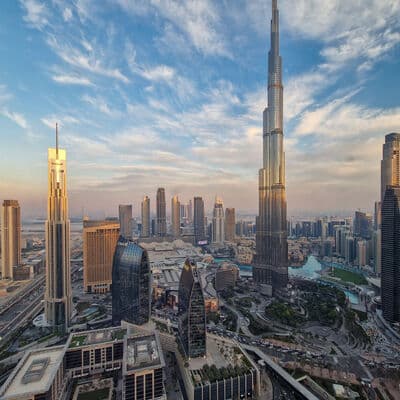
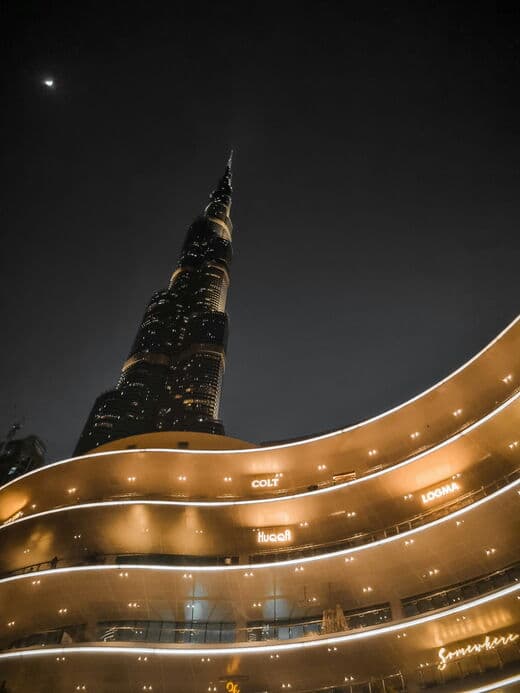
If you want to see the contrast between old and new Dubai, head to Burj Khalifa — the world's tallest building. It's just 20 minutes by metro, and the difference between these two worlds is staggering.
Practical Tips
When to Visit
The best time is early morning or late evening, especially in hot months. The district is open 24/7, but most galleries and museums operate from 10:00 AM to 6:00 PM (Friday is a day off at some places).
The ideal season is November through March, when temperatures are comfortable (20-25°C). In summer it's very hot, but if you find yourself in Dubai at this time — come after sunset when the district transforms into a cozy lit-up space.
Getting There
The nearest metro station is Al Fahidi (green line). From there it's a 5-minute walk. You can also take a taxi — tell the driver "Al Bastakiya" or "Dubai Museum," these old names everyone knows.
What to Wear
The UAE is a Muslim country, so respect local traditions. Covered shoulders and knees are appreciated. This isn't a strict requirement for tourist areas, but dress code is mandatory in mosques and cultural centers.
Atmosphere and Character
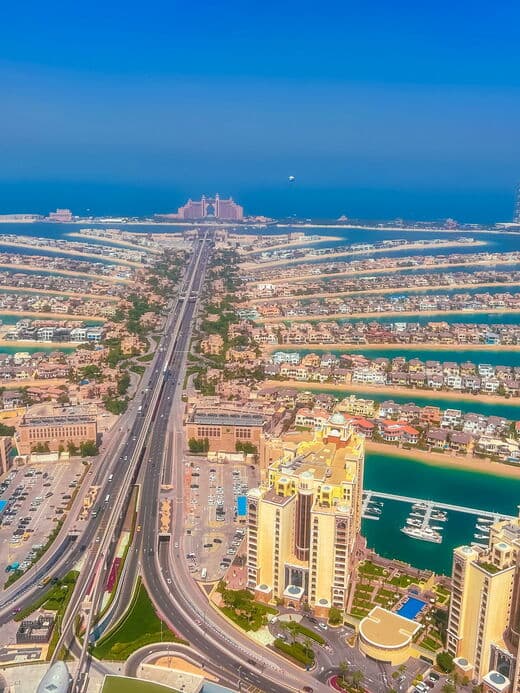
After the endless shopping malls and artificial islands of modern Dubai, Al Fahidi feels like a breath of fresh air. Here you sense authentic history — the story of pearl divers, fishermen, and Bedouins who lived in these places long before the oil boom.
The best time to visit is sunset, when tourists disperse and locals come out for an evening stroll. In the shade of wind towers, over a cup of Arabic coffee, you can watch the sun paint the mud-brick walls in warm golden tones.
Al Fahidi reminds us that a city isn't just buildings but people, their history and culture. As long as this small district exists, Dubai maintains its connection to its roots — to times when there were no skyscrapers here, but there was real life by the sea.