Burj Khalifa
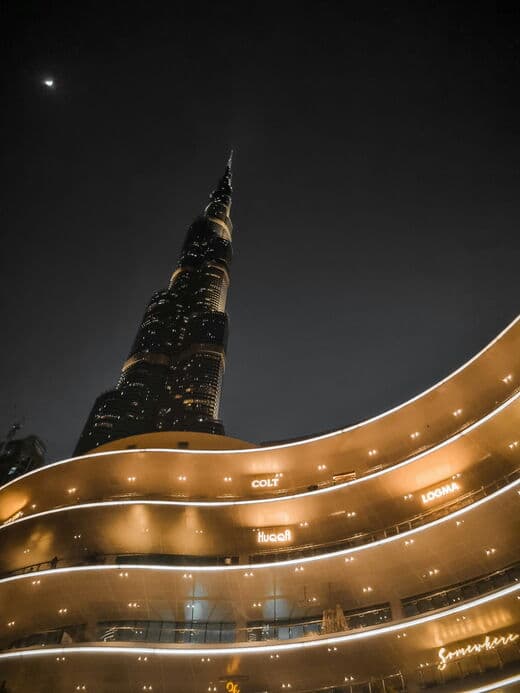
828 meters. 163 floors. The tallest building in the world. Burj Khalifa isn't just a skyscraper—it's a symbol of Dubai's ambitions, a monument to human engineering, and one of the planet's most impressive landmarks. When you stand at its base and crane your neck trying to see the spire—it takes your breath away.
Construction History
The idea to build the world's tallest building was born in the early 2000s during Dubai's construction boom. The project was designed by American architect Adrian Smith of Skidmore, Owings & Merrill. The tower's form was inspired by the hymenocallis flower—a desert lily—and traditional Islamic architecture.
Construction began in 2004 and took six years. At peak times, more than 12,000 workers were on site. Some 330,000 cubic meters of concrete and 39,000 tons of steel were used. Concrete was poured at night to prevent cracking from daytime heat.
The tower opened on January 4, 2010. Originally called "Burj Dubai," it was renamed at the last moment in honor of UAE President Sheikh Khalifa bin Zayed Al Nahyan, who helped Dubai during the 2008-2009 financial crisis.
Records
Burj Khalifa holds numerous world records:
• Tallest building in the world (828 m)
• Tallest freestanding structure
• Most floors (163)
• Highest occupied floor (584 m)
• World's fastest elevators (10 m/s)
• Highest restaurant (At.mosphere on the 122nd floor)
What to See
Observation Decks
At the Top (floors 124-125)—the main observation deck at 452 meters. Open terrace, telescopes, interactive screens. From here you can see all of Dubai—from desert to sea. On clear days, you can spot the Iranian coast.
At the Top SKY (floor 148)—premium platform at 555 meters. Fewer people, personal service, refreshments. The price is significantly higher, but so is the experience.
Best time to visit—sunset. Watching the sun sink below the horizon while the city below lights up is an unforgettable experience.
Dubai Fountain
At the tower's base lies the Dubai Fountain—the world's largest choreographed fountain. Water jets soar up to 150 meters high to music—from Arabic melodies to world hits. Shows run every 30 minutes from 18:00 to 23:00 and are free to watch.
Best fountain views are from the Dubai Mall terrace or from boats that cruise tourists around the artificial lake.
Restaurants and Bars
At.mosphere (122nd floor)—the world's highest restaurant. European cuisine, impeccable service, dizzying views. Book ahead; dress code is strict.
Armani Hotel occupies the tower's lower floors. A luxury hotel designed by Giorgio Armani, with several restaurants and bars.
What to See Nearby
Burj Khalifa is part of the Downtown Dubai complex. Also here:
Dubai Mall—one of the world's largest shopping centers. 1,200 stores, an aquarium, ice rink, cinema. You could spend an entire day.
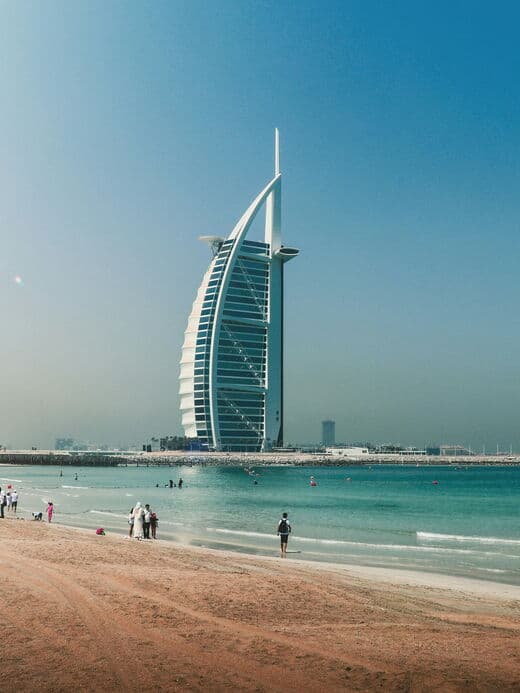
Dubai Opera—an architectural masterpiece shaped like a dhow (traditional Arab boat). Concerts, operas, ballet.
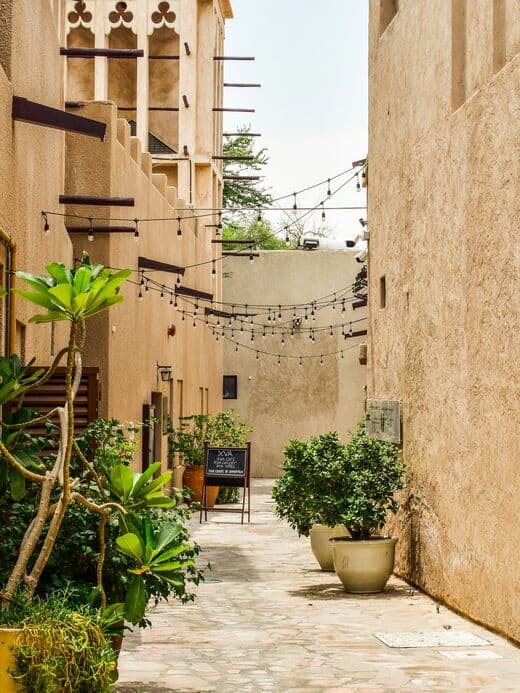
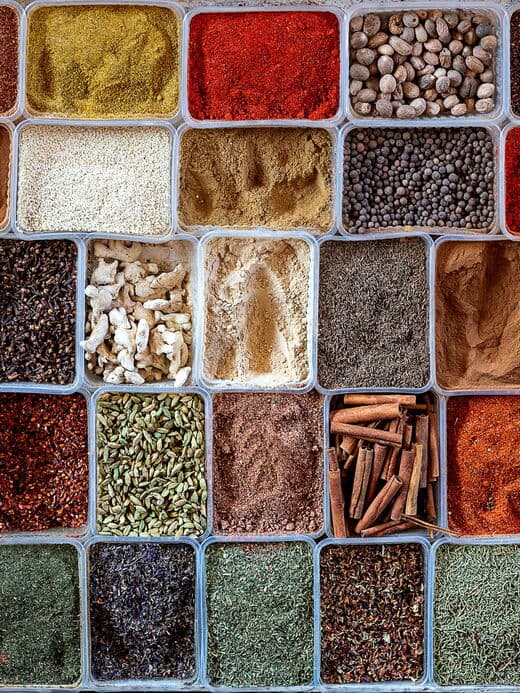
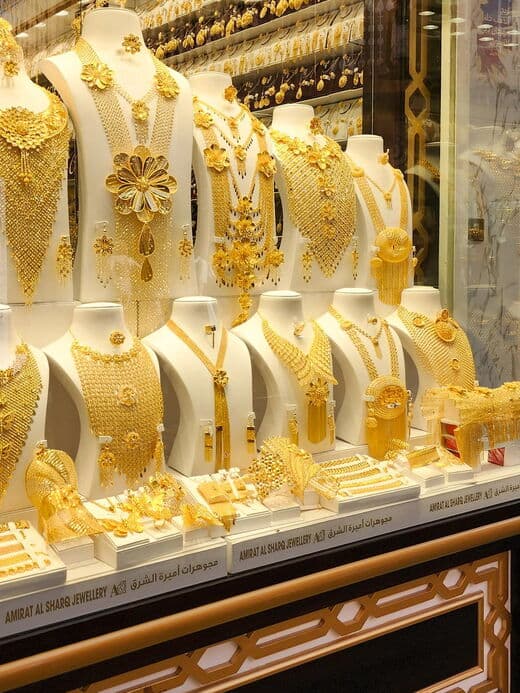
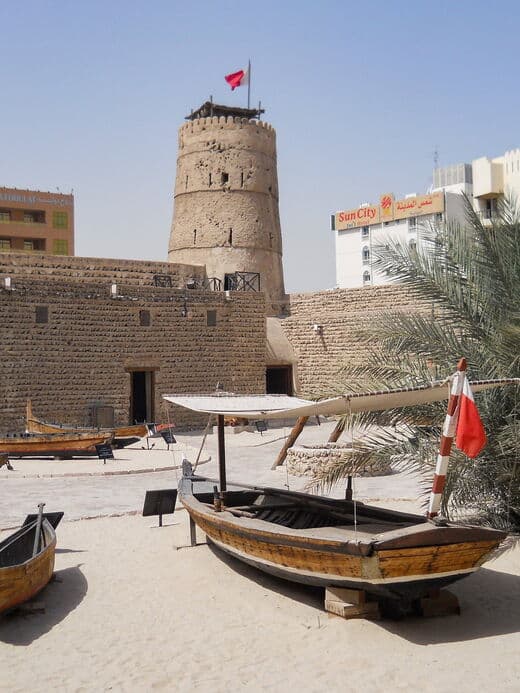
For contrast, visit the historic Al Fahidi district—the difference between old and new Dubai is striking. Or check out traditional markets—the Gold and Spice Souks.
Practical Tips
Tickets
Book online in advance—ticket counter lines are enormous, and on-site prices are higher. Tickets are for specific times—arrive on schedule. Sunset tickets cost more but are worth it.
When to Come
Best time—an hour before sunset to see the city in both daylight and lights. Observation decks stay open until 22:00-23:00.
Avoid weekends and holidays (especially Eid)—very crowded. Weekday mornings have the fewest people.
Time Needed
For the observation deck—1-2 hours. With the fountain show and a walk around—half a day. With Dubai Mall—a full day.
Getting There
Burj Khalifa/Dubai Mall metro station (Red Line). From the station—a covered walkway leads directly into Dubai Mall, from where you ascend to the observation deck.
Atmosphere
Burj Khalifa is the concentrated expression of Dubai's spirit. A city that transformed from a fishing village into a global metropolis in 50 years built the world's tallest building—because it could. This is a monument to ambitions that many find excessive, but those ambitions made Dubai what it is.
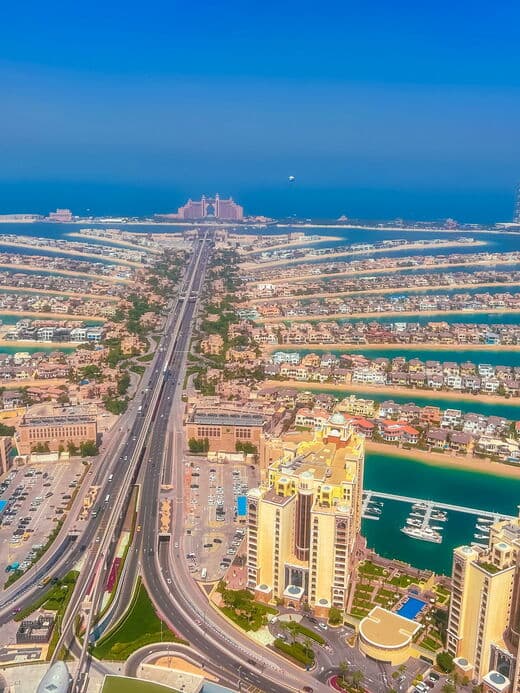
Standing on the observation deck and looking down at the city stretching to the horizon, you grasp the scale of what happened here. Desert that was uninhabited within living memory is now covered with skyscrapers, artificial islands, highways. Burj Khalifa is the pinnacle of this transformation, literal and symbolic.
This is a spectacle you should see at least once in your lifetime. Regardless of how you feel about Dubai and its ostentatious luxury—the scale impresses.