Sheikh Zayed Grand Mosque
Some religious buildings impress with their antiquity. Others overwhelm with scale. Sheikh Zayed Grand Mosque in Abu Dhabi is a rare case where architecture creates a physical sensation of beauty. When you first see those snow-white domes and minarets against the blue sky, then enter the courtyard with its marble patterns—you understand why it's called one of the most beautiful mosques in the world.
Sheikh Zayed's Dream
The mosque is named after the founder and first president of the UAE—Sheikh Zayed bin Sultan Al Nahyan. He dreamed of creating a place that would unite Islamic heritage with modernity and be open to people of all faiths. Construction began in 1996 and was completed in 2007—after the sheikh's death. He is buried here, beside the mosque.
Architects and craftsmen from Italy, Germany, Morocco, Turkey, Iran, India, and Greece participated in the project. Materials came from around the world: marble from Italy, Greece, and China; gold and semi-precious stones; crystal chandeliers from Germany. The result is a synthesis of Islamic traditions with the best technologies of the 21st century.
Architecture and Details
Exterior
The mosque is dazzlingly white thanks to Macedonian marble covering all 82 domes and four minarets, each 107 meters tall. Arches, columns, and screens are all decorated with floral motifs: lilies, tulips, and irises inlaid with semi-precious stones—lapis lazuli, amethyst, mother-of-pearl. This isn't paint—it's stone within stone.
Inner Courtyard
The courtyard spanning 17,000 square meters is the world's largest marble "carpet." Floral patterns are laid out in colored marble with jeweler's precision. Pools around the perimeter reflect columns and minarets, creating endless reflections—especially spectacular at sunset, when the stones turn pink in the sun's rays.
Prayer Hall
The main hall holds 7,000 worshippers (the entire mosque accommodates 40,000). The carpet is the world's largest—5,627 square meters, hand-woven in Iran, weighing 35 tons, made by 1,200 craftsmen over two years. The chandelier is 10 meters in diameter, 15 meters tall, decorated with Swarovski crystals and gilding, weighing 12 tons. And there are seven such chandeliers here.
Tourist Visits
Free Admission
The mosque is open to visitors of all religions—this was fundamental to Sheikh Zayed. Entry is free. Guided tours are also free, offered several times daily.
Dress Code
Strict but logical: women must cover their hair, arms to wrists, legs to ankles. Men need long trousers and sleeves. Abayas (black robes) are provided at the entrance for those dressed inappropriately. This is free, but your own clothing is more comfortable.
Photography
Photos are allowed everywhere except prayer halls during prayers. The mosque is incredibly photogenic—every angle, every arch, every reflection. Come at sunset—the light is perfect, and evening brings illumination that changes colors according to the moon phase.
When to Come
Timing
The mosque is closed to tourists during Friday prayers (until 4:30 PM). Other days: 9:00 AM to 10:00 PM. The best time is an hour before sunset: you'll see the mosque in daylight, golden sunset rays, and night illumination.
How Long to Stay
At least an hour for an unhurried visit. With a tour—an hour and a half to two hours. For photographers—longer: the mosque is so detailed that new shots appear endlessly.
Around the Mosque
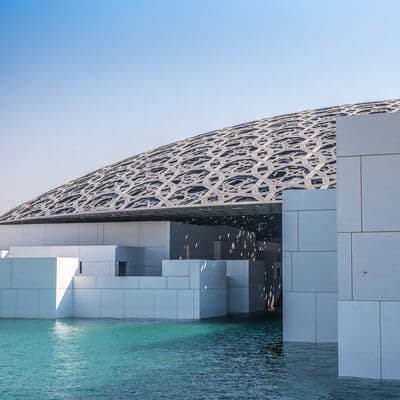
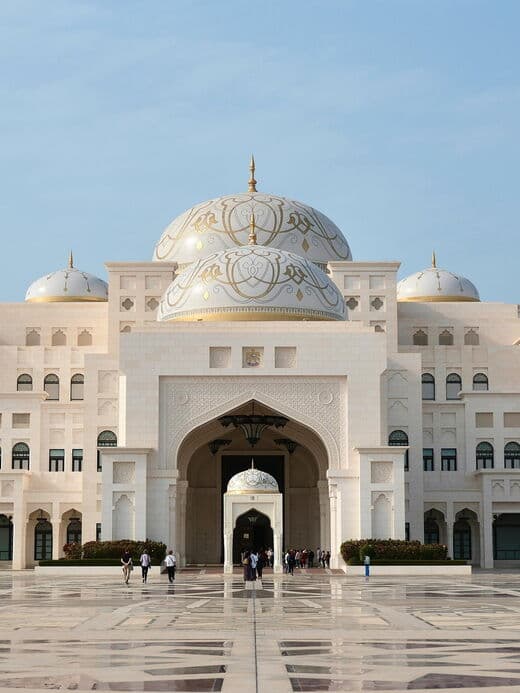
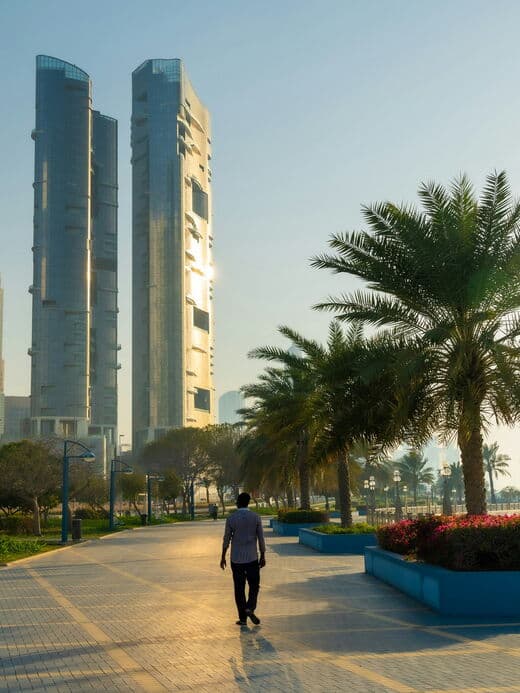
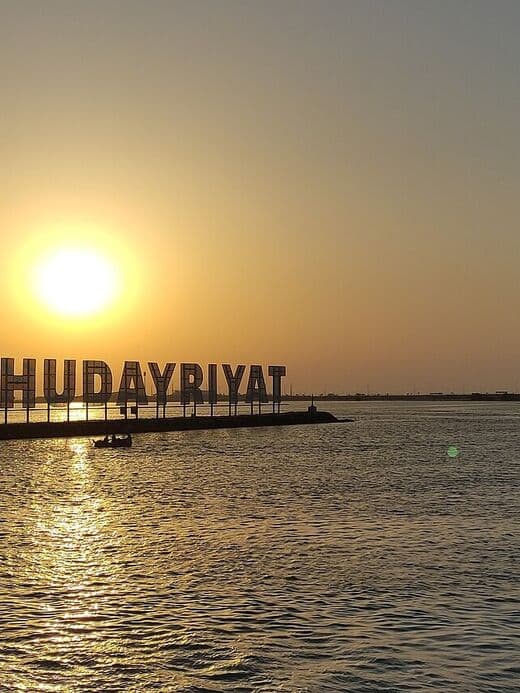
After visiting, continue exploring Abu Dhabi. Louvre Abu Dhabi is Jean Nouvel's architectural masterpiece with a world-class art collection. Qasr Al Watan is the presidential palace, open to visitors. The Corniche promenade offers an evening walk along the bay.
Atmosphere and Character
Sheikh Zayed Grand Mosque is a place that inspires awe regardless of religious views. It's not just a place of worship—it's a work of art created by the world's finest craftsmen. Every detail is deliberate: from the macro-scale of domes to microscopic inlays in columns.
Sheikh Zayed wanted to create a place showcasing the best of Islamic culture that would be open to all. His dream came true—and now everyone can touch this beauty. Free, without restrictions, with respect for traditions and the opportunity to take home hundreds of photographs.