About
South Korea: The Complete Travel Guide
Why Visit South Korea
South Korea is a country of striking contrasts where neon-lit skyscrapers tower over ancient palace walls, where monks meditate in mountain temples while K-pop fans queue for concert merchandise below. If your impression of Korea comes from BTS music videos and skincare routines, prepare to be surprised. The reality is far more complex and endlessly fascinating.
This compact nation, roughly the size of Indiana or Portugal, packs an extraordinary diversity of experiences into its borders. You can hike forested mountains to Buddhist monasteries in the morning, browse cutting-edge technology in gleaming malls by afternoon, and feast on sizzling barbecue while locals pour you soju late into the night. The transport system runs with Swiss precision, distances are short, and infrastructure rivals anywhere in the developed world.
Korea has achieved something remarkable: preserving deep cultural traditions while racing toward the technological future. Koreans consult fortune tellers about auspicious wedding dates, then pay for the ceremony with their smartphone. They honor ancestors at elaborate memorial ceremonies and stream the latest Netflix shows on the subway ride home. This duality is not contradiction but harmony - a uniquely Korean ability to hold past and future in balance.
For English-speaking travelers, Korea offers an ideal introduction to East Asia. Signs in tourist areas include English, the metro announces stations in multiple languages, and younger Koreans often speak conversational English. Yet it remains authentically Asian - not a theme park version but a living culture where ancient practices coexist with 21st-century innovation. The country has modernized without losing its soul, and that makes all the difference for curious travelers seeking genuine experiences.
What strikes most first-time visitors is the intensity of everything. The food is intensely flavorful, the cities are intensely busy, the nightlife is intensely vibrant, and the nature - when you escape the urban sprawl - is intensely beautiful. Koreans work harder than almost anyone, play harder than almost anyone, and take their food, their appearance, and their entertainment more seriously than you might expect. This intensity creates a travel experience that never feels dull or predictable.
Regions: What to Choose
Seoul Metropolitan Area
Seoul is not merely a capital city but a universe unto itself, home to 10 million people within city limits and 25 million in the greater metropolitan area. The Han River divides the city into the historic north and the modern south. North of the river lie the Joseon dynasty palaces, traditional hanok villages, and centuries-old markets. South of the river sprawls Gangnam - yes, that Gangnam - with its skyscrapers, tech headquarters, and plastic surgery clinics that attract medical tourists from around the globe.
The city rewards those who explore beyond the obvious tourist trail. Each neighborhood has its own distinct personality. Euljiro, once dismissed as an industrial area of hardware shops and printing factories, has become a haven for retro cafes hidden behind welding workshops. Ikseon-dong preserves tiny traditional houses now converted into boutique shops and tea houses. Yeonnam-dong near Hongdae features a tree-lined park called Gyeongui Line Forest, built on former railway tracks, with cafes and wine bars tucked underneath the elevated path.
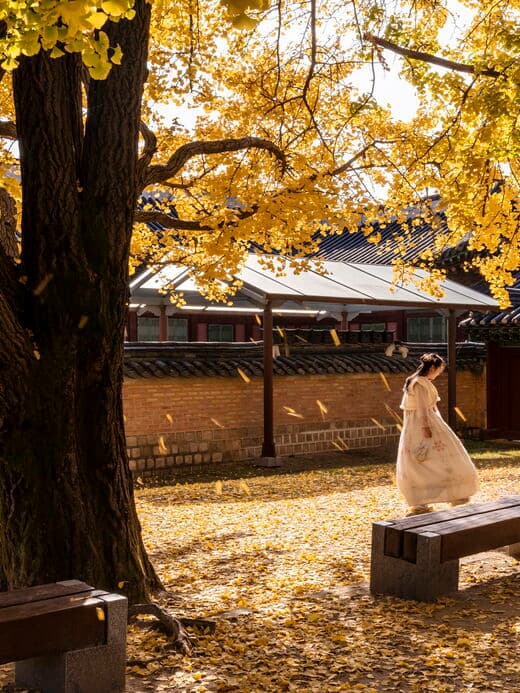
Begin your Seoul exploration at Gyeongbokgung Palace, the grandest of the Five Grand Palaces. Arrive by 10 AM to witness the changing of the guard ceremony, held daily except Tuesdays. Here is a tip that saves money and creates memories: rent a hanbok (traditional Korean dress) from one of the many shops near the palace entrance for around 15,000-20,000 won for four hours. Wearing hanbok grants you free admission to all royal palaces, and photographs in traditional dress against palace architecture are unforgettable. The palace grounds are vast - the main complex, the National Palace Museum, and the National Folk Museum could easily fill half a day.
Changdeokgung Palace is my personal favorite among Seoul's palaces. UNESCO recognized it as a World Heritage Site for its exceptional integration with the natural landscape. Unlike Gyeongbokgung with its rigid symmetry, Changdeokgung was designed to flow with the terrain, creating a more intimate and harmonious atmosphere. The Secret Garden (Huwon) requires a separate ticket and guided tour, but this 300-year-old garden exemplifies Korean philosophy of harmony with nature. Pavilions are placed to frame perfect views, and trees were planted centuries ago specifically to provide autumn color in exactly the right spots. Book the English language tour in advance during peak season - tours fill up quickly, especially on weekends.
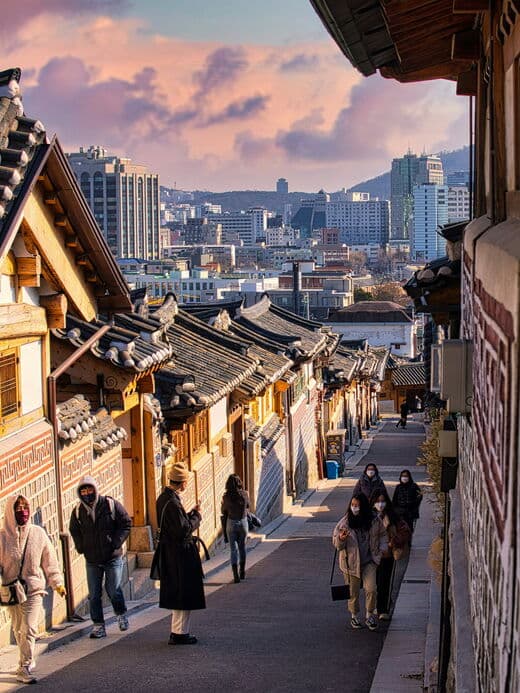
Tucked between the palaces, Bukchon Hanok Village preserves hundreds of traditional Korean houses with their distinctive curved tile roofs. These hanok were built nearly a century ago for the wealthy and noble, and today they serve as cafes, galleries, guesthouses, and workshops for traditional crafts. The neighborhood is genuinely residential - real families live in these historic homes. Walk these narrow alleys early morning or after dark to avoid the crowds. Remember that residents actually live here and appreciate quiet, respectful visitors. Signs ask tourists not to make noise, especially up the residential streets off the main drag. The best photo spots are at the top of the hills looking down toward the distant palace roofs.
Myeongdong is retail heaven for beauty product enthusiasts. Every major Korean cosmetics brand operates a flagship store here: Innisfree, Etude House, Nature Republic, Missha, and dozens more. Sales associates thrust free samples into your hands as you walk - within an hour you can collect enough products for a week. Prices are not always lower than online, but the experience of Korean shopping culture makes it worthwhile. Beyond cosmetics, Myeongdong offers street food vendors selling everything from egg bread to tornado potatoes, plus major department stores like Lotte and Shinsegae. The cathedral at the top of the street, Myeongdong Cathedral, is Korea's oldest Catholic church and offers a quiet retreat from the shopping frenzy below.
Hongdae (Hongik University district) pulses with youthful creative energy. This student neighborhood birthed Korea's indie music scene and street art culture. Every evening, young bands perform on the streets, dance crews practice synchronized routines, and artists sketch portraits for tips. The atmosphere is electric - if you want to understand Korean youth culture, this is ground zero. If you are over thirty, you might feel ancient here, but the energy is infectious. Many clubs stay open until dawn. The area has expanded to neighboring Hapjeong and Yeonnam-dong, each with their own character. Hapjeong is more upscale with boutiques and restaurants, while Yeonnam-dong feels almost European with its sidewalk cafes and quiet residential streets.
Gangnam - yes, that Gangnam from the PSY song - represents Korea's economic miracle made manifest. This district south of the Han River houses the wealthy, the ambitious, the beautiful. Tech company headquarters tower alongside luxury boutiques and the world's highest concentration of plastic surgery clinics. The contrast between old Gangnam money and new wealth creates an interesting social dynamic that plays out in the restaurants, cafes, and streets. Starfield COEX Mall is one of the world's largest underground shopping complexes, featuring the Instagram-famous Starfield Library with its 50,000 books and 13-meter ceilings. The library has become a pilgrimage site for bookstagrammers and design enthusiasts. Beyond the library, COEX contains an aquarium, a cinema multiplex, dozens of restaurants, and more shops than you could visit in a week.
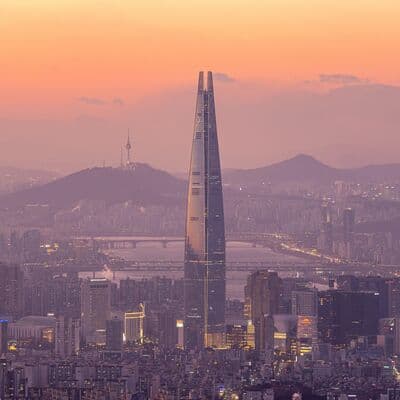
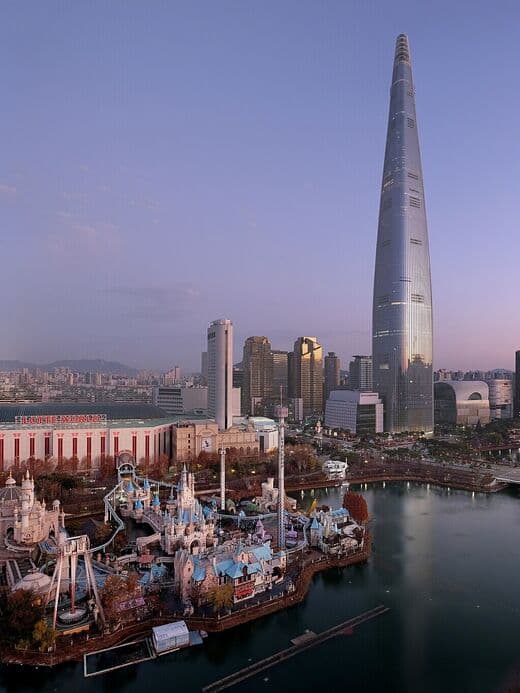
Lotte World Tower stands as Korea's tallest building at 555 meters and 123 floors. The construction was controversial - critics worried about the proximity to a military airport and the environmental impact - but the result is undeniably impressive. The Seoul Sky observation deck on the upper floors offers panoramic views that take your breath away. On clear days, you can see all the way to the mountains on the North Korean border. Visit an hour before sunset to watch the city transform from daylight to glittering nightscape. The glass floor section where you can look straight down 500 meters is not for the faint of heart. Adjacent Lotte World claims the title of world's largest indoor theme park - perfect for families or anyone seeking amusement park thrills regardless of weather. The indoor portion feels like a fever dream of pastel colors and cheerful music, while the outdoor Magic Island section sits on a lake with castle-like architecture.
N Seoul Tower (also called Namsan Tower) offers another iconic viewpoint from atop Namsan Mountain in the city center. Reach the summit by hiking through the forested park (recommended for the exercise and the views), taking a bus, or riding the cable car. The tower was originally built as a broadcast tower in 1969 and opened to the public in 1980. It lights up different colors at night to indicate air quality levels - blue means clean air, red warns of high fine dust levels. Couples traditionally hang love locks on the observation deck railings, and thousands of colorful locks now cover entire fences. The tradition supposedly ensures eternal love, though the weight has become an engineering concern. Even without going up the tower, the walk through Namsan Park is lovely, with traditional hanok guesthouses, the reconstructed historical village, and Seoul's old city walls visible along the trail.
History and culture enthusiasts should not miss National Museum of Korea and War Memorial of Korea. The National Museum ranks among Asia's largest, with free admission and comprehensive collections spanning Korean history from prehistoric times to the present. The building itself is impressive, designed to evoke traditional Korean architecture on a massive scale. Plan at least three hours, though you could spend all day without seeing everything. Highlights include the Silla golden crowns, the Goryeo celadon ceramics, and the Buddhist galleries. The outdoor garden features pagodas and other stone artifacts from across the country. The War Memorial documents the Korean War of 1950-1953 - a conflict technically still ongoing with no peace treaty ever signed. The exhibits are powerful and sometimes overwhelming, with personal stories of families separated by the conflict and detailed accounts of battles that shaped the peninsula. Understanding this chapter provides crucial context for modern Korea. Outside, decommissioned tanks, planes, and weapons line the grounds.
Buddhist temples thrive within this metropolis of concrete and glass. Jogyesa Temple serves as headquarters for Korean Buddhism's Jogye Order, located just minutes from Insadong. The temple looks almost out of place surrounded by office buildings, but that juxtaposition is part of its charm. During the Lotus Lantern Festival (typically May), thousands of colorful lanterns transform the temple grounds into a luminous wonderland. The parade through central Seoul with enormous lantern floats is one of the most spectacular sights in Korea. Even outside festival season, the temple offers a moment of calm in the busy city. Bongeunsa Temple in Gangnam offers temple stay programs where visitors can spend a night in the monastery, participating in meditation sessions and ceremonies. The experience starts around 4 AM with the morning ritual, which puts the famous Korean early-morning productivity in a different light. The temple grounds also feature an enormous standing Buddha statue visible from the street.
Insadong Street represents traditional Korean culture in contemporary packaging. Antique shops display centuries-old ceramics alongside calligraphy brushes and traditional teas. Down side alleys, tea houses offer quiet contemplation over steaming cups of herbal infusions. Many shops let you try traditional crafts - making your own hanji (traditional paper), practicing calligraphy, or creating metal crafts. The Ssamziegil building, with its spiral walkway instead of stairs, has become an architectural attraction in its own right. The design allows natural light to reach every level and creates a continuous path from ground to rooftop. On weekends, the street becomes pedestrian-only and hosts traditional performances and crafts demonstrations.
Gwangjang Market has operated since 1905 as Seoul's oldest traditional market. This is no tourist trap but a working market where Koreans shop for fabrics, clothing, and most importantly, street food. The fabric section remains active with vendors supplying local tailors and designers. But tourists come for the food alley, where vendors have perfected the same dishes for generations. The market's legendary dishes include bindaetteok (mung bean pancakes fried golden and crispy), mayak gimbap (addictive mini rice rolls with their special sauce that gives them the nickname 'drug rice rolls'), tteokbokki (spicy rice cakes), and yukhoe (Korean-style beef tartare for the adventurous). Come hungry and be prepared to share tables with strangers. The etiquette is simple: find an empty stool, point at what you want, eat, pay, and move on.
Dongdaemun Design Plaza (DDP), designed by Zaha Hadid, has become an icon of contemporary Seoul with its flowing, futuristic architecture. The building seems to have no corners, no beginning and no end, its organic curves sweeping across the site like a crashed spaceship. Inside, design and fashion exhibitions rotate regularly. Outside, the building's curves create perfect backdrops for architecture photography. The rooftop garden, planted with grass and flowers, softens the concrete and offers views of the surrounding area. At night, LED roses illuminate the grounds. The adjacent Dongdaemun Market operates 24 hours for wholesale clothing - if you want to see Korea's famous work ethic in action, visit at 3 AM when buyers from around Asia negotiate bulk orders.
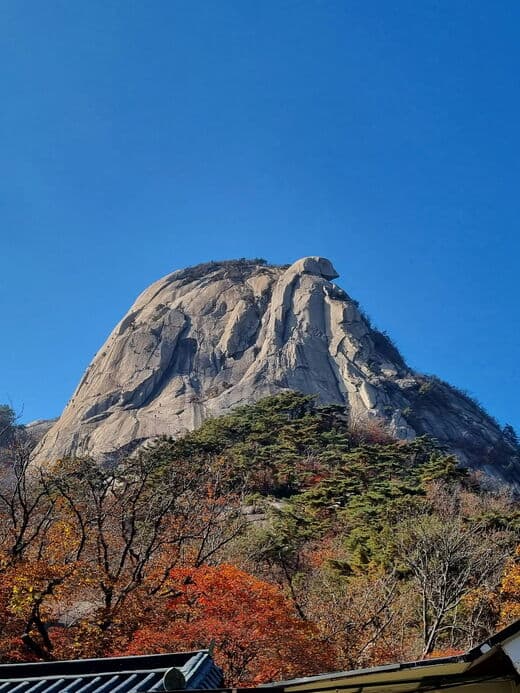
Nature escapes exist surprisingly close to downtown. Bukhansan National Park rises along Seoul's northern boundary, offering dozens of hiking trails through granite peaks, past Buddhist temples, and along ancient fortress walls. The park sees millions of visitors annually, making it one of the most visited national parks per square meter in the world. Weekends bring crowds, but weekdays offer relative solitude. The mountain's granite faces look almost alpine, and the Joseon-era fortress walls running along the ridgeline add historical interest to the natural beauty. Several temples in the park offer simple meals and peaceful grounds for rest. Seoul Forest provides urban parkland for picnics and cycling where a horse racing track once stood. The park includes a deer enclosure, butterfly garden, and extensive walking paths along the Jungnangcheon stream. Rent a bicycle at the entrance and explore at your own pace. Yeouido Hangang Park transforms into clouds of pink cherry blossoms each spring, drawing crowds for hanami (flower viewing) celebrations. The Yeouido Spring Flower Festival brings food vendors, performances, and millions of visitors over just a few weeks. Even outside cherry blossom season, the park offers cycling paths along the river, picnic areas, and convenience stores that stay open late for evening visitors.
Cheonggyecheon Stream tells a remarkable urban renewal story. In 2005, the city demolished an elevated highway to restore this stream, creating a 5.8-kilometer linear park through downtown. The project was controversial at the time - critics argued the highway was essential for traffic - but it has become a model for urban restoration worldwide. Walking along the stream from Gwanghwamun to Dongdaemun reveals Seoul's contrasts: historic center to ultramodern architecture in one pleasant stroll. Art installations line the banks, bridges of different eras cross overhead, and waterfalls at regular intervals provide white noise that masks the city sounds. At night, the stream reflects the lights of surrounding buildings.
Seongsu-dong has emerged as Seoul's hottest neighborhood. Former industrial buildings now house specialty coffee roasters, art galleries, and emerging designer showrooms. The area was once known for shoe manufacturing, and some of that heritage remains in the workshops that still operate between the cafes. Fashion shoots happen constantly; creative professionals cluster in converted warehouses. Koreans call it the 'Brooklyn of Seoul' - an exaggerated comparison perhaps, but the creative energy is real. Unlike the polished developments elsewhere in Seoul, Seongsu-dong has an authentic edge with rough exposed concrete, graffiti, and an industrial aesthetic that attracts photographers and influencers. The best cafes are often hidden in unmarked buildings, adding to the neighborhood's treasure-hunt atmosphere.
Seoul's suburbs merit exploration too. Incheon offers a Chinatown (Korea's largest, though small by international standards) and Yellow Sea islands accessible by ferry. Suwon features Hwaseong Fortress, a UNESCO World Heritage Site built in the 18th century with innovative defensive designs. Walking the complete fortress wall takes about two hours and offers views over the city from watchtowers at regular intervals. The Demilitarized Zone (DMZ) provides opportunities to see the border between the two Koreas and technically peek into North Korea. The Joint Security Area at Panmunjom is the only place where soldiers from North and South face each other daily. DMZ visits require organized tours - independent access is not permitted - and some tours allow you to step into North Korean territory (inside a negotiation building that straddles the border). The experience is sobering and strange in equal measure.
Busan: Korea's Maritime Capital
Busan is South Korea's second-largest city and its primary port. If Seoul represents Korea's brain, Busan embodies its heart and stomach. Fresh seafood, beautiful beaches, unique culture shaped by sea and mountains - Busan delivers experiences Seoul simply cannot match. Locals pride themselves on their city and their dialect, which Seoulites consider rough but Busanites call honest and direct. The dialect sounds harsher, with different intonations and vocabulary that mark Busanites as distinct from capital dwellers.
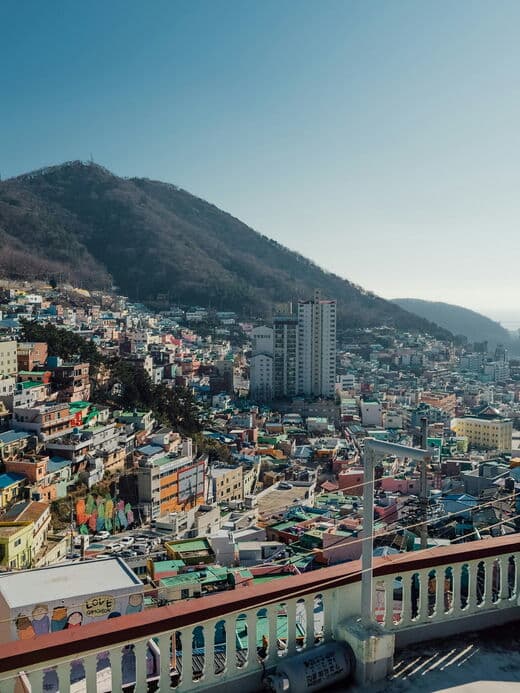
The city's geography is dramatic: mountains plunge into the sea, creating a coastline of cliffs, beaches, and coves. Unlike Seoul's sprawling flatness, Busan is built vertically on hillsides, with many neighborhoods accessible only by climbing stairs. This topography creates stunning views but also challenging navigation. Budget extra time for getting around, and prepare for serious stair climbing. The city's history as a port and as a refuge during the Korean War (when it served as temporary capital) has given it a scrappy, resilient character quite different from Seoul's polished ambition.
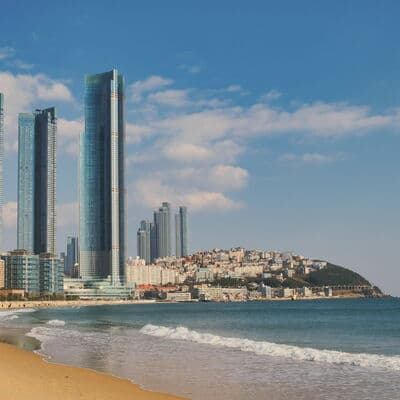
Haeundae Beach ranks as Korea's most famous stretch of sand, packed so densely with beachgoers in summer that no sand remains visible. The scene during peak season is something to behold - umbrellas in strict rows, vendors selling everything imaginable, and a festive atmosphere that Koreans consider essential summer experience. Off-season, the waterfront promenade offers excellent walking with views of Marine City skyscrapers and Dongbaek Island. The island (actually a peninsula) features camellia trees, a lighthouse, and the Nurimaru APEC House where world leaders met in 2005. Hotels, restaurants, and bars line the beach. Haeundae nightlife rivals anywhere in the country, with clubs and bars concentrated in the blocks behind the beachfront.
Gwangalli Beach ranks second in popularity but many consider it more atmospheric. The Gwangan Bridge creates the primary attraction, especially beautiful when illuminated after dark. The bridge is 7.4 kilometers long and features a different light show every night. Waterfront cafes and restaurants with ocean views make this ideal for romantic dinners. The beach itself has coarser sand than Haeundae but also fewer crowds. Weekends bring live music performances on the beach stage, and the annual fireworks festival in October draws hundreds of thousands of spectators who line both beaches for the best views of pyrotechnics exploding between the bridge spans.
Gamcheon Culture Village transformed from hillside shantytown into outdoor art gallery. The neighborhood was built by refugees during the Korean War, who constructed small homes climbing up the steep hillside in tiers. Poverty kept the area unchanged while the rest of Busan modernized. In 2009, an urban renewal project invited artists to transform the village with colorful paint, murals, sculptures, and installations. Today, tourists navigate the maze of alleyways searching for The Little Prince statue, viewing platforms, and dozens of small galleries and cafes. The climb requires effort but views reward the exertion. Note that this remains a residential neighborhood - approximately 10,000 people still live here, and some residents have mixed feelings about the tourist attention.
Jagalchi Fish Market operates as Korea's largest seafood market. Ground floor vendors sell fresh fish, crabs, octopus, sea urchins, and dozens of creatures you have never seen before. The variety is staggering - tanks bubble with everything from familiar species to bizarre deep-sea creatures. Second floor restaurants prepare your selection. The system works like this: choose a live fish downstairs (vendors will weigh it and quote a price), negotiate if you wish, pay, carry your fish upstairs to a restaurant, pay a cooking fee (usually 5,000-10,000 won per person), and wait for your meal. Fifteen minutes later, you have the freshest sashimi or grilled fish possible. Prices are negotiable - bargaining is expected, though not as aggressive as some Asian markets.
Haedong Yonggungsa Temple is one of Korea's few oceanfront temples, built in 1376, destroyed during Japanese occupation, rebuilt in the 1970s. Most Korean temples sit in mountains; this one clings to cliffs above the sea. Arrive at sunrise to watch the sun rise over temple pavilions from the sea - an almost mystical experience that has made this spot famous for New Year's sunrise viewing. The complex includes multiple shrines, a large golden Buddha, and a zodiac statue garden. The downside: tourist crowds at any hour. The temple is now firmly on the tour bus circuit, and the steps and pathways can become congested. Early morning or weekday visits offer the best experience.
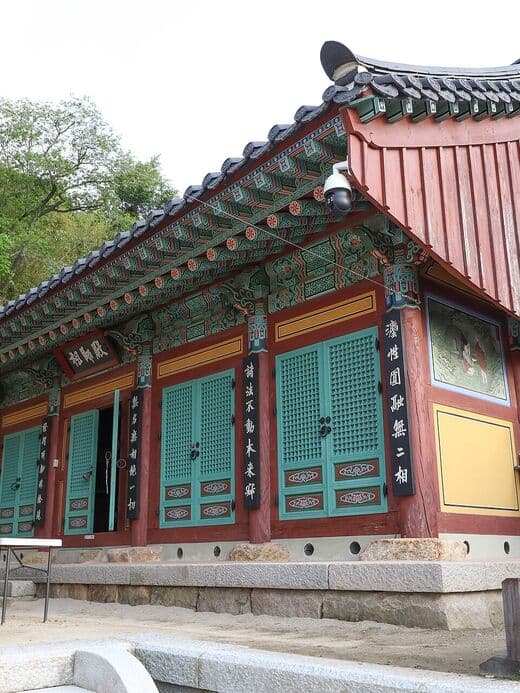
Beomeosa Temple ranks among Korea's largest Buddhist temples, founded in 678 CE. According to legend, a golden fish descended from heaven and swam in a well on this mountain - hence the name, which means 'Temple of the Heavenly Fish.' Set on the slopes of Geumjeongsan Mountain and surrounded by forest, this temple offers temple stay programs: nights spent in the monastery practicing meditation, working in gardens, eating vegetarian meals, disconnecting completely from digital life. The architecture spans centuries, from the original Silla dynasty to Joseon reconstructions. After city chaos, a night here provides perfect reset. Even without staying overnight, the temple rewards a visit with its peaceful atmosphere, ancient trees, and mountain views.
Taejongdae Park occupies Busan's southern tip, where sheer cliffs plunge into the sea. Named after King Taejong of Silla who supposedly practiced archery here (and perhaps appreciated the views), the park preserves one of the most dramatic coastlines in Korea. A tourist train circles the park, but walking the trails through old-growth forest rewards more. The main attraction: a lighthouse on seaside cliffs with views across the Korea Strait. On clear days, you can see Japan's Tsushima Island, just 50 kilometers away. The observation deck hangs over the cliff edge, and the rocks below attract suicide prevention signs alongside the tourist information. Vendors sell raw seafood snacks along the path.
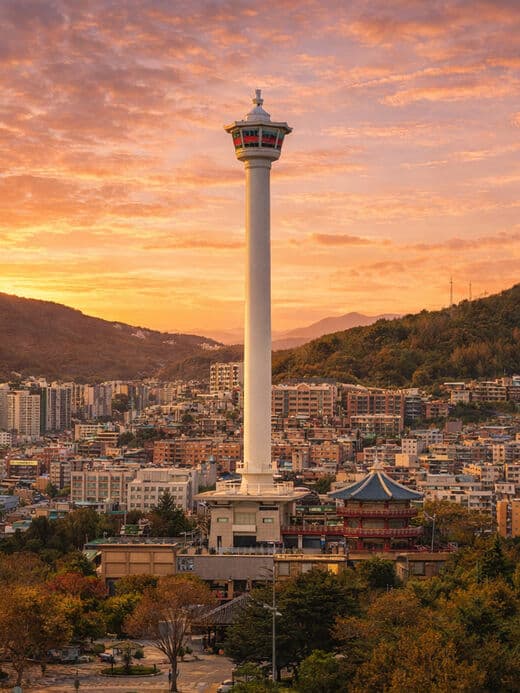
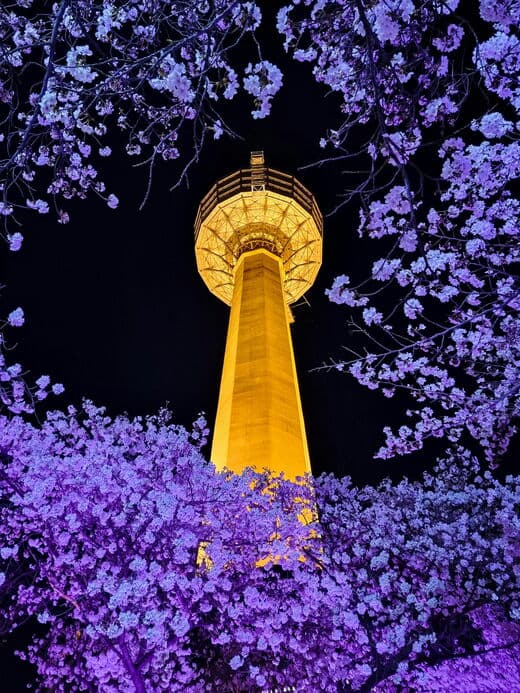
Busan Tower (Diamond Tower) provides observation deck views from Yongdusan Park in the city center. Less tall than Seoul's skyscrapers but panoramas of port, bridges, and mountains impress nonetheless. At the tower's base stands a statue of Admiral Yi Sun-sin, Korea's greatest naval hero, who defeated Japanese invasion fleets despite being massively outnumbered. His story - of loyalty, genius, and ultimately death in battle at the moment of victory - resonates deeply with Koreans. The park surrounding the tower features escalators climbing the steep hill, flower clocks, and elderly locals practicing traditional music or playing badminton.
Songdo Cable Car stretches 1.62 kilometers as Korea's longest over-water cable car, connecting Songdo Beach to a park on opposite cliffs. Standard cabins and crystal cabins with transparent floors are available - the latter for those without fear of heights. Sea and coastline views are spectacular. At the far end, walking trails lead to a lighthouse, a skywalk over the cliffs, and an undeveloped rocky coastline. Songdo Beach itself was Korea's first public beach, opened in 1913, though it has long been overshadowed by Haeundae.
Blueline Park and Sky Capsule run along the coast between Haeundae and Songjeong station on repurposed railway tracks. The old Donghae Nambu rail line closed when a new tunnel diverted trains, and the city converted the scenic coastal stretch into tourist attraction. Retro trains and colorful two-person capsules on monorails travel above the sea. Very popular with couples and families. The capsules are small and intimate, designed for Instagram moments with the ocean as backdrop. Book ahead on weekends, as the attraction fills up quickly.
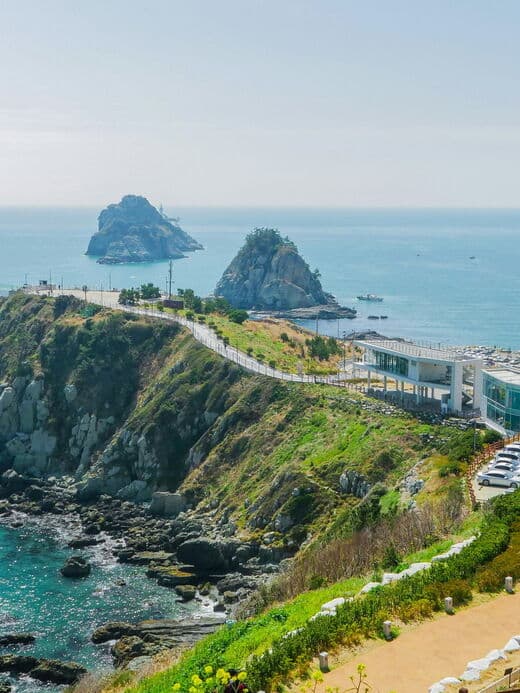
Oryukdo Skywalk is a glass observation platform cantilevered 35 meters above the sea. The name means 'five-six islands' - depending on the tide, you see either five or six rocky islets below. (At high tide, two islands merge into one, hence the ambiguous count.) For thrill seekers: standing on transparent floor above the cliff drop feels terrifying. The glass has multiple layers and is rated to support significant weight, but your brain may not accept this reassurance. Photos turn out dramatic. The surrounding coastal walking trail continues to other viewpoints along this craggy stretch of coast.
Jeju Island: Korea's Hawaii
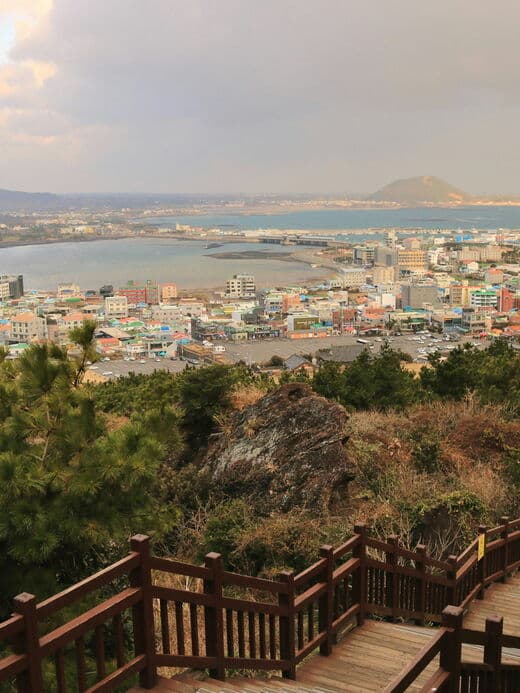
Jeju Island is a volcanic island south of the Korean Peninsula with subtropical climate and unique natural environment. Koreans call it their Hawaii, flocking here for honeymoons, family vacations, and escapes from mainland stress. The comparison has some validity: volcanic landscapes, beaches, resort hotels, and a distinct local culture set apart from the mainland. The island is so popular it maintains its own visa-free entry policy for many nationalities - you can fly directly to Jeju without visiting mainland Korea.
Jeju's isolation - 80 kilometers from the mainland, accessible only by air or sea until modern times - allowed unique culture and ecosystems to develop. The local dialect is so different from standard Korean that even mainland Koreans struggle to understand elderly islanders. The haenyeo, female divers who harvest seafood without scuba gear, represent a matriarchal tradition largely disappeared elsewhere. UNESCO recognized both the natural features and the haenyeo culture as worthy of protection.
Hallasan Mountain is a dormant volcano and South Korea's highest peak at 1,950 meters. The mountain dominates the island, visible from almost everywhere. Summiting requires a full day, but views of the crater lake Baengnokdam and the entire island make the effort worthwhile. The lake fills the caldera and is sacred in local mythology. Several trails of varying difficulty exist; Seongpanak (9.6 km one way) is most popular, offering a gradual ascent through changing vegetation zones. Eorimok trail is shorter but steeper. Entry to summit trails is restricted after certain hours to ensure hikers can return before dark - check current regulations before starting. In spring, azaleas blanket the slopes in pink. In autumn, red foliage blazes across the mountain. In winter, snow caps the peak and creates otherworldly landscapes. Hallasan rewards in any season.
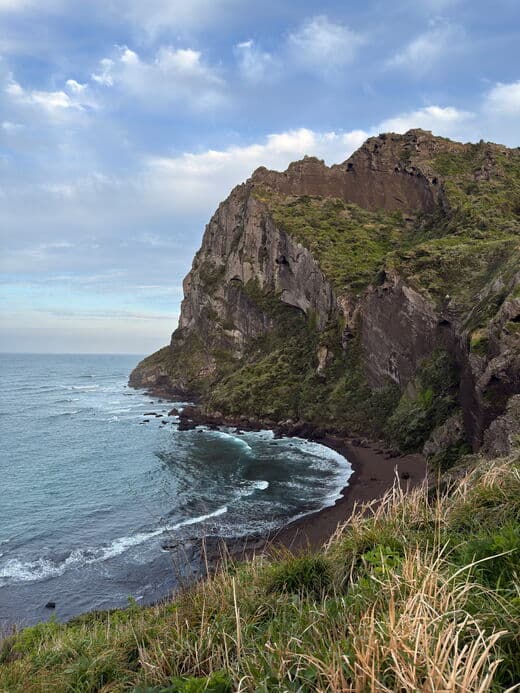
Seongsan Ilchulbong (Sunrise Peak) is a volcanic cone on Jeju's eastern tip, UNESCO-listed for its geological significance. The peak formed underwater about 5,000 years ago when volcanic eruption met seawater, creating the classic tuff cone shape. The 600-meter-wide crater resembles a giant crown from above, with 99 jagged rocks forming the rim. Climbing takes 25-30 minutes on well-maintained stairs and rewards with 360-degree panoramas. The name suggests the obvious: arrive at sunrise to watch the sun emerge from the ocean. The sunrise viewing tradition dates back centuries, and the peak draws thousands on New Year's Day. Even without catching the sunrise, the climb is worthwhile. At the base, a haenyeo village demonstrates traditional diving, and restaurants serve the fresh catch.
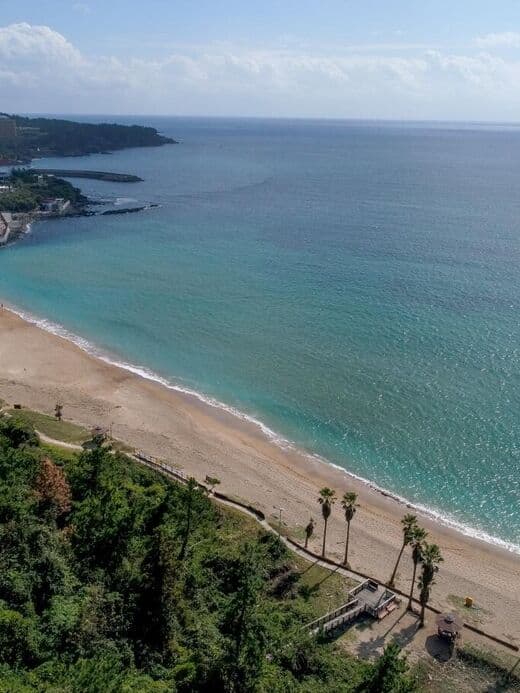
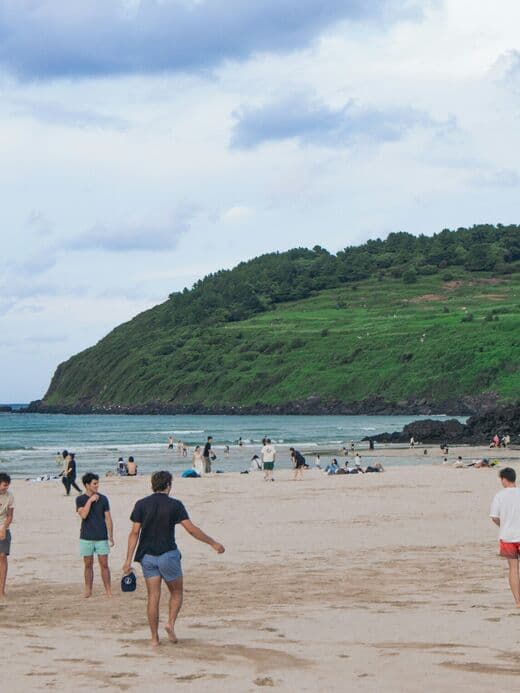
Jeju offers far more than mountains. Kilometers of beaches feature both white and black (volcanic) sand. Hamdeok Beach has Caribbean-turquoise water and a distinctive backdrop of the mountain Seongsan. Hyeopjae Beach offers calm, shallow waters perfect for families. Jungmun Beach has powerful waves that attract surfers. Lava tubes extend several kilometers underground - Manjanggul is the most famous, one of the longest lava tubes in the world, with dramatic lava formations and a towering lava column. Waterfalls plunge directly into the sea at Jeongbang, the only Asian waterfall to do so. Mandarin orange orchards cover the lower slopes, and picking your own mandarins has become a tourist activity. Stone grandfather statues (dol hareubang), carved from volcanic rock with bulging eyes and hands on bellies, stand guard throughout the island - once village protectors, now beloved tourist symbols. Female divers (haenyeo) continue centuries-old traditions of harvesting seafood without scuba gear, diving to significant depths and holding their breath for minutes at a time. Watching their work and eating their fresh catch is a must-do experience.
Tourism infrastructure is excellent: accommodations range from hostels to five-star resorts, car rental agencies abound (driving is the best way to explore), tourist buses connect major sites, restaurants cater to all budgets. The island has embraced tourism perhaps too enthusiastically - some areas feel over-commercialized with theme parks and Instagram-bait attractions. The downside: prices run higher than the mainland, especially during peak season (July-August and major holidays). Booking accommodations well in advance is essential for summer visits.
Gyeongju: Open-Air Museum
Gyeongju served as capital of the Silla Kingdom, which ruled southeastern Korea for nearly a millennium (57 BCE - 935 CE). The Silla unified the peninsula for the first time and created a golden age of arts, architecture, and Buddhist culture. Today this small city operates essentially as an archaeological museum. Royal tombs, Buddhist temples, palace ruins scatter so densely across the city and surrounding countryside that stumbling upon a UNESCO site during an ordinary walk happens regularly.
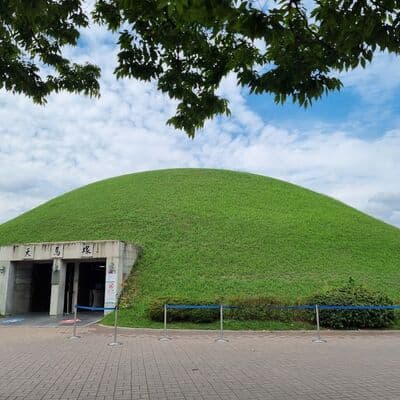
The old town area clusters around Daereungwon Tomb Complex, where enormous grass-covered mounds contain royal burial chambers. Some tombs have been excavated, revealing golden crowns, jewelry, and artifacts now in the National Museum. One tomb, Cheonmachong (Heavenly Horse Tomb), has been opened for visitors to walk inside and see the burial chamber structure. The adjacent streets have been preserved with traditional buildings housing restaurants and guesthouses. Walking or cycling between sites is pleasant, with flat terrain and clearly marked routes.
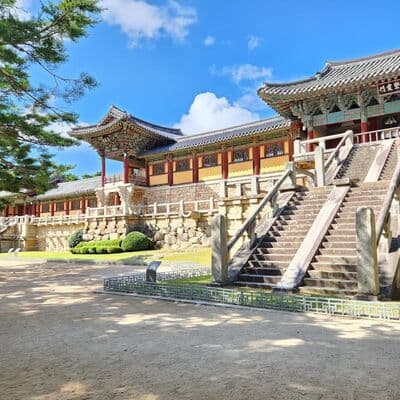
Bulguksa Temple, built in the 8th century, exemplifies Silla Buddhist architecture at its peak. The stone pagodas, bridges-as-staircases, and main halls survived (with restoration) while so many Korean treasures were lost. UNESCO recognized the temple for its outstanding universal value. Adjacent Seokguram Grotto houses a monumental stone Buddha carved into a granite dome overlooking the East Sea. The engineering required to construct this artificial cave 1,300 years ago still impresses modern architects. Access to the grotto interior is controlled to preserve the sculpture, but viewing through glass allows appreciation of the serene expression and masterful carving.
Anapji Pond (now officially called Donggung and Wolji) becomes magical at night when palace pavilions reflect in the water illuminated by subtle lighting. Built as a pleasure garden for Silla royalty, the pond was forgotten and buried for centuries until excavation in the 1970s revealed thousands of artifacts now in the National Museum. Evening visits are essential for the full effect.
Bicycles offer the best transportation for covering the main sites in a day, but two to three days allows proper immersion in the atmosphere. Stay in a traditional hanok guesthouse, sample the local specialties (Gyeongju bread, a sweet bean-filled cake, is sold everywhere), and let the slow pace of this provincial city contrast with Seoul's intensity.
Gangwon Province: Mountains and East Sea
Gangwon Province occupies Korea's mountainous northeast, divided between South and North Korea. The southern portion features ski resorts (the 2018 Winter Olympics took place here in PyeongChang), national parks with old-growth forests, and picturesque East Sea coastline (which Japan calls the Sea of Japan, a naming dispute with deep historical resonance).
Gangneung city serves as gateway to east coast beaches and, unexpectedly, as Korea's coffee capital. The Korean coffee revolution started here when one passionate roaster began importing specialty beans decades before Seoul discovered the trend. Today, hipster cafes per square meter exceed anywhere else in the country. The Anmok Coffee Street lines the beach with dozens of competing roasters and cafes, each claiming superior beans or techniques. Gyeongpo Beach stretches nearby, less crowded than Haeundae and backed by a lagoon popular with migratory birds. The traditional villages of Ojukheon (birthplace of a great Confucian scholar) and Seongyojang (a preserved noble family estate) offer glimpses into Korea's pre-modern history.
Seoraksan National Park contains what many Koreans consider the most beautiful mountains in the country. Granite peaks, Buddhist temples, mountain streams, autumn foliage that draws millions every October - all combine into landscape photography heaven. The rock formations have been given names from their fanciful shapes: Ulsanbawi (Ulsan Rock) looks like a crown, while Gwongeumseong appears fortified. Climbing the main peak, Daecheongbong (1,708 m), demands good fitness and permits obtained in advance (the park limits daily hikers to protect the environment). Easier trails follow streams through valleys, passing waterfalls and the Sinheungsa temple with its enormous bronze Buddha. Cable cars provide access to some viewpoints for those unable to hike.
Southwest: Jeolla Provinces and Traditions
North and South Jeolla provinces form Korea's agricultural heartland, famous above all for cuisine. Most dishes now considered quintessentially Korean originated here, where the rich soil and abundant rainfall produced food surpluses that allowed culinary creativity. A meal in Jeonju or Gwangju will include far more banchan (side dishes) than the same restaurant type in Seoul - it is a point of regional pride.
Jeonju city gave birth to bibimbap (rice with vegetables, meat, and spicy paste) and maintains the best traditional hanok village outside Seoul. Unlike Seoul's Bukchon, where tourists vastly outnumber residents, Jeonju Hanok Village retains a more lived-in feel. Restaurants, tea houses, and shops fill the traditional buildings, and staying overnight in a hanok guesthouse is common. The village specializes in traditional crafts: hanji paper making, fan crafting, and calligraphy. Provincial atmosphere, slower pace, fewer tourists - good contrast after megalopolis intensity.
Gwangju, Korea's fifth-largest city, carries the weight of the 1980 democratic uprising when military forces killed civilians protesting authoritarian rule. The exact death toll remains disputed, but the events galvanized Korean democracy movements and led eventually to free elections. The May 18th Memorial Cemetery honors the victims, and the memorial hall documents the events in detail. Understanding this chapter provides essential context for modern Korean history and politics. Today Gwangju has reinvented itself as an art and culture hub with numerous galleries and the Gwangju Biennale contemporary art exhibition, one of Asia's most important.
Central Region: Daegu and Surroundings
Daegu, Korea's fourth city, is known for scorching summers (the hottest city in Korea, regularly exceeding 35C), textile manufacturing (though much of the industry has moved to developing countries), and - according to Korean belief - the most attractive people in the country. Whether or not this last claim holds true, Daegu does seem more laid-back than the capital. Fewer tourists visit, prices stay lower, atmosphere feels more relaxed. The city has excellent markets, a vibrant cafe culture, and easy access to surrounding attractions.
Near Daegu, Haeinsa Temple houses the Tripitaka Koreana - the complete Buddhist canon carved on 80,000 wooden printing blocks in the 13th century. This represents not only a religious treasure but an extraordinary achievement in medieval printing technology, recognized by UNESCO. The monks carved the blocks during Mongol invasions, believing the spiritual merit would protect the nation. The blocks survive intact and can still be used for printing today. The storage buildings maintain perfect temperature and humidity through traditional architectural techniques that modern engineers study. Visiting requires reaching a remote mountain location, but the serene temple grounds and the overwhelming scale of the woodblock repository reward the effort.
Nature and National Parks
South Korea ranks among the world's most mountainous countries: approximately 70% of the territory consists of mountains and hills. This creates extraordinary landscape diversity in a small area. The country maintains 22 national parks, and visiting at least one should be considered essential for any trip beyond Seoul's city limits.
Bukhansan National Park in Seoul represents a unique case of wilderness within a megacity. Granite peaks, Buddhist temples, Joseon-era fortress walls - all within an hour of downtown. The park sees approximately 5 million visitors annually, making it one of the most visited national parks per square meter in the world. Weekends bring crowds that require queuing for popular peaks, but weekdays offer relative solitude. Multiple entrance points around the park's perimeter allow different approaches. The Bukhansanseong fortress route follows ancient walls with watchtowers offering city views. The Baegundae peak route climbs to the highest point with hand-over-hand scrambling near the summit. Temples like Doseonsa and Munsuam offer rest stops and simple meals.
Hallasan on Jeju is not only Korea's highest point but also a unique ecosystem with endemic plant species found nowhere else. Vertical zonation impresses: from subtropical forest at the base through temperate woodland to subalpine meadows and finally alpine plants at the summit. UNESCO designated Hallasan as a biosphere reserve, recognizing its ecological importance. The mountain supports distinct communities of plants at different elevations, and climate change research here documents how these zones are shifting upward.
Seoraksan, Jirisan, Odaesan - each major national park offers unique trails ranging from easy walks to multi-day treks. Infrastructure is excellent: marked paths with distance markers, mountain shelters (some requiring advance booking), information centers, and rescue services. Koreans are passionate hikers, so expect company at popular spots. The hiking culture has its own fashion - bright colors, technical fabrics, hiking poles even on gentle trails. If you want to blend in, invest in colorful hiking gear.
Coastline provides another natural treasure. The western coast features vast tidal flats exposed at low tide - important habitats for migratory birds and traditional gathering grounds for shellfish. The eastern coast offers pristine beaches and rocky coves with clear water. The southern coast includes thousands of islands in archipelagos best explored by ferry. Hallyeohaesang National Marine Park between Busan and Yeosu ranks among Asia's most beautiful, with forested islands rising from blue waters and traditional fishing villages accessible only by boat.
When to Go
Korea experiences distinct seasons that dramatically affect travel experiences. The country lies at the intersection of continental and oceanic climates, creating four clearly differentiated seasons that Koreans take pride in experiencing fully.
Spring (March-May) offers ideal conditions for most travelers. Cherry blossoms erupt in late March through early April, starting in the south and moving north over about two weeks. The pink wave becomes national obsession - news programs track the 'cherry blossom front' daily, and social media fills with blossom photos. The Jinhae Cherry Blossom Festival (near Busan) is Korea's largest, transforming a naval base town into tunnels of pink. In Seoul, Yeouido Park and the palace grounds provide prime hanami locations. Temperatures range from comfortable 10-20 degrees Celsius (50-68F), rain is minimal. Downside: high season means higher prices and larger crowds, and the weather can be unpredictable with late cold snaps.
Summer (June-August) brings heat, humidity, and monsoon rains (jangma season in June-July). Temperatures of 25-35C (77-95F) with high humidity make outdoor activities feel like a sauna. The air becomes thick and heavy, and air conditioning becomes essential. But this is beach season: Haeundae, Gwangalli, and Jeju beaches fill with vacationers in a festive atmosphere. Air conditioning works everywhere, making shopping malls and museums welcome refuges. The monsoon brings heavy rains that can cause flooding and landslides - follow weather warnings. August can be particularly intense with both heat and the aftermath of typhoons.
Autumn (September-November) rivals spring as the best season. Red maple foliage begins in late September in the mountains and continues through November in lower areas. Mountains blaze with incredible colors, weather turns perfect (15-25C / 59-77F), skies clear to a blue intensity rarely seen in humid summer. Autumn at Seoraksan, Jirisan, Bukhansan - unforgettable sights. Koreans flock to mountains for 'danchung' (autumn foliage viewing) with the same enthusiasm they show for cherry blossoms. Fall foliage season draws tourists comparable to cherry blossom time. The rice harvest brings thanksgiving traditions and rural festivals. This is also kimchi-making season, when families gather to prepare the year's supply.
Winter (December-February) brings cold (-10 to +5C / 14-41F) but dry, sunny conditions. The cold comes from Siberia as the continent chills, but the Korean peninsula stays relatively dry without the heavy snowfall of Japan's mountains. Gangwon Province ski resorts hit peak season, with world-class facilities developed for the 2018 Olympics. Cities light up with Christmas markets and illumination displays. Good time for warming Korean food and jjimjilbang (Korean spa) experiences - there is nothing quite like hot soup and sizzling barbecue on a freezing day. Fewer tourists, lower prices, but some attractions operate on reduced schedules. The coldest days in January can be brutal, with biting winds making it feel far below actual temperatures.
Holidays to avoid (unless you want crowds and high prices): Seollal (Korean Lunar New Year, January-February by lunar calendar), Chuseok (harvest festival, September-October by lunar calendar), Golden Week in May combining several holidays. During these periods, the entire country travels to visit family or vacation spots. Transport is packed - KTX trains sell out weeks in advance, highways become parking lots, and airports overflow. Hotels book months ahead and raise prices significantly. However, if you find yourself in Korea during these holidays, the cities empty out and you might have Seoul almost to yourself as everyone heads to hometowns.
Getting There
Incheon International Airport (ICN) serves as the main international hub, consistently ranking among the world's top airports for facilities and service. Located on an island 50 km west of Seoul, it connects to the city via AREX express train (43 minutes to Seoul Station, 9,500 won for express or 4,750 won for all-stop train) and buses to various districts (fares vary, typically 10,000-15,000 won to most Seoul locations). The airport features sleeping capsules, spas, a traditional culture zone, and transit hotels for layover passengers. Free cultural programs including traditional crafts and performances help pass time between flights.
Gimpo Airport (GMP), closer to central Seoul, handles fewer international flights - mainly routes to Japan, China, and Taiwan. For domestic flights, Gimpo offers more convenience as the metro reaches directly to the terminal. A shuttle bus connects Gimpo and Incheon for those with connecting flights between airports.
Direct international flights also serve Busan (Gimhae Airport), Jeju, and Daegu, though route selection is limited primarily to Asian destinations. Flying into one city and out of another can save backtracking - for example, arriving in Seoul and departing from Busan or Jeju.
From the United States: Direct flights from major hubs (Los Angeles, San Francisco, Seattle, New York JFK, Atlanta, Chicago, Dallas, Honolulu, Las Vegas) take 11-14 hours depending on direction (westbound is shorter due to jet stream). Korean Air and Asiana operate the most frequencies, with Delta, United, and American also serving various routes. Fares vary widely by season but expect $800-1,500 roundtrip economy, occasionally less during sales or shoulder seasons. Business class on Korean carriers is exceptional, often available through upgrades or award travel.
From the United Kingdom: Direct flights from London Heathrow (Korean Air, Asiana, British Airways) take approximately 11 hours. The flight is long but manageable in premium economy or better. Connecting through European or Middle Eastern hubs (particularly via Dubai, Istanbul, or Helsinki) often offers lower fares and breaks up the journey.
From Australia: Direct flights from Sydney (Korean Air, Asiana, Qantas) take around 10 hours. Melbourne, Brisbane, and other cities require connections, typically through Sydney or Asian hubs like Singapore or Hong Kong. The Korea-Australia route is competitive, with reasonable fares during off-peak seasons.
Entry requirements: Citizens of the US, UK, Australia, Canada, and most Western countries enjoy visa-free entry for tourism up to 90 days. Since 2021, you must obtain a K-ETA (Korea Electronic Travel Authorization) before arrival - apply online at least 72 hours before departure at the official K-ETA website. The fee is 10,000 won (approximately $8), valid for two years with multiple entries. Processing is usually quick, but apply with time to spare. K-ETA requirements occasionally change, so verify current rules before booking. Some nationalities are exempt from K-ETA if their passport is from a country with a reciprocal exemption agreement.
Getting Around
KTX (Korea Train Express) represents Korean transportation's pride. High-speed trains connect Seoul to Busan in 2.5 hours (down from 5 hours before KTX). Other major cities take even less time - Daejeon under an hour, Daegu about 1.5 hours. The trains run frequently, are immaculately clean, and arrive on time with Japanese precision. Book tickets on the Korail website (English available), through the Korail Talk app, or at stations using automated machines or ticket windows. First class offers larger seats with more legroom, while standard class is perfectly comfortable. Tourists can purchase KR Pass for unlimited travel over a set number of days - excellent value for ambitious itineraries that include multiple cities. A separate high-speed line, SRT, operates from Suseo station in Seoul with slightly lower prices.
Buses serve as primary transport for destinations without rail service and offer an alternative to trains on popular routes. Intercity buses come in three classes: standard (ilban), comfort (udeung), and luxury (premium). Differences lie in seat width, legroom, and Wi-Fi availability. Even standard class is comfortable for most journeys. Luxury buses have seats that recline almost flat - worth the small premium for overnight routes. Prices remain low even for luxury class: Seoul to Busan costs around 35,000 won (4+ hours). Bus terminals exist in every city, often multiple terminals for different directions - Seoul has several major terminals including Express Bus Terminal (Gangnam), Dong Seoul (eastern routes), and Seoul (northern routes). Tickets can be purchased at terminals, through apps like KakaoBus, or sometimes at convenience stores.
Domestic flights make sense primarily for Jeju - one hour versus 5+ hours by surface transport (ferry + bus). Seoul-Jeju ranks among the world's busiest routes, with planes departing every 10-15 minutes during peak times. Korean Air, Asiana, Jin Air, Jeju Air, T'way, and other carriers compete on price. Fares range from 30,000 to 150,000 won depending on season and booking timing - last-minute tickets during holidays cost a fortune, while advance purchase during slow periods offers bargains. Flying between other cities rarely makes sense given KTX speed and airport hassles.
Car rental proves useful on Jeju and in rural areas where public transport is infrequent. Roads are excellent, among the best in Asia. Navigation works well using Naver Map or Kakao Map - critically important as Google Maps functions poorly in Korea due to national security laws restricting map data. International driving permits are recognized when combined with your home country license. Downsides: urban traffic congestion can be severe, complex parking systems require understanding Korean signs, and expensive toll roads add up on longer journeys. In Seoul, cars create more hassle than help - public transit moves faster and eliminates parking hassles.
City transit in Seoul and Busan ranks among the world's best. Metro networks cover virtually all neighborhoods with frequent service. Seoul's system includes 23 lines operated by different agencies but integrated with single fare cards. Trains run every 2-5 minutes during peak hours, extending to 8-10 minutes late at night. Stations announce in Korean and English, with additional Chinese and Japanese announcements on tourist-heavy lines. Exits are numerous and confusing - check which exit number you need before leaving the fare zone. T-money cards work on metro, buses, and even taxis - recharge at convenient machines in stations or at convenience stores. The card saves a small discount versus cash fares and allows free transfers between metro and bus within 30 minutes. Apple Pay and Samsung Pay also work on transit with the right setup.
Taxis are inexpensive by Western standards: base fare around 4,800 won, about 1,000 won per kilometer. Orange taxis (ilban) are standard, black taxis (mobeom) are premium with better cars and higher fares. Late night (midnight to 4 AM) adds 20% surcharge. Drivers rarely speak English, so show your destination on your phone screen in Korean or use the Kakao Taxi app. Kakao Taxi functions like Uber and works excellently - you enter destination in the app, it matches you with a nearby driver, and you can pay through the app or in cash. Tipping is not expected or necessary.
Cultural Code
Korean culture builds on Confucian principles of hierarchy and respect for elders. This manifests everywhere: from how people greet each other (the younger person bows deeper) to who begins eating first at the table (the eldest) to who pours drinks (the junior person). Understanding these dynamics helps avoid awkward situations and shows respect for local customs.
Bowing serves as the primary greeting. A slight nod of the head (15-30 degrees) suffices for acquaintances and peers; a deeper bow (45-90 degrees) shows respect to elders and in formal situations. Tourists need only give a slight nod, but attempts at proper bowing earn appreciation. When receiving something from an elder or in formal situations, use both hands to accept the item - one hand giving or receiving can seem dismissive.
Age matters. One of the first questions when meeting someone new is your age. This is not rudeness but necessity - determining the proper speech level and degree of formality requires knowing relative ages. Korean language has multiple speech levels from casual to highly formal, and using the wrong level with the wrong person causes discomfort. Koreans count age differently: babies are considered one year old at birth (counting pregnancy), and everyone adds a year on January 1st rather than their actual birthday. This 'Korean age' means you might be one or two years older in Korea than by international reckoning. A recent legal change is shifting toward international age, but traditional counting persists in daily life.
Shoes come off when entering homes, temples, some traditional restaurants, and jjimjilbangs. Watch what hosts and other visitors do - if shoes line up at the entrance, remove yours. Step up onto the raised floor without touching it with outdoor shoes. Many Korean spaces have this boundary between outdoor (dirty) and indoor (clean) zones. Make sure your socks have no holes - your bare feet will be visible! In restaurants with floor seating (sitting on cushions at low tables), you will remove shoes and sit cross-legged or with legs tucked to the side.
Table manners carry many rules. Do not begin eating before the eldest person at the table. Never pour your own alcoholic drink - your companion pours for you and you pour for them, maintaining a reciprocal relationship. When drinking with someone older, turn your head away slightly while drinking as a sign of respect. Never stick chopsticks vertically into rice - this resembles incense at funerals and is considered very bad form. Slurping noodles loudly is normal and even compliments the cook by showing enjoyment. Finishing every grain of rice shows appreciation. Mixing rice with soup or other dishes at the table is common and acceptable.
Tipping is not practiced in Korea and can even cause offense. Restaurant, taxi, and hotel prices already include everything. Leaving money on the table after a meal might be interpreted as forgetting your change or as insulting the establishment. Exceptions: bellhops at expensive hotels and guides on private tours may receive tips, but even then it is optional and not expected.
Jjimjilbang (Korean spa/sauna) represents important cultural experience. Koreans come here to bathe, sweat in saunas of different temperatures, sleep on heated floors, eat, watch television, socialize. Some jjimjilbangs operate 24 hours and serve as budget accommodation for travelers. Rules: locker rooms and bath areas are gender-segregated, people enter pools and saunas completely naked (not in swimsuits!), everyone washes thoroughly seated on low stools before entering communal pools. The washing ritual is important - scrub everywhere, rinse completely, then enter the hot pools. Sounds unfamiliar, but the experience rewards initial awkwardness. After bathing, you change into provided pajama-like clothing for the coed common areas with saunas, snack bars, and rest zones.
Personal space shrinks in Korea compared to Western norms. People may press against you in the subway, stand almost touching in queues, push through crowds without apology. This is not aggression but standard behavior in a densely populated country where personal space is a luxury. However, deliberate physical touch between strangers or acquaintances is not expected - do not hug Koreans when first meeting, and avoid back-slapping or arm-touching that might be normal elsewhere.
Saving face matters deeply. Direct confrontation, public criticism, or causing embarrassment should be avoided. If something goes wrong, Koreans often prefer to find solutions quietly rather than assign blame publicly. This can manifest as indirect communication that frustrates Westerners accustomed to directness. When problems arise, stay calm, speak privately, and give the other party ways to resolve the situation without losing dignity.
Safety
South Korea ranks among the world's safest countries. Violent crime rates are minimal, theft is rare, tourist scams are virtually unknown. You can walk any neighborhood at night, leave belongings in cafes, even forget your wallet without much worry - there is a good chance someone will return it. The combination of social cohesion, effective policing, and cultural emphasis on proper behavior creates an environment where visitors can relax.
Police are polite and helpful, though not all speak English. Tourist police (in blue uniforms) are specifically trained to assist foreigners - find them in popular tourist areas like Myeongdong, Itaewon, and Hongdae. Regular police can help with directions and emergencies even without English. Police boxes (small stations) are common throughout cities.
Emergency numbers: 112 for police, 119 for fire and ambulance, 1330 for tourist hotline (English available 24 hours). Save these in your phone.
Potential issues:
Minor scams in Itaewon bars (Seoul's nightlife district) - inflated bills, 'private rooms' with astronomical prices. The scenario usually involves friendly strangers inviting you somewhere special. Simple rule: agree on prices beforehand, decline invitations from strangers, and stick to established venues.
Religious cults actively recruit in tourist areas - approaching with invitations to 'cultural events' or 'free Korean lessons.' The groups appear friendly and non-threatening, which is the point. Politely decline and walk away. Legitimate cultural programs exist through tourist offices and cultural centers, not through street recruitment.
Intoxicated aggressive individuals - rare but possible on Friday and Saturday nights in entertainment districts. Koreans drink heavily and quickly (soju culture encourages rapid consumption), but usually peacefully. The occasional belligerent drunk is unlikely to target tourists but might create uncomfortable situations. Moving away typically resolves any issues.
Fine dust (PM2.5) poses serious concern in spring when winds carry desert sand from China mixed with industrial pollution. Levels can reach 'very unhealthy' or 'hazardous' categories. If you have asthma or respiratory issues, monitor air quality indices (AirVisual app or local sources) and wear masks on bad days. Most pharmacies sell KF94 masks that filter fine particles. Indoor air is usually fine thanks to air purifiers in most buildings.
North Korea - the elephant in the room. Technically, the countries remain at war since 1950 with only an armistice, not a peace treaty. Pyongyang occasionally provokes with missile tests, military exercises, or threatening rhetoric. These incidents make headlines worldwide but rarely affect daily life in the South. Koreans have lived with this situation for decades and take it philosophically - if they worried about every threat, normal life would be impossible. If something serious happens, you will know before you have time to panic - the warning system works excellently with alerts sent to all phones. The chance of actual conflict is minimal, and worrying about it should not deter your visit.
Health and Medical Care
Korea's medical system ranks among the world's best, especially regarding technology and surgery. Many visitors come specifically for medical treatment or cosmetic procedures, drawn by high quality and lower prices compared to Western countries. For regular tourists, the system is reassuringly competent but operates differently from what you might be used to.
Insurance is essential. Healthcare is paid and not cheap - a doctor's visit starts at 50,000 won, hospitalization runs hundreds of thousands per day, and emergency procedures can quickly reach millions of won. Verify your insurance covers Korea with adequate limits before departure. Keep policy documents accessible and know the claims process.
Pharmacies (yakguk) exist everywhere, identified by green cross signs. Many medications require prescriptions - even simple antibiotics that might be over-the-counter elsewhere. Over-the-counter options include fever reducers (acetaminophen/paracetamol, ibuprofen), pain relievers, cold medicines, antidiarrheals, and digestive aids. Pharmacists sometimes speak English, particularly near tourist areas, but knowing the generic name of needed medications helps. If you take regular medications, bring enough supply for your trip plus extra.
Hospitals with international departments operate in Seoul (Severance Hospital, Samsung Medical Center, Asan Medical Center, Seoul National University Hospital) and Busan (Inje University Busan Paik Hospital, Pusan National University Hospital). They offer English-speaking staff, international patient coordinators, and assistance with insurance paperwork. For non-emergency care, these hospitals are preferable. For emergencies, any hospital emergency room will help regardless of language barriers.
Vaccinations are not required for entry. Standard recommendations: ensure routine vaccines are current, and consider hepatitis A and B if you plan to eat lots of street food or have other risk factors. Japanese encephalitis vaccine might be recommended for extended rural stays, though risk for typical tourists is minimal.
Specific risks: summer heat stroke (drink water, wear hats, rest in air conditioning), spring pollen allergies and fine dust (masks and antihistamines), year-round possibility that spicy food will upset unaccustomed stomachs (start mild and build tolerance gradually). Tap water is technically safe but most Koreans drink filtered or bottled water; follow local practice if you are sensitive.
Money and Budget
Currency is the South Korean won (KRW, symbol ₩). Exchange rates fluctuate, but for convenience, figure approximately 1,300-1,400 won per US dollar, or roughly 1,600-1,700 won per British pound (check current rates before your trip).
Cash versus cards: Korea is a cashless payment society. Visa and Mastercard work virtually everywhere, even street food stalls and small shops. Contactless payments via phone (Samsung Pay, Apple Pay, Google Pay) are widely accepted. However, some traditional markets, very small family restaurants, and vending machines may still require cash. Recommend carrying 100,000-200,000 won in cash as backup - you might not need it, but it is reassuring to have.
For American, British, and Australian travelers: Your credit and debit cards should work without issues at most establishments. Notify your bank of travel dates to prevent fraud blocks. ATMs labeled 'Global' or located in convenience stores (CU, GS25, 7-Eleven) accept international cards. Airport ATMs charge higher fees; withdraw in the city if possible. Currency exchange is available at the airport (worst rates), in Myeongdong and Itaewon (better rates), and at banks (middle rates, passport required). The difference between best and worst exchange rates can be significant - worth seeking out good rates for larger amounts.
Approximate daily budget (per person):
Budget ($40-65 / 50,000-80,000 won):
- Hostel dorm or basic guesthouse: 25,000-40,000 won
- Street food and simple restaurants: 15,000-25,000 won
- Public transport: 5,000-10,000 won
- Attractions: 5,000-10,000 won (many museums are free)
Mid-range ($115-190 / 150,000-250,000 won):
- Business hotel or nice guesthouse: 80,000-120,000 won
- Mid-range restaurants: 40,000-60,000 won
- Transport including occasional taxis: 15,000-30,000 won
- Attractions and entertainment: 20,000-40,000 won
Comfort ($300+ / 400,000+ won):
- 4-5 star hotel: 200,000-400,000 won
- High-end restaurants: 100,000-150,000 won
- Taxis and conveniences: 50,000+ won
- Premium experiences: 50,000+ won
Money-saving tips:
- Free attractions abound: many museums (including National Museum of Korea), temple grounds, parks, markets
- Combo tickets for multiple Seoul palaces save money if visiting several
- Hanbok rental = free palace admission - a discount that pays for the rental
- Water from coolers in restaurants and public places is free
- Convenience stores (CU, GS25, 7-Eleven) offer surprisingly good cheap ready meals - triangular gimbap for 1,500-3,000 won makes a quick lunch
- Lunch specials at restaurants often cost half of dinner prices for the same dishes
- Night buses and late metro trains (until midnight or later) avoid taxi surcharges
Sample Itineraries
7 Days: Korea Essentials
Day 1: Arrival in Seoul
Arrive at Incheon, transfer to city on AREX (43 minutes). Check into hotel in Myeongdong or Insadong - central location for first days. Take time to recover from jet lag - do not plan too much for arrival day. Evening stroll through Myeongdong: shopping (the shops stay open late), street food (try hotteok - sweet filled pancakes, and tornado potatoes on sticks), getting your T-money card at a convenience store. The neon lights and crowds provide gentle introduction to Korean urban intensity. Dinner at one of many samgyeopsal (pork belly BBQ) restaurants - cooking meat at your table with guidance from staff provides perfect introduction to Korean cuisine and dining culture.
Day 2: Historic Seoul
Start morning at Gyeongbokgung Palace - arrive by 9 AM to beat crowds. Rent hanbok near the entrance (15,000-20,000 won for 4 hours) - save on admission and get amazing photos. The hanbok shops help you choose and dress properly. Explore the main throne hall Geunjeongjeon, Gyeonghoeru Pavilion (the reflection of the pavilion in the pond is iconic), and National Folk Museum on palace grounds (free, shows traditional Korean life across seasons and centuries).
Lunch: walk to Gwangjang Market (20 minutes on foot through the Gwanghwamun area, or 2 metro stops). Must-try dishes include bindaetteok (mung bean pancakes fried crispy), mayak gimbap (mini rice rolls with their addictive sauce), yukhoe (raw beef for the adventurous), and tteokbokki (spicy rice cakes). Noisy, chaotic atmosphere - this is authentic Korean market life. Find an empty stool, point at what looks good, and enjoy.
Afternoon: Bukchon Hanok Village and Insadong Street. Wander the alleys of Bukchon, climb to the viewpoints for photos, then descend to Insadong for tea houses, calligraphy, and traditional crafts. The Ssamziegil building is worth exploring for its unique architecture and artisan shops. By evening, reach Cheonggyecheon Stream - walking along the water through glittering evening city relaxes after a full day. Light installations and water features change seasonally.
Dinner in Itaewon - the international district with cuisines from around the world. If you need a break from Korean food, options abound from Turkish to Mexican to Ethiopian. The neighborhood also has excellent bars and clubs for nightlife.
Day 3: Modern Seoul
Morning at Changdeokgung Palace. Book the Secret Garden (Huwon) tour in advance - separate ticket, English tours at specific times (check Changdeokgung website for schedule) - this is the jewel of Korean landscape architecture. The tour takes about 90 minutes and covers terrain that requires walking ability.
Lunch: Gangnam district. Take the metro south of the river to explore Korea's modern face. Start with Bongeunsa Temple - Buddhist oasis among skyscrapers, featuring a large standing Buddha visible from the street. Then COEX Mall with its famous Starfield Library - obligatory photo among the towering bookshelves. The mall also contains an aquarium, cinemas, and hundreds of shops - you could spend hours here.
Evening: ascend Lotte World Tower an hour before sunset. Seoul Sky observation deck (floor 123) offers the city's best panorama. Book tickets online to skip queues. Watch the transformation from daylight to glittering nightscape, try the glass floor if you dare. Afterward - dinner in one of the tower's restaurants (book in advance for restaurants with views) or head to Lotte World if theme parks appeal (the park is open late).
Day 4: Nature and Nightlife
Morning: hike in Bukhansan National Park. Take the metro to one of several entrance points (Gupabal station is convenient for the Baegundae route). Choose trail matching your fitness: easy to Bukhansanseong Fortress (3-4 hours roundtrip), moderate to Baegundae Peak (5-6 hours roundtrip with some scrambling near the summit). Mountain and city views are spectacular. Bring water and snacks - nothing sold at the top. The exercise and fresh air provide welcome contrast to city days.
After descending - late lunch in Seongsu-dong, the trendy district of cafes in former factories. Take the metro to Seongsu or Ttukseom stations. Rest over specialty coffee in a converted warehouse, browse galleries and designer showrooms. The neighborhood rewards wandering without fixed plans.
Evening: Namsan Tower at sunset. Ascend via cable car (the most romantic option, short queues weekday evenings) or hike through the park (40 minutes from the base, good workout). See the love locks covering fences, admire city lights spreading to the horizon. Dinner in Hongdae - take the metro to Hongik University station and emerge into youthful chaos. The student district has nightlife running until dawn. Watch street musicians and dance crews, try noraebang (private karaoke rooms, easy to find and use even without Korean) - a Korean must-do experience.
Day 5: Transfer to Busan
Morning KTX train Seoul-Busan (2.5 hours, from 60,000 won). Book tickets in advance, especially for weekends. The train station experience itself is interesting - grab coffee and snacks from the station shops. The journey passes through countryside and several cities, with glimpses of mountains and farms.
Check into hotel in Haeundae area (beachfront convenience) or Nampo (closer to fish market and old town). Both areas have good metro connections.
Afternoon: Gamcheon Culture Village. Take a local bus or taxi to the base (buses 1-1, 2, or 2-2 from Toseong station). Pick up a map at the tourist information center and begin exploring the labyrinth of colorful houses on hillside, murals, sculptures, viewpoints. The village has stamps to collect and small exhibits to discover. Allow 2-3 hours for leisurely exploration. The climb is significant - wear comfortable shoes.
Evening: Jagalchi Fish Market. Navigate to the distinctive modern building (shaped like a seagull) or the outdoor market areas nearby. Choose fresh fish on first floor, negotiate price, carry your purchase to second floor restaurants. Pay a cooking fee, wait 15 minutes, receive dinner - fresher seafood is impossible. Afterward - stroll along BIFF Square (named for the Busan International Film Festival) and the streets around Gukje Market with their food vendors and shops.
Day 6: Busan
Morning: Haedong Yonggungsa Temple at sunrise (if you can wake up) or simply early morning to avoid the worst crowds. Take bus 181 from Haeundae or taxi (about 20 minutes). Seaside temple is one of Korea's most photogenic spots - the combination of traditional architecture and crashing waves creates unique atmosphere. Breakfast at a nearby cafe with ocean views - several options near the temple entrance.
Daytime: Haeundae Beach - waterfront promenade walk, coffee with sea views. Even outside swimming season, the beach area has plenty to see. Walk to Dongbaek Island at the western end of the beach for coastal path with sea views. Then Blueline Park and Sky Capsule - retro train and capsules along the coast (book capsules in advance on weekends, or take the train if capsules are sold out). The route follows old railway tracks with ocean always in view. Romantic and scenic.
Evening: Gwangalli Beach at sunset. Take the metro to Gwangan station and walk to the beach. Find a cafe or restaurant with Gwangan Bridge views - the bridge is over 7 km long and illuminated differently each night. As darkness falls, the light show begins. Dinner at one of many seafood restaurants lining the beach - the view of the bridge adds to any meal.
Day 7: Busan and Departure
Morning: Beomeosa Temple - one of Korea's oldest Buddhist temples, founded in 678 CE. Take metro line 1 to Beomeosa station, then bus 90 up the mountain. The temple is set in forest on the slopes of Geumjeongsan Mountain, offering a quieter alternative to touristy Yonggungsa. Walk through the forest surrounding the temple, admire the ancient buildings, perhaps join a brief meditation session if available.
Lunch and souvenirs: return to central Busan. Nampo district offers shopping and street food. Busan Tower in Yongdusan Park provides final city views if you have not yet visited - the escalators up the hill save energy, and the view encompasses port, bridges, and mountains.
Depart from Busan (Gimhae Airport, 30-40 minutes from downtown by metro or bus) or return to Seoul on KTX (2.5 hours to Seoul Station or Suseo) and fly out of Incheon. If flying from Seoul, allow plenty of time - the airport is far from Seoul Station (1 hour by AREX) and traffic can delay airport buses.
10 Days: Complete Korea
Days 1-4: Seoul (as in 7-day itinerary)
Day 5: Gyeongju
Morning KTX Seoul-Singyeongju (2 hours), then bus or taxi to city center (20 minutes). The new KTX station is modern but located outside town. Check into traditional hanok guesthouse - Gyeongju has many at reasonable prices, offering heated floors and traditional atmosphere.
Afternoon: rent a bicycle from one of many shops in the old town - best transport for this museum-city where sites are spread across flat terrain. Start at Daereungwon Tomb Complex - grass-covered mounds of royal tombs, some enormous, one (Cheonmachong) open for interior viewing. Then to Anapji Pond (Donggung and Wolji), which is best at night when illuminated but worth seeing in daylight too for the architecture. Finish with Wolseong Palace ruins and the National Museum of Gyeongju if time permits.
Day 6: Gyeongju and Transfer to Busan
Morning: Bulguksa Temple and Seokguram Grotto - two UNESCO sites located near each other but requiring bus or taxi from town (about 40 minutes). Bulguksa is a 7th-century Buddhist architectural masterpiece with stone pagodas and distinctive staircase-bridges symbolizing passage to Buddha's realm. Seokguram requires additional 20-minute shuttle bus from Bulguksa parking lot. The grotto houses a stone Buddha in a artificial cave overlooking the East Sea - viewing through glass allows appreciation while protecting the sculpture from humidity damage.
Afternoon: bus to Busan (1 hour from Gyeongju bus terminal). Evening in Busan - Gwangalli Beach for bridge views, seafood dinner at waterfront restaurant.
Days 7-8: Busan (as days 5-6 in 7-day itinerary, but with more time at each place - add Taejongdae Park, Oryukdo Skywalk, Songdo Cable Car)
Day 9: Jeju
Morning flight Busan-Jeju (45 minutes). Rent a car at the airport - the best way to explore Jeju. Driving is on the right, roads are excellent, signs have English. The rental process is straightforward with international license.
Daytime: eastern island. Seongsan Ilchulbong - climb the volcanic peak (30 minutes of stairs), panoramic crater views at top. The UNESCO site explains volcanic formation processes. Nearby - haenyeo diver village where traditional female divers work, fresh seafood restaurants serving their catch.
Evening: check into hotel on southern coast, walk on black volcanic sand beach as sun sets. The southern coast is quieter than the north where the airport and main town are located.
Day 10: Jeju and Departure
Morning: Hallasan Mountain if ready for serious trek (8-10 hours to summit and back). Check weather forecasts and current trail status - summit trails close in bad weather. Start early (trailhead entry closes by mid-morning to ensure hikers return before dark). Alternatives if not hiking: Manjanggul Lava Tube (one of world's longest, with impressive lava formations), Jeongbang Waterfall (only Asian waterfall falling directly into ocean), Osulloc Tea Plantation (green tea fields and museum with tastings).
Fly to Seoul or directly home from Jeju Airport. The airport is compact and efficient, but allow time during peak travel periods.
14 Days: Deep Dive
Days 1-4: Seoul (expanded - add Deoksugung Palace with its beautiful stone-paved road, National Museum requiring half a day minimum, War Memorial for historical understanding)
Day 5: DMZ (Demilitarized Zone)
Organized tour from Seoul (book in advance through tour companies). Passport required. Tours vary from half-day to full-day, some including the Joint Security Area at Panmunjom (requires additional security clearance and dress code - no jeans, sandals, or casual clothing). Visit the tunnels North Korea dug for invasion, observation points looking into North Korea, reunification monuments. Unique experience - seeing the world's most heavily fortified border and understanding why Korea remains divided. Return to Seoul evening.
Days 6-7: Gangneung and East Coast
KTX to Gangneung (2 hours from Seoul on the new PyeongChang Olympic line). Explore Anmok Coffee Street along the beach, dozens of cafes each claiming the best beans. Gyeongpo Beach stretches several kilometers and is less crowded than southern beaches. Visit Ojukheon (birthplace of the Confucian scholar Yi I, featured on Korean currency) and the traditional Seongyojang estate. Overnight in Gangneung or move north to Sokcho for access to Seoraksan.
Seoraksan National Park: choose trail matching your fitness. Easy options include the walk to Sinheungsa Temple with its large bronze Buddha and cable car to Gwongeumseong. Moderate hikers can tackle Ulsanbawi (dramatic rock formations visible from throughout the park) or Biryong Waterfall trail. Serious trekkers can attempt Daecheongbong summit (permits required, check regulations). In autumn (mid-October through early November), foliage colors here are incredible and crowds are intense - book accommodation far in advance.
Days 8-9: Gyeongju (expanded)
Days 10-11: Busan (expanded - full exploration of all listed attractions plus additional neighborhoods)
Days 12-14: Jeju (expanded - add lava tubes, Olle trails coastal hiking routes, tea plantations, mandarin picking experiences, museums including Teddy Bear Museum and multiple folk villages, waterfalls, beaches)
21 Days: The Complete Experience
Days 1-6: Seoul and surroundings (including DMZ, Suwon with Hwaseong Fortress walking the complete wall, possibly Incheon's Chinatown and islands)
Days 7-9: Gangwon Province (Gangneung, Sokcho, Seoraksan with multiple hikes, ski resorts in winter)
Days 10-11: Jeonju and South Jeolla (birthplace of bibimbap - eat the best in Korea, extensive traditional hanok village, Naejangsa Temple famous for autumn foliage)
Day 12: Gwangju (art galleries, May 18th Memorial for democratic movement history, local food specialties)
Days 13-14: Yeosu and southern coast (Hallyeohaesang Marine Park with islands, cable car over the sea, Dolsan Bridge views, Odongdo Island camellia flowers in spring)
Days 15-16: Gyeongju (complete exploration)
Days 17-18: Busan (all attractions with time to spare)
Days 19-21: Jeju (complete island circuit)
This itinerary covers virtually all major regions and allows unhurried exploration of each place. With this much time, you can adjust based on weather, energy levels, and unexpected discoveries.
Connectivity and Internet
South Korea ranks among the world's most connected countries. Mobile internet speeds and coverage impress - you will likely get faster mobile data than your home broadband. Free Wi-Fi exists virtually everywhere: subway trains and stations, buses, cafes, shopping malls, even streets in tourist areas. Most hotels offer fast free Wi-Fi.
Options for tourists:
Pocket Wi-Fi (mobile router) - rent at Incheon Airport arrival halls (multiple providers compete) or book online in advance for pickup. One router serves multiple devices with genuinely unlimited data. Cost around 5,000-10,000 won per day depending on provider and booking method. Return at airport before departure. Downside: another device to carry and charge (battery lasts most of a day with moderate use).
Tourist SIM card - sold at airport arrival halls and phone shops in tourist areas. Unlimited data for trip duration. Cost from 30,000 won for 5 days to 60,000 won for 30 days. Works immediately after installation in an unlocked phone. Options with and without voice calling available (voice adds cost but is useful for making reservations). Major providers include KT, SKT, and LGU+.
eSIM - if your phone supports eSIM technology, buy online before arrival through services like Airalo, Holafly, and others. Scan a QR code to install, activate when you land. Convenient - no physical card swap needed, no rental return. Prices comparable to physical SIM cards.
Important: Google Maps works poorly in Korea due to national security laws that restrict export of detailed map data. Use Naver Map or Kakao Map instead - both have English interfaces and work excellently including navigation, transit directions, and business information. Download the apps before arrival and familiarize yourself with the interface.
Food and Drink
Korean cuisine stands as a primary reason to visit. No half measures here: everything is either very spicy, very flavorful, or very unusual. Prepare for culinary adventure. The cuisine evolved in a climate with harsh winters, resulting in preservation techniques (fermentation, pickling, drying) that create unique flavor profiles found nowhere else.
Essential dishes:
Kimchi - fermented napa cabbage with chili, garlic, and spices. Served with every meal, over 200 regional varieties exist. Koreans eat kimchi from childhood and credit it for national health and longevity. Fresh kimchi (geotjeori) tastes mild and refreshing; aged kimchi (mugeunji) develops deep, sour, complex flavors used in stews and fried rice.
Bibimbap - rice with vegetables, meat, egg, and spicy gochujang paste. Mix thoroughly before eating - the name literally means 'mixed rice.' Classic version comes in stone pot (dolsot bibimbap), where the scorching bowl crisps the bottom rice into a delicious crust. Jeonju bibimbap is the gold standard, with dozens of vegetable toppings and raw beef tartare.
Samgyeopsal - thick pork belly slices you grill yourself at the table. Wrap pieces in lettuce or perilla leaves with garlic slices, ssamjang (thick spicy paste), kimchi, and various additions. Social food - eaten in groups, with everyone reaching to the central grill. Cooking technique matters: cut the belly into bite-sized pieces as it cooks, flip frequently, do not overcook.
Korean BBQ generally - beyond samgyeopsal includes beef (galbi ribs, bulgogi marinated slices, hanwoo premium beef comparable to wagyu), chicken, pork, and seafood. All cooked at your table over gas or charcoal. Servers often help with cooking, especially if you look uncertain. The meal includes numerous banchan, rice, stew, and often finishes with cold noodles or fried rice made on the grill with remaining ingredients.
Tteokbokki - chewy rice cakes in sweet-spicy gochujang sauce. Street food number one, especially popular with young people. Spice level adjustable - ask for 'deol maepge' (less spicy) if you are building tolerance. Often served with odeng (fish cake), boiled eggs, and other additions. The tubes of rice cake have a unique texture - chewy without being gummy.
Chimaek - chicken (chikin) and beer (maekju). Korean fried chicken - crispy outside, juicy inside, often coated in spicy or sweet sauce - has become a global phenomenon. The technique involves double frying for extra crispness. Popular varieties include yangnyeom (sweet-spicy glazed), ganjang (soy garlic), and plain fried. Perfect beer companion, especially for late-night snacks. Chains like BBQ Chicken, Kyochon, and BHC compete for chicken supremacy.
Gimbap - Korean rice rolls with vegetables, meat, or fish. Not to be confused with Japanese sushi - gimbap is not raw and the rice is seasoned with sesame oil rather than vinegar. Fillings vary from simple vegetables to elaborate combinations with cheese, kimchi, or tuna. Great travel snack, sold at convenience stores, markets, and specialty shops. The triangular 'samgak gimbap' found at every convenience store is the ultimate budget meal.
Ramyeon - not the same as Japanese ramen. Korean ramyeon is spicier, simpler, usually made from quality instant packets (Korean instant noodles are genuinely excellent). Restaurants serve it with egg, kimchi, cheese, rice cakes, and other additions. Late-night ramyeon at a convenience store's hot water station is a quintessential Korean experience. Popular brands include Shin Ramyun, Jin Ramyun, and Buldak (fire chicken - extremely spicy).
Sundubu jjigae - spicy stew with soft tofu, seafood, and egg. Served bubbling in stone pot, which continues cooking the egg as you eat. Warms in winter, cures hangovers (or so Koreans claim). The tofu is deliberately soft and silky, falling apart rather than holding shape. Order with rice on the side for a complete meal.
Hoe - raw fish Korean-style. Similar to Japanese sashimi but served with lettuce leaves for wrapping and accompanied by spicy chogochujang sauce (vinegary gochujang) rather than soy sauce and wasabi. Best at fish markets where you choose a live fish and eat it minutes later. Common varieties include flatfish (gwangeo), sea bream (domi), and octopus (nakji, sometimes served still moving).
Mandu - Korean dumplings. Fried (gunmandu), boiled (mulmandu), or steamed (jjinmandu), with meat and vegetable fillings. Accessible and tasty street food. Larger than Chinese dumplings, with thicker wrappers. Often served in soup (manduguk) during holidays.
Drinks:
Soju - national alcohol, traditionally distilled from rice but now often made from sweet potato or tapioca. Strength has decreased over decades to current 16-20% ABV, making it dangerously easy to drink. Served from small green bottles into tiny shot glasses. Etiquette: pour for others, turn head away when drinking with elders, accept the first glass with two hands. Often mixed with beer (somaek) for easier drinking. Cheap - a bottle costs around 5,000 won in restaurants, half that at stores.
Makgeolli - milky white rice wine, slightly fizzy and naturally sweet. Traditional drink experiencing renaissance among young Koreans and foreign visitors. Alcohol content similar to wine (6-8%). Pairs well with pajeon (Korean savory pancakes). Shake before pouring (sediment settles). Seoul's Makgeolli bars offer dozens of varieties from different regions.
Korean beer - Cass, Hite, OB dominate the market. Honestly, unremarkable lagers that Koreans themselves acknowledge as inferior to imports. But craft beer scene is growing rapidly, especially in Seoul's Itaewon, Gangnam, and Yeonnam-dong. Microbreweries now produce excellent IPAs, stouts, and lagers.
Coffee - Korea is coffee-obsessed, with more cafes per capita than almost anywhere. From chains (Starbucks, Ediya, Paik's) to artisanal roasters, coffee is everywhere. Americano is the most popular drink - Koreans seem to prefer coffee less milky than Western espresso drinks. Iced americano in particular is consumed year-round regardless of weather. Many cafes have become destinations for their interior design, views, or specialty menus.
Tea - traditional Korean teas include barley (boricha), corn (oksusu-cha), citron (yuja-cha), ginger (saenggang-cha), jujube (daechu-cha), and ginseng. Usually served free in restaurants instead of water. Traditional tea houses (dabang) offer elaborate tea service in beautiful surroundings. Omija-cha (five-flavor berry tea) tastes simultaneously sweet, sour, salty, bitter, and spicy.
Dining tips:
- Banchan (side dishes) come free and are refilled on request - just say 'deo juseyo' (more please). Kimchi, pickled vegetables, anchovies, egg, tofu, and more - all included with your main dish.
- Rice (gonggi bap) often costs extra (1,000-2,000 won per serving) - it arrives in a small metal bowl with lid.
- Water is usually self-service from a cooler or dispenser - cups are nearby.
- 'An maepge' means 'not spicy please' - saves unaccustomed stomachs.
- Scissors and tongs on the table are for cutting and handling meat at BBQ restaurants - perfectly normal.
- Many restaurants specialize in single dishes - trust their specialty rather than ordering off-menu.
- Lunch specials (often displayed as 'set menu' or 'lunch set') offer significant savings over dinner prices.
Shopping
Korea is paradise for shoppers, especially cosmetics, fashion, and electronics enthusiasts. Korean products have achieved global recognition for quality and innovation, and buying at source often means lower prices and more selection.
Cosmetics - the top souvenir from Korea. Korean beauty (K-beauty) has revolutionized skincare worldwide with innovations like BB cream, sheet masks, and multi-step routines. Face masks, serums, creams, makeup - all cheaper here than anywhere else, with new products available before international launch. Major brands: Innisfree (natural ingredients), Etude House (playful packaging), Missha, Nature Republic (their aloe gel is everywhere), Laneige, Sulwhasoo (premium), and dozens more. Best shopping spots: Myeongdong in Seoul (highest concentration of cosmetics shops), Olive Young and Lalavla drugstores nationwide, major department store beauty floors. Sales associates actively distribute samples - accept them freely, as this is expected.
Fashion - from cheap markets to luxury boutiques. Korean fashion (K-fashion) influences global trends with its blend of casual comfort and distinctive styling. Hongdae and Ewha (student areas) offer youth fashion at low prices - trendy clothes for a few thousand won per piece. Dongdaemun Market operates 24 hours with wholesale prices - building after building of clothing, some requiring minimum orders. Gangnam and department stores have premium Korean and international brands. Warning: Korean sizes often run small by Western standards. Check measurements rather than trusting size labels, and try before buying when possible.
Electronics - prices are comparable to global markets, but selection is enormous and some Korea-only models exist. Yongsan Electronics Market in Seoul offers multiple floors of tech, though it has declined with online shopping competition. Samsung and LG products sometimes come in Korean versions at lower prices - check compatibility with your home country before buying. Major electronics are available at department stores, electronics chains (Hi-Mart, Electromart), and airport duty free.
Traditional goods - ceramics (especially cheongja - green celadon ware with inlaid designs), hanbok (beautiful but rarely worn by tourists at home), calligraphy materials, traditional teas and tea ware, ginseng products (from candy to supplements to whole roots), hanji (traditional paper) products. Insadong is the best area for traditional souvenirs, with shops ranging from tourist trinkets to museum-quality antiques.
K-pop merchandise - albums, posters, photocards, light sticks, clothing, and endless collectibles. Official stores: SM Town at COEX for SM Entertainment artists, Hybe Insight for BTS and other Hybe artists, JYP Store in Itaewon, Line Friends and BT21 stores for character goods. Unofficial merchandise (often higher quality than official items) fills shops in Hongdae and Myeongdong. Album purchases in Korea count toward Korean charts and often include fan meetings or other benefits.
Tax Free: For purchases over 30,000 won at Tax Free shops (look for the sticker), you can claim VAT refund of approximately 10% at the airport. Keep receipts, get Tax Refund form from the shop, present purchases and paperwork at customs before flight check-in (not after security), then collect refund at designated counters after immigration. The process takes time, so arrive early for your flight.
Useful Apps
- Naver Map / Kakao Map - navigation and place search. Google Maps works poorly in Korea - these local alternatives are essential. Both have English interfaces, show public transit with accurate times, walking and driving navigation, restaurant information, and even building floor guides. Naver tends to have more detailed business listings; Kakao integrates with Kakao Talk for sharing locations.
- Kakao Talk - Korea's main messaging app, equivalent to WhatsApp. Everyone local uses it. Useful for communicating with hotels, restaurants, rentals, and any Korean contacts. Some businesses only respond to Kakao, not email. Free to use with data.
- Papago - translator from Naver, better than Google Translate for Korean. Has camera mode - point at text (menus, signs, product labels) for instant translation overlay. Also handles voice translation for conversations. Essential for non-Korean speakers.
- Kakao Taxi / Kakao T - taxi hailing, similar to Uber. Enter destination in English or Korean, match with nearby driver, track their arrival, pay through the app or with cash. Works excellently even without Korean language skills. Can also book rental cars and drivers.
- Korail / Korail Talk / SRT - booking KTX and SRT train tickets. English available. Book in advance for better seats and prices. Tickets can be saved to phone and scanned at gates.
- Coupang / Baemin (Baedal Minjok) - food delivery and quick commerce. Interface primarily in Korean, but Baemin has added English features. Even without Korean, you can navigate using pictures and numbers. Delivery is fast and cheap, reaching almost anywhere in urban areas.
- AirVisual - air quality monitoring. Important in spring when fine dust reaches dangerous levels. Shows real-time PM2.5 measurements and forecasts for your location and across Korea.
- Visit Korea - official tourism app with attraction information, events, and deals. Not as comprehensive as Google for other countries but useful for official information and occasional discounts.
Final Thoughts
South Korea surprises. It surprises with contrasts between ancient and modern, between temple serenity and megacity madness. It surprises with food that explodes your taste buds, with flavors you have never encountered elsewhere. It surprises with people who work with incredible intensity, then relax with equal commitment to enjoying life.
In one week, you can get a concentrated introduction to Korean culture: Seoul's palaces and neighborhoods, Busan's beaches and seafood markets, perhaps a taste of Jeju's volcanic nature. In two weeks, dive deeper, adding ancient Gyeongju and Gangwon's mountains. In a month, feel almost local, discovering hidden neighborhoods and provincial cities that most tourists never see.
What you should definitely do: eat samgyeopsal in a noisy restaurant with locals cooking meat and drinking soju around you; spend a night in a jjimjilbang, navigating the bath house culture and sleeping on heated floors; climb at least one mountain to understand why Koreans are obsessed with hiking; walk nighttime Seoul when the city truly comes alive; try at least one unusual food that pushes your boundaries (live octopus still wriggling, blood sausage sundae, fermented skate hongeo for the truly adventurous).
What to avoid: do not plan too much each day - Korea rewards immersion over checkbox tourism. Do not ignore provinces for just megacities - the countryside holds treasures. Do not expect everyone speaks English - learn a few phrases (hello, thank you, excuse me, how much) and download translation apps. Basic Korean politeness goes a long way.
Korea is not 'second Japan' or 'like China.' It is a unique country with its own history, aesthetics, values, and energy. This nation traveled from one of the world's poorest, war-devastated countries to technological leader within one generation - a transformation unmatched anywhere. That energy permeates everything: internet speeds that make Western connections look antiquated, metro systems that run with precision, youth ambition that drives global pop culture phenomena. Come and feel it yourself. Korea will challenge assumptions, reward curiosity, and likely have you planning a return visit before you have even departed.
Information current as of 2026. Check visa requirements (K-ETA registration at official website), current exchange rates, and transport schedules before your trip. Some attractions and policies may change - verify specifics when planning.