Bukchon Hanok Village
There's a place in Seoul where time flows differently. Among skyscrapers and neon signs hides Bukchon Hanok Village—a labyrinth of narrow streets with traditional Korean houses over 600 years old. When I first wandered here, winding through steep alleys, my breath caught: around another turn appeared a row of tile roofs against a mountain ridge—and for a moment I felt transported to the Joseon Dynasty.
Village History
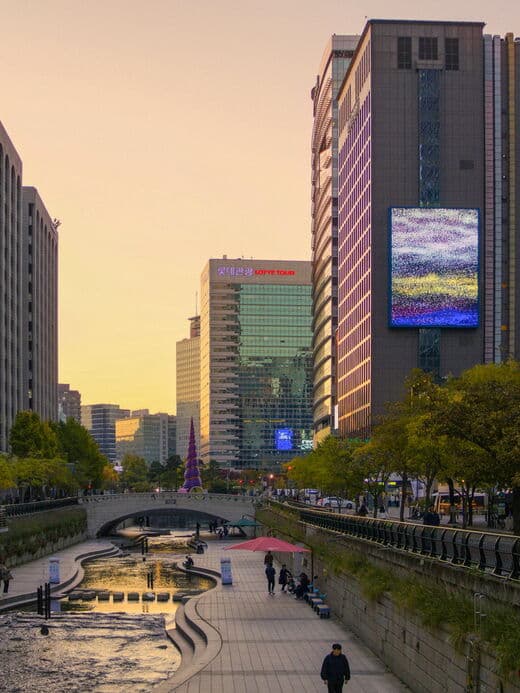
"Bukchon" means "northern village"—the district lies north of Cheonggyecheon Stream, which once divided Seoul into rich and poor quarters. Bukchon was elite: nobles, high officials, and royal family members lived here. Proximity to Gyeongbokgung and Changdeokgung palaces defined this location's status.
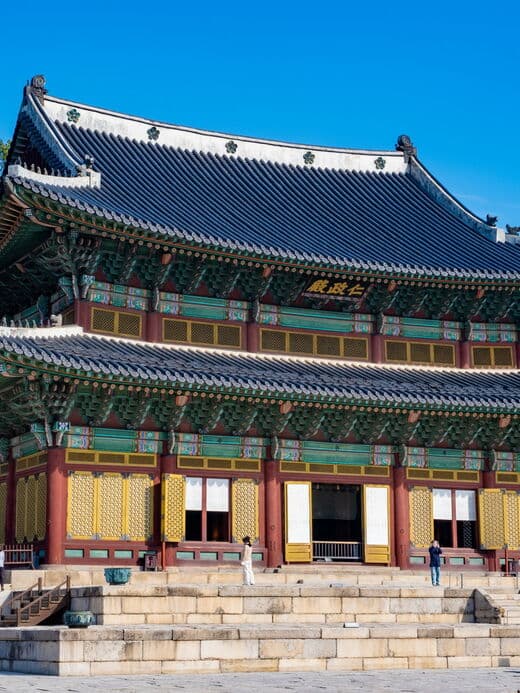
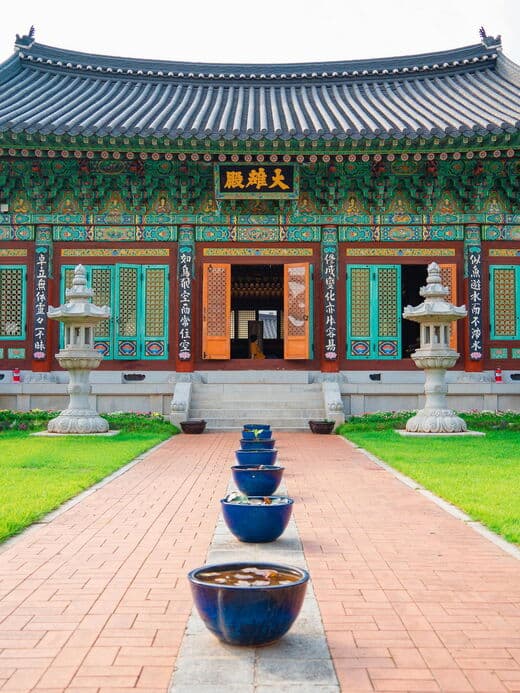
Traditional Korean houses—hanok—were built according to feng shui principles: facades face south to catch winter sun, while mountains behind protect from cold northern winds. Every element is considered: wooden floors (maru) cool in summer, while underfloor heating (ondol) warms in winter.
Hanok Architecture
A hanok isn't just a house—it's a philosophy of living in harmony with nature. Construction uses no nails: the wooden frame holds together through joinery that lets the house "breathe" and withstand earthquakes. Roofs are covered with clay tiles (giwa), walls made of clay and straw.
What to See
Local authorities designated eight beautiful points—"Eight Views of Bukchon." Most photogenic streets are Gahoe-dong 11-gil and 31-gil, where rows of tile roofs descend the slope. The village hosts traditional craft museums, tea houses, and hanok guesthouses for full immersion.
Practical Tips
Bukchon is a residential area—ordinary people live here. Best time—weekdays 10:00 AM to 5:00 PM. Nearest metro—Anguk (Line 3). Most beautiful seasons—spring (cherry blossoms) and fall (golden foliage).