Busan
If Seoul is Korea's pulsing heart, Busan is its soul. The country's second-largest city with 3.4 million people is completely different from the capital. Here you'll find the sea, mountains, a relaxed atmosphere, and the best seafood in the country. After Seoul's hustle, Busan feels like a breath of fresh ocean air.
Why Visit Busan
Busan is a different Korea. While Seoul is all about work, fashion, and K-pop, Busan is about the sea, food, and enjoying life. Locals speak their own dialect (saturi) that even Seoulites don't always understand. They eat spicier, speak louder, and live slower.
Main reasons to visit:
- Beaches - Haeundae and Gwangalli rank among Asia's top beaches
- Seafood - freshest possible, straight from boats, 2-3 times cheaper than Seoul
- Unique places - temple on seaside cliffs, colorful hillside village
- Atmosphere - port city with character, not polished for tourists
Getting There from Seoul
KTX - High-Speed Train
Most convenient way - KTX from Seoul to Busan Station. Travel time 2 hours 15 minutes to 2 hours 40 minutes depending on train type. KTX-Cheongryong is the newest model with most spacious seats.
Prices as of December 2025:
- Standard class: 59,800 won (~$45)
- First class: 88,500 won (~$67)
- Trains every 15-20 minutes from 05:30 to 23:00
Tip: If planning multiple trips around Korea, get the KR Pass for foreigners - unlimited KTX rides for fixed price (3 days - 138,000 won).
From Incheon Airport
No direct train. Route: AREX to Seoul Station (43-58 minutes, 4,150-9,500 won) → transfer to KTX to Busan (2.5 hours). Don't worry about connections - KTX runs every 20 minutes, just catch the next one.
Bus - Budget Option
Buses from Seoul's Express Bus Terminal to Busan in 4-5 hours. Price: 23,000-35,000 won. Comfortable, with Wi-Fi and outlets. Good option if you want to save money or take overnight.
Getting Around Busan
Busan Metro - 4 lines, operates 5:30 AM to midnight. Key stations:
- Busan Station (Line 1) - KTX, downtown
- Seomyeon (Lines 1, 2) - transfer hub, shopping, nightlife
- Haeundae (Line 2) - main beach
- Jagalchi (Line 1) - fish market
- Gwangan (Line 2) - Gwangalli Beach
T-money card from Seoul works here too. Cashbee also accepted. Base fare 1,250 won.
Where to Stay
Haeundae - Best for First Visit
Top district for tourists. Right on the beach, many restaurants, bars, shops. Easy access to other attractions. Downside - pricier than other areas.
- Hostels: from 25,000 won
- 3* hotels: from 80,000 won
- 5* hotels: from 200,000 won (Park Hyatt, Paradise Hotel)
Seomyeon - For Nightlife
Central transport hub where metro lines cross. Many bars, clubs, restaurants. Convenient for getting around. Cheaper than Haeundae.
Top Attractions
Haeundae Beach
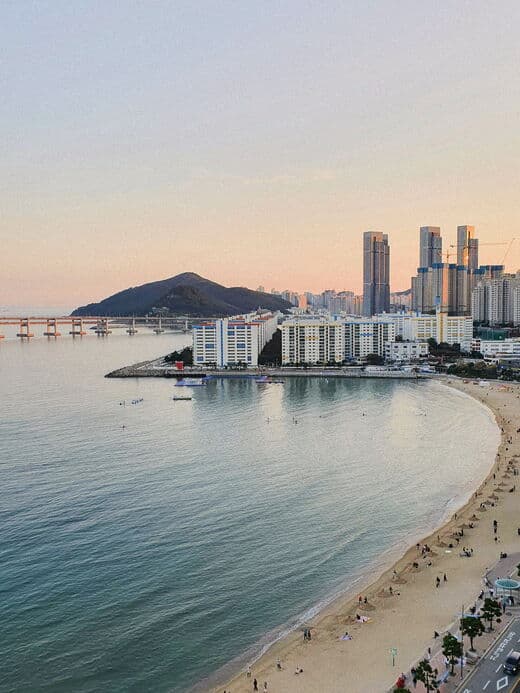
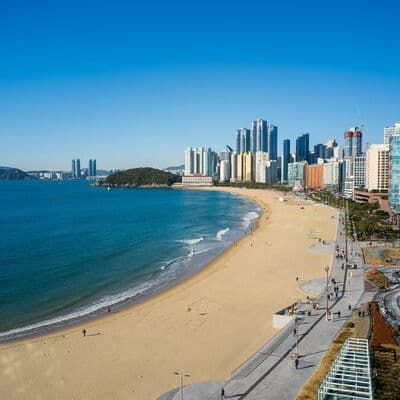
Haeundae - Korea's most famous beach. 1.5 km of white sand, clean water, developed infrastructure. Swimming season late June to August; rest of the year perfect for walks.
What to do:
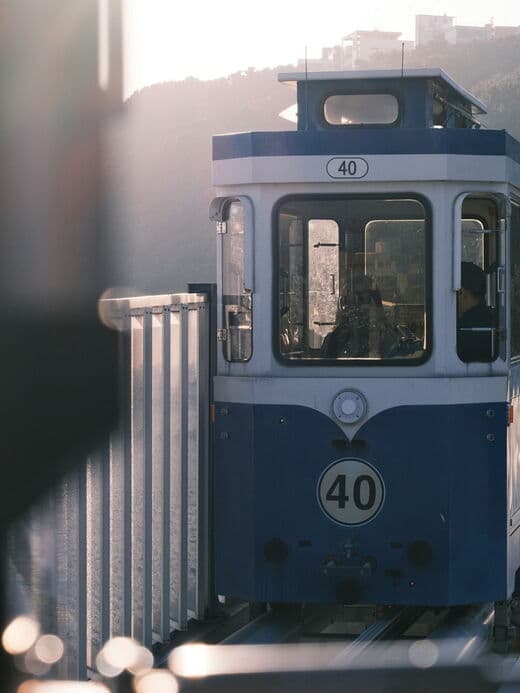
- Blueline Park - Sky Capsule along the coast. Retro pods travel 4.8 km from Haeundae to Songjeong with sea views. Ticket 35,000 won, book ahead - huge queues.
- Haeundae Ogtap - rooftop bar right above beach, best sunset views
- Dalmaji-gil walk - road with cafes and galleries on the hill
Gwangalli Beach
Gwangalli - second most popular beach, many consider it prettier than Haeundae. Main feature - Gwangan Bridge lit up at night. Light show: 8 PM, 9 PM, 10 PM (Fri-Sat), 8 PM and 10 PM (Sun-Thu).
Saturdays October-December - drone show at 8 PM and 10 PM. Hundreds of drones create figures in sky above beach.
Along the beach dozens of craft bars: Gorilla Brewing, Galmegi Brewing, SOL Taphouse. Best spot for evening beer with bridge views.
Gamcheon Culture Village
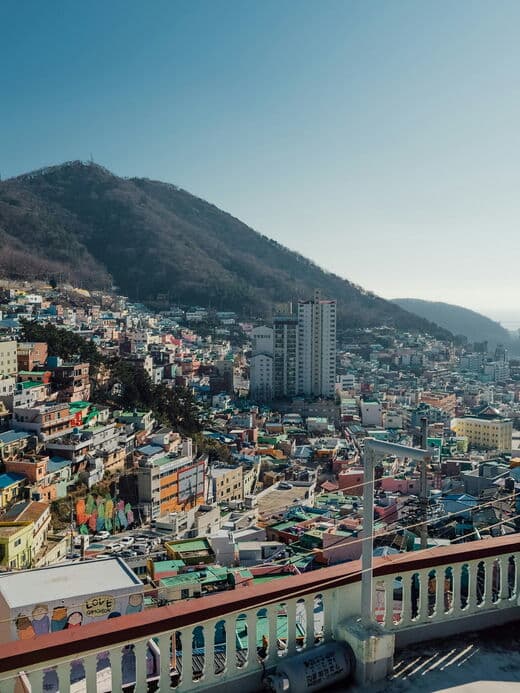
Gamcheon Culture Village - colorful hillside village called "Machu Picchu of Busan" or "Korean Santorini." Maze of narrow alleys, painted houses, street art, cafes.
Practical tips:
- Entry free, but buy stamp map for 2,000 won - helps not miss main spots
- Find Little Prince statue - best viewpoint
- Wear comfortable shoes - many stairs and climbs
- Come morning - crowded by midday
- Getting there: metro Toseong (Line 1), then bus or 15-min walk uphill
Haedong Yonggungsa Temple
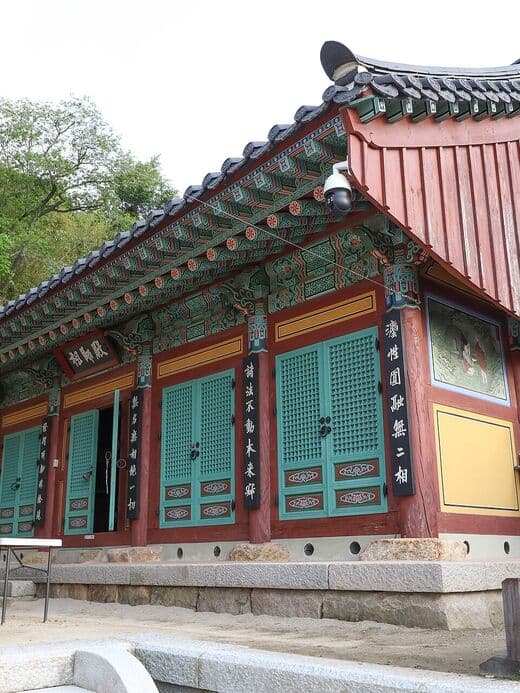
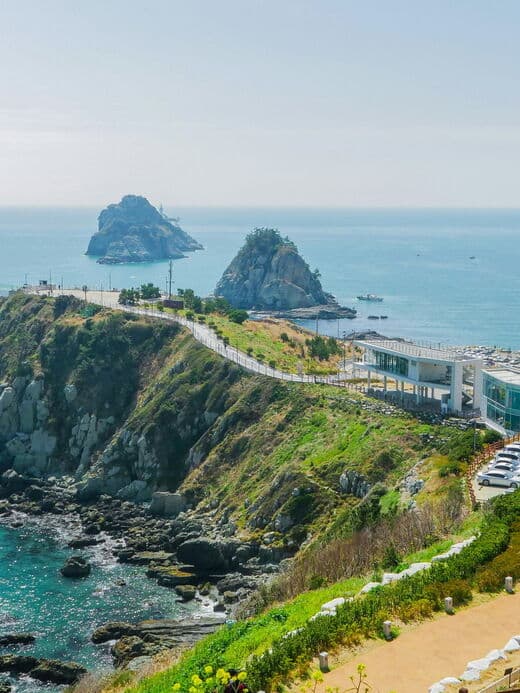
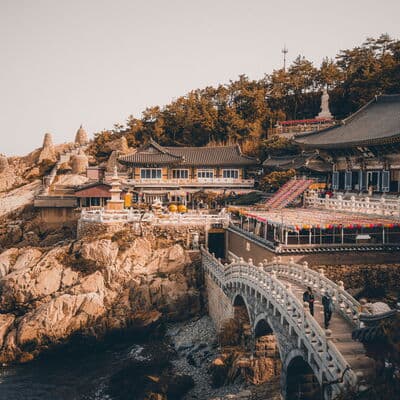
Haedong Yonggungsa - unique Buddhist temple on seaside cliffs. Unlike most Korean temples in mountains, this one stands right above the waves. Over 600 years of history.
What you'll see:
- 108 steps to temple through pine grove
- Golden Buddha statue against the sea
- Pagodas and pavilions on cliffs
- Stunning sunrise views
Entry free. Open 5:00 AM to sunset. Bus 181 from Haeundae (30 minutes).
Jagalchi Fish Market
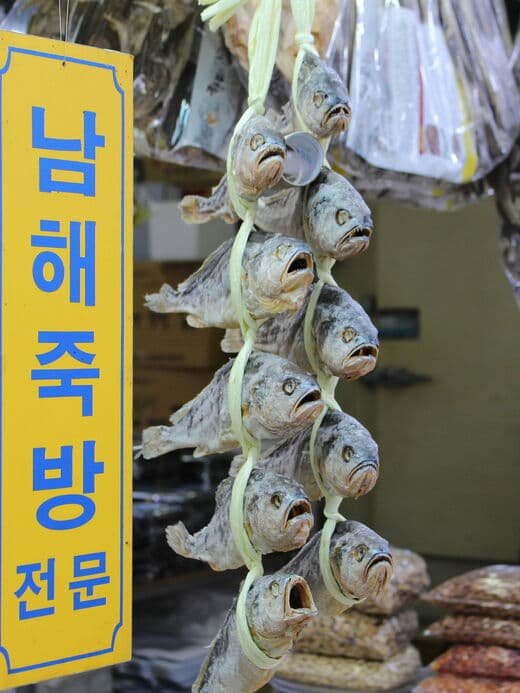
Jagalchi Market - Korea's largest fish market and must-visit for seafood lovers. Open 5:00 AM to 10:00 PM, but best time is early morning when fresh catch arrives.
How it works:
- First floor - choose live fish, octopus, crab, shrimp
- Bargain (essential!)
- Go upstairs where they prepare everything for small fee
- Eat freshest sashimi with harbor views
Must try hoe - raw fish with cho-gochujang sauce (sweet-spicy). Busan classic.
Busan Food - Must-Try Dishes
Milmyeon - Cold Noodles
Milmyeon - Busan's signature dish. Wheat noodles in icy meat broth with cucumbers, egg, and spicy gochujang paste. Created during Korean War when northern refugees made noodles from American flour. Perfect in heat.
Where to try: Choryang Milmyeon, Bak Milmyeon. Price: 7,000-10,000 won.
Dwaeji Gukbap - Pork Soup
Dwaeji Gukbap - rich pork bone soup with rice. Simmered for hours, miso and sesame oil added. Hearty, warming, cheap - perfect Busan breakfast.
Where to try: Dwaeji Gukbap Alley in Seomyeon - entire alley of restaurants with this dish. Price: 8,000-12,000 won.
Hoe - Raw Fish
Busan is a port city, and raw fish is a cult here. Unlike Japanese sushi, Korean hoe comes in large pieces with spicy sauce. Best spots: Jagalchi Market and Millak Hoe Center.
Eomuk - Fish Cakes
Eomuk - fish cakes on sticks, invented in Busan. Sold everywhere, cost 1,000-2,000 won. Often served with free hot broth.
Ssiat Hotteok
Ssiat Hotteok - Busan version of sweet pancakes. Filling of seeds, nuts, cinnamon and brown sugar. Deep-fried until crispy. Find at BIFF Square market in Nampo-dong.
Busan Nightlife
Seomyeon - Main Party District
Seomyeon is called "Hongdae of Busan." Narrow streets with neon signs, dozens of bars and clubs. Popular spots:
- Thursday Party, Moma, Savoy - clubs with Korean and Western music
- The Basement - underground bar with live music
- SKÖLL - craft beer
Haeundae - Beach Bars
Main street Gunam-ro parallel to beach - restaurants, bars, clubs.
- Club Babau at Paradise Hotel - best EDM club with top DJs
- The Wolfhound - Irish pub
- Galmegi Brewing Haeundae - craft beer
Gwangalli - For Quiet Evening
Less loud than Seomyeon. Craft bars with bridge views:
- Gorilla Brewing - about 20 beer varieties
- SOL Taphouse - pizza and beer with bridge view
How Many Days
Minimum 2-3 days for main spots. Ideal plan:
Day 1: Arrival, Haeundae, Sky Capsule, evening on beach
Day 2: Gamcheon morning, Jagalchi market for lunch, Haedong Yonggungsa at sunset
Day 3: Gwangalli, shopping in Seomyeon, nightlife
If you have 4-5 days - add day trip to Gyeongju (1 hour by bus, ancient temples and tombs).
When to Visit
- Spring (April-May) - cherry blossoms, comfortable 15-20°C weather
- Summer (June-August) - beach season, swimming, but hot and humid, monsoon in July
- Fall (September-November) - best time, perfect weather, red leaves
- Winter (December-February) - cold but fewer tourists, New Year festival at Haeundae
Budget
Busan is about 20-30% cheaper than Seoul.
- Hostel: 20,000-30,000 won/night
- 3* hotel: 60,000-100,000 won/night
- Food per day: 25,000-40,000 won
- Transport: 5,000-8,000 won/day
- Attractions: most free or under 10,000 won
Conclusion
Busan is the Korea they don't show in K-dramas. No Gangnam skyscrapers or Myeongdong glamour. But there's real life: fishermen pulling nets at dawn, grandmothers selling hoe at the market, sunsets over Gwangan Bridge, and the smell of the sea on every street.
After Seoul, Busan is the perfect second stop. Two or three days by the sea, and you'll understand why Koreans love this city so much. And why you'll definitely come back.