Bukchon Hanok Village Walk
Traditional Seoul: Palaces, Hanoks, and Temples
This route immerses you in traditional Korea amid an ultra-modern metropolis. You'll see royal palaces of the Joseon Dynasty, stroll through streets with centuries-old hanok houses, and visit the country's main Buddhist temple — all in the heart of a 10-million-person city.
Gyeongbokgung Palace — Main Royal Residence
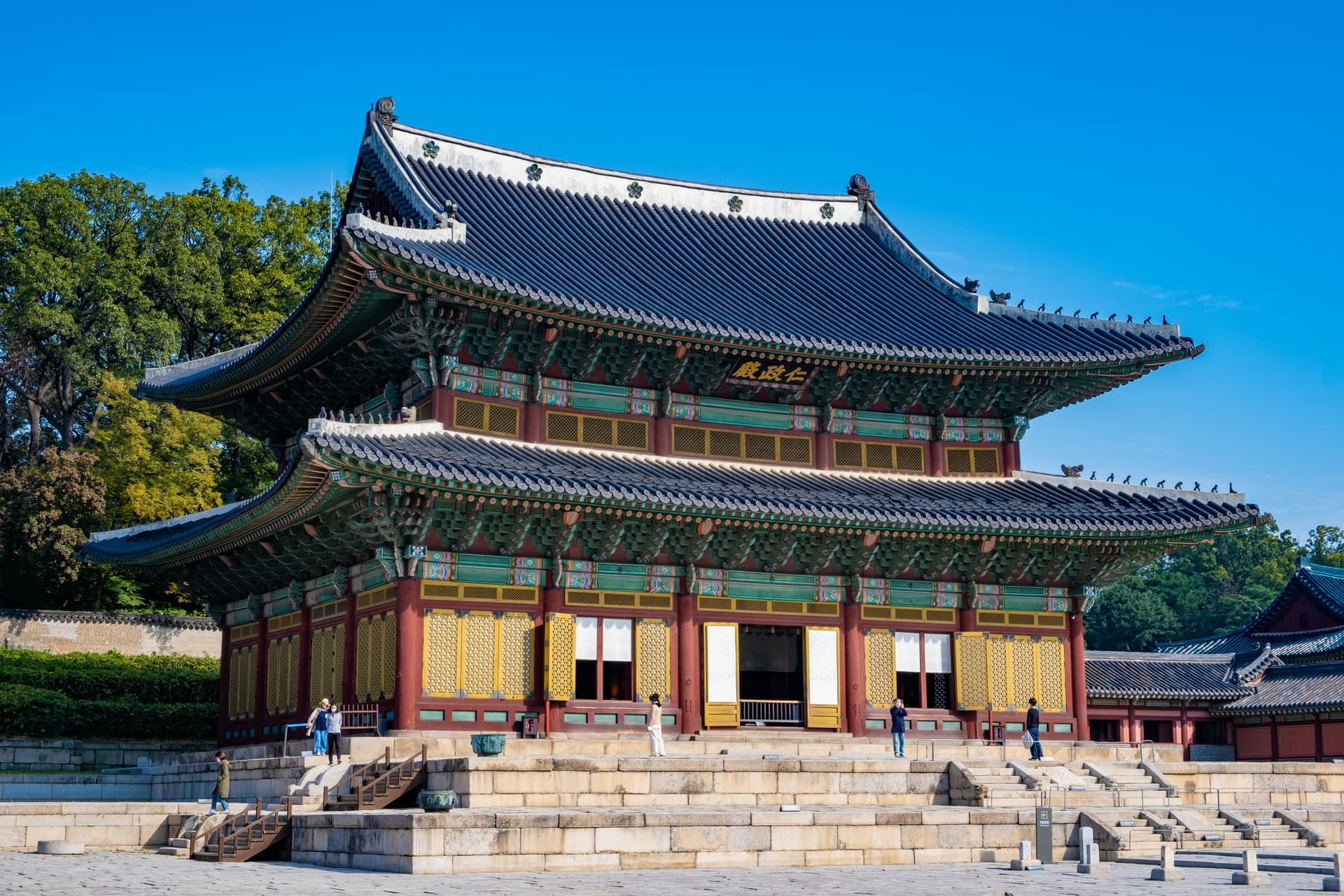
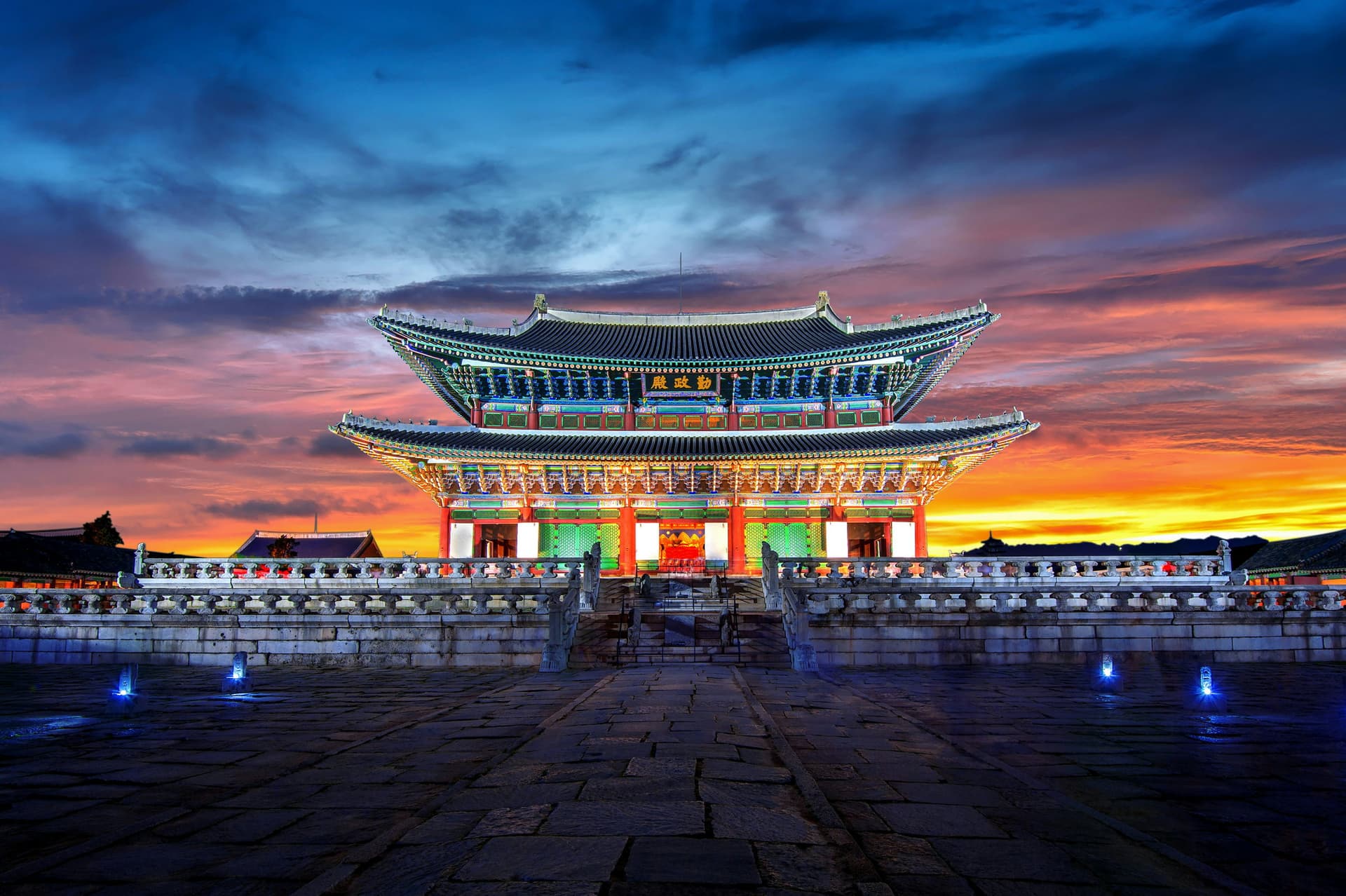
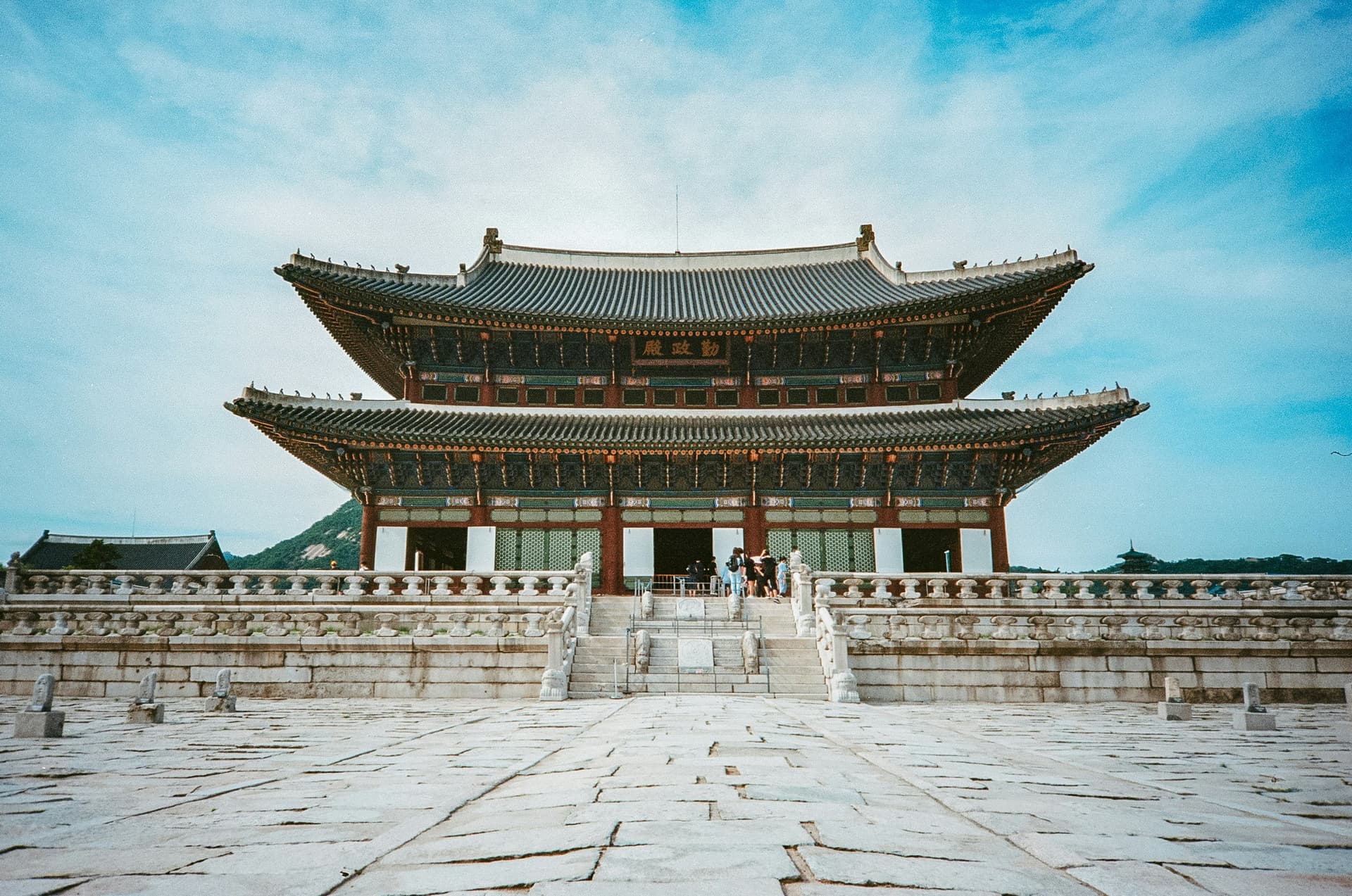
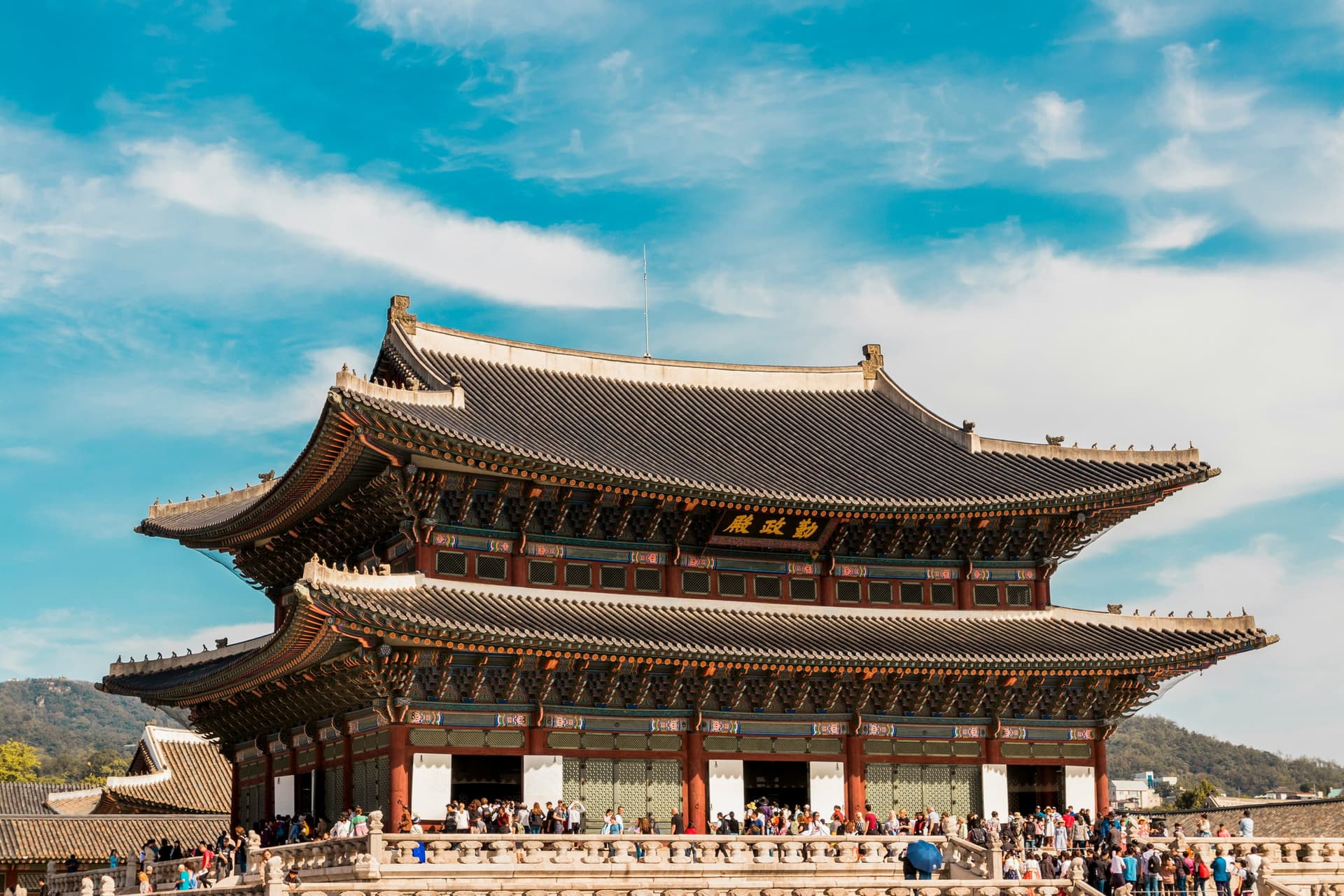
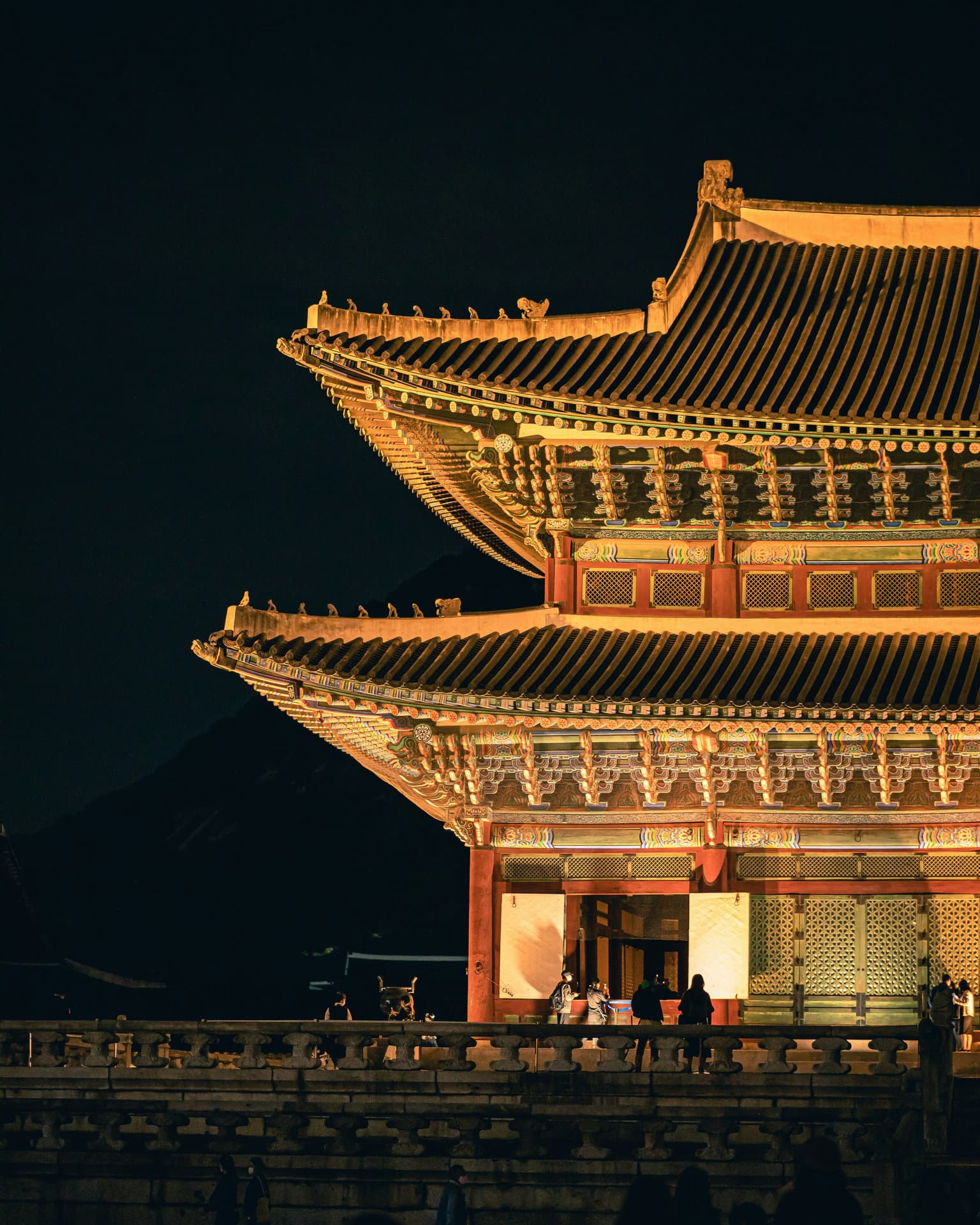
Begin your route at Gyeongbokgung Palace — the main and largest of Seoul's five royal palaces. The name translates to "Palace of Shining Happiness." It was built in 1395 as the main residence of the Joseon Dynasty, which ruled Korea for over 500 years.
The palace complex includes:
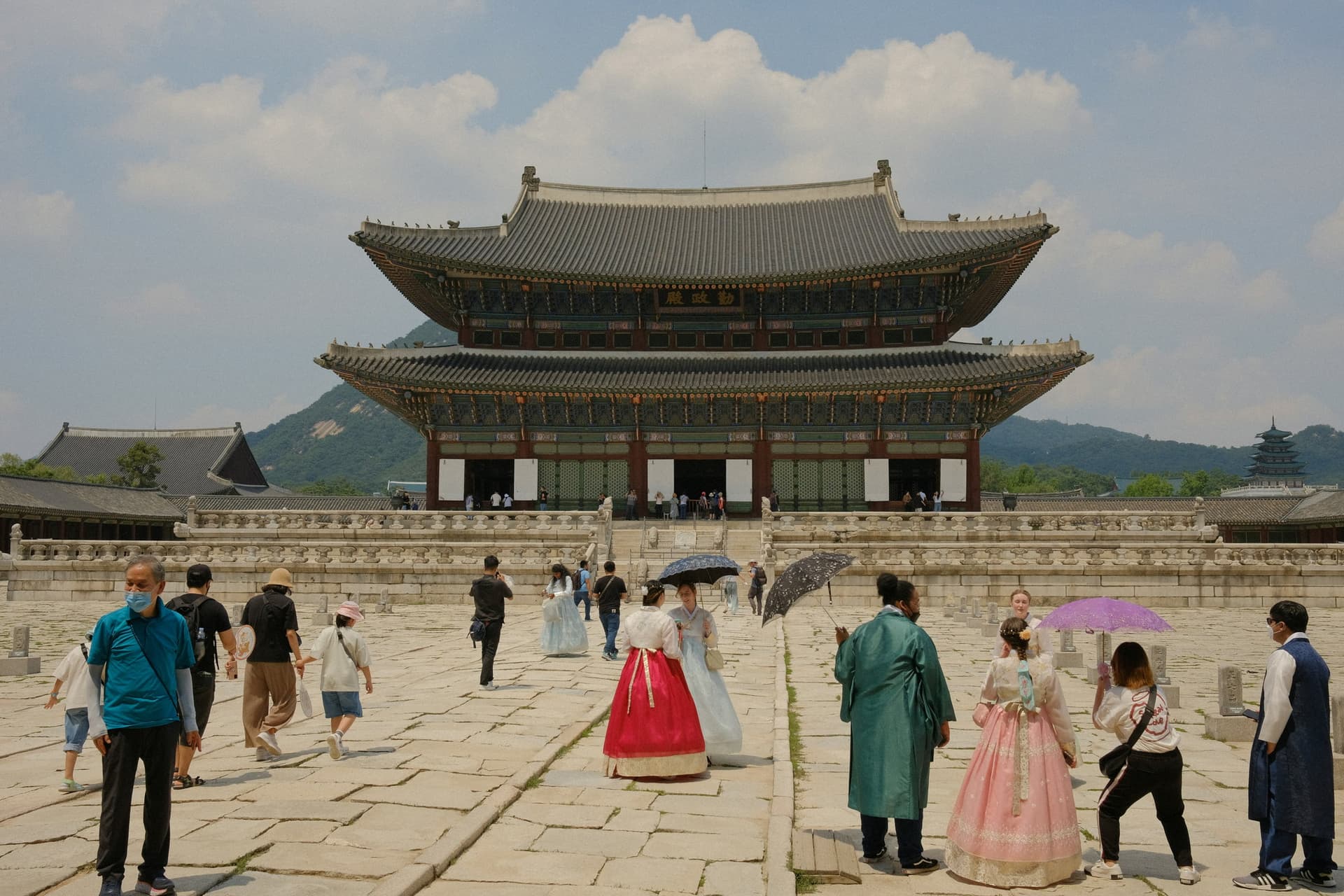
- Geunjeongjeon — the throne hall where coronations and ambassador receptions were held
- Gyeonghoeru — an elegant pavilion on an artificial lake for royal banquets
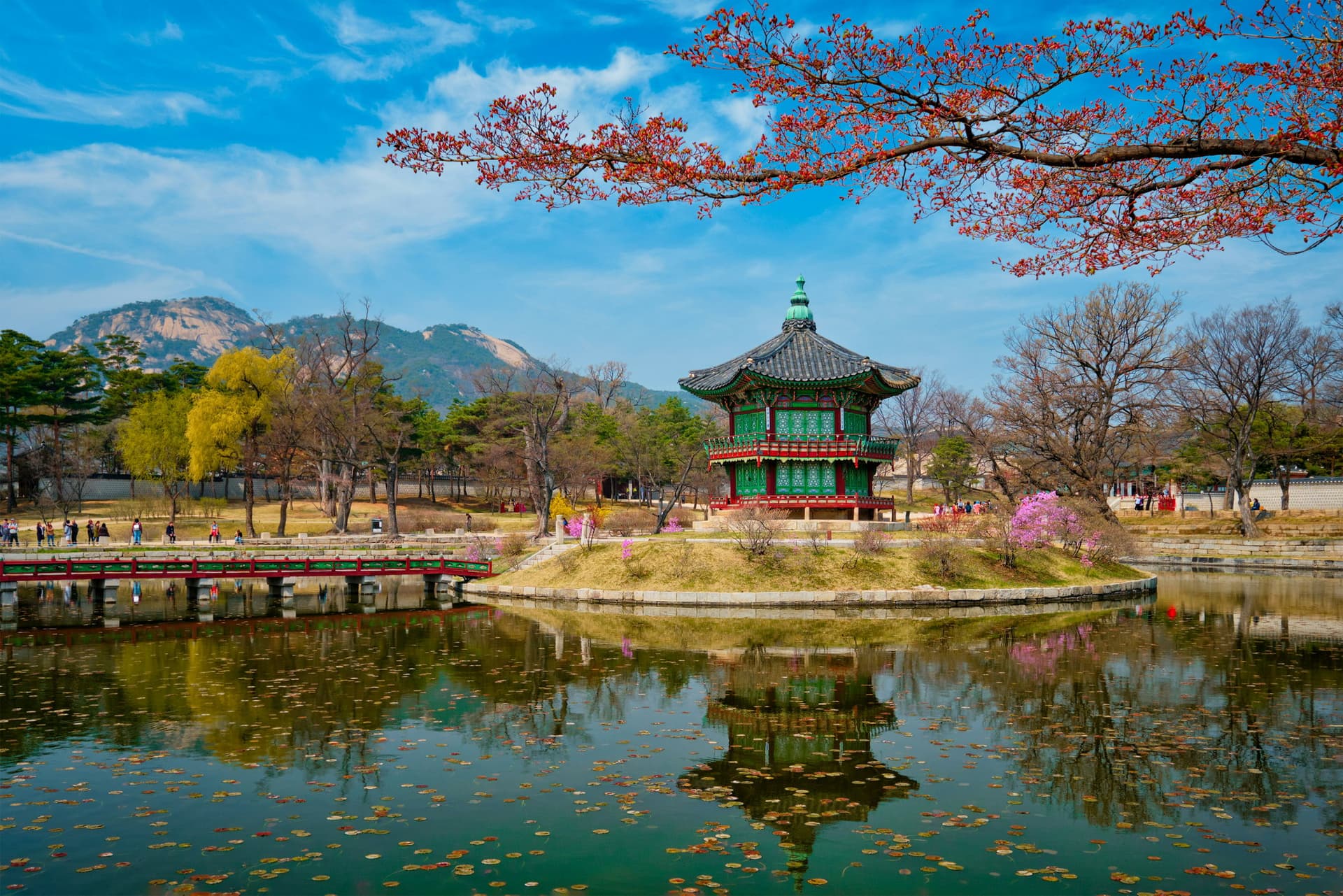
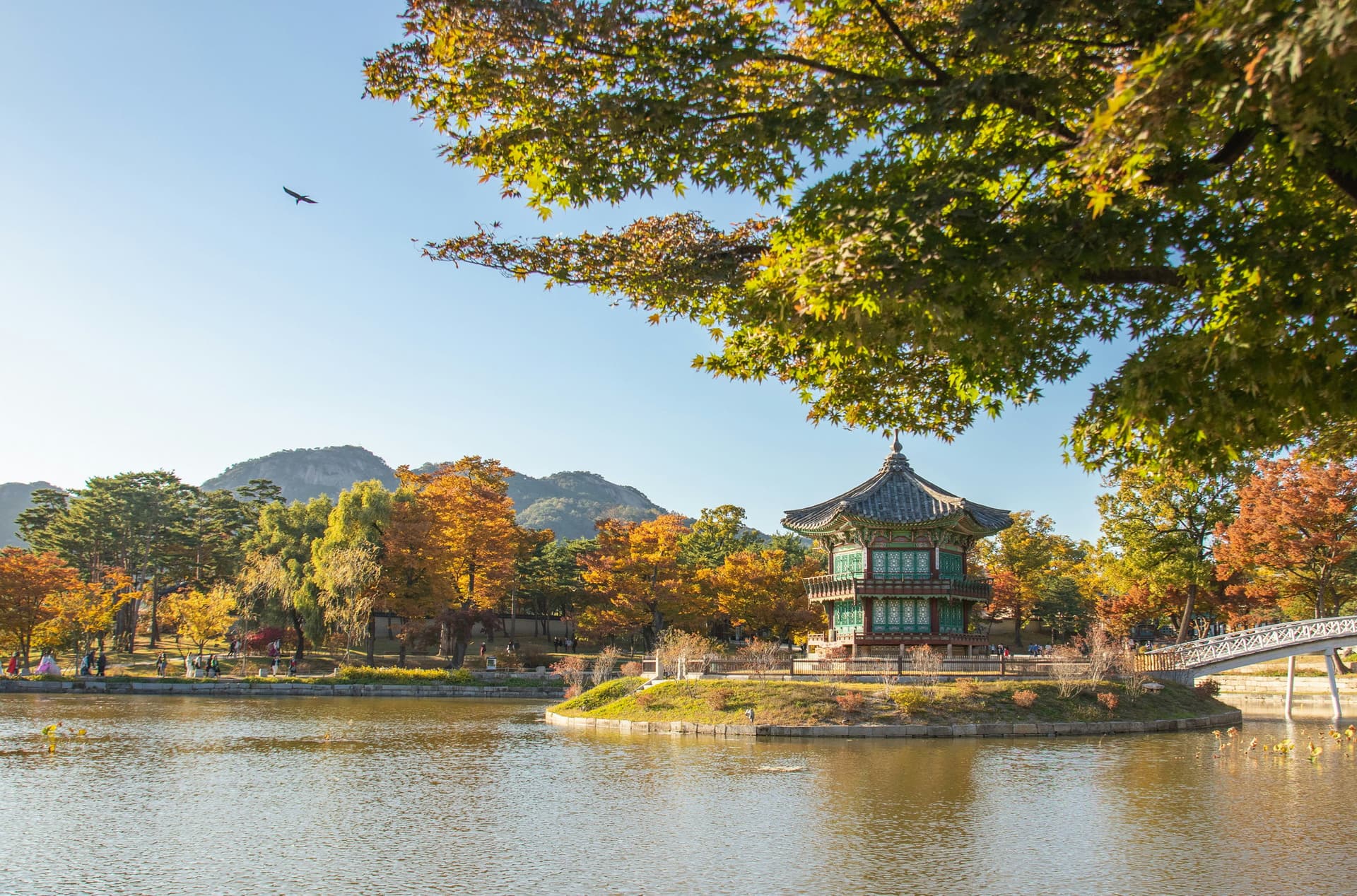
- Hyangwonjeong — a pavilion amid a lotus pond, one of Seoul's most photogenic spots
- National Folk Museum — free exhibition about traditional Korean life
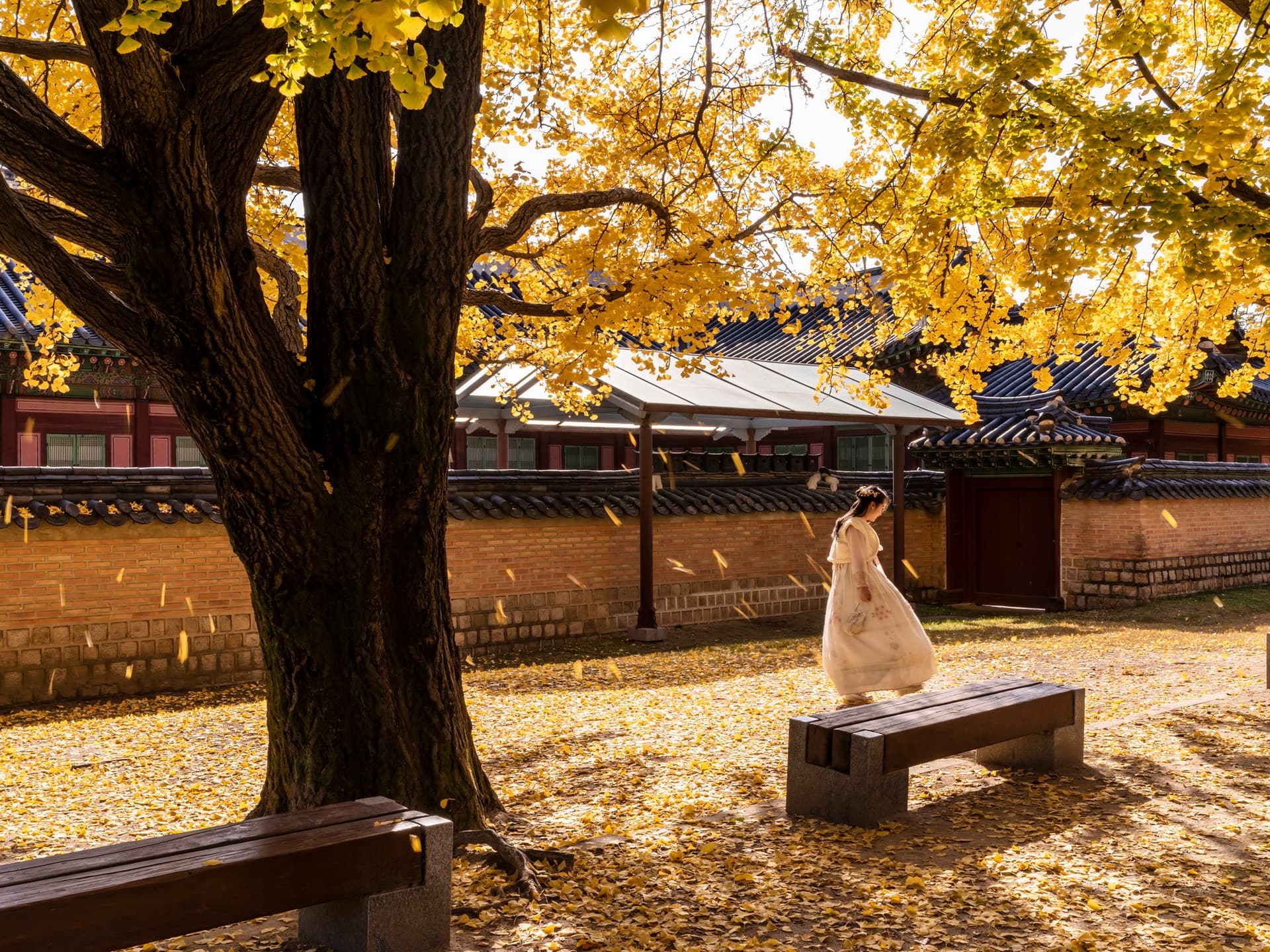
Life hack: rent a hanbok (traditional Korean costume) at one of the many rental shops near the palace. In a hanbok, admission to all royal palaces is free! Rental costs about $15-20 for several hours. Photos in hanbok against the palace backdrop make a perfect souvenir.
Be sure to watch the changing of the guard ceremony at the main Gwanghwamun Gate. Guards in historical costumes recreate a 500-year-old ritual. The ceremony takes place hourly from 10:00 to 15:00, except Tuesdays.
Bukchon Hanok Village
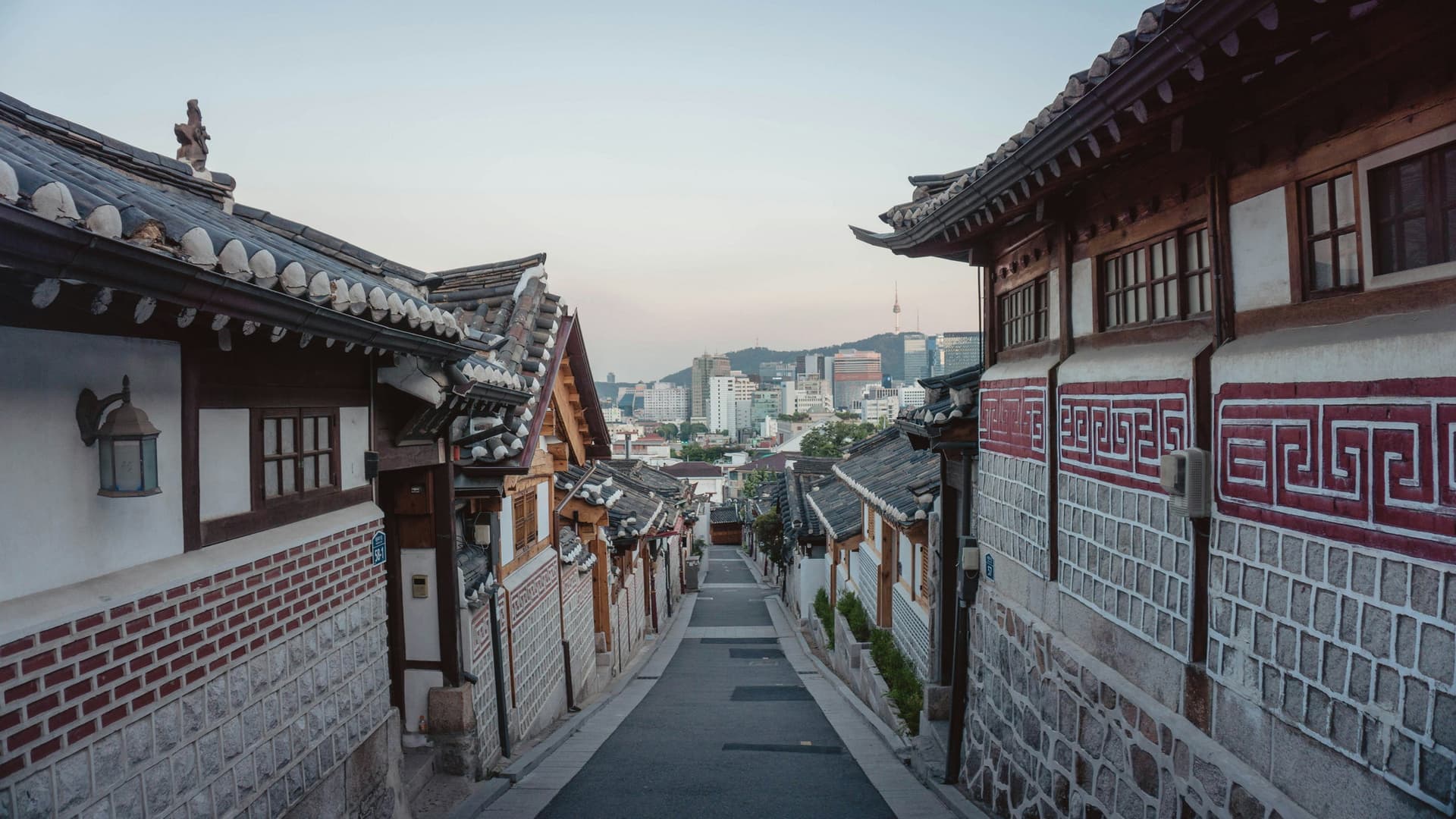
From the palace, climb up to Bukchon Hanok Village — a unique district where hundreds of traditional Korean houses (hanoks) are preserved. These homes with characteristic curved tile roofs were built for nobility and officials of the Joseon Dynasty.
The village is located on a hill between Gyeongbokgung and Changdeokgung palaces. From its narrow streets, you get stunning views of a sea of tile roofs against modern skyscrapers — this contrast has become a symbol of Seoul.
Important: Bukchon is not a museum but a living residential area. Be respectful to residents: don't be noisy, don't peek into windows, don't photograph people without permission. Signs indicate where photography is allowed.
Changdeokgung Palace and Secret Garden
Changdeokgung Palace is a gem of Korean architecture and a UNESCO World Heritage site. Unlike symmetrical Gyeongbokgung, it harmoniously blends into the natural landscape. Korean kings preferred to live here.
The palace's main treasure is Huwon, or Secret Garden. This is 78 acres of forest, ponds, pavilions, and royal gazebos where monarchs rested from state affairs. The garden is designed to look different in each season: cherry blossoms in spring, crimson maples in autumn.
Important: visiting the Secret Garden is only possible with a tour. English tours run several times daily, with limited spots. Book in advance on the official website!
Insadong Street
Insadong is the heart of Seoul's traditional arts and crafts. This pedestrian street with branching alleys is full of galleries, antique shops, tea houses, and souvenir stores.
Here you can find:
- Traditional Korean ceramics (celadon)
- Calligraphy and ink painting
- Hanboks (both souvenir and authentic)
- Korean tea and tea ceremony utensils
- Traditional sweets — tteok (rice cakes), hangwa (confections)
Stop by a tea house — the tea ceremony will help restore your energy and immerse you in old Korea's atmosphere.
Jogyesa Temple
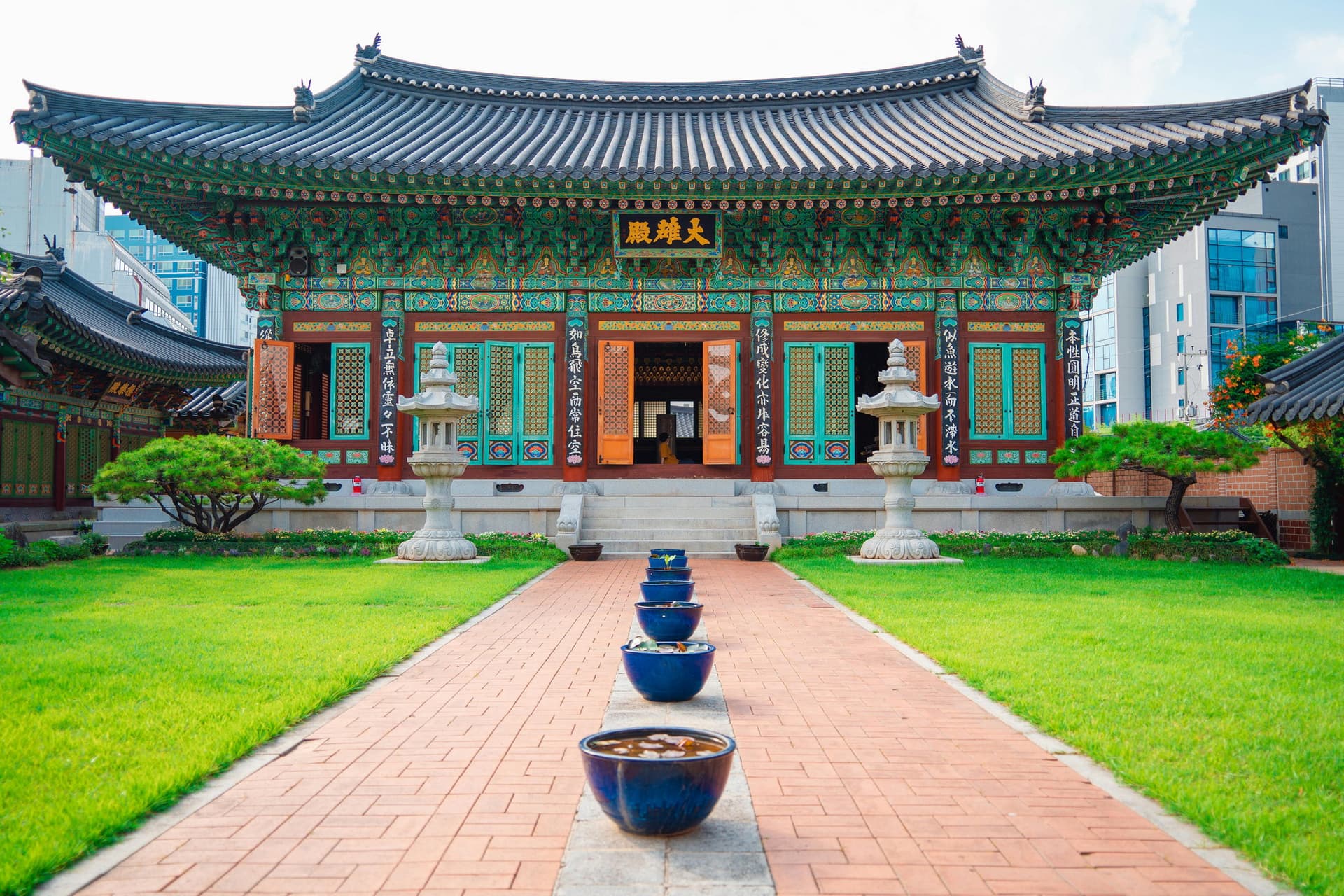
End your route at Jogyesa Temple — the main temple of Korean Buddhism, spiritual center of the Jogye Order uniting most of the country's Buddhists. The temple is in the city center, and the contrast between Seoul's bustle and the temple's serenity is striking.
On the grounds grows a 500-year-old white Japanese pagoda tree — a sacred tree. The main hall houses Buddha's relics. The temple is especially beautiful in May when thousands of colorful paper lanterns decorate it for Buddha's birthday celebration.
Practical Tips
Duration: 5-6 hours, with Secret Garden visit — 7-8 hours.
Best time: spring (cherry blossoms) or autumn (golden leaves). Summer is hot and humid, winter is cold.
Where to eat: traditional cuisine restaurants on Insadong. Try bibimbap (rice with vegetables and meat) or Korean BBQ.