Jeju Island
Jeju Island 2026: What to Know Before You Go
Jeju Island sits about 80 kilometers off the southern coast of the Korean Peninsula, and it feels like a different country. Koreans call it the Hawaii of Korea, but that comparison only scratches the surface. This volcanic island offers UNESCO World Heritage sites, some of Asia's best beaches, hiking trails through ancient lava tubes, and a food scene built around fresh seafood and legendary black pork. The best part? Visa-free entry for most nationalities makes it one of the easiest places in Asia to visit.
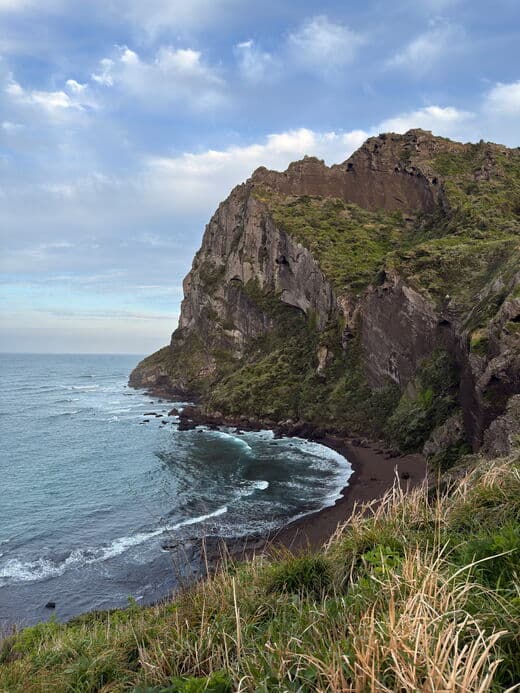
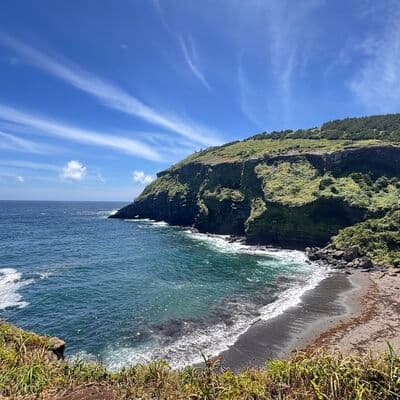
The island spans roughly 73 kilometers east to west and 41 kilometers north to south. Hallasan Mountain, a dormant volcano and South Korea's highest peak at 1,950 meters, dominates the center. Around its slopes, you will find everything from subtropical forests to wind-battered coastlines, orange groves, and traditional stone walls that have stood for centuries.
Quick facts for planning: Jeju has its own provincial government and operates somewhat independently from mainland Korea. Prices run about 10-20% higher than Seoul for accommodation and dining. The island attracts over 15 million visitors annually, with domestic Korean tourists making up the vast majority. This means most signage is in Korean first, English second, and sometimes not at all.
What makes Jeju worth the trip: Diverse landscapes in a compact area, excellent hiking, world-class seafood, unique volcanic geology, friendly locals, and that hard-to-define island pace that makes everything feel slower and more relaxed.
What might disappoint: Limited English outside tourist areas, tour bus crowds at major attractions between 10am and 4pm, unpredictable weather that can shift from sunny to sideways rain in minutes, and a car rental quasi-requirement if you want to see anything beyond the main towns.
Jeju Areas: Where to Stay
Jeju Island has five distinct areas worth considering for your base. Each has its own character, price range, and trade-offs. Choose based on your priorities: convenience, scenery, nightlife, or beach access.
Jeju City (North)
The capital and main hub, home to the airport and ferry terminal. This is where most visitors stay on their first night because flights often arrive late. Jeju City splits into two parts: the Old Town near Dongmun Market and the New Town area called Shin-Jeju with its cafes, restaurants, and shopping.
The vibe: Urban Korea transplanted to an island. Convenience stores on every corner, Korean BBQ joints, coffee shops, and actual nightlife. It feels more like a small Korean city than a tropical getaway.
Pros: Best restaurant selection on the island, easy airport access (15-20 minutes), reliable public transport, budget accommodation options, Dongmun Market for street food.
Cons: No beaches worth mentioning nearby, traffic congestion during rush hours, less scenic than other areas, can feel generic.
Price range: Budget guesthouses from $30-50/night, mid-range hotels $70-120, business hotels $100-180.
Best for: First or last night stays, travelers without cars, budget travelers, those who want urban amenities.
Seogwipo (South)
The second largest city, perched on cliffs overlooking the southern coast. Seogwipo offers a good middle ground between urban convenience and natural beauty. The climate here runs noticeably warmer than the north, and the coastline features dramatic cliffs, waterfalls, and walking paths.
The vibe: Relaxed seaside town with a hint of resort atmosphere. More retirees and long-stay visitors than Jeju City. The Olle walking trails pass right through town.
Pros: Walking distance to Jeongbang Waterfall, warmer weather, good restaurant scene, scenic harbor, central location for exploring both coasts.
Cons: Farther from the airport (60-75 minutes), fewer budget options, limited nightlife.
Price range: Guesthouses from $40-60, boutique hotels $80-150, resort hotels $150-300.
Best for: Nature lovers, hikers doing the Olle trails, couples seeking scenery over nightlife.
Jungmun Resort Complex (Southwest)
Korea's first integrated resort area, developed in the 1970s and continuously upgraded since. This is where you will find the big international hotel chains, the famous Jungmun Saekdal Beach, and manicured tourist attractions like Teddy Bear Museum and Ripley's Believe It or Not.
The vibe: Polished resort tourism. Shuttle buses, organized tours, hotel buffets, and families with children. It feels distinctly different from the rest of Jeju, almost artificially curated.
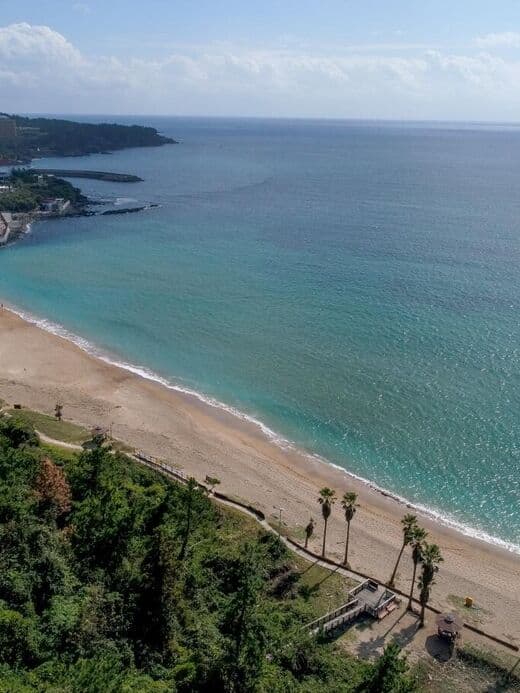
Pros: Best beach on the south coast, walking paths and botanical gardens, family-friendly infrastructure, luxury hotel options.
Cons: Expensive, touristy, isolated from authentic island life, requires a car or taxi to reach most attractions.
Price range: Mid-range resorts $120-200, luxury hotels $250-500+.
Best for: Families with children, luxury travelers, those wanting a contained resort experience.
Seongsan Area (East)
The eastern tip of Jeju, dominated by the iconic Seongsan Ilchulbong sunrise peak. This area feels more rural and authentic than the developed west coast. Small fishing villages, mandarin orange farms, and slower pace.
The vibe: Rural Jeju at its most authentic. Wake up to roosters, not traffic. The famous sunrise peak draws crowds at dawn, but by 9am the area returns to its sleepy self.
Pros: Best sunrise views on the island, ferry access to Udo Island, fewer crowds outside peak hours, authentic village atmosphere, reasonable prices.
Cons: Limited dining options, far from the airport (75-90 minutes), very quiet at night, requires a car.
Price range: Pensions and guesthouses $40-80, boutique hotels $80-140.
Best for: Early risers, photographers, travelers seeking authenticity over convenience.
Aewol and Hallim (Northwest)
The trendy coastal strip between Jeju City and the western beaches. Aewol has transformed over the past decade into Jeju's cafe and boutique hotel district. Glass-walled coffee shops overlooking the ocean, fusion restaurants, and design-forward accommodation.
The vibe: Instagram-ready Jeju. Young Korean couples come here specifically for the aesthetic cafes and ocean views. It can feel curated and somewhat artificial, but the scenery is genuinely stunning.
Pros: Close to Hyeopjae Beach and Hamdeok Beach, excellent cafe scene, sunset views, reasonable distance from airport (30-40 minutes).
Cons: Crowded on weekends, higher prices than comparable areas, some spots feel more about photos than substance.
Price range: Boutique pensions $60-100, design hotels $100-200, ocean-view suites $180-350.
Best for: Couples, coffee enthusiasts, beach lovers, those who want scenery with some urban amenities nearby.
Best Time to Visit Jeju
Jeju has a subtropical oceanic climate, which translates to: mild winters, humid summers, and rain that can appear without warning any month of the year. The island creates its own weather patterns thanks to Hallasan Mountain, so conditions on the north coast can differ dramatically from the south.
Peak Season: April to June
Spring on Jeju delivers the island at its most photogenic. Cherry blossoms arrive in late March to early April, followed by canola flower fields turning entire hillsides yellow through May. Temperatures hover around 15-22C (59-72F), humidity stays manageable, and the seas begin warming up for beach season. This is when Korean couples descend for wedding photos among the flowers.
The catch: Accommodation prices spike 30-50% above baseline, popular attractions get crowded, and you will need to book everything at least a month ahead.
Secret Season: September to November
Autumn brings comfortable temperatures, smaller crowds, and some of the clearest skies of the year. The summer humidity drops, making hiking Hallasan actually pleasant. September can still see occasional typhoons, but October and early November offer near-perfect conditions. Fall foliage on the mountain typically peaks in late October.
The catch: Beach swimming becomes marginal by late September, some seasonal attractions close, and evenings turn cool enough to need a jacket.
Summer: July to August
Peak domestic tourism season. Schools are out, families flood the beaches, and prices hit their annual maximum. Temperatures reach 28-33C (82-91F) with humidity that makes everything feel hotter. July brings the monsoon season, meaning sudden downpours and occasional typhoons. August sees the beaches packed shoulder-to-shoulder on weekends.
The reality: Unless you specifically want beach time and do not mind crowds, summer is the least optimal season. However, this is when the haenyeo (female free divers) are most active, and fresh seafood peaks.
Winter: December to February
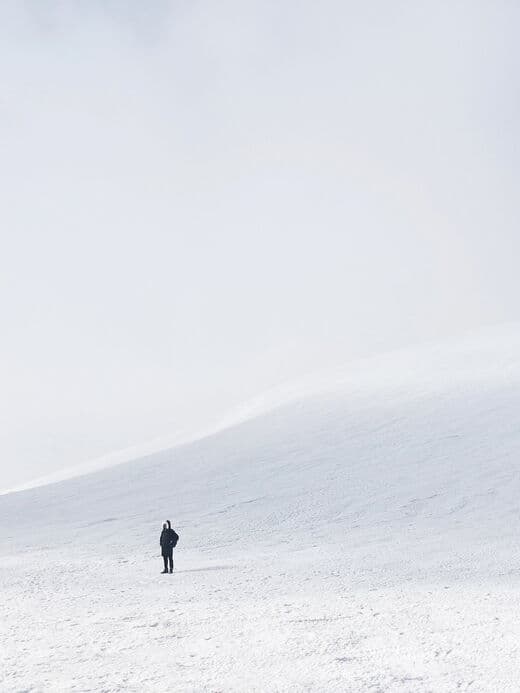
Jeju's mild winter surprises many visitors. Temperatures rarely drop below freezing at sea level (typically 3-8C / 37-46F), and snow is rare outside the mountain. The island feels almost deserted compared to peak seasons, with prices dropping accordingly. Hallasan often wears a snow cap, creating striking photographs.
The reality: Strong winds make the coast feel colder than the temperature suggests. Many outdoor attractions reduce hours, beaches are obviously off-limits for swimming, and some restaurants close for the season.
Festivals Worth Timing Around
Jeju Fire Festival (March): Oreum (volcanic cone) burning ceremonies that date back centuries, now combined with fireworks and performances.
Canola Flower Festival (April): Seogwipo area celebrates the yellow flowers that blanket the island.
Jeju Haenyeo Festival (September): Celebrates the legendary female divers with demonstrations and fresh seafood.
Jeju Itinerary: 3 to 7 Days
Jeju rewards slower exploration, but even three days allow you to experience its highlights. The following itineraries assume you have a rental car, which I strongly recommend. Without one, add 30-50% more time for bus connections and cut the number of stops per day.
Three Days: The Essential Circuit
Day 1: Eastern Jeju and Volcanic Wonders
Morning (7:00am start recommended): Head directly to Seongsan Ilchulbong for sunrise if you are up for the early start. The hike takes 25-30 minutes to the crater rim, and watching the sun emerge over the ocean makes the alarm clock worth it. Entry opens at 5:30am in summer, 6:30am in winter. Allow 2 hours total including the descent.
Mid-morning (9:30am): Drive 15 minutes to the ferry terminal for Udo Island. Ferries depart every 30 minutes, and the crossing takes 15 minutes. Rent an electric scooter or bike on the island (around $15-20 for half a day) and circle the island clockwise. Do not miss Seobinbaeksa beach with its white coral sand and the lighthouse viewpoint. Budget 3-4 hours total including ferry time.
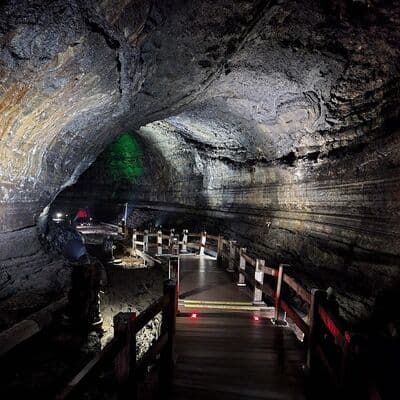
Afternoon (2:30pm): Return to Jeju and drive 40 minutes west to Manjanggul Cave, one of the world's longest lava tubes. The walking route covers about 1 kilometer of the 7.4-kilometer total length. The cave maintains a constant 11-21C (52-70F), so bring a light jacket. Last entry at 5:30pm most of the year.
Evening: Head to Jeju City for dinner at Dongmun Market. Try the fresh sashimi or grilled black pork at one of the market stalls. The night market section opens around 6pm.
Day 2: Southern Coast and Waterfalls
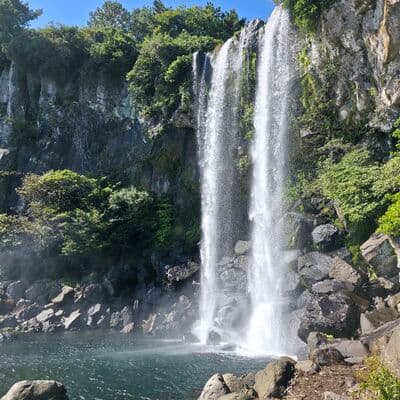
Morning (9:00am): Drive to Seogwipo via the scenic coastal road (Route 1132). First stop: Jeongbang Waterfall, one of the few waterfalls in Asia that drops directly into the ocean. The viewing platform takes about 30 minutes to explore. Entrance fee around 2,000 won ($1.50).
Late morning (10:30am): Walk 15 minutes along the coastal path to Cheonjiyeon Waterfall. This one drops into a gorge rather than the ocean, surrounded by subtropical vegetation. Combined with Jeongbang, you get two distinct waterfall experiences within an hour.
Lunch (12:00pm): Seogwipo Maeil Olle Market for local specialties. Try gogi-guksu (pork noodle soup) or haemul-jjim (steamed seafood). Budget 10,000-15,000 won ($7-11).
Afternoon (2:00pm): Drive 20 minutes west to Jungmun Saekdal Beach. Even if you do not swim, the dramatic basalt cliffs and turquoise water make for excellent photos. Walk the entire beach length (about 600 meters) and watch the waves crash against the rocks.
Late afternoon (4:30pm): Continue west to Jusangjeolli Cliff, where perfectly hexagonal basalt columns meet the sea. Best lighting for photos comes in late afternoon. Entry fee around 2,000 won.
Evening: Sunset dinner at one of the Jungmun-area restaurants overlooking the coast, or drive back to Seogwipo for more dining options.
Day 3: Western Beaches and Mountain Views
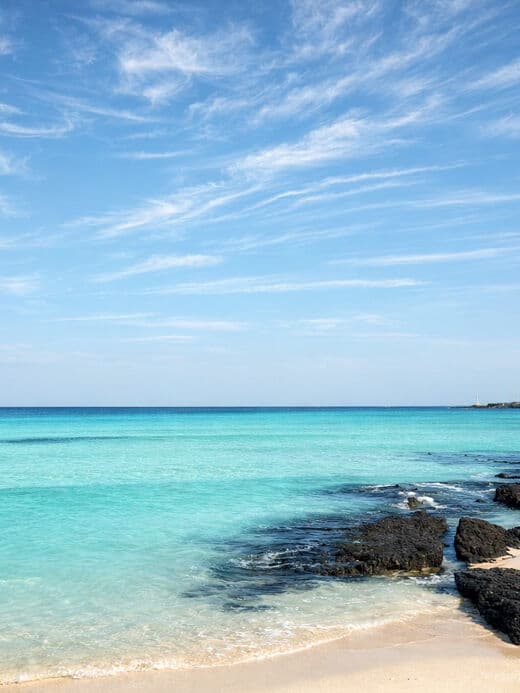
Morning (9:00am): Start at Hyeopjae Beach on the northwest coast. The water here turns an almost Caribbean shade of blue-green thanks to the white sand bottom. Even outside swimming season, the beach warrants an hour of walking and photography.
Mid-morning (10:30am): Drive 5 minutes to neighboring Geumneung Beach, slightly less crowded with equally stunning water. The two beaches are connected by a walking path if you prefer to leave the car.
Late morning (11:30am): Head inland 20 minutes to O'Sulloc Tea Museum, set among green tea fields with views toward Hallasan. The museum is free, the tea expensive but worth trying. Do not skip the green tea ice cream ($4-6).
Lunch (1:00pm): Aewol area for cafe-hopping and coastal views. Monsant Cafe (associated with Korean celebrity G-Dragon) draws crowds, but several neighboring cafes offer similar views with shorter waits.
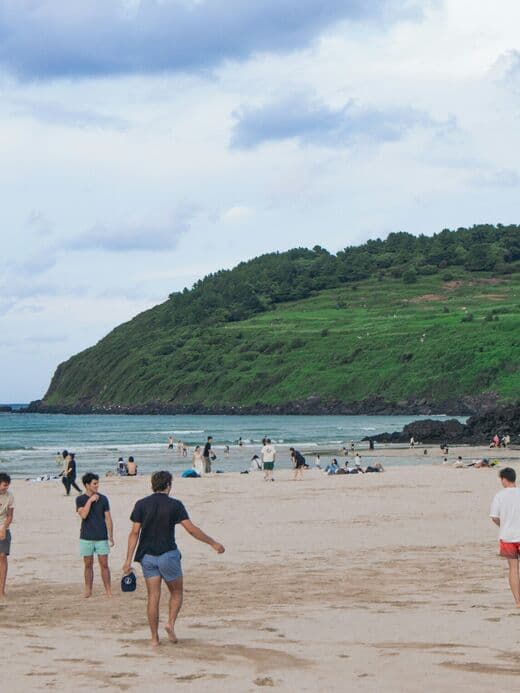
Afternoon (3:00pm): Drive east along the north coast to Hamdeok Beach, known for its shallow, calm waters and the distinctive Seoubong peak backdrop. This beach works for swimming well into October thanks to its protected cove.
Evening: Return to Jeju City for your final dinner. If you missed Dongmun Market earlier, tonight is your chance.
Five Days: Adding Depth
With two extra days, add these experiences:
Day 4: Hallasan Mountain
Dedicate a full day to hiking Hallasan Mountain. The Seongpanak trail (9.6km one way) or Gwaneumsa trail (8.7km) both reach the summit crater lake. Start by 6am to ensure you reach the top before the noon cutoff for summit entry. The round trip takes 8-10 hours depending on your pace. Pack layers, rain gear, and plenty of water and snacks. Even if you only do a partial hike, the alpine scenery rewards the effort.
Day 5: Eastern Undiscovered
Explore the less-visited east coast. Woljeongri Beach offers white sand and a strip of cafes perfect for a lazy morning. Drive south to Seongeup Folk Village, a preserved traditional village with stone walls and thatched roofs, free to enter. End at Jeju Folk Village Museum for a more curated look at traditional life (entry around 11,000 won).
Seven Days: The Complete Experience
Day 6: Markets and Museums
Return to Jeju City for cultural experiences. Morning at Dongmun Market with time to actually shop and eat (not just pass through). Visit the Jeju National Museum (free) for the island's history. Afternoon at Jeju Loveland if you want something completely different, an outdoor sculpture park dedicated to eroticism that exists nowhere else in conservative Korea. Adults only, genuinely funny, and worth the entry fee of around 12,000 won.
Day 7: Slow Exploration
Revisit your favorite spots from earlier in the trip, or choose from what you missed. Recommendations: the Olle Trail segments around Seogwipo (coastal walking paths), Sanbangsan Mountain temple, or a second morning at Udo Island to explore areas you rushed past.
Where to Eat in Jeju
Jeju's food scene centers on two things: pork (specifically black pork) and seafood. The island also produces some of Korea's best mandarin oranges, green tea, and a variety of crops that never make it to the mainland. Here is where to find the best of it.
Markets: Where Locals Actually Eat
Dongmun Traditional Market (Jeju City): The island's largest market, operating since 1945. Come hungry. The night market section (opens around 6pm) offers the greatest variety: grilled seafood skewers (2,000-5,000 won), fresh sashimi sets (15,000-25,000 won), black pork dumplings (3,000 won), and citrus juice. Daytime stalls sell dried fish, local honey, and produce. Do not miss Hallabong oranges in season (November-March), unlike any citrus you have tasted.
Seogwipo Maeil Olle Market: Smaller and more tourist-oriented than Dongmun, but excellent for lunch during southern coast exploration. The prepared food stalls offer complete meals for 8,000-12,000 won. The fresh seafood vendors will grill your selection on the spot.
Local Restaurants Worth Finding
Donsadon (Jeju City): The most famous black pork restaurant on the island. Expect a 30-60 minute wait without a reservation. The meat comes thick-cut and grilled at your table. Budget 25,000-35,000 won per person including sides. Worth it once.
Myeongjin Jeonbok (Seogwipo area): Abalone specialists near Jungmun. The jeonbok-juk (abalone porridge) is the signature, but the grilled whole abalone changes your understanding of what this shellfish can be. Budget 15,000-40,000 won depending on what you order.
Olle Guksu (Seogwipo): Gogi-guksu (pork noodle soup) as simple perfection. Broth simmered for hours, fresh noodles, generous pork. A complete meal for 8,000 won. No English menu, but everyone orders the same thing.
Haesin (Seongsan area): Haenyeo-run restaurant serving whatever the divers brought up that day. The catch varies, but everything is hours-fresh. Haemul-tang (seafood stew) for 50,000-70,000 won feeds two people generously.
Cafes: Jeju's Other Obsession
Koreans have turned cafe culture into an art form, and Jeju takes it further than anywhere else. The northwest coast between Aewol and Hallim contains the highest concentration:
Cafe Delmoondo (Aewol): Glass walls overlooking the ocean, excellent pour-over coffee, and reasonable crowds on weekdays. Coffee runs 6,000-8,000 won, pastries extra.
Anthracite Jeju (Hangyeong): Industrial aesthetic in a converted building with ocean views. Known for single-origin beans and the roasting happens on-site. More serious coffee culture, less Instagram posing.
Bomnal (various locations): Local chain specializing in citrus-based drinks and desserts. The Hallabong ade and tangerine cake use fruit actually grown on the island.
Tip: Most Jeju cafes charge a premium for the views. Budget 7,000-12,000 won for a drink and expect to pay extra for desserts. The experience is part of Jeju's appeal, but set your expectations for pricing accordingly.
Must-Try Jeju Food
Jeju Island developed its culinary traditions in relative isolation, resulting in dishes you will not find prepared the same way on the mainland. Here are the essentials:
Heuk-dwaeji (Black Pork)
Jeju's black pigs are a different breed entirely from mainland Korean pork, smaller and raised outdoors in the island's conditions. The meat has more fat marbling, a deeper flavor, and a texture that reminds some of Iberico pork. You will find it at nearly every Korean BBQ restaurant, but quality varies enormously.
How to eat it: Thick-cut belly (samgyeopsal) or shoulder meat (moksal), grilled at your table, wrapped in lettuce with garlic, chili paste, and fermented shrimp. Prices range from 18,000-35,000 won per 200g serving depending on the restaurant.
Where: Donsadon and Nuwemaru in Jeju City, or any restaurant with black pig imagery that is packed with Koreans.
Gogi-guksu
Literally pork noodle soup, this Jeju specialty involves wheat noodles in a milky pork bone broth, topped with sliced boiled pork. Simple, warming, and somehow exactly right after a morning of hiking or beach time. Unlike mainland versions, Jeju's gogi-guksu uses local pork that gives the broth a distinctive richness.
Price: 8,000-10,000 won for a large bowl.
Where: Olle Guksu in Seogwipo, or any local restaurant with noodles in the name.
Jeonbok-juk (Abalone Porridge)
Jeju's waters produce some of Korea's finest abalone, and the classic preparation is this rice porridge. The abalone is chopped and cooked into the porridge, releasing its brininess into every spoonful. The color comes out slightly green from the abalone liver, which adds depth rather than fishiness.
Price: 12,000-18,000 won per bowl.
Where: Any restaurant with jeonbok in the name around Seongsan or the northeast coast. The haenyeo (diving women) often sell directly to these restaurants.
Haemul-tang (Seafood Stew)
A bubbling pot of whatever came out of the water that day: crab, shrimp, clams, octopus, fish, and whatever else the cook decided to add. Each restaurant has its own variation. The broth ranges from clear and mild to spicy and red. Order it for two people minimum; it is meant for sharing.
Price: 40,000-80,000 won depending on contents and size.
Where: Seongsan fishing village, Seogwipo harbor area, or any restaurant where you see tanks of live seafood outside.
Jeonbok-hoe (Raw Abalone)
For those comfortable with raw seafood, sliced fresh abalone sashimi showcases the ingredient in its purest form. The texture is firm and slightly chewy, the flavor clean and oceanic. Often served with a sesame oil and salt dipping sauce.
Price: 25,000-45,000 won per serving.
Hallabong and Local Citrus
Jeju grows unique citrus varieties you cannot find elsewhere. Hallabong (a large, bumpy-topped variety) is the most famous, available November through March. The flavor is sweeter and more complex than any orange. You will also find cheonhyehyang, yellow citrus with an intense aroma, and various hybrid varieties at markets.
Price: 3,000-10,000 won per kilogram at markets depending on variety and season.
Jeju Insider Tips
Twelve practical tips that separate confused tourists from travelers who look like they know what they are doing:
1. Rent a car. Seriously. Public buses exist and technically reach most attractions, but schedules run infrequently and routes take indirect paths. A compact car costs 35,000-50,000 won per day ($25-40) and transforms the island from difficult to effortless. International driver's license required. Book at least a week ahead during peak season.
2. Download Naver Maps before Kakao Maps. Google Maps works poorly in Korea. Naver Maps provides accurate navigation, real-time traffic, and transit info. The interface is in Korean, but search works in English. Kakao Maps is the backup. Download offline maps for both before leaving your hotel wifi.
3. Start your days early. Most major attractions fill with tour buses between 10am and 3pm. Arriving at Seongsan Ilchulbong at 7am instead of 10am means hiking in relative peace versus shuffling behind tour groups.
4. Watch the weather radar, not the forecast. Jeju weather forecasts are notoriously unreliable. The island creates its own microclimate systems. Use Naver's weather radar to see actual rain approaching rather than trusting the daily prediction.
5. Cash still matters. Larger restaurants and attractions accept cards, but market stalls, smaller restaurants, and parking machines often require cash. Keep 100,000 won ($70) on hand at all times. ATMs at convenience stores (CU, GS25, 7-Eleven) accept foreign cards with varying reliability.
6. The haenyeo dive year-round. Want to see the famous female divers in action? They work almost every day the weather allows, usually mid-morning. Ask at any coastal restaurant where to find them, or head to Udo Island where they are most visible. Some give demonstrations for tourists; others prefer not to be photographed while working.
7. Book Hallasan permits in advance. Summit access requires a free permit, available online through the Hallasan National Park website. They limit daily numbers, and peak season permits sell out days ahead. Even if you do not summit, register for trail access.
8. Learn these Korean phrases. Yeogi-yo (here, to get attention), gamsahamnida (thank you), eolma-yeyo (how much), and the numbers for ordering. Most tourist areas manage with English, but anywhere authentic operates in Korean only.
9. Tipping does not exist. Do not tip at restaurants, cafes, or taxis. It confuses staff and some may try to return the money thinking you made a mistake.
10. Convenience stores solve problems. GS25, CU, 7-Eleven, and Emart24 are everywhere. They sell SIM cards (unreliable for tourists), umbrellas, basic medications, ready meals, and can recharge your T-money transit card. The ramyeon stations with hot water are legitimate late-night dining.
11. Seongsan sunrise is not always visible. The famous sunrise from Ilchulbong requires clear eastern skies, which happens perhaps 60% of mornings. Check the weather radar the night before. If clouds block the sunrise, the hike itself remains worthwhile for the crater views.
12. Respect the stone walls. The basalt stone walls (doldam) crisscrossing the island are protected cultural heritage. Do not climb on them, remove stones, or use them as background props in ways that cause damage. Some are centuries old.
Transport and Connectivity
Getting to Jeju
By air: Jeju International Airport (CJU) handles over 30 million passengers annually, making it one of Asia's busiest. Domestic flights from Seoul Gimpo run every 15-30 minutes, taking about an hour. International flights connect to major Asian cities including Tokyo, Shanghai, Taipei, and Hong Kong. Budget carriers (Jeju Air, Jin Air, T'way) offer the cheapest fares, often under $100 round-trip from Seoul if booked early.
By ferry: Ferries from Mokpo or Wando take 4-5 hours but offer a different perspective. Useful if traveling with a vehicle or enjoying the journey itself. Departure times vary seasonally.
Getting Around Jeju
Rental cars: The most practical option. Rental counters cluster at the airport, with shuttles to nearby lots. Major companies include Lotte, SK, and local operators. Prices run 35,000-80,000 won daily ($25-60) depending on vehicle size. Compact cars suffice for most travelers. Driving is straightforward: good roads, clear signage in Korean and English, and light traffic outside Jeju City. Fill up before heading to rural areas; gas stations thin out on the east coast.
Buses: Jeju operates an extensive bus network with three types: express (blue, major routes), trunk (red, connecting routes), and village (green, local). The 281 and 182 lines are most useful for tourists, connecting the airport to Seogwipo via different routes. Fares run 1,200-3,000 won depending on distance. The T-money card works for payment. Realistically, bus travel adds 50-100% to journey times compared to driving and limits daily itinerary flexibility.
Taxis: Readily available in Jeju City and Seogwipo, harder to find elsewhere. Standard taxis are black with orange roofs. Base fare starts around 3,800 won. A cross-island trip (Jeju City to Seongsan) costs approximately 45,000-55,000 won. Kakao T app allows booking in English but requires a Korean phone number. Ask your hotel to book if needed.
Bicycles and scooters: Electric bike and scooter rentals exist in tourist areas, but the island's hills and distances make them impractical for full-day touring. Useful for Udo Island exploration (flat terrain) or cafe-hopping in Aewol.
Staying Connected
eSIM: The easiest option for most travelers. Purchase online before arrival (Airalo, Holafly, KT Roaming) and activate on landing. Data-only eSIMs run $15-30 for one to two weeks of unlimited data. Check your phone supports eSIM before purchasing.
Physical SIM: Available at the airport from SKT, KT, and LGU+ counters. Tourist SIMs include data and calling. Prices start around 30,000 won for 5 days. Bring your passport. Not all phone models work with Korean networks; verify compatibility before purchase.
Pocket WiFi: Rental WiFi devices available at the airport. Useful for groups or those with incompatible phones. Reserve online for airport pickup. Costs run similar to SIM cards.
WiFi availability: Hotels, cafes, and most restaurants offer free WiFi. Coverage in rural areas and beaches is predictably sparse. Download offline maps and save key information before venturing far from urban areas.
Essential Apps
Naver Maps: Navigation and transit directions. Works better than Google Maps in Korea.
Kakao Maps: Backup navigation app.
Kakao T: Taxi booking. Requires Korean phone number for full functionality.
Papago: Naver's translation app. Better for Korean-English than Google Translate.
Coupang: Korean Amazon equivalent. Useful for last-minute gear delivery to your hotel.
Who Jeju Is For: Summary
Jeju is ideal for: Nature lovers seeking diverse landscapes in one destination, hikers wanting a multi-day challenge with Hallasan, couples looking for scenic drives and cafe culture, food travelers interested in seafood and Korean BBQ, photographers chasing volcanic geology and coastal drama, and anyone wanting an easy introduction to Korea outside the mainland cities.
Jeju may disappoint: Budget backpackers expecting Southeast Asia prices, travelers uncomfortable without reliable English, party seekers looking for nightlife, those without flexibility to rent a car, visitors expecting tropical beach weather outside of summer, and anyone who dislikes crowds at major attractions.
Recommended duration: Three days for highlights only, five days for a comfortable pace with hiking, seven days to explore thoroughly without rushing. Longer stays suit hikers completing the Olle Trail segments or those wanting to simply slow down to island time.
The bottom line: Jeju Island rewards travelers willing to rent a car, wake up early, and venture beyond the tour bus circuit. It offers natural beauty that rivals more famous destinations at a fraction of the travel complexity. Come with realistic expectations about weather, crowds, and language barriers, and you will find an island unlike anywhere else in Asia.