Seoul
Seoul 2026: What You Need to Know Before You Go
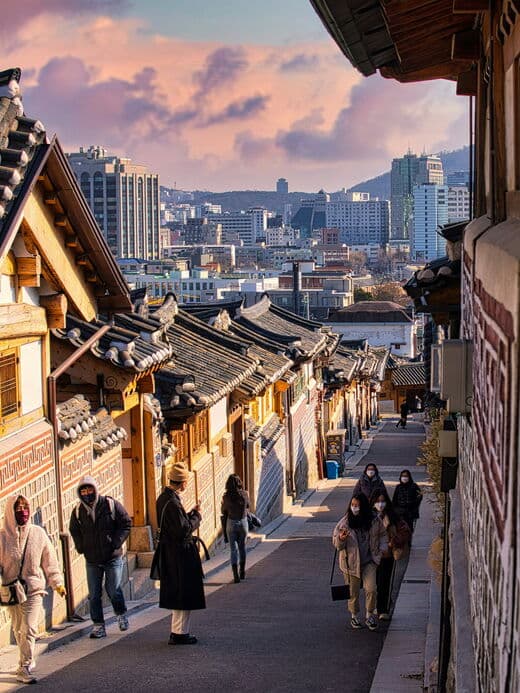
Seoul is a city that defies easy categorization. Ancient palaces stand in the shadow of glass towers, Buddhist monks share subway cars with K-pop idols, and street food stalls selling century-old recipes operate next to robot-staffed cafes. This is not a city of contradictions but rather a place where everything coexists with remarkable ease. After spending considerable time exploring this sprawling metropolis of nearly 10 million people, I can tell you that Seoul rewards the curious traveler unlike anywhere else in Asia.
What strikes most first-time visitors is how accessible Seoul feels despite its size. The metro system is arguably the best in the world, English signage is everywhere that matters, and the crime rate is so low that you will see expensive phones left unattended at cafe tables. Yet beneath this polished surface lies a depth that takes months to fully appreciate: hidden speakeasies in Itaewon basements, shamanic rituals still performed in mountain temples, and neighborhoods where elderly merchants sell fermented delicacies using techniques unchanged for generations.
Seoul operates on a different rhythm than other major cities. Things happen late here. Dinner at 9 PM is normal, clubs open at midnight and peak at 3 AM, and you will find yourself eating fried chicken at 4 AM wondering how the night disappeared. The city accommodates this with 24-hour everything: convenience stores on every block, saunas that serve as de facto hotels, and public transport that runs until the early hours.
Seoul Neighborhoods: Finding Your Base
Choosing where to stay in Seoul dramatically shapes your experience. The city spans an area larger than New York City, and while the metro connects everything, your neighborhood determines the Seoul you will know best.
Myeongdong: Tourist Central
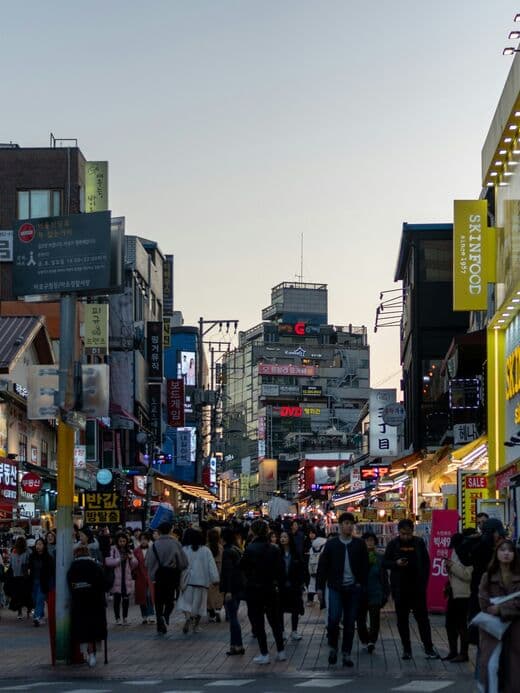
Myeongdong is where most first-timers land, and for good reason. This shopping district in central Seoul offers the highest concentration of hotels, skincare shops, and tourist services anywhere in the city. Budget hotels start around $60-80 per night, while international chains run $150-250. The advantages are clear: walking distance to Gyeongbokgung Palace, N Seoul Tower, and major shopping areas. The downside is equally obvious: Myeongdong feels like a Korean-themed tourist attraction rather than real Seoul. Street vendors sell identical cosmetics, crowds never thin, and restaurants have picture menus designed for foreigners. Stay here if convenience matters most, but know you are trading authenticity for accessibility.
Hongdae: Youth and Energy
Hongdae pulses with the energy of Seoul's university crowd. Named after nearby Hongik University, this neighborhood is ground zero for indie music, street art, and nightlife that runs until dawn. Guesthouses and boutique hotels range from $40-100, significantly cheaper than Myeongdong. The area explodes on weekends with buskers, club promoters, and crowds spilling from venues. By day, the same streets host vintage shops, record stores, and cafes where aspiring musicians practice. Hongdae works best for travelers under 35 who prioritize nightlife and do not mind noise. The constant energy that makes it exciting also makes it exhausting if you want quiet evenings.
Insadong: Traditional Seoul
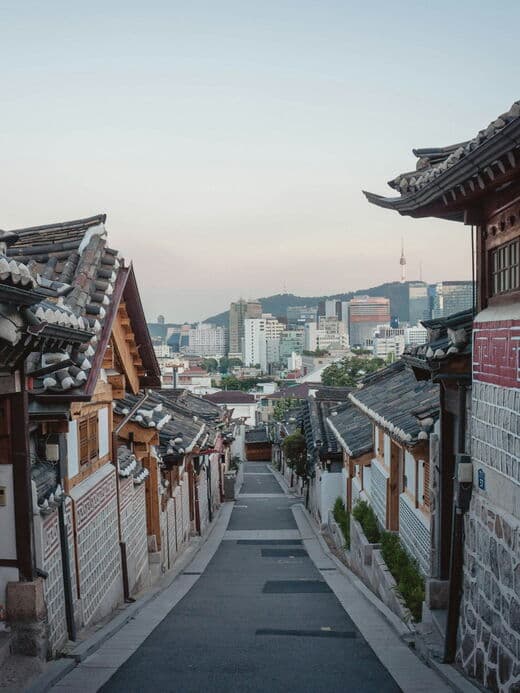
Insadong represents old Seoul's artistic soul. Traditional tea houses, antique shops, and galleries offer the most concentrated glimpse of Korean culture. Hotels tend toward boutique hanok stays ranging $100-200. Walking through Insadong at dusk, with temple incense drifting from Jogyesa Temple, provides moments that feel genuinely Korean.
Gangnam: Modern Seoul
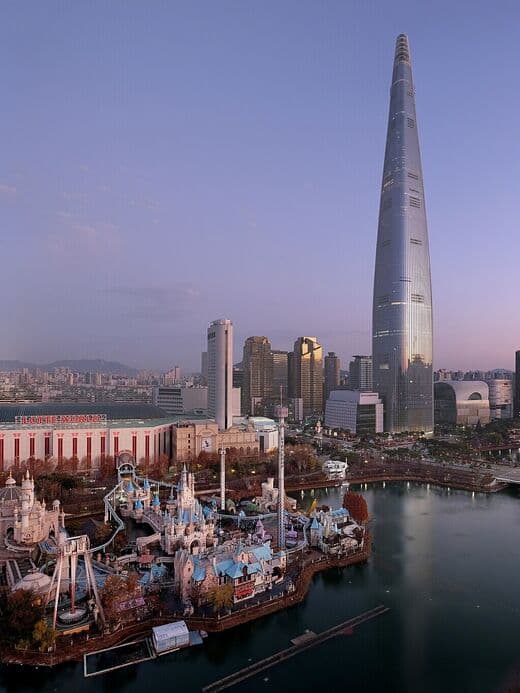
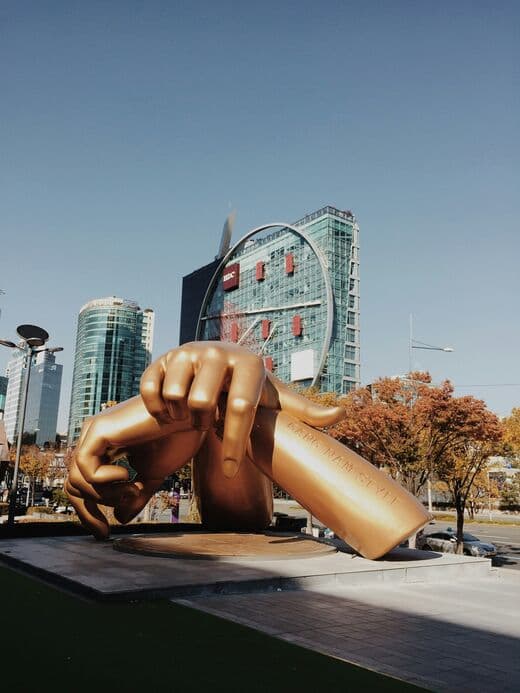
Gangnam represents Seoul's wealthy, modern face. Hotels start around $120 for business-class and climb past $400 for luxury. Excellent shopping at COEX Mall, proximity to Bongeunsa Temple and Lotte World. However, the neighborhood lacks walkable charm and feels designed for cars.
Itaewon and Seongsu-dong
Itaewon has transformed into Seoul's most international neighborhood with Western restaurants, diverse nightlife, and halal food options. Budget accommodations run $50-80. Seongsu-dong is where young creative Koreans spend weekends. This former industrial area has become Seoul's Brooklyn: converted warehouses housing cafes, galleries, and concept stores. Boutique options around $80-120.
Best Time to Visit Seoul
Seoul experiences four distinct seasons, and choosing when to visit significantly impacts your experience.
April and May represent peak season for good reason. Cherry blossoms transform the city in early April, stunning along Yeouido Hangang Park. Temperatures hover around 60-70F (15-21C), perfect for walking. Hotels cost 20-30% more, palace crowds peak. Book accommodations at least a month ahead.
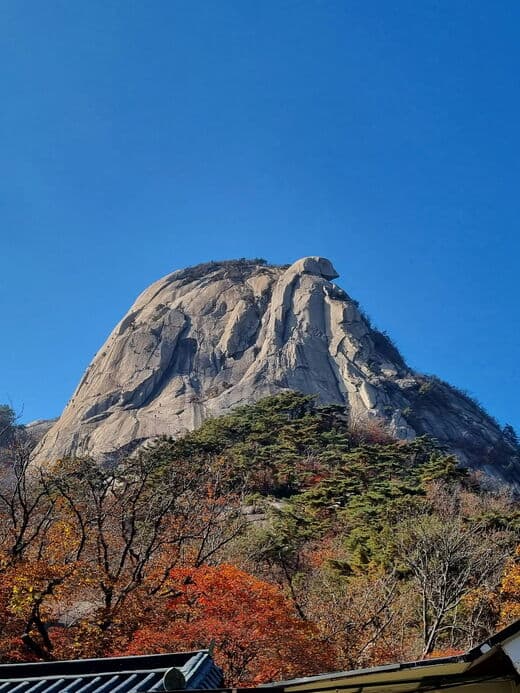
September and October rival spring as the best time. Autumn colors paint the mountains, particularly at Bukhansan National Park. Temperatures feel comfortable at 55-70F (13-21C). Chuseok, Korean Thanksgiving, empties Seoul as residents visit ancestral homes, creating uncrowded palaces.
June through August brings monsoon season. Heavy rainfall, high humidity, temperatures reaching 90F (32C). Focus on indoor attractions: museums, shopping centers, restaurants. Prices drop significantly.
November through February brings genuine cold. January temperatures drop below 20F (-7C). Winter offers advantages: lowest prices, no crowds, stunning snow-covered palaces. Indoor food markets like Gwangjang Market become essential refuges.
Seoul Itinerary: Making the Most of Your Time
Three Days in Seoul
Day 1: Royal Seoul
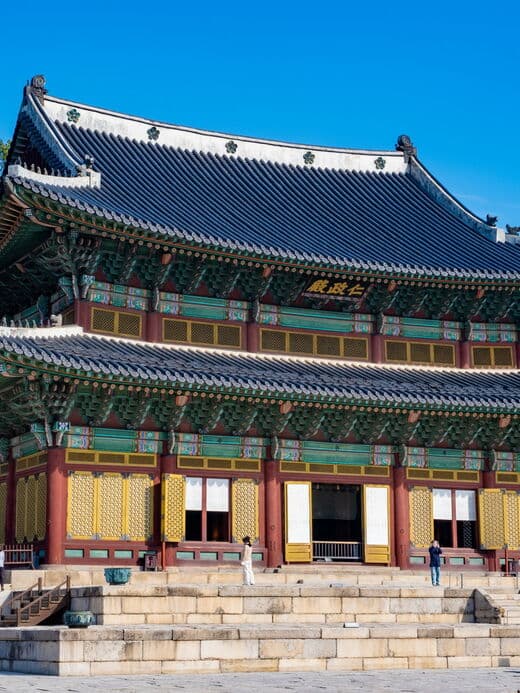
Start at Gyeongbokgung Palace at 9:00 AM for the changing of the guard at 10:00 AM. The palace requires 2-3 hours including the National Folk Museum. Walk north to Bukchon Hanok Village, then to Changdeokgung Palace for the Secret Garden tour (90 minutes, English available). End at Insadong Street for traditional tea ($8-12).
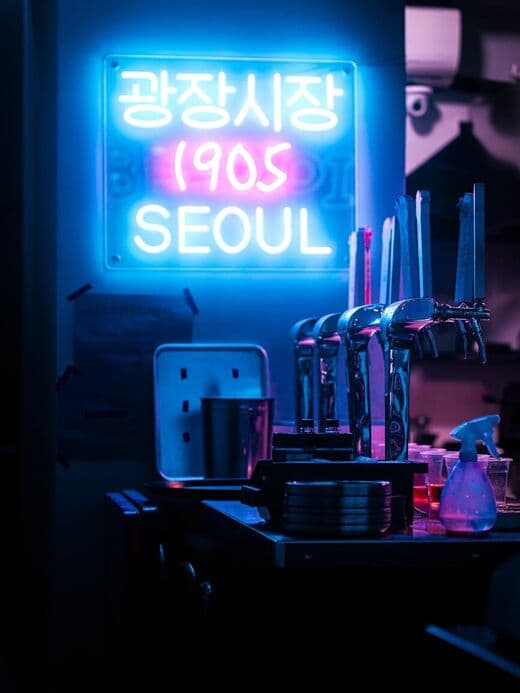
Dinner at Gwangjang Market. This 100-year-old market serves bindaetteok, yukhoe, and mayak gimbap. Budget $15-25 per person. End walking along Cheonggyecheon Stream, beautifully lit at night.
Day 2: Modern Seoul
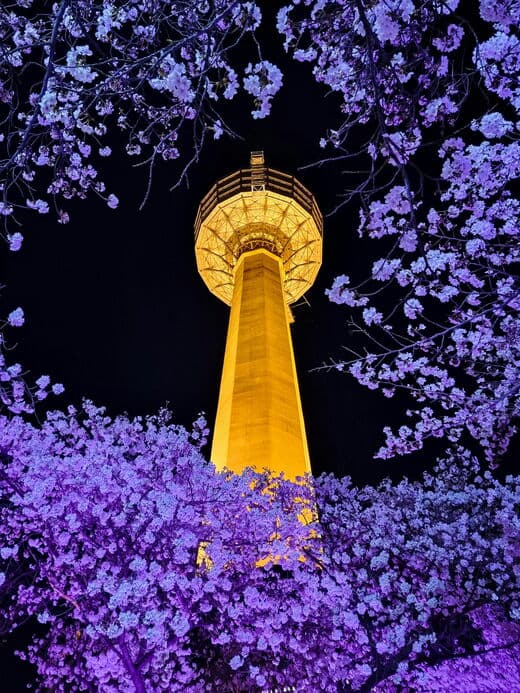
Begin at Dongdaemun Design Plaza, Zaha Hadid's striking architectural icon. Walk to Myeongdong for Korean cosmetics shopping. Late afternoon, take the cable car ($8.50 round trip) or hike to N Seoul Tower. Observation deck costs $11 with 360-degree views.
Evening in Hongdae: Korean BBQ ($20-30 per person), then buskers, clubs, and noraebang. A private karaoke room costs $15-25 per hour.
Day 3: Neighborhoods
Morning in Seongsu-dong for cafe-hopping in converted warehouses, then Seoul Forest. Afternoon in Gangnam: Bongeunsa Temple against surrounding skyscrapers, then COEX Mall with its stunning Starfield Library. Dinner in Garosu-gil.
Five Days: Add These
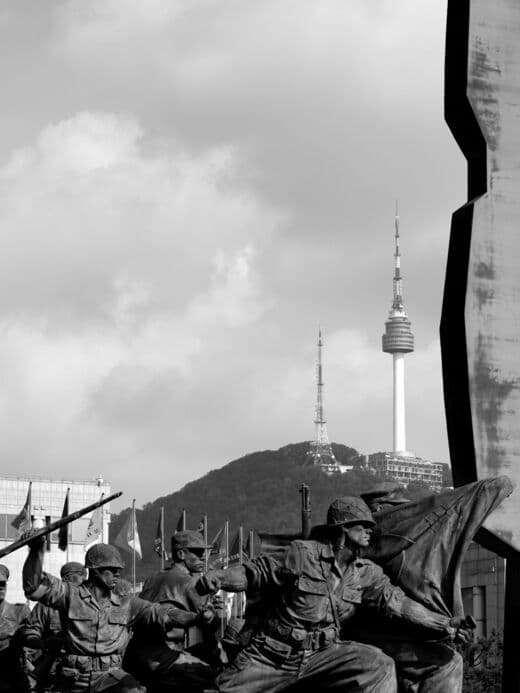
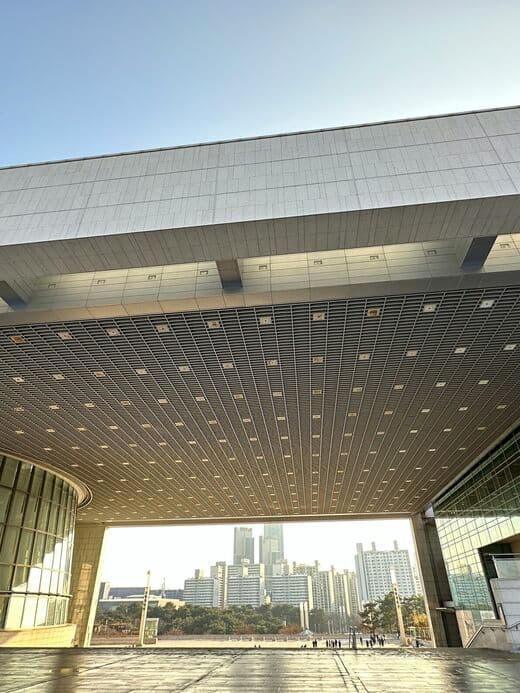
Day 4: National Museum of Korea (free, 3-4 hours), War Memorial of Korea, evening at Deoksugung Palace (open until 9 PM).
Day 5: DMZ day trip. The Demilitarized Zone separating North and South Korea lies just 35 miles from Seoul. Half-day tours ($45-80) visit the Third Tunnel of Aggression, Dora Observatory overlooking North Korea, and Dorasan Station. Full-day tours ($90-130) add Panmunjom's Joint Security Area where soldiers stand face-to-face. Book at least 48 hours in advance; passport required, clothing restrictions apply.
Seven Days: Add These
Day 6: Hike Bukhansan National Park, then Dragon Hill Spa ($15 for 24-hour access with saunas, sleeping areas).
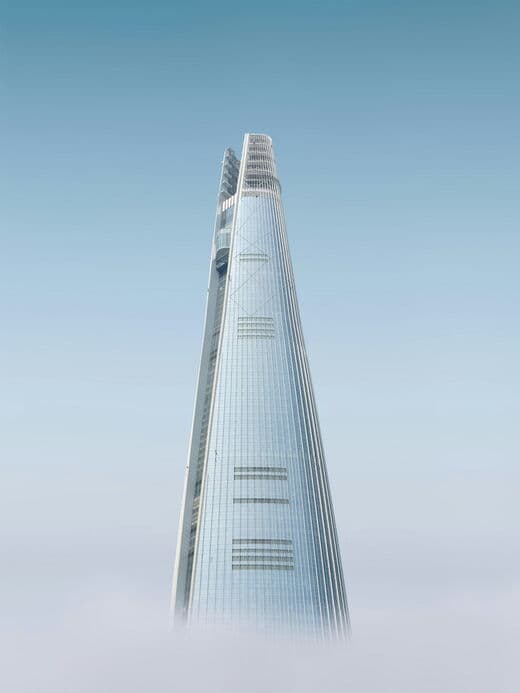
Day 7: Lotte World Tower observation deck (floors 117-123), Lotte World theme park, farewell dinner at Yeouido Hangang Park.
Where to Eat in Seoul
Street Food
Gwangjang Market remains the gold standard for variety and authenticity. Budget $3-8 per item. Mangwon Market near Hongdae caters to locals with lower prices. University areas overflow with affordable food stalls perfect for late-night eating.
Local Restaurants
Small family-run restaurants called sikdang serve the most authentic meals. Look for handwritten menus and no English signage. Expect $7-15 per person including unlimited side dishes (banchan). Areas like Euljiro and the alleys behind Jongno 3-ga station offer the best local dining.
Korean BBQ
Korean BBQ ranges from $10 budget spots to $80+ premium beef. Mid-range options ($20-35 per person) like Maple Tree House offer excellent quality with English menus. Premium Hanwoo beef specialists exceed $100 per person. All BBQ includes unlimited lettuce, garlic, peppers, and sauces.
Fine Dining and Cafes
Seoul hosts nearly 30 Michelin-starred restaurants. Jungsik and Gaon offer modern Korean tasting menus at $150-300 per person. For cafes, themed spots charge $10-15 entry, high-design cafes in Seongsu-dong run $6-10 per drink, budget chains like Mega Coffee offer drinks under $3.
Must-Try Seoul Food
Bibimbap ($7-15) - Rice, vegetables, meat, egg, and gochujang in a bowl. The dolsot (hot stone pot) version creates crispy rice. Try Gogung in Myeongdong.
Korean Fried Chicken ($15-25 for whole chicken) - Twice-fried for extra crispiness. Soy garlic, spicy yangnyeom, or cheese-coated. Kyochon and BHC operate citywide. Order with beer (chimaek).
Samgyeopsal ($12-20) - Thick-cut pork belly grilled at your table, wrapped in lettuce with garlic and ssamjang. Enjoy with soju.
Tteokbokki ($4-8) - Chewy rice cakes in sweet-spicy red sauce. Street food available everywhere. Shin Jeon Tteokbokki chain offers reliable quality.
Jajangmyeon ($6-10) - Black bean noodles, Korean-Chinese comfort food. Traditionally eaten on Black Day (April 14) by single people.
Naengmyeon ($10-15) - Cold buckwheat noodles, perfect summer food. Woo Lae Oak and Pyongyang Myeonok are famous specialists.
Sundubu-jjigae ($8-12) - Silky soft tofu stew with raw egg cracked into bubbling broth. BCD Tofu House chain offers consistent quality.
Kimbap ($3-5) - Korean rice rolls in seaweed. Available at convenience stores for $2-3 or specialty shops for $4-6. Perfect cheap breakfast.
Bindaetteok ($8-12) - Savory mung bean pancakes, crispy outside and soft inside. Best at Gwangjang Market where vendors fry them fresh.
Patbingsu ($8-15) - Shaved ice with red beans, rice cakes, fruit, condensed milk. Sulbing chain offers elaborate modern versions.
Seoul Secrets: Local Tips
Google Maps does not work properly in Korea. Due to national security laws, Google Maps lacks detailed navigation. Download Naver Map or KakaoMap before arriving. Both work in English and provide accurate transit directions.
Get a T-money card immediately. This rechargeable transit card works on all metro, buses, and taxis. Purchase at any convenience store for $3-4. Using T-money saves 100 won per trip versus cash.
Convenience stores are your friend. Korean convenience stores (CU, GS25, 7-Eleven) offer hot food, ATMs accepting foreign cards, phone charging, and table seating. Many travelers eat multiple meals here.
Free WiFi exists everywhere. Metro stations, cafes, convenience stores, and parks offer reliable connections. Your hotel WiFi may be slower than the free signal at the nearest cafe.
Tipping does not exist. Do not tip at restaurants, hotels, or taxis. Staff will be confused. Service is included.
Shoes come off indoors. Traditional restaurants, temples, some guesthouses require removing shoes. Look for shoe racks or step-up floors.
Card payment works everywhere. Even street vendors accept cards. Carrying $50 in won handles most situations.
Late night is normal. Restaurants stay open until 10-11 PM minimum, many until 2-4 AM. Convenience stores never close.
Learn basic phrases. Hello (annyeonghaseyo), thank you (gamsahamnida), excuse me (sillyehamnida). The Korean alphabet takes 2 hours to learn.
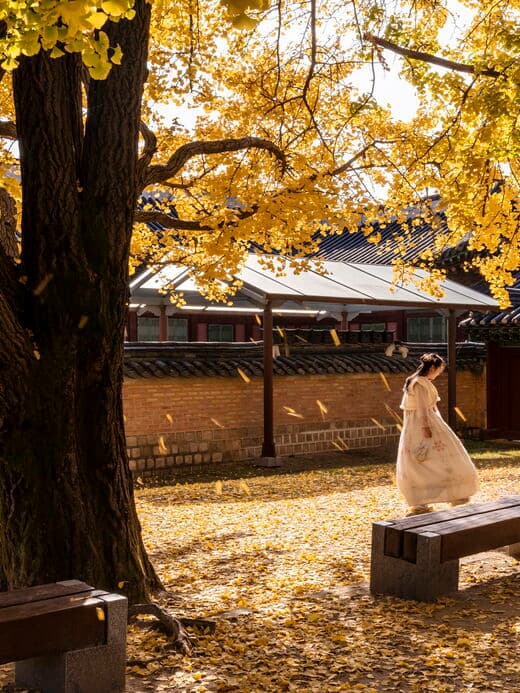
Palace visits require strategy. Hanbok rental near palaces ($15-25 for 2-4 hours) allows skipping entrance fees at Gyeongbokgung while providing excellent photos.
Saunas double as cheap hotels. Jjimjilbang charge $10-15 for 24-hour access including sleeping areas, showers, and restaurants. Dragon Hill Spa offers the most foreigner-friendly experience.
Download Papago. This Naver translation app handles Korean better than Google Translate. Camera translation reads menus and signs instantly.
Transport and Connectivity
Airport to City
Incheon Airport (ICN) sits 40 miles west of Seoul. The AREX express train takes 43 minutes to Seoul Station for $9; the all-stop train takes 66 minutes for $4.15. Airport limousine buses ($10-18) serve neighborhoods directly. Taxis run $65-100. Gimpo Airport (GMP) is closer: metro reaches central Seoul in 20-30 minutes for under $2.
Getting Around
Seoul Metro ranks among the world's best: clean, safe, cheap, comprehensive. Nine numbered lines cover the metropolitan area. Single rides cost $1.25-1.50. The system runs from 5:30 AM to midnight. Download Seoul Metro app for English navigation.
Buses fill gaps between metro stations. T-money works on buses with free transfers within 30 minutes. Night buses operate after metro closure.
Taxis remain affordable. Base fare $3.30 covers first 1.6 kilometers. Cross-city trips rarely exceed $20. Kakao Taxi app works like Uber.
Staying Connected
eSIM offers the easiest solution. Airalo, Holafly, and Ubigi sell Korea plans from $5-25. Physical SIM cards at airport counters cost $20-40. Pocket WiFi rents for $4-8 per day.
Essential Apps: Naver Map or KakaoMap (navigation), Kakao Taxi (ride-hailing), Papago (translation), MangoPlate (restaurant reviews), Subway Korea (offline metro).
Who Seoul is For: Final Thoughts
Ideal for: Food enthusiasts seeking diverse culinary experiences. K-culture fans wanting immersion in music, beauty, and fashion. History buffs interested in ancient kingdoms and cold war division. Night owls who thrive when cities come alive after dark. Solo travelers benefiting from exceptional safety. Shoppers hunting skincare, fashion, and electronics.
Not ideal for: Beach seekers (no ocean). Budget backpackers expecting Southeast Asian prices. Those who prioritize nature over urban experiences. Visitors expecting obvious Western tourist infrastructure outside main areas.
Recommended duration: Three days covers highlights but feels rushed. Five days allows comfortable pacing with day-trip possibilities. Seven days suits travelers wanting to explore neighborhoods deeply and develop genuine familiarity with the city's rhythm.
Seoul does not reveal itself immediately. The first impression of endless apartment towers and overwhelming signage gives way to a city of remarkable depth. Ancient traditions hiding in plain sight, hospitality that shames most countries, and creative energy that explains why Korean culture has captivated the world. Give Seoul time, explore beyond the obvious, and you will understand why so many travelers find themselves returning again and again.