About
Poland Travel Guide: Your Complete Journey Through the Heart of Central Europe
Poland is one of those countries that constantly surprises travelers. You arrive expecting pierogi and medieval castles, and you leave with stories about avant-garde art scenes, wild bison encounters, pristine Baltic beaches, and some of the most resilient, hospitable people you will ever meet. As someone who has crisscrossed this country multiple times over the years, I can tell you that Poland offers an extraordinary depth of experience that rivals any destination in Europe, often at a fraction of the cost.
This guide is not your typical surface-level overview. I am going to share the practical details, the insider knowledge, and the honest assessments that will help you plan a trip that matches your interests and travel style. Whether you have a week or a month, whether you are drawn to history or nightlife, whether you travel on a shoestring or prefer boutique hotels, Poland has something remarkable waiting for you.
Why Visit Poland: The Case for Central Europe's Most Underrated Destination
Let me be direct with you: Poland deserves far more attention than it gets on the international travel circuit. While Prague and Budapest overflow with tourists, Poland offers equally impressive historical sites, equally vibrant cities, and equally stunning landscapes with far fewer crowds and significantly lower prices. This is not some hipster secret anymore, but it remains one of the best value destinations in Europe for travelers from English-speaking countries.
A Living History Lesson
Poland's history is not something you read about in museums and then forget. It is woven into the fabric of every city, every village, every conversation with locals. This is a country that was wiped off the map of Europe three times through partitions, that was the first victim of Nazi aggression, that endured decades of communist rule, and that emerged from the Cold War to become one of the European Union's success stories. Walking through Warsaw, a city that was 85 percent destroyed in World War II and meticulously rebuilt brick by brick, you understand what resilience really means.
The weight of this history is present everywhere, but it is balanced by an infectious optimism and forward-looking energy. Poland is not stuck in the past; it is using its past to build something new. The Warsaw Rising Museum is a perfect example: a world-class interactive museum that tells a devastating story in a way that honors the victims while inspiring visitors to consider what they would fight for.
Extraordinary Value for Money
For travelers from the United States, United Kingdom, Australia, or Canada, Poland offers exceptional value. Your dollars, pounds, or Australian dollars stretch remarkably far here. A high-quality meal at a mid-range restaurant costs 60 to 100 Polish zloty, roughly 15 to 25 USD. A pint of excellent local craft beer runs 12 to 20 zloty, about 3 to 5 USD. Even boutique hotels in city centers rarely exceed 500 zloty per night, around 125 USD for accommodation that would cost two or three times that in Western Europe.
This value extends beyond simple purchases to experiences. A guided tour of Krakow's historic center costs a fraction of what you would pay in Paris or Rome. Train tickets between major cities are remarkably affordable, especially if you book in advance. Museum entry fees rarely exceed 30 zloty, about 7 to 8 USD. You can have a truly luxurious experience in Poland on what would be a mid-range budget elsewhere.
World-Class Cities That Feel Approachable
Polish cities have mastered the balance between cosmopolitan sophistication and human scale. Warsaw is a European capital with excellent restaurants, cutting-edge contemporary art, and vibrant nightlife, but it lacks the overwhelming crowds and aggressive tourist pricing of London or Paris. Krakow has one of Europe's most beautiful medieval squares and a UNESCO-listed old town, but you can still find quiet corners and authentic local spots within walking distance of the main attractions.
Gdansk on the Baltic coast combines stunning Hanseatic architecture with maritime heritage and beach access. Wroclaw surprises visitors with its island-dotted cityscape and quirky dwarf statues hidden throughout the streets. Poznan offers a compelling mix of history and youthful energy. Lodz has transformed from an industrial wasteland into a street art and design destination. Each city has its own personality, its own surprises, and its own reasons to visit.
Natural Beauty Beyond the Guidebooks
Poland's natural landscapes are genuinely stunning but remain almost unknown to international visitors. The Tatra Mountains in the south, accessible from Zakopane, offer alpine hiking that rivals anything in Switzerland or Austria. The Masurian Lake District in the northeast contains over 2,000 lakes perfect for kayaking, sailing, and waterside camping. The Bialowieza Forest, straddling the Belarusian border, is the last primeval forest in Europe, home to wild European bison.
The Baltic coast stretches for over 500 kilometers with sandy beaches, dramatic cliffs, and charming resort towns. The Bieszczady Mountains in the southeast offer remote wilderness hiking where you might not see another person for hours. The Polish countryside is dotted with manor houses, organic farms, and villages where traditional ways of life persist. Nature lovers could spend months exploring Poland and barely scratch the surface.
A Food Scene That Defies Expectations
If your image of Polish food is limited to pierogi and sausages, prepare to have your assumptions demolished. Yes, the traditional cuisine is hearty and delicious, but modern Polish chefs have sparked a culinary revolution. Warsaw and Krakow now host restaurants that have earned recognition in international rankings, serving innovative cuisine that draws on Polish ingredients and traditions while incorporating global techniques.
The farm-to-table movement has deep roots in Poland, where many families still maintain connections to rural relatives and seasonal rhythms. Local ingredients like wild mushrooms, forest berries, freshwater fish, and heritage grains appear on menus from humble milk bars to fine dining establishments. Poland's craft beer scene has exploded in recent years, with microbreweries in every major city producing world-class ales, lagers, and experimental brews. The traditional spirits, especially flavored vodkas and meads, offer tasting experiences you will not find anywhere else.
Genuine Hospitality Without Tourist Fatigue
Poles are known for their hospitality, and unlike some heavily touristed destinations, this hospitality has not been worn away by decades of mass tourism. Locals are generally pleased to see foreign visitors taking an interest in their country. They are proud of Polish history, culture, and achievements, and they enjoy sharing them with curious travelers.
English proficiency among younger Poles is excellent, a legacy of strong English education in schools since the 1990s. In major cities, you will have no trouble communicating in shops, restaurants, and hotels. Even in smaller towns and rural areas, you will usually find someone who can help you in English, and gestures and goodwill bridge most gaps. Poles appreciate any effort to learn a few words of Polish, even if your pronunciation is terrible. A simple dziekuje for thank you or dzien dobry for good day goes a long way.
The 2026 Moment: Why Now Is the Perfect Time
Poland in 2026 is experiencing a particularly exciting moment. The country was named in Forbes magazine's list of European Cities of the Future, recognizing the dynamism and potential of Polish urban centers. Bielsko-Biala has been designated as the first Polish European Capital of Culture for 2026, bringing a year-long program of cultural events, exhibitions, and performances to this often-overlooked city in southern Poland.
Major infrastructure investments are reshaping transportation options. PKP Intercity, the national rail operator, launched 17 new international routes in December 2025, with the 2025/2026 timetable featuring 555 routes connecting Polish cities with each other and with destinations across Europe. The ambitious Central Communication Port project, known as CPK, represents a 30 billion euro investment in transportation infrastructure, including a new mega-airport between Warsaw and Lodz that will eventually become one of Europe's major hubs.
Meanwhile, the tourism infrastructure continues to improve with new hotels, restaurants, and attractions opening regularly. Poland is easier to visit, more comfortable to travel through, and more rewarding to explore than ever before. The secret is getting out, but you still have time to experience Poland before it becomes as crowded as Prague or Barcelona.
Regions of Poland: A Geographic and Cultural Overview
Poland is a large country by European standards, covering about 312,000 square kilometers, roughly the size of New Mexico or slightly larger than the United Kingdom. Understanding the regional diversity is key to planning your trip effectively. Each region has distinct characteristics, landscapes, cuisines, and cultural identities that reflect centuries of varied historical influences.
Mazovia: The Heart of the Nation
Mazovia, the central region surrounding Warsaw, is the political and economic heart of Poland. The capital city dominates this region, a sprawling metropolis of nearly 1.8 million people that serves as Poland's gateway for most international visitors. Warsaw's story is one of destruction and resurrection: a city almost completely obliterated during World War II that chose to rebuild its historic center exactly as it had been, a project so remarkable that UNESCO recognized it as a World Heritage Site.
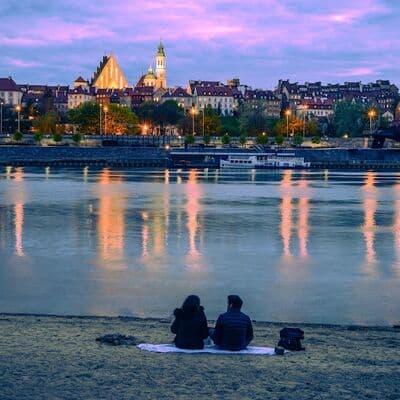
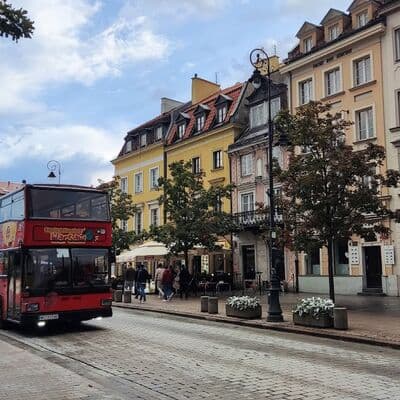
The Warsaw Old Town is the centerpiece, a picture-perfect reconstruction of the medieval and renaissance architecture that once stood here. The Royal Castle anchors the square, its interiors restored to their 18th-century splendor. Along Krakowskie Przedmiescie, the royal route stretching south from the Old Town, you pass churches, palaces, and the university on your way toward the modern city center.
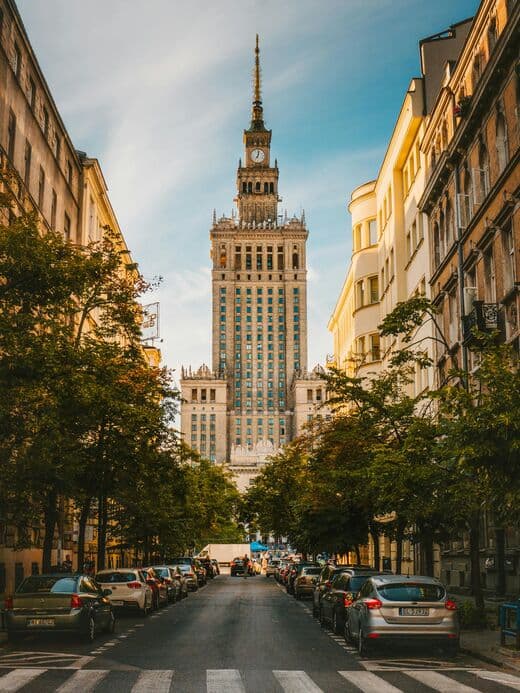
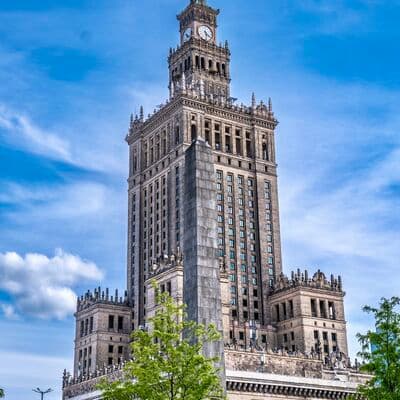
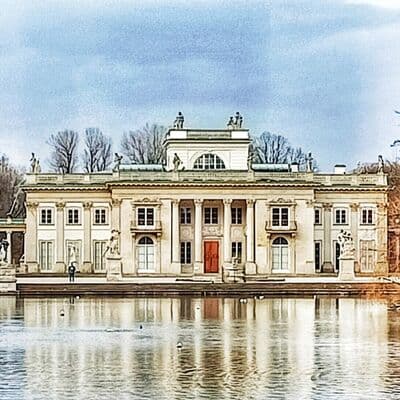
But Warsaw is far more than its reconstructed past. The Palace of Culture and Science, a Stalinist-era skyscraper that remains the city's tallest building, has become an ironic symbol of Warsaw's complex 20th-century history. The Praga district across the Vistula River, once considered rough and dangerous, has transformed into a hipster paradise of bars, galleries, and vintage shops. Lazienki Park, a vast royal garden with a palace on an artificial lake, offers an escape from urban intensity.
Beyond Warsaw, Mazovia is largely flat agricultural land, but there are interesting day trip possibilities. The Kampinos National Park offers forests and hiking just northwest of the capital. The town of Zelazowa Wola, birthplace of Frederic Chopin, draws music lovers to its museum and summer concerts. The castle ruins at Czersk provide a glimpse into medieval Polish history.
Lesser Poland: History, Mountains, and Cultural Depth
Lesser Poland, or Malopolska, in the south of the country is arguably Poland's most historically significant and scenically beautiful region. Krakow, the regional capital, served as Poland's royal capital for five centuries and survived World War II largely intact. Its Old Town, centered on the vast Rynek Glowny market square, is one of Europe's most magnificent urban spaces, surrounded by medieval churches, renaissance townhouses, and the Cloth Hall market building that has hosted traders since the 14th century.
Krakow's cultural wealth extends beyond the main square. The Wawel Castle complex on its hilltop perch contains the royal residence, cathedral, and dragon's den cave. The Kazimierz district, once the Jewish quarter, preserves synagogues and cemeteries while also serving as the city's trendiest neighborhood for bars and restaurants. The communist-era Nowa Huta district, built as a model socialist city, offers a fascinating counterpoint to the medieval center.
The region surrounding Krakow contains some of Poland's most visited and most significant sites. Auschwitz-Birkenau, about 70 kilometers west, is the preserved site of the Nazi concentration and extermination camp, a place of profound historical importance that demands respect and emotional preparation from visitors. Wieliczka, just south of Krakow, contains the historic salt mine that has been in operation since the 13th century, with underground chambers, chapels carved entirely from salt, and an extraordinary subterranean lake.
The Tatra Mountains form Poland's southern border with Slovakia, offering the country's most dramatic alpine scenery. Zakopane, the mountain resort town at their base, serves as the gateway to hiking trails, ski slopes, and distinctive highlander culture. The Tatras are not the Alps in scale, but they are the Alps in character: jagged peaks, crystalline lakes, and serious mountain terrain that rewards experienced hikers.
Lesser Poland extends east toward the Ukrainian border, encompassing the Bieszczady Mountains and the wooden churches of the Carpathian region. This eastern zone is wilder, less developed, and perfect for travelers seeking off-the-beaten-path experiences. The town of Przemysl, near the border, has a charming old town and a complex multicultural history as a former Austrian fortress city.
Pomerania: Baltic Coast and Hanseatic Heritage
Gdansk, the principal city of Pomerania on the Baltic coast, is one of Poland's most beautiful and historically significant cities. This was the free city of Danzig, a wealthy Hanseatic trading port whose mixed German, Polish, and Kashubian population created a unique maritime culture. The city's capture by Nazi Germany in September 1939 began World War II, and its postwar reconstruction, like Warsaw's, required extraordinary determination.
Today Gdansk is a tourist magnet, its reconstructed Long Market and Long Street lined with tall, narrow merchant houses in the distinctive Baltic style. The brick Gothic churches, including the massive St. Mary's Basilica, define the skyline. The waterfront along the Motlawa River, with its medieval crane and museum ships, evokes the city's trading past. The European Solidarity Centre tells the story of the Solidarity movement that helped bring down communism, a fitting location for a museum about freedom in the city where Solidarity was born.
Gdansk forms part of the Tri-City agglomeration along with Sopot and Gdynia. Sopot is Poland's premier beach resort, famous for its wooden pier, art nouveau architecture, and lively summer scene. Gdynia, built almost entirely in the interwar period, is a modernist port city with interesting maritime museums. Together, the three cities offer beaches, history, culture, and nightlife in convenient proximity.
Beyond the Tri-City, Pomerania offers extensive Baltic coastline, from the shifting sand dunes of Slowinski National Park to the resort towns of the western coast near Germany. The inland areas include the charming town of Torun, birthplace of Copernicus and home to a remarkably preserved medieval center that rivals Krakow's for architectural beauty, without the crowds.
Greater Poland: Where the Nation Began
Greater Poland, or Wielkopolska, centered on Poznan, is where Poland as a nation first emerged. The cathedral on Ostrow Tumski island in Poznan marks the site where the first Polish rulers were baptized in 966 AD, the event traditionally considered the foundation of the Polish state. This region remains proud of its foundational role in Polish history.
Poznan today is a prosperous city of about 550,000, known for its business culture, its large student population, and its lively Old Town centered on a beautiful market square. The square's painted townhouses and ornate town hall, topped by mechanical goats that butt heads at noon, make it one of Poland's most photogenic urban spaces. The city hosts major trade fairs and has a practical, businesslike atmosphere that contrasts with more overtly touristic cities.
Greater Poland's landscape is gentle: rolling farmland, forests, and lakes. The region lacks dramatic natural scenery but offers pleasant countryside touring. The Romanesque Route connects medieval churches scattered across the region, marking the earliest phase of Polish Christianity. The town of Gniezno, Poland's first capital, contains the cathedral where kings were crowned and remains an important pilgrimage site.
Silesia: Industrial Heritage and Mountain Trails
Wroclaw, the capital of Lower Silesia, is a city of bridges and islands where the Oder River splits into multiple channels. The city changed hands and names throughout history, serving as a Prussian, Austrian, and German city before becoming Polish after World War II when the German population was expelled and replaced by Poles displaced from the eastern territories lost to the Soviet Union. This complex history gives Wroclaw a distinctive character.
The city's Old Town is stunning, centered on a vast market square rivaling those of Krakow and Poznan. Cathedral Island, connected by bridges to the rest of the city, contains the twin-spired brick Gothic cathedral and several other churches. The Centennial Hall, a massive early 20th-century dome, is a UNESCO World Heritage Site representing pioneering concrete construction. And throughout the city, over 300 bronze dwarf statues hide in unexpected places, a quirky public art project that visitors love to hunt for.
Upper Silesia, further east, has a different character: this is Poland's industrial heartland, a conurbation of cities built around coal mining and steelworks. The region may not seem like obvious tourist territory, but industrial heritage enthusiasts find fascinating sites here, from preserved mining operations to workers' housing complexes. The post-industrial transformation of these cities into cultural and creative centers is an ongoing story worth witnessing.
The Sudeten Mountains along the Czech border offer gentler hiking than the Tatras, with extensive trail networks through forested hills. Historic spa towns like Kudowa-Zdroj and Duszniki-Zdroj preserve 19th-century resort atmospheres. Castles and palaces dot the landscape, some in ruins, others restored as hotels or museums. The border region's complex German-Polish-Czech history adds cultural interest to the natural scenery.
Masuria: The Land of a Thousand Lakes
The Masurian Lake District in northeastern Poland contains over 2,000 lakes, the largest concentration in the European lowlands. This is Poland's summer playground, where kayakers paddle through connecting waterways, sailors catch breezes across broad lakes, and vacationers laze on beaches far from the sea. The town of Mikolajki serves as an informal capital of the region, its waterfront lined with hotels, restaurants, and boat rental operators.
The landscape is gentle: low hills, extensive forests, quiet villages, and water everywhere. This is not wilderness in the wild sense; the lakes are popular and can be crowded in peak summer. But on the smaller lakes and connecting rivers, you can still find solitude. The kayaking routes, particularly along the Krutynia River, offer multi-day paddling through forests and past small villages. Sailing the larger lakes like Sniardwy and Mamry is a Polish summer tradition.
The region's history is complex. Before World War II, this was East Prussia, German territory since the medieval Teutonic Knights. The German population fled or was expelled after 1945, and Polish settlers arrived to replace them. Remnants of the German past remain visible in architecture and place names. The Wolf's Lair, Hitler's wartime headquarters where the July 1944 assassination attempt took place, is now a tourist attraction amid the Masurian forests.
Podlasie and the Eastern Borderlands
Poland's eastern regions, bordering Belarus, Lithuania, and Ukraine, are the country's least visited and most culturally diverse areas. The Bialowieza Forest, shared with Belarus, is the last primeval forest in lowland Europe, a UNESCO World Heritage Site where ancient trees and wild European bison survive in a landscape unchanged for millennia. Guided tours offer the chance to see bison in their natural habitat, an unforgettable wildlife experience.
The eastern borderlands were historically multiethnic: Poles, Jews, Lithuanians, Belarusians, Ukrainians, and Tatars all lived here, and traces of this diversity survive. Orthodox churches with onion domes dot the landscape. The wooden mosques of the Tatar villages near Bialystok mark communities that have lived in Poland since the 14th century. The abandoned synagogues and Jewish cemeteries testify to the communities destroyed in the Holocaust.
This is rural Poland at its most traditional: small farms, horse-drawn carts occasionally still seen on roads, villages where modernity arrived late and incompletely. For travelers seeking authenticity and solitude, the eastern borderlands deliver. But tourism infrastructure is limited, and reaching many sites without a car is challenging.
Subcarpathia: Mountains and Remote Beauty
The southeastern corner of Poland, along the Ukrainian and Slovak borders, contains the Bieszczady Mountains, one of Europe's least populated and most pristine mountain regions. The Bieszczady were emptied of their mixed Ukrainian, Polish, and Lemko populations after World War II, when Operation Vistula forcibly relocated ethnic minorities. The empty valleys were never fully resettled, leaving extensive wilderness where wolves, brown bears, and lynx roam.
Hiking in the Bieszczady is a fundamentally different experience from the Tatras. Here you walk for hours through rolling highland meadows called poloniny, past abandoned villages returning to forest, without seeing another person. The region appeals to those seeking solitude, wildlife, and landscapes untouched by tourism development. Accommodation and services are limited; this is not a destination for casual tourists but for dedicated nature lovers.
The Subcarpathian foothills contain numerous wooden churches, some protected as UNESCO World Heritage Sites. These Orthodox and Greek Catholic churches, with their distinctive architecture and icon-filled interiors, represent the vanished multicultural world of the borderlands. Towns like Sanok and Przemysl offer museums and old town centers that make good bases for exploring the region.
Unique Experiences: What Makes Poland Special
Every country has its unique experiences, but Poland offers some that you simply cannot replicate elsewhere. These are the moments and activities that will stick with you long after you return home, the stories you will tell at dinner parties for years to come.
Confronting History at Auschwitz-Birkenau
Visiting Auschwitz-Birkenau is not a pleasant experience. It is not meant to be. This is the site where the Nazi regime systematically murdered over 1.1 million people, the vast majority of them Jews, in an industrial operation designed to implement the Final Solution. Walking through the camp gates, through the barracks, past the gas chambers and crematoria ruins, is a profound and disturbing experience that stays with you permanently.
I recommend visiting not because it is enjoyable but because it is important. Understanding the depths to which human societies can sink when hatred and indifference combine is essential knowledge for anyone who hopes to prevent future atrocities. The museum curators have done remarkable work preserving the site and presenting the history in a way that honors the victims while educating visitors.
Practical considerations: book tickets in advance through the official museum website, as entry is strictly controlled. Guided tours are required during peak hours. Plan at least four to five hours to see both the main Auschwitz I camp and the much larger Birkenau extermination site. Wear comfortable shoes for extensive walking. Be prepared emotionally; this is not a site to visit casually between other tourist activities.
Descending into the Wieliczka Salt Mine
The Wieliczka Salt Mine near Krakow has been in continuous operation since the 13th century, extracting salt from deposits laid down when an ancient sea evaporated 13.6 million years ago. Over centuries, miners carved the salt into sculptures, chambers, and even entire chapels, creating an underground world unlike anywhere else on Earth.
The tourist route descends over 130 meters underground through corridors lined with salt, past chambers filled with salt sculptures depicting historical and religious scenes, and into the Chapel of St. Kinga, a complete underground church carved entirely from salt, including the chandeliers. The scale and artistry are astonishing; this is not a natural cave but a human creation, the work of miners who found ways to express faith and creativity even in the darkness underground.
The mine offers several tour options, from the basic tourist route to more adventurous miner routes that give you a sense of actual mining conditions. An underground lake, a sanitarium using the therapeutic salt air, and even a conference center occupy lower levels. The site draws over a million visitors annually, so expect crowds and book tickets in advance, especially in summer.
Tracking Wild Bison in Bialowieza Forest
The European bison, the continent's largest land animal, was hunted to extinction in the wild by 1927. Only 54 individuals survived in zoos. From this tiny population, a careful breeding program has brought the species back, and today over 2,000 European bison live in the wild, with the largest free-ranging population in the Bialowieza Forest.
Visiting Bialowieza offers the chance to see these magnificent animals in their natural habitat. The best approach is to book a guided tour with a local guide who knows where the herds tend to feed. Early morning or late afternoon expeditions, often by horse-drawn cart or on foot, venture into the forest in search of bison. Sightings are not guaranteed, but experienced guides achieve high success rates. Seeing a herd of these massive animals grazing in a forest clearing, knowing they survived extinction by the narrowest of margins, is genuinely moving.
Beyond the bison, Bialowieza Forest itself is remarkable: the last remnant of the primeval forest that once covered the European plain, with ancient oaks, towering spruces, and a biodiversity unmatched elsewhere. The strict reserve at the forest's heart requires guided entry, but even the accessible areas contain trees and wildlife you will not find elsewhere on the continent.
Climbing in the Tatra Mountains
The Tatra Mountains are Poland's only truly alpine range, a compact massif of granite peaks that rises abruptly from the foothills to over 2,500 meters. Zakopane, the resort town at their base, has been drawing hikers, climbers, and skiers since the 19th century. The mountain culture here, with its distinctive wooden architecture, highlander music, and regional cuisine, adds cultural richness to the natural spectacle.
Hiking options range from gentle valley walks to challenging ridge traverses. The most famous route, the trail to Morskie Oko lake, follows a road through a beautiful valley to a crystal-clear tarn beneath towering cliffs. More ambitious hikers tackle routes like the traverse of Swinica or the ascent of Rysy, Poland's highest peak at 2,499 meters. The trails can be crowded in summer, especially on sunny weekends, but the scenery rewards the effort.
For experienced mountaineers, the Tatras offer serious climbing on granite walls and exposed ridges. The Orla Perc, or Eagle's Path, is a famous exposed traverse that requires good fitness, some climbing experience, and a head for heights. Mountain rescue is professional but limited; this is real alpine terrain where proper preparation is essential.
Kayaking the Masurian Lakes and Rivers
The interconnected lakes and rivers of Masuria offer some of Europe's finest inland kayaking. The Krutynia River, flowing through forests and marshlands, provides a multi-day paddling route through landscapes barely changed in centuries. You can paddle from lake to lake, camping or staying in waterside villages, moving at whatever pace suits you.
The experience is not about wilderness solitude; these routes are popular with Polish vacationers. But the pace is gentle, the scenery lovely, and the experience of traveling by water through a lush green landscape is deeply satisfying. Kayak and canoe rentals are widely available, along with organized tours that handle logistics. Sailing the larger lakes is another option, with rental boats available for everything from small dinghies to larger cabin cruisers.
Exploring Krakow's Jewish Heritage
The Kazimierz district of Krakow was for centuries one of the most important Jewish communities in Europe. At its peak before World War II, Jews made up about a quarter of Krakow's population, and Kazimierz was the center of their religious, cultural, and commercial life. The Holocaust destroyed this community; of the 60,000 or more Jews living in Krakow in 1939, only a few thousand survived.
Today Kazimierz preserves seven synagogues, two Jewish cemeteries, and numerous other sites associated with Jewish life and death. The Old Synagogue houses a museum of Jewish history and culture. The Remuh Synagogue remains active, serving the small contemporary Jewish community. The Galicia Jewish Museum takes a different approach, using contemporary photography to explore the traces of Jewish presence and absence in southern Poland.
Walking through Kazimierz, you encounter layers of meaning: the pre-war Jewish community, the Holocaust, the postwar decay when the neighborhood became a neglected backwater, and the revitalization that began in the 1990s after the filming of Schindler's List brought international attention. The neighborhood is now Krakow's trendiest district, full of cafes and bars, but the synagogues and cemeteries ensure that the past is never forgotten.
Understanding Solidarity and the End of Communism
Gdansk was the birthplace of Solidarity, the trade union movement that challenged communist rule and helped bring down the Soviet bloc. The Lenin Shipyard, now renamed Gdansk Shipyard, was where workers went on strike in August 1980, leading to the formation of the first independent trade union in the communist world. The European Solidarity Centre, located at the shipyard gates, tells this story in a museum that manages to be both historically comprehensive and emotionally powerful.
Visiting the Solidarity Centre and the shipyard area gives you insight into how ordinary workers, led by an electrician named Lech Walesa, defied a totalitarian state and ultimately helped change the course of world history. The rusting cranes and industrial landscape add authenticity; this was not a polished political movement but a workers' uprising in a grimy industrial port. The lessons about courage, organization, and the power of nonviolent resistance remain relevant today.
Attending a Chopin Concert in Warsaw
Frederic Chopin was born near Warsaw and spent his formative years in the city before emigrating to Paris. He remains Poland's most famous composer, and his music is inextricably linked with Polish identity. Warsaw offers numerous opportunities to hear his music performed, from formal concerts in concert halls to outdoor performances in Lazienki Park.
The free Sunday concerts at the Chopin Monument in Lazienki Park run throughout summer, drawing crowds of locals and visitors who spread blankets on the grass to listen. The Chopin Museum in Warsaw uses multimedia displays to bring the composer's life and work alive. For more formal experiences, the Warsaw Philharmonic and various chamber ensembles perform Chopin regularly. Even if you are not typically a classical music fan, hearing Chopin's melancholic and virtuosic piano works in his home city adds a dimension that recordings cannot capture.
Experiencing a Traditional Polish Wedding
If you are lucky enough to be invited to a Polish wedding, accept immediately. Polish weddings are legendary celebrations that can last two or three days, featuring enormous quantities of food, freely flowing vodka, elaborate toasts, traditional games, and dancing that continues until dawn and beyond. The tradition of scattering obstacles in the path of the wedding car, demanding vodka payment for passage, remains alive. The cutting of the bread and salt ceremony welcomes the couple into married life.
Obviously, you cannot simply show up at a wedding uninvited. But if you make Polish friends during your travels or have Polish connections, the possibility exists. Alternatively, some folk villages and cultural centers offer staged traditional wedding experiences that give you a taste of the customs without the authentic family drama.
When to Visit Poland: Seasons, Weather, and Timing
Poland has a continental climate with four distinct seasons, each offering different experiences and considerations. Your timing significantly affects both what you can do and how much you will enjoy it.
Spring: March Through May
Spring arrives gradually in Poland, with March still quite cold and often snowy, while May brings genuinely warm weather and blooming landscapes. This transitional period offers several advantages: crowds are minimal, prices are lower than summer, and the gradual warming brings Poland's parks and gardens to life.
Early spring, March and early April, remains winter in everything but name. Temperatures hover around freezing, and late snowfalls are possible. By late April, things improve markedly: trees leaf out, outdoor cafes open, and the tourist season tentatively begins. May is often excellent, with comfortable temperatures in the 15 to 22 degree Celsius range, roughly 60 to 72 Fahrenheit, long days, and landscapes at their greenest before summer heat.
The timing of Easter matters significantly. Easter is a major holiday in Catholic Poland, with many businesses closed and domestic travel at its peak. Visiting Krakow during Easter week means crowds and higher prices but also fascinating religious ceremonies and traditions. The week after Easter is often ideal: spring weather, everything reopened, and crowds dispersed.
Summer: June Through August
Summer is peak tourist season in Poland, and for good reason. Long days, with sunset as late as 9:30 PM in late June, provide maximum time for sightseeing. Temperatures are warm, typically 22 to 28 degrees Celsius, 72 to 82 Fahrenheit, occasionally reaching into the 30s, 86 plus Fahrenheit, during heat waves. All tourist attractions and seasonal businesses are fully operational.
The downsides are real: popular destinations like Krakow's Old Town and the Baltic coast beaches draw heavy crowds. Accommodation prices peak, and booking ahead becomes essential. Air conditioning is not universal in Polish buildings, and heat waves can make sightseeing uncomfortable. Afternoon thunderstorms are common, especially in the mountains.
August brings the Polish vacation season to its climax. Many Poles take their holidays in the first half of August, flooding beach resorts and mountain towns with domestic tourists. Major cities actually quiet down somewhat as residents depart for vacation. Late August often brings the summer's best weather as the peak crowds begin to disperse.
Autumn: September Through November
Autumn is arguably the best time to visit Poland, at least in September and October. Summer crowds depart after Labor Day, leaving major attractions pleasantly accessible. The weather remains good through September and often into October, with mild days and cool nights. The changing foliage, especially in mountain regions and forests, adds spectacular color to landscapes.
September combines summer's warmth with autumn's calm. Temperatures in the high teens to low twenties Celsius, 65 to 75 Fahrenheit, make walking comfortable. The harvest season brings fresh produce and autumn specialties to markets and restaurants. Cultural institutions restart their seasons after summer breaks, with new exhibitions and performances.
October is trickier: the first half often remains pleasant, but the second half brings increasing gray skies, rain, and dropping temperatures. By November, Poland feels firmly autumnal verging on wintry, with bare trees, frequent rain, and temperatures in the single digits Celsius, 40s Fahrenheit. This is low season, with reduced hours at some attractions but significantly lower prices.
Winter: December Through February
Polish winters are cold, with temperatures frequently below freezing and occasional drops to minus 15 or 20 degrees Celsius, 5 to minus 4 Fahrenheit, during cold snaps. Snowfall varies by region: the mountains receive reliable snow, while cities may see accumulation or just gray slush depending on the winter. Days are short, with sunset around 4 PM in late December.
Despite the cold, winter has its appeals. Christmas markets in major cities, especially Krakow and Wroclaw, create magical atmospheres in December. The ski season runs from December through March in the Tatras and other mountain regions. Cities feel authentic without tourist crowds, and you can explore museums and indoor attractions at your own pace.
The period between New Year and early March is Poland's deepest winter, with the coldest temperatures and shortest days. This is the lowest tourist season, with correspondingly low prices but also reduced services. Some smaller attractions close entirely for winter. If you come during this period, focus on cities with their indoor attractions, and be prepared for serious cold.
Getting to Poland: International Access
Poland is well connected to the rest of Europe and increasingly to destinations worldwide. Your arrival point depends on where you are coming from and which region of Poland you want to explore first.
Flying to Poland
Warsaw Chopin Airport is the main international gateway, handling the majority of intercontinental flights and serving as the hub for LOT Polish Airlines. The airport is located about 10 kilometers south of the city center, connected by rail, bus, and taxi. Direct flights operate from major North American cities including New York, Chicago, Los Angeles, Toronto, and Miami, with flight times of 9 to 12 hours depending on origin.
For travelers from the United Kingdom, the picture is more varied. Budget carriers including Ryanair and Wizz Air operate extensive routes to multiple Polish cities from various UK airports. You can fly directly to Krakow, Gdansk, Wroclaw, Poznan, and other cities, not just Warsaw. Flight times from London are about 2.5 hours. Post-Brexit, UK citizens can still enter Poland visa-free for up to 90 days within any 180-day period, as part of the Schengen area provisions for British nationals.
Krakow John Paul II Airport handles the second highest international traffic, with direct flights from numerous European cities and growing intercontinental connections. For visits focused on southern Poland, flying directly to Krakow saves significant time compared to arriving in Warsaw and traveling south.
Gdansk Lech Walesa Airport serves northern Poland and the Baltic coast, with extensive European connections, especially from Scandinavia and the UK. Wroclaw and Poznan airports offer additional regional options.
The planned Central Communication Port, known as CPK, represents a 30 billion euro investment that will eventually create a new mega-airport between Warsaw and Lodz, designed as a major European hub. While still under construction and not yet operational for your 2026 visit, this project signals Poland's ambitions to become a central node in European aviation.
Arriving by Train
Rail connections to Poland have improved dramatically. PKP Intercity launched 17 new international routes in December 2025, and the 2025/2026 timetable features 555 routes connecting Polish cities with each other and with destinations across Europe. Direct trains run from Berlin to Warsaw and Krakow, from Prague to Krakow, from Vienna to Krakow and Warsaw, and from numerous other European cities.
The Berlin-Warsaw route is particularly convenient, with multiple daily departures and a journey time of about 5.5 hours on the fastest EuroCity services. This makes it easy to combine Poland with Germany or to arrive overland from Western Europe. The night train from Paris to Warsaw has been restored, offering a romantic if time-consuming alternative to flying.
Train travel within the European Union has become increasingly attractive as awareness of aviation's carbon footprint grows. The journey from London to Warsaw, via Brussels and Berlin, takes about 12 hours with good connections, quite feasible as a daytime journey or with an overnight stop. Various European rail passes cover Poland, though point-to-point tickets are often more economical for specific itineraries.
Arriving by Bus
International bus services connect Poland with most European countries. FlixBus is the largest operator, with routes from Germany, Czech Republic, Ukraine, and other neighbors. Journey times are longer than trains and comfort levels lower, but prices can be very attractive, especially when booked in advance. Bus is often the cheapest option for budget travelers.
From Ukraine, bus connections have increased significantly since 2022, serving the large Ukrainian population now living in Poland. Routes connect Warsaw and other Polish cities with Kyiv, Lviv, and other Ukrainian cities, though schedules and regulations change frequently due to the ongoing conflict.
Arriving by Car
Poland's motorway network has improved enormously over the past two decades, making driving from Western Europe increasingly practical. The A2 motorway connects Warsaw with the German border and onward to Berlin. The A4 runs from the German border through Wroclaw and Krakow to the Ukrainian border. The A1 connects the Baltic coast with the Czech border via central Poland.
Be aware of some differences from other countries. Motorway tolls are collected electronically; you will need to register and obtain a toll device or arrange a vignette. Speed cameras are common, and speeding fines are enforced even against foreign vehicles. Polish drivers have a reputation for aggressive overtaking, so stay alert. The road network is generally good, though some secondary roads in eastern regions remain in poor condition.
Visa and Entry Requirements for English Speakers
For citizens of the United States, United Kingdom, Canada, Australia, and most other English-speaking countries, Poland offers visa-free access for tourism. American, Canadian, and Australian citizens can enter the Schengen area, of which Poland is a member, for up to 90 days within any 180-day period without a visa. This is a rolling calculation, so keep track of your cumulative time in Schengen countries if you are making multiple trips.
UK citizens, following Brexit, are now treated as third-country nationals for EU purposes. However, visa-free access for short stays continues under the Schengen agreement. UK visitors can stay up to 90 days in any 180-day period across the entire Schengen zone, not just Poland. Passports must be valid for at least three months beyond the planned departure date and issued within the previous ten years.
The ETIAS system, the European Travel Information and Authorisation System, is expected to come into effect in 2026. This will require citizens of visa-exempt countries, including the US, UK, Canada, and Australia, to obtain an online travel authorization before visiting Schengen countries. The process is simple and inexpensive, similar to the US ESTA for visitors to America, but adds a step to pre-travel planning. Check current requirements before your trip, as implementation dates have shifted several times.
Getting Around Poland: Transportation Within the Country
Moving around Poland has become increasingly convenient as infrastructure investment continues. The combination of improving railways, budget flights, and reasonable driving conditions gives you options for almost any itinerary.
Train Travel
Polish railways, operated primarily by PKP Intercity for long-distance routes, have undergone substantial modernization. The newest Pendolino and Flirt trains offer comfortable, air-conditioned travel at speeds up to 200 kilometers per hour on upgraded lines. The journey from Warsaw to Krakow takes about 2 hours and 15 minutes on the fastest trains, Warsaw to Gdansk about 2 hours and 40 minutes.
The 2025/2026 timetable includes 555 routes, reflecting significant expansion of service. Online booking through the PKP Intercity website offers the best prices when purchased in advance. First class provides more spacious seating and is often worth the modest upgrade. Trains include quiet zones for those who want to work or rest without phone conversations.
Regional trains, operated by various carriers including Koleje Mazowieckie around Warsaw and PolRegio nationally, serve smaller cities and towns. These trains are slower and less comfortable than intercity services but reach destinations that express trains skip. For rural areas and smaller towns, regional rail is often the only public transportation option.
One essential app for rail travel is the PKP Intercity application, which allows ticket purchase and shows real-time train information. The Jakdojade app, discussed more below, also covers train schedules alongside urban transit.
Bus Travel
Long-distance buses complement the rail network, serving routes where train connections are inconvenient. FlixBus operates the largest network, with buses connecting major cities and many medium-sized towns. PolskiBus, now integrated into FlixBus, was a pioneer in modern coach travel in Poland. Smaller regional operators fill additional gaps.
Buses are typically cheaper than trains but take longer and depend on traffic conditions. For some routes, particularly those not well served by rail, buses offer the most practical option. Booking in advance online yields the best prices. Bus stations in Polish cities are generally located near train stations, simplifying connections.
Regional and local bus services exist but vary enormously in quality and frequency. In major cities, urban bus networks are excellent. In rural areas, service may be infrequent or nonexistent on weekends. For exploring the countryside without a car, careful schedule research is essential.
Domestic Flights
Given Poland's improving rail network and moderate size, domestic flights are rarely necessary. LOT Polish Airlines operates some domestic routes, primarily connecting Warsaw with regional cities. Flight times save little compared to fast trains when you factor in airport procedures and travel to and from city centers. The environmental cost of short flights is increasingly recognized, making trains the better choice in most situations.
The one exception might be if you need to travel from one end of the country to the other quickly, say from Gdansk to Krakow, and train connections would require changing in Warsaw with a long total journey time. Even then, consider whether the train journey through the Polish countryside might be part of the experience rather than dead time.
Car Rental and Driving
Renting a car opens possibilities for rural exploration, flexibility in timing, and reaching sites not accessible by public transport. International rental companies operate at airports and in major cities, with locally owned companies offering competitive alternatives. Prices are reasonable by European standards, though unlimited mileage is not always included and should be confirmed.
Driving in Poland requires attention. Motorways are good, but secondary roads vary from excellent to potholed. Polish drivers can be aggressive, with overtaking on two-lane roads a particular hazard. Speed limits are 50 kilometers per hour in towns, 90 on rural roads, 120 on expressways, and 140 on motorways. Enforcement via cameras and police stops is active.
Parking in city centers is often challenging and expensive. Most historic cores restrict vehicle access. Hotels may charge substantial fees for parking, and secure parking is advisable given occasional car break-ins. Consider renting a car only for the rural portions of your trip and using public transport in cities.
Ride-Sharing and Taxis
Uber operates in Poland's major cities, but Bolt is often cheaper and more widely available. Download both apps and compare prices for any given trip. Traditional taxis remain an option and are usually metered, but ride-sharing apps eliminate the risk of being overcharged and simplify payment.
For shorter trips within cities, ride-sharing is convenient and affordable. Trips that would cost 20 dollars or more in American cities might cost 10 to 15 dollars in Poland. For airport transfers, pre-booking through an app is usually preferable to the taxi ranks outside terminals, where prices may be inflated.
Urban Transit
Polish cities have excellent public transportation. Warsaw's metro system, though limited to two lines, is fast and efficient. Surface transit includes extensive bus, tram, and trolleybus networks. Trams are particularly pleasant for sightseeing, moving at a pace that lets you observe the city.
Ticket systems vary by city but generally offer single rides, time-based passes, and multi-day tourist tickets. Contactless payment is increasingly available, allowing you to tap your card directly at validators. The Jakdojade app is indispensable for navigating Polish urban transit. It covers all major cities, providing routing, real-time arrivals, and ticket purchasing in a single interface.
Validation is essential. Poland uses a proof-of-payment system where tickets must be validated when boarding or entering the transit system. Inspectors check randomly and issue significant fines for unvalidated tickets. The excuse of being a confused tourist may not prevent a fine, so ensure you understand the local system before riding.
Cycling
Polish cities have invested in cycling infrastructure, with bike lanes and paths expanding in recent years. Public bike-sharing systems operate in Warsaw, Krakow, Wroclaw, and other cities. These are affordable for short trips and a pleasant way to explore. Longer-distance cycling along dedicated paths is growing in popularity, particularly around the lakes region and along riverside routes.
Cycling culture is less developed than in the Netherlands or Denmark, and some drivers are not fully accustomed to sharing roads with cyclists. Main roads can feel unsafe. Stick to designated cycling infrastructure where available, especially in urban areas.
Cultural Code: Understanding Polish Society
Poland has a distinct cultural character shaped by its history, geography, and religious traditions. Understanding these nuances will enrich your interactions and help you avoid inadvertent offense.
Religion and Tradition
Poland is one of Europe's most religious countries, with approximately 90 percent of the population identifying as Roman Catholic. Church attendance remains higher than in Western Europe, especially in rural areas and smaller towns. Religious holidays are taken seriously, and the Catholic calendar shapes public life in ways that might surprise secular visitors from more secularized societies.
This does not mean Poland is unwelcoming to those of other faiths or no faith. Major cities are cosmopolitan and diverse. But respecting religious sites and occasions is expected. When visiting churches, dress modestly, covering shoulders and knees. During services, observe quietly from the back if you are not participating. During major holidays like Easter and Christmas, expect many businesses to close and public transportation to run reduced schedules.
Shops are closed on most Sundays by law, a regulation introduced in recent years. This catches many visitors by surprise. Some exceptions exist: shops in train stations, airports, and some tourist areas may open. Plan your shopping for weekdays and Saturdays. Restaurants and tourist attractions generally remain open on Sundays.
Historical Sensitivities
Poland's 20th-century history was exceptionally painful, with occupation, genocide, and totalitarianism leaving deep scars. Poles are generally proud of their history of resistance and resilience, but certain topics require sensitivity.
The term "Polish death camps" referring to Nazi extermination camps like Auschwitz located in occupied Poland is deeply offensive to Poles. These were German Nazi camps, located in occupied Poland but operated by the German regime. Poles were among the victims, and the Polish underground risked everything to document atrocities and inform the world. Using language that implies Polish responsibility for these camps will generate strong reactions.
Similarly, references to Poland as Eastern Europe can irritate some Poles who prefer the term Central Europe. Poland's history ties it to Western civilization through Catholic Christianity and the Latin alphabet, distinguishing it from Orthodox Eastern Europe. The country's position in the Cold War's Eastern Bloc was an imposed situation, not a chosen identity.
Discussions of Polish-Jewish relations, the Soviet period, and recent politics can be complicated. Listen more than you speak on sensitive topics, ask genuine questions rather than asserting opinions, and recognize that these are living issues, not just historical abstractions.
Social Etiquette
Poles value politeness and formal courtesy, especially in initial interactions. Handshakes are standard when meeting someone new. Use formal address, pan for Mr. and pani for Mrs. or Ms., until invited to be informal. First names are typically used only among friends and younger people.
Punctuality is expected for appointments and meetings, though social events often start fashionably late. If invited to someone's home, bring a gift: flowers, wine, or chocolates are safe choices. Flowers should be in odd numbers, as even numbers are associated with funerals. Remove your shoes when entering private homes unless told otherwise.
Tipping is expected in restaurants, typically 10 to 15 percent if service is not included. Round up taxi fares. Small tips for other services like hotel porters are appreciated but not obligatory. In bars, rounding up or leaving small change is sufficient.
Language
Polish is a Slavic language with a fearsome reputation for difficulty. The consonant clusters, grammatical cases, and unfamiliar sounds challenge adult learners. However, you do not need to speak Polish to visit. English proficiency among Poles under 40 is generally good, especially in cities and tourism-related businesses. Younger Poles often speak excellent English, sometimes better than in comparable Western European countries.
In rural areas and among older generations, English is less common. German serves as a secondary language for some older Poles in western regions, and Russian may be understood but is not universally appreciated given historical associations.
Learning basic Polish phrases shows respect and generates goodwill. Hello is dzien dobry, thank you is dziekuje, please is prosze, excuse me is przepraszam, and goodbye is do widzenia. Poles appreciate the effort even when your pronunciation is mangled. Numbers and basic restaurant vocabulary help with practical transactions.
Hospitality
Polish hospitality is generous, sometimes overwhelmingly so. If you are invited to a Polish home, expect to be fed. And fed. And then offered more food. Refusing food can be difficult, as hosts take pride in abundance. Drinking culture is also strong; vodka toasts are traditional, and matching your host drink for drink was once considered polite, though this expectation has relaxed somewhat among younger generations and in business contexts.
The phrase "make yourself at home" is taken literally. Guests may be expected to remove shoes, may be given slippers to wear, and may find that their hosts will not sit down until guests are comfortable. Reciprocating this hospitality if Poles visit you in your home country would be warmly appreciated.
Contemporary Social Issues
Poland has seen political polarization in recent years, with debates over judicial independence, LGBTQ rights, women's reproductive rights, and European Union relations generating strong feelings. These topics are frequently discussed in daily life, and visitors may hear strong opinions. It is wise to listen respectfully and avoid making definitive pronouncements on Polish internal matters.
Poland's acceptance of millions of Ukrainian refugees since 2022 has been remarkable by any measure. You will see Ukrainian language signs, hear Ukrainian spoken on the streets, and encounter Ukrainian refugees working in service industries. This mass migration has generally been met with solidarity, though tensions exist as with any large-scale population movement.
Safety in Poland: A Reassuringly Secure Destination
Poland is one of Europe's safest countries for travelers. Violent crime is rare, and even petty crime rates are lower than in many Western European countries. This does not mean you should abandon common sense, but it does mean you can relax and enjoy your trip without excessive worry.
Crime and Personal Safety
Street crime in Polish cities is relatively uncommon. Muggings and violent assaults against tourists are rare. Pickpocketing exists, particularly in crowded tourist areas and on public transportation, but at lower rates than in cities like Paris, Rome, or Barcelona. The usual precautions apply: keep valuables secure, be aware of your surroundings in crowded places, and avoid displaying expensive items ostentatiously.
Scams targeting tourists are less common in Poland than in some neighboring countries, but they exist. The most frequent involve overpriced services, particularly from taxi drivers at airports and train stations who charge inflated rates to unsuspecting visitors. Using ride-sharing apps eliminates this risk. In tourist-heavy areas, be cautious of unsolicited help from strangers, though genuine helpfulness is more common than scam attempts.
Nightlife areas in major cities are generally safe, but the usual advice applies. Avoid confrontations with drunk individuals, be cautious about accepting drinks from strangers, and use official taxis or ride-sharing apps when returning late. Some clubs in tourist areas have been known to overcharge, so check prices before ordering.
Road Safety
Polish roads present the most significant safety concern for visitors. Despite improvements, road accident fatalities remain higher than Western European averages. Aggressive driving, particularly on two-lane roads where overtaking accidents are common, poses real risks. Pedestrians should be cautious at crossings, as not all drivers stop reliably.
If driving, maintain defensive awareness. Do not assume other drivers will behave predictably. Keep to speed limits despite feeling pressure from faster vehicles behind you. Avoid driving at night on rural roads where lighting is poor and drunk driving more common, particularly on weekend nights.
Natural Hazards
Poland lacks major natural disaster risks. Earthquakes are essentially nonexistent. Tornadoes occur occasionally but rarely. Flooding is the main natural hazard, typically affecting river valleys during spring snowmelt or heavy summer rains, but tourist areas are rarely directly affected.
In mountain regions, standard alpine hazards apply. Weather can change rapidly in the Tatras, with thunderstorms developing on summer afternoons and snow possible even in summer at high elevations. Hypothermia is a real risk for unprepared hikers. Check forecasts, carry appropriate gear, and do not overestimate your abilities. Mountain rescue exists but is limited; prevention is better than calling for help.
Political Stability
Poland is a stable democracy with functioning institutions. Protests occur but are generally peaceful. The war in Ukraine has not directly affected Polish territory, though the country hosts NATO forces and has provided substantial support to Ukraine. The eastern border regions are far from any conflict, and there is no travel advisory against visiting anywhere in Poland.
Emergency Services
The European emergency number 112 works throughout Poland and connects to operators who can dispatch police, ambulance, or fire services. English-speaking operators are available, though response may be faster in Polish. For non-emergency police matters, contact the local police station. Medical emergencies are handled by state ambulance services, which will transport you to the nearest hospital.
Health and Medical Care
Poland has a modern healthcare system with well-trained medical professionals. For travelers, accessing care is straightforward, though some preparation is advisable.
Healthcare Standards
Polish doctors and nurses are well trained, with many having studied or worked in Western Europe. Major cities have hospitals with modern equipment and specialist services comparable to Western standards. Smaller towns and rural areas have more limited facilities, with serious cases often transferred to regional centers.
Private healthcare has grown substantially and offers faster access, English-speaking staff, and more comfortable facilities. Private clinics catering to expatriates and tourists operate in major cities, accepting international insurance and offering services from general consultations to specialist care.
Insurance and Costs
Travel insurance with medical coverage is strongly recommended. While some reciprocal agreements exist, coverage varies by nationality and situation. The European Health Insurance Card, or EHIC, and its UK equivalent, the Global Health Insurance Card, provide some coverage for EU and UK citizens in public facilities but do not cover all costs. American, Canadian, and Australian visitors have no reciprocal arrangements and should definitely carry comprehensive travel insurance.
Medical costs in Poland are lower than in Western countries but can still be substantial for serious treatment. Hospital stays, surgeries, and emergency evacuations can generate significant bills. Insurance providing both treatment coverage and emergency evacuation is worth the relatively modest premium.
Pharmacies and Medications
Apteka, the Polish word for pharmacy, are widespread and well stocked. Pharmacists are knowledgeable and can provide advice on minor ailments. Many medications requiring prescriptions in other countries are available over the counter in Poland, though this is changing as EU regulations harmonize. Common drugs for pain relief, cold symptoms, and digestive issues are readily available.
If you take prescription medications, bring sufficient supply for your trip plus extra in case of delays. Carry medications in original packaging with prescription documentation, especially for controlled substances. Some medications legal in your home country may be controlled or unavailable in Poland.
Vaccinations and Health Precautions
No special vaccinations are required for Poland. Ensure your routine vaccinations are current. Tick-borne encephalitis is present in forested regions, and vaccination is recommended for those planning extensive outdoor activities in rural areas. Lyme disease from tick bites also occurs; check yourself for ticks after walking in forests or tall grass.
Tap water in Polish cities is safe to drink. Some travelers prefer bottled water for taste reasons, but health concerns about municipal water are unfounded. In very old buildings with lead pipes, bottled water might be advisable, but this is increasingly rare.
Money Matters: Currency, Costs, and Payments
Poland uses the Polish zloty, abbreviated PLN or zl. Despite being an EU member, Poland has not adopted the euro and has no immediate plans to do so. Understanding the currency and payment systems will save you confusion and potential expense.
Currency Exchange
The exchange rate as of early 2026 is approximately 4.0 zloty to 1 US dollar, 5.0 zloty to 1 British pound, and 4.3 zloty to 1 euro. These rates fluctuate, so check current rates before and during your trip.
The best exchange rates come from ATM withdrawals using your home bank card. Most Polish ATMs offer transactions in English and dispense zloty. Avoid ATMs that offer to convert to your home currency, as this dynamic currency conversion feature typically provides poor rates. Select to be charged in Polish zloty and let your bank do the conversion.
Currency exchange offices, called kantor, are widespread. Rates vary significantly; those in airports and train stations typically offer poor rates, while neighborhood kantors away from tourist centers offer better deals. Compare rates and calculate the actual amount you will receive before exchanging. Euro cash is widely accepted in tourist areas but at poor exchange rates, so convert to zloty.
Cards and Cash
Card acceptance in Poland is widespread and growing. In major cities, you can often go days without needing cash, paying by contactless card or phone at restaurants, shops, and even market stalls. Visa and Mastercard are universally accepted; American Express less so.
However, cash remains important in several situations. Smaller shops in rural areas may be cash only. Market vendors and some street food sellers prefer cash. Tipping is easier with cash. Some museums and attractions have cash-only ticket windows alongside card-accepting machines. Carry some cash, especially when venturing outside major cities.
Contactless payment via card or phone is standard. The typical limit for transactions without PIN entry is 100 zloty, about 25 USD, though many terminals accept higher contactless payments with authentication via your phone.
Cost Expectations
Poland offers excellent value for visitors from high-cost countries. Here are typical costs in major cities like Warsaw and Krakow:
Budget accommodation in hostels runs 60 to 120 zloty per night, roughly 15 to 30 USD. Mid-range hotels cost 300 to 600 zloty, 75 to 150 USD. High-end hotels can exceed 1000 zloty, 250 USD, but this is relatively rare.
Restaurant meals vary widely. A meal at a milk bar, the traditional subsidized cafeterias serving simple Polish food, costs 20 to 40 zloty, 5 to 10 USD. A casual restaurant meal runs 40 to 80 zloty, 10 to 20 USD. Mid-range dining with drinks costs 100 to 200 zloty, 25 to 50 USD. Fine dining starts around 300 zloty, 75 USD, per person and can go much higher at top establishments.
Beer in a bar costs 12 to 25 zloty, 3 to 6 USD. Coffee in a cafe runs 12 to 20 zloty. A cappuccino at a trendy specialty coffee shop might reach 25 zloty. Street food like zapiekanki, the Polish toasted baguette with toppings, costs 15 to 25 zloty.
Museum entry typically ranges from 20 to 40 zloty, 5 to 10 USD. Public transportation single tickets cost 4 to 6 zloty depending on the city. Day passes for unlimited transit run 15 to 25 zloty.
Tipping Practices
Tipping in Poland is customary but not as rigid as in the United States. In restaurants, 10 to 15 percent is appropriate for good service, though some Poles simply round up to a convenient amount. If service is included in the bill, additional tipping is optional. For poor service, Poles may leave nothing without embarrassment.
Taxi and ride-share drivers do not expect tips but appreciate rounding up. Hotel porters and housekeeping may receive small tips, around 10 to 20 zloty. Tour guides appreciate tips of 20 to 50 zloty depending on the tour length and quality.
Suggested Itineraries: Making the Most of Your Time
Poland rewards extended visits, but even shorter trips can provide rich experiences. Here are detailed itineraries for different time frames, designed to balance major highlights with deeper exploration and practical logistics.
One Week: The Essential Triangle
With seven days, focus on Poland's three most compelling cities: Warsaw, Krakow, and Gdansk. This triangle covers the capital, the historic royal city, and the Baltic coast, providing a comprehensive introduction to Polish history, culture, and regional diversity.
Days 1-2: Warsaw
Arrive in Warsaw and spend two full days exploring the capital. Start in the Old Town, walking through the reconstructed medieval streets to understand how completely this city was destroyed and rebuilt. Visit the Royal Castle with its restored interiors representing 18th-century Polish aristocratic taste. Walk down Krakowskie Przedmiescie, the historic royal route, passing churches, palaces, and the university.
On day two, visit the Warsaw Rising Museum, the essential site for understanding Warsaw's wartime experience and the 1944 uprising against Nazi occupation. The museum requires at least three hours to absorb properly. In the afternoon, visit Lazienki Park, Warsaw's most beautiful green space, with the Palace on the Isle and Chopin monument. If visiting on a Sunday during summer, catch the free Chopin concert.
Take the evening train to Krakow, about 2.5 hours on a fast intercity service. Consider booking first class for a comfortable journey. Arrive in the evening and check into your Krakow accommodation.
Days 3-4: Krakow
Spend two days in Krakow, one of Europe's most beautiful and historically rich cities. Begin at the Rynek Glowny, the vast main square surrounded by colorful townhouses and dominated by the Cloth Hall and St. Mary's Basilica. Climb the tower for views over the square. Visit the Wawel Castle complex, including the royal chambers and the cathedral where Polish kings were crowned and buried.
Dedicate an afternoon to Kazimierz, the historic Jewish quarter. Visit the Old Synagogue museum, walk past the remaining synagogues and cemeteries, and explore the neighborhood's contemporary life as Krakow's hippest district. The nearby Podgorze neighborhood contains Schindler's Factory, now a museum about Krakow under Nazi occupation.
One day should include a trip to Auschwitz-Birkenau. This is a demanding experience that requires most of a day. Book tickets and transportation in advance. Return emotionally drained but with a deeper understanding of 20th-century history.
Days 5-6: Gdansk
Take a morning train to Gdansk, about 5.5 hours from Krakow with a change in Warsaw, or fly if time is short. Spend two days exploring this magnificent Baltic port city.
Walk the Long Market and Long Street, the reconstructed Hanseatic heart of the city. Visit St. Mary's Basilica, one of the largest brick churches in the world. The waterfront along the Motlawa River, with the medieval crane and museum ships, evokes the city's trading past. The European Solidarity Centre, at the historic shipyard gates, tells the story of the movement that helped end communism.
Take time to explore Sopot, just 20 minutes away by commuter train. Walk the famous wooden pier, Europe's longest, and enjoy the seaside resort atmosphere. In summer, the beaches draw sun-seekers; off-season, the grand villas and quiet promenades offer different pleasures.
Day 7: Departure
Fly out from Gdansk, or return to Warsaw for an international departure. If you have time before your flight, explore any corners of your departure city that you missed.
Ten Days: Adding Depth and Options
With ten days, you can add significant depth to the essential triangle or venture beyond the main cities to explore smaller towns and natural areas.
Option A: Enhanced Triangle Plus
Days 1-2: Warsaw, as described above.
Day 3: Day trip from Warsaw. Options include Torun, the birthplace of Copernicus with a remarkably preserved medieval center, about 2.5 hours by train. Alternatively, visit Zelazowa Wola, Chopin's birthplace, combined with Kampinos National Park.
Days 4-6: Krakow with enhanced exploration. Add a visit to Wieliczka Salt Mine as a half-day trip. Spend more time in Kazimierz, exploring its bars and restaurants in the evening. Take a day trip to Zakopane if mountains appeal to you, though this adds significant travel time.
Days 7-8: Gdansk and the Tri-City, as described above, with additional time to explore Gdynia's modernist architecture and maritime museums.
Days 9-10: Wroclaw. Take a train from Gdansk, changing in Poznan or traveling via Warsaw. Wroclaw's island-dotted cityscape, vast market square, and whimsical dwarf statues offer a different urban character. Hunt for the bronze dwarves hidden throughout the city. Visit Centennial Hall, the UNESCO-listed early modern dome. Explore the lively restaurant and bar scene.
Option B: Nature and Small Towns
Days 1-2: Warsaw.
Days 3-4: Krakow and Auschwitz.
Days 5-6: Zakopane and the Tatra Mountains. Take the bus or drive from Krakow, about two hours. Hike to Morskie Oko lake or take the funicular up Gubalowka for panoramic views. Experience highlander culture through local restaurants serving regional specialties and live folk music.
Day 7: Travel to Torun. This medieval gem offers Copernicus connections, stunning Gothic architecture, and famous gingerbread. The city is compact enough to explore in an afternoon and evening, with excellent restaurants and a lively student atmosphere.
Days 8-9: Gdansk and the coast.
Day 10: Departure from Gdansk or Warsaw.
Two Weeks: Comprehensive Exploration
Fourteen days allow you to see the major highlights while also venturing into regions most international visitors miss. This itinerary combines cities, small towns, and natural areas for a comprehensive Polish experience.
Days 1-3: Warsaw
Three days in the capital allows thorough exploration. Beyond the essential sites, add the POLIN Museum of the History of Polish Jews, a remarkable institution documenting a thousand years of Jewish life in Poland. Explore the Praga district across the Vistula, with its prewar buildings, hipster bars, and authentic gritty atmosphere. Visit Wilanow Palace, the baroque summer residence on the city's southern outskirts.
Days 4-6: Krakow and Surroundings
Three days in Krakow allows the essential sites plus deeper exploration. Add a day trip to Wieliczka or the Ojcow National Park with its castle ruins and limestone formations. Explore Nowa Huta, the planned socialist city built in the 1950s, now a fascinating time capsule of communist urbanism. Experience Krakow's nightlife, centered on the squares and cellars of Kazimierz.
Days 7-8: Zakopane and the Tatras
Two days in Zakopane provide time for a substantial hike and cultural exploration. Hike to Morskie Oko if weather permits, or explore the valley trails if conditions are poor. Visit the Tatra Museum to understand highlander culture. Try regional specialties like oscypek, the smoked sheep cheese, and kwasnicki, the sauerkraut soup.
Day 9: Wroclaw
Travel from Zakopane to Wroclaw, a journey requiring a bus to Krakow and then train to Wroclaw. Arrive in the afternoon and explore the market square and island neighborhoods in the evening light.
Day 10: Wroclaw
Full day in Wroclaw. Hunt for dwarf statues, visit the Centennial Hall and Japanese Garden, explore the university quarter, and enjoy the city's excellent restaurants and craft beer scene.
Day 11: Poznan
Travel to Poznan, about 2 hours by train. Explore the colorful market square and watch the mechanical goats butt heads at noon. Visit Cathedral Island where Poland began. Experience Poznan's businesslike but welcoming atmosphere.
Days 12-13: Gdansk and Coast
Travel to Gdansk and spend two days exploring the Tri-City and coast. If weather permits, take a boat trip on the Baltic or visit the shifting dunes of Slowinski National Park.
Day 14: Departure
Fly out from Gdansk or travel back to Warsaw for departure.
Three Weeks: The Grand Tour
With twenty-one days, you can experience virtually all of Poland's major highlights while still having time for spontaneity and deeper connection with places that capture your interest.
Days 1-3: Warsaw
Thorough exploration of the capital, including day trips to nearby attractions.
Day 4: Torun
Travel to Torun and spend a night in this charming medieval city. The evening atmosphere, when day-trippers leave and the illuminated old town glows, is particularly magical.
Days 5-7: Gdansk and the Baltic Coast
Three days allow thorough exploration of the Tri-City plus coastal excursions. Consider a day trip to Malbork Castle, the largest brick castle in the world and former seat of the Teutonic Knights.
Days 8-9: Masuria
Travel to the Masurian Lake District for two days of water activities. Rent kayaks for a day on the Krutynia River or explore the larger lakes. Visit the Wolf's Lair, Hitler's wartime headquarters, now a eerie ruin in the forest.
Day 10: Bialowieza
Travel to Bialowieza National Park in the far northeast. Book a guided tour to search for European bison and explore the primeval forest.
Day 11: Travel South
The journey from Bialowieza to Krakow is long and requires either driving or multiple connections. Break the journey in Lublin, a city with a beautiful old town and a powerful Holocaust memorial at Majdanek.
Days 12-14: Krakow and Surroundings
Three days in Krakow allows thorough exploration including Auschwitz-Birkenau, Wieliczka, and the city itself.
Days 15-17: Zakopane and the Tatras
Three days in Zakopane allows for multiple hikes and deeper immersion in mountain culture. Take a cable car to Kasprowy Wierch for high-altitude hiking if weather permits.
Days 18-19: Wroclaw
Two days in Wroclaw allows complete exploration of this delightful city.
Day 20: Poznan
A day in Poznan on your way back toward Warsaw.
Day 21: Departure
Return to Warsaw for international departure, or fly out from Poznan if connections work.
Staying Connected: Internet, Phones, and Communication
Poland has excellent connectivity infrastructure, making it easy to stay in touch and access information during your travels.
Mobile Networks and SIM Cards
Polish mobile networks provide reliable coverage throughout the country, including in rural areas. The main operators are Orange, Plus, T-Mobile, and Play. 4G coverage is nearly universal in populated areas, with 5G available in major cities.
For visitors from EU countries, roaming charges have been abolished, so your home SIM card works in Poland at domestic rates. For visitors from outside the EU, including the UK post-Brexit, local SIM cards offer better value than international roaming. Prepaid SIM cards are available at mobile operator shops, electronics stores, and some supermarkets. Bring your passport for registration, which is legally required.
Data plans are affordable by Western standards. Prepaid packages with several gigabytes of data cost 25 to 50 zloty for a month. Top-ups are available at convenience stores and online.
WiFi Availability
WiFi is widely available in Polish hotels, hostels, cafes, and restaurants. Quality varies; upscale hotels generally offer fast and reliable connections, while budget accommodations may have slower speeds. Many cafes offer free WiFi with purchase, though asking for the password may be necessary.
Public WiFi exists in some parks, squares, and public buildings, but quality is inconsistent. For reliable connectivity, a local SIM card or pocket WiFi device is advisable if you need constant access.
Apps You Need
The most essential app for getting around Poland is Jakdojade. This application covers public transportation in all Polish cities, providing routing, schedules, real-time arrivals, and increasingly, ticket purchasing. It is indispensable for navigating urban transit systems and works offline for basic routing.
For ride-hailing, download both Uber and Bolt. Compare prices, as rates vary by time and location. Bolt is often cheaper. Both apps work exactly as they do elsewhere, with the same interface and payment methods.
Google Maps works well in Poland for navigation, but Jakdojade is superior for public transit specifically. Download offline maps for areas where you might have limited connectivity.
For accommodation, Booking.com has the widest selection in Poland. Airbnb operates throughout the country, with particularly good options in cities and tourist areas. For hostels, Hostelworld covers the Polish market well.
For restaurants, Google Maps reviews are generally reliable. The app Pyszne.pl handles food delivery if you want to eat in your accommodation.
Polish Cuisine: A Culinary Journey
Polish food is hearty, flavorful, and far more varied than its international reputation suggests. Beyond the famous pierogi, you will discover a cuisine shaped by agricultural traditions, seasonal rhythms, and centuries of cultural exchange with neighbors. The current Polish food scene combines respect for tradition with innovative contemporary approaches.
Essential Traditional Dishes
Pierogi are the quintessential Polish dish: dumplings filled with various stuffings. The classic ruskie, despite the name meaning Ruthenian not Russian, contain potato and farmer cheese. Meat pierogi are stuffed with ground pork or beef. Kapusta z grzybami combines sauerkraut with wild mushrooms. Sweet versions filled with fruit, especially blueberries or strawberries, serve as dessert. Good pierogi are handmade with thin, tender dough, the filling generous but not bursting out. They are typically boiled, then often pan-fried in butter for crispy edges.
Bigos, the hunter's stew, is Poland's other iconic dish. This slow-cooked combination of sauerkraut, fresh cabbage, various meats, dried mushrooms, and seasonings improves with each reheating. Traditional recipes call for game meats alongside pork and sausage. The result is rich, complex, and deeply satisfying, particularly on cold days.
Zurek is a sour rye soup that surprises and delights adventurous eaters. The fermented rye base gives it a distinctive tangy flavor, balanced with cream, potatoes, and slices of white sausage. Often served in a hollowed-out bread bowl, zurek represents the creativity of peasant cooking, transforming simple fermented grain into something delicious.
Barszcz is the Polish version of beet soup, typically served as a clear ruby broth, sometimes with small dumplings called uszka, meaning little ears. The Christmas Eve version is particularly important in Polish tradition. The flavor is earthy, slightly sweet, and deeply satisfying.
Kotlet schabowy is Poland's answer to the schnitzel: a breaded and fried pork cutlet served with potatoes and sauerkraut or cabbage. Simple but satisfying when well prepared, it appears on almost every traditional restaurant menu.
Golabki are cabbage rolls stuffed with meat and rice in tomato sauce, comfort food that appears at family dinners and Sunday tables. The name means little pigeons, though the dish contains no poultry.
Regional Specialties
Polish regions have distinct culinary traditions reflecting local ingredients and historical influences.
In Krakow and Lesser Poland, look for obwarzanek krakowski, the ring-shaped bread similar to bagels that street vendors sell from blue carts. Zurek served in a bread bowl is particularly associated with this region. Kielbasa krakowska, the Krakow sausage, is garlicky and coarse-grained.
The Tatra Mountain region around Zakopane offers distinctive highlander cuisine. Oscypek is smoked sheep cheese, shaped like spindles and often grilled and served with cranberry sauce. Kwasnicki is a sour soup made from sauerkraut juice. Lamb and mutton appear more frequently here than elsewhere in Poland.
The Baltic coast brings seafood. Herring in various preparations, from pickled to fried, dominates traditional menus. Fresh cod, flounder, and Baltic salmon appear in season. Gdansk has a tradition of combining fish with regional specialties from the Kashubian minority.
Greater Poland around Poznan is famous for St. Martin's croissants, crescent-shaped pastries filled with white poppy seed paste, traditionally eaten around November 11th but available year-round. Pyry z gzikiem, potatoes with curd cheese and chives, is the region's humble signature dish.
Milk Bars: Budget Tradition
The bar mleczny, or milk bar, is a uniquely Polish institution. These cafeterias, originally subsidized by the communist government to provide cheap nutrition for workers, serve traditional Polish food at prices that seem impossibly low. A full meal might cost 20 to 30 zloty, roughly 5 to 8 dollars.
Milk bars are self-service, often with limited or no English menu, and require a bit of pointing and gesturing from foreign visitors. The food is simple but usually good: soups, pierogi, kotlet schabowy, kompot fruit drinks, and similar traditional fare. The experience is authentic, the prices unbeatable, and the clientele a mix of budget-conscious students, pensioners, and savvy visitors.
In Warsaw, Bar Mleczny Bambino near the central train station and Bar Mleczny Familijny in the Praga district are well-known options. Krakow has several milk bars in the old town and Kazimierz. Look for the words bar mleczny on signs; the interiors are typically simple and institutional.
Contemporary Polish Cuisine
The past decade has seen a revolution in Polish dining. Young chefs trained internationally have returned to Poland, bringing modern techniques while rediscovering and elevating traditional ingredients and recipes. Farm-to-table is not a marketing phrase but a practical approach in a country where many families maintain connections to rural food producers.
Warsaw and Krakow now have restaurants appearing in international rankings, serving creative tasting menus that reference Polish traditions while embracing global culinary trends. These are not cheap, with tasting menus running 300 to 600 zloty per person before drinks, but they offer world-class dining at prices below comparable restaurants in London or New York.
Even casual dining has improved dramatically. Burger joints, ramen shops, and international cuisines have joined the scene. Vegetarian and vegan options, once almost nonexistent in meat-focused Poland, are now widely available in cities. The food scene continues to evolve rapidly.
Drinks
Polish vodka needs no introduction, but the quality and variety may surprise you. Premium brands like Belvedere and Chopin have international recognition, but locally produced vodkas offer excellent quality at lower prices. Flavored vodkas, especially zubrowka made with bison grass and wisniak made with cherries, are distinctive Polish contributions to the spirit world.
The craft beer revolution has transformed Polish drinking culture. Every major city has numerous craft breweries and bars specializing in local and international craft beers. Styles range from traditional lagers to experimental sours, IPAs, and stouts. Prices are remarkably reasonable by international standards.
Traditional mead, called miod pitny, continues a beverage tradition dating back over a thousand years. Polish meads range from sweet to dry, with varying honey-to-water ratios indicated by terms like poltorak, dwojniak, and trojniak. These are worth seeking out for a taste of ancient Polish drinking culture.
Coffee culture has exploded in Polish cities. Specialty coffee shops with skilled baristas and quality beans operate in every major city. The third-wave coffee movement arrived in Poland about a decade ago and has established a strong presence, especially in Warsaw and Krakow.
Shopping in Poland: What to Buy and Where
Poland offers interesting shopping opportunities beyond the usual tourist souvenirs. Understanding what is genuinely worthwhile and where to find it will help you bring home items of real quality and meaning.
Traditional Crafts
Polish folk art maintains strong traditions in certain regions. Embroidered textiles, wooden carvings, painted Easter eggs, and paper cuttings represent centuries of craft traditions. Quality varies enormously; the best pieces come from artisans who learned from previous generations and maintain traditional techniques.
Boleslawiec pottery, from the town of the same name in southwestern Poland, features distinctive blue patterns on cream-colored stoneware. The hand-stamped designs are labor-intensive to produce, and authentic pieces command substantial prices. Factory shops in Boleslawiec offer the best selection; retailers in tourist cities also stock it, but verify authenticity.
Amber jewelry is strongly associated with the Baltic coast, particularly Gdansk. Baltic amber, fossilized tree resin containing occasional prehistoric insects, has been traded from this coast for millennia. Quality pieces feature clear or honey-colored amber without excessive cloudiness; included insects dramatically increase value. Be aware that imitations and treated amber exist; buy from reputable shops that can explain the provenance and treatment of their products.
Food and Drink Souvenirs
Polish food products make excellent souvenirs. Vacuum-packed kielbasa sausages travel well if not exposed to heat. Dried wild mushrooms, a Polish obsession, add authentic flavor to dishes prepared at home. Fruit preserves and honey from local producers offer quality beyond typical supermarket products.
Vodka is an obvious choice, with numerous premium brands and flavored varieties available at prices far below export markets. Mead and regional liqueurs like sliwowica, the plum brandy, also reward investigation. Note alcohol import limits for your home country; US residents can typically bring one liter duty-free.
Chocolate from local producers like Wedel, a historic Warsaw brand, offers better quality than mass-market alternatives. Ptasie Mleczko, chocolate-covered marshmallow candies, are a Polish classic worth bringing home.
Modern Polish Design
Polish design has emerged as a creative force in recent years, with furniture, ceramics, textiles, and home goods receiving international attention. Design stores in Warsaw and Krakow showcase contemporary Polish designers whose work combines quality craftsmanship with modern aesthetics.
Poster art has a strong Polish tradition dating to the communist era when graphic designers, constrained in other media, channeled creativity into poster design. Vintage posters from the socialist period are collector's items; contemporary poster galleries continue the tradition with new works.
Books and Music
English-language bookshops in major cities stock Polish literature in translation, from Nobel laureates like Olga Tokarczuk and Wislawa Szymborska to contemporary voices. Picking up Polish authors in English editions supports the literary culture and provides quality reading material.
Polish jazz has an international reputation, and recordings by artists like Krzysztof Komeda and Tomasz Stanko make meaningful gifts for music enthusiasts. Classical recordings by Polish orchestras and performers also offer high quality at reasonable prices.
Where to Shop
Avoid the obvious tourist shops near major attractions, where prices are inflated and quality questionable. Instead, seek out:
Factory outlets and artisan workshops in production centers like Boleslawiec for pottery, Lowicz for folk art, and Krakow for contemporary crafts.
Specialty food shops and markets where Poles themselves shop. The market halls in major cities, like Hala Mirowska in Warsaw and Stary Kleparz in Krakow, offer authentic products at local prices.
Design stores and galleries showcasing contemporary Polish makers. These are typically located in trendy neighborhoods away from the main tourist zones.
Sunday antique markets in various cities for vintage finds, from communist-era memorabilia to genuine antiques.
Remember that shops are generally closed on Sundays due to recent legislation. Plan your shopping for weekdays and Saturdays.
Essential Apps for Your Poland Trip
Several mobile applications will significantly improve your travel experience in Poland. Download these before arrival and familiarize yourself with their interfaces.
Jakdojade is absolutely essential for public transportation. This single app covers all Polish cities, providing routing, schedules, real-time arrivals, and ticket purchasing. It works for trains, trams, buses, and metro, with excellent accuracy and regular updates. The interface is available in English. Without Jakdojade, navigating Polish transit would be far more confusing.
Bolt should be your first choice for ride-hailing, typically offering lower prices than Uber. Download both apps and compare prices for any given trip. Both work identically to their international versions, with English interfaces and the same payment methods.
Google Maps or alternative navigation apps work well in Poland. Download offline maps for areas where connectivity might be limited. For public transit specifically, Jakdojade is superior, but Google Maps handles walking and driving navigation effectively.
Google Translate with the Polish language pack downloaded enables offline translation. The camera function can translate signs and menus in real time. While English is widely spoken, this helps in situations where it is not.
PKP Intercity is the official app for Polish railways. Purchase tickets, check schedules, and access real-time train information. The interface is functional if not beautiful, with English available.
Conclusion: Your Polish Adventure Awaits
Poland offers something increasingly rare in European travel: a destination of genuine depth and interest that remains accessible, affordable, and welcoming to visitors. This is not a country that has been polished and packaged for tourism to the point of losing its authenticity. Poland remains a place where real life happens, where the past is present but not frozen, where visitors can engage with a living culture rather than a museum display.
The practical advantages are real: your money stretches further here than in Western Europe, the infrastructure is modern and efficient, English is widely spoken, and the tourism industry is developed enough to be convenient without being overwhelming. You can travel independently without difficulty, or you can join organized tours if you prefer.
But the real reasons to visit Poland go beyond practicality. This is a country that will make you think: about history and its consequences, about resilience and reconstruction, about identity and belonging. The experience of walking through Warsaw's Old Town, knowing that every building was reconstructed after total destruction, changes how you think about heritage and determination. The experience of visiting Auschwitz-Birkenau confronts you with the worst of human nature in a way that reading never can. The experience of standing in the Solidarity shipyard gates changes how you think about ordinary people's power to change history.
And alongside these heavy experiences, Poland offers simple pleasures: delicious food, excellent beer, beautiful landscapes, vibrant nightlife, and genuinely warm hospitality. You will eat too much, walk too far, stay out too late, and return home with stories to tell and a desire to return.
The Poland of 2026 is a country in motion: building new infrastructure, welcoming new residents, developing new cultural expressions, grappling with new challenges. It is a fascinating place to visit precisely because it is not finished, not polished into a tourism product, not frozen in any single historical moment. Poland is living and changing, and visiting it now means engaging with that living reality.
Whether you have a week or a month, whether you travel on a budget or in style, whether you are drawn to cities or nature, to history or contemporary culture, Poland has experiences waiting for you. The country rewards curiosity and openness. Come with questions, engage with what you find, and you will leave with more than photographs and souvenirs. You will leave with understanding, and perhaps, like many visitors before you, with a new appreciation for this remarkable country in the heart of Europe.
Start planning, book those flights, and prepare for an adventure. Poland is waiting.
Additional Resources and Practical Information
Official Tourism Resources
The Polish National Tourist Office maintains a comprehensive website with destination information, event calendars, and travel planning resources. Regional tourism organizations for areas like Malopolska, Pomerania, and Silesia offer detailed local information. These official sources provide reliable information, though they naturally emphasize positive aspects.
Embassy and Consular Information
If you encounter serious problems during your trip, your home country's embassy or consulate can provide assistance. The US Embassy is located in Warsaw at Aleje Ujazdowskie 29/31. The British Embassy is at Kawalerii 12 in Warsaw. Canadian, Australian, and other embassies are also located in the capital. Consular services can help with lost passports, medical emergencies, and other serious issues, though they cannot intervene in commercial disputes or provide legal representation.
Weather and Packing Considerations
Pack for variable weather regardless of season. Summer can bring both heat waves and thunderstorms. Spring and autumn are unpredictable. Winter requires serious cold-weather clothing. Layering is the key to comfort in Poland's continental climate.
Comfortable walking shoes are essential; you will walk more than you expect on cobblestone streets and uneven surfaces. Poland's churches and some museums require modest dress, covering shoulders and knees. A light scarf or wrap serves multiple purposes.
Electrical Standards
Poland uses European standard 230V/50Hz electricity with Type C and Type E plugs. Visitors from the US, UK, and Australia will need adapters. Most modern electronics including phones and laptops have universal voltage capabilities, but check before plugging in devices with motors or heating elements.
Time Zone
Poland observes Central European Time, CET, which is UTC+1 in winter and UTC+2 during daylight saving time from late March to late October. This is six hours ahead of US Eastern Time during winter and one hour ahead of UK time year-round.
Useful Polish Phrases
Even basic Polish goes a long way toward building goodwill. Here are essential phrases with approximate pronunciations:
Hello: Dzien dobry (jen DOH-brih) - formal, daytime
Hi: Czesc (cheshch) - informal
Thank you: Dziekuje (jen-KOO-yeh)
Please / You're welcome: Prosze (PROH-sheh)
Yes: Tak (tahk)
No: Nie (nyeh)
Excuse me / Sorry: Przepraszam (psheh-PRAH-shahm)
Do you speak English: Czy mowi pan/pani po angielsku (chih MOH-vee pahn/PAH-nee poh ahn-GYEL-skoo)
I don't understand: Nie rozumiem (nyeh roh-ZOO-myem)
How much: Ile to kosztuje (EE-leh toh kosh-TOO-yeh)
The bill please: Poprosze rachunek (poh-PROH-sheh rah-KHOO-nek)
Cheers: Na zdrowie (nah ZDRO-vyeh)
Goodbye: Do widzenia (doh vee-DZEN-yah)
Cultural Events and Festivals
Poland hosts numerous festivals and cultural events throughout the year. Major highlights include:
The Malta Festival in Poznan each June brings international theater and performance art to outdoor venues across the city.
The Jewish Culture Festival in Krakow each summer celebrates Jewish heritage through music, film, theater, and workshops in the historic Kazimierz district.
The Wratislavia Cantans in Wroclaw is a prestigious classical music festival focusing on oratorio and cantata.
St. Dominic's Fair in Gdansk, running for three weeks each August, is one of Europe's largest open-air markets and has been held annually since 1260.
All Saints' Day on November 1st sees Poles visiting cemeteries to honor deceased family members, covering graves with flowers and candles in a beautiful and moving display.
Christmas markets in December transform the main squares of Warsaw, Krakow, Wroclaw, and other cities with traditional crafts, food, and entertainment.
Check event calendars before your visit; timing your trip to coincide with a festival adds another dimension to the experience.
Traveling with Children
Poland is family-friendly, with children welcomed in restaurants, hotels, and attractions. Public spaces often include playgrounds, and many museums offer child-oriented programs. The Wieliczka Salt Mine captivates children with its underground wonders. The Copernicus Science Centre in Warsaw is a world-class interactive science museum designed for hands-on learning.
Practical considerations include the availability of high chairs in restaurants, which is common but not universal, and changing facilities, which are increasingly available but not ubiquitous. Baby supplies including formula, diapers, and food are readily available at pharmacies and supermarkets.
Accessibility Considerations
Poland has made significant progress on accessibility, but challenges remain. New buildings and public transportation generally meet modern accessibility standards. However, historic centers with cobblestone streets and old buildings pose obstacles for wheelchair users. Many older buildings lack elevators, and some attractions are not fully accessible.
Major museums and attractions increasingly offer accessible entrances, elevators, and facilities. Warsaw's metro is fully accessible. Trams and buses increasingly feature low floors for wheelchair boarding. However, advance research is advisable for travelers with mobility limitations, and contacting attractions directly to confirm accessibility is recommended.
LGBTQ+ Travelers
Poland's social attitudes toward LGBTQ+ individuals have been a matter of political controversy. While major cities, especially Warsaw and Krakow, have established LGBTQ+ scenes with bars, clubs, and events, the overall social climate is more conservative than in Western Europe. Public displays of affection between same-sex couples may attract attention outside of explicitly LGBTQ+ spaces, particularly in smaller towns and rural areas.
Discrimination is illegal under EU law, and violent incidents against tourists are rare. However, LGBTQ+ travelers should be aware of the social context and make informed decisions about visibility based on their comfort level and the specific locations they are visiting.
Sustainable Travel Considerations
Conscious travelers can take several steps to reduce their environmental impact while visiting Poland. Train travel produces far less carbon than flying for domestic journeys. Public transportation in cities reduces car dependency. Supporting local restaurants and shops over international chains keeps money in local communities.
Poland faces environmental challenges including air quality issues, particularly in southern cities during winter when coal heating contributes to smog. Check air quality forecasts if you have respiratory sensitivities, and consider adjusting activities on high-pollution days.
Working Remotely from Poland
Poland has become a popular destination for digital nomads and remote workers. Reliable WiFi, affordable living costs, good coffee shops, and a comfortable lifestyle make extended stays attractive. The 90-day visa-free access for most English-speaking nationals provides sufficient time for a substantial stay without special arrangements.
Coworking spaces operate in all major cities, offering day passes and monthly memberships. Internet speeds are generally excellent. The time zone works reasonably well for collaboration with European and Eastern US teams, though early morning calls are necessary for coordination with West Coast US offices.
Day Trips and Excursions
Most Polish cities offer interesting day trip possibilities that add depth to your visit.
From Warsaw: Torun for medieval architecture, Zelazowa Wola for Chopin's birthplace, or Kampinos National Park for nature.
From Krakow: Auschwitz-Birkenau for Holocaust history, Wieliczka for the salt mine, Zakopane for mountains, or Ojcow National Park for nature and castles.
From Gdansk: Malbork Castle for Teutonic Knights history, Sopot for beach life, or Slowinski National Park for shifting sand dunes.
From Wroclaw: Boleslawiec for pottery, the Table Mountains for unusual rock formations, or Ksiaz Castle for romantic ruins.
Photography Tips
Poland offers excellent photography opportunities. The colorful townhouses of market squares photograph beautifully, especially during golden hour. The contrast between reconstructed old towns and socialist-era architecture creates interesting visual tensions. Natural landscapes from the Tatras to the Baltic coast reward landscape photographers.
Drone photography is regulated and requires registration and permits in many situations. Some historic sites and national parks prohibit drones. Check regulations before flying.
Street photography is generally acceptable, but be respectful of individuals and ask permission when appropriate. Religious ceremonies and sites require sensitivity.
Final Practical Tips
Carry some cash despite widespread card acceptance; smaller vendors and some attractions still prefer or require cash.
Learn to recognize the word apteka for pharmacy; these are widespread and well-stocked for minor health needs.
Check whether your accommodation includes breakfast; Polish hotel breakfasts are often substantial and worth including.
Be prepared for air-conditioned spaces to be less common than you might expect; summer travel may involve some warm interior spaces.
Download offline content for entertainment on train journeys; while WiFi is sometimes available, it may be unreliable.
Respect local customs in churches even if you are visiting as a tourist; these remain active places of worship.
Give yourself permission to slow down; Poland rewards unhurried exploration and spontaneous discoveries.
Trust that things will work out; Poles are generally helpful, and most problems have solutions.
Come with an open mind and curiosity; Poland will exceed your expectations and surprise you in the best ways.
Your adventure in Poland begins with the first step. Take it, and discover one of Europe's most rewarding destinations for yourself.