About
Argentina: The Complete Travel Guide From the End of the World to the Capital of Tango
Why Visit Argentina
Argentina is a country that defies every expectation you might have about South America. Forget the stereotypes about danger and chaos - this is a different world entirely. A land where a single journey can take you from the thundering glaciers of Patagonia to world-class wine tastings against a backdrop of snow-capped Andes, from sultry tango halls in Buenos Aires to the southernmost city on the planet. Argentina is the eighth-largest country in the world, stretching an astonishing 3,500 kilometers from north to south, and every region here is a universe unto itself.
What makes Argentina truly exceptional? First, the contrasts. In just three weeks of traveling, you will move from subtropical jungles with waterfalls taller than Niagara to sub-Antarctic forests at the edge of the world. You will witness the blindingly white salt flats of the northwest and the turquoise lakes of Patagonia. You will taste what many consider the finest beef on earth, washing it down with wines so good that Argentines drink most of it themselves before it ever reaches export markets. Second, for travelers carrying dollars, pounds, or euros, Argentina offers extraordinary value - the peso's perpetual inflation works in your favor. Third, Argentines themselves are among the warmest, most welcoming people you will encounter anywhere. They are genuinely delighted to have visitors and will happily share secret spots that never make it into guidebooks.
Argentina is not a country for ticking boxes. You do not come here for five days to snap photos at the waterfalls and fly home. This is a destination that demands time, immersion, and a willingness to change your plans and follow the moment. You planned to spend three days in Buenos Aires but found yourself staying a week because every evening revealed a new milonga or a bar with live music? That is Argentina. You intended to see the glacier for half a day but stayed three more because Patagonian weather is unpredictable, and when the sun finally emerged, you simply could not tear yourself away? That is also Argentina.
If you are searching for a country that will surprise you, capture your heart, and make you want to return - you have found it. Argentina resembles nowhere else, and after experiencing it, many other destinations will seem bland by comparison. This country has everything: world-class natural wonders, rich culture, exceptional food, outstanding wine, and people who turn a chance encounter into a hours-long conversation over a bottle of Malbec. Welcome to the end of the world - and to the very heart of South America.
For American, British, Australian, and Canadian travelers, Argentina holds particular appeal. No visa is required for stays up to 90 days - you simply arrive, get your passport stamped, and begin exploring. English is widely spoken in tourist areas, international credit cards work everywhere (though cash often gets better exchange rates), and the infrastructure for tourism is well-developed. The flight from Miami takes about 9 hours, from New York about 11, from London approximately 14, and from Sydney around 18 with connections - but every hour of travel is repaid tenfold by what awaits you.
Regions of Argentina: Which to Choose
Buenos Aires and Surroundings
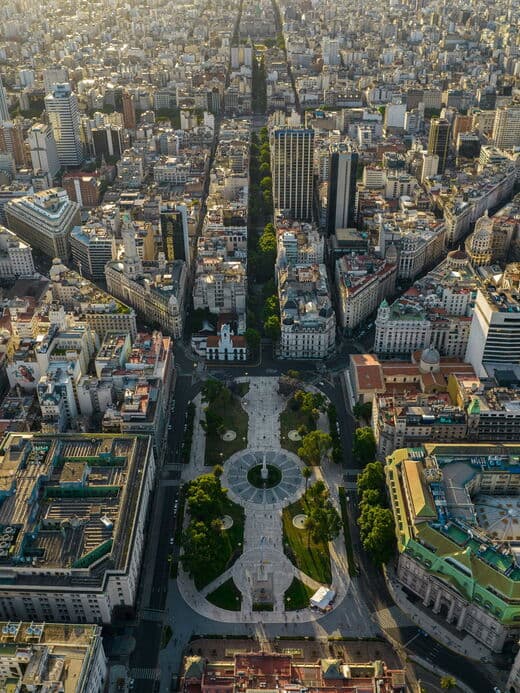
Buenos Aires is not merely a capital city - it is an entire world within Argentina. With a population of nearly 15 million in the greater metropolitan area, the city pulses to its own distinct rhythm, unlike anywhere else in the country. Portenos - as Buenos Aires residents call themselves - take pride in their uniqueness and may seem to regard the provinces with a certain metropolitan superiority. But this attitude quickly transforms into genuine hospitality the moment you show interest in their city.
Buenos Aires is often called the Paris of South America, and there is truth in this comparison: grand boulevards, neoclassical architecture, sidewalk cafes, and that particular atmosphere of a European city that cannot be fabricated. But this label misses what makes Buenos Aires truly special - it is entirely its own creation. Here, Italian, Spanish, French, and even Eastern European influences have blended to create a unique cultural fusion found nowhere else on earth.
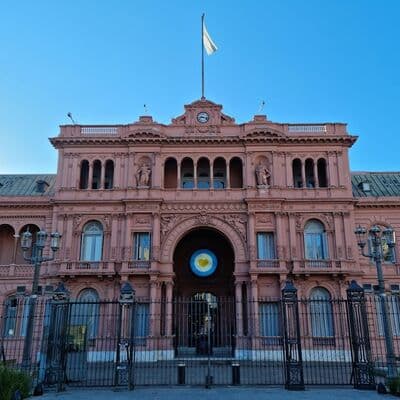
The heart of the city is Plaza de Mayo, the main square of Argentina since 1580. Here stands the Casa Rosada - the pink presidential palace from whose balcony Peron and Evita delivered their legendary speeches. This square has witnessed revolutions, coups, and mass protests - it is the living history of Argentina. Every Thursday, the Mothers of Plaza de Mayo still gather here, demanding truth about their children who disappeared during the military dictatorship. It is a sobering but essential reminder of the country's past.
From the plaza, the city's main arteries radiate outward. Avenida de Mayo leads to Congress - this is the ceremonial avenue lined with century-old cafes, including the legendary Cafe Tortoni, in operation since 1858. Borges, Garcia Lorca, and Albert Einstein all passed through these doors. Yes, it is touristy and somewhat expensive, but to skip this place means missing a piece of Buenos Aires' soul. Order a coffee, a slice of rogel cake, and take in the tango show that runs every evening.
Teatro Colon ranks among the world's finest opera houses for acoustics. Even if opera is not your passion, take a guided tour of the building - the interiors rival many European palaces for opulence. And if you can secure tickets to a performance, you are in for an unforgettable evening. Prices are significantly lower than in Milan or Vienna, yet the quality stands equal.
San Telmo is the bohemian heart of the city. Cobblestone streets, antique shops, tango on every corner, and the San Telmo Market which operates daily but reaches its peak on Sundays. The market transforms into a massive fair spanning several blocks - antiques, vintage finds, local delicacies, street musicians, and dancers mean you can easily spend an entire day here. Do not miss El Zanjon de Granados - an extraordinary underground museum where you can explore colonial-era tunnels beneath the city.
La Boca is the most colorful neighborhood in Buenos Aires, home to Caminito, the street of brightly painted houses that has become a symbol of the city. Yes, this is a tourist spot, but it delivers on its promise - vivid facades, street tango performances, the aromas of parrilla grills. Just do not wander beyond the tourist streets, as the rest of La Boca can be unsafe. However, definitely visit La Bombonera Stadium, home of the legendary Boca Juniors. Even if soccer is not your thing, the atmosphere during a match is pure Argentine adrenaline.
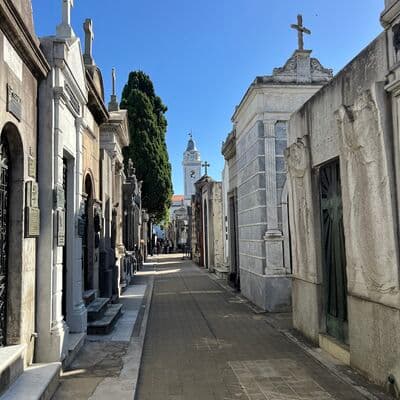
Recoleta is the aristocratic quarter, featuring Recoleta Cemetery where Argentina's most influential families rest, including Eva Peron. This is not a somber place but rather an open-air museum - the mausoleums here are works of art. After the cemetery, walk to the Evita Museum to understand why this woman still stirs such passion in Argentina.
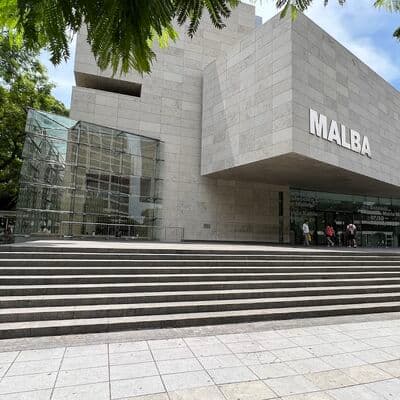
Palermo is the largest and trendiest neighborhood in Buenos Aires, divided into several sub-districts. Palermo Soho offers boutiques, designer shops, and hipster cafes. Palermo Hollywood delivers restaurants and nightlife. The Palermo Woods comprise a vast park where locals jog, cycle, and hold picnics. Within the park you will find El Rosedal with its thousands of roses, the Japanese Garden, and the Galileo Galilei Planetarium. Be sure to visit MALBA - the Museum of Latin American Art, which houses an impressive collection from Frida Kahlo to contemporary artists.
Puerto Madero is a former port transformed into a fashionable district of skyscrapers, restaurants, and a waterfront promenade. Here you will find Floralis Generica - a giant metal flower sculpture that opens each morning and closes at night. El Ateneo Grand Splendid is a bookstore housed in a former theater, often called one of the most beautiful bookstores in the world. Even if you do not read Spanish, step inside to admire the architecture and enjoy coffee on the former stage.
The Obelisk of Buenos Aires is the 67-meter symbol of the city, standing at the intersection of Avenida 9 de Julio (claimed to be the widest avenue in the world) and Avenida Corrientes (the theater street). Palacio Barolo is a peculiar building designed in homage to Dante's Divine Comedy - book a night tour to the rooftop for spectacular city views. Nearby stands the National Museum of Fine Arts with free admission and an excellent collection.
Plan at minimum 4-5 days for Buenos Aires, though a week is better. The city reveals itself gradually: the first days you will marvel at architecture, then you will discover local cafes and restaurants, and by the end you will fall in love with its rhythm - late dinners at 10 PM, tango milongas at midnight, and cafe breakfasts at noon.
Patagonia: El Calafate and the Glaciers
El Calafate is the gateway to the world of glaciers. This small town on the shores of Lake Argentino exists almost entirely for tourism, and it does this well. The main street - Avenida Libertador - is packed with restaurants, shops selling wool products, and tour agencies. Nights here are quiet, while days see everyone departing for the glacier. The town was founded as a sheep-farming station, but since the 1980s, tourism has completely transformed its character.
Perito Moreno Glacier is the star attraction of the region and one of the few glaciers in the world that is not retreating but actually advancing. This is 250 square kilometers of ice, a wall 60 meters high and 5 kilometers wide, plunging into the turquoise waters of the lake. The glacier moves constantly - approximately two meters per day. You will hear cracking, thundering, and see enormous chunks of ice crash into the water. This is called calving, and it is a mesmerizing spectacle.
There are several ways to experience the glacier. The simplest is to visit the viewing platform system (pasarelas) in Los Glaciares National Park. Wooden walkways stretch for several kilometers, offering stunning views from different angles. You can spend a couple of hours here or an entire day - watching how the light changes and transforms the color of the ice. Park entrance for foreigners costs around $25 USD, but it is worth every cent.
For a more intimate encounter, there is mini-trekking on the glacier itself. You will be taken by boat to the glacier's edge, fitted with crampons (metal spikes that attach to your boots), and led across the ice surface. Walking on a living glacier, discovering blue ice caves, drinking from meltwater streams - this is an unforgettable experience. There is also a big ice trek for a full day for those who want to venture deeper.
But El Calafate offers more than just Perito Moreno. The park contains several other glaciers: Upsala (the largest in South America), Spegazzini, and others. A boat excursion across the lakes, approaching these glaciers, is an adventure in itself. You will cruise among icebergs of incredible shapes and colors, from pure white to deep blue.
Estancia Cristina is a remote sheep farm accessible only by water. It has its own trail system with views of Upsala Glacier and the Rio Guillermo canyon. This place is for those who want to escape the crowds and experience a different Patagonia - quiet, wild, authentic.
Weather in El Calafate is unpredictable. Summer (December-February) can bring temperatures of 68F/20C and sunshine, then within an hour drop to 41F/5C with wind and rain. Patagonian wind is famous for its strength - gusts sometimes reach 60 mph/100 km/h. Dress in layers, bring wind and waterproof clothing, even if the forecast promises sunshine.
Patagonia: El Chalten and the Mountains
If El Calafate represents glaciers, then El Chalten represents mountains and trekking. These two places are separated by just 220 kilometers, yet they are completely different worlds. El Chalten is Argentina's youngest town, founded in 1985 essentially to stake a territorial claim in a dispute with Chile. Today it is the trekking capital of the country, a small village among the mountains where everyone knows each other.
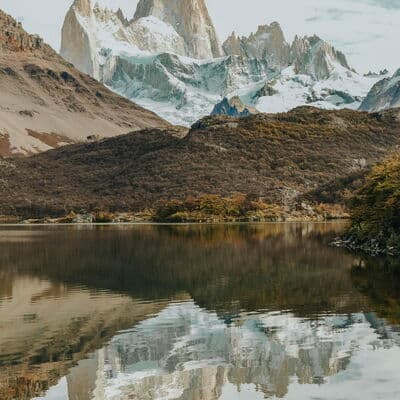
Mount Fitz Roy is the icon of Patagonia. This jagged granite peak at 3,405 meters (11,171 feet) is one of the most technically challenging climbs in the world. But you do not need to be a mountaineer to witness its majesty. The most popular route is to Laguna de los Tres, from where you get that view you have seen in thousands of photographs: Fitz Roy reflected in the emerald waters of a glacial lake.
The trek to Laguna de los Tres covers 20-25 kilometers (12-15 miles) round trip with an elevation gain of about 1,000 meters (3,300 feet). Most of the path is gentle, passing through forests and valleys, but the final kilometer is a steep scramble over rocks. Allow 8-10 hours. Start early in the morning to catch sunrise at the lake and return before dark. If you get lucky with weather, this will be one of the best days of your life.
But Fitz Roy is temperamental. It often hides in clouds, and many tourists spend several days in El Chalten without ever seeing the peak. This is part of the game - Patagonia does not tolerate haste. If it is cloudy, head to Laguna Torre, another beautiful lake with views of Torre Glacier. Or explore shorter trails: Mirador de los Condores (a viewpoint overlooking the valley) or Chorillo del Salto (a waterfall 4 km from town).
El Chalten is a village you can walk across in 15 minutes. There are no ATMs (bring cash!), few shops, and limited restaurant options. But there are outstanding craft breweries making beer right here, several excellent parrilla spots, and incredible mountain views straight from your hostel window. This place is for those who came for nature, not comfort.
The best time for El Chalten is November through March. In winter (June-August) many trails are closed due to snow, and daylight hours are very short. Spring (September-October) and fall (April-May) can be wonderful, but weather becomes even more unpredictable.
Tierra del Fuego: Ushuaia
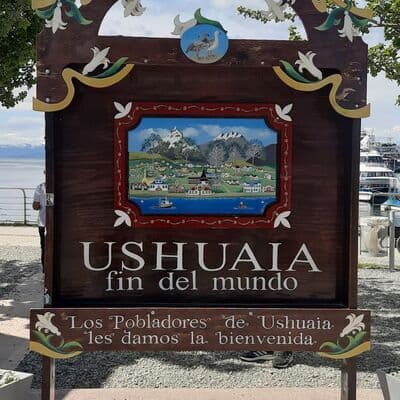
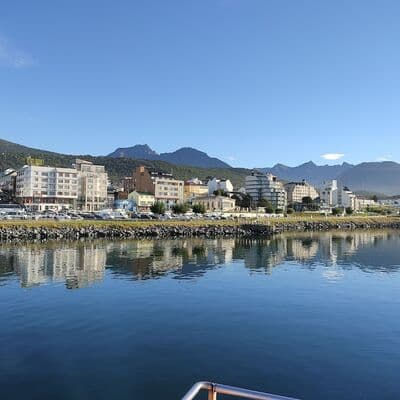
Ushuaia is the southernmost city in the world (setting aside the disputed Chilean settlement of Puerto Williams). The name translates from the Yamana language as 'deep bay' or 'bay facing west.' This is a place at the edge of the world, where the Americas end and Antarctica begins - just 1,000 kilometers away. Ushuaia - End of the World is not merely a slogan but a genuine feeling that washes over you when you stand on the shores of the Beagle Channel and gaze south, where there is nothing but water and ice.
The city is wedged between mountains and sea, creating a unique microclimate. Summers are cool (50-59F/10-15C), winters cold but not extreme (around freezing). The main challenge is wind and rain, which can arrive at any moment. Yet in summer, the sun sets around 10 PM and rises at 5 AM, giving you nearly 18 hours of daylight.
Tierra del Fuego National Park is the first stop for most visitors. You can reach it by bus or on the historic 'End of the World Train' - a narrow-gauge railway built by prisoners in the early 20th century. The park is small but beautiful: sub-Antarctic forests, lakes, rivers, and views of Chilean mountains across the channel. Here begins (or ends, depending on your perspective) the Pan-American Highway - the road connecting Alaska to Tierra del Fuego.
A cruise through the Beagle Channel is an essential part of any visit. Catamarans pass islands with colonies of sea lions and penguins, the Les Eclaireurs lighthouse (one of the most photographed lighthouses in the world), and approach the Chilean shore. Various routes are available: half-day, full-day, with island landings or without. Choose one that includes a visit to Martillo Island with its Magellanic penguin colony - watching these birds from just a few meters away is extraordinary.
Ushuaia also serves as the gateway to Antarctica. Expedition cruises to the white continent depart from here (10-20 days, from $5,000 USD). If Antarctica is not in your plans but you want to feel the spirit of polar expeditions, visit the Maritime Museum in the old prison building or the Museo del Fin del Mundo.
In winter, Ushuaia transforms into a ski resort. There are several slopes for downhill skiing and extensive opportunities for cross-country skiing and snowmobiling. This is the only place in Argentina with guaranteed snow, and the season runs from June to October.
Iguazu Falls
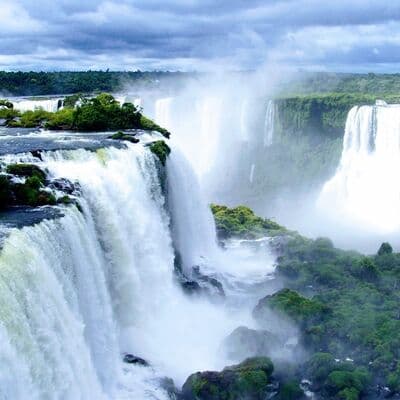
Iguazu Falls is not a single waterfall but a system of 275 waterfalls stretching across 2.7 kilometers. The Iguazu River plunges from an 80-meter height into an enormous canyon, creating a spectacle that surpasses both Niagara and Victoria Falls. Eleanor Roosevelt, upon seeing Iguazu, reportedly exclaimed: 'Poor Niagara!' She was right.
The falls sit at the junction of three countries - Argentina, Brazil, and Paraguay. The Argentine side offers proximity. Here you approach the waterfalls up close, walk along walkways above churning water, feel spray on your face. The Iguazu Falls trails include upper and lower routes, each revealing different perspectives. But the main attraction is Garganta del Diablo - the Devil's Throat. This horseshoe-shaped waterfall stands 82 meters high, receiving the main flow of water. A 1,100-meter bridge over the river leads to its edge, and when you reach it, you are engulfed by thunder, spray, and an understanding of your own insignificance before the power of nature.
The Argentine side requires at least one full day, ideally two. Arrive at park opening (8 AM) to avoid crowds and see everything. A free train runs inside the park, ferrying visitors between trails. Definitely bring waterproof clothing or buy a cheap poncho at the entrance - you will get soaked to the bone.
The Brazilian side offers panoramas. From there you can see the entire front of the falls, and photos tend to be more 'postcard-worthy.' Many visitors combine both sides: one day Argentina, one day Brazil. For US, UK, Australian, and Canadian citizens, crossing into Brazil is straightforward as no visa is required - just bring your passport.
The town of Puerto Iguazu on the Argentine side is a pleasant place with good restaurants and a relaxed atmosphere. On the Brazilian side, Foz do Iguacu is larger but less charming. If you have time, take a day trip to Paraguay, specifically Ciudad del Este, a smuggler's paradise of cheap electronics. It is a chaotic place but interesting for a short visit.
The best time for Iguazu is March-April and August-September. Water levels are high (making the falls more powerful), but without summer's intense heat and humidity. Summer (December-February) brings temperatures of 95-104F (35-40C) with high humidity, plus peak tourist crowds. Winter (June-August) is cooler with fewer people, but water flow may not be sufficient for the full impact.
Northwest: Salta and Surroundings
Salta represents another Argentina entirely. If Buenos Aires feels European and Patagonia feels wild, the northwest feels indigenous and colonial simultaneously. Salta is the regional capital, a beautiful city with well-preserved colonial architecture that locals call 'Salta la Linda' (Salta the Beautiful).
The city center is compact and walkable. Plaza 9 de Julio is the main square with its cathedral, cabildo (colonial council building), and cozy cafes beneath arcades. Surrounding it are pedestrian streets with craft shops, museums, and churches. MAAM (Museum of High Altitude Archaeology) houses the 'Children of Llullaillaco' - Incan child mummies sacrificed 500 years ago atop a volcano and preserved in permafrost. It is haunting and fascinating in equal measure.
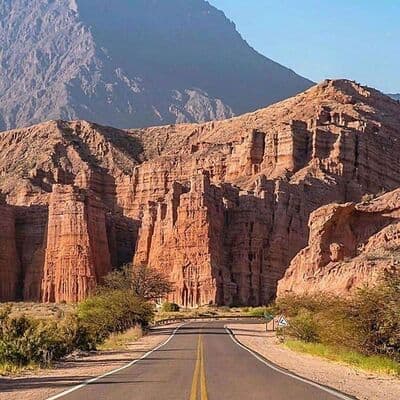
But the real treasures of Salta lie in its surroundings. From here, routes lead to some of Argentina's most spectacular landscapes. Cafayate is a wine town 180 kilometers to the south. The road there (Ruta 68) passes through Quebrada de las Conchas - a canyon of red rocks in incredible formations. The Amphitheater, Devil's Throat, the Obelisk - each stop is more photogenic than the last. In Cafayate itself, wineries offer tastings of Torrontes (a local white variety), which here achieves its finest expression in the world.
Salinas Grandes is a vast salt flat at 3,400 meters elevation. This is 12,000 hectares of blindingly white salt, where you can take those perspective-bending photos. The road there is an adventure in itself: the Cuesta del Obispo serpentine climbs through clouds, revealing dizzying views. Along the way lies the village of Purmamarca with its Seven-Colored Mountain and craft market.
Quebrada de Humahuaca is a gorge included on the UNESCO World Heritage list. This ancient Incan trade route features colorful villages, pre-Columbian ruins, and mountains in every color of the rainbow. Tilcara with its pucara fortress, Humahuaca with its colonial center, Iruya with its archaeological site - each place deserves a stop.
The northwest requires at minimum 3-4 days, ideally a week. Rent a car or join organized tours - distances are substantial and public transportation is infrequent. The best time is April through November (dry season). Summer (December-March) brings the rainy season - roads may be washed out and views obscured by clouds.
Lake District: Bariloche
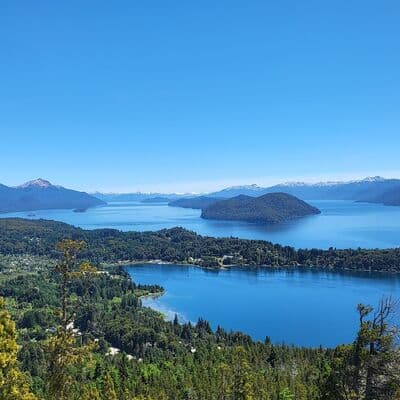
Bariloche (full name San Carlos de Bariloche) is Argentina's Switzerland. Alpine architecture, snow-capped mountains, blue lakes, and chocolate on every corner. German and Swiss immigrants founded the town in the early 20th century, and their influence pervades everything - from chalet-style hotels to chocolate shops, of which there are more than a hundred.
Bariloche sits on the shores of Lake Nahuel Huapi, one of Argentina's largest. The town stretches along the shoreline, and the main street - Mitre - overflows with restaurants, shops, and tour agencies. It is a lively, somewhat chaotic place, especially in high season. But drive just a few kilometers and you find yourself in pristine wilderness.
Circuito Chico is the classic route around the Llao Llao peninsula. Sixty kilometers of road with stunning views of lakes and mountains, several viewpoints, and opportunities to stop at beaches or in forests. You can drive it, cycle it, or take a tour. An essential stop is Cerro Campanario, from which National Geographic has declared one of the best views in the world. You can reach the summit on foot (20 minutes) or by chairlift.
Cerro Catedral is South America's premier ski resort. In winter (July-September) skiers from across the continent converge here. In summer, the lifts operate for tourists, and from the summit, panoramas extend for dozens of kilometers. Refugio Frey is a mountain hut beside a lake of the same name, reachable via a 4-5 hour trek. It is one of the best day hikes in the region.
Bariloche serves as the starting point for the Seven Lakes Route (Ruta de los Siete Lagos). This 110-kilometer stretch from Bariloche to San Martin de los Andes passes through national parks alongside seven lakes in various shades of blue and green. It is one of Argentina's most scenic drives, completable in a day or extendable over several with camping stops.
Victoria Island and the Arrayanes Forest make for an excellent boat excursion on Lake Nahuel Huapi. The Arrayanes Forest is a unique place where trees grow with cinnamon-red bark. Legend has it this forest inspired Disney's 'Bambi,' though this is likely more charming myth than fact.
Bariloche works year-round. Summer (December-February) offers hiking, water sports, and long days. Winter (July-September) delivers skiing and snowboarding. Shoulder seasons (April-May, October-November) bring fewer tourists, though some routes may be closed. The town is extremely popular with Argentine high school students on graduation trips (November-December), making it noisy and crowded during this period.
Mendoza: Wine and Mountains
Mendoza is the wine capital of Argentina and one of the eight Great Wine Capitals of the world. This region produces two-thirds of all Argentine wine, and the star here is Malbec. This grape variety, which nearly vanished from France after the phylloxera epidemic, found a second home in Mendoza and has become the country's signature.
Mendoza city is pleasant and relaxed. Wide streets lined with plane trees provide shade from the summer heat. An irrigation canal system inherited from the Incas feeds the city's parks and vineyards. After a devastating earthquake in 1861, the city was rebuilt with earthquake safety in mind - hence buildings are low-rise and plazas are numerous.
The Mendoza wine route is the primary reason to visit. Three main wine zones exist: Maipu (closest to the city, with classic bodegas), Uco Valley (a young, prestigious region with designer wineries), and Lujan de Cuyo (the historic heartland of Malbec). Wineries offer tastings, vineyard and cellar tours, and lunches among the vines. You can explore by rented bicycle, with a driver, or on organized tours.
Potrerillos is a mountain resort 70 kilometers from the city. Lake, canyons, rafting, horseback riding - you can spend a day here or stay overnight at one of the eco-lodges. This is the gateway to the Andes and an excellent place for active pursuits between wine tastings.
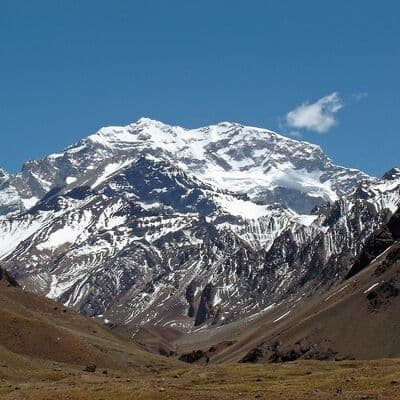
Aconcagua is the highest point in South America and the entire Western Hemisphere at 6,962 meters (22,841 feet). Summiting requires a serious expedition of 15-20 days and professional preparation. But the base camp at Plaza de Mulas (4,300 meters/14,100 feet) is accessible to ordinary tourists in good physical condition. This involves a 2-3 day trek with overnight camping in the mountains. Even if you do not venture far, the view of Aconcagua from roadside viewpoints impresses - especially in winter when the mountain wears its snow cap.
Mendoza is also about gastronomy. Argentine beef here is complemented by wine, creating a perfect pairing. Winery restaurants offer multi-hour lunches with mountain views. Indoor parrillas in the city are venues for evening feasts with locals.
The best time for Mendoza is March through May (autumn, harvest time, the Vendimia wine festival in early March) and September through November (spring, when vineyards bloom). Summer (December-February) is extremely hot - up to 95-104F (35-40C), making daytime excursions exhausting. Winter (June-August) is cool but dry, and wineries operate normally.
Unique Features of Argentina: What You Cannot Miss
National Parks
Argentina ranks among the countries with the greatest ecosystem diversity in the world. From subtropical jungles to sub-Antarctic forests, from high-altitude deserts to marine coastlines - all this is protected by a network of 47 national parks. Several are must-visits for any traveler.
Los Glaciares National Park is the flagship of Argentina's protected area system. Covering 726,000 hectares of glaciers, mountains, and lakes, it has been a UNESCO World Heritage Site since 1981. Here you find both Perito Moreno and Fitz Roy, plus dozens of smaller glaciers. The park divides into two zones: southern (El Calafate, glaciers) and northern (El Chalten, mountains), with no direct road between them inside the park.
Tierra del Fuego National Park is Argentina's southernmost national park and one of the southernmost in the world. Sub-Antarctic forests of lenga and nire, peat bogs, and Beagle Channel coastline define its character. Here you can hike the Costal del Beagle trail along the shore or climb to Lake Esmeralda. The park is small but atmospheric - this is the edge of the world, and you feel it.
Iguazu National Park encompasses 67,000 hectares of subtropical forest surrounding the famous falls. Beyond the water, hundreds of bird species live here (including toucans and parrots), capuchin monkeys, coatis, and jaguars (which you probably will not see, but they exist). Trails through the jungle are an adventure in themselves, even if you have already seen the waterfalls.
Nahuel Huapi National Park is Argentina's oldest (established 1934) and one of its largest. Covering 700,000 hectares of lakes, mountains, and forests around Bariloche, this is where the Seven Lakes Route begins and where routes to Refugio Frey end. The park suits trekking of any difficulty level - from hour-long strolls to multi-day expeditions.
Talampaya National Park (La Rioja Province) features red canyons, petroglyphs, and dinosaur fossils. It resembles American national parks like Zion. Often combined with neighboring Ischigualasto Provincial Park (Valley of the Moon), where some of the oldest dinosaur remains on the planet were discovered.
National park entrance fees for foreigners typically range from $15-30 USD. Tickets can be purchased online through the APN (National Parks Administration) website or on-site. During high season, parks like Los Glaciares can become crowded - book treks and transportation in advance.
Glaciers and Mountains
Patagonian glaciers represent the third-largest freshwater reserve on the planet after Antarctica and Greenland. The Southern Patagonian Ice Field stretches 350 kilometers along the Argentina-Chile border, feeding dozens of glaciers, rivers, and lakes. These are glaciers you can see, touch, and walk upon - making Argentina a unique destination for glacier tourism.
Perito Moreno Glacier is the most accessible and impressive. But others exist. Upsala is the largest in South America (870 km2), though retreating. Spegazzini is the tallest (its wall reaches 130 meters above the water). Viedma is part of the ice field accessed from El Chalten. Each can be visited on excursions from El Calafate or El Chalten.
Patagonian mountains are paradise for trekkers and mountaineers. Fitz Roy and Cerro Torre are icons, but numerous other routes exist. The Huemul Trek is a 4-day circuit around Mount Huemul with overnight stays in mountain refugios. Viedma Glacier allows walking with crampons. The pass to Chile via Laguna del Desierto offers adventure for the experienced.
The Andes around Mendoza present a different mountain system - drier and higher. Aconcagua is a dream summit for many mountaineers. But even without climbing, you can enjoy the mountains: the Uspallata pass between Mendoza and Chile, the Puente del Inca (a natural stone bridge over a river), hot springs at the mountain base.
Serious mountain activities require good physical fitness and proper equipment. Altitude sickness is a real problem in the Andes (Aconcagua, the northwest), though Patagonian elevations are more modest. Weather is unpredictable everywhere - clothing layers and wind/rain protection are essential.
Waterfalls and Rivers
Iguazu Falls is the country's premier water wonder, but not the only one. The Iguazu River itself impresses - flowing 1,320 kilometers through jungle before plunging over the famous precipice. Above the falls you can go rafting or kayaking - calm conditions, unlike the rapids below.
The Parana River is South America's second-longest after the Amazon. It forms Argentina's eastern border, and its delta near Buenos Aires is remarkable. Tigre is a city on canals, perfect for a day trip from the capital. Delta islands, locals in boats, waterside restaurants - it feels like Venice, but with jungle.
Patagonian rivers are wild, glacial, and stunningly beautiful. The Santa Cruz River flows from Lake Argentino (the same lake where Perito Moreno calves) to the Atlantic. You can paddle it by kayak - several days in complete solitude amid steppes and mountains. The Futaleufu River (on the Chilean border) ranks among the world's best for Class IV-V rafting.
Patagonian lakes deserve special mention. Lake Argentino is the country's largest at 1,466 km2. Lake Nahuel Huapi is Bariloche's jewel, complete with legends of its own 'Loch Ness monster' called Nahuelito. Lake Traful, Lake Gutierrez, the Seven Lakes - each possesses its own shade, from emerald to sapphire, thanks to varying concentrations of glacial silt.
Wildlife Encounters
Argentina offers remarkable wildlife viewing opportunities across its diverse ecosystems. Peninsula Valdes on the Atlantic coast is a UNESCO World Heritage Site and one of the world's premier locations for marine mammal observation. From June through December, southern right whales come here to breed and calve - you can watch them from shore or take boat trips for closer encounters. Elephant seals, sea lions, orcas, and Magellanic penguins also populate the peninsula.
In Patagonia, guanacos (wild relatives of llamas) roam the steppes in herds, and you will see them grazing alongside roads. Andean condors soar above the mountains, their wingspan reaching nearly 3.5 meters. In the forests around Bariloche, the pudu (the world's smallest deer) hides among the undergrowth, though seeing one requires patience and luck.
The subtropical northeast hosts jaguars, tapirs, howler monkeys, and an incredible diversity of birds. Ibera Wetlands, often called Argentina's Everglades, is second only to Brazil's Pantanal for wildlife density in South America. Here you can spot caimans, capybaras, marsh deer, and hundreds of bird species from guided boat excursions.
Even in Buenos Aires, wildlife surprises. The Costanera Sur Ecological Reserve, just minutes from Puerto Madero's skyscrapers, harbors over 300 bird species along with nutria, river turtles, and more. It is an unexpected green oasis in a metropolis of 15 million people.
Cultural Treasures
Argentina's cultural offerings extend far beyond tango, though tango certainly defines the nation's artistic identity. The dance originated in the brothels and tenement courtyards of Buenos Aires in the late 19th century, blending African, European, and indigenous influences. Today it is a UNESCO Intangible Cultural Heritage, and experiencing it live - whether at a tourist-oriented dinner show or an authentic neighborhood milonga - is essential to understanding Argentina.
Literature runs deep in the Argentine consciousness. Buenos Aires claims the highest bookstore density of any city in the world, and famous authors from Jorge Luis Borges to Julio Cortazar walked these streets. Borges' favorite haunts still exist - Cafe Tortoni where he read poetry, the Biblioteca Nacional where he served as director, the labyrinthine streets of San Telmo that inspired his stories.
Gaucho culture represents the rural counterpart to urban sophistication. These Argentine cowboys, analogous to American cowboys or Australian stockmen, shaped national identity through their horsemanship, folk music, and traditional values. Visit an estancia (ranch) to experience gaucho life - horseback riding across the pampas, traditional asado barbecues, folk dancing, and perhaps watching a display of boleadoras (weighted throwing weapons).
Pre-Columbian heritage survives strongest in the northwest. The Quilmes ruins near Cafayate are the remains of the largest pre-Incan city in Argentina, once home to 5,000 people. Throughout the Quebrada de Humahuaca, indigenous Andean culture persists in textiles, music, and festivals that blend Catholic and ancient traditions.
When to Visit Argentina
General Season Overview
Argentina lies in the Southern Hemisphere, so seasons are reversed from North America and Europe. Summer runs December through February, winter June through August. But the country stretches so far from north to south - equivalent to the distance from Norway to North Africa - that no single 'best time' exists. Different regions shine at different times.
Buenos Aires: Most pleasant in spring (September-November) and autumn (March-May). Summer brings heat and humidity (86-95F/30-35C, sticky), and many locals escape to the coast. Winter is cool (50-59F/10-15C during the day) but dry - perfectly comfortable for walking.
Patagonia (El Calafate, El Chalten, Bariloche): Summer (December-February) is peak season. Long days, relatively warm weather (59-68F/15-20C during the day), all trails open. But maximum tourists, higher prices, and advance booking required. Shoulder season (October-November, March-April) means fewer people and less stable weather, but conditions can be excellent. Winter closes many routes with snow.
Ushuaia: Summer (December-March) for trekking and cruises, winter (June-September) for skiing. Weather remains unpredictable year-round - four seasons in one day is not unusual.
Iguazu: Best March-April and August-September - not too hot, falls running strong. Summer (December-February) brings brutal heat and humidity, but water volume is high. Winter (June-August) is cooler but falls may be less impressive after a dry period.
Northwest (Salta): Dry season April through November is ideal. Summer (December-March) brings the rainy season - roads may wash out, especially in mountains.
Mendoza: Harvest time (February-April) is most interesting for wine tours, plus the Vendimia festival in early March. Summer is very hot. Winter is comfortable, though mountain passes may close with snow.
Festivals and Events
The Tango Festival in Buenos Aires (August) presents two weeks of master classes, milongas, and the World Tango Championship. The city lives and breathes tango even more than usual. For tango enthusiasts, this is an essential time to visit.
Vendimia (Mendoza, first week of March) celebrates the grape harvest. Parades, the crowning of the harvest queen, concerts, tastings. The main event is a spectacular show at the Frank Romero Day amphitheater with light effects and fireworks.
Carnival in Gualeguaychu (January-February) is Argentina's answer to Brazilian carnival, though more modest. Parades, dancing, costumes. The city lies in Entre Rios Province, between Buenos Aires and Iguazu.
Independence Day (July 9) and Revolution Day (May 25) are national holidays with parades and events. Museums may be closed or operate reduced hours.
Easter (March-April) is a week when many Argentines travel. Patagonia and Mendoza become overcrowded, prices spike. Book well in advance or avoid this period.
Christmas and New Year fall during summer vacation. Buenos Aires empties (locals head to beaches), while tourist regions overflow. Heat everywhere except Patagonia.
What to Avoid
January in Buenos Aires: The city is half-empty (everyone on vacation), but heat is unbearable. Many restaurants and shops close for their annual break.
July-August in Patagonia (unless you ski): Short days, closed trails, cold. Beautiful for photography but limited activities.
School vacation in Bariloche (November-December): Argentine high school graduation trips make the town noisy and chaotic. If you are over 25, choose another time.
Rainy season in the northwest (December-March): Washed-out roads, limited visibility, mudslide risk. Possible but challenging.
How to Get to Argentina
International Airports
The main hub is Ezeiza Airport (EZE) in Buenos Aires, 35 kilometers from the city center. Major airlines fly here: American, United, Delta, LATAM, Aerolineas Argentinas, British Airways, Air France, Emirates, and others. Direct flights from major US cities take 9-11 hours from Miami/Houston/Dallas, 11-13 from New York/Washington. From London, direct flights take about 14 hours. From Australia, expect connections through Santiago or Auckland, totaling 18-24 hours.
For US travelers: American Airlines flies direct from Miami and Dallas. United offers service from Houston and Newark. Delta connects through Atlanta. LATAM flies from Miami, New York, and Los Angeles with excellent onward connections throughout Argentina.
For UK travelers: British Airways operates direct service from London Heathrow. Norwegian (when operating) and various European carriers offer connecting options through Madrid, Paris, or Rome.
For Australian travelers: Qantas and LATAM offer the most convenient routings, typically connecting through Santiago, Chile. Auckland is another common connection point.
For Canadian travelers: Air Canada seasonally offers direct service from Toronto. Otherwise, connecting through the US (Miami is fastest) or through Europe works well.
Jorge Newbery Airport (AEP), also called Aeroparque, is Buenos Aires' city airport for domestic flights and some international routes (mainly to neighboring countries). Its location within the city makes connections convenient.
Other international airports: Cordoba (COR), Mendoza (MDZ), Salta (SLA), Ushuaia (USH). Some accept flights from Chile or Brazil, which can be convenient for complex itineraries. For example, you can fly into Ushuaia from Santiago or Punta Arenas, bypassing Buenos Aires entirely.
Land Crossings
Argentina shares borders with five countries, and all are open to tourists.
Chile: Numerous crossings through the Andes. Most popular is the Cristo Redentor tunnel between Mendoza and Santiago (6-8 hour bus ride). May close in winter due to snow. From Bariloche, you can cross to Puerto Montt via the lake crossing - a day of ferries and buses through spectacular scenery. From El Chalten, a hiking route crosses through Laguna del Desierto into Chile (for adventurous types).
Brazil: The crossing at Iguazu (Puerto Iguazu to Foz do Iguacu). Bridge crossing by foot or bus takes 30 minutes. No visa required for US, UK, Australian, or Canadian citizens.
Uruguay: Ferries from Buenos Aires to Montevideo and Colonia del Sacramento. Buquebus and Colonia Express are main operators. 1-3 hours depending on route and ferry type. Excellent option for a day trip to Colonia.
Paraguay: Crossing at Iguazu (Puerto Iguazu to Ciudad del Este) or at Posadas-Encarnacion. No visa required for US, UK, Australian, or Canadian citizens.
Bolivia: Crossings in the northwest: La Quiaca-Villazon and Salvador Maza-Bermejo. Easy to combine with a Bolivia visit after Salta.
Flight Costs
From the US to Buenos Aires, expect $800-1,800 USD in economy class depending on season, origin city, and airline. Cheapest in shoulder season (April-May, September-November). Most expensive December-January and during major events.
From the UK, flights typically range from 600-1,200 GBP in economy.
From Australia, budget $1,800-3,000 AUD for economy tickets.
Search for flights 3-6 months before travel. Use aggregators (Google Flights, Skyscanner, Kayak) but compare with airline websites - sometimes direct booking is cheaper. Flexibility with dates can save significant money. Business class starts around $4,000 USD from the US - worthwhile for such long flights if budget allows.
Getting Around Argentina
Domestic Flights
Argentina is enormous, and without flights, travel takes weeks. Distances: Buenos Aires to El Calafate 2,800 km, Buenos Aires to Ushuaia 3,200 km, Buenos Aires to Iguazu 1,300 km. By bus, these journeys take 24-48 hours. By plane, 2-3 hours.
Aerolineas Argentinas is the national carrier with the widest route network. Prices higher than budget carriers, but more reliable service and included baggage. Loyalty program accumulates miles with SkyTeam partners.
LATAM Argentina (Chilean airline) offers good coverage. Competes with Aerolineas, similar pricing.
Flybondi is Argentina's budget carrier. Cheapest option (from $30-50 USD per flight), but baggage and meals cost extra. Flies from Aeroparque in Buenos Aires. Delays occur, but excellent for budget travelers.
JetSmart is another budget option (Chilean-owned). Competes with Flybondi on price and routes.
Tip: Book domestic flights in advance, especially to Patagonia in high season. Flights to El Calafate and Ushuaia fill quickly, and prices spike closer to departure.
Buses
Long-distance buses in Argentina are an art form. This is not just transportation - it is an experience. Companies like Via Bariloche, Andesmar, and Flecha Bus offer different service classes: semi-cama (semi-sleeper seats reclining 140 degrees), cama (nearly horizontal), cama ejecutivo (fully flat with personal screen and meals). On overnight routes, you can sleep better than on a plane.
Prices vary by class and distance. Buenos Aires to Mendoza (1,000 km, 12-14 hours): from $30 USD in semi-cama to $80 in cama ejecutivo. Buenos Aires to Bariloche (1,600 km, 20-22 hours): from $50 to $120 USD. Buses are a good option to save money or enjoy the scenery (Ruta 40 along the Andes is stunning).
The Buenos Aires terminal is Retiro, a massive complex with dozens of platforms and ticket counters for all companies. Tickets can be purchased online (Plataforma 10, Busbud) or on-site. Book ahead in high season - popular routes sell out.
Within regions (for example, Salta to Cafayate or El Calafate to El Chalten), buses run less frequently but exist. Check schedules locally - they may vary by season.
Car Rental
Renting a car is the best way to explore Argentina on your own terms. Roads are generally good, especially national routes. Traffic drives on the right; rules are standard.
Requirements: International Driving Permit (IDP) recommended alongside your home license, credit card for deposit, minimum age 21 (some companies require 25). Major international companies (Hertz, Avis, Budget) and local ones (Localiza, Sixt) operate at airports and in cities.
Prices: from $40-60 USD per day for a compact, from $80-100 for an SUV. Insurance is mandatory and usually included in base price, but verify coverage. Deductible can be high ($1,000+ USD) - you can buy it down or insure separately.
Gasoline (nafta) and diesel are available everywhere, though in remote Patagonian areas, distances between gas stations can reach 200-300 kilometers. Fill up at every opportunity. Fuel prices are lower than Europe but higher than the US.
Ruta 40 is the legendary road along the Andes - 5,000 kilometers from Bolivia to Tierra del Fuego. Parts are paved, parts are gravel (ripio). For gravel sections, you need an SUV or at least a high-clearance vehicle. Take it slow - rocks, dust, and sudden potholes are real hazards.
Patagonian roads can be treacherous: wind can blow you off the road, gravel tracks turn to mud after rain, herds of guanacos dart onto highways. Drive carefully, do not overestimate your abilities, and do not plan more than 200-250 miles (300-400 km) per day on gravel.
City Transportation
Buenos Aires has a well-developed transit network. The Subte (metro) comprises 6 lines covering the center and some suburbs. It operates 5:30 AM to 11 PM (Sundays from 8 AM), and fares are around $0.20 USD. Lines are designated by letters and colors. It is the oldest subway in South America, though crowded during rush hours.
Colectivos (city buses) run hundreds of routes throughout the city and suburbs. Payment is by SUBE card (sold at kiosks and metro stations) - cash is not accepted. Routes and schedules appear in the Como Llego app or Google Maps. Night buses run 24/7.
SUBE is the unified transit card for all public transportation in Argentina (not just Buenos Aires). Buy one immediately upon arrival and top it up at kiosks or terminals. You cannot use transit without it.
Taxis and Uber operate in Buenos Aires. Taxis are black and yellow, metered. Uber is technically semi-legal but functions and is usually cheaper than taxis. For airport transfers, use official taxis or book in advance - less chance of overpaying.
In other cities, public transit is more limited. Mendoza, Cordoba, and Salta have buses. In Bariloche, El Calafate, and Ushuaia, rely mainly on taxis or transfers. In small towns, walk or rent a car.
The Cultural Code of Argentina
Communication and Etiquette
Argentines rank among the most open and sociable people in Latin America. They love to talk, debate, discuss politics over dinner, and spend hours telling you about their country. Do not be surprised if a stranger in a cafe draws you into a discussion about soccer or economics - this is normal and even expected.
The greeting is a kiss on the cheek, even between acquaintances, even between men (one kiss, right cheek). Handshakes are reserved for very formal situations. When introduced, use first names, not surnames - Argentina is informal.
Time in Argentina is a relative concept. If invited to dinner at 9 PM, arrive at 9:30-10 PM - earlier would be awkward. Business meetings start more punctually, but a 15-minute delay is normal. Do not get anxious - this is not disrespect.
Spanish in Argentina differs from Spanish in Spain or Mexico. Here they speak 'Rioplatense' - a distinctive dialect with Italian influence. Instead of 'tu' they use 'vos,' and they pronounce 'll' and 'y' with a 'sh' sound ('cashe' instead of 'calle'). If you have studied Spanish, the first days will require adjustment, but you will quickly adapt. Argentines appreciate any attempt to speak their language.
English is common in tourist areas, and younger people generally speak it reasonably well. But outside Buenos Aires and major resorts, rely on Spanish or gestures. Google Translate with the camera function is your friend.
Tipping
Tipping is an integral part of the culture, though less aggressive than in the US.
Restaurants: 10-15% of the bill. If service is included (cubierto - a cover charge for cutlery and bread already in the bill), you can leave less. In simple places, round up to a convenient amount.
Taxis: Not required, but customary to round up to a convenient figure.
Hotels: Bellhops and housekeeping 200-500 pesos ($0.50-1 USD) per service.
Tour guides and drivers: 10-20% of tour cost if you enjoyed it.
Cash is preferred for tips, though in modern establishments you can add it to card payment.
Dos and Don'ts
Do and should:
- Praise Messi - he is a national hero
- Show interest in tango - Argentines are proud of this art form
- Eat meat - vegetarians can manage in Argentina, but it requires effort
- Drink mate - if offered, refusing is rude
- Talk about travel - Argentines love traveling themselves
Better to avoid:
- Comparing with Brazil - rival neighbors in everything
- Raising the Malvinas/Falklands topic - still a sensitive issue
- Discussing the Perons without knowing your audience's views - the country remains divided
- Criticizing the economy - they already know, but hearing it from a foreigner is unwelcome
- Rushing - haste is not appreciated
Football (Soccer)
Football is Argentina's religion. Every Argentine supports a team, and this is not just a hobby but part of their identity. The two main clubs - Boca Juniors and River Plate - divide the country like nothing else. Ask a new acquaintance which team they support, and you will learn more about them than from an hour of conversation.
If you want to see a match, book tickets in advance through official club channels or agencies. La Bombonera Stadium (Boca Juniors) and El Monumental (River Plate) are iconic arenas. The atmosphere during a match - drums, songs, smoke flares, seas of emotion - is unlike anything else. It is safe if you go with a group or tour, but do not wear the opposing team's colors and stay away from fan sections.
The Superclasico - the match between Boca and River - is a world-class event. Tickets are nearly impossible to get, but worth trying. Or watch in a bar - emotions will still overflow.
Safety in Argentina
General Situation
Argentina is one of the safest countries in South America, but this does not mean you can let your guard down. Crime levels are lower than in Brazil, Colombia, or Venezuela, but higher than in Chile or Uruguay. The main concern is street theft, especially in large cities.
Buenos Aires: Downtown, Palermo, Recoleta, and Puerto Madero are safe day and night. La Boca beyond the tourist streets, Constitucion neighborhood, some parts of Flores and Liniers are best avoided or navigated carefully. At night everywhere, stay alert, avoid displaying expensive tech, and use taxis or Uber.
In the provinces, things are calmer. Patagonia, Mendoza, Salta, and Bariloche are tourist-friendly and safe. Iguazu is safe on the Argentine side; Ciudad del Este in Paraguay is more crime-prone. Ushuaia is very safe - a small town at the end of the world.
Common Scams
Pickpockets are highly professional. They work in the metro, at markets, in crowds. Keep your wallet in a front pocket or in a money belt under clothing. Wear backpacks on your chest in transit.
The mustard trick (mostaza scam): Someone 'accidentally' spills ketchup/mustard/what appears to be bird droppings on you, a helpful passerby offers to clean it off - and cleans out your pockets too. If something gets spilled on you, step away, do not let anyone help, clean it yourself.
Fake taxis: Only use official ones (black and yellow with a number on the door) or use Uber/Cabify. At night, order through an app rather than hailing on the street.
Currency exchange: Never exchange on the street with people offering 'cambio.' Yes, the rate is better than official, but fake bill and robbery risks are real. Use exchange houses (cuevas - unofficial but relatively safe) or Western Union.
Price inflation: Taxi drivers, street vendors, and some restaurants may try to charge tourists more. Watch the meter in taxis, ask prices before buying, check restaurant bills.
Emergency Services
Police: 101 (or 911 - unified number)
Ambulance: 107
Fire: 100
Tourist Police in Buenos Aires: 0800-999-5000 (free, English-speaking operators available)
US Embassy in Buenos Aires: Av. Colombia 4300, tel. +54 11 5777-4533
UK Embassy: Dr. Luis Agote 2412, tel. +54 11 4808-2200
Australian Embassy: Villanueva 1400, tel. +54 11 4779-3500
Canadian Embassy: Tagle 2828, tel. +54 11 4808-1000
If documents are stolen, immediately go to police for a report (denuncia), then to your embassy for temporary travel documents.
Health and Medical Care
Vaccinations and Prevention
No mandatory vaccinations are required for entry into Argentina (except yellow fever if arriving from endemic countries). But recommended:
- Hepatitis A - transmitted through water and food
- Typhoid - for extended trips to rural areas
- Yellow fever - if planning to visit the Iguazu region (though risk is low)
Malaria and dengue: Risk is minimal in tourist zones, but mosquito repellent is useful at Iguazu and in northern regions.
Altitude sickness: Relevant for the northwest (Salinas Grandes at 3,400m/11,150 ft, some passes above 4,000m/13,100 ft) and Aconcagua. Symptoms include headache, nausea, fatigue. Acclimatize gradually, drink plenty of water, avoid alcohol in the first days at altitude.
Water and Food
Tap water in major cities is safe to drink - Buenos Aires, Mendoza, Bariloche, Cordoba. But the taste may differ from what you are used to, so many prefer bottled water. In small towns and rural areas, bottled or boiled water is safer.
Street food is generally safe. Argentines pride themselves on the cleanliness of their establishments. But standard precautions apply: avoid food that has been sitting out uncovered, prefer freshly prepared items.
Meat is cooked well done, minimizing infection risk. Fish and seafood are fresh on the Atlantic coast and in Patagonia, but in Buenos Aires (which is far from the sea), be selective.
Medical Services
Medical care in Argentina is of high quality. Private clinics (clinicas) are comparable to European standards. Public hospitals (hospitales publicos) are free even for foreigners, but queues are long and conditions more basic.
Travel insurance is essential. Without it, private clinic visits are expensive. Check coverage: emergency care, evacuation (especially important for Patagonia and Ushuaia, where helicopter may be the only way to reach a hospital).
Pharmacies (farmacias) are everywhere. Many medications are sold without prescription, including antibiotics (though this is not recommended). Pharmacists can advise on simple problems. Farmacity chain operates 24/7 in major cities.
COVID and Other Requirements
As of this writing (2026), no COVID-related restrictions exist for entry into Argentina. But check current information before travel - situations can change.
Money and Budget
Currency and Exchange
The official currency is the Argentine peso (ARS, symbol $). Inflation in Argentina is chronically high (50-100% per year), so the exchange rate constantly changes. Check current rates before and during your trip, as they fluctuate significantly.
Argentina has multiple dollar exchange rates:
- Official rate - used by banks and official exchange offices. Unfavorable for tourists.
- Parallel rate ('dolar blue') - 20-50% higher than official. Available through unofficial exchange houses (cuevas), Western Union, or Wise.
Best ways to get good rates: Bring US dollars (cash, crisp, unwrinkled, issued after 2006) and exchange at cuevas (easily found in downtown Buenos Aires - ask your hotel reception) or send yourself money through Western Union and receive in pesos. Cards typically get the official rate - disadvantageous.
ATMs (cajeros) exist everywhere but: fees of $10-15 USD per withdrawal, limit of 15,000-30,000 pesos ($15-30 USD) per transaction, plus your bank may charge its own fee. Use ATMs only as a last resort.
Budget Guidelines
Argentina can be very cheap or very expensive - it depends on travel style and the exchange rate during your visit.
Budget level ($40-60 USD per day):
- Hostels - $10-20 USD for a dorm bed
- Street food, simple cafes - $5-10 USD per meal
- Buses, metro
- Free attractions, walking
Mid-range level ($100-180 USD per day):
- 3-star hotel or AirBnB - $50-100 USD per room
- Mid-range restaurants - $20-35 USD for dinner with wine
- Taxi/Uber, some tours
- Museum and park entry fees
Comfortable level ($250+ USD per day):
- 4-5-star hotels - $180+ USD
- Top restaurants - $60-120 USD for dinner
- Private tours, domestic flights
- Wine tours with tastings
Specific expenses:
- National park entry - $20-35 USD for foreigners
- Glacier trekking - $180-250 USD
- Boat excursion to glaciers - $120-180 USD
- Tango dinner show - $100-180 USD
- Tango lesson - $40-60 USD
- Winery tasting - $25-60 USD
Cards and Cash
Cards are accepted everywhere in major cities, but remember the unfavorable exchange rate. Visa and Mastercard work without problems. American Express is less common. Contactless payment is widespread.
Cash (pesos) is needed for: markets, small shops, tips, transportation (SUBE is topped up with cash), small towns and villages. In Patagonia outside major cities, cards may not be accepted at all.
Cash dollars are useful as a reserve in case of card problems or for exchanging at favorable rates. Store in different places in case of theft.
Argentina Itineraries
7 Days - Classic Patagonia
This itinerary is for those who want to see the main highlights of southern Argentina in a week. It is intensive but achievable.
Day 1: Buenos Aires
Arrival, check into a hotel in Palermo or San Telmo. Walk around Plaza de Mayo, view the Casa Rosada. Lunch at a cafe on Avenida de Mayo. Evening - dinner with tango show or visit a milonga for atmosphere immersion.
Day 2: Buenos Aires to El Calafate
Morning flight to El Calafate (3 hours). Check in, stroll the main street. Evening - dinner with Patagonian lamb and local wine.
Day 3: Perito Moreno Glacier
Full day in Los Glaciares National Park. Viewing platforms at Perito Moreno Glacier, watching iceberg calving. Optional - mini-trekking on the glacier (book in advance).
Day 4: El Calafate to El Chalten
Morning bus to El Chalten (3 hours). Check in, short trek to Mirador de los Condores or Chorillo waterfall. Evening at a local brewery.
Day 5: Trek to Laguna de los Tres
Early start for Laguna de los Tres (20 km/12 mi, 8-10 hours). Views of Mount Fitz Roy - if weather cooperates. Return, well-earned dinner.
Day 6: El Chalten to Buenos Aires
Morning bus to El Calafate, flight to Buenos Aires. Evening - San Telmo, Caminito in La Boca, dinner at a parrilla.
Day 7: Buenos Aires
Recoleta Cemetery, MALBA, walk through Palermo. El Ateneo Grand Splendid. Farewell dinner, departure.
10 Days - From Glaciers to Waterfalls
An expanded version adding Iguazu - one of nature's wonders.
Days 1-6: Follow the '7 Days - Classic Patagonia' itinerary
Day 7: Buenos Aires to Iguazu
Morning flight to Puerto Iguazu (2 hours). Check in. Evening - town stroll, dinner with fish from the Parana River.
Day 8: Iguazu Falls (Argentine side)
Full day in the national park. Falls trails: upper and lower routes. The highlight - Garganta del Diablo (Devil's Throat). Arrive at opening, stay until sunset.
Day 9: Iguazu Falls (Brazilian side) or free day
Cross to the Brazilian side for panoramic views (no visa needed for US/UK/AU/CA citizens). Otherwise, revisit the Argentine side, explore jungle trails, or take a boat ride under the falls.
Day 10: Iguazu to Buenos Aires to departure
Morning flight to Buenos Aires, connect to international flight. Or stop for a few hours - shopping, one last tango.
14 Days - Complete Argentina
Adding Mendoza - wine, mountains, and gastronomy.
Days 1-7: Follow the '7 Days - Classic Patagonia' itinerary
Day 8: Buenos Aires to Mendoza
Morning flight or overnight bus to Mendoza. Check in, walk the city center. Evening - dinner at a restaurant with Malbec.
Day 9: Wine Tastings
Mendoza wine route: Maipu or Uco Valley. 3-4 wineries, tastings, lunch among vineyards. Return to city by evening.
Day 10: Mountains
Trip to Potrerillos and the base of Aconcagua. Views of the Americas' highest peak, mountain air, optional rafting or horseback riding.
Day 11: Mendoza to Iguazu
Flight to Puerto Iguazu (connecting through Buenos Aires). Evening - rest.
Day 12: Iguazu Falls (Argentine side)
Garganta del Diablo, falls trails, a thoroughly wet walk beneath the spray.
Day 13: Falls (Brazilian side) or Triple Frontier
Brazilian side for panoramas or excursion to the meeting point of three borders. Optional - Paraguay for shopping.
Day 14: Iguazu to Buenos Aires to departure
Return, final purchases, flight home.
21 Days - Deep Immersion
Three weeks allow adding the northwest and experiencing the full diversity of the country.
Days 1-3: Buenos Aires
Full introduction to the capital. Plaza de Mayo, Casa Rosada, San Telmo Market, Recoleta Cemetery, Teatro Colon, Caminito, La Bombonera, Palermo Woods, MALBA. Tango show and milonga.
Days 4-5: Salta and Surroundings
Flight to Salta. Plaza 9 de Julio, colonial center. Day trip to Cafayate through Quebrada de las Conchas - red canyons, Torrontes wineries.
Days 6-7: Purmamarca and Salinas Grandes
Purmamarca village with seven-colored mountain. Ascent to Salinas Grandes - dazzling salt flat at 3,400 meters. Overnight in Tilcara or Humahuaca.
Day 8: Quebrada de Humahuaca to Salta
Explore the gorge: pucara ruins, colonial churches, craft markets. Return to Salta.
Day 9: Salta to Iguazu
Flight to Puerto Iguazu. Evening - rest.
Days 10-11: Iguazu Falls
Day on Argentine side (Garganta del Diablo, trails). Day on Brazilian side or repeat visit.
Day 12: Iguazu to Buenos Aires to Mendoza
Flight to Mendoza via Buenos Aires. Evening in the city.
Days 13-14: Mendoza
Wine route, tastings, Potrerillos, view of Aconcagua. Gastronomy and relaxation.
Day 15: Mendoza to Bariloche
Flight to Bariloche. Check in, stroll the center, chocolate sampling.
Days 16-17: Bariloche
Circuito Chico, Cerro Campanario with its stunning view. Seven Lakes Road or Victoria Island. Chocolate shops, lake cruises.
Day 18: Bariloche to El Calafate
Flight to El Calafate. Evening - lamb and wine.
Day 19: Perito Moreno Glacier
Glacier, viewing platforms, iceberg calving. Mini-trekking on the glacier.
Day 20: El Chalten
Day trip to El Chalten, trek to Laguna de los Tres or Laguna Torre. Views of Fitz Roy.
Day 21: El Calafate to Buenos Aires to departure
Return to Buenos Aires, flight home with a suitcase full of memories.
Connectivity and Internet
Mobile Service
Three main carriers operate: Claro, Movistar, and Personal. Coverage is good in cities and along major routes. In remote areas of Patagonia and the northwest, service may be spotty or non-existent.
A tourist SIM card is your best option. You can buy one at Ezeiza Airport (expensive) or in the city (cheaper). Carrier stores exist in shopping centers and on main streets. A passport is needed for registration. Top-ups are available at kiosks (Rapipago, Pago Facil) or online.
Cost: approximately $15-20 USD for a SIM with 5-10 GB of data. This suffices for a couple of weeks with moderate usage. Calls and texts are separate, but with WhatsApp, you barely need them.
eSIM (Airalo, Holafly, and others) is an alternative for modern phones. Purchase online in advance, activate upon arrival. Convenient but typically more expensive than local SIMs.
Wi-Fi
Free Wi-Fi is available in most hotels, hostels, cafes, and restaurants. Buenos Aires has public Wi-Fi in parks and plazas (BA WiFi - works but slow). Quality varies: typically good in city centers, less reliable in remote locations.
In Patagonia and the northwest, internet is slower and less reliable. In El Chalten, Wi-Fi may be your only connection to the outside world, and it can be overloaded during peak season.
Roaming
Your home carrier likely offers international roaming, but rates can be steep - check before departure. Most US carriers now include some international coverage in premium plans. T-Mobile generally offers free international data (though speeds may be throttled). Check with your provider for specific Argentina coverage.
Better approach: Local SIM for internet + WiFi calling through WhatsApp/FaceTime for communication with home.
What to Eat and Drink in Argentina
Meat - The National Religion
Argentina ranks among the world's largest beef consumers (around 50 kg per person per year). Meat here is not merely food but a cultural ritual. Asado (Argentine barbecue) where meat cooks over open fire for hours is a family and friendship event, typically held on Sundays.
Steak cuts to know:
- Bife de chorizo - ribeye/sirloin, the most popular
- Bife de lomo - tenderloin/filet mignon, most tender
- Entrana - skirt steak, pronounced flavor
- Vacio - flank steak, traditional asado component
- Ojo de bife - rib eye steak
Meat is ordered by doneness: jugoso (rare), a punto (medium), bien cocido (well done). Argentines prefer a punto or slightly beyond - rare meat is not traditional here.
A parrilla is a restaurant specializing in grilled meat. They are everywhere, from simple roadside joints to elegant Palermo establishments. Parrillada mixta is an assorted platter of different cuts, including offal (mollejas - sweetbreads, chinchulines - intestines) - for the adventurous.
Chimichurri is a sauce of parsley, garlic, oregano, vinegar, and oil. It is served with meat, and without it, asado is incomplete.
Beyond Meat
Empanadas are pastries with various fillings: meat (carne), chicken (pollo), ham and cheese (jamon y queso), vegetables (verdura). Each region has its own style - in Salta they add potato, in Mendoza olives. The perfect snack or quick meal.
Milanesa is a breaded cutlet, usually beef or chicken. Milanesa a la napolitana comes with tomato sauce and cheese. Milanesa con papas fritas with fries is classic Argentine fast food.
Choripan is a street sandwich with chorizo sausage and chimichurri. Sold at stadiums, fairs, and by street vendors. Simple, filling, delicious.
Locro is a thick stew of corn, beans, and meat. A traditional northwest dish, especially popular on Independence Day (May 25).
Pizza in Buenos Aires is distinctive. Thick crust, generous cheese, minimal tomato sauce - Italian heritage reimagined Argentine-style. Fugazzeta features onion and cheese without tomato. Faina is a thin chickpea flour flatbread layered on top of pizza.
Seafood is best in Patagonia and on the Atlantic coast. Merluza (hake), salmon, centolla (king crab) in Ushuaia, trucha (trout) in Bariloche. In Buenos Aires, which is far from the sea, be selective about freshness.
Sweets
Dulce de leche is caramelized milk, a national obsession. It appears everywhere: in desserts, on bread, in coffee. Alfajores are cookies with dulce de leche sandwiched between two wafers, coated in chocolate or powdered sugar. Best brands are Havanna and Cachafaz.
Medialunas are Argentine croissants, sweet and glazed. Served with coffee at breakfast.
Helado (ice cream) in Argentina is considered among the world's best, a legacy of Italian immigrants. Heladerias (gelaterias) appear on every corner, portions are generous, flavors are creative (dulce de leche, sambayon, mascarpone).
Drinks
Malbec is Argentina's flagship grape variety. Mendoza wines compete with the world's best. Other varieties: Torrontes (aromatic white from Salta), Cabernet Sauvignon, Bonarda.
Mate is an herbal drink from yerba mate leaves. Drunk from a special gourd (calabaza) through a metal straw (bombilla). This is a ritual: mate is passed around, one person (cebador) brews and refills water. If offered, refusing is impolite, but you need not drink to the bottom - simply return it when you have had enough.
Fernet con Coca is a bitter Italian liqueur mixed with Coca-Cola. Sounds strange, but it is the cult drink of young Argentines, especially in Cordoba.
Cafe - coffee culture is developed, an Italian legacy. Cortado is espresso with a small amount of milk. Lagrima ('tear') is mostly milk with a drop of coffee. Cafe con leche is for breakfast.
What to Bring Home From Argentina
Wine
Malbec is the obvious choice. Get bottles from Uco Valley or Lujan de Cuyo - the premier regions. Prices range from $5 USD for respectable to $50+ for top reserves. Ezeiza Airport has duty-free wine shops, but city selection is better and prices lower. Remember alcohol import limits (usually 2-3 liters per person for the US).
Torrontes from Salta is an aromatic white wine rarely exported. An excellent gift for wine connoisseurs.
Dulce de leche
Jars of dulce de leche make a classic souvenir. La Serenisima, Havanna, Chimbote are good brands. It keeps well and travels without problems. Alfajores with dulce de leche also make excellent gifts.
Leather
Argentina is cattle country, which means quality leather. Bags, belts, wallets, jackets - quality is high, prices lower than European equivalents. Best shops are in Palermo and on Florida Street in Buenos Aires. Check quality: real leather smells like leather, not chemicals.
Mate and Accessories
A mate kit includes: gourd (calabaza or made from wood/metal), bombilla (straw), thermos, yerba mate tea. Available in any supermarket or specialty shops. Traditional gourds are beautiful but can be fragile. Metal or wooden ones are more practical.
Handicrafts
From the northwest: llama wool ponchos, textiles with indigenous patterns, silver jewelry. Markets in Salta, Purmamarca, and Tilcara are the best sources.
From Patagonia: sheep wool products - sweaters, scarves, blankets. Bariloche is famous for chocolate - bring some as gifts.
Tango
Music: CDs or vinyl of tango classics (Piazzolla, Gardel, Pugliese). Books about tango. Tango shoes - Buenos Aires is one of the best cities to buy professional tango footwear (Comme il Faut, Neotango, Darcos).
Tax Refund
VAT refund (21%) is possible for purchases over a certain threshold (verify current amount). Processed at shops with Global Blue or Tax Free logos. Collection at airport before departure. The process is bureaucratic but worthwhile for major purchases.
Useful Apps
Navigation and Transportation
Google Maps works excellently, including public transit in Buenos Aires. Download offline maps in advance for areas without coverage.
Waze is useful for drivers, accounting for traffic and police.
Como Llego is Buenos Aires' official app for public transit routes.
Uber works in major cities. Cabify is an alternative.
Omio, Busbud are for booking long-distance buses.
Language and Communication
Google Translate with offline translation and camera function for menus and signs.
WhatsApp is the primary communication tool in Argentina. Everyone uses it, including businesses.
Food and Restaurants
TripAdvisor, Google Maps for restaurant reviews.
TheFork (LaFourchette) for table reservations with discounts.
Money
XE Currency, Wise for currency conversion with current rates.
Western Union for receiving money at favorable rates.
Specialized
Wikiloc, AllTrails for trekking routes with GPS tracks for Patagonia.
Windy for weather and wind forecasts, critical for Patagonia.
iOverlander for car travelers: gas stations, campgrounds, points of interest.
Conclusion
Argentina is a country that defies containment within a single journey. You can spend a week here and fall in love, spend a month and realize you have barely scratched the surface, return a year later and discover entirely new dimensions. This is a land of contrasts, emotions, and endless diversity - from the icy giants of Patagonia to the tropical roar of Iguazu, from the elegant tango of Buenos Aires to the silent salt deserts of the Andes.
Argentina teaches you to slow down. The tourist sprint does not work here - the 'saw it, photographed it, moved on' approach fails spectacularly. This country demands pauses: a long dinner with conversation and wine, an unhurried trek with stops at every viewpoint, patient waiting for Fitz Roy to emerge from the clouds. And the reward for this patience is moments that remain with you for life.
Argentina surprises with its accessibility. Despite its remoteness and exoticism, this is one of the most convenient countries for travelers in South America. Logistics are straightforward, roads are decent, domestic tourism is well-developed. The language barrier is surmountable, safety is above regional average, and hospitality is genuine rather than performative. Argentines welcome guests and happily share their country.
What will you take home from Argentina, beyond souvenirs? The taste of real Malbec, after which wine store shelves at home will seem uninspiring. The melody of tango that will play in your head at unexpected moments. The memory of crashing ice and the silence of mountain lakes. And perhaps, plans to return - because Argentina does not let go.
Whether you have a week or a month, whether you come for the glaciers, the wine, the tango, or the steak - Argentina will exceed your expectations. It is a place where nature operates at its most dramatic, where culture runs deep and passionate, where every meal is an event and every conversation can become a friendship. This is a country that does not do things halfway - and neither should you when you visit.
So book that flight, pack layers for unpredictable Patagonian weather and something dressy for Buenos Aires nights, bring an appetite for both food and adventure, and prepare for a journey that will change how you see South America - and perhaps how you see travel itself. Argentina awaits, and it has so much to show you.
Information current as of 2026. Visa requirements, prices, and conditions may change - verify with official sources before travel. Exchange rates are approximate and fluctuate daily. All prices given in USD unless otherwise noted.