Buenos Aires
Buenos Aires 2026: What You Need to Know
Buenos Aires is not just the capital of Argentina; it is a city that gets under your skin. After spending considerable time wandering its tree-lined avenues, eating my weight in steak, and dancing tango until 4 AM, I can tell you this: Buenos Aires rewards those who slow down. This is not a city for checking boxes. It is a city for lingering over coffee, striking up conversations with strangers, and letting the rhythm of porteño life wash over you.
The economy here moves in cycles, and 2026 is no exception. The good news for visitors: your dollars stretch remarkably far. A world-class dinner with wine that would cost $200 in New York runs about $40-60 here. The exchange rate situation remains complex, so bring cash (US dollars) and exchange at official cambios or use the official rate through your credit card. The parallel "blue dollar" rate fluctuates but is now closer to official rates than in previous years.
Safety is a common concern, and I will be honest: Buenos Aires requires street smarts. Petty theft exists, especially in tourist areas and on public transport. Keep your phone in your front pocket, do not flash expensive jewelry, and stay aware of your surroundings. That said, violent crime against tourists is rare, and I have walked countless neighborhoods at night without incident. The locals are genuinely warm and will often go out of their way to help lost visitors.
One thing that surprises first-timers: Buenos Aires runs late. Dinner at 10 PM is early. Clubs open at 2 AM. Shops close for lunch. Sunday mornings are ghost towns. Adjust your internal clock accordingly, and you will find a city that feels both European in its architecture and distinctly Latin American in its soul.
Neighborhoods: Where to Stay
Palermo
Palermo is where most first-time visitors end up, and for good reason. This sprawling neighborhood (the largest in the city) offers the best concentration of restaurants, bars, boutique hotels, and green spaces. Palermo Soho centers around Plaza Serrano, where sidewalk cafes spill onto cobblestone streets lined with designer boutiques and street art. Palermo Hollywood, named for the film studios that once operated here, has become the nightlife epicenter, packed with bars and clubs.
Staying in Palermo means easy access to the magnificent Bosques de Palermo, the Japanese Garden, and the stunning El Rosedal rose garden. Accommodation ranges from trendy hostels ($15-25/night) to boutique hotels ($80-150/night). The downside: Palermo can feel gentrified and touristy. You will hear more English than Spanish in some cafes.
Recoleta
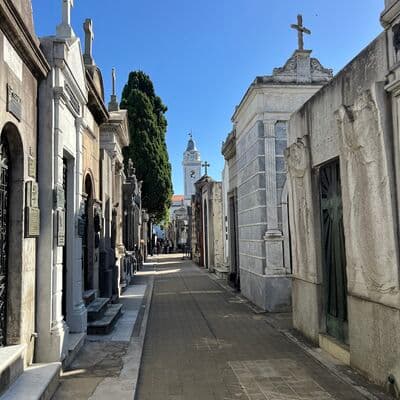
If Palermo is Brooklyn, Recoleta is the Upper East Side. This elegant neighborhood features Parisian-style architecture, upscale shopping, and cultural heavyweights like the National Museum of Fine Arts and the hauntingly beautiful Recoleta Cemetery. The area around Avenida Alvear drips with old money sophistication.
Hotels here tend toward the luxury end ($150-400/night), though you can find mid-range options on side streets. Recoleta is quieter at night than Palermo but offers excellent restaurants and is within walking distance of downtown attractions. The Floralis Generica, that giant metal flower that opens and closes with the sun, sits at its edge.
San Telmo
San Telmo is the soul of old Buenos Aires. Cobblestone streets, crumbling colonial buildings, antique shops, and tango halls create an atmosphere that feels frozen in time. The Sunday San Telmo Market along Defensa street is unmissable, a sprawling fair of antiques, crafts, street performers, and food vendors that draws thousands.
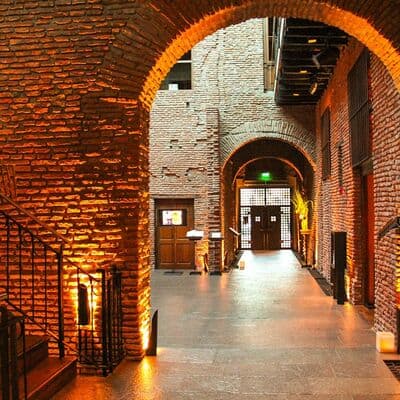
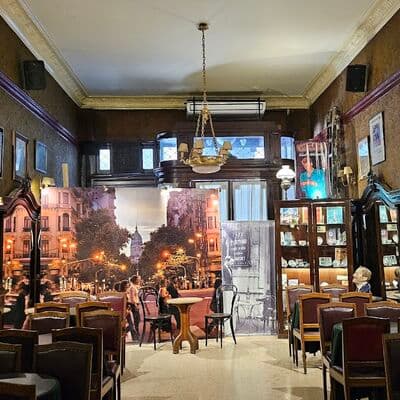
This is where you will find the most authentic milongas (tango dance halls), the atmospheric El Zanjon de Granados underground tunnels, and Cafe Tortoni, the oldest cafe in the city. Accommodation is affordable ($40-100/night for hotels, $12-20 for hostels), and the neighborhood attracts a bohemian, artistic crowd. Downsides: streets are quieter at night, and some blocks require extra awareness.
Microcentro
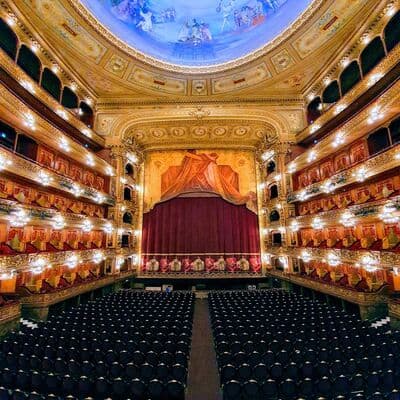
The downtown financial district centers around the iconic Obelisco de Buenos Aires on Avenida 9 de Julio, the widest avenue in the world. This is where you will find the magnificent Teatro Colon opera house and the pedestrian shopping street Florida.
Hotels are often cheaper here than Palermo ($50-120/night), and you are centrally located for sightseeing. However, Microcentro empties at night and on weekends when offices close. It is not the best choice if you want walkable nightlife, but excellent metro connections make it practical.
Puerto Madero
The newest neighborhood, Puerto Madero is a converted port district with sleek modern architecture, waterfront promenades, and upscale restaurants. It feels different from the rest of Buenos Aires, almost like a separate city. Hotels here are expensive ($200-500/night), and the dining scene caters to business travelers and wealthy porteños.
I recommend visiting Puerto Madero for a sunset walk along the docks, but staying elsewhere for a more authentic experience. The area is extremely safe, which appeals to some visitors, but lacks the character and energy of traditional neighborhoods.
La Boca
Famous for the colorful houses of Caminito and the legendary La Bombonera Stadium (home of Boca Juniors), La Boca is essential for daytime visits but not recommended for overnight stays. The tourist zone is just a few blocks, and the surrounding area can be rough. Visit during daylight, enjoy the street art and tango dancers, then head elsewhere.
Villa Urquiza
If you want to experience Buenos Aires like a local without the tourist markup, Villa Urquiza is an increasingly popular choice. This residential neighborhood in the north has excellent restaurants, a thriving tango scene, and a fraction of the prices. You will need Spanish here, as English is rare, but the authentic experience rewards adventurous travelers. Hotels run $40-80/night, and you can reach downtown in 20 minutes via the B line metro.
Best Time to Visit
Buenos Aires lies in the Southern Hemisphere, so seasons are reversed from North America and Europe. Understanding this is crucial for planning your trip.
Spring (September to November) is arguably the best time to visit. Temperatures hover between 60-75°F (15-24°C), the jacaranda trees explode in purple blooms, and the city shakes off winter hibernation. Locals flood the parks, outdoor cafes fill up, and cultural events multiply. The only downside: occasional spring storms can interrupt plans.
Summer (December to February) brings heat and humidity, with temperatures regularly exceeding 90°F (32°C) in January. Many porteños flee to beach towns, restaurants close for vacation, and the city takes on a lazy, emptied-out feel. If you visit in summer, expect to plan around the midday heat, seeking air-conditioned refuges between 1-5 PM. On the plus side, hotel prices drop and you will have attractions largely to yourself.
Fall (March to May) is another excellent window, particularly April. Temperatures cool to comfortable levels (55-70°F / 13-21°C), fall foliage adds gold and red to the tree-lined streets, and the cultural season kicks into high gear. This is when porteños return from vacation and the city hums with energy.
Winter (June to August) is mild by Northern Hemisphere standards, rarely dipping below 40°F (5°C), but buildings often lack central heating. Pack layers. The upside: winter is low season, meaning lower prices and no crowds. July school holidays bring domestic tourists, but international visitors are few. Cozy wine bars and steakhouses feel especially welcoming in winter.
Major events to consider: Tango Festival (usually August), BAFICI Film Festival (April), and the Feria del Libro (April-May), one of the largest book fairs in the Spanish-speaking world. Book ahead if your visit coincides with these.
Itinerary: 3 to 7 Days
Day 1: Historic Center and San Telmo
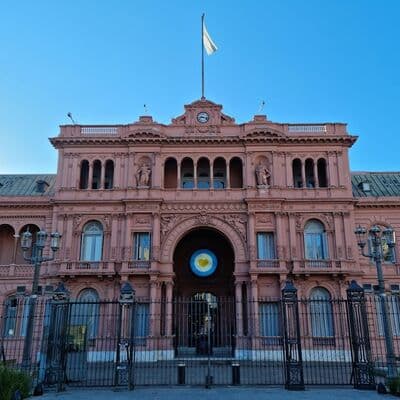
Morning (9:00 AM): Start at Plaza de Mayo, the political heart of Argentina. The pink Casa Rosada presidential palace dominates one end (free tours available on weekends, book online). Walk around the plaza, observe the Madres de Plaza de Mayo memorial tiles, and take in the historic Cabildo building.
Mid-morning (10:30 AM): Walk down Defensa street toward San Telmo, stopping at Cafe Tortoni for coffee and croissants. This 1858 institution has hosted everyone from Borges to Hillary Clinton. Expect a queue, but it moves fast. Budget $8-12 for breakfast.
Afternoon (12:30 PM): Explore San Telmo at your own pace. Visit the covered San Telmo Market for lunch (empanadas, choripan, or a proper steak sandwich for $5-10). Wander the antique shops and street art murals. Book a tour of El Zanjon de Granados ($15), a fascinating underground network of 19th-century tunnels beneath a restored mansion.
Evening (7:00 PM): Return to your hotel for a rest before dinner. Porteños eat late, so book a restaurant for 9:00 PM. Your first night demands a proper parrilla (steakhouse). Try Don Julio in Palermo (reserve weeks ahead) or the more accessible La Cabrera. Budget $40-60 per person with wine.
Day 2: Recoleta and Palermo
Morning (9:30 AM): Head to Recoleta Cemetery when it opens to beat the crowds. This maze of elaborate mausoleums includes Eva Peron's grave and hours of architectural wonder. Pick up a map at the entrance or join a free walking tour (tips expected). Allow 90 minutes minimum.
Late morning (11:30 AM): Walk to the National Museum of Fine Arts, free to enter and holding an impressive collection including Goya, Renoir, and Argentine masters. The Floralis Generica is a short walk away for photos.
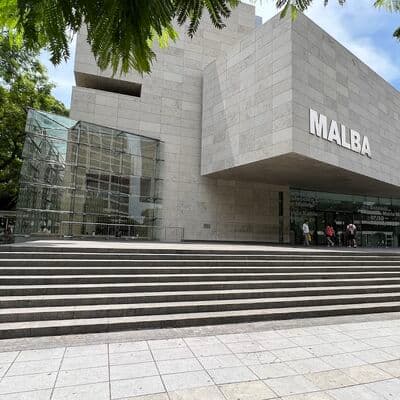
Afternoon (1:30 PM): Lunch in Palermo Soho, then spend the afternoon exploring the neighborhood's boutiques and cafes. If museums interest you, MALBA (Latin American Art Museum, $8) is world-class, or visit Museo Evita ($6) to understand Argentina's most famous first lady.
Evening (5:00 PM): Walk through Bosques de Palermo as the light softens. Stop at El Rosedal if roses are blooming, or rent a paddleboat on the lake. The Planetario Galileo Galilei makes for great photos at sunset.
Day 3: La Boca and Puerto Madero
Morning (10:00 AM): Take a taxi or rideshare to Caminito in La Boca (do not walk or take public transport with valuables visible). Spend 1-2 hours photographing the colorful buildings, watching tango performances, and browsing art stalls. If you are a football fan, the La Bombonera Stadium tour ($20) is unforgettable.
Afternoon (1:00 PM): Taxi to Puerto Madero for lunch at one of the waterfront restaurants. Walk the Puente de la Mujer footbridge designed by Santiago Calatrava, and stroll the converted docks. The Costanera Sur ecological reserve offers peaceful walking if you want to escape the urban bustle.
Evening (7:00 PM): Tonight, book a tango show with dinner. Touristy? Yes. Worth it once? Absolutely. Rojo Tango at the Faena Hotel ($150+) is the most spectacular, while Cafe de los Angelitos ($80) offers good value. Shows typically run 9:30 PM-midnight.
Day 4: Culture and Architecture
Morning (10:00 AM): Tour the Teatro Colon, one of the world's great opera houses. English tours ($15) depart regularly and reveal stunning interiors. Even if you are not an opera fan, the acoustics and architecture impress.
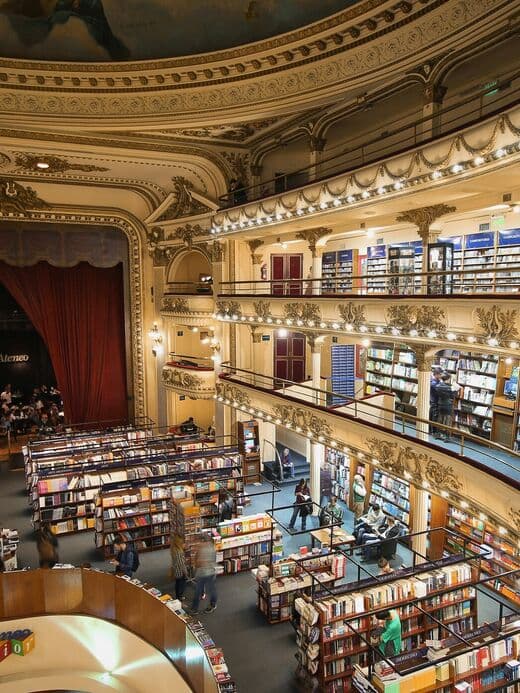
Late morning (11:30 AM): Walk to El Ateneo Grand Splendid, a former 1920s theater converted into a bookstore. Even if you do not read Spanish, browsing the shelves while surrounded by gilded balconies and a painted dome ceiling is magical. Grab coffee at the stage-turned-cafe.
Afternoon (1:00 PM): Explore the stunning Palacio Barolo, a 1923 building designed as a tribute to Dante's Divine Comedy. The guided tour ($10) takes you to the lighthouse top for panoramic views. Book the night tour for an especially atmospheric experience.
Evening: Free evening for exploring neighborhoods you have missed or returning to favorites. Consider a cooking class (Argentinian Cooking Experience, $80) to learn empanada-making and proper asado techniques.
Day 5-7: Deeper Exploration
With extra days, consider day trips to Tigre (1 hour north, boat rides through river delta, $2 train fare), Colonia del Sacramento in Uruguay (3-hour ferry, $80-120 round trip, requires passport), or a gaucho ranch (estancia) experience ($150-300 including BBQ lunch and horse riding).
In the city, spend a morning at the weekend markets: San Telmo on Sundays or the Feria de Mataderos for authentic gaucho culture. Take a tango lesson ($15-30 for group class) and return to a milonga as a dancer, not just a spectator. Explore neighborhoods like Colegiales or Chacarita for excellent restaurants without tourist crowds.
Do not over-schedule. Some of Buenos Aires' best moments come from sitting in a plaza with a coffee, watching the city flow past. Leave room for spontaneity.
Where to Eat: Restaurants and Cafes
Parrillas (Steakhouses)
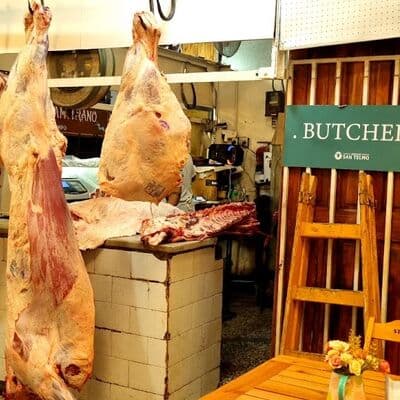
You cannot visit Buenos Aires without eating beef, and the parrilla experience is sacred. Don Julio in Palermo consistently ranks among the world's best restaurants. Expect a 2-hour wait without reservations or book weeks ahead. A full meal runs $60-80/person. Worth it for the dry-aged ojo de bife (ribeye).
La Cabrera in Palermo offers similar quality with easier reservations. Their generous side dishes arrive automatically. Parilla Pena in San Telmo provides a more local experience at half the price ($25-35/person) with no pretense. El Pobre Luis in Belgrano is a neighborhood legend, serving massive portions to a loyal local crowd.
For steaks, order by cut: bife de chorizo (NY strip), ojo de bife (ribeye), entraña (skirt steak), or vacio (flank). Ask for a punto (medium) unless you want it well-done, which is the local default. Provoleta (grilled provolone) is the essential appetizer.
Pizzerias
Buenos Aires pizza is its own category: thick, doughy, dripping with cheese. Guerrin on Corrientes has served standing-room-only slices since 1932. El Cuartito is another institution, walls covered in sports memorabilia. Pizzeria Angelín in Palermo makes the best fugazzeta (onion pizza) I have tasted. A pizza and beer runs $8-12.
Empanaderias
Empanadas make perfect walking food or a budget meal. El Sanjuanino in Recoleta serves traditional baked empanadas from the Salta region ($1-2 each). La Cocina has multiple locations with excellent variety. For fried empanadas, try Parrilla La Brigada in San Telmo. Three empanadas and a drink make a solid lunch for under $8.
Cafes Notables
Buenos Aires takes coffee seriously, and the cafes notables (historic cafes) are protected heritage sites. Cafe Tortoni leads the list, but also visit Las Violetas in Almagro for stunning stained glass, London City for literary history, or El Federal in San Telmo for antique charm. Coffee runs $3-5, and a submarino (hot milk with a chocolate bar to melt) is essential in winter.
For modern specialty coffee, LAB Tostadores de Cafe, Lattente, and Cuervo Cafe satisfy third-wave standards. Expect $4-6 for pour-overs and excellent espresso drinks.
Budget Options
Eating well on a budget is easy. Empanadas and pizza by the slice get you through lean days. Bodegones (traditional restaurants) serve massive portions at worker-friendly prices. Sarkis in Palermo serves Armenian food until 2 AM with entrees under $10. Supermarkets like Carrefour and Jumbo have excellent prepared food sections. Food courts in malls like Alto Palermo offer variety around $8-12 per meal.
What to Try: Buenos Aires Food
Asado
More than just grilled meat, asado is a ritual. A proper asado includes multiple cuts cooked slowly over wood fire: chorizo (sausage), morcilla (blood sausage), achuras (offal), and then the steaks. It is a multi-hour affair, typically on weekends with family. If invited to a home asado, bring good wine and settle in for the long haul. At restaurants, order a parrillada (mixed grill) to sample everything.
Empanadas
These stuffed pastries vary by region. Buenos Aires style uses ground beef with olives, egg, and onion. Salta-style adds potatoes and cumin. Tucuman uses diced beef. Jamon y queso (ham and cheese) is always safe. Learn the repulge (crimping pattern) to identify fillings from appearance alone, though menus usually specify.
Choripan
Argentina's essential street food: grilled chorizo sausage split and served in crusty bread with chimichurri. The football stadiums, street vendors, and feria markets all serve versions. Do not expect delicate flavors. This is bold, smoky, messy, and perfect.
Milanesa
The Argentine schnitzel, breaded and fried veal or chicken, often larger than the plate. Milanesa a caballo adds fried eggs on top. Milanesa napolitana comes smothered in tomato sauce, ham, and melted cheese. Served with fries or salad, it is the default comfort food.
Dulce de Leche
This caramelized milk spread appears everywhere: on toast, in ice cream, stuffed in alfajores (sandwich cookies), swirled into flan. Try helado (ice cream) from chains like Freddo or Persicco, where dulce de leche is always the top seller. Chocotorta, a no-bake cake of chocolate cookies and dulce de leche cream, is the standard birthday cake.
Mate
The national drink is not coffee but mate, a caffeine-rich herbal tea sipped from a gourd through a metal straw (bombilla). You will see porteños everywhere with thermoses under their arms. Sharing mate is a social ritual with specific rules: the cebador prepares and serves, you drink the entire gourd before returning it, and you never move the bombilla. Buy a mate set at San Telmo market ($10-30) as a souvenir.
Wine
Argentine Malbec needs no introduction, but dig deeper. Torrontes is the signature white grape, aromatic and refreshing. Wines from Mendoza, Salta, and Patagonia offer distinct characters. Most restaurants have extensive wine lists at reasonable prices ($15-40 for quality bottles). Wine bars like Pain et Vin and Vico pour excellent selections by the glass.
Buenos Aires Secrets: Local Tips
1. Learn basic Spanish. English is less common than you might expect. "Hola," "gracias," "la cuenta" (the bill), and "donde esta" (where is) will smooth every interaction. Download Google Translate offline.
2. Carry cash. While credit cards are increasingly accepted, many smaller restaurants, cafes, and shops prefer efectivo (cash). Some places offer discounts for cash payment. ATMs dispense pesos, but withdrawal limits are low and fees high. Bring US dollars to exchange.
3. Download these apps: BA Como Llego for public transit directions, Uber (works but operates in a grey legal area), Cabify (the legal rideshare alternative), Pedidos Ya for food delivery, and WhatsApp (Argentines use it for everything, including restaurant reservations).
4. Restaurants add "cubierto." A small cover charge ($1-3) appears on bills for bread and table service. It is legal and expected. Tipping is 10% in restaurants, optional for cafes and taxis.
5. Verify the exchange rate before changing money. Rates vary between exchange houses (cambios). Western Union often offers competitive rates for transfers. Never change money with street dealers who approach you. It is illegal and frequently results in counterfeit bills.
6. Subte (metro) is fast but hot. The seven-line subway runs 5 AM to 11 PM weekdays, slightly shorter on weekends. Buy a SUBE card ($2) at kiosks and load credit. The system is efficient but sweltering in summer and packed at rush hour.
7. Avoid Retiro bus station area at night. The bus terminal neighborhood empties after dark and can feel unsafe. Take rideshares if arriving on late buses.
8. Book Tango reservations early. Top milongas (dance halls) have codes and crowds. As a tourist, start at "practica" sessions (informal practices) before attempting traditional milongas. La Viruta on Thursdays welcomes beginners.
9. Sunday is San Telmo day. Plan your week so Sunday lands in San Telmo for the market. Everything else can shift, but missing the Feria de San Telmo means missing a highlight.
10. Pharmacies handle minor illnesses. Pharmacies (farmacias) can dispense many medications without prescriptions. For traveler's diarrhea or minor infections, describe symptoms and they will help. Farmacity is a reliable chain.
11. Altitude is not a factor. Buenos Aires sits at sea level. No acclimatization needed, unlike Andean destinations.
12. Palermo is larger than you think. The neighborhood sprawls. Sub-zones include Palermo Soho, Palermo Hollywood, Palermo Viejo, Las Canitas, and more. Verify addresses carefully. "Palermo" on a map might mean a 30-minute walk from where you expected.
Transport and Connectivity
Arriving: Airports
Buenos Aires has two airports. Ezeiza International Airport (EZE) handles most international flights, located 35 km south of the city (45 minutes to 2 hours depending on traffic). Official taxis cost approximately $40-50 to Palermo; Tienda Leon bus service runs $15 to downtown terminals. Rideshares work but require walking to the departures level to avoid airport security issues.
Aeroparque Jorge Newbery (AEP) serves domestic and some regional flights. It sits inside the city, 15 minutes from downtown. Taxis run $10-15 to most neighborhoods. This is also where you will catch flights to Iguazu Falls, Patagonia, and other domestic destinations.
Public Transit
The Subte (metro) is the fastest way around central Buenos Aires. Six lines crisscross the city core, plus a connecting line. Single rides cost about $0.30 with a SUBE card (mandatory; purchase at kiosks for $2, then add credit). Trains run frequently 5 AM-11 PM.
Colectivos (buses) reach neighborhoods the Subte does not. Over 140 lines cover the metropolitan area. Use the BA Como Llego app to navigate routes. Buses require the SUBE card; keep it loaded with credit.
Taxis and Rideshares
Black-and-yellow taxis are everywhere. Licensed cabs have roof lights and meters. Insist the meter runs (though some drivers quote flat rates, which is fine if you know the approximate cost). Tipping is not expected but rounding up is appreciated.
Uber operates in Buenos Aires but faces legal challenges. Rides may require sitting in the front seat and pretending to be the driver's friend. Cabify is the legal rideshare app and works identically. Both are generally cheaper than taxis and allow credit card payment.
Walking and Biking
Buenos Aires is wonderfully walkable in the central neighborhoods. Palermo, Recoleta, and San Telmo reward wandering. Wide sidewalks and tree-lined streets make walking pleasant, though watch for cracked pavement and dog waste.
The EcoBici bike share system offers free rides up to 30 minutes. Register through the app with your passport. Protected bike lanes have expanded rapidly, especially in Palermo and Puerto Madero. Sunday mornings, when traffic is light, are ideal for cycling.
Connectivity
SIM cards are easy to purchase at airports or phone shops. Claro, Movistar, and Personal are the main carriers. Expect to pay $10-20 for a SIM with data. Coverage is excellent in the city. Many cafes and restaurants offer WiFi, though speeds vary.
eSIMs work well for shorter stays. Airalo and Holafly offer Argentina packages starting around $10 for basic data. Activate before arriving to hit the ground connected.
Who Buenos Aires is For: Summary
Buenos Aires rewards certain types of travelers: those who appreciate food and wine culture, who enjoy European architecture with Latin American energy, who want to dance or watch tango, who can adapt to late-night schedules. It suits couples seeking romance, solo travelers wanting to meet people, food enthusiasts, culture vultures, and architecture fans.
It may frustrate those expecting hyperefficiency, those on extremely tight schedules, or travelers uncomfortable with street-smart travel. The city does not cater to quick checkbox tourism. If you have only 48 hours, you will scratch the surface.
But give Buenos Aires time, and it gives back tenfold. Few cities match its combination of world-class dining at accessible prices, rich cultural offerings, beautiful neighborhoods, and genuine warmth from locals. It is not perfect, but it is deeply, memorably human. Go with open eyes and an empty stomach, and you will leave planning your return.