Siem Reap
Siem Reap 2026: What to Know Before You Go
Siem Reap is the gateway to Angkor Wat and the sprawling Angkor Archaeological Park, but reducing this city to just a temple base would be a mistake. Over the past decade, Siem Reap has evolved into a destination in its own right, with a thriving food scene, genuine Cambodian hospitality, and a pace of life that invites you to slow down.
Here is the essential snapshot: the Angkor complex contains over 1,000 temples spread across 400 square kilometers. You will need a minimum of three days to see the highlights, and a week to explore properly. Temple passes cost $37 for one day, $62 for three days, or $72 for seven days. The three-day and seven-day passes do not need to be used on consecutive days.
The city itself is compact and walkable in central areas. Most visitors stay within a 2-kilometer radius of the Old Market, where restaurants, bars, and shops cluster along the Siem Reap River. Beyond the tourist center, you will find authentic neighborhoods where locals live and eat at prices that have not been adjusted for foreign wallets.
Expect to spend $40-80 per day for mid-range travel, including accommodation, meals, transport, and temple fees. Budget travelers can manage on $25-35, while those seeking luxury will find world-class options starting around $150 per night.
Neighborhoods: Where to Stay in Siem Reap
Your choice of neighborhood will shape your entire Siem Reap experience. Each area has a distinct character, and picking the right base matters.
Old Market Area (Psar Chas)
This is ground zero for tourism. The Old Market neighborhood extends along Pub Street and surrounding lanes. You are within walking distance of dozens of restaurants, the night market, massage parlors, and ATMs. The downside: noise, crowds, and aggressive touts, especially after dark.
Stay here if you want maximum convenience and do not mind trading tranquility for accessibility. Hotels range from $15 backpacker dorms to $80 boutique options. The sweet spot is the quieter streets one block back from Pub Street.
Old French Quarter
North of the river, the French Quarter offers a more refined atmosphere. Colonial-era buildings line the streets, and the pace is noticeably slower. You are still within a 10-minute walk of the Old Market, but the evening ambiance here is cocktails on a terrace rather than buckets of beer.
This neighborhood suits couples and older travelers prioritizing atmosphere over budget. Expect to pay $60-200 per night for quality accommodation.
Wat Bo Village
East of the river, Wat Bo has emerged as the neighborhood of choice for longer-staying visitors who want local flavor without sacrificing convenience. Named after the 500-year-old pagoda at its heart, this area mixes guesthouses with Cambodian family homes. Morning alms-giving and neighborhood noodle shops happen here daily.
Accommodation runs $20-60 for excellent mid-range options. You are a 5-minute bicycle ride from the Old Market. Many of the best locally-owned restaurants are in or near Wat Bo.
Wat Damnak Area
South of Wat Bo, Wat Damnak is quieter and more residential. The Phare Circus is based here, and the surrounding streets have attracted creative businesses: pottery studios, yoga shalas, and farm-to-table restaurants. This is where expats tend to live.
Stay here for peace and access to the more sophisticated side of Siem Reap. You will need a bicycle or tuk-tuk for most errands.
Sok San Road
This long road running west has become backpacker central. Hostels, budget guesthouses, and cheap restaurants line both sides, catering to the party-and-temple crowd. The vibe is young and social, with organized pub crawls most nights.
Accommodation starts at $5 for dorm beds. You are about 1.5 kilometers from the Old Market, an easy walk or $1 tuk-tuk ride.
Countryside and Outskirts
For a different experience, consider staying outside the city. Several boutique resorts have opened in the rice paddies between Siem Reap and the temples. You wake to roosters instead of motorbikes and see a side of Cambodia that city-center tourists miss.
The tradeoff is isolation: you will need private transport arranged through your hotel. Prices range from $80 for simple countryside guesthouses to $400 for luxury eco-resorts.
Best Time to Visit Siem Reap
Cambodia has two distinct seasons, and your timing will significantly affect both comfort and photography opportunities.
Cool and Dry Season (November to February)
This is peak season for good reason. Temperatures hover between 25-32 degrees Celsius, humidity is manageable, and rain is rare. December and January are the most comfortable months, with cool mornings that make sunrise temple visits genuinely pleasant.
The catch is crowds and prices. Hotel rates increase by 30-50% compared to low season. Book accommodation at least two weeks in advance, especially around Christmas and New Year.
Hot Season (March to May)
Temperatures climb to 35-40 degrees Celsius. April is the hottest month and coincides with Khmer New Year, when many businesses close. If you can handle the heat, this season offers lower prices and thinner crowds. Start temple visits at dawn and rest during midday.
Rainy Season (June to October)
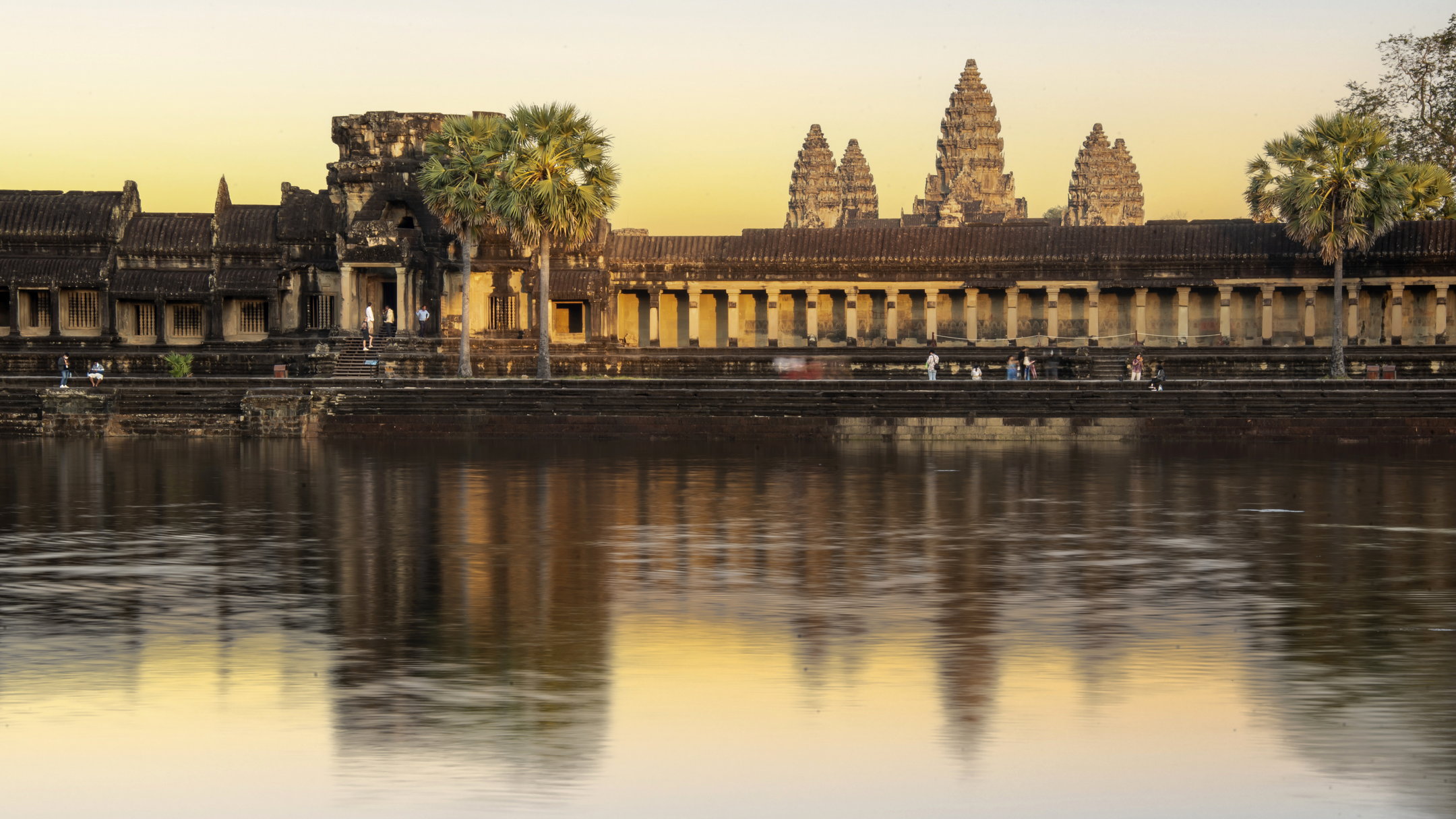
The monsoon brings daily afternoon downpours, typically lasting one to three hours before the sky clears. Mornings are often sunny, and the landscape transforms into lush green. The moats surrounding temples fill with water, creating stunning reflections.
September and October are the wettest months. The upside: prices drop to their lowest, crowds virtually disappear, and the light for photography is softer. Pack a lightweight rain jacket.
The shoulder months of June and early November offer the best compromise: moderate weather, manageable crowds, and reasonable prices.
Itinerary: How to Spend 3 to 7 Days in Siem Reap
The Angkor Archaeological Park is vast, and trying to see everything in one or two days leads to temple fatigue. Here is how to structure your time.
Three Days: The Essential Circuit
Day 1: The Grand Circuit and Sunrise
Wake at 4:30 AM to reach Angkor Wat before 5:15 for sunrise. Position yourself at the northern reflection pool for the classic shot. After sunrise, spend two hours exploring the temple itself. By 9 AM, the tour bus crowds arrive, so head to Ta Prohm.
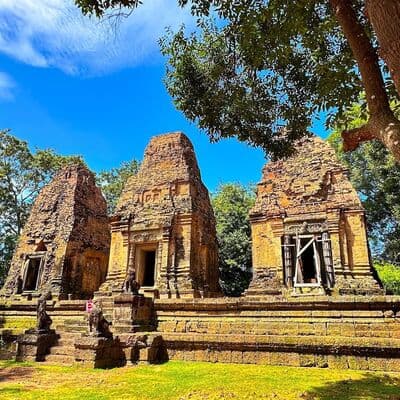
Spend midday resting at your hotel. In the afternoon, around 3 PM, head to Preah Khan, one of the largest temple complexes. Continue to Neak Pean and Ta Som if time permits, finishing at Pre Rup for sunset.
Day 2: Angkor Thom and Surroundings
Start early at the South Gate of Angkor Thom, pausing to photograph the giant stone faces. Proceed to Bayon, the temple of 200 smiling faces, and allow at least 90 minutes to explore its three levels.
Continue north to Baphuon, then walk to the Terrace of the Elephants and Terrace of the Leper King. Afternoon options include Banteay Kdei and Srah Srang. End at Phnom Bakheng for sunset, though this spot is extremely crowded.
Day 3: Outer Temples and Recovery
Take a break from the main circuit. Drive 25 kilometers to Banteay Srei, the pink sandstone temple renowned for intricate carvings. Combine this with Banteay Samre on the return journey.
Spend the afternoon in the city: visit the Angkor National Museum, explore the Old Market, or book a cooking class. Evening options include Phare Circus, which should not be missed.
Five Days: Adding Depth
Day 4: Roluos Group and Floating Village
The Roluos temples (Bakong, Preah Ko, and Lolei) predate Angkor and show the evolution of Khmer architecture. These temples receive far fewer visitors. In the afternoon, visit Kampong Khleang, a genuine fishing community on Tonle Sap Lake.
Day 5: Temple Revisits and Hidden Gems
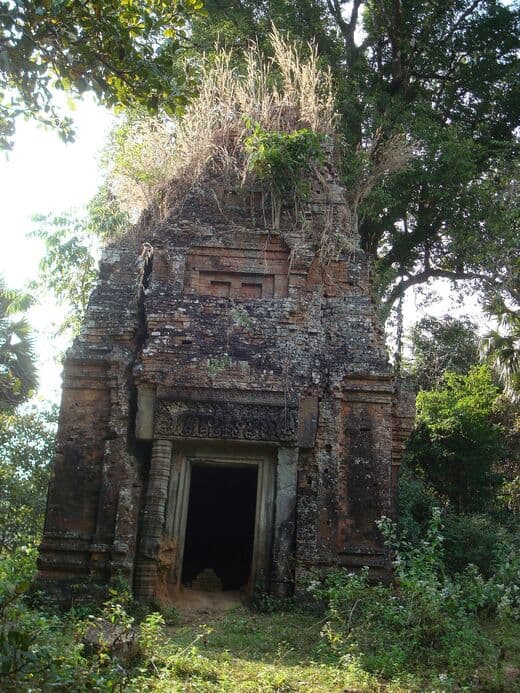
Return to your favorite temple at a different hour. Ta Prohm at 7 AM is an entirely different experience. Seek out lesser-known temples: Ta Nei is atmospherically overgrown and rarely visited. East Mebon sits on what was once a massive reservoir.
Seven Days: The Complete Experience
Days 6-7: Beyond Temples
Bicycle through the rice paddies north of the city, stopping at workshops producing palm sugar and traditional crafts. Visit a silk farm. Consider a day trip to Koh Ker, the remote 10th-century capital with its seven-tiered pyramid, or explore Beng Mealea, a jungle-covered temple.
Dedicate time to the city: get a $6 massage, take a cooking class, shop for handmade crafts. The non-temple experiences often become the most memorable parts of a longer visit.
Where to Eat in Siem Reap
Siem Reap's dining scene punches above its weight, ranging from $1 street food to $50 tasting menus.
Street Food and Markets
The Old Market has a dedicated food section with stalls serving noodle soups and grilled meats. Most dishes cost $1.50-3. The Night Market food stalls along Sivutha Boulevard offer similar fare with evening hours. For the full street food experience, venture to Psar Leu where locals shop and prices have not been adjusted for tourism.
Local Restaurants
Cambodian-owned restaurants serving authentic food cluster in Wat Bo and along streets east of the river. Look for places with Khmer-language signs. Dishes cost $3-6, portions are generous.
Several restaurants operate training programs for disadvantaged youth. Haven, New Hope, and Marum combine good food with social impact. Expect to pay $8-15 for mains.
Mid-Range and International
The streets around Pub Street offer every cuisine imaginable. Quality varies, so check recent reviews. Budget $10-20 per person for a full meal. For Cambodian food in a refined setting, the $15-25 range gets excellent food in atmospheric colonial settings.
Cafes and Coffee
Cambodia has a strong coffee culture, and Siem Reap has embraced specialty coffee. Excellent cafes serve single-origin Cambodian beans for $2-4. Many cafes also serve breakfast and light lunch, making them perfect midday retreats.
Must-Try Food in Siem Reap
Cambodian cuisine is distinct from its Thai and Vietnamese neighbors. Here are the essentials.
Fish Amok
The national dish of Cambodia. Freshwater fish is steamed in coconut curry with kroeung (lemongrass, galangal, turmeric paste), wrapped in banana leaf. The texture should be custard-like, not soupy. An absolute must-try.
Lok Lak
Stir-fried beef served on lettuce with a fried egg and lime-pepper dipping sauce. This dish shows French culinary influence filtered through Cambodian tastes. Available everywhere from street stalls to fine restaurants.
Num Banh Chok
Khmer noodles, typically for breakfast. Fresh rice noodles topped with fish-based green curry sauce and raw vegetables. Find this at morning markets; rarely served in tourist restaurants. Cost is usually $1-1.50 per bowl.
Prahok
Fermented fish paste, the backbone of Cambodian cooking. Prahok ktiss is cooked with minced pork and coconut milk, served with raw vegetables for dipping. An acquired taste but essential for understanding Cambodian flavors.
Grilled Meats and Skewers
Evening brings street vendors selling grilled pork, chicken, and sausages. The marinade includes palm sugar and fish sauce, creating a sweet-savory crust. Pair with sticky rice. Prices start around $0.50 per skewer.
Tropical Fruits
Cambodia grows exceptional mangoes, dragon fruit, rambutan, and mangosteen. Market vendors will cut fruit for immediate eating. A bag costs $1-2 and makes a perfect afternoon snack.
Local Secrets: 12 Tips from Residents
1. Buy your temple pass the afternoon before. The ticket office sells passes from 5 PM onward for next-day use. This lets you enter the following morning without stopping, gaining crucial time for sunrise positioning.
2. Hire the same tuk-tuk driver for your entire stay. Negotiate a multi-day rate. You will get better prices, reliable service, and a de facto guide. Exchange contact numbers for WhatsApp communication.
3. Bring a headlamp for early morning visits. The paths through Angkor Wat before sunrise are dark, and phone flashlights are insufficient for uneven ground.
4. The best Bayon photo spots are on the upper level, northwest corner. Most tourists stick to lower levels. Climb to the top terrace for the best compositions with minimal crowds.
5. Ta Nei temple is the locals' favorite. This small, atmospheric temple receives a fraction of Ta Prohm visitors but offers similar overgrown atmosphere.
6. Avoid the Pub Street restaurants. The restaurants directly on Pub Street serve mediocre food at inflated prices. Walk two blocks in any direction for better food.
7. The real night market is Psar Leu. While tourists pack the official Night Market, locals shop at Psar Leu. Atmosphere is more authentic, prices are lower.
8. Carry small bills. Breaking large notes is difficult. Get small bills from ATMs or at your hotel.
9. Phare Circus tickets sell out. Book online several days in advance, especially during high season.
10. Temple dress codes are enforced. Knees and shoulders must be covered. Carry a light scarf. Guards will turn you away without proper attire.
11. The 7-day pass pays for itself in flexibility. At $72, it costs only $10 more than the three-day pass. The ability to re-visit favorites transforms the experience.
12. Water at temples is expensive. Vendors charge $1-2 per bottle. Buy water in town for $0.50 or less. Freeze one bottle overnight for cold water throughout the morning.
Transport and Connectivity
Getting to Siem Reap
Siem Reap International Airport receives direct flights from most Asian hubs: Bangkok, Singapore, Kuala Lumpur, Ho Chi Minh City, and Hong Kong. The airport is 8 kilometers from the city center, about 15-20 minutes by car.
Airport transport options include hotel pickups (often complimentary for mid-range and above), tuk-tuks ($7-10), and Grab ($5-8). Overland options include buses from Phnom Penh (6-7 hours, $10-15) and Bangkok (8-10 hours).
Getting Around Town
Tuk-tuks remain the primary transport. Short trips within the city center cost $1-2. For temple visits, negotiate a daily rate of $15-25. Always agree on the price before getting in.
Grab operates with both car and tuk-tuk options. Prices are fixed and transparent. During surge pricing, Grab can cost more than negotiating directly.
Bicycles are excellent for exploring. Most hotels rent bikes for $2-5 per day. The terrain is flat, and dedicated cycling paths run along parts of the route to Angkor Wat. Electric bicycles are available for $10-20 per day but traffic is chaotic.
Connectivity
Cambodian SIM cards are cheap and easy. Cellcard, Smart, and Metfone offer tourist packages at the airport. For $5-10, you get a SIM with several gigabytes of data valid for 7-30 days. Bring your passport for registration.
Wi-Fi is widely available in hotels, restaurants, and cafes. Most accommodations include Wi-Fi. The temples have no connectivity, so download maps before leaving your hotel.
Essential apps include Grab for transport, Maps.me or Google Maps with offline data, and WhatsApp for communicating with drivers. ATMs dispense US dollars and charge $4-5 per withdrawal. Credit cards are accepted at mid-range establishments but not at small local shops.
Conclusion: Is Siem Reap Right for You?
Siem Reap delivers for almost every type of traveler. If you want temples without crowds, visit during shoulder season, wake before dawn, and venture beyond the main circuit. If you want a party scene, Pub Street delivers nightly. If you want quiet cultural immersion, choose accommodation in the neighborhoods and spend days cycling between villages.
The temples of Angkor are genuinely awe-inspiring and justify the journey from anywhere. But the Cambodia you discover around them, the food, the people, the warmth of a country recovering from tragedy, often leaves a deeper impression than the stonework itself.
Three days is the minimum for any meaningful visit. Five days allows depth without rushing. A week lets you relax into the rhythm and discover what you did not know you were looking for. Come with time and openness, and this city will exceed whatever expectations you brought with you.