Geneva
Geneva 2026: What to Know Before You Go
Geneva is a city that defies expectations. Most people assume it is a dull capital of banks and international organizations, but what you actually find is a compact, cosmopolitan city on the shores of one of Europe's most beautiful lakes, with views of Mont Blanc, exceptional food, and an atmosphere where French charm meets Swiss precision.
In short: Geneva is worth visiting for its iconic Jet d'Eau fountain, a medieval Old Town, world-class museums (CERN, Patek Philippe, Red Cross), Swiss gastronomy (fondue, raclette, perch fillets), and jaw-dropping Alpine views. The city works perfectly as a base for exploring Switzerland and the French Alps. Budget three to four days for the city itself, five to seven with day trips.
Who is Geneva for? Foodies, culture lovers, luxury seekers, and anyone who wants authentic Switzerland without the Alpine kitsch. The city is walkable - you can hit the main sights on foot in a single day. The downside? Geneva is expensive. Very expensive. A coffee runs about 5 CHF (~$5.50), lunch is 25-40 CHF ($28-44), and dinner at a decent restaurant starts at 60 CHF ($66). But there are hacks to bring costs down, and we will cover every one of them below.
Geneva Neighborhoods: Where to Stay
Old Town (Vieille Ville) - History, Views, Atmosphere
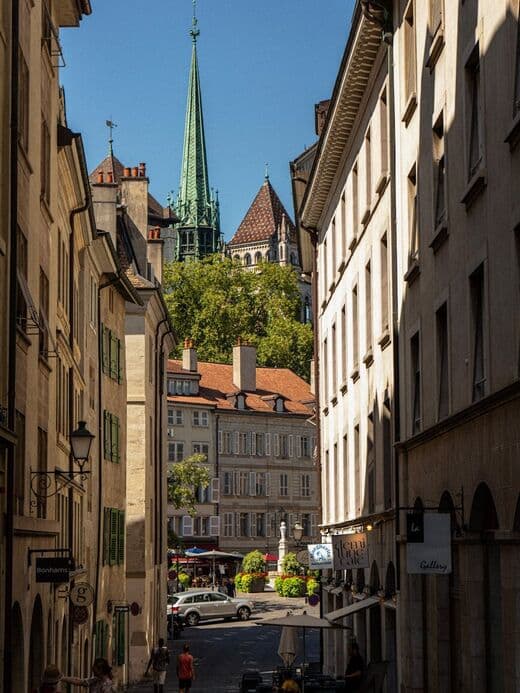
The heart of Geneva sits on a hill above the lake. Narrow cobblestone streets wind past antique shops, galleries, and the city's oldest square - Place du Bourg-de-Four, lined with a dozen sidewalk cafes. From here, everything is a 10-15 minute walk. St. Pierre Cathedral and its panoramic tower, Maison Tavel (the oldest house in Geneva), and Parc des Bastions with the Reformation Wall are all within easy reach. The neighborhood feels authentically European - think Parisian ambiance with Swiss orderliness - and the evening views across the lake to the Jura Mountains are superb.
Pros: walking distance to everything, atmosphere, lake and Alpine views from the upper terraces
Cons: expensive accommodation, noisy bar scene on weekends, limited grocery stores
Prices: $$$ (hotels from 180 CHF / ~$200, boutique hotels from 250 CHF / ~$275)
Best for: first-time visitors, couples, history buffs
Paquis - Budget-Friendly, Multicultural, Lakeside
The district on the right bank between Cornavin train station and the lake is the most diverse neighborhood in Geneva. Turkish kebab joints sit next to Thai restaurants and African grocery stores. Bains des Paquis - the legendary public baths on the lake - is the anchor. Evenings here are lively: bars, clubs, street food stalls. It is a bit rough around the edges compared to the rest of Geneva, but that is precisely its charm. If you want to feel like you are in a real, lived-in city rather than a postcard, Paquis delivers.
Pros: cheapest accommodation in the center, close to the train station, diverse food scene, lakefront access
Cons: can be noisy at night, less polished appearance, some areas feel gritty
Prices: $ (hostels from 35 CHF / ~$39, hotels from 100 CHF / ~$110)
Best for: budget travelers, younger visitors, nightlife enthusiasts
Eaux-Vives - Families, Parks, Lake Life
A vibrant district on the left bank, stretching from the Old Town toward the waterfront. The crown jewel is the sprawling Parc de la Grange with its rose garden and free summer concerts. The new Eaux-Vives Plage waterfront has become one of the trendiest spots in town: beach, bars, paddleboard rentals. Rue du Lac and the surrounding streets offer a solid selection of restaurants and cafes without the tourist markup you get in the Old Town. It feels residential in the best sense - locals actually live and eat here.
Pros: parks and green space, beach access, family-friendly atmosphere, good restaurants, very safe
Cons: slightly farther from major museums, quiet in the evenings
Prices: $$ (hotels from 140 CHF / ~$155)
Best for: families with children, relaxed vacations, park lovers
Plainpalais - Students, Bars, Culture
The university district with the liveliest nightlife in Geneva. The vast Plainpalais square hosts a flea market on Wednesdays and Saturdays, and a farmers market on Sundays. Nearby you will find MAMCO (Museum of Modern and Contemporary Art) and a cluster of galleries. The Bains area - a former industrial quarter - has reinvented itself as a contemporary art hub. If you are the type who wanders into a gallery at 4 PM and ends up at a bar at midnight, this is your neighborhood.
Pros: cheapest bars in Geneva, student energy, markets, art galleries
Cons: noisy at night, farther from the lake
Prices: $-$$ (hostels from 30 CHF / ~$33, hotels from 110 CHF / ~$121)
Best for: younger travelers, art lovers, nightlife seekers
Carouge - Geneva's Little Italy
The most atmospheric neighborhood in the city - a former Sardinian town designed by Italian architects in the 18th century. Narrow streets with colorful shutters, artisan workshops, independent boutiques, cozy squares with fountains. You will not find chain stores here - only local businesses. Cafe des Negociants is a neighborhood legend. Wednesdays and Saturdays bring an excellent market. The vibe is bohemian, creative, and distinctly un-Swiss. If you have been to Brooklyn or Shoreditch, you will recognize the energy, but with more cheese and less pretension.
Pros: unique atmosphere, excellent restaurants and bars, few tourists, creative energy
Cons: 15-20 minutes by tram to the center, fewer hotels
Prices: $$ (hotels from 120 CHF / ~$132, Airbnb from 90 CHF / ~$99)
Best for: atmosphere seekers, foodies, creative types
Nations / Ariana - Diplomats and Museums
The district surrounding the Palais des Nations (European headquarters of the United Nations). This is where the international organizations cluster, along with the International Red Cross Museum, Ariana Museum (ceramics and glass), and Geneva Botanical Garden. The area is green and peaceful, but it empties out in the evening once the diplomats head home. Think of it as a museum campus with hotels attached.
Pros: museums within walking distance, green parks, quiet and peaceful
Cons: limited restaurants and bars, deserted in the evenings
Prices: $$ (hotels from 130 CHF / ~$143, many business-oriented properties)
Best for: museum lovers, quiet stays, business travelers
Rues-Basses - Shopping and Luxury
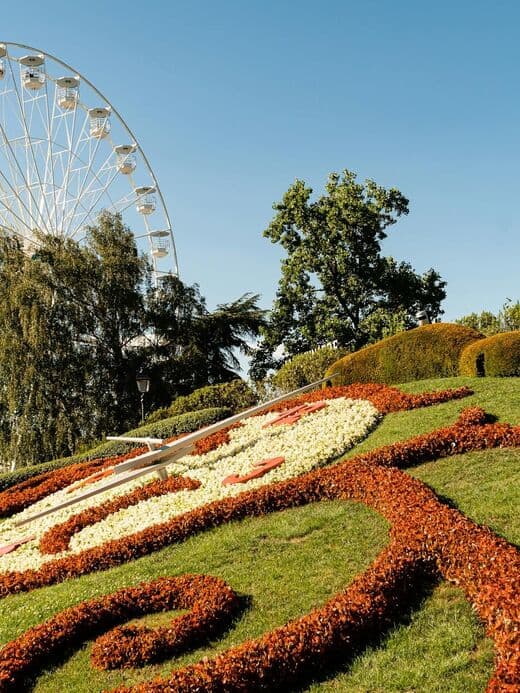
Geneva's commercial core: Rue du Rhone, Rue du Marche, Rue de la Confederation - a continuous line of boutiques from Rolex and Cartier to H&M and Zara. The Flower Clock in Jardin Anglais is the city's most photographed landmark. The district buzzes during shopping hours but goes quiet once the stores close. You are paying a premium for location here, but if retail therapy is part of your travel plans, nowhere else comes close.
Pros: shopping, central location, close to the lake
Cons: expensive, daytime crowds, little evening life
Prices: $$$ (hotels from 200 CHF / ~$220, luxury from 400 CHF / ~$440)
Best for: shopping trips, luxury stays, business
Best Time to Visit Geneva
Peak season: June through September. Temperatures range from 20-28C (68-82F), days are long (daylight until 9:30 PM), you can swim in the lake, and every terrace in the city is open. July and August are the busiest months - book accommodation two to three months ahead, especially if a major UN conference falls during your dates.
Shoulder season: May and October. Slightly cooler (15-20C / 59-68F), but with fewer tourists and lower prices. May brings the city into full bloom; October means golden autumn foliage and grape harvest season in nearby Lavaux. These are arguably the best months to visit if you do not need guaranteed swimming weather.
Budget season: November through March. Cold (2-8C / 36-46F), but Geneva has its own winter charm: Christmas markets in December, ski resorts within an hour's drive, thermal baths. Hotel prices drop 30-40% compared to summer. The trade-off is shorter days and grayer skies.
Worst time: late January through February. Gray, cold, short days. Many restaurants close for annual holidays. The lake looks moody rather than inviting, and even locals seem to hibernate.
Festivals and Events
- Fete de l'Escalade (December): Geneva's biggest local celebration - a reenactment of the 1602 siege, costume parades through the Old Town, and smashing chocolate cauldrons. The atmosphere is incredible, and it is an event most tourists never hear about.
- Fete de la Musique (June): three days of free concerts across the entire city - jazz, electronic, classical, rock. Stages pop up on every square.
- Geneva International Motor Show (February-March): one of the world's largest automotive exhibitions, drawing hundreds of thousands of visitors.
- Fetes de Geneve (August): the city festival with concerts, food stalls, and a massive fireworks display over the lake that rivals any Fourth of July show.
- Geneva Marathon (May): a scenic route along the lake with Alpine views - one of the most beautiful marathon courses in Europe.
When to book: during major UN conferences (March, September) and trade fairs, hotel prices can double overnight. Check the Palexpo events calendar before booking. Also watch out for CERN open days and major watchmaking events - Geneva fills up fast for these.
Geneva Itinerary: 3 to 7 Days
Geneva in 3 Days: The Essentials
Day 1: Old Town and the Lake
9:00-10:30 - Start in the Old Town. Grab a coffee on Place du Bourg-de-Four (the oldest square in Geneva), then climb the 157 steps to the top of St. Pierre Cathedral for a full 360-degree panorama. If you have time, check out the archaeological site beneath the cathedral (8 CHF / ~$9) - Roman foundations and early Christian mosaics that most visitors skip.
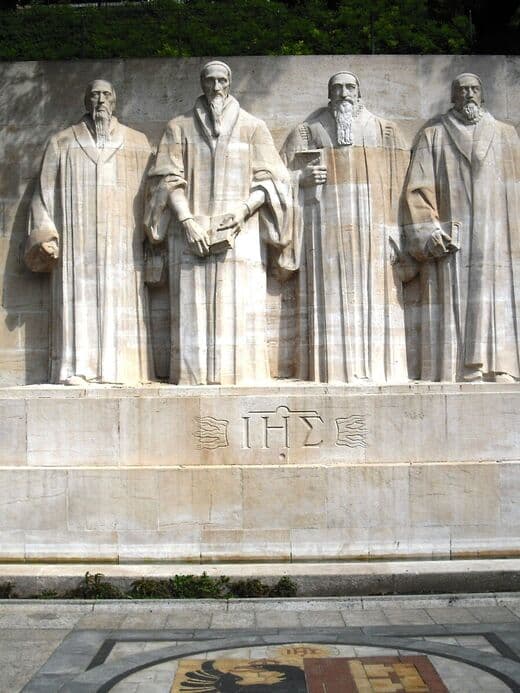
10:30-12:00 - Walk downhill through the narrow streets to Maison Tavel (free admission) - look for the scale model of medieval Geneva on the top floor. Continue to Parc des Bastions with its giant chess boards and the imposing Reformation Wall. Even if you are not into Reformation history, the sheer scale of the monument is impressive.
12:00-13:30 - Lunch in the Old Town. Cafe Papon offers a lunch menu from 24 CHF (~$26), with a terrace overlooking the park. For something cheaper, walk to Paquis and grab a falafel for 10-12 CHF (~$11-13) - Parfums de Beyrouth is the local favorite.
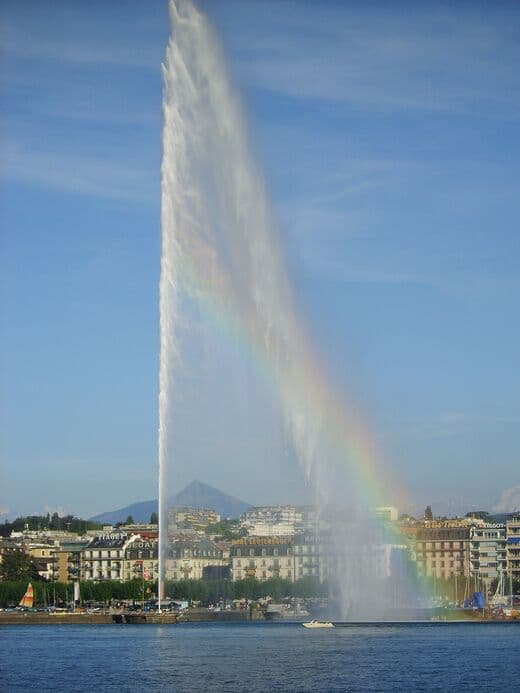
14:00-15:30 - Stroll along the lakefront to the Jet d'Eau. The fountain shoots water 140 meters (460 feet) into the air - it is genuinely impressive in person, not just a photo op. Walk out along the jetty to get as close as possible (be prepared to get sprayed on windy days). On the way, stop at the Flower Clock in Jardin Anglais.
15:30-17:30 - Bains des Paquis - public baths and a beach right in the city center (2 CHF / ~$2.20 entry). Genevans come here after work to swim, drink coffee, and stare at the mountains. Even if it is too cold to swim, grab a tea at the cafe and watch the lake life unfold. This is the single most authentic local experience you can have in Geneva.
Evening - Fondue at Les Armures in the Old Town. Order the moitie-moitie (half Gruyere, half Vacherin Fribourgeois) - 28-32 CHF (~$31-35). Book ahead, especially on weekends.
Day 2: Museums and International Geneva
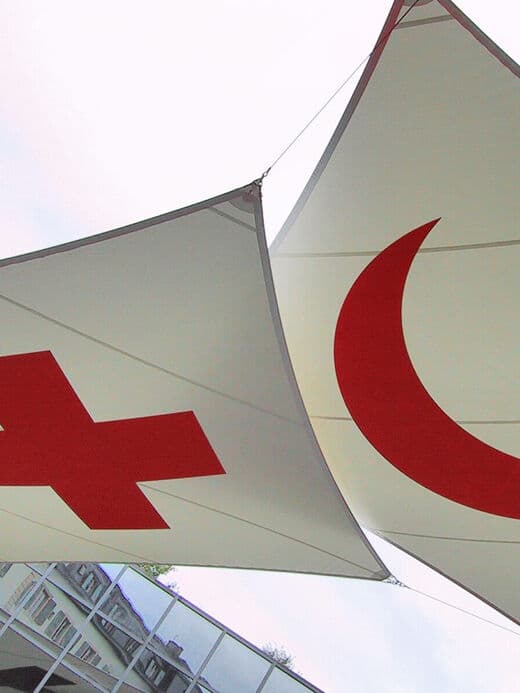
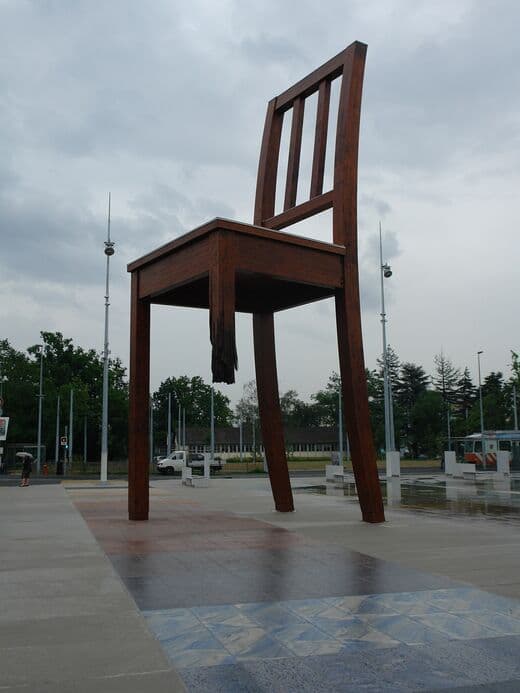
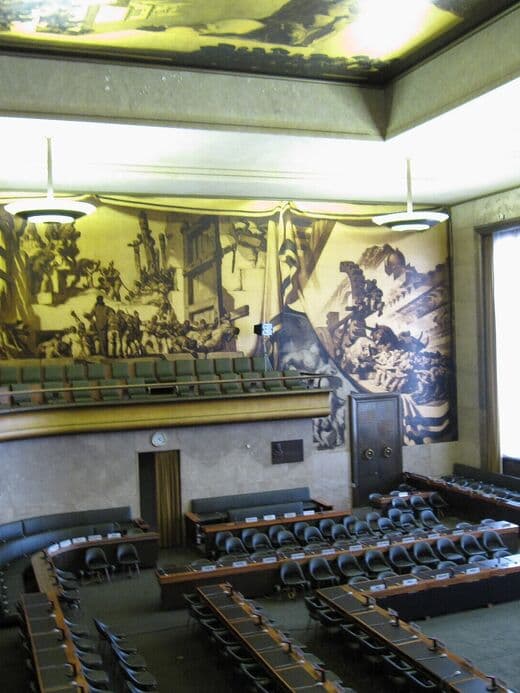
9:00-11:30 - The International Red Cross and Red Crescent Museum. Hands down one of the best museums in Europe - interactive, emotionally powerful, and genuinely thought-provoking. Allow at least two hours. Outside, see the Broken Chair (a 12-meter sculpture against landmines) and take a guided tour of the Palais des Nations - the UN European headquarters. Book the tour online in advance and bring your passport; they will not let you in without it.
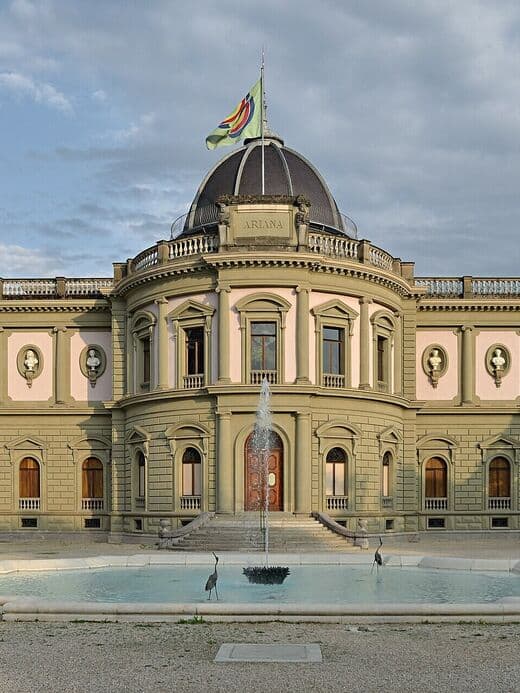
11:30-12:30 - The Ariana Museum (free admission) houses the largest ceramics and glass collection in Switzerland. The building itself is stunning - neo-baroque architecture that photographs beautifully. Across the road, the Botanical Garden (also free) is perfect for a stroll, especially the alpine rock garden section.
12:30-14:00 - Lunch in the Nations district. The UN's Cafeteria Serpentine is open to the public - lunch from 18 CHF (~$20) with mountain views. Bring ID.
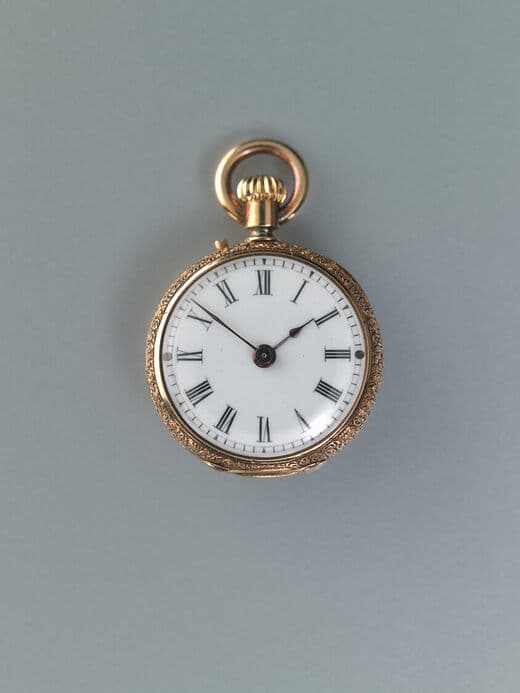
14:30-17:00 - The Patek Philippe Museum. Even if you have zero interest in watches, this place is mesmerizing: five floors covering 500 years of watchmaking artistry, from 16th-century enamel pocket watches to impossibly complex modern complications. Admission is just 10 CHF (~$11) - one of the best deals in Geneva.
Evening - Head to Carouge for dinner at Cafe des Negociants, then bar-hop through the neighborhood's independent watering holes.
Day 3: CERN, Carouge, and Gastronomy
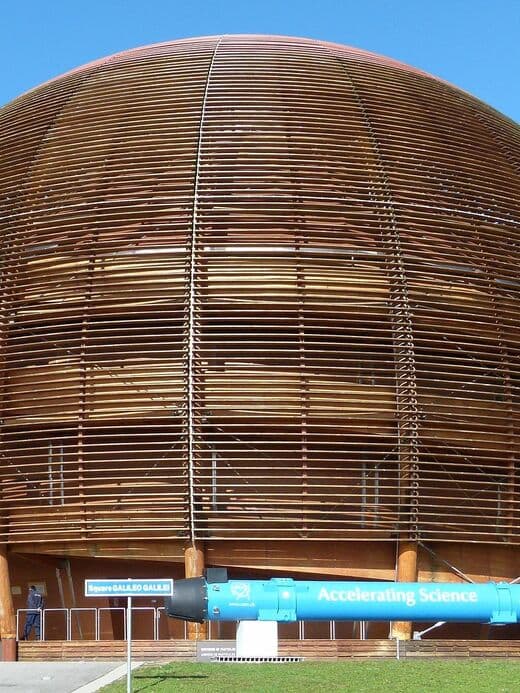
9:00-12:30 - CERN Science Gateway. Free admission. The new science center (opened 2023) features interactive exhibits on the Large Hadron Collider, dark matter, and the origins of the universe. It is genuinely world-class and worth the trip even if physics is not your thing. Take tram 18 from the station - about 20 minutes. Allow three hours minimum.
12:30-14:00 - Head back into town and eat lunch in Carouge. If it is Wednesday or Saturday morning, catch the Carouge market for local produce, cheeses, and prepared foods. Otherwise, pick any of the neighborhood restaurants - quality is consistently high.
14:00-17:00 - Explore Carouge on foot: artisan workshops, independent boutiques, coffee shops. Stop by Bongo Joe Records for vinyl, and La Paire for vintage shopping and brunch. If it is Saturday, catch the Plainpalais flea market on the way back - you can find everything from vintage Swiss watches to antique books.
17:00-18:30 - The Museum of Art and History (free admission to the permanent collection). Rembrandt, Cezanne, Hodler, and a surprisingly strong ancient Egyptian section.
Evening - Farewell dinner: order filets de perche (perch fillets) - Geneva's signature dish. Delicate lake fish in a light batter with lemon butter and fries. Try them at Cafe de la Reunion or Bistrot du Boeuf Rouge.
Geneva in 5 Days: At a Relaxed Pace
Days 1-3: follow the itinerary above.
Day 4: Mont Saleve and the French Side
9:00-13:00 - Take bus 8 from the center to the French border (20 minutes), then ride the Mont Saleve Cable Car to the summit. At the top: a stunning panorama of Geneva, the lake, the Jura range, and - on clear days - Mont Blanc itself. Hiking trails range from one to three hours. Bonus: you are technically in France up here, so cafe prices are lower than in Geneva.
14:00-18:00 - Continue to Annecy, France (40 minutes by bus from Geneva). Known as the 'Venice of the Alps' - canals, medieval streets, a turquoise lake that looks Photoshopped. Eat lunch here - a restaurant meal in France costs roughly half what you would pay in Geneva. Try tartiflette (potatoes baked with Reblochon cheese) - the regional classic. If you are coming from the US or UK, Annecy will feel like a movie set.
Day 5: Lake Geneva and the Lavaux Vineyards
Full day - Take the train to Lausanne (40 minutes), then continue to Lavaux - UNESCO-listed terraced vineyards cascading down to the lake. Walk the vineyard trail with wine-tasting stops in the villages of Epesses, Rivaz, and Saint-Saphorin. The local Chasselas white wine is light, mineral, and almost impossible to find outside Switzerland. Take the lake boat back to Geneva for sunset over Mont Blanc from the water. The Swiss Travel Pass covers trains and boats if you are doing a longer Swiss trip.
Geneva in 7 Days: With Day Trips
Days 1-5: follow the itinerary above.
Day 6: Montreux and Chillon Castle
Train along the lake to Montreux (1 hour 20 minutes) - one of the most scenic rail routes in Switzerland. Walk the flower-lined promenade, stop at the Freddie Mercury statue (he recorded several Queen albums here), then continue 20 minutes on foot to Chillon Castle, a medieval fortress on the water that inspired Lord Byron. Lunch on lake fish at one of the waterfront restaurants. The return train through Lausanne offers different lake views.
Day 7: Gruyeres - Cheese and Chocolate
Train to Gruyeres (1.5 hours). A hilltop medieval town that feels like a fairy tale: the La Maison du Gruyere cheese factory (watch them make the real thing), the Cailler chocolate factory in nearby Broc (free tastings), Gruyeres Castle, and - unexpectedly - the H.R. Giger Museum (the artist behind the Alien franchise). This is the ultimate foodie day trip. Double fondue made from cheese produced 500 meters away is a non-negotiable.
Where to Eat in Geneva: Restaurants and Cafes
Street Food and Markets
Geneva is not a street food capital, but options exist. The Plainpalais market (Wednesday and Saturday) sells crepes, aged cheeses, olives, and cured meats - grab items and picnic in the park. The Carouge market (Wednesday, Saturday) skews more gourmet, with organic producers and artisanal goods. In Paquis, you will find the best falafel in town (Parfums de Beyrouth, 10-12 CHF / ~$11-13), Vietnamese banh mi, and Thai noodles. Near the station, Manor Food (department store food court) serves decent prepared meals from 12 CHF (~$13) - not glamorous, but reliable and quick.
Local Favorites
Cafe du Soleil in Petit-Saconnex is the fondue legend of Geneva. Locals have been coming here for decades. The menu is simple: fondue, raclette, a few salads. Book for dinner; lunch usually has open tables. Cafe Remor (open since 1921) serves coffee and light dishes in Eaux-Vives - a neighborhood institution. Buvette des Bains at Bains des Paquis is unbeatable for atmosphere: fondue in winter, perch fillets in summer, and always a view of the Jet d'Eau. None of these places are fancy - they are better than fancy, they are real.
Mid-Range Restaurants
Cafe Papon (Old Town) - lunch menu 24-30 CHF (~$26-33), dinner 45-65 CHF (~$50-72). The terrace overlooking Parc des Bastions is worth the price alone. Brasserie Lipp - a classic French brasserie serving choucroute, duck confit, and seafood platters. Open daily until late, which is rare in Geneva. Cafe des Negociants (Carouge) - French-Italian cooking, excellent pasta, 25-40 CHF (~$28-44) for a main course. All three are the kind of places where you will sit next to locals rather than tour groups.
Fine Dining
Domaine de Chateauvieux (2 Michelin stars) - located outside the city in the Satigny wine region. Dinner from 180 CHF (~$200), but it is a genuine experience, not just expensive food. Le Chat Botte at Hotel Beau-Rivage - elegant French cuisine with lake views, the kind of place where you want to dress up. Bayview by Michel Roth - another Michelin star with panoramic views. Book two to four weeks ahead for any of these. If you are coming from New York or London, the prices will feel comparable to high-end dining at home, but the quality of ingredients - especially the lake fish and local cheeses - is in a different league.
Coffee and Breakfast
Geneva's cafe culture is a blend of French and Italian traditions. Cafe La Clemence on Place du Bourg-de-Four is the classic choice - open from morning until late. Birdie Coffee in Eaux-Vives serves specialty third-wave coffee for those who care about origin and roast profiles. Carouge has dozens of small coffee shops with homemade pastries - just wander and pick one that catches your eye. For a proper weekend brunch, try La Paire (Eaux-Vives) or Cottage Cafe. Expect to pay 8-12 CHF (~$9-13) for a good coffee and pastry combo, or 25-35 CHF (~$28-39) for a full brunch spread.
What to Try: Geneva Food Guide
Fondue (Fondue moitie-moitie) - a pot of melted Gruyere and Vacherin Fribourgeois cheese, into which you dip bread cubes on long forks. The house rule: drop your bread in the pot and you buy a bottle of wine for the table. Best spots: Cafe du Soleil, Les Armures, Buvette des Bains. Price: 25-35 CHF (~$28-39). Pro tip: fondue is traditionally a winter dish - locals do not eat it in summer (though no one will judge a tourist for ordering it in July). Pair it with Chasselas white wine or hot tea - never water, unless you want a stomach ache.
Raclette - half a wheel of cheese melted under a heat lamp, then scraped onto boiled potatoes, cornichons, pickled onions, and cured meats. Another winter favorite. Try it at the Christmas markets or year-round at Cafe du Soleil. Price: 28-38 CHF (~$31-42). This is the ultimate comfort food - simple, rich, and impossible to eat in small portions.
Filets de perche (Perch Fillets) - Geneva's signature dish. Delicate lake fish fillets in a light batter, served with lemon butter sauce and fries. The perch is caught in Lake Geneva itself. Best at: Buvette des Bains, Le Bateau Lavoir. Price: 32-42 CHF (~$35-46). Season: spring and summer for the freshest catch. If you eat only one dish in Geneva, make it this one.
Longeole - a Geneva-specific pork sausage seasoned with fennel, protected by an IGP designation (like a PDO). Served with lentils or potatoes. A traditional winter dish that you will find in bistros and at markets. Price: 18-25 CHF (~$20-28). Hearty, unpretentious, and deeply local.
Cardon - a vegetable in the artichoke family and a cornerstone of Geneva's culinary identity. Cardon gratin is the traditional Christmas dish - baked with cream and cheese until golden. Available in restaurants from November through March. You will not find this anywhere else in the world at this quality level.
Chocolate - this is Switzerland, after all. In Geneva, visit Auer Chocolatier (operating since 1939, Rue de Rive), Du Rhone Chocolatier, or Stettler. The local specialty is Pave de Geneve - rich chocolate truffles shaped like cobblestones. A bar of quality Swiss chocolate starts at 8 CHF (~$9). For the best souvenir-to-luggage-weight ratio, chocolate wins every time.
Chasselas Wine - the local white wine produced from vineyards surrounding the lake. Light, mineral, with subtle floral notes - perfect alongside fondue and fish. A glass at a bar costs 7-10 CHF (~$8-11). A bottle at the supermarket starts at 8 CHF (~$9). You must try it because outside Switzerland, it is virtually impossible to find. Most of it is consumed domestically and never exported.
What NOT to order in tourist areas: overpriced burgers and pizza in Old Town restaurants - mediocre quality at inflated prices. Stick to actual Swiss and French dishes. You did not fly to Geneva to eat a $30 cheeseburger.
For vegetarians: Geneva is accommodating - most restaurants have vegetarian options on the menu. Dedicated spots include Helveg (vegan) and Green Gorilla. The markets offer an excellent selection of cheeses, breads, and prepared vegetable dishes. Fondue is vegetarian, so you are covered on that front.
Geneva Secrets: Local Tips
1. Geneva Transport Card - free public transport. When you check into any hotel, guesthouse, or hostel, you receive a card for unlimited free travel on trams, buses, and even the lake shuttle boats across all of Geneva. Do not buy transit tickets - just ask for the card at reception. It is active from your check-in time until checkout. This single perk can save you 30-50 CHF over a few days.
2. Free museums. The permanent collections of most Geneva museums are free: the Museum of Art and History, Ariana Museum, Maison Tavel, and CERN Science Gateway. The savings are real - equivalent museums in London, Paris, or New York charge $15-25 admission.
3. Eat across the border. France is a 10-minute bus ride away. In the towns of Ferney-Voltaire, Annemasse, and Saint-Julien, a restaurant lunch costs 12-18 euros versus 25-40 CHF in Geneva - roughly half the price for similar or better quality. Many Genevans do this regularly. Your Geneva Transport Card works on buses to the border.
4. Supermarkets are your friend. Migros and Coop are Switzerland's two main supermarket chains. Pre-made salads, sandwiches, sushi - 6-10 CHF ($7-11). Perfect for a lakeside picnic lunch. Denner is the discount chain and even cheaper. For context, a supermarket lunch costs about the same as a fast food meal in the US.
5. Drink from the fountains. Geneva has public drinking fountains throughout the city dispensing clean Alpine water. Carry a reusable bottle and refill it. Buying bottled water in a shop is literally throwing money away - the fountain water is the same quality.
6. Lake shuttles are not just for tourists. The yellow mouettes (water taxis) are part of the city's public transit system. Free with the Geneva Transport Card. A five-minute crossing between the left and right banks - and excellent photo opportunities of the Jet d'Eau and the lakefront. Locals use them as actual transportation, not just a scenic ride.
7. Sunday is a ghost town. Nearly all shops are closed on Sundays. Even many restaurants shut down. Plan your shopping and grocery runs for Saturday. What stays open: museums, the lakefront, and some cafes in the Old Town and Carouge. If you are used to American Sunday shopping culture, this will be a shock.
8. You do not need a currency exchange. Cards (Visa, Mastercard) are accepted everywhere, even in small cafes. Many places accept euros, but they give change in Swiss francs at a poor exchange rate. The best rate comes from withdrawing francs at an ATM with a no-foreign-fee debit card. If you are from the US, cards like Charles Schwab or Wise work well here.
9. Do not ignore the right bank. Most tourists spend their time on the left bank (Old Town, Eaux-Vives). But the right bank - Paquis, the Nations district, the Botanical Garden - is equally interesting and significantly less crowded. Some of the best food in Geneva is on the right bank.
10. Sunset from Mont Saleve. If the weather is clear, take the Mont Saleve Cable Car in the late afternoon for sunset over Geneva and the lake from 1,100 meters (3,600 feet). Check the schedule for the last car down - in summer it runs until 7:00-8:00 PM. This is the single best view of Geneva, period.
11. Beaches beyond Bains des Paquis. In addition to Bains des Paquis, Geneva has several other swimming spots. Geneve Plage in Cologny is a large public beach with swimming pools and diving boards (7 CHF / ~$8). Baby Plage in Eaux-Vives is free, with a playground - ideal for families. In summer, locals treat the lake like their backyard pool.
12. Free bikes. The Geneveroule system offers free bicycles for up to four hours (20 CHF deposit, returned when you bring the bike back). Pickup points at the train station and Bains des Paquis. The city is compact and largely flat along the lakefront - a bike is ideal for cruising the waterfront promenades. E-scooters from Lime and Tier are also available at 1 CHF + 0.25 CHF per minute.
Transportation and Connectivity
Getting from the Airport to the City Center
Train - the best option by far. The station is inside the terminal building. It takes 7 minutes to reach Cornavin station (city center). Here is the crucial tip: before you pass through customs in the baggage claim area, grab a free 80-minute transit ticket from the machine. It covers any bus or train in the canton. Trains run every 6-12 minutes. If you miss the free ticket machine, a regular ticket is 3 CHF.
Bus 10 - 20 minutes to the center, also covered by the free airport ticket.
Taxi - 35-50 CHF ($39-55) to the center, about 15 minutes. Use this only for late-night arrivals when trains stop running.
Important: Geneva's airport sits partially on French territory. If you accidentally exit through the French side, you will need to re-enter the Swiss side - the free ticket only works from the Swiss exit. This sounds bizarre, but it has caught many travelers off guard. Follow the signs marked 'Suisse / Switzerland.'
Getting Around the City
Trams and buses (TPG) - the backbone of the transit system. Lines cover the entire city and suburbs. With the Geneva Transport Card (free from your hotel), all rides are free. Without it: a single ticket costs 3.00 CHF for 60 minutes, a day pass is 10.60 CHF (~$12). Buy tickets at machines at every stop or through the TPG app.
Mouettes (water taxis) - yellow boats crossing the lake in 5 minutes between the left and right banks. Free with the Geneva Transport Card. Four docks: Paquis, Eaux-Vives, Molard, De-Chateaubriand. These run frequently and are a genuinely useful way to get around, not just a tourist gimmick.
Walking - Geneva is compact. From the station to the Old Town is 10 minutes, to Carouge is 25 minutes, to the Palais des Nations is 20 minutes. For the main attractions, you do not need transit at all. Comfortable shoes and a willingness to climb the Old Town hill are all you need.
Taxis - expensive (6.30 CHF base fare + 3.20 CHF per km). Uber operates in Geneva with slightly lower prices. For short trips, it is not worth it - take the tram. A 10-minute ride across town can easily cost 20-25 CHF.
Bikes and scooters - Geneveroule: free for 4 hours (20 CHF refundable deposit). E-scooters from Lime and Tier: 1 CHF + 0.25 CHF per minute. The lakefront bike path is flat and pleasant - a great way to cover the waterfront from Bains des Paquis to Eaux-Vives Plage.
Internet and Connectivity
Wi-Fi - free Wi-Fi is available in most cafes, hotels, museums, and at the train station. The city runs a free network called Geneve WiFi on the lakefront promenades and in parks. Speed is adequate for maps and messaging.
SIM cards - Swisscom, Sunrise, and Salt are the main carriers. A prepaid SIM with 5 GB costs around 20 CHF (~$22). Available at carrier stores and supermarkets. Critical note: Switzerland is not in the EU, so European roaming plans do not apply. If you have an EU SIM, it will roam at international rates unless your carrier specifically includes Switzerland.
eSIM - Airalo, Holafly, or Nomad offer plans from $5-10 for 5-10 GB. More convenient than a physical SIM and you can set it up before you land. For most travelers visiting for under a week, this is the simplest option.
Useful Apps
- TPG - real-time schedules and routes for Geneva's trams and buses
- SBB Mobile - the Swiss national rail app for train tickets, schedules, and live delay updates. Essential if you are taking day trips.
- TooGoodToGo - restaurant and cafe food at 50-70% discount. A lifesaver for budget travelers in a city this expensive.
- Geneveroule - free bike rental system
- Google Maps / Apple Maps - work flawlessly in Geneva, including public transit routing and walking directions
Who Geneva Is For: Final Thoughts
Geneva is not a city for everyone, but for those it suits, it delivers an extraordinary experience. It is Swiss quality of life paired with French charm, stunning natural beauty, and world-class culture packed into a city you can walk across in an afternoon.
Ideal for: foodies and wine lovers, museum and history enthusiasts, couples on romantic getaways, travelers who want to combine city breaks with mountains and lakes, anyone using Geneva as a base for exploring Switzerland and eastern France.
Not the best choice for: strict budget travelers (though the tips above help considerably), clubbing enthusiasts (this is not Barcelona or Berlin), beach holiday seekers (the lake is refreshing even in summer, not tropical).
How many days: minimum 2 days for the city, optimally 3-4, and 5-7 with day trips (Lavaux, Montreux, Annecy, Gruyeres). Geneva works beautifully as part of a longer Swiss itinerary - combine it with Lausanne, Bern, Lucerne, or Zermatt for the full picture.
Information current as of 2026. Prices listed in Swiss francs (CHF) with approximate USD equivalents. 1 CHF is roughly equal to $1.10 USD / 0.95 EUR. Exchange rates fluctuate - check current rates before your trip.