Amsterdam Complete Travel Guide 2025: Everything You Need to Know
Amsterdam is a city of contrasts and freedom, where medieval canals meet cutting-edge architecture and centuries-old traditions blend seamlessly with progressive ideals. The Dutch capital draws millions of visitors with its world-renowned museums, picturesque bridges, cozy cafes, and unique atmosphere of tolerance. You can spend your morning admiring Rembrandt and Van Gogh masterpieces, cycle along 17th-century canals in the afternoon, and enjoy a concert at the legendary Concertgebouw in the evening. Amsterdam offers something for everyone: romantic boat rides, vibrant nightlife, charming flea markets, and high-fashion boutiques. This comprehensive guide covers everything you need to plan your perfect Amsterdam trip in 2025.
Best Time to Visit
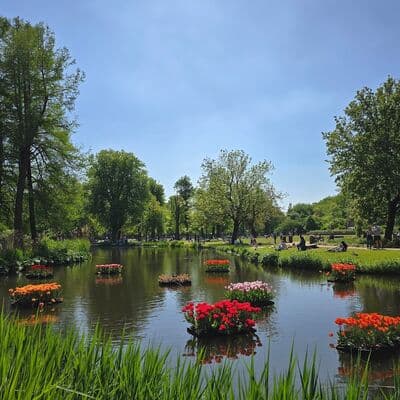
Amsterdam is beautiful year-round, but each season offers a different experience. Spring (April-May) is the most magical time when the famous tulips bloom. Keukenhof Gardens, just 40 minutes from the city, transforms into a sea of over 7 million flowers. Temperatures range from 50-63°F (10-17°C), comfortable for walking though rain is still possible.
Summer (June-August) is peak season with temperatures of 63-77°F (17-25°C). This is ideal for canal-side terrace dining, outdoor festivals, and long evening strolls. However, the city is at its most crowded, museum queues can stretch for hours, and accommodation prices are 30-50% higher than average. Book hotels and museum tickets well in advance.
Fall (September-November) brings fewer tourists but increasingly unpredictable weather - frequent rain and cooler temperatures require layers and an umbrella. The upside is peaceful museum visits and better accommodation deals. Winter (December-February) is cold and damp but the city transforms for Christmas: canals sparkle with lights, the Amsterdam Light Festival illuminates the waterways, and an ice rink appears on Museumplein. Winter temperatures hover around 32-43°F (0-6°C).
New Year's Eve in Amsterdam is legendary - and chaotic. The entire city becomes one giant party with fireworks exploding everywhere. It's an unforgettable experience, though some find it overwhelming. If you prefer a calmer celebration, consider staying outside the city center.
Getting There
Amsterdam Schiphol Airport (AMS) is one of Europe's major hubs, with direct flights from most major US cities. From New York, expect a 7-8 hour flight; from Los Angeles, around 10-11 hours. Major carriers include Delta, United, KLM, and American Airlines. Round-trip fares typically range from $500-1,000 depending on season and how far in advance you book. Budget carriers like Norwegian and Icelandair offer cheaper options with connections.
Schiphol Airport is located just 11 miles (17 km) from city center and is exceptionally well-connected. The fastest way downtown is the NS train, departing every 10-15 minutes to Amsterdam Centraal Station. The journey takes 15-20 minutes and costs about €6 ($6.50). Tickets can be purchased from machines or the NS app (credit cards accepted). Airport Express buses 197 and 397 go to Leidseplein and Museumplein for about €7 ($7.50).
US citizens can visit the Netherlands for up to 90 days without a visa under the Schengen Agreement. Starting in 2025, you'll need to register for ETIAS (European Travel Information and Authorization System), an online pre-travel authorization costing €7 and valid for 3 years. This is not a visa but a simple online form. Make sure your passport is valid for at least 3 months beyond your planned departure date.
Getting Around
Amsterdam is a compact city, and most attractions are within walking distance of each other. The historic center can be explored on foot in just a few hours. For longer journeys, public transportation is excellent.
The city's public transit network includes trams (16 lines), metro (5 lines), buses, and ferries. Pay with any contactless bank card (tap in and tap out) or an OV-chipkaart transit card. Single rides cost about €3.40, but day passes are more economical: 24-hour pass is €9, 48-hour is €15, 72-hour is €21. These cover all city transport.
Bicycles are Amsterdam's unofficial symbol. With over 500 miles of bike paths, locals cycle everywhere in all weather. Tourists can rent bikes from €10-15/day at numerous rental shops (MacBike, Yellow Bike, Swapfiets). It's a wonderful way to experience the city like a local, but takes some getting used to: bike lanes are busy with their own rules (yield to pedestrians, use your bell), and a sturdy lock is essential - bike theft is common.
Canal boats aren't just tourist attractions - they're also public transport. Free GVB ferries cross the IJ river 24/7. For scenic exploration, rent a self-drive boat (from €50/hour) or join a guided tour (from €15/person). Hop-on hop-off boats (around €25) are convenient for first-time visitors.
Taxis are expensive and rarely needed in the center. Base fare is about €3, plus €2.50/km. Uber operates but prices are similar to regular taxis. For airport transfers, book ahead (expect €35-45 to Schiphol).
Neighborhoods
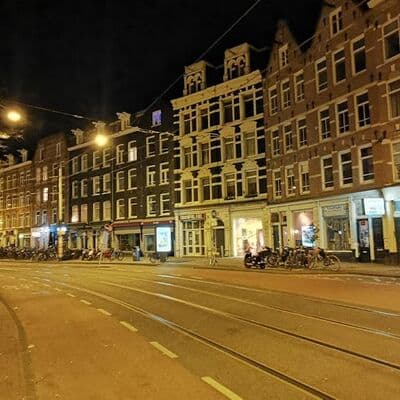
Amsterdam is small but its neighborhoods have distinct personalities. Understanding them helps choose where to stay and what to explore.
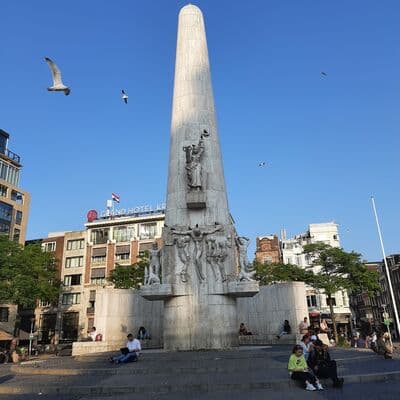
Centrum is the historic heart with main attractions: Dam Square, Royal Palace, Oude Kerk, the Red Light District (De Wallen), and countless canals. It's the most touristy and expensive area for accommodation, but everything is at your doorstep. Central Station is the main transport hub.
Jordaan is a former working-class quarter now one of Amsterdam's most charming and photogenic neighborhoods. Narrow streets along picturesque canals, independent galleries, antique shops, atmospheric cafes and restaurants. Anne Frank House is here. Jordaan appeals to creative types and those seeking a bohemian atmosphere.
Museum Quarter (Museumkwartier) is the elegant area around Museumplein, home to the city's major museums: Rijksmuseum, Van Gogh Museum, and Stedelijk. Also here: Concertgebouw concert hall, Vondelpark, and upscale shops on P.C. Hooftstraat. Perfect for art lovers and those seeking a refined atmosphere.
De Pijp is a multicultural, youthful, trendy neighborhood south of center. Famous for Albert Cuyp Market (the largest in the Netherlands), numerous ethnic restaurants, hip bars, and vintage shops. The vibe is more relaxed and local than central Amsterdam. Great for experiencing the city like a true Amsterdammer.
Oost (East) is a rapidly gentrifying area gaining popularity. Oosterpark, Artis Zoo, Botanical Garden, and Tropenmuseum are all here. Plenty of cafes and restaurants with local atmosphere, and prices lower than center. Good balance of accessibility and authenticity.
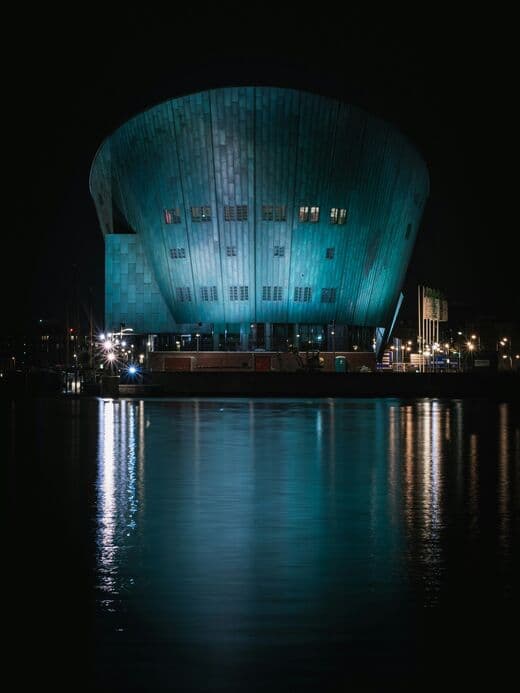
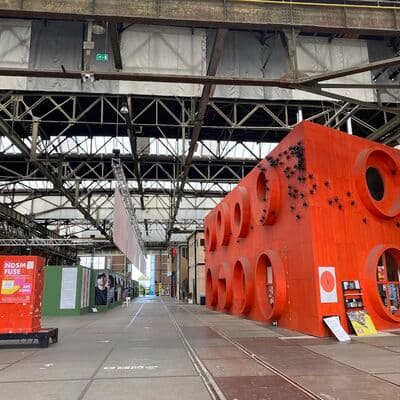
Noord (North) is across the IJ river, once an industrial outskirt. Today it's the epicenter of creativity: former shipyards now house cultural centers like NDSM and A'DAM Toren with the city's best observation deck. Free ferries from Centraal run 24/7.
Top Attractions
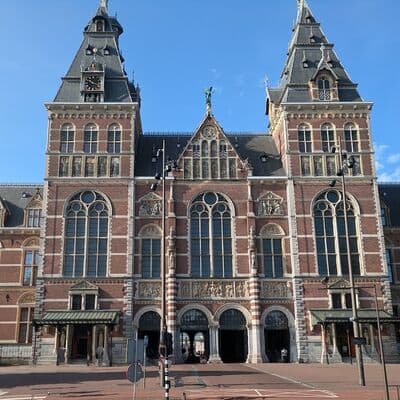
Rijksmuseum is the Netherlands' premier art museum and one of the world's most important. Its collection of 8,000+ works includes masterpieces by Rembrandt (The Night Watch), Vermeer, Hals, and other Dutch Golden Age masters. The neo-Gothic building is a work of art itself. Allow at least 2-3 hours. Admission is about €23; book online to skip lines.
Van Gogh Museum holds the world's largest collection of the post-impressionist master's work: over 200 paintings, 500 drawings, and hundreds of letters. Trace his evolution from early Dutch works to brilliant sunflowers and starry nights. The museum is modern and interactive with audioguides in multiple languages. Admission about €22; online booking is mandatory - you cannot enter without a timed-entry ticket.
Anne Frank House is the building where Jewish teenager Anne Frank and her family hid from the Nazis during WWII. The secret annex behind the bookcase is preserved almost unchanged. One of Amsterdam's most emotionally powerful sites. Tickets about €16; book 6-8 weeks ahead - this is the city's most popular museum.
Royal Palace (Koninklijk Paleis) on Dam Square is the official residence of the Dutch King, though mainly used for ceremonies. The magnificent 17th-century building features marble interiors and an art collection. Admission about €12.50. Open when no official events are held.
Red Light District (De Wallen) is one of the city's oldest neighborhoods and perhaps the world's most famous such district. The red-lit windows are just part of the picture; you'll also find historic churches, bars, coffee shops, and museums. Safe to walk day and night, but follow the rules: never photograph sex workers (strictly prohibited and enforced), don't haggle or behave disrespectfully, don't buy drugs on the street. In 2025, reforms continue - the city plans to relocate some establishments outside the center.
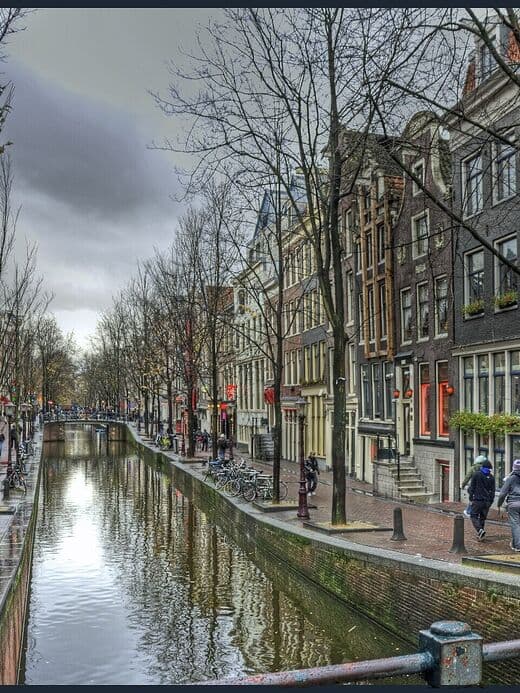
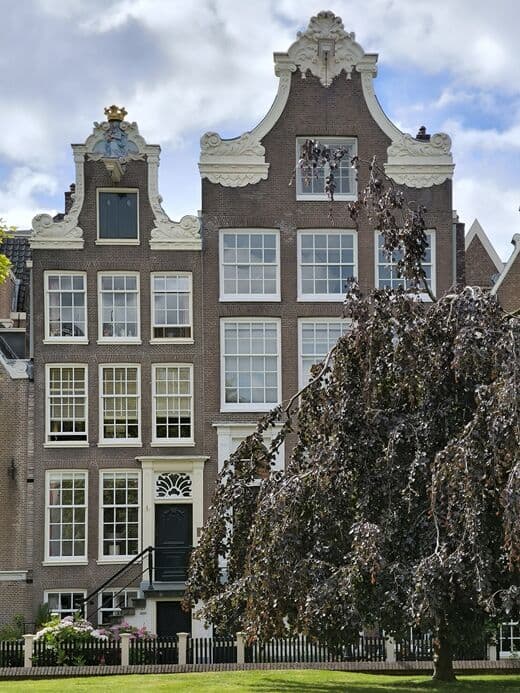
Amsterdam's Canals are a UNESCO World Heritage Site. The three main canals (Herengracht, Keizersgracht, Prinsengracht) form concentric half-rings around the old city. A boat tour is the classic way to see the city from the water. Also worth walking along the canals admiring historic houses with their characteristic facades and hoisting hooks.
Keukenhof (45 minutes from city) is the world's largest flower garden, open only late March to mid-May. Over 7 million tulips, daffodils, and hyacinths create incredible displays. Admission about €20 plus transport. Arrive early (opens 8 AM) to avoid crowds.
What's New in 2025
Central Station renovation continues. By 2025, the new underground bicycle parking for 11,000 bikes - the world's largest - is complete. Pedestrian access to the waterfront is also improved.
Red Light District restrictions are tightening. The city continues policies to reduce tourist pressure: moving some window displays to a special "erotic center" outside the center is under discussion. Guided group tours through the district are already banned.
New coffee shop rules: The city is considering banning cannabis sales to tourists in central coffee shops. This remains under discussion, but check news before your trip.
Rijksmuseum expansion: The museum has unveiled new galleries dedicated to Dutch design and slavery history, expanding the collection to include previously overlooked topics.
New metro station on the North line has improved connections between the center and Noord, where cultural development continues rapidly.
Environmental initiatives: From 2025, diesel vehicles manufactured before 2005 are banned from the city center. Car-free zones are also expanding.
Food & Restaurants
Dutch cuisine goes beyond cheese and herring. As a cosmopolitan city, Amsterdam offers enormous variety, and local chefs are increasingly reimagining traditional dishes.
Dutch Herring (haring) is a must-try experience. Fresh, lightly salted herring served with onions and pickles at stands throughout the city. The classic way is to grab it by the tail and eat whole (or ask for it cut). About €4-5. Best stands: Frens Haringhandel near Central Station and Stubbe's Haring on Singel.
Cheese is the Netherlands' pride. Gouda, Edam, old (aged) and young - try different varieties at markets or specialized shops. Visit Reypenaer cheese tasting for guided sampling (about €20). Albert Cuyp Market offers good prices.
Stroopwafels are waffle cookies with caramel filling, best warmed over a hot cup of coffee. Buy fresh at markets (€1-2 each), not tourist shops. Best brand: Van Wonderen Stroopwafels.
Bitterballen are crispy deep-fried meatballs, the traditional beer snack. Served with mustard at every cafe and bar. A portion runs €5-8.
Indonesian cuisine is a colonial legacy. Rijsttafel ("rice table") features dozens of small dishes served together: satay, rendang, gado-gado, and more. Try Blauw or Tempo Doeloe (from €35/person).
Surinamese cuisine is another colonial heritage. Restaurants like Roopram Roti serve roti with curry, nasi goreng, and other hearty dishes at accessible prices (€10-15).
Fine Dining: Amsterdam boasts two three-Michelin-star restaurants - Librije's Zusje and &samhoud places. One and two-star restaurants offer tasting menus from €100.
Cafe Culture: Traditional "brown cafes" (bruine kroegen) are cozy establishments with dark wooden interiors where you can enjoy beer or coffee. Café 't Smalle in Jordaan and Café Hoppe are classic examples. Coffee in Amsterdam is excellent - try local roasters like Lot Sixty One or Bocca.
Nightlife
Amsterdam is famous for its liberal and diverse nightlife. From classic jazz clubs to underground techno parties, there's entertainment for every taste.
Coffee Shops are legal establishments where you can buy and consume cannabis. Popular tourist spots include Bulldog, Greenhouse, and Barney's. Rules: buyers must be 18+, maximum 5 grams, consume only inside. Tobacco mixing isn't allowed (indoor tobacco smoking is banned), so order "pure" or use vaporizers. Coffee shops are not cafes - they sell coffee but the main product is cannabis.
Leidseplein and Rembrandtplein are the main nightlife hubs with concentrated bars, clubs, and restaurants. The vibe is touristy and loud but fun. Venues like Melkweg and Paradiso offer live music and DJ sets in former churches and dairies.
Techno Scene: Amsterdam is a world capital of electronic music. De School (in a former school building) regularly ranks among the world's best clubs. Shelter - a basement club under a restaurant - specializes in techno. Door policies can be strict.
Noord offers an alternative scene: NDSM cultural center with concerts and festivals, Pllek - a waterfront bar with city views, Oedipus Brewing - a craft brewery with taproom.
LGBTQ+ Scene: Amsterdam has historically been one of the world's most LGBTQ+-friendly cities. Reguliersdwarsstraat is the center of gay life with bars, clubs, and restaurants. Canal Pride in August is one of the world's largest pride parades.
Jazz and Live Music: Bimhuis is a legendary jazz club with water views. North Sea Jazz Club and Jazz Cafe Alto are cozy venues for live sound lovers. Concertgebouw offers world-class classical performances.
Shopping
Amsterdam is a shopping paradise: from flea markets to high-fashion boutiques, vintage treasures to designer finds.
Nine Streets (De Negen Straatjes) is a quarter between Prinsengracht and Singel canals with independent boutiques, vintage shops, ateliers, and galleries. Perfect for unique finds and gifts.
P.C. Hooftstraat is the luxury shopping street with Chanel, Louis Vuitton, Gucci, and other high-end boutiques. Nearby is de Bijenkorf, the Dutch equivalent of Harrods or Nordstrom.
Albert Cuyp Market is the Netherlands' largest street market, open daily except Sundays. Fresh produce, cheese, clothing, flowers, fabrics - all at accessible prices. Authentic local atmosphere.
Flea Markets: Waterlooplein is a daily flea market with antiques and vintage items. IJ-Hallen in Noord is Europe's largest flea market, open one weekend per month (€6 entry).
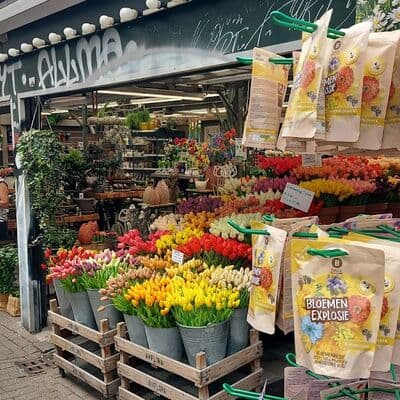
Flower Market (Bloemenmarkt) is the world's only floating flower market on the Singel canal. Tulip bulbs, seeds, and souvenirs. Be careful buying bulbs for export - not all varieties can cross borders legally.
What to Buy: Dutch cheese (up to 4 lbs can be brought to US), stroopwafels, Delft pottery (authentic is expensive, souvenir versions are affordable), bicycle and tulip-themed goods, Dutch gin (jenever), local chocolate.
Budget Planning
Amsterdam is expensive, one of Europe's costliest cities. However, smart planning can help manage costs.
Budget Traveler ($100-150/day): Hostel ($30-50/bed), breakfast at hostel or supermarket, lunch at budget spots or fast food ($12-18), dinner at casual restaurant ($20-30), day transit pass ($10), 1-2 free or low-cost attractions.
Mid-Range ($200-300/day): 3-4 star hotel ($120-200/room), cafe breakfast, restaurant lunch ($25-35), dinner with wine ($50-70), museums and entertainment ($30-45).
Luxury ($400+/day): 5-star or boutique canal hotel ($300-600), fine dining ($120+/dinner), private tours, spa, shopping.
Sample Prices: Coffee $3.50-4.50, beer in a bar $6-8, glass of wine $7-12, bitterballen $6-9, restaurant lunch $18-35, Rijksmuseum entry $25, canal tour $18-30.
Tourist Cards: I amsterdam City Card includes free entry to 70+ museums, public transport, and discounts. 24 hours costs €65, 48 hours €85, 72 hours €100. Worth it if you plan several major museums. Holland Pass and Museum Card are alternatives for museum enthusiasts.
Money-Saving Tips: Book museum tickets online in advance (sometimes cheaper), eat at markets and supermarkets, bike instead of transit, visit museums on rare free days, explore neighborhoods beyond the center.
Culture & Etiquette
The Dutch are known for directness and pragmatism. Understanding local customs helps avoid misunderstandings.
Directness: The Dutch say what they think and appreciate when others do the same. This isn't rudeness - it's cultural. Don't take direct comments personally.
Punctuality: Being late is considered disrespectful. If you've arranged a meeting, arrive on time. Restaurant reservations are for specific times.
Cyclists: Bike lanes are sacred. Don't walk in bike lanes (usually red or separated), don't stand in them, and listen for bells - cyclists warn of their approach.
Tolerance: Amsterdam is one of the world's most tolerant cities. Diversity and personal freedom are celebrated. Discrimination of any kind is unacceptable.
Coffee Shops and Legalization: While cannabis is legal in coffee shops, smoking on the street is prohibited. In 2025, fines for street smoking in the center have increased. Be responsible.
Red Light District: Treat sex workers with respect. Photographing women in windows is strictly forbidden - cameras can be confiscated and fines issued. Don't bargain or behave vulgarly.
Tipping: Unlike the US, tipping isn't obligatory but appreciated. In restaurants, round up the bill or leave 5-10% for good service. At bars, small change is fine.
Travel Tips
Book Ahead: Tickets for Anne Frank House, Van Gogh Museum, and Rijksmuseum should be purchased weeks in advance. Van Gogh Museum won't admit anyone without a timed-entry online ticket.
Weather: Bring an umbrella and waterproof jacket any time of year. Weather changes quickly, rain is possible any month. Summer can be both hot and cool in one day.
Cards and Cash: Credit cards are accepted almost everywhere, but some small establishments and markets work only with cash or local Maestro/V PAY cards. Having some cash is wise.
Language: Virtually all Dutch speak excellent English. Basic Dutch phrases (Dank u wel - thank you, Alstublieft - please) are appreciated.
Water: Amsterdam tap water is excellent quality and safe to drink.
Safety: The city is safe, but standard precautions apply. Watch for pickpockets in tourist areas, don't leave belongings unattended, use a sturdy lock for rented bikes.
Sundays: Many shops open late (noon) or are closed. Restaurants and museums operate normally.
Photography: In the Red Light District, photographing sex workers is absolutely forbidden. In museums, photography without flash is usually allowed. In coffee shops, photos are typically not permitted.
Sample Itineraries
3 Days in Amsterdam
Day 1: Arrive and settle in. Walk the center: Dam Square, Royal Palace, Kalverstraat shopping street. One-hour canal cruise. Evening in Jordaan - dinner at a cozy restaurant.
Day 2: Morning at Van Gogh Museum (book for 9 AM opening). Then stroll Museum Quarter and Vondelpark. Lunch in De Pijp, visit Albert Cuyp Market. Evening - explore Red Light District (if interested) or jazz club.
Day 3: Anne Frank House (book ahead!), explore Jordaan. Rijksmuseum. Evening - Leidseplein bars or clubs.
5 Days in Amsterdam
Days 1-3: As above.
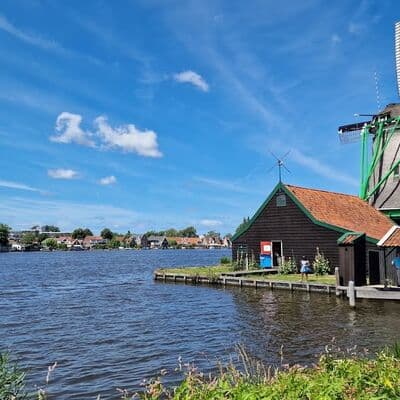
Day 4: Day trip to Keukenhof (spring) or Zaanse Schans - open-air museum with windmills and traditional crafts. Evening - Noord: NDSM, A'DAM Toren (observation deck and rooftop bar).
Day 5: Morning - Waterlooplein market, Jewish Quarter. Afternoon - museum of choice (Stedelijk, MOCO, Tropenmuseum). Shopping in Nine Streets. Farewell canal-side dinner.
Day Trips from Amsterdam
The Hague and Delft (1 hour by train): Mauritshuis with Vermeer's Girl with a Pearl Earring, government center, Scheveningen beach. Delft - charming city famous for its blue pottery.
Rotterdam (40 minutes): Modern architecture, Cube Houses, Markthal market, port - completely opposite to Amsterdam.
Utrecht (30 minutes): University city with unique two-level canals, medieval center, and Railway Museum.
FAQ
Is cannabis legal in Amsterdam?
Cannabis is semi-legal: buying and consuming in licensed coffee shops is allowed (18+, up to 5g), but smoking on the street is prohibited and fined. Taking it outside the country is a criminal offense.
Can I drink alcohol on the street?
Technically yes, but increasing areas in the center prohibit it. Parks and waterfronts are usually fine, but behave respectfully.
Is the Red Light District safe?
Day and evening - quite safe. Late night, exercise normal caution as in any tourist district. Main concern is pickpockets.
How do I get Anne Frank House tickets?
Online only at the museum website. Tickets go on sale 6 weeks before the visit date and sell out fast - set a reminder.
Do I need to rent a bike?
Not essential, but it's a great way to experience the city like a local. If unsure of your skills, practice on quiet Jordaan streets first.
Where should I exchange money?
Best to use debit/credit cards - exchange rates are fair. Airport exchange bureaus have poor rates. If you need cash, use ATMs (Geldautomaat).
When do tulips bloom?
Peak bloom is mid-April. Keukenhof is open late March to mid-May. Tulips can also be seen in fields outside the park.
Can I fly a drone in Amsterdam?
The historic center is a no-fly zone. Flying elsewhere requires registration and compliance with EU regulations.